Projects

Beata Ruris Otia
Fungis Danicis

Blissful Hours in Nature Among
the Danish Fungi

“Convinced, though, that there is nothing insignificant in all of nature, and that everything the highest power has brought forth and sustains is worth investigating, I gave up my idle hours in my younger years to occupy myself with these small growths — since the creatures we take to be the smallest are just as great a wonder as the largest.”
— Theodor Holmskjold

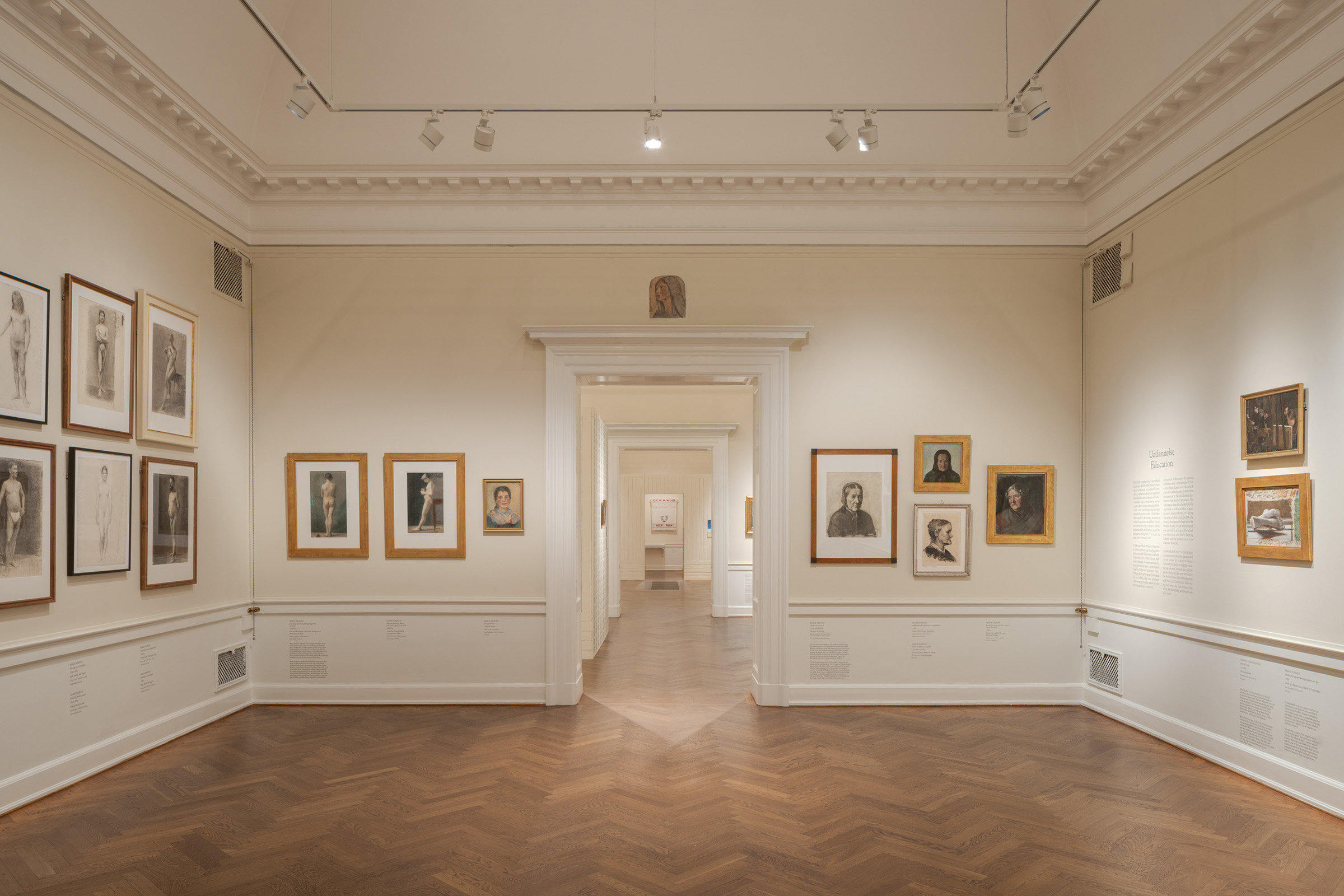
At Sophienholm Manor, North of Copenhagen, we curated and staged this exhibition about fungi in art and science.

The exhibition takes its title from a 1790 book of that name, by Theodor Holmskjold, the man who also had Sophienholm built and lived there during the late 1700s.

The book is a beautifully illustrated treatise on Danish fungi, one of the first of its kind in the world — a rare and cherished masterpiece among mycologists and bibliophiles alike.

All the illustrations from the book are hung throughout the rooms alongside works by contemporary and older artists from Denmark and abroad.

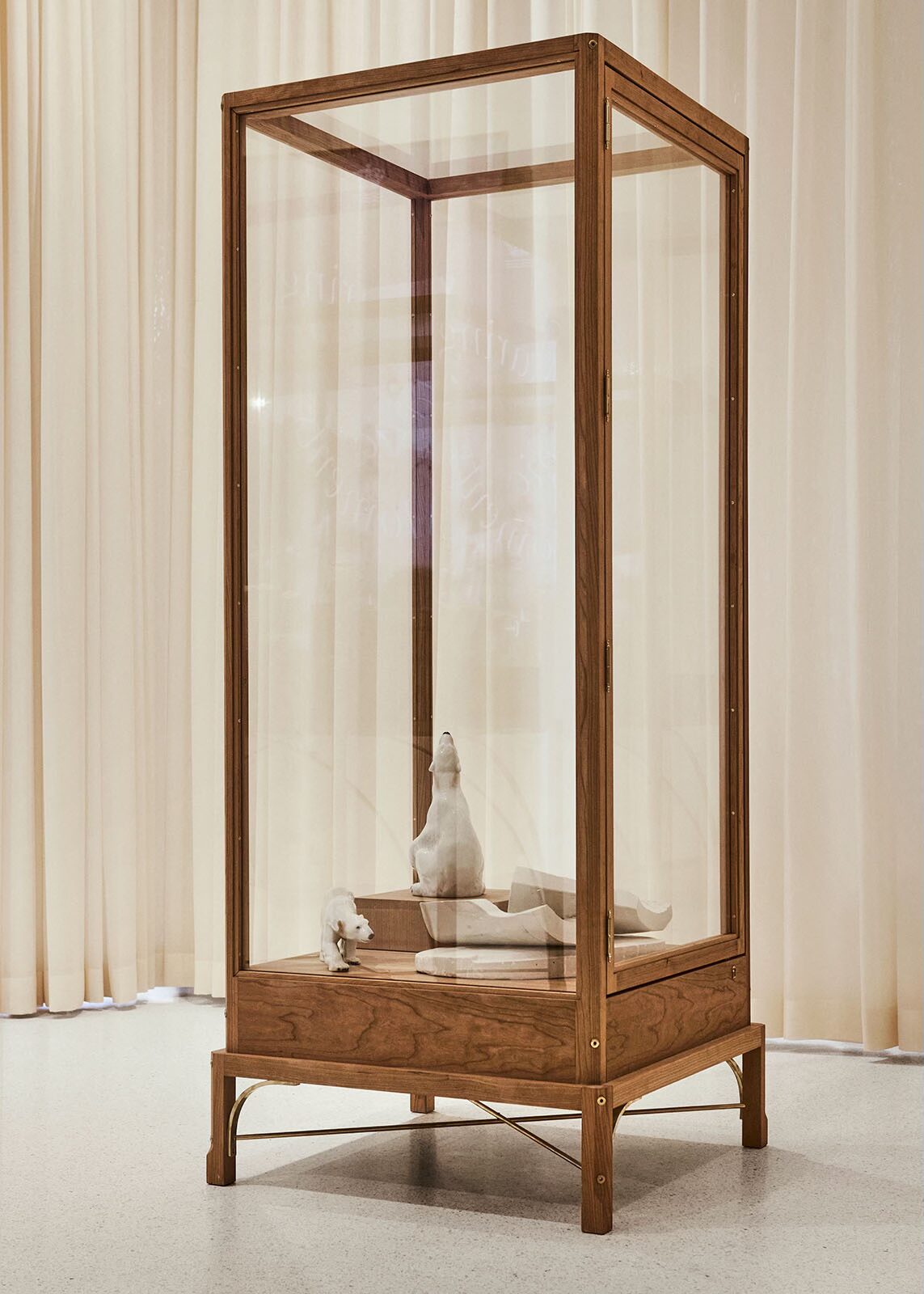
Above and below is an installation by Japanese-French NATSUKO UCHINO who used found materials from the park (including shelf fungi that grow on tree trunks) as well as ceramics and adobo pieces created in the artist’s studio in Southern France.

In the next room (below) were pieces by turn-of-the-century Danish painter, PETER ILSTED, alongside avant-garde New York artist PAUL THEK with works from the 1960s and 70s.

PETER ILSTED’s pieces include a painting of his wife cleaning chanterelles in their kitchen.

PAUL THEK’s pieces are pencil drawings of boletes from his notebook and a found toy, a humming top, painted over to resemble an archetypal fly agaric.

Russian-American SANYA KANTAROVSKY is displayed with Danish Arts and Crafts maker THORVALD BINDESBØLL and contemporary Danish painter OLIVER BAK.

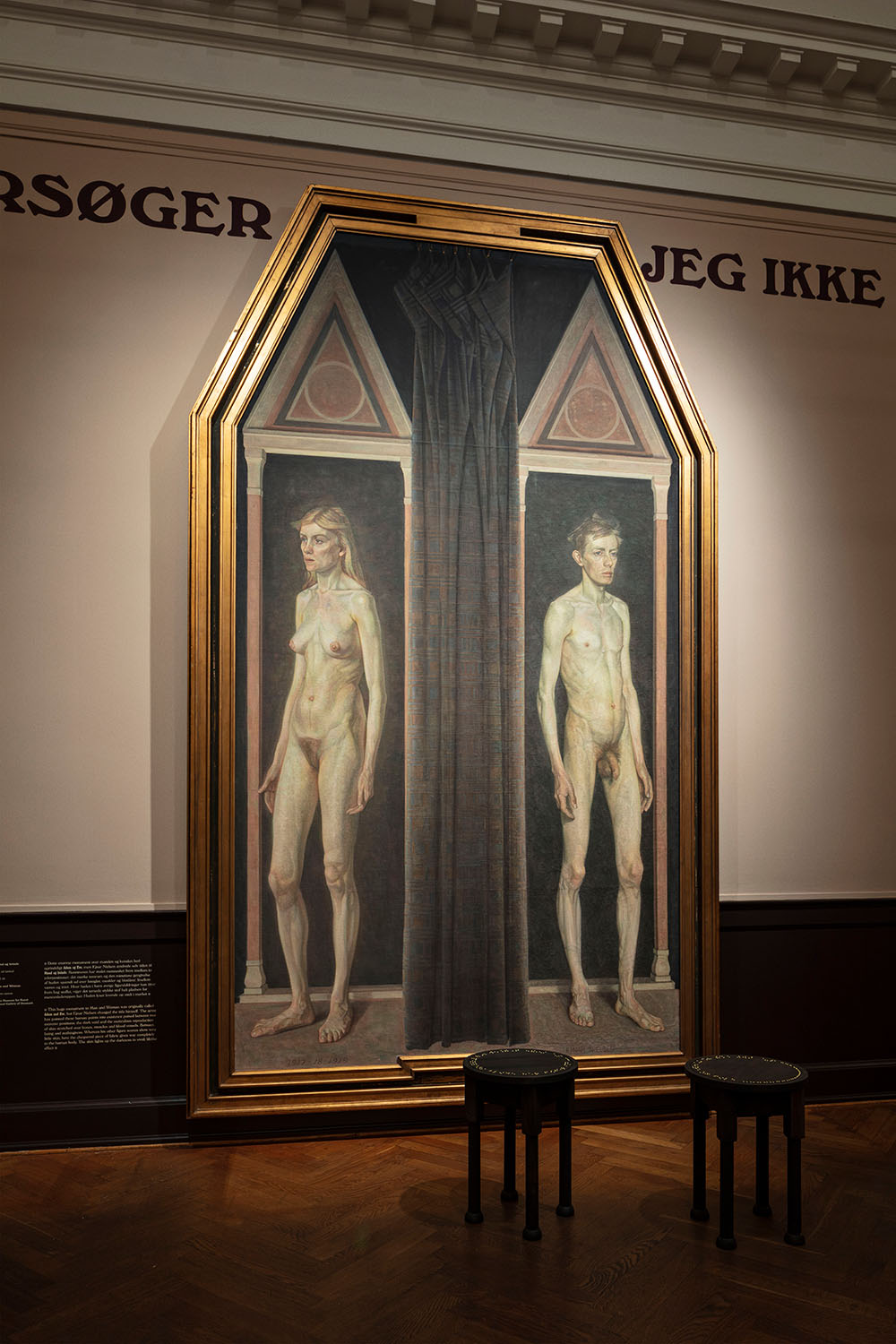
BAK has painted a scene (“Restless Double”) of two human shapes among a lichen-like undergrowth (shown below).

KANTAROVSKY has contributed with two ceramic pieces — one a small porcelain work of mushrooms growths, another a more traditional vessel with mushroom decorations — plus a woven and embroidered piece of a supernatural scene of an anthropomorphized toadstool.

BINDESBØLL’s drawings are studies for ceramic works that use fungi as either shape or decoration.

The Dutch artist MAGALI REUS has created photo assemblages of fungal scenes, in a series that explores nature, agriculture and exploitation (seen below).

Below is an etching by the German Nobel Prize winner in literature, GÜNTER GRASS. Besides writing, he was also an avid mushroom collector and illustrator.

GRASS is displayed alongside a collection of study specimens of large mushrooms from The Museum of Natural History (seen above).

The Japanese artist SHIGEO OTAKE paints tiny pictures of mushrooms in folkloric scenes. For this show he has contributed with examples from his ongoing research project, documenting cordyceps — the parasitic fungus that takes an insect as its host and sends messages to its brain in order to manipulate it into moving to the optimal spot for spreading its spores. The fungus then sends its fruiting body through the exoskeleton of the insect, killing the host while letting the fungus thrive.

In the same room are examples of dried and pressed specimens from The Museum of Natural History — possibly by Theodor Holmskjold, though this is impossible to verify.

Below is an installation by Vibeke Glarboe — three room-size mushrooms in plaster, a meditation on scale and immersion (seen below).

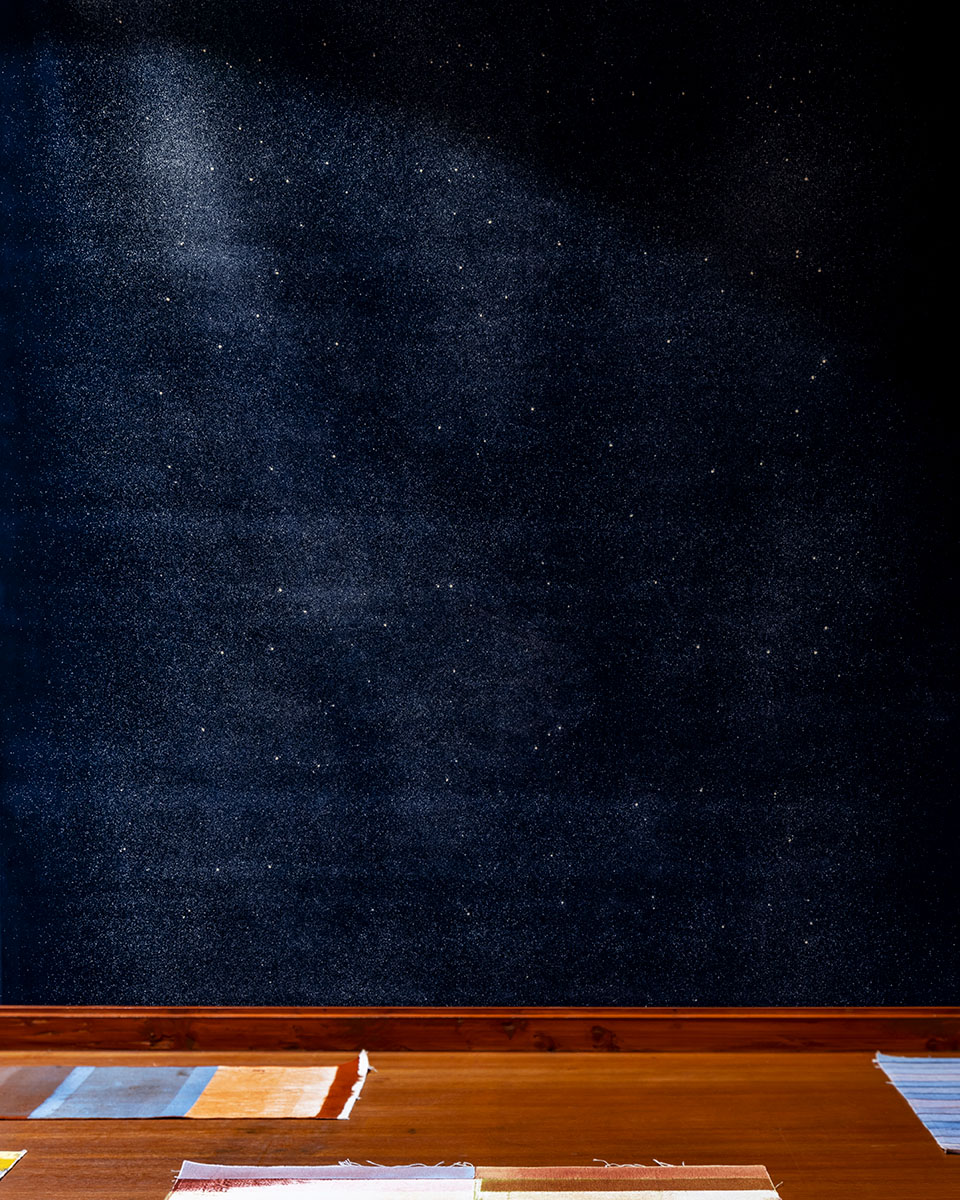
NIKOLAJ HOWALT, also a hobby mycologist as well as renowned visual artist, has created spore growths on photo-sensitive gelatin, resulting in starry night-like scenes. Another example of exploring what happens when the smallest things are scaled up.

He also made bronze casts of true to life mushrooms.

The final room in the show is EBBE STUB WITTRUP, who uses the illustrations and pages from HOLMSKJOLD’s book, altered and manipulated in different ways. A possible subversive act against having to categorize and sort every single thing in the world into neat boxes.

Lastly, Sophienholm’s greenhouses had sgraffito drawings of mushrooms scratched from the chalked-over window panes, done by NATSUKO UCHINO.

CREDITS:

Curation:
Mathias Mentze & Alexander Vedel Ottenstein

Participating Artists:
Oliver Bak (dk)
Thorvald Bindesbøll (dk)
Vibeke Glarbo (dk)
Günter Grass (de)
Nicolai Howalt (dk)
Peter Ilsted (dk)
Sanya Kantarovsky (us)
Shigeo Otake (jp)
Magali Reus (uk)
Paul Thek (us)
Natsuko Uchino (jp/fr)
Ebbe Stub Wittrup (dk)

Photo Documentation:
David Stjernholm

Permanent installation at Søndermarken Krematorium’s Room of Departure.

The Søndermarken complex was designed in the 1930s by early modernist architect Fritz Schlegel. At the time Ny Carlsbergfondet commissioned the painter Georg Jacobsen to decorate the room with a mural depicting the four seasons.

The room is where you go to pick up the urn containing the ashes of the deceased.

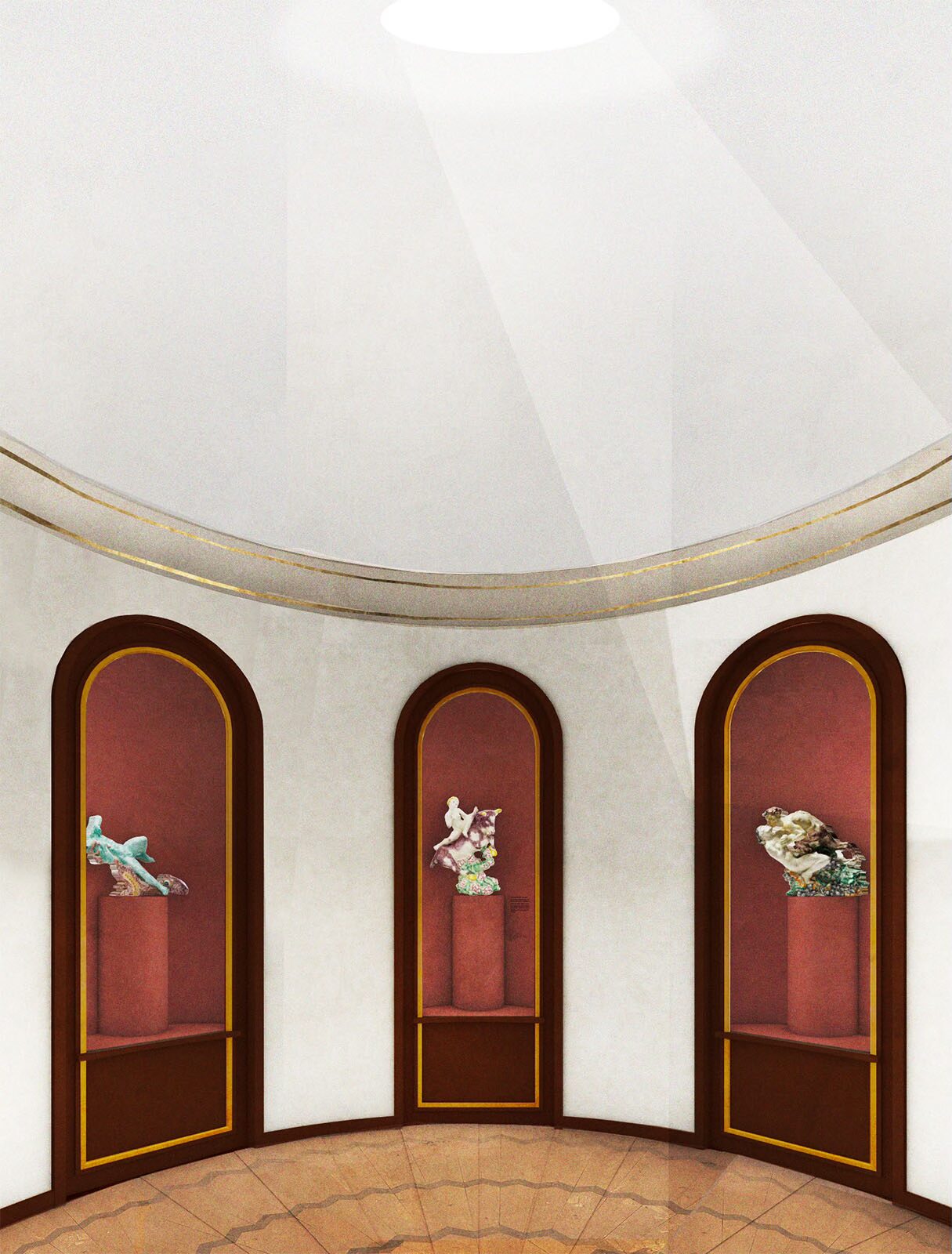
The room itself is a highly formalist design: a perfect square with a domed ceiling containing an off-center oculus, creating a light spot on the floor, that travels across the room as the day progresses.

Our installation uses found pre-modern pieces of furniture, that were cast in bronze. In a direct cast process, moulds were created around the original furniture, and then fired in a kiln. After all the ashes have been removed, only the cavity of the originals remain, for molten bronze to be poured into.

The result is highly true to the originals, recreating even the finest details of the wood grain.

The commission was initiated and funded by Ny Carlsbergfondet, coinciding with their restoration of the mural by conservators from The National Museum of Denmark.

Photos by David Stjernholm.

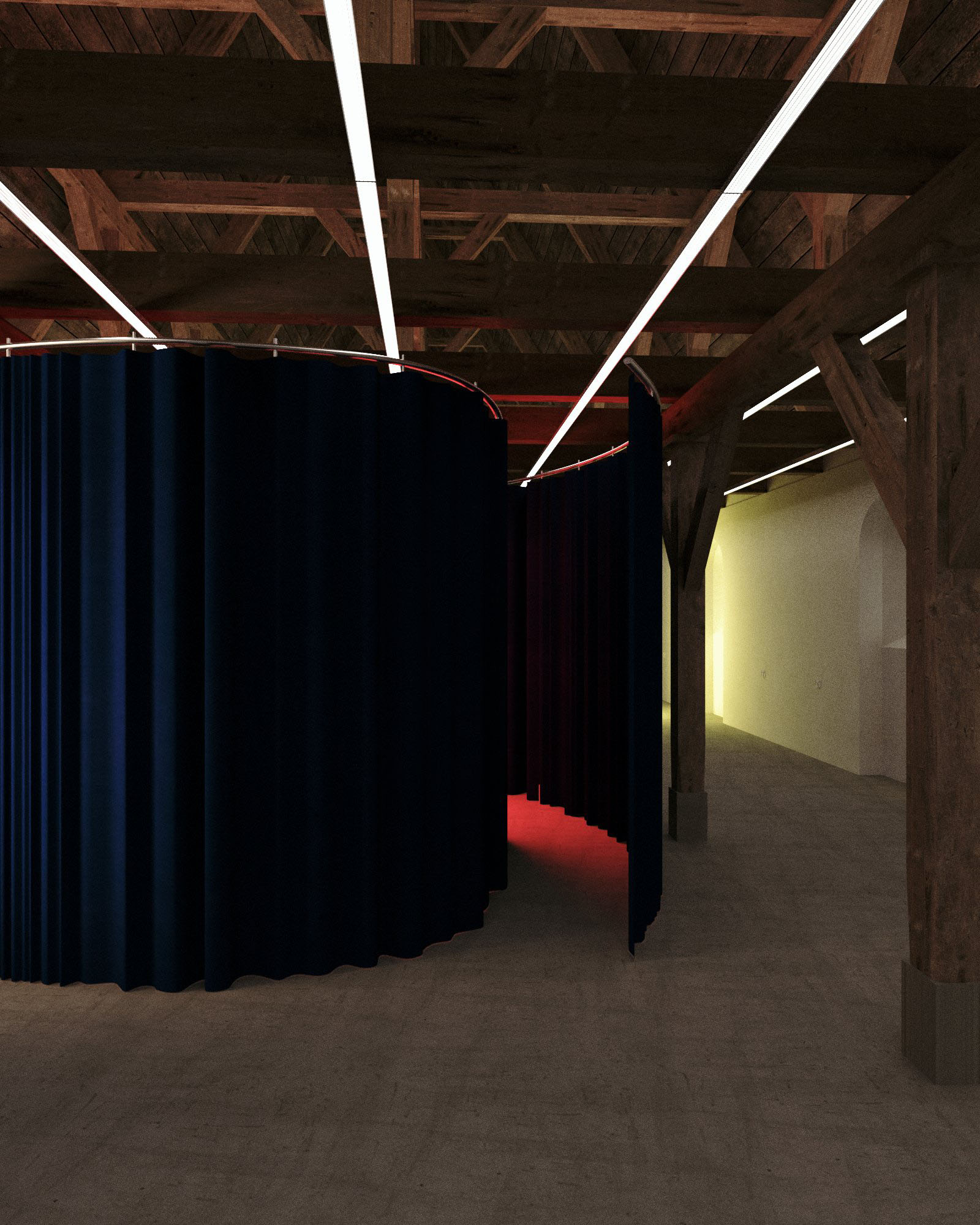
For the 2026 edition of 3 Days of Design we designed Tekla’s showcase of their new collection of quilts at the Banquet Hall at The Royal Academy of Fine Arts.

The installation consisted of large cabin-sized alcove beds with doors on each side, transforming it from a closed box into an open four poster bed.

All doors for the beds were made with patterns inspired by the traditional quilt patterns used in the collection, flipping the grain direction the same way strips of cloth are stitched together to create a geometric effect.

Photos: Ludovic Balay

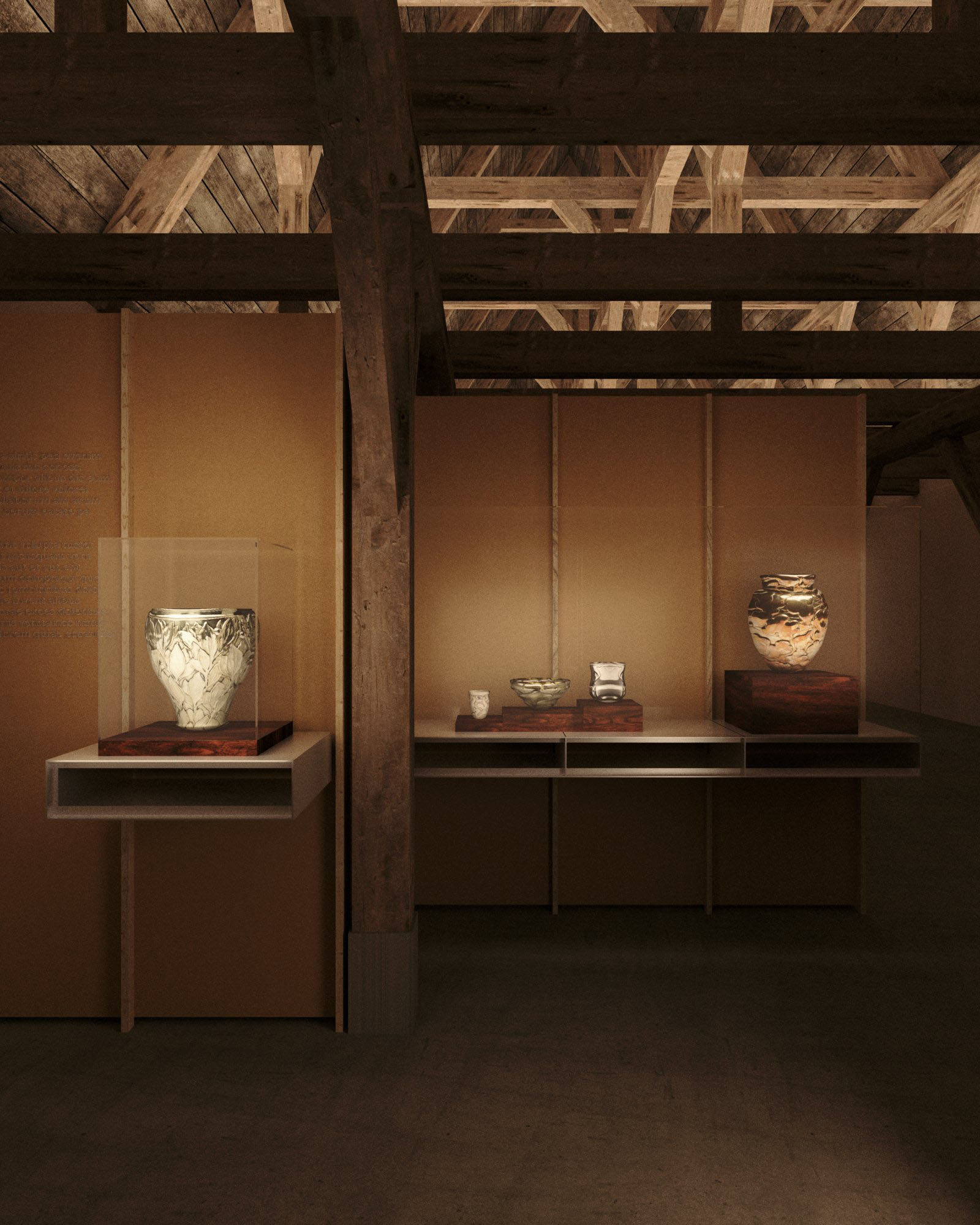
On occasion of the sale of The Ambassador Loeb Collection, Phillips Auctions asked us to design easels, side tables and chairs for the preview show at Erichsens Palæ in the center of Copenhagen. The furniture then went on to travel with the works to the subsequent previews in London and New York City.

The sale most prominently contained works by Vilhelm Hammershøi, but other important figures such as Krøyer, LA Ring and Berta Wegmann were also part of the sale.

The easels and sidetables were inspired by ones found in a painting by Hammershøi.

The furniture was built in Walnut with ebony detailing.


Mentze Ottenstein Team:
Mathias Mentze & Alexander Ottenstein, Stine Müller

Carpenter: Rammelisten

Photos: Christian Møller Andersen

For Tekla, we designed their flagship store in the London district of Marylebone, their first permanent location outside of Copenhagen.

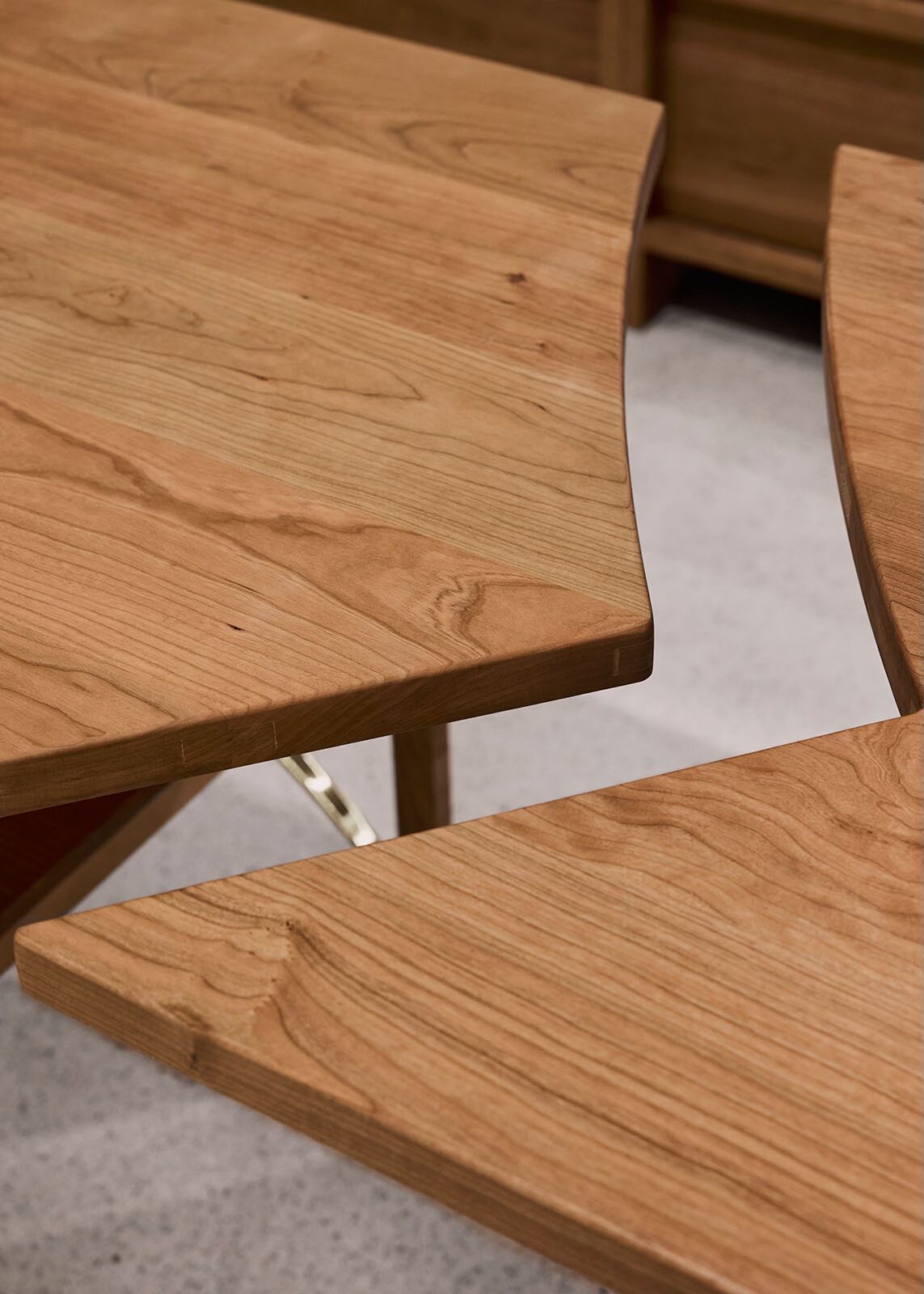
The space is composed of wood and textile screens that create zones and double as specialized retail furniture for each of the brand’s product categories.

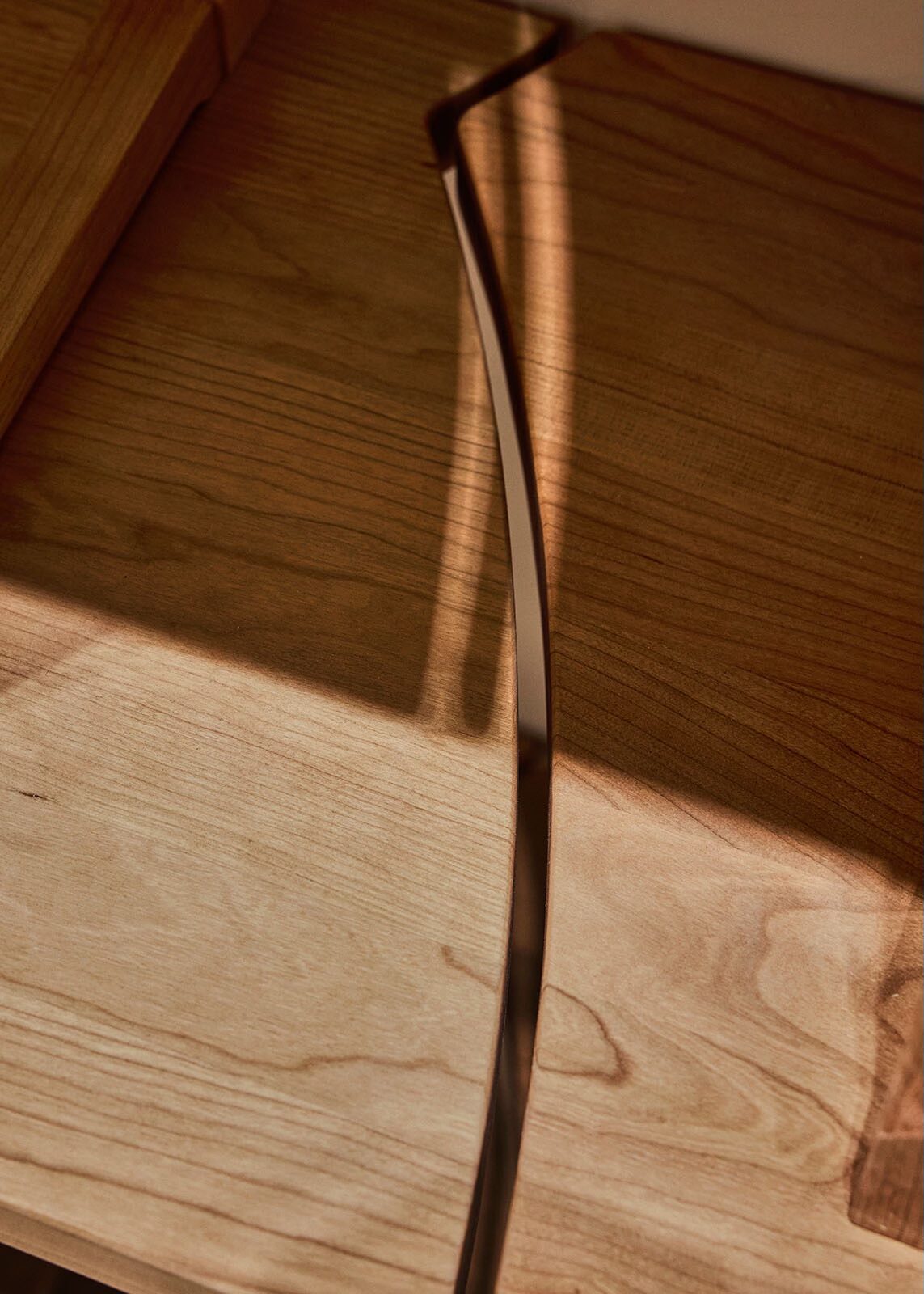
All the elements are solid cherry with light textile in English wool.

The floor is the original oak parquet floor, that was salvaged from underneath layers of coverings by previous tenants.

Smaller items such as tables, mannequins, wooden trays, etc were also specially designed for the space.

The store opened in the fall of 2025.

Photos by Ludovic Balay.

“Ebba Carstensen — Painting From Imagination”, was developed as a joint travelling exhibition at Ribe Kunstsmuseum, Sorø Kunstmuseum and Øregaard Museum, with design by us at each of these locations. The photos here are all from Ribe.

All elements were designed as a modular system making installation, transportation, and re-installation at the next location convenient.

All the elements are built in bulky formats of solid douglas fir with visible nails arranged in threes. They were designed to go with imperfect nature of Ebba Carstensen’s painted surfaces.

Ebba Carstensen worked in the early to mid 1900s. She often painted the same subject over and over again, like her many still lives of tablescapes with breads and eggs or even bird cages.

She also liked to do portraits, of either herself or of other women. Most of her canvases have a dry feeling to them, and she mostly uses earthy tones, something we also used in the color scheme for the exhibition design.

As well as designing skeletal wall units, we also did easels, display cases and tables, and daybeds dispersed around the rooms.

For the version of the show at Sorø Kunstmuseum, we were able to reuse all elements but in a completely different configuration.

Mentze Ottenstein team:
Mathias Mentze & Alexander Ottenstein, Nomi Ancher Bekker
Curation: Simone Lind Rasmussen (Ribe), Mathilde Helnæs (Sorø), Søren Thorlak Madsen (Øregaard)
Graphic Design: Studio Atlant
Photos: David Stjernholm

For Borch Editions and Cassetta, we created this frame for a special edition of works by Danish artist Alexander Tovborg, originally created as illustrations for the Danish republishing of Dante’s Divine Comedy. The frame was made for 55 of these illustrations, all made as aquatinte and line etching in editions of 5.

The frame is self-standing and designed without a backside. Along the sides is a gilded detail, vaguely resembling a cross.

The project was a collaboration between Borch Editions, Cassetta and us.

All photos by David Stjernholm.

At the castle of Brundlund Slot we designed this permanent re-hanging of the collection of surrealist art from The Museum of Southern Jutland.

The castle was designed by Danish Classicist master C F Hansen in the merchant town Aabenraa. For the occasion, the spaces have been repainted in their original whites and greys.

Throughout the exhibition free-standing structures in aluminum and textile panels, augmenting the available wall space as well as creating zones and acting as protection against direct sunlight.

Letting natural light through the windows was important to the over-all spatial experience, even if this poses a challenge to certain works of art, especially those on paper. Means to achieve an acceptably low lux-value was carried out from room to room in collaboration with the museum conservators.

The show included works by Francisca Clausen (who was born in the town of Aabenraa), Vilhelm Bjerke Petersen, Sonja Ferlov Mancoba, Wilhelm Freddie, Fernand Léger and many others.

The aluminum system was also used for building custom display cases for showcasing books, photos, etc.

To sidestep from the extensive uses of cold materials, we also designed chairs, benches and stools in wood, inspired by a church pew designed by C F Hansen for Hørsholm Church.

Curator: Rune Finseth

Carpentry: Museum of Southern Jutland

Mentze Ottenstein team:
Mathias Mentze & Alexander Ottenstein, Nomi Ancher Bekker

Photos: David Stjernholm

At the iconic Thorvaldsens Museum in the center of Copenhagen, we designed MYTHOLOGIES, a special exhibition with contemporary sculptor Bharti Kher taking up the entire first floor of the museum, showcased alongside the sculptures of Bertel Thorvaldsen.

All plinths were designed for each specific sculpture and room, using inverted versions of the plaster mouldings on the existing plinths in the room as decoration throughout.

The signage throughout followed the same pattern, with a large free-standing introduction on an over-sized plinth, as well as small rosette feet carrying signs with artwork data and descriptions.

As a listed building, no signs can be attached to the walls, so everything had to be self-supporting and and fully reversible.

The exhibition was on view from Aug 22, 2025 until Mar 08, 2026.

Curator: Siri Buric

Carpenter: FAO Form

Mentze Ottenstein team:
Mathias Mentze & Alexander Ottenstein, Stine Müller, Emil Boje

Photos: David Stjernholm

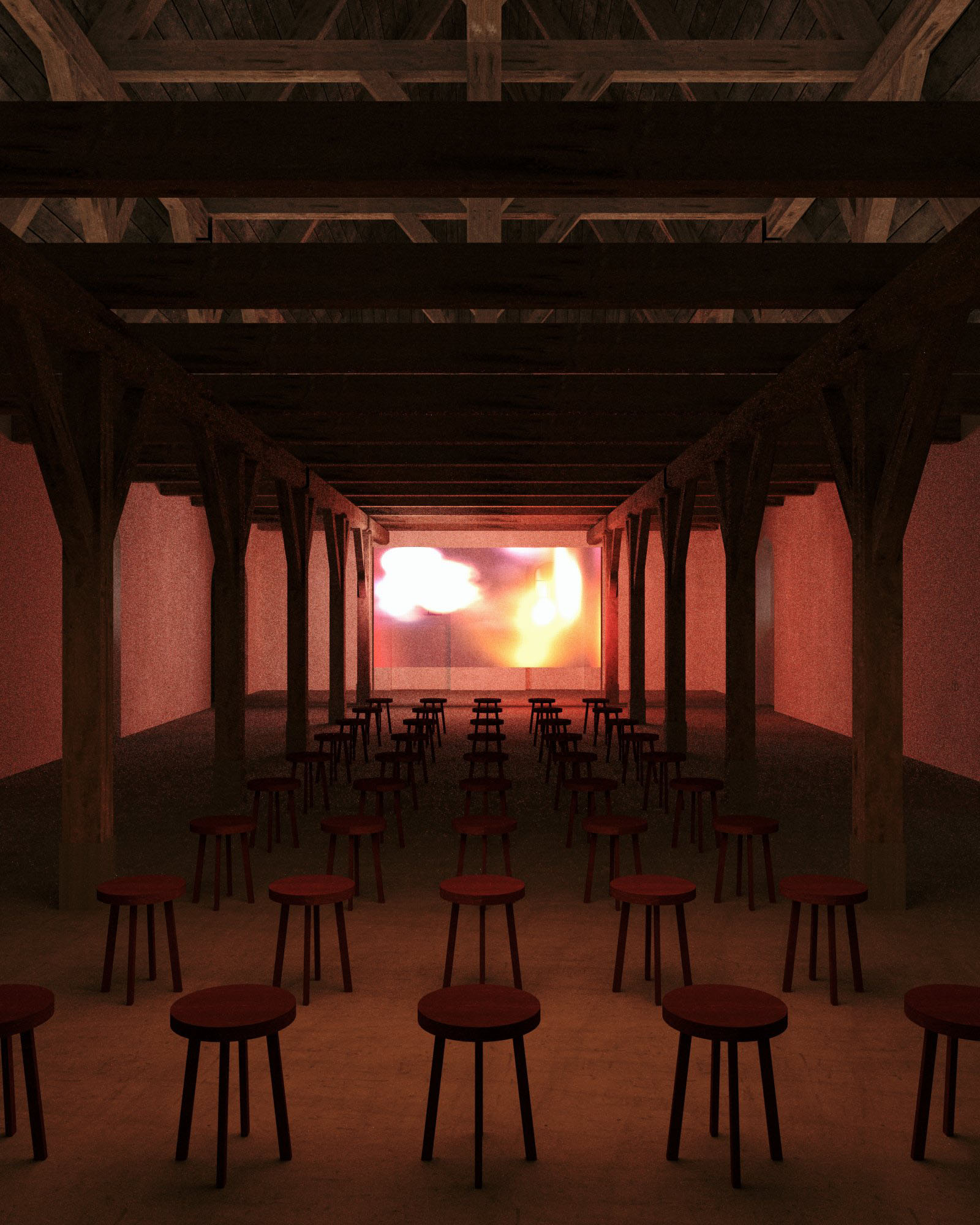
At Nørrebro Teater we made the scenography for the sound exhibition, “In the Presence of Others” with the artists Marina Abramovic, Laurie Anderson, and Miranda July.

The artists’ works were presented as three different acts: Abramovic’s over loudspeaker on the staircase and outside the theater, July’s as a series of shorter comical sequences on the main stage, and Anderson’s — a longer, more dramatic piece, meant to be listened to in private — in intimate tents suspended atop the audience seats.

Credits:

Mentze Ottenstein Team:
Mathias Mentze & Alexander Ottenstein, Nomi Ancher Bekker

Curators: Juliane Hartsø Lassen & Janne Villadsen

Photos: David Stjernholm

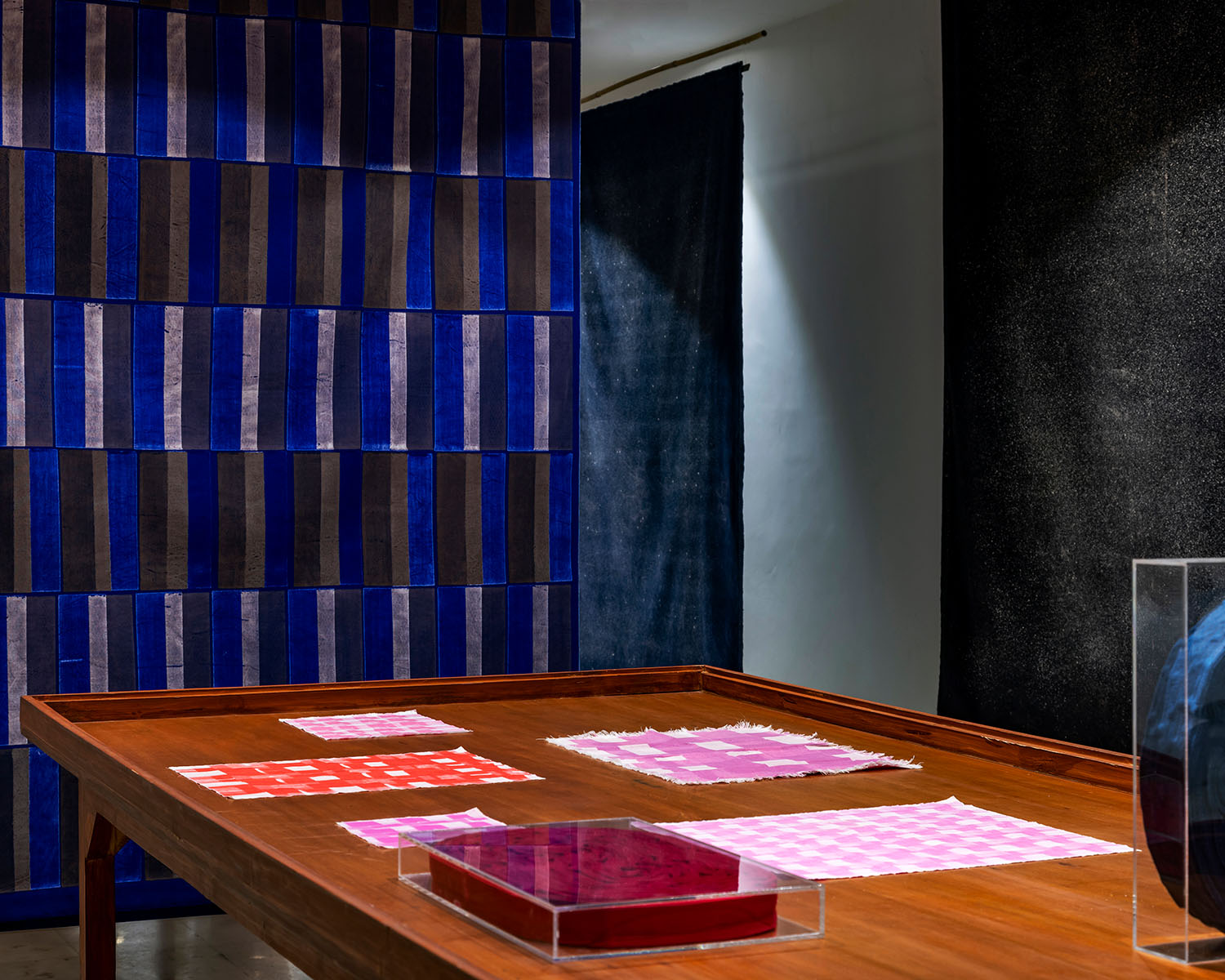
In the Spring of 2025 the exhibition “The Power of Print — Danish Textile Print Through 100 Years” opened at Designmuseum Danmark in Copenhagen. We did the set design for this large-scale exhibition taking up most of the Southern Wing of the Museum.

There are two parallel tracks to the show. The first showcases 8 contemporary textile printers with new work produced for the occasion. These are shown in daylight, something normally unheard of when displaying textile or paper works.

The other section showcases the museum’s extensive collection of printed textile works, focusing on Danish artists/designers/architects from the past 100 years.

This section is kept darker, using only artificial lighting to live up to the conservation needs for textiles. The shift between daylight and artificial lighting also makes it easier for visitors to understand that these are two distinct sections of the same exhibition.

In order to make the many flat pieces of fabric appear more spatial, we designed and produced these wooden poles spanning from floor to ceiling, that allowed us to make complex-seeming structures of draped fabric throughout the spaces.

The wood type chosen was Oregon Pine, as a nod to the system of frames designed for the museum by its original architect Kaare Klint.

For the archive/collection area we changed the materiality of the elements to aluminum and plastic, both to accentuate the shift from one section to another, and to highlight the feeling of being within an archive.

To communicate how textile printing has historically been done, we designed this printing table, that in a stylized way describes how both screen-printing and block-printing works, the two being the most prevalent techniques on show.

All signage throughout the exhibition was made as printed pieces of fabric, the graphics made by Rasmus Koch Studio.

Curator: Kirsten Toftegaard

Participarting contemporary printers: Josefina Enevold, Lisbet Friis, Bitten Hegelund, Else Borup Kallesøe, Anne Fabricius Møller, Liv Marie Rømer, Trine Tronhjem & Janne Wendt

Graphic Design: Rasmus Koch Studio

Carpenter: Rikke Yoon

All photos by David Stjernholm


For Tekla we designed and produced the exhibition Modern Romance during 3 Days of Design in Copenhagen 2025.

The exhibition took place in the grand Banquet Hall at Charlottenborg, the home of The Royal Academy of Fine Arts.

6 beds in European walnut with spindle detailing were propped up on large podiums with pine wood flooring, showcased the new collection of Broderie Anglaise bed linen.

The beds, podiums and layout were designed by us, while the bedding collection was done by the Tekla design team.

All photos by Ludovic Balay.

For art institution Den Frie in Copenhagen, we designed this system of signage on the occasion of the redesign of their welcome facilities.

The project includes a flexible poster-hanging system for the foyer and around the house, as well as a large LED-panel sign for outdoor signage.

The poster system is made of polished steel and is magnetic to allow for varying poster sizes.

The outdoor sign uses LED matrix panels on all four sides of the boxes, allowing for 360 degrees of motion graphics.

Photos by David Stjernholm and Mentze Ottenstein

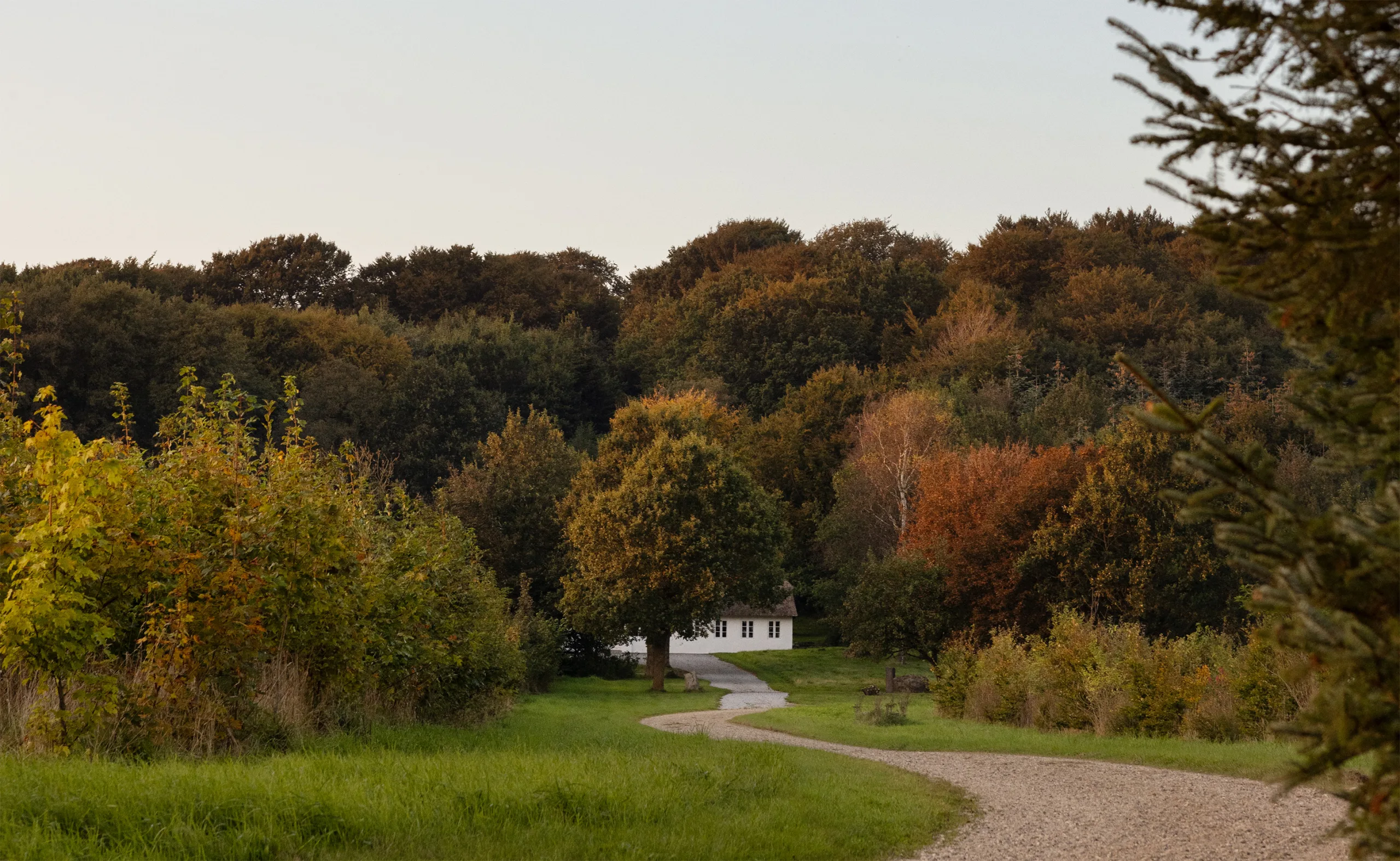
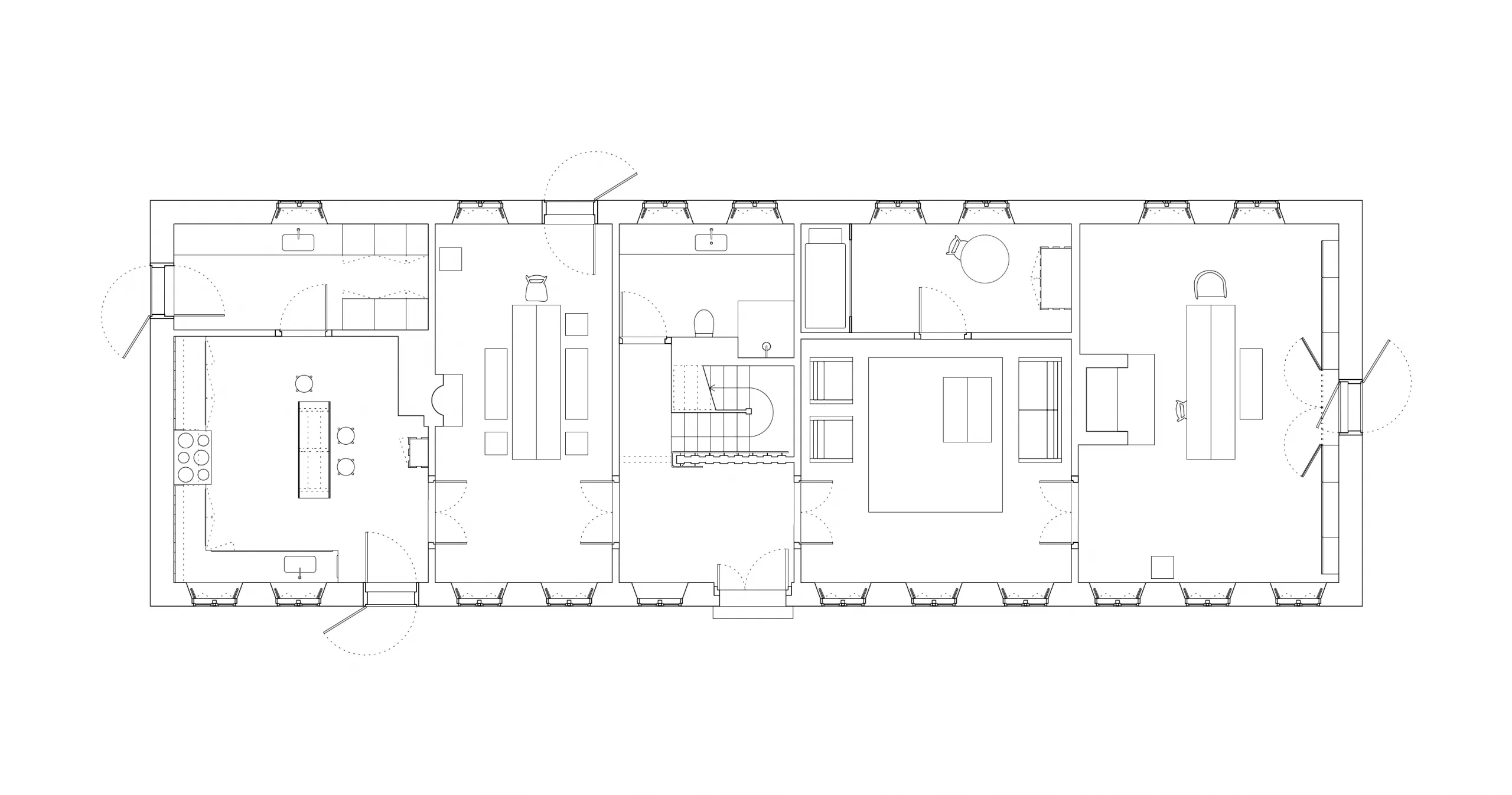
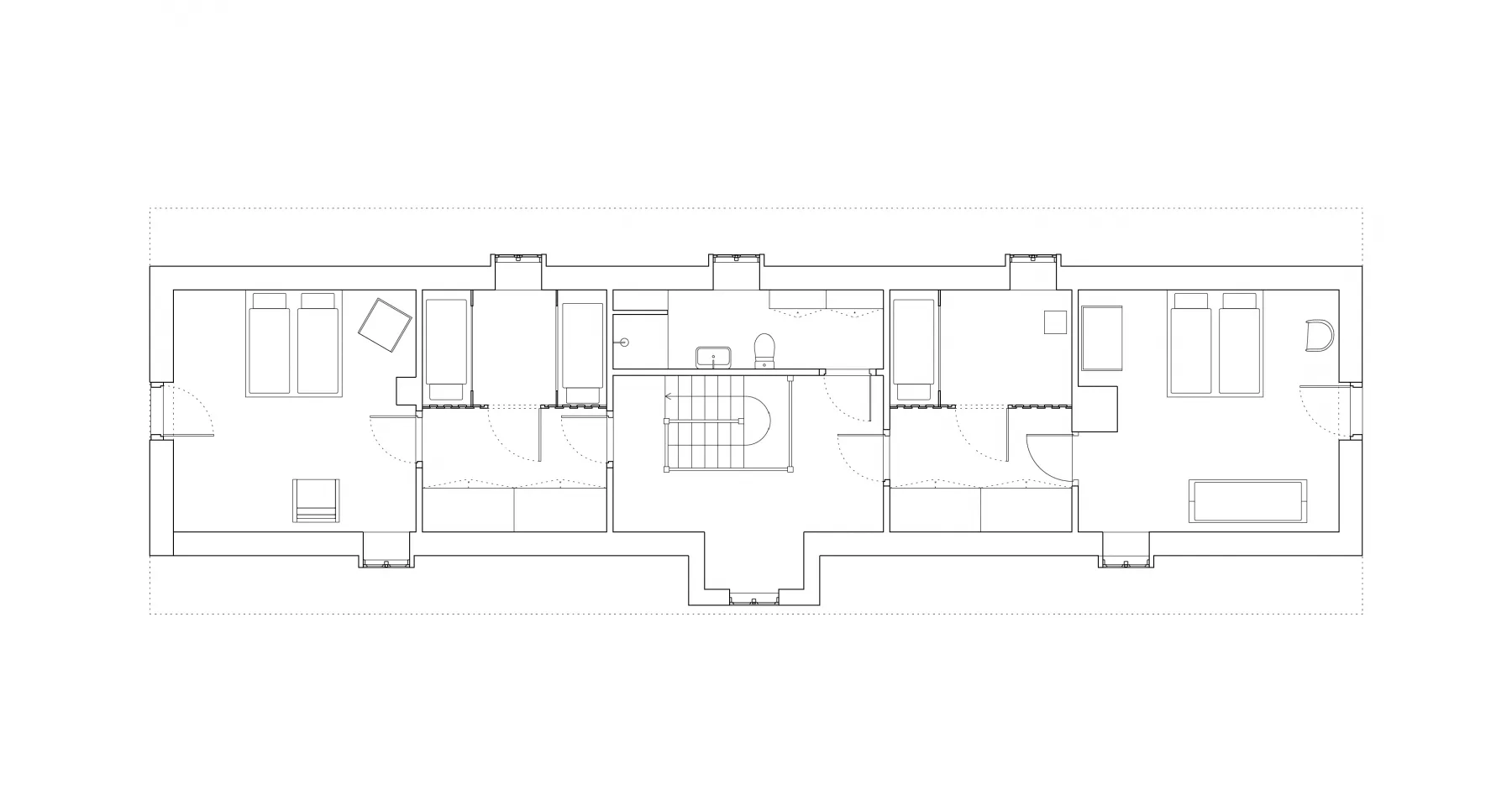
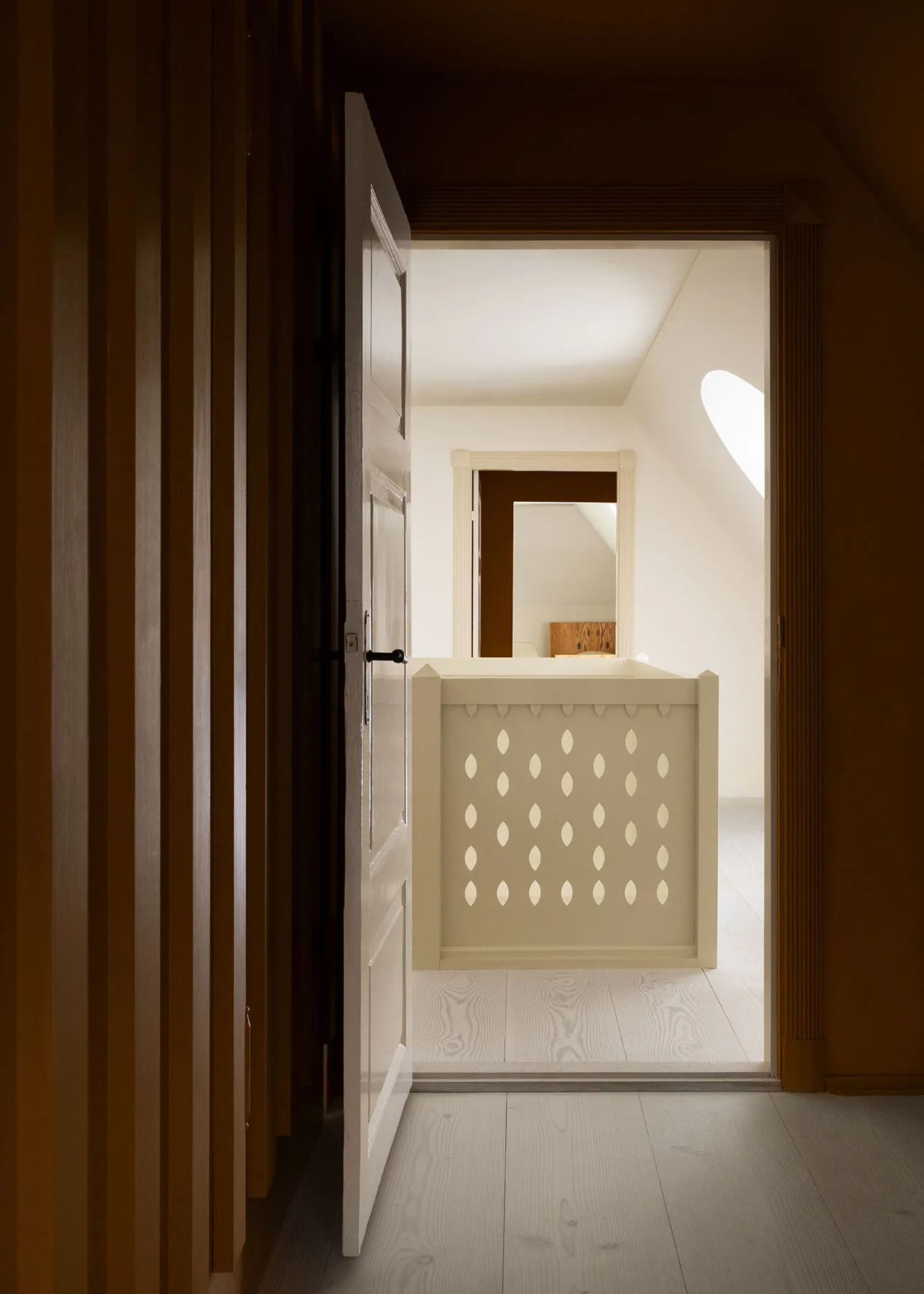
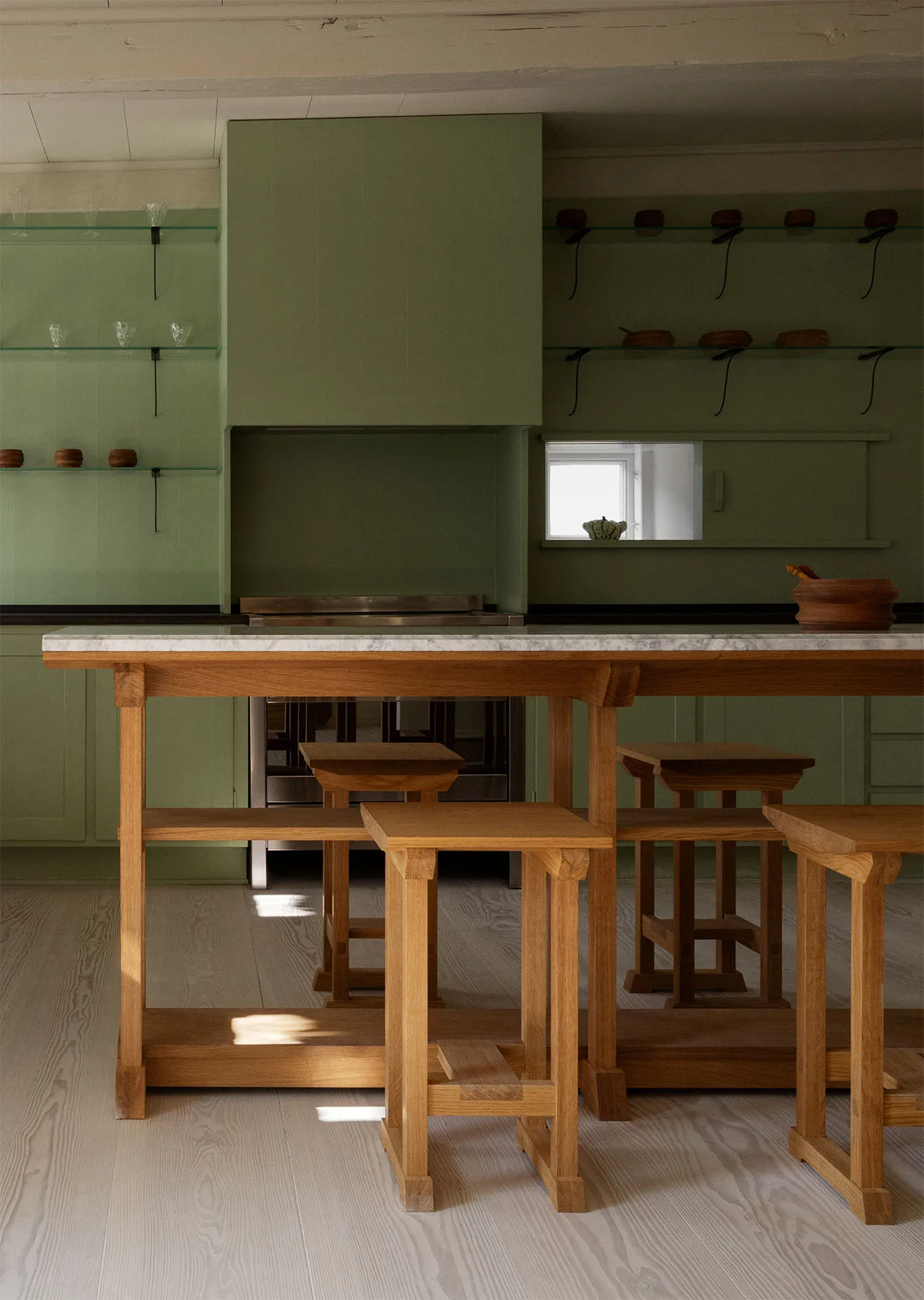
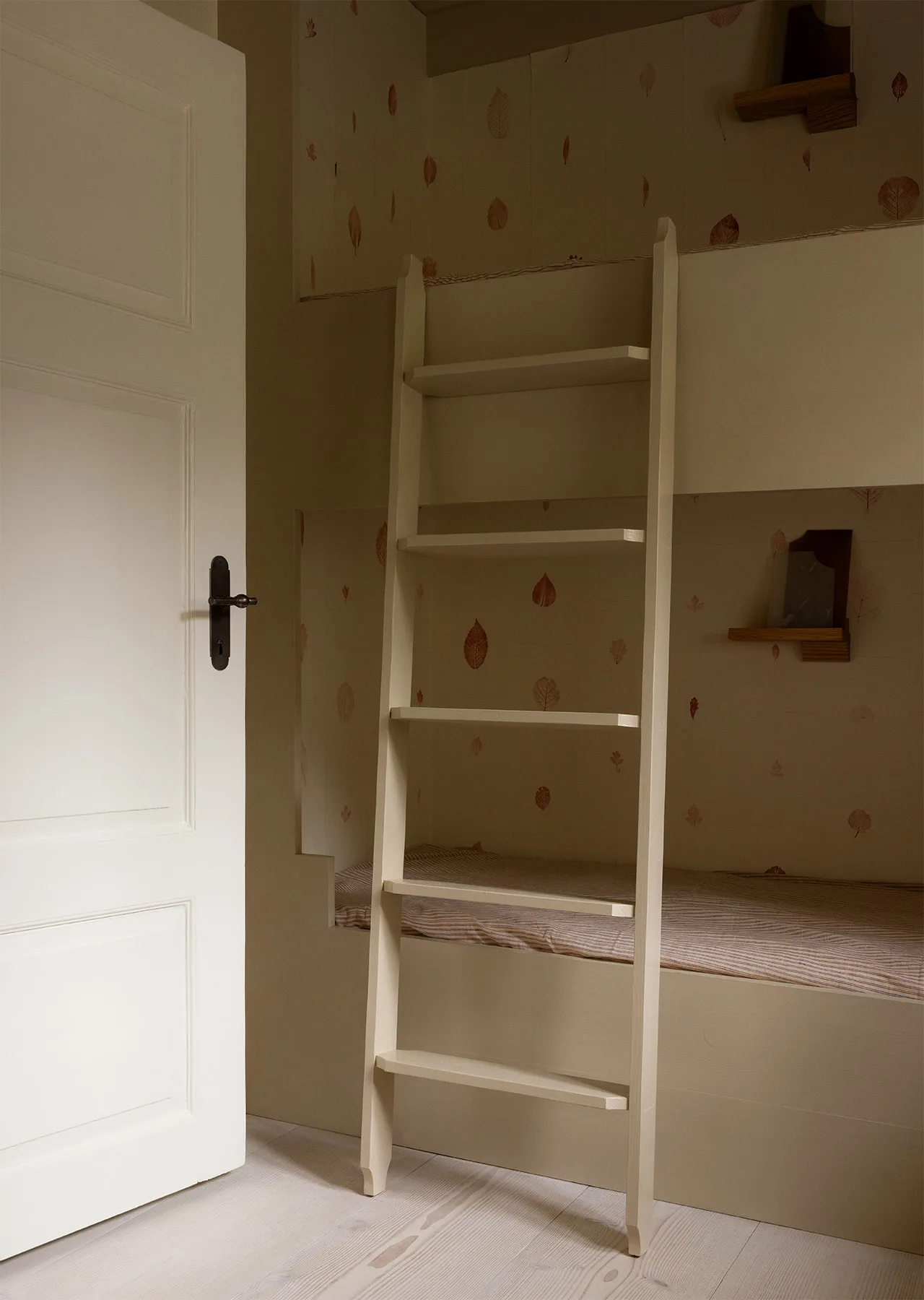
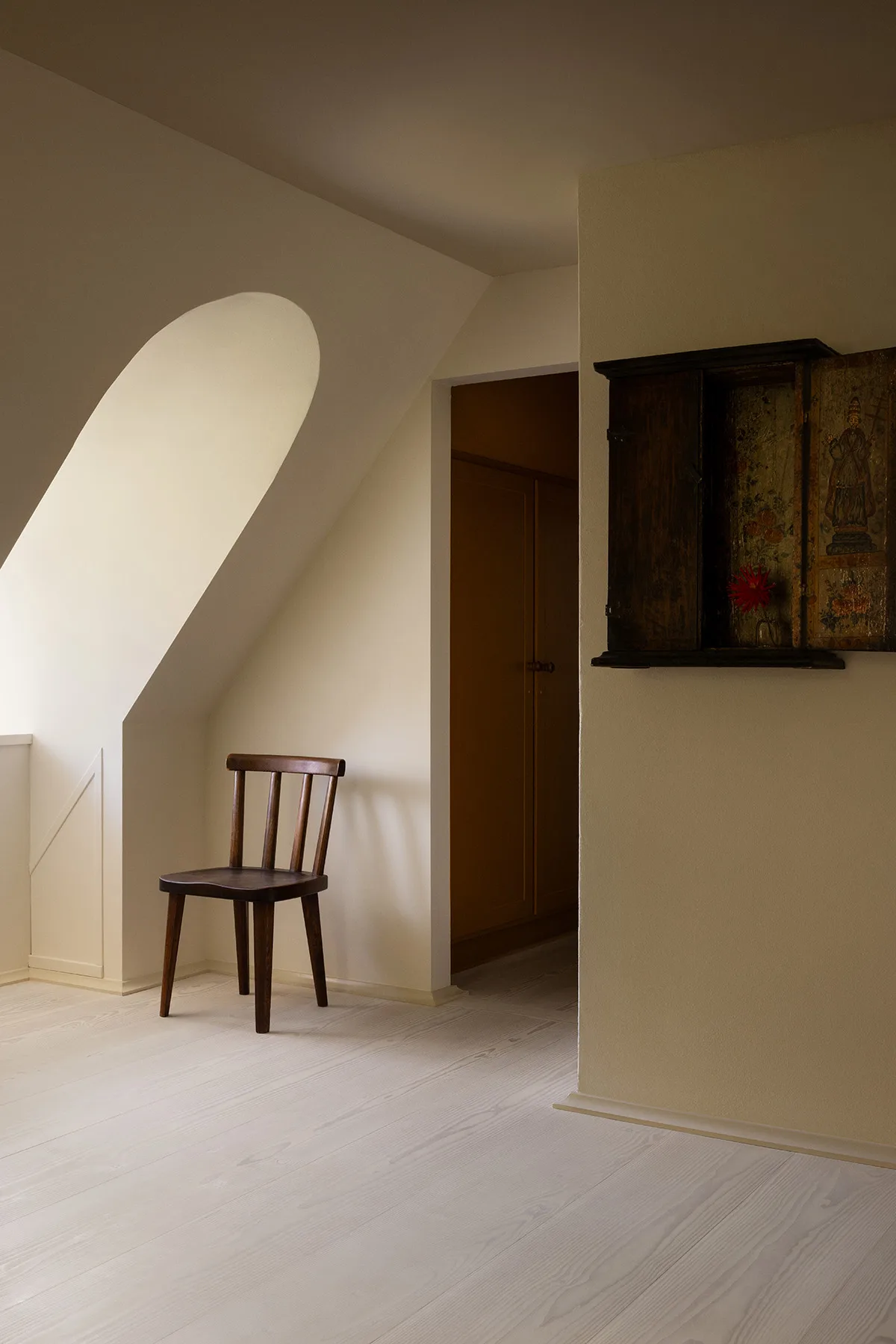
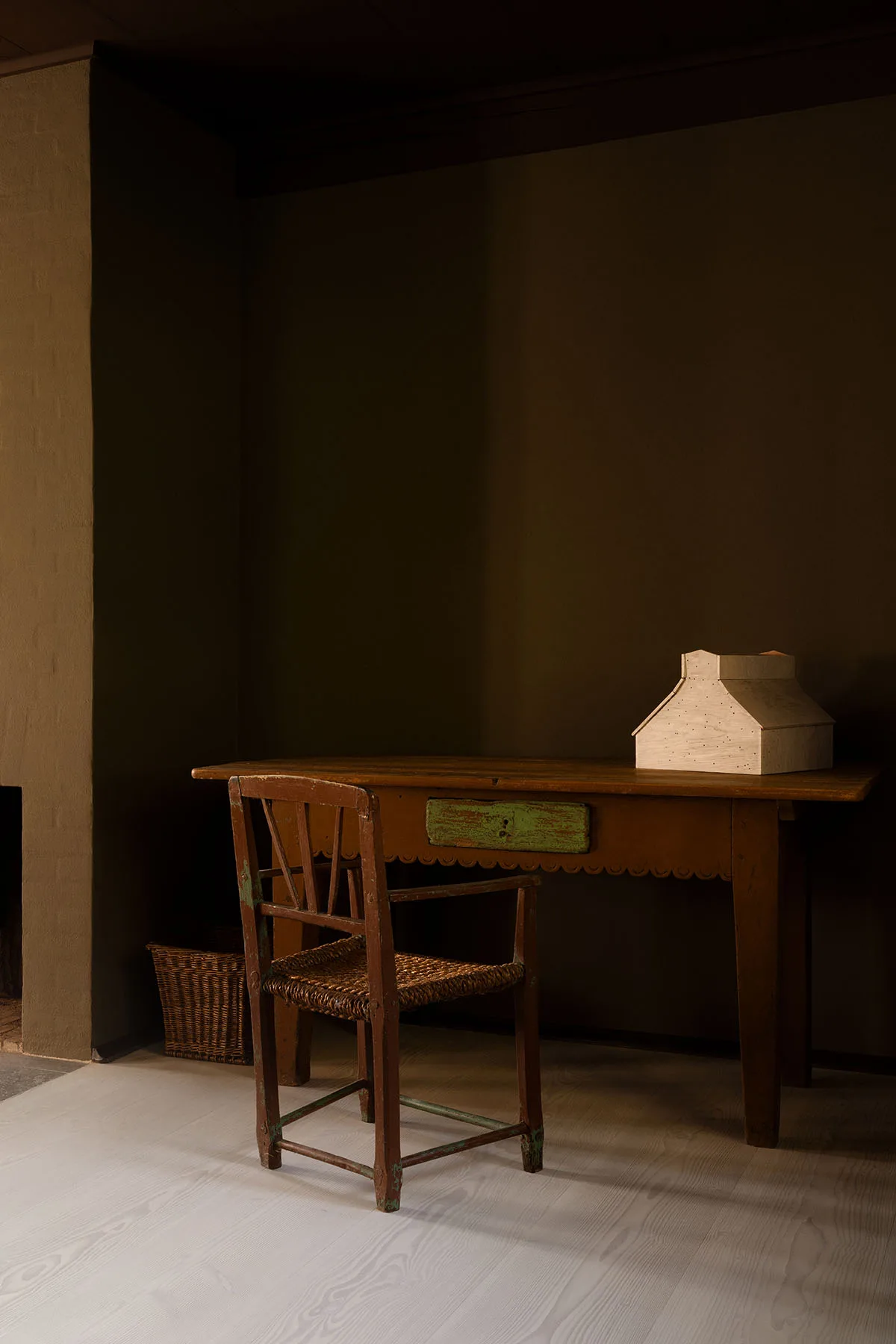
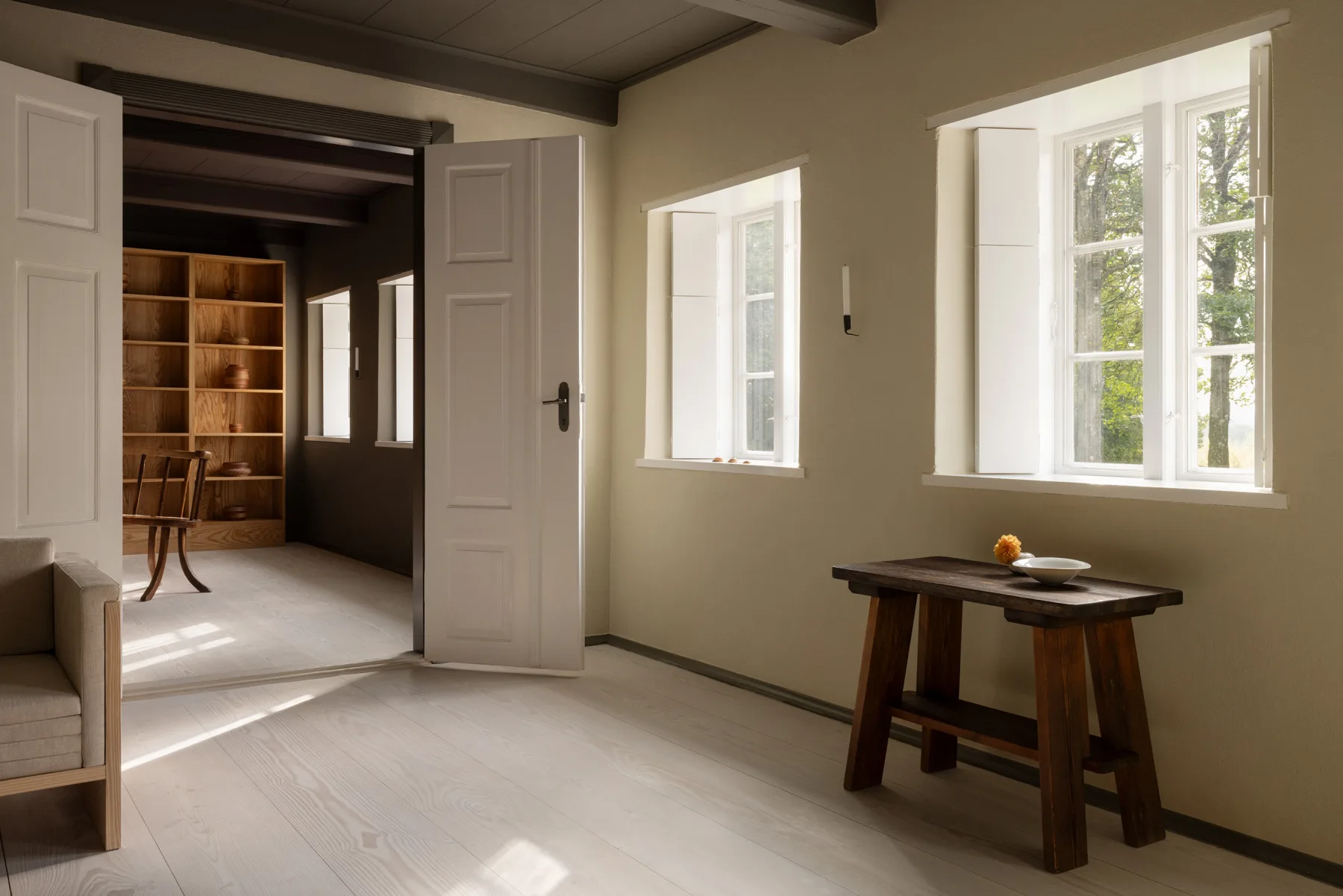
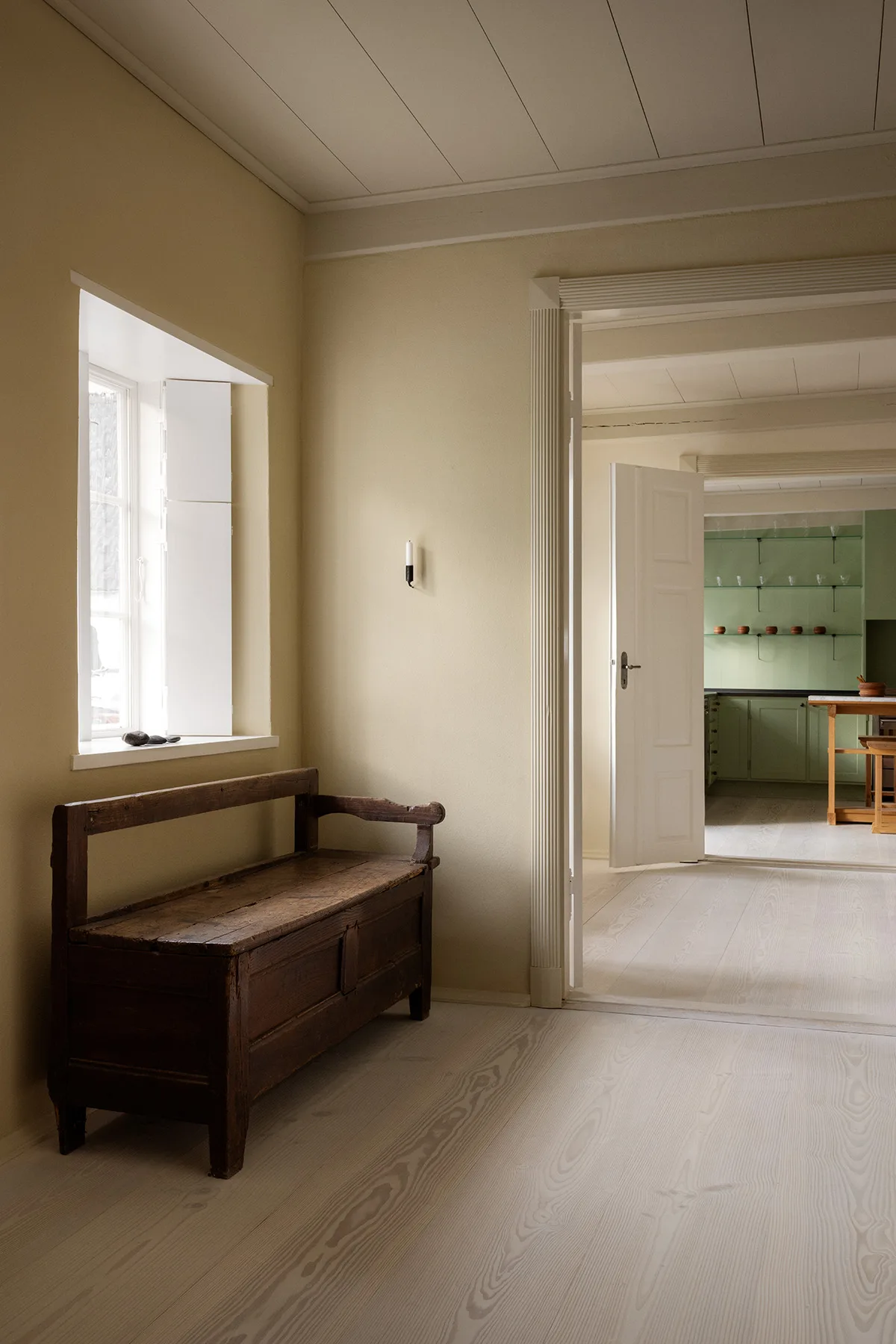
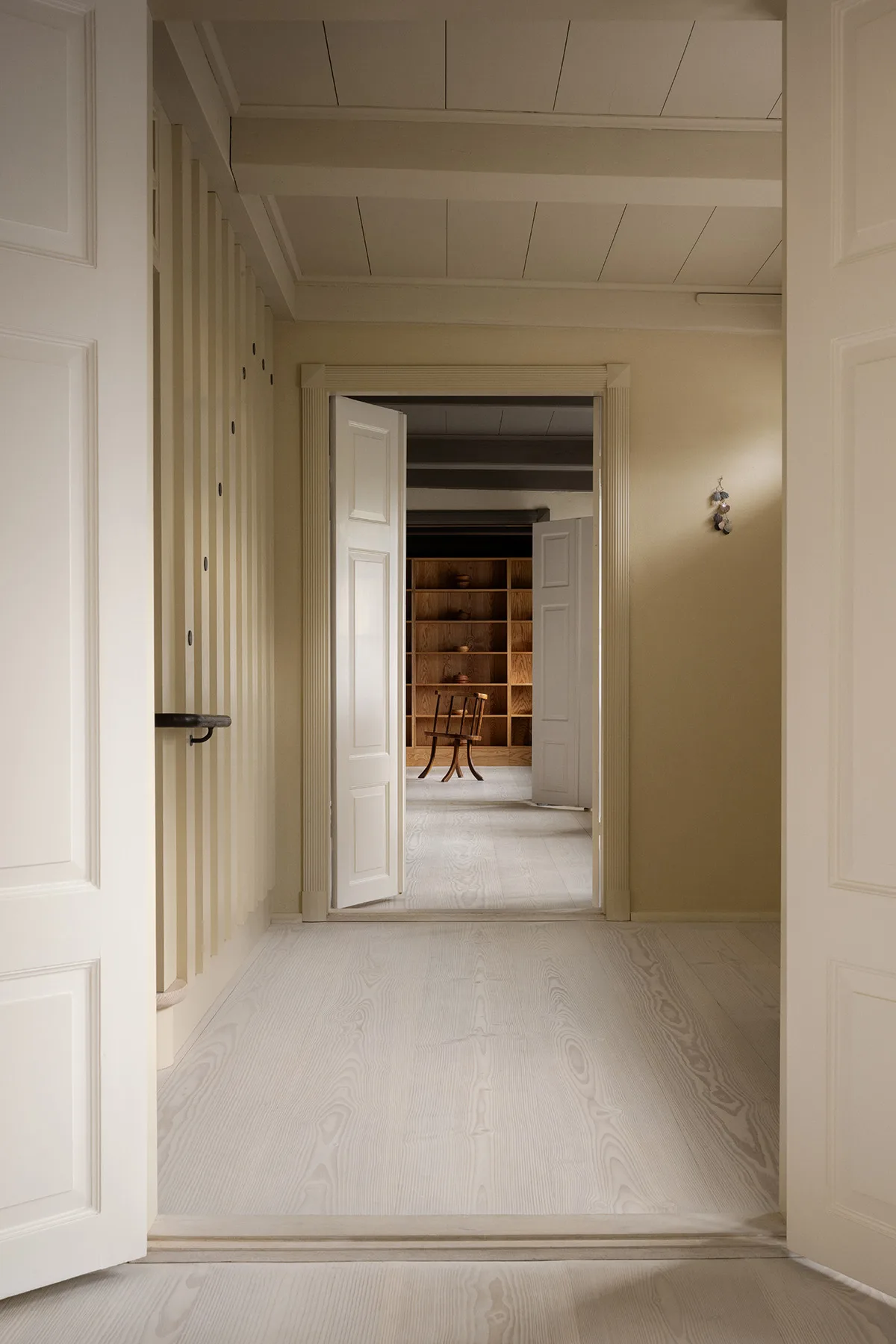
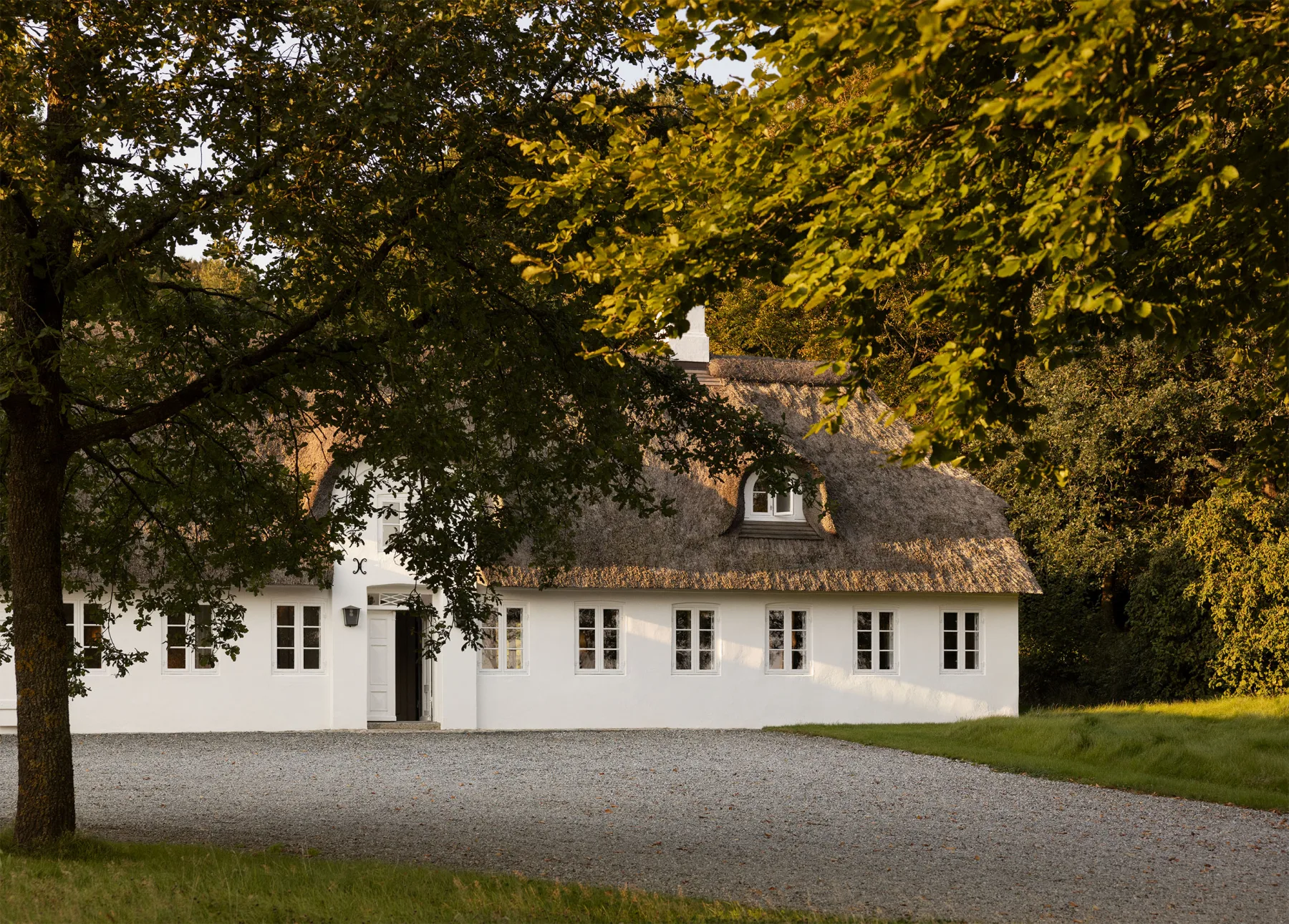
For Dinesen, the iconic Danish hardwood flooring company, we did this restoration and redesign of their Country Home in Vraa in Southern Denmark.

Built in the 1700s, the house was renovated in the 1990s by architect Jørgen Overby and was the family home for the Dinesen Family. Since, the house has been taken over by the company as a showcase for their product and as a company retreat.

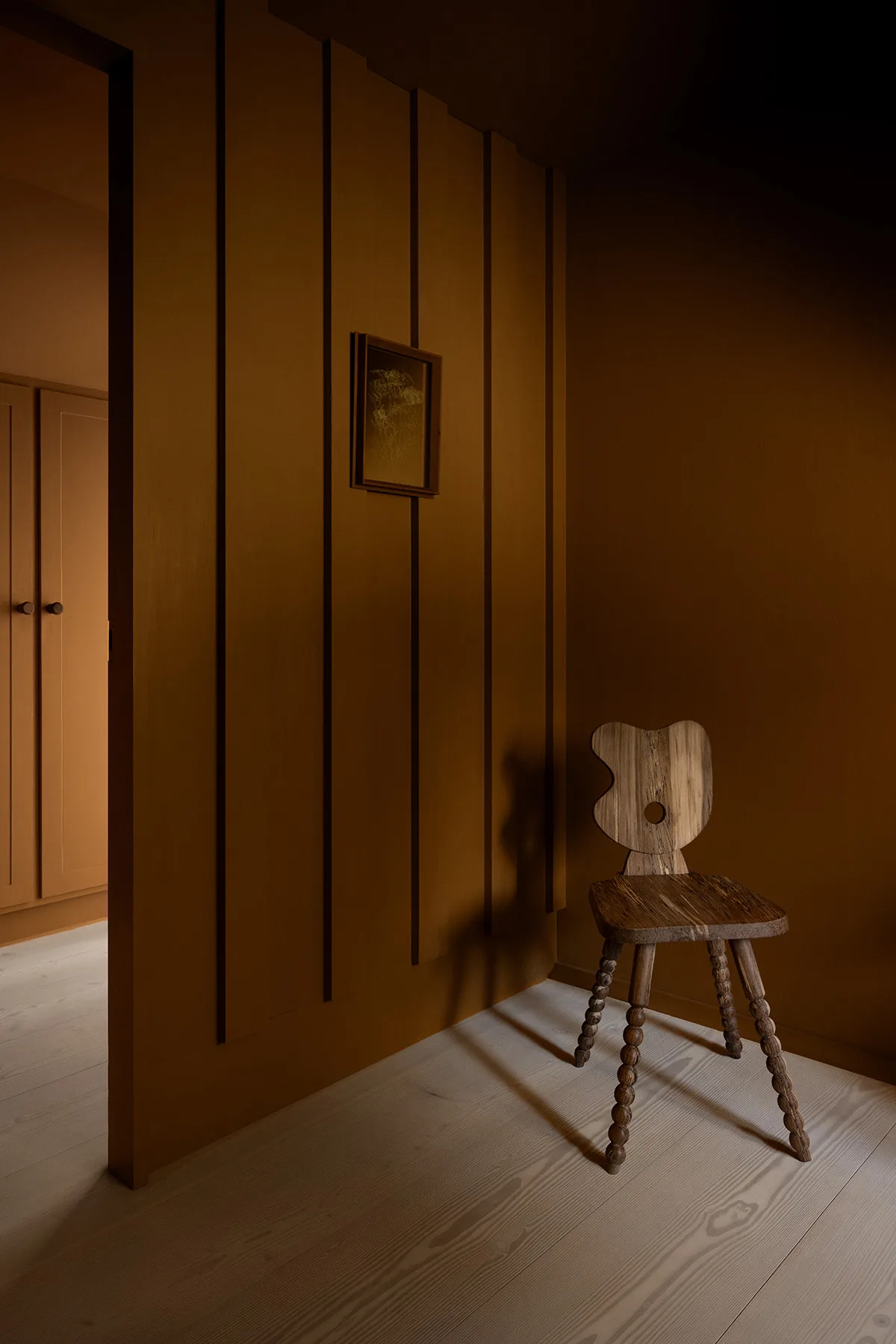
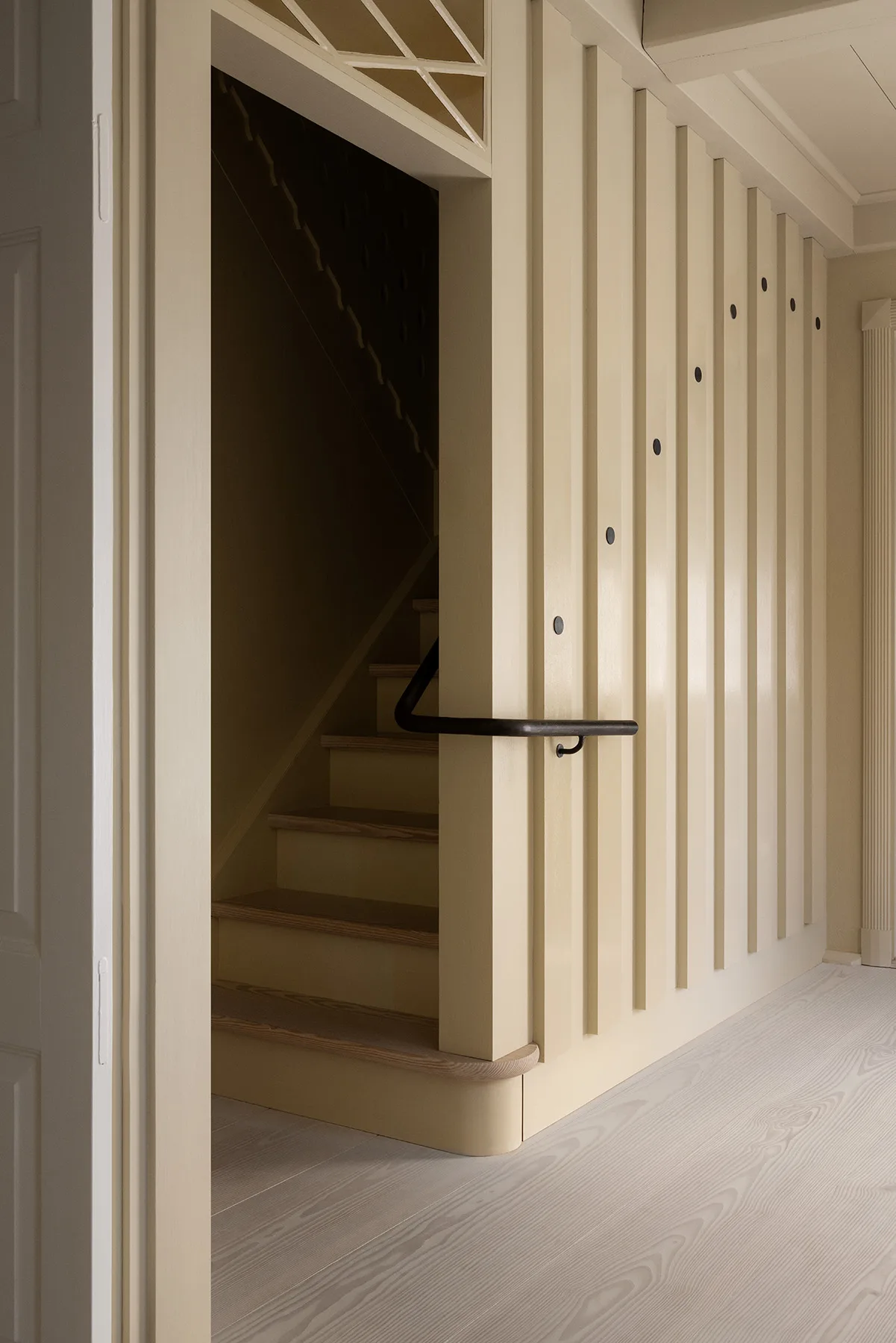
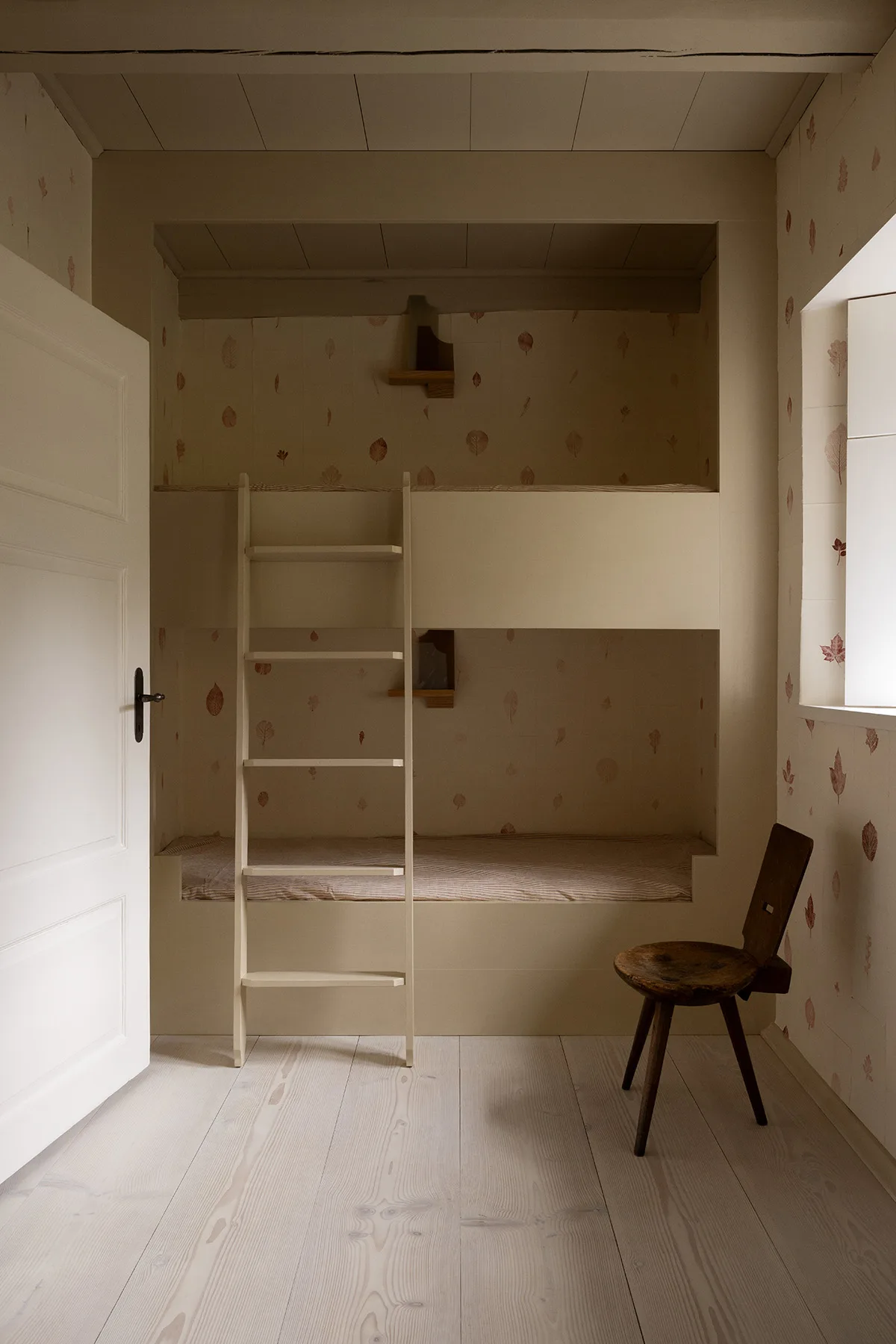
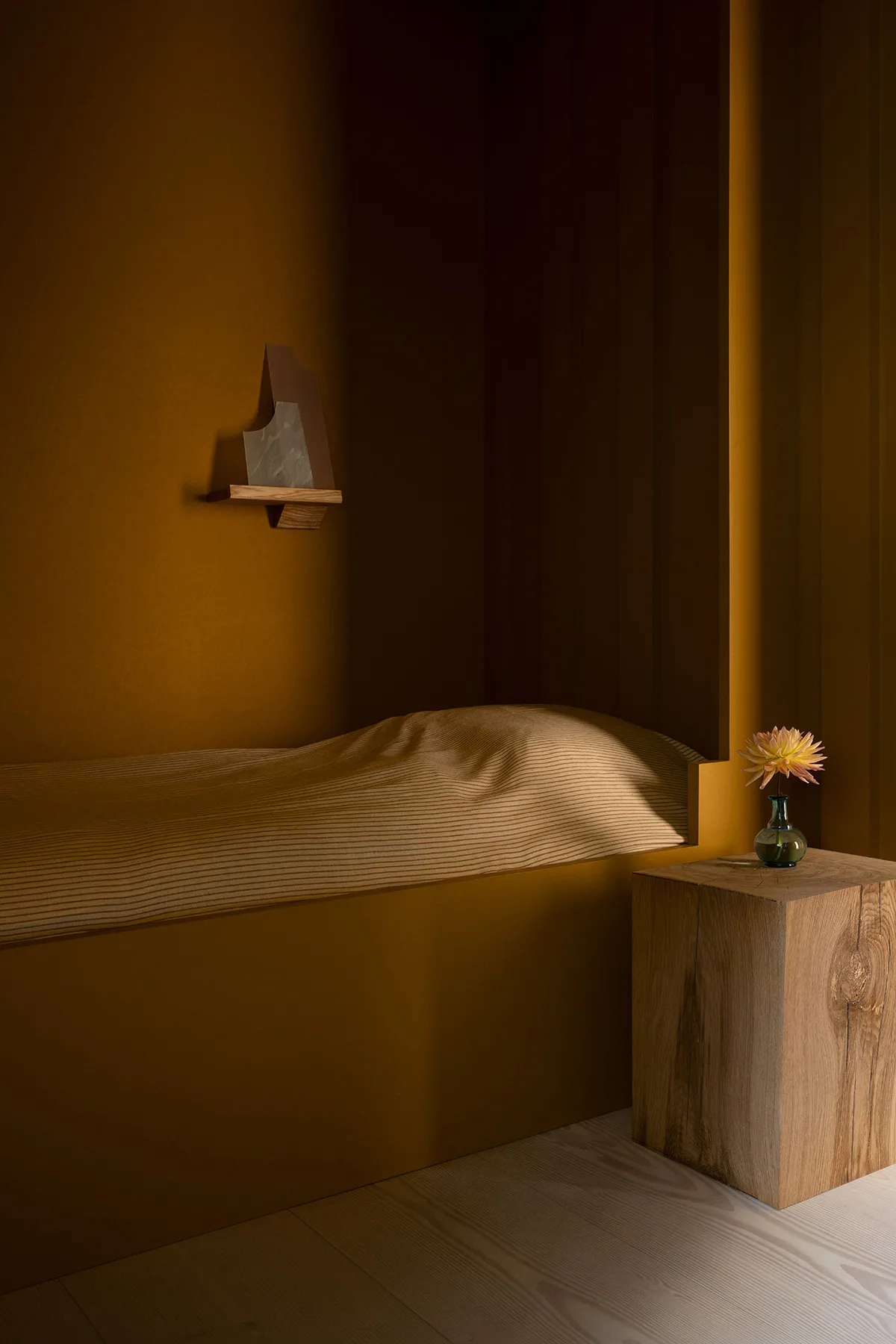
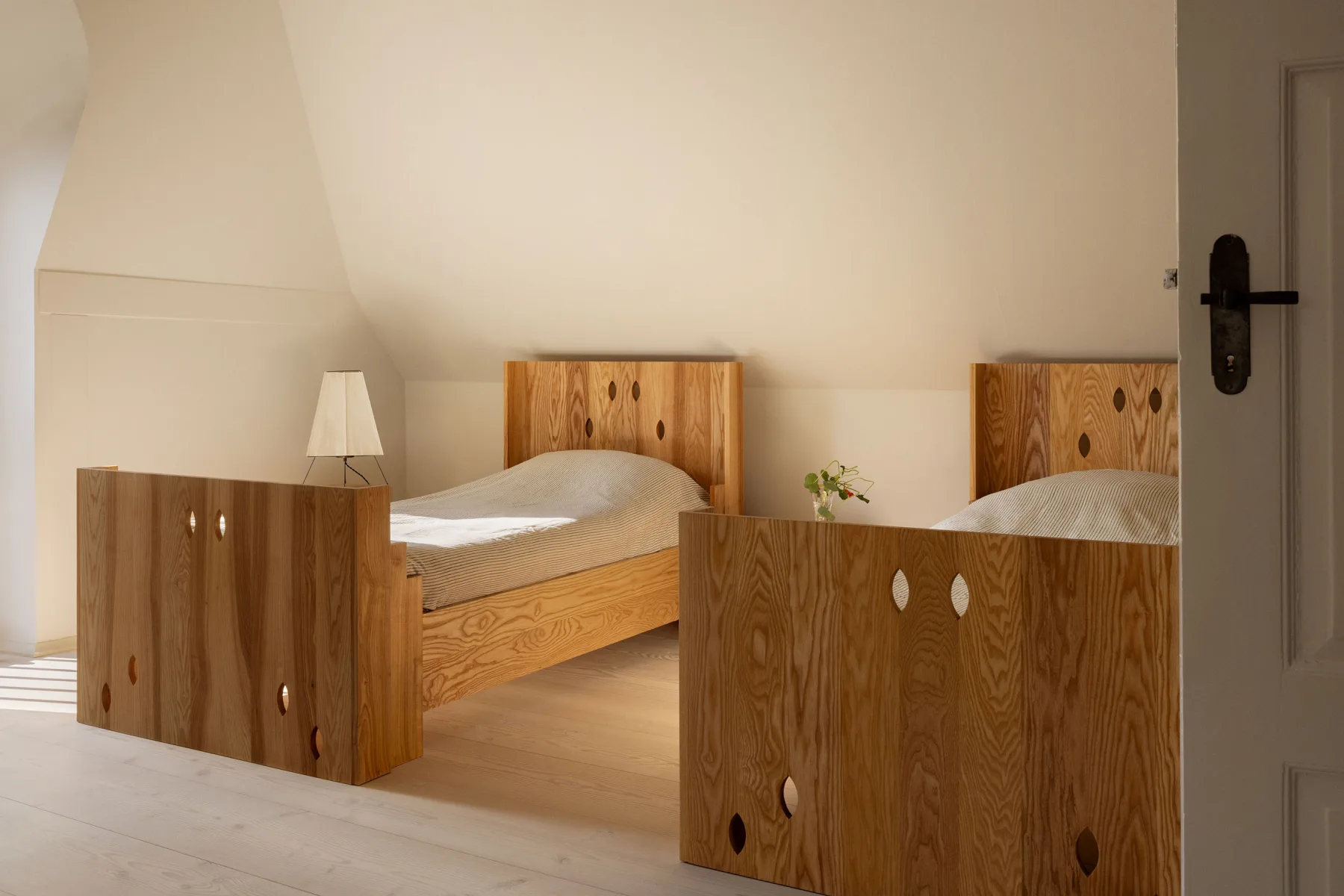
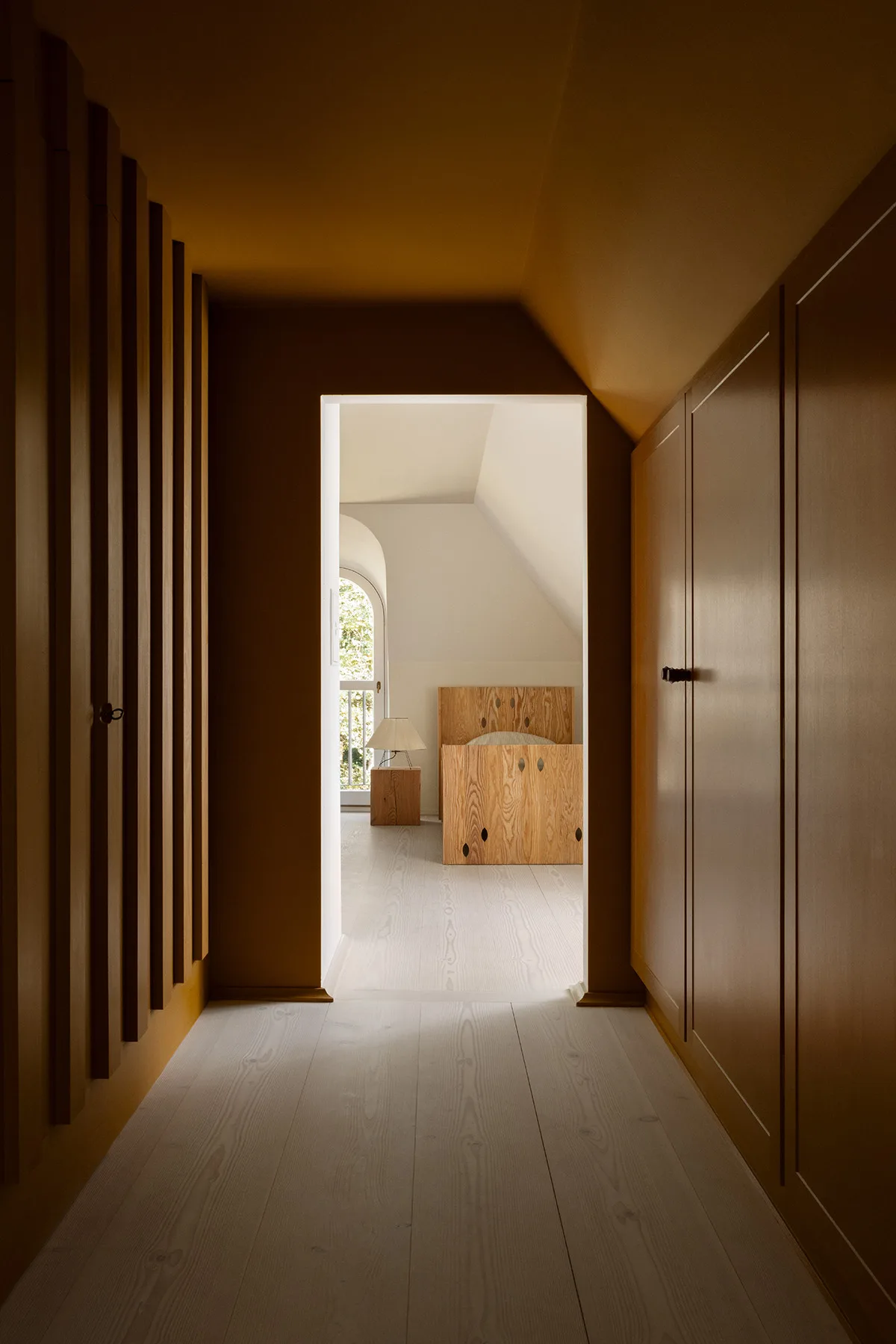
Our ideas centered on bringing back some personality and identity, reflecting the company’s rich history and its many collaborators. We also wanted the house to look its age, and add features that might have been present in a country house from the region, such as the alcove beds and board walls. A sort of rewilding of the previously minimalist aesthetic.

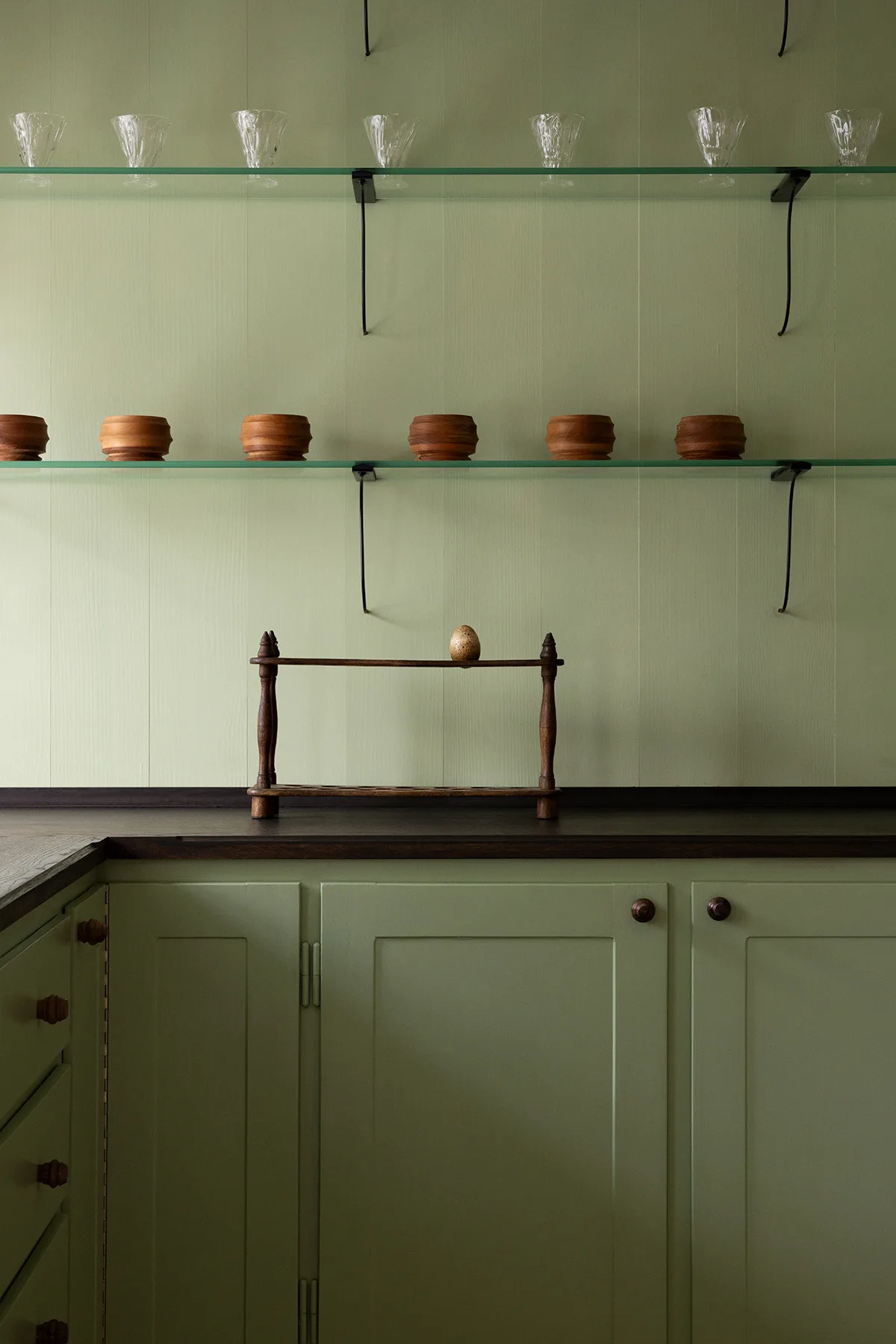
Wood of course plays a major role, but using different kinds, detailings and treatments, spanning from the rougher board walls in spruce to more intricate carpenter-made oak furniture.

Apart from doing all the permanent installations, we also designed and curated new furniture or decorative pieces for the house in collaboration with other designers, architects and artists.

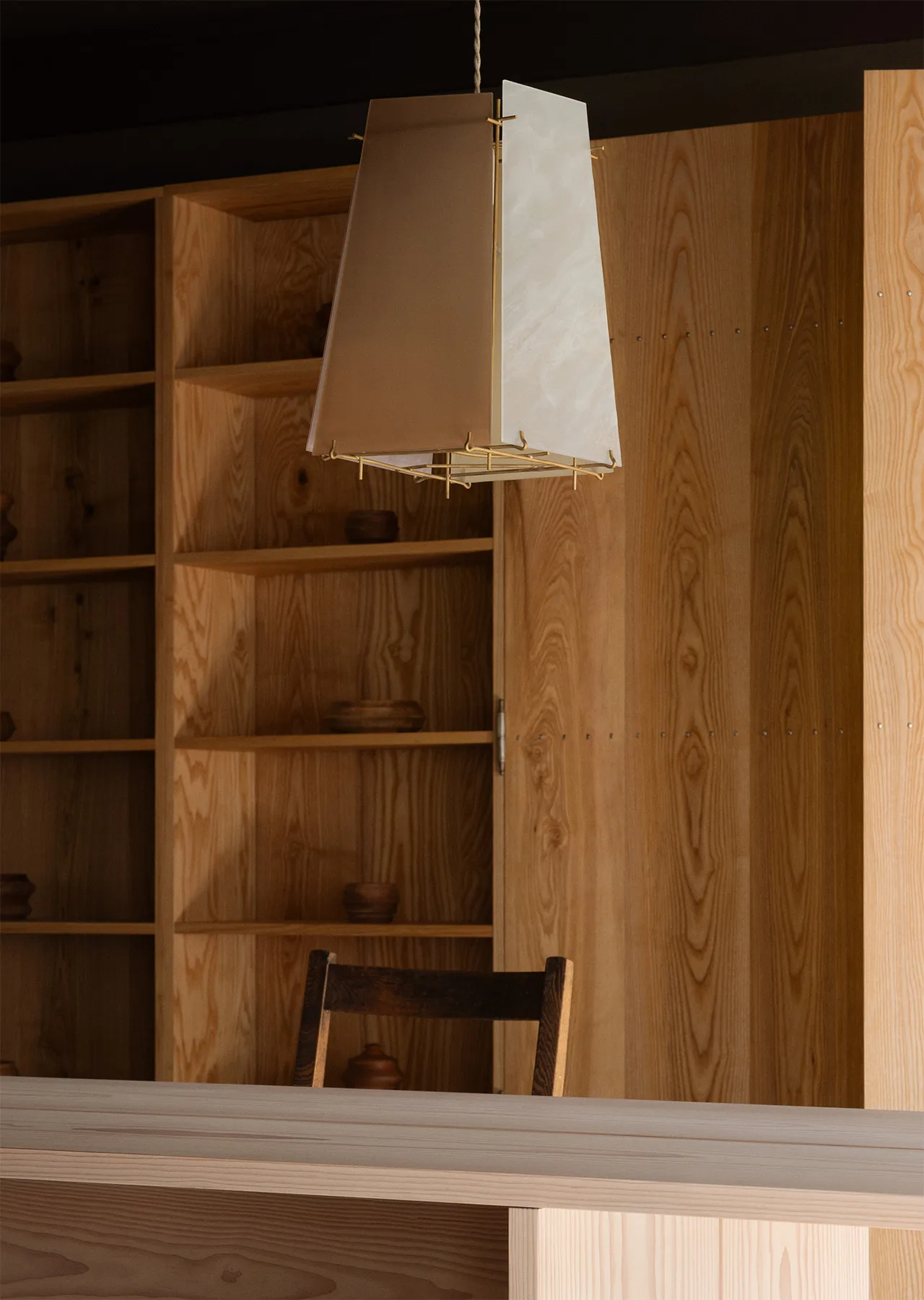
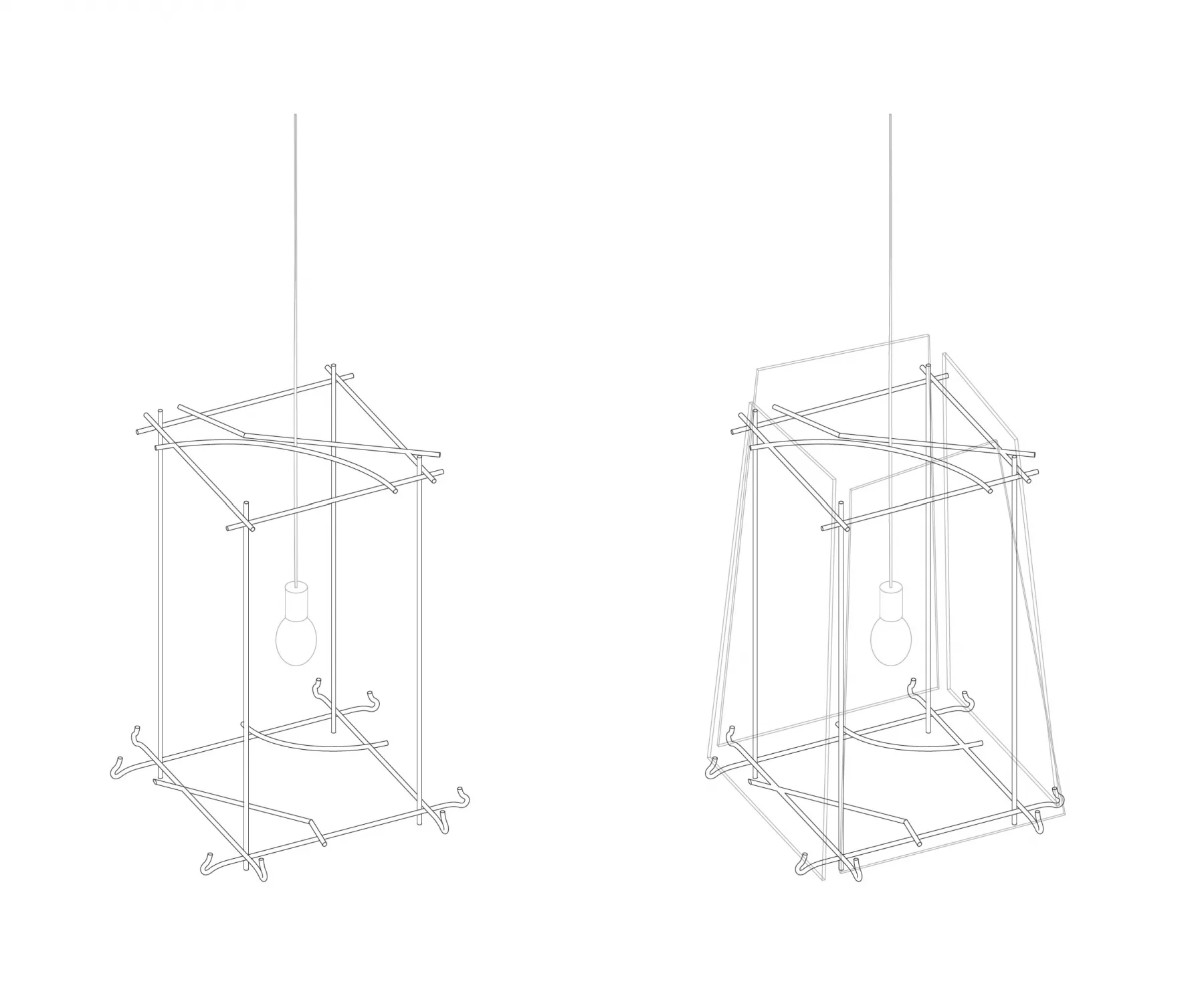
Above and below a series of glass lamps we designed for the project in collaboration with glass artist Nina Nørgaard.

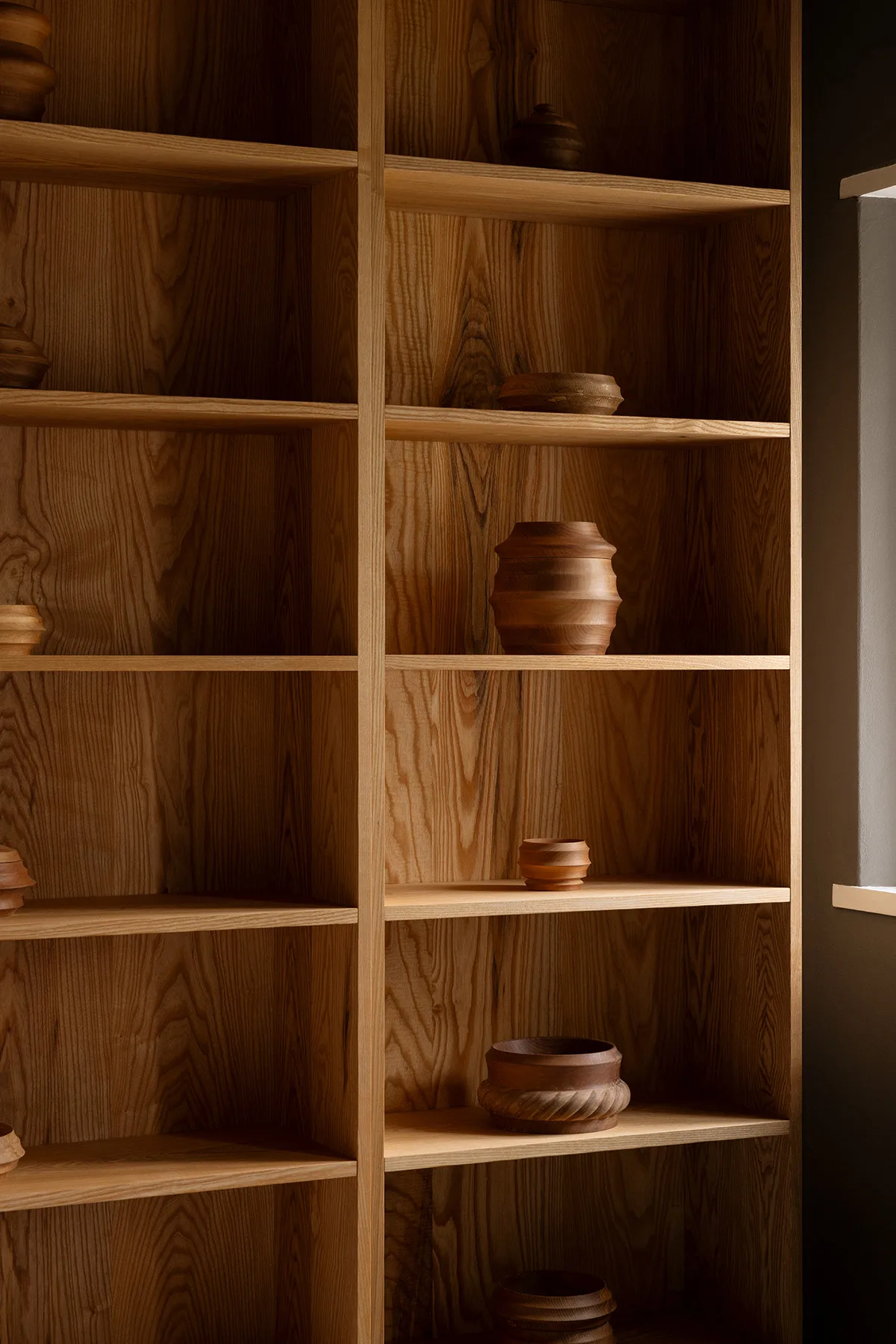
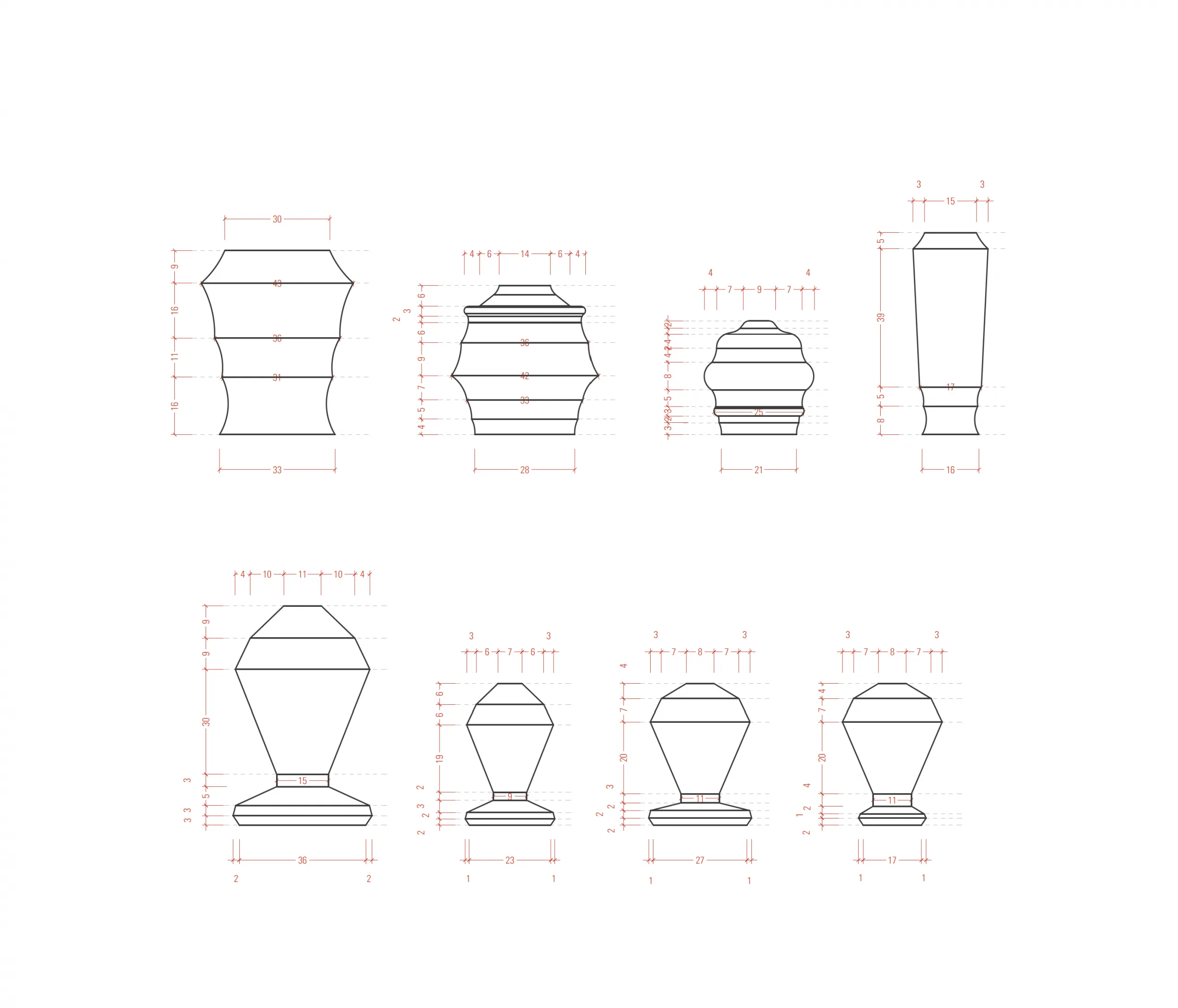
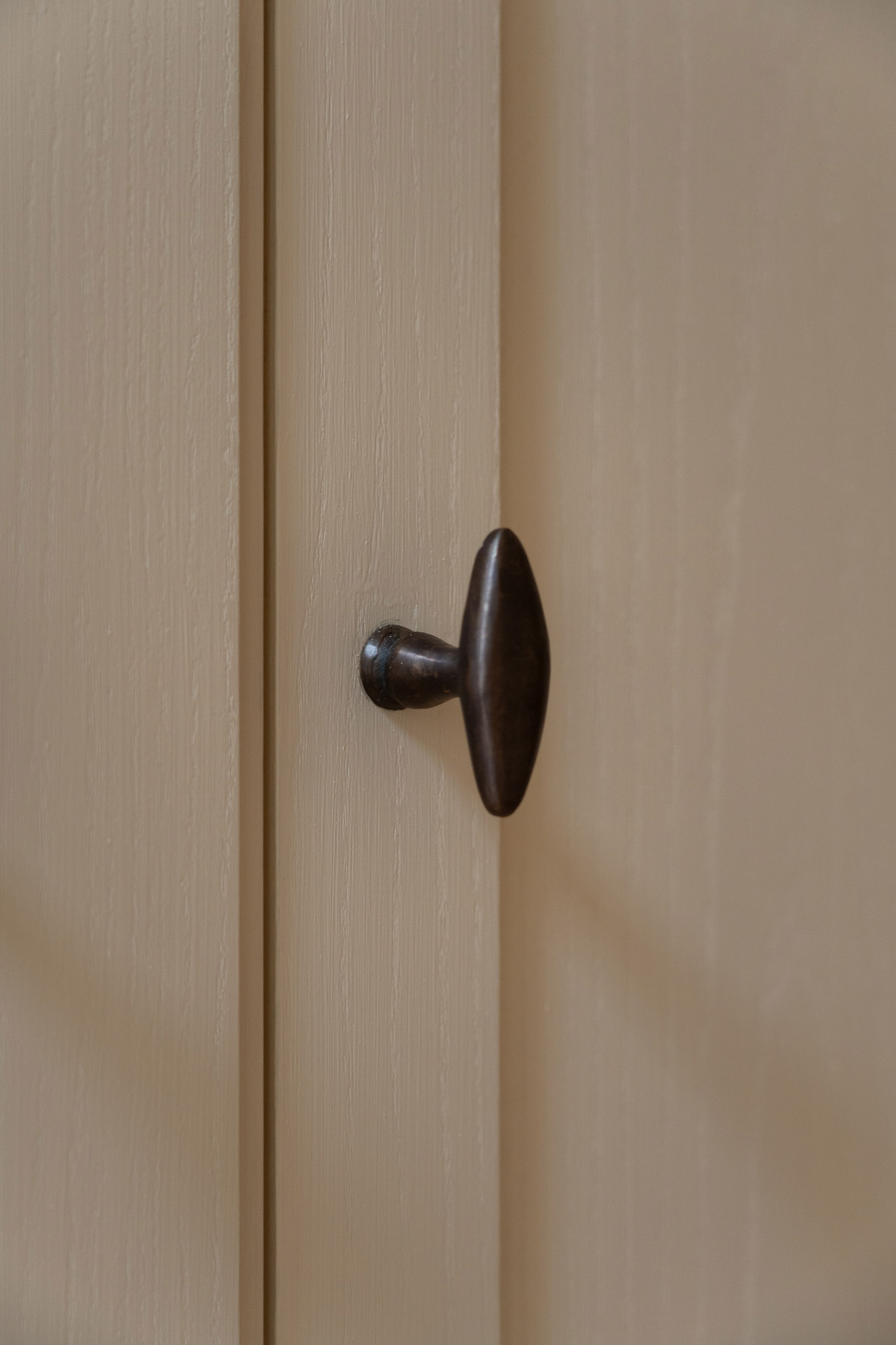
The range of wooden bowls and jars were designed by Peter Møller Ramussen and Christian Vennerstrøm, wood-turned by Georgian carpenters. The Georgian carpenters also produced a range of wooden knobs and hooks for cabinets, used throughout the house.

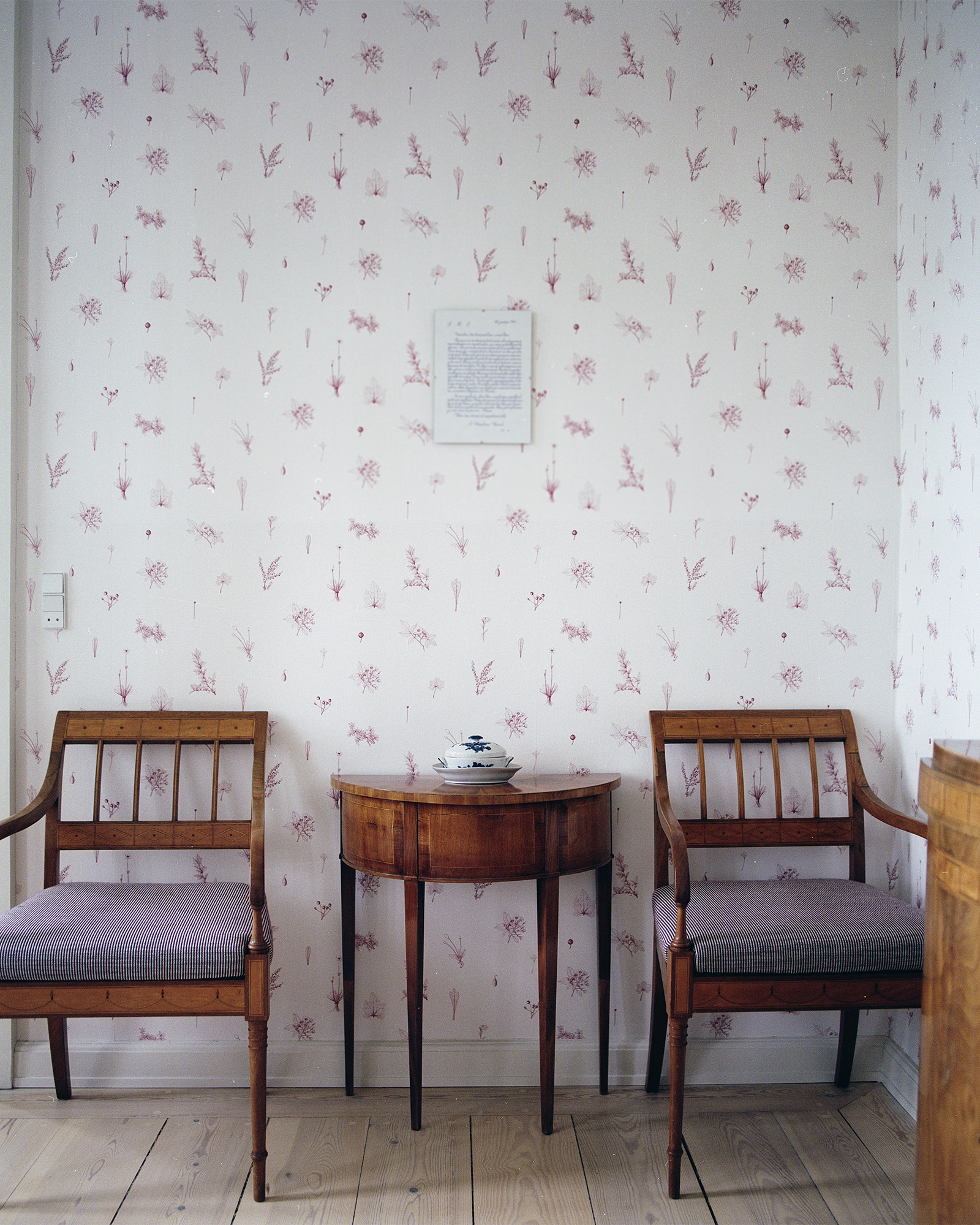
Another project within the project was this hand-printed wallpaper we designed and produced ourselves, using only leaves found on the grounds surrounding the house. The prints are made using a traditional copper printing press, with linseed oil paint on Hahnemühle cotton paper.

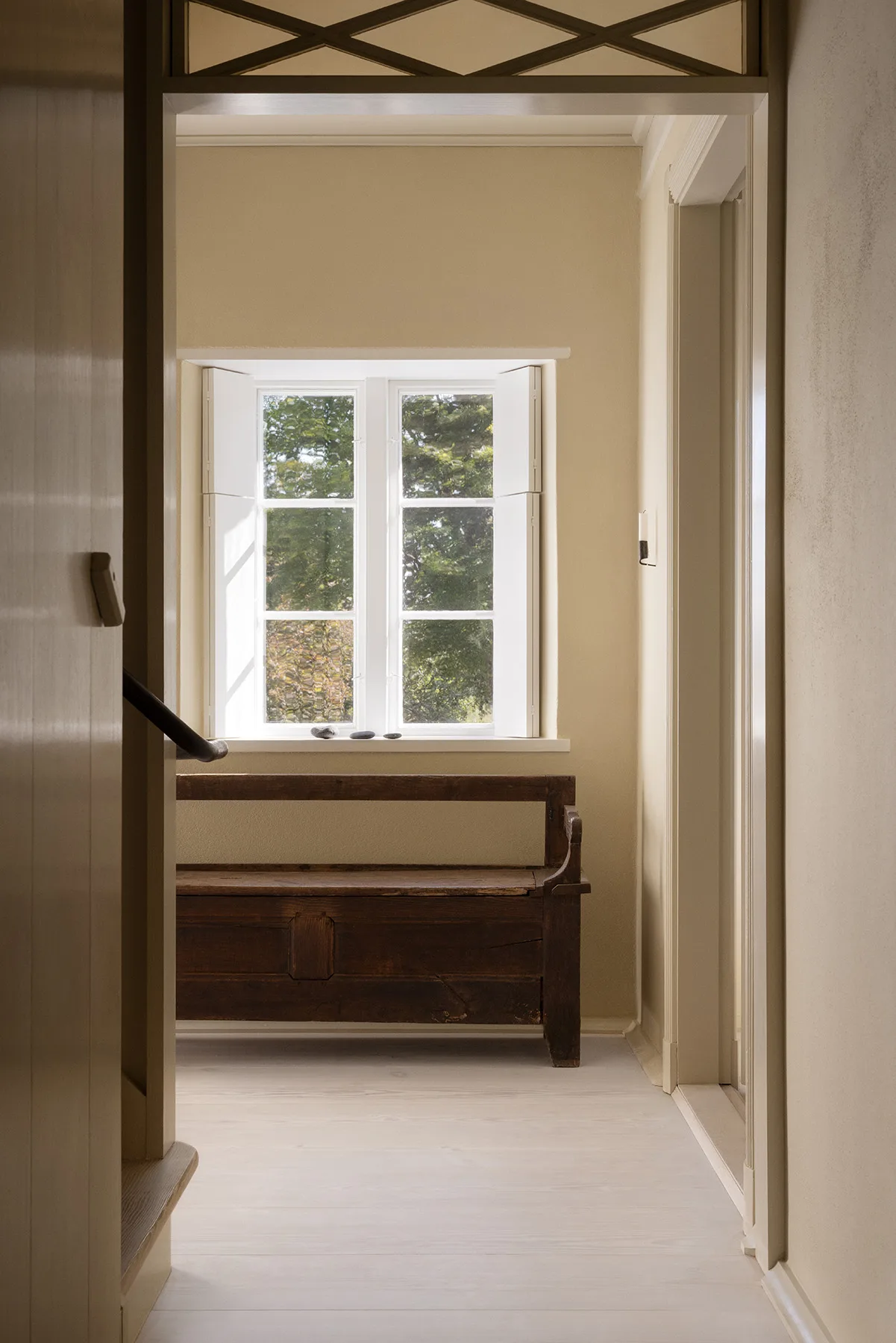
Alongside all the custom furniture, we also sourced and picked out a number of vintage and vernacular furniture pieces.

Credits:


Dinesen team:
Hans Peter Dinesen
Nikolaj Bonde

Mentze Ottenstein team:
Mathias Mentze
Alexander Ottenstein
Stine Müller

Craft collaborations:
Cassetta
Christian & Jade
Nina Nørgaard
Peter Møller Rasmussen & Christian Vennerstrøm

Photos:
Monica Steffensen

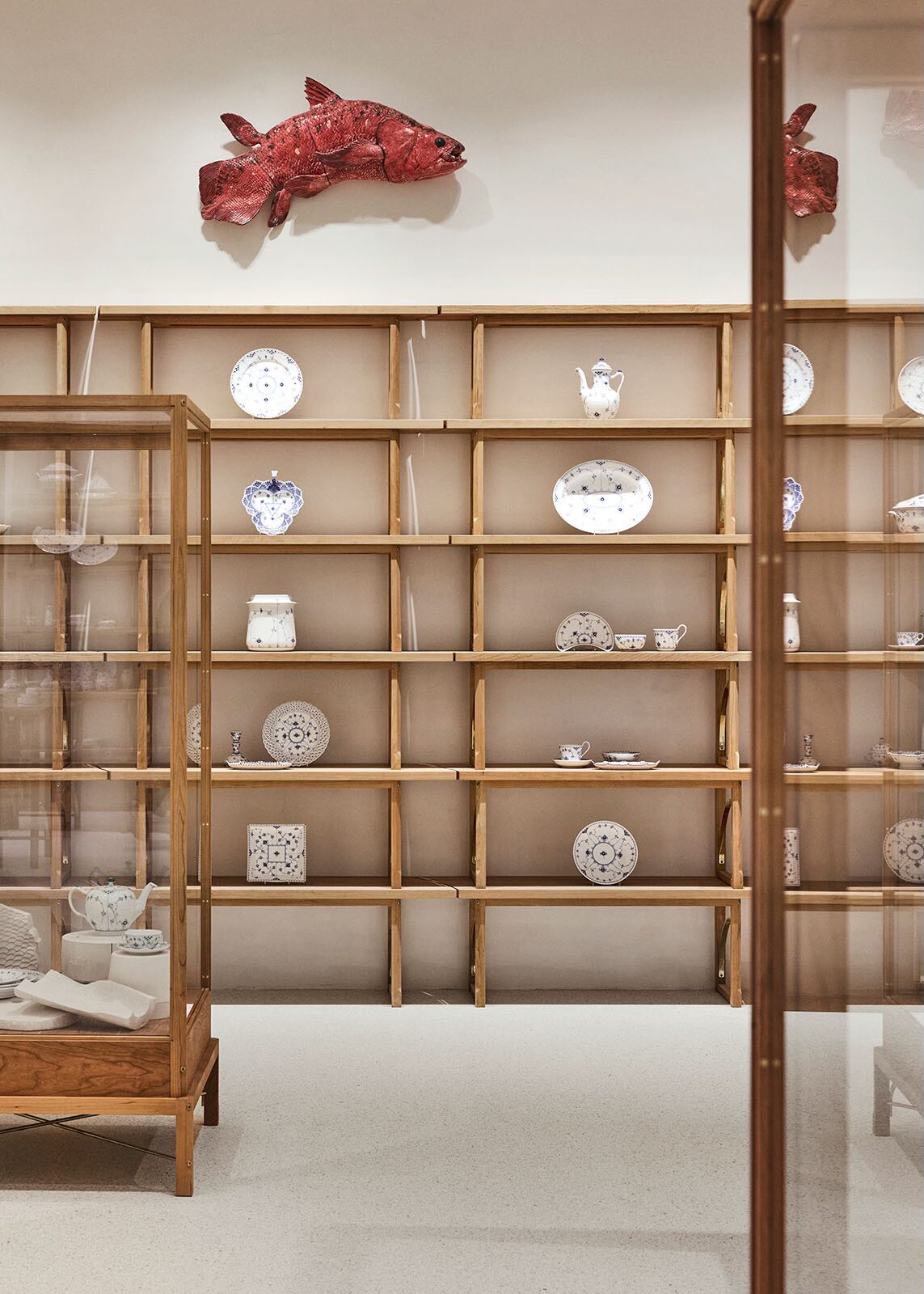
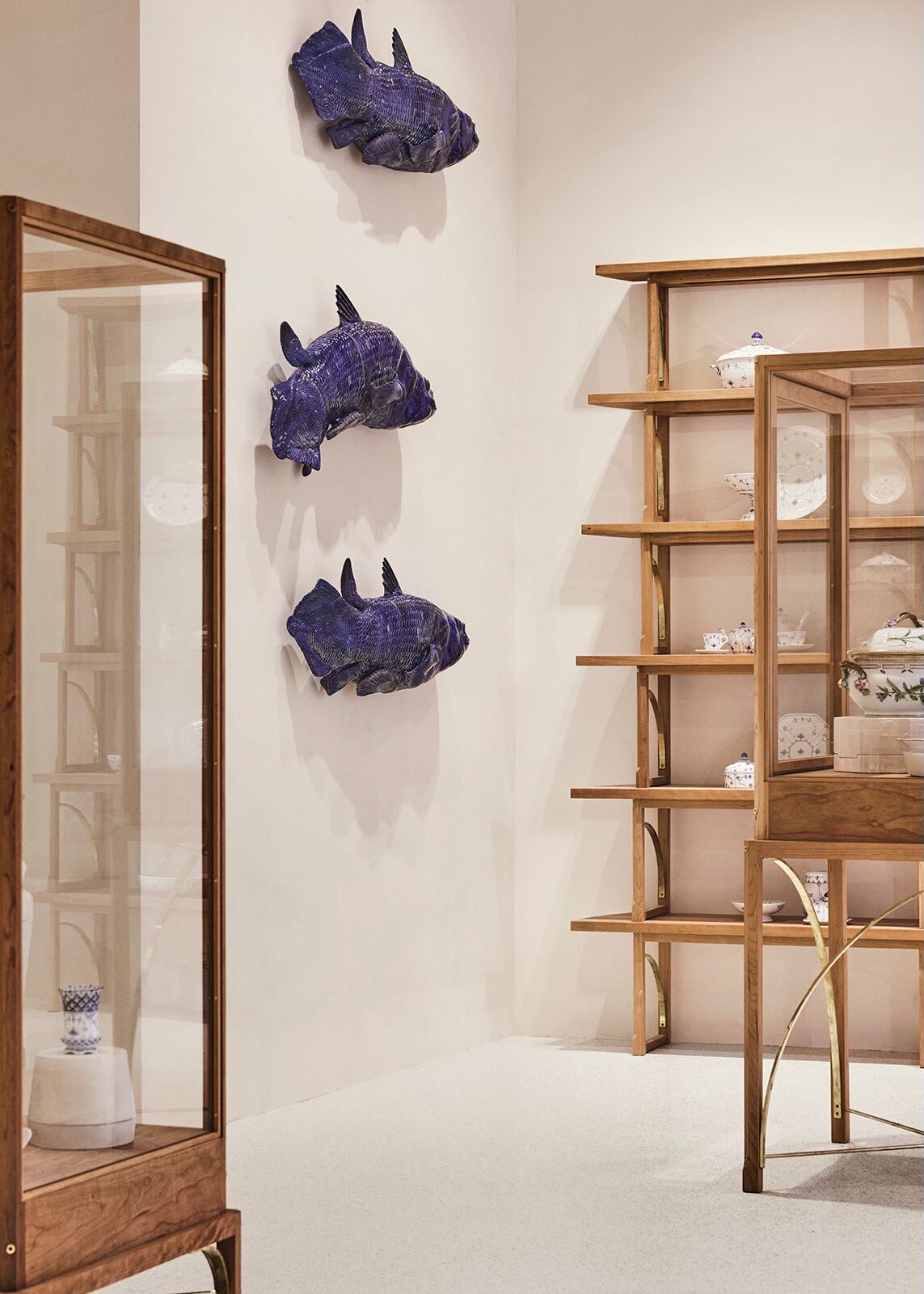
We did this complete redesign of iconic Danish porcelain brand Royal Copenhagen’s flagship store in the center of Copenhagen.

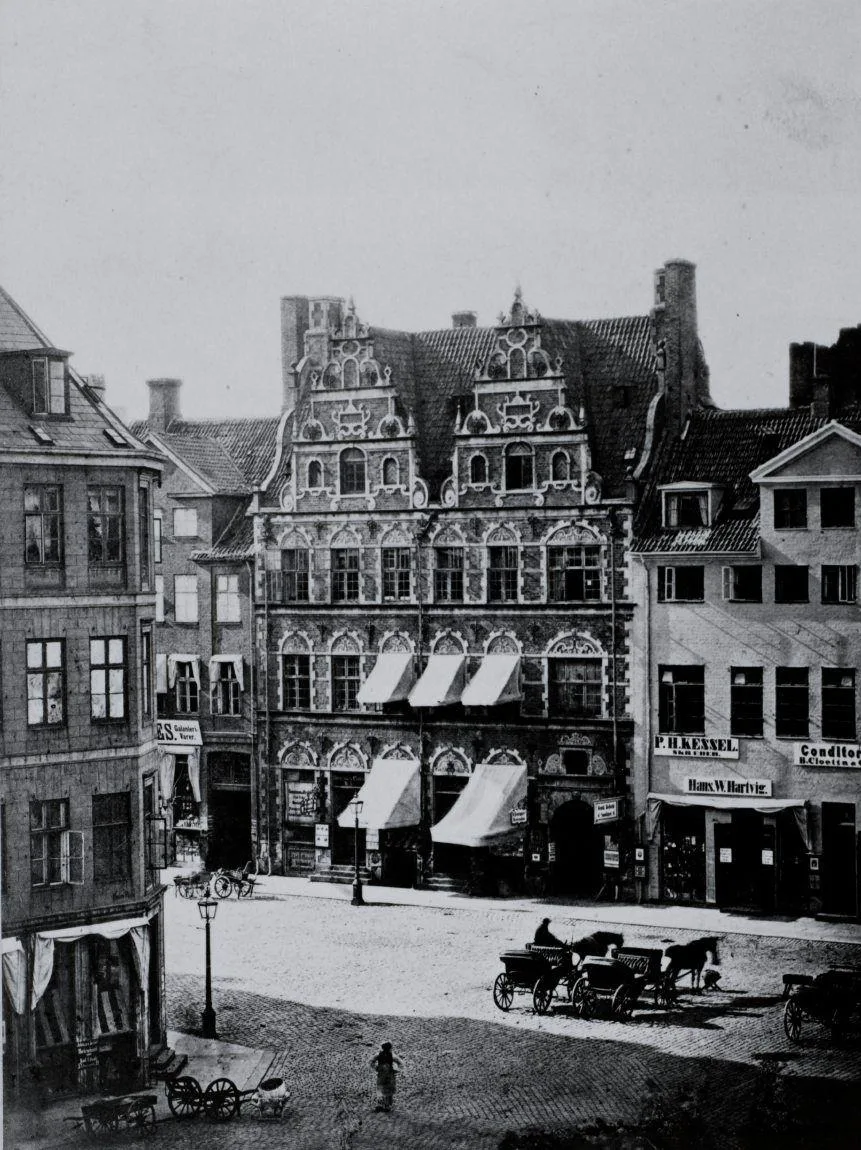
The store is housed in a historic Renaissance building from 1618 and has seen numerous reimaginings since the brand first moved in, back in 1911. In this most recent iteration, we have drawn on some of the earliest designs for the place, in an attempt to point towards the historic heritage while at the same time striving to be a contemporary gallery-like space.

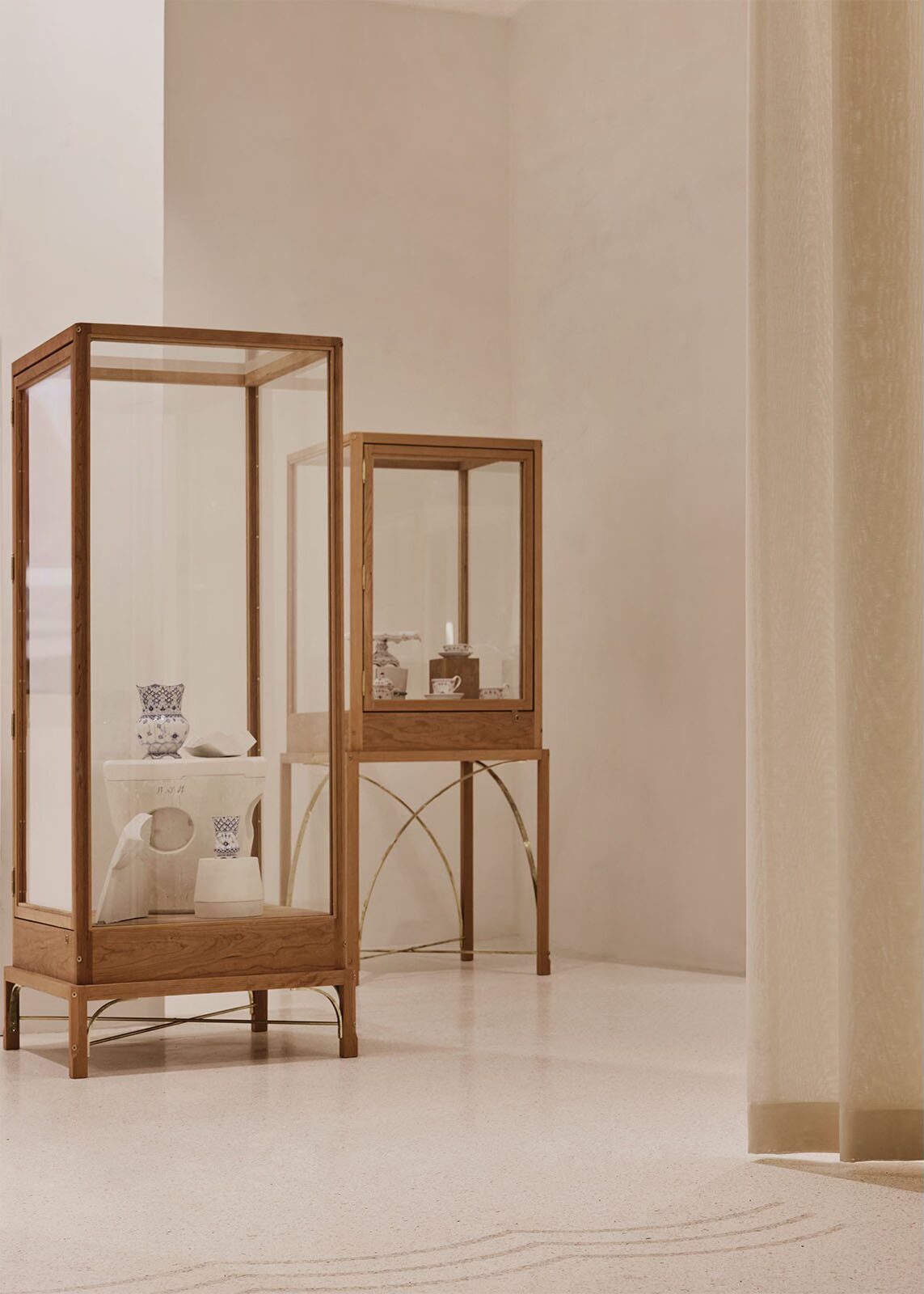
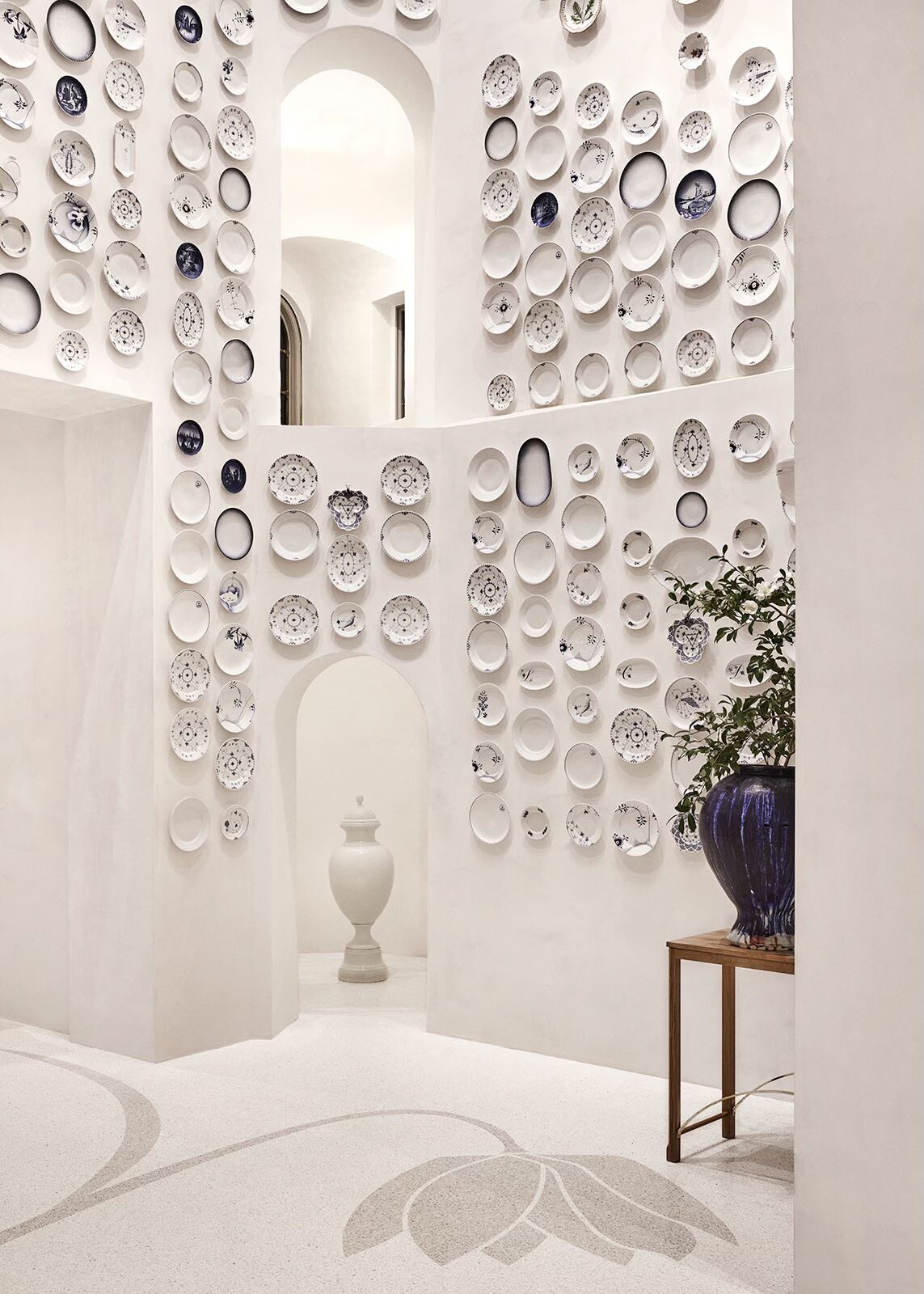
Most of the surfaces are kept in shades of white, hinting at the materials in the Royal Copenhagen production: the glossy white porcelain as well as the powdery matte plaster of the casting moulds.

This contrast of the glossy and the matte, reappears throughout the design, creating a bright backdrop to showcase the brand’s numerous colorful and eclectic collections.

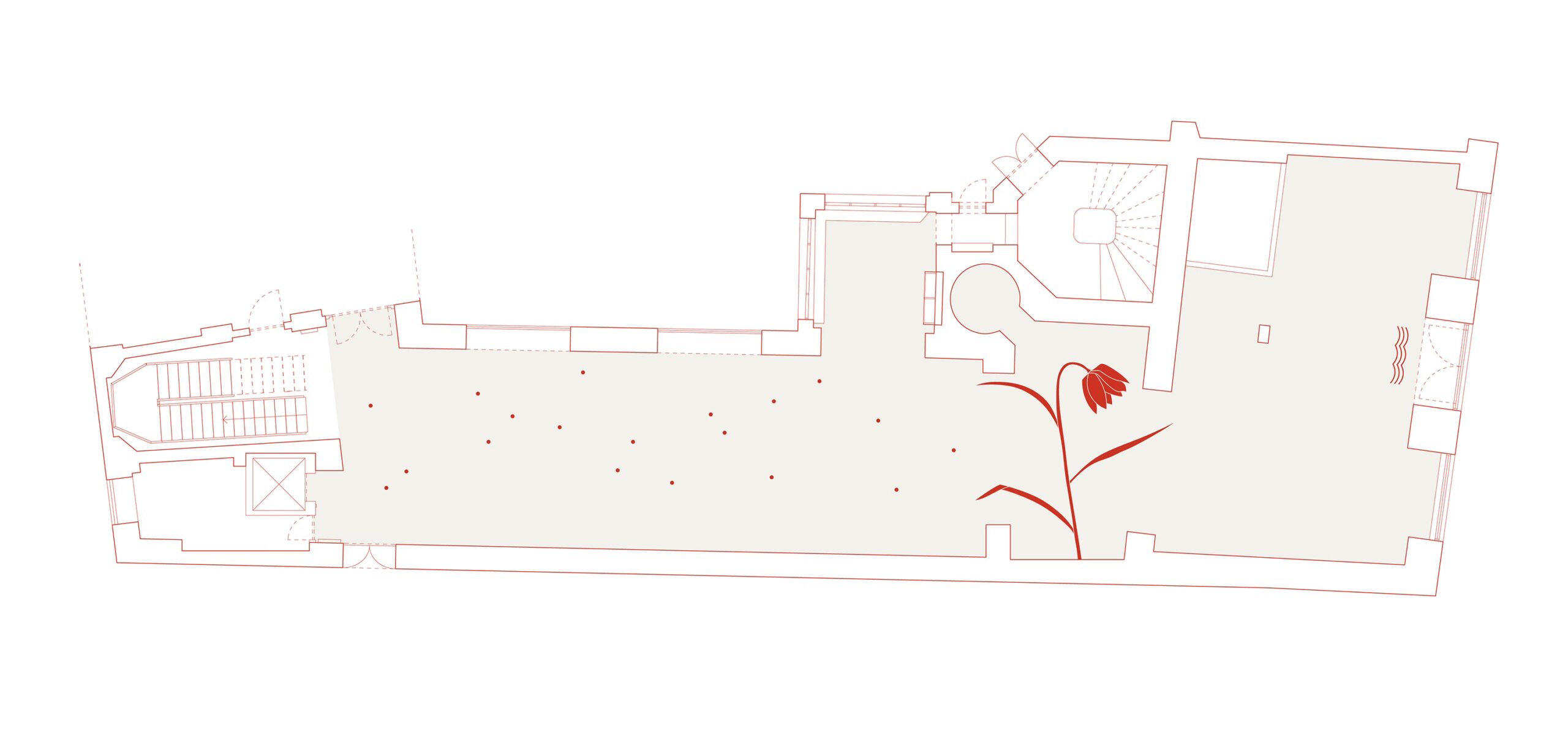
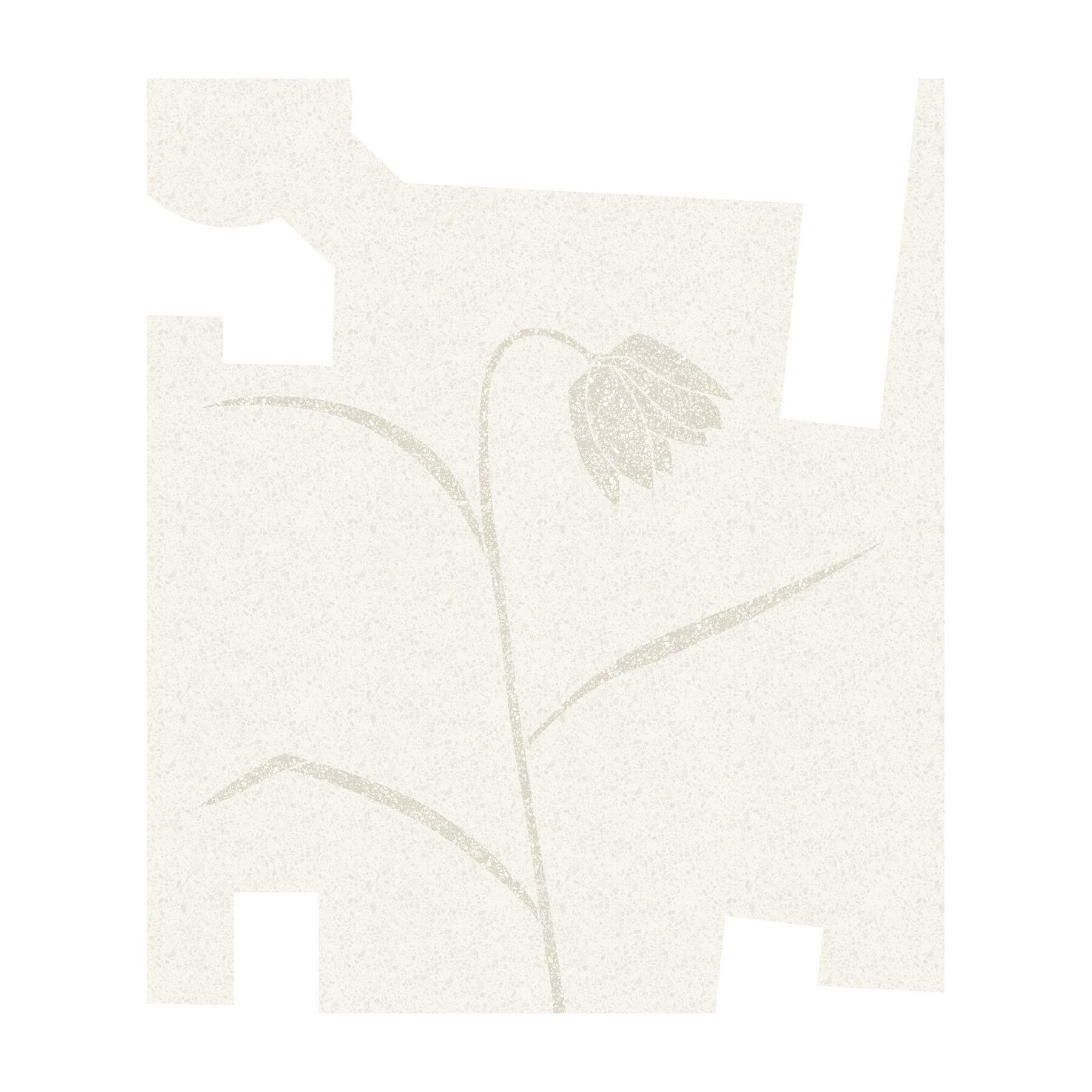
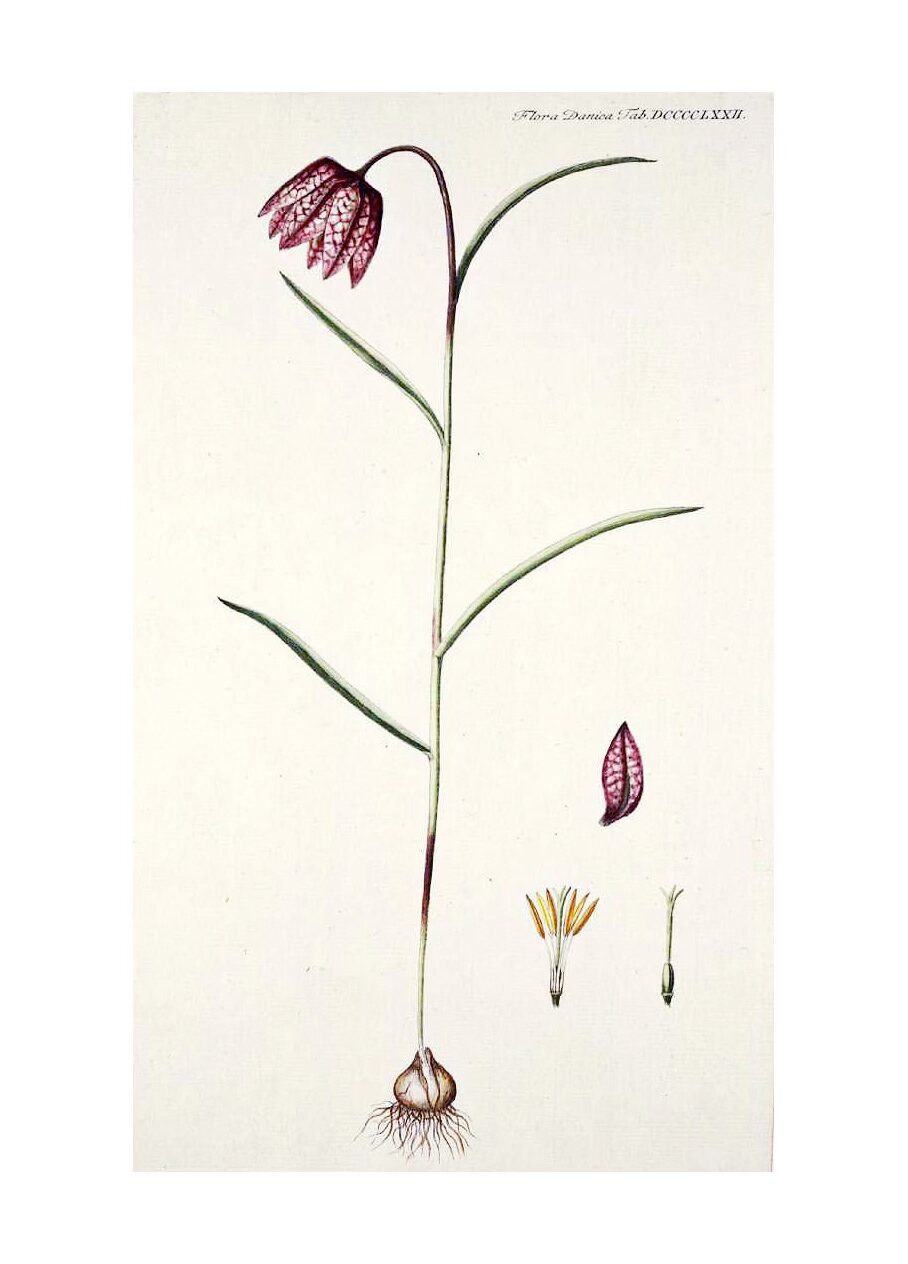
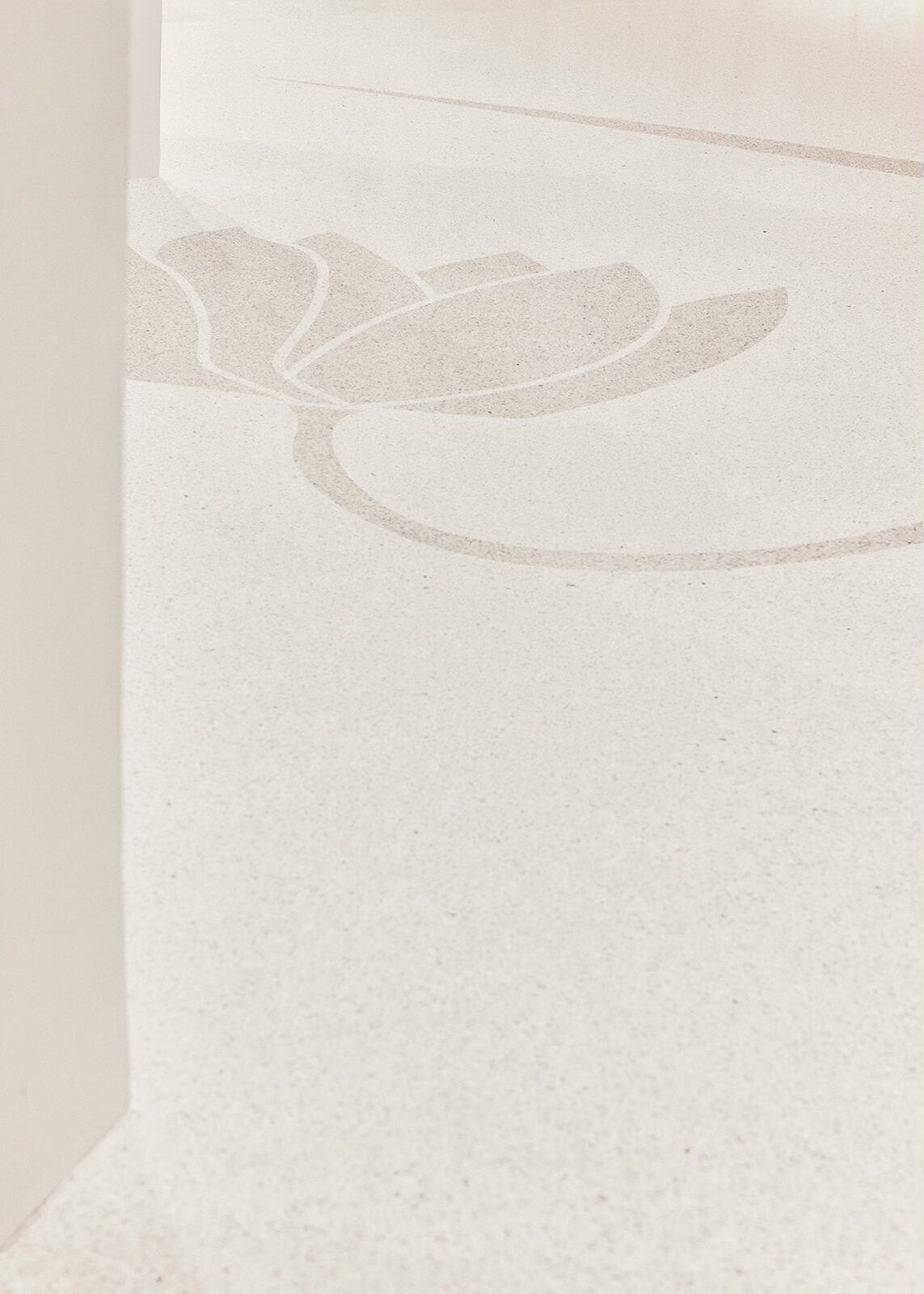
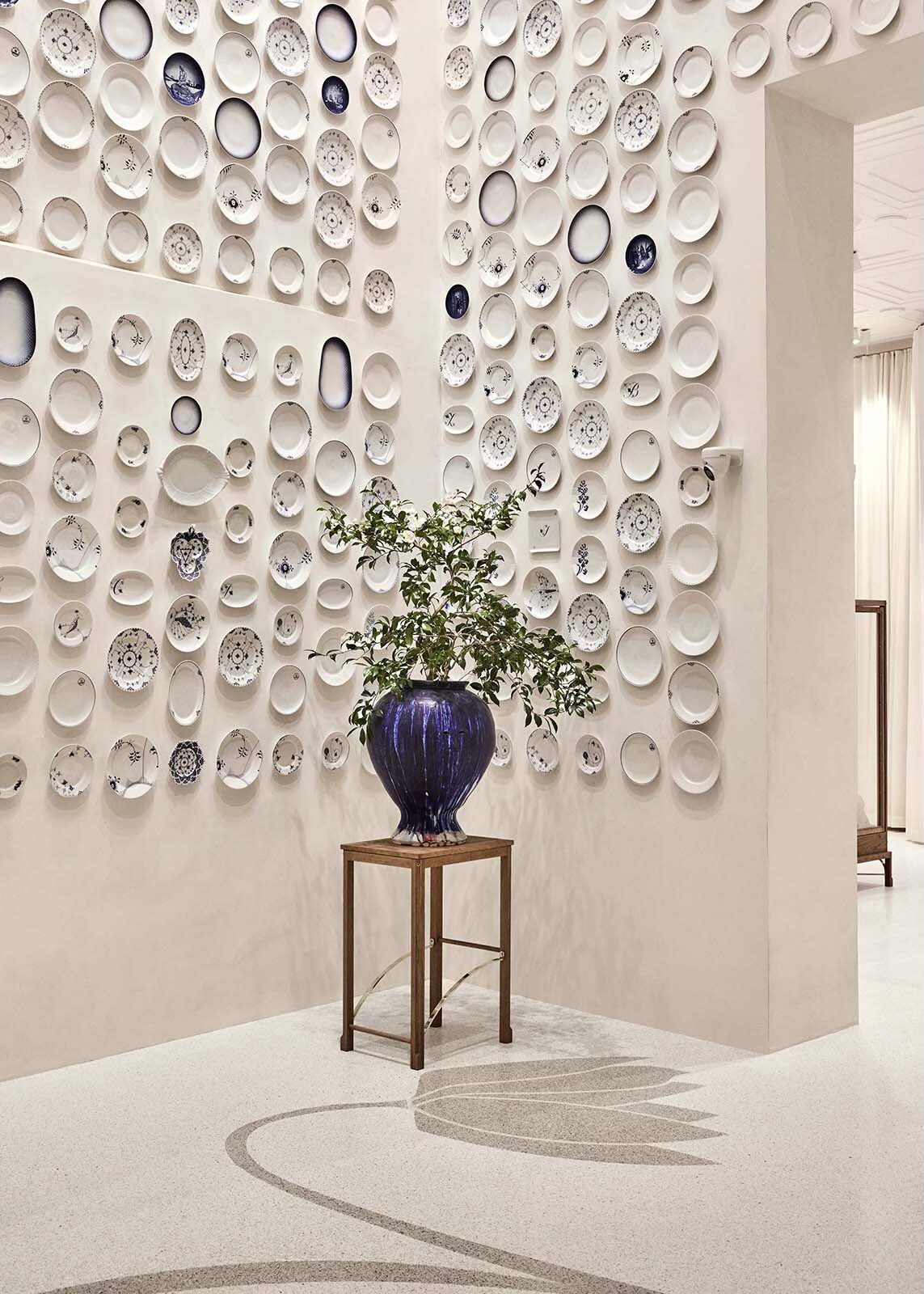
All floors are new: terrazzo with Carrara marble specks, mimicking shards of broken porcelain. The contrasting details we designed with inspiration from the ornamentation of one of Royal Copenhagen’s most famous collections – Flora Danica.

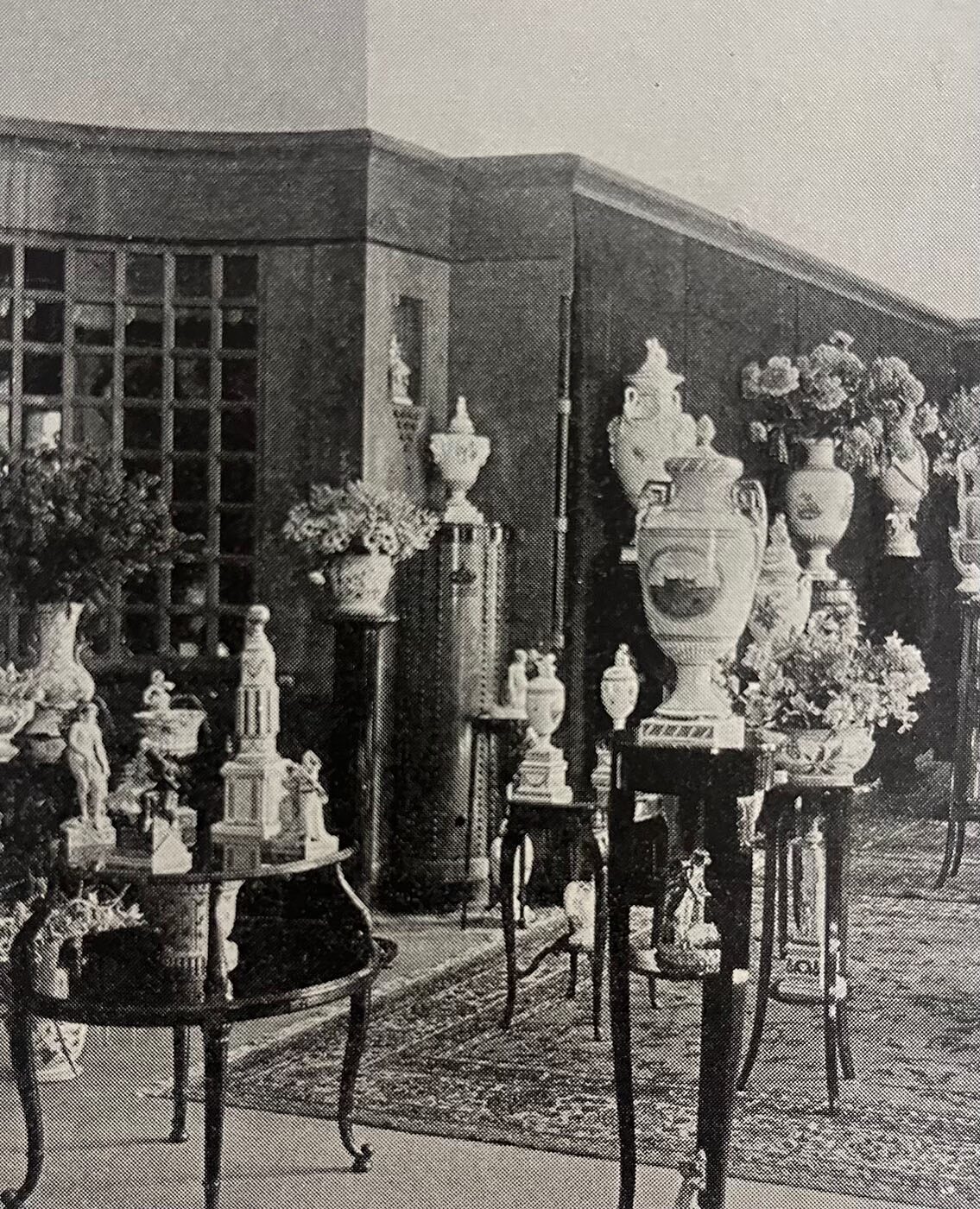
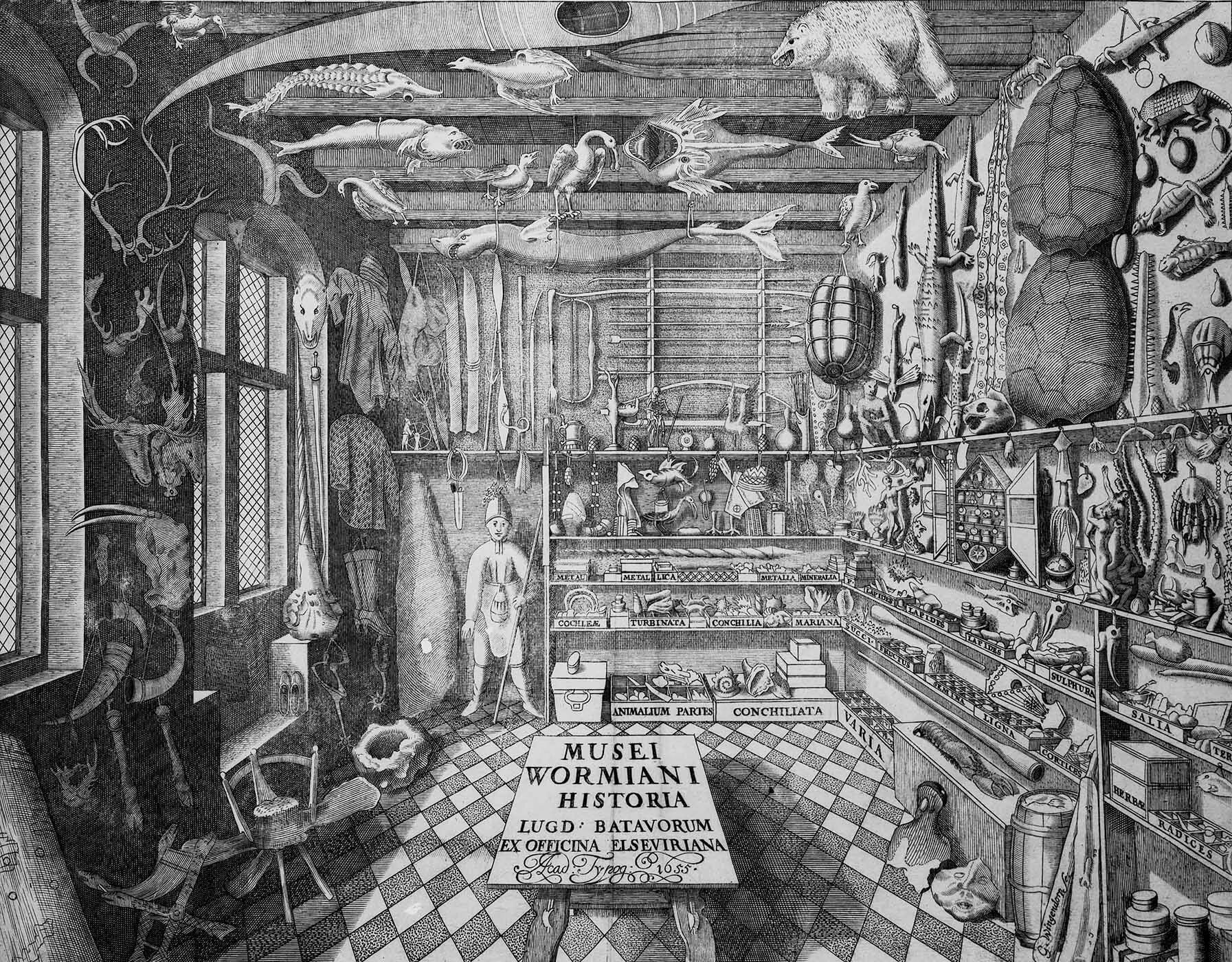
Another inspiration was the Wunderkammer feeling we wanted to bring out in the central vertical room, by mounting several hundred plates and dishes from various Royal Copenhagen collections on the wall.

Above is an etching of the Wunderkammer of Ole Worm, the curiosity cabinet of the 1600s Danish physicist.

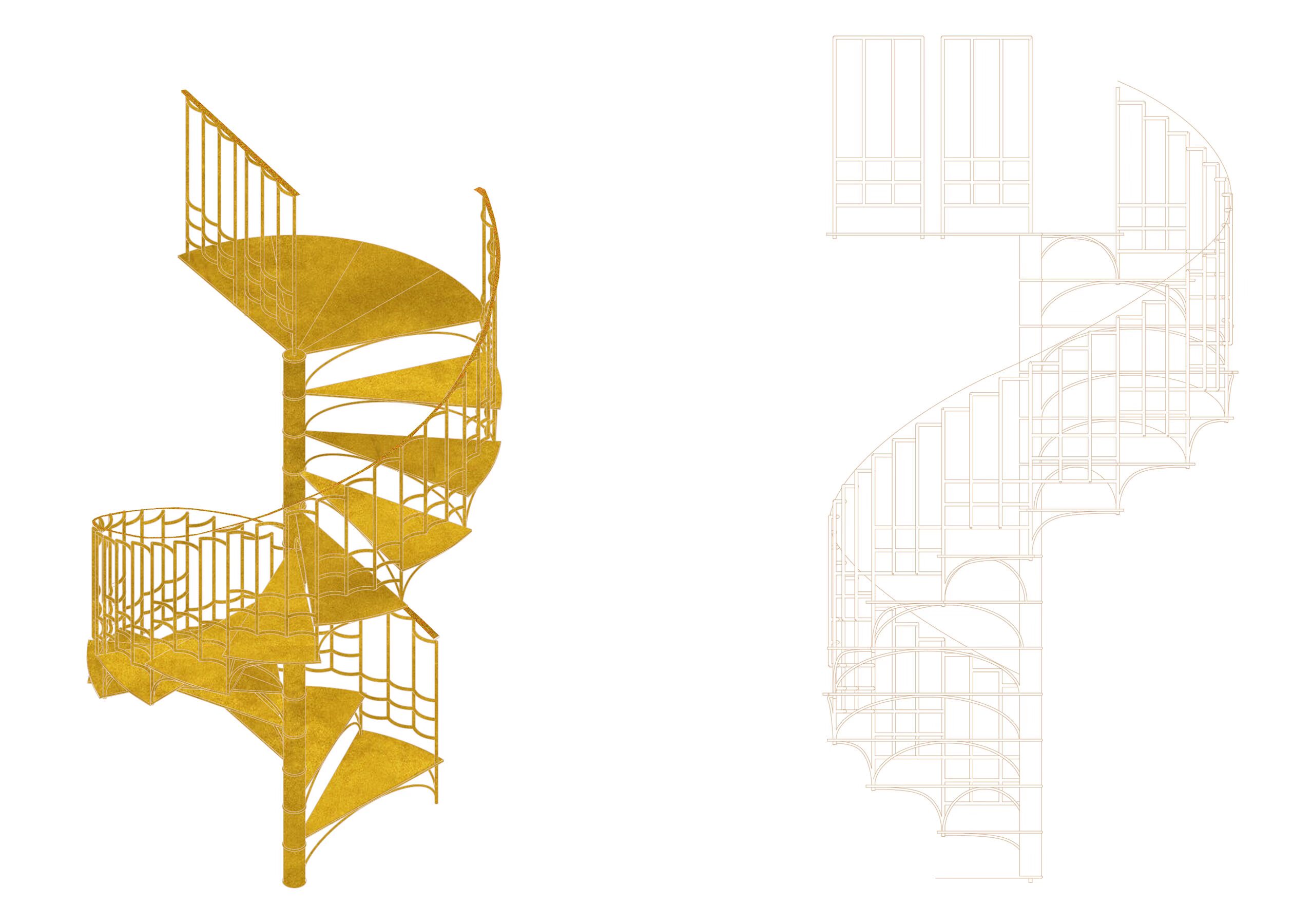
Early sketches for the design also included a new spiral staircase, to gain access to a previously closed-off space in the renaissance tower.

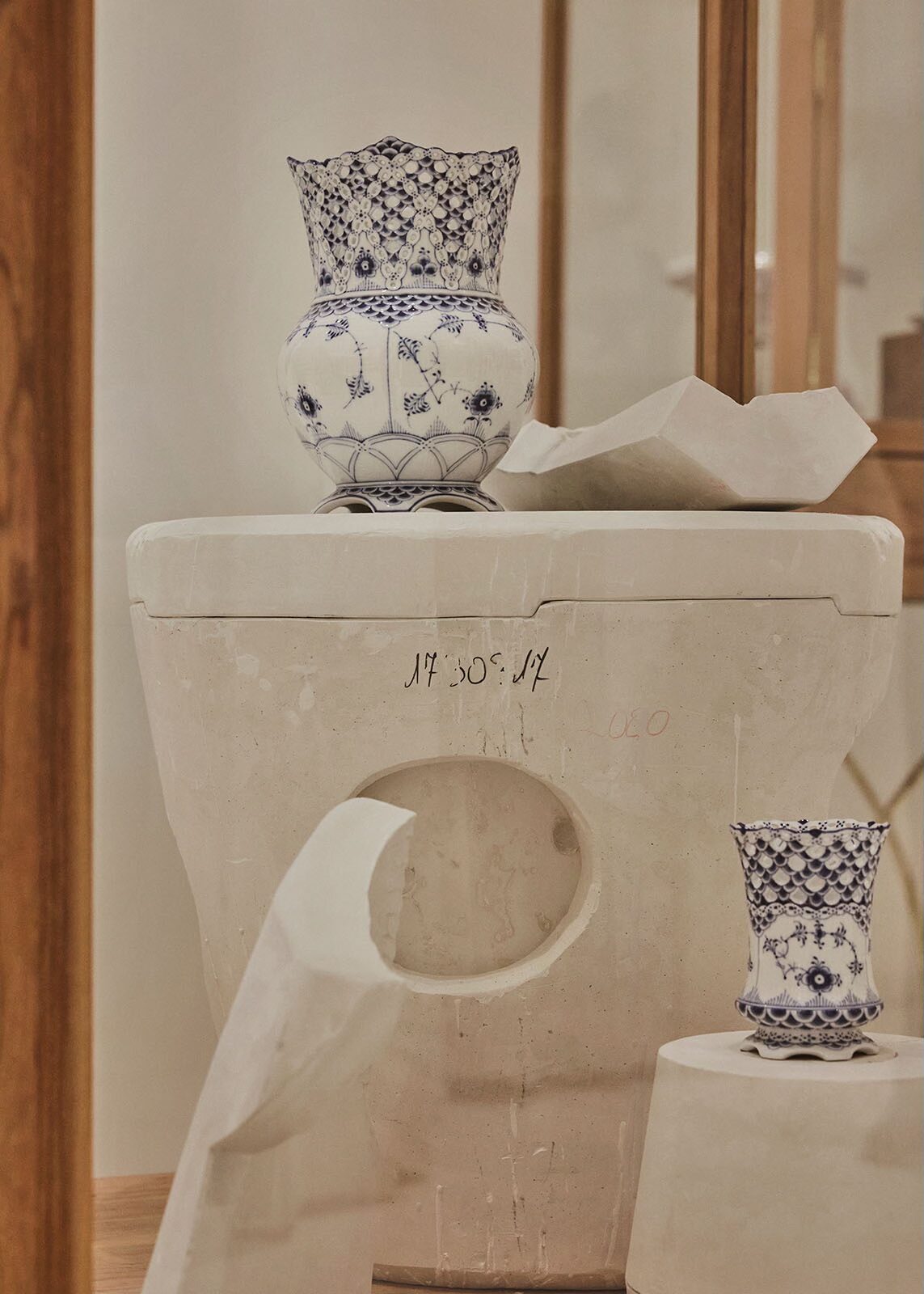
The jigsaw-shaped display furniture was inspired by the interlocking pieces of casting moulds.

Below is an example of a mould, with the characteristic jigsaw lines, made to allow for easier alignment of the various pieces of the mould.

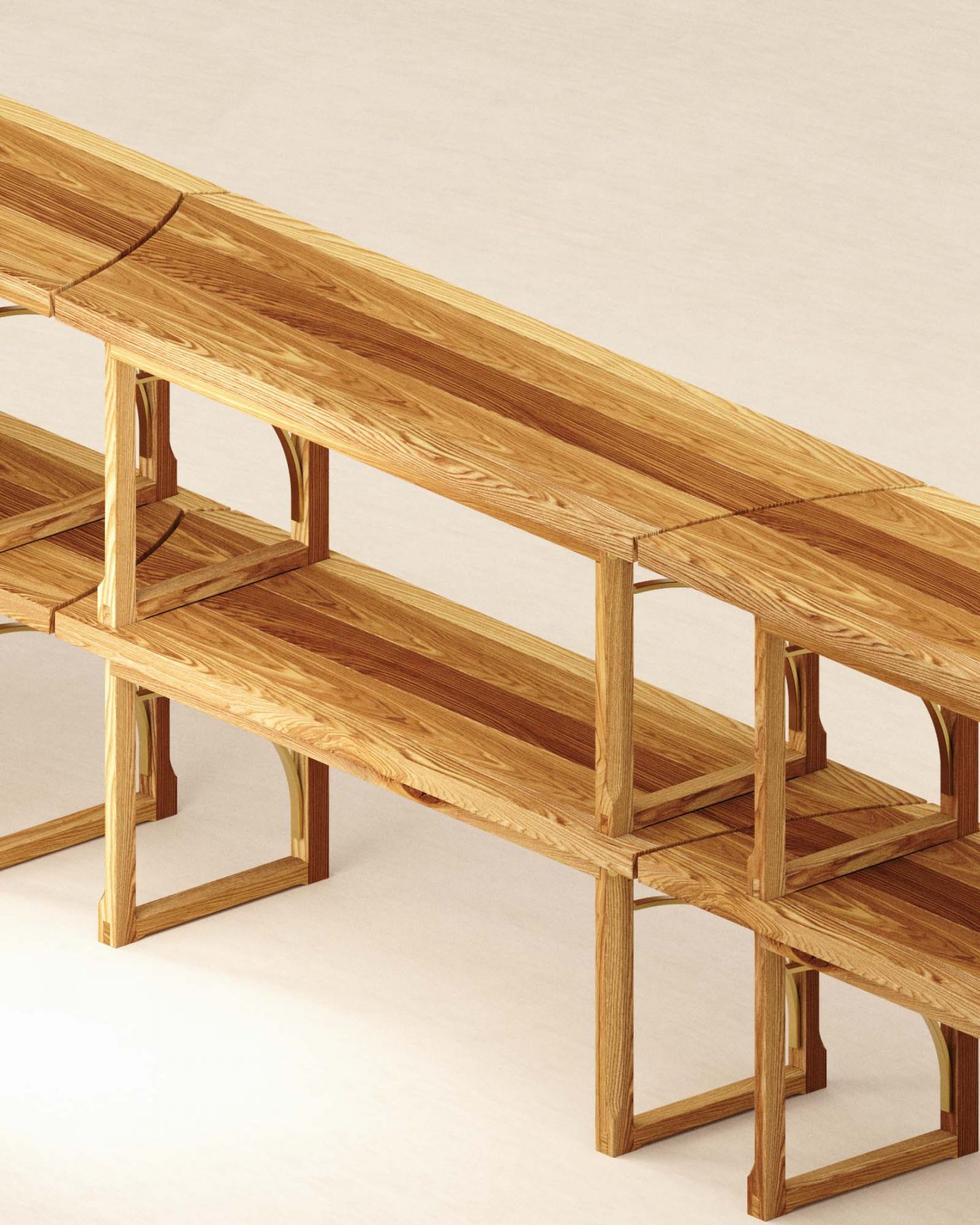
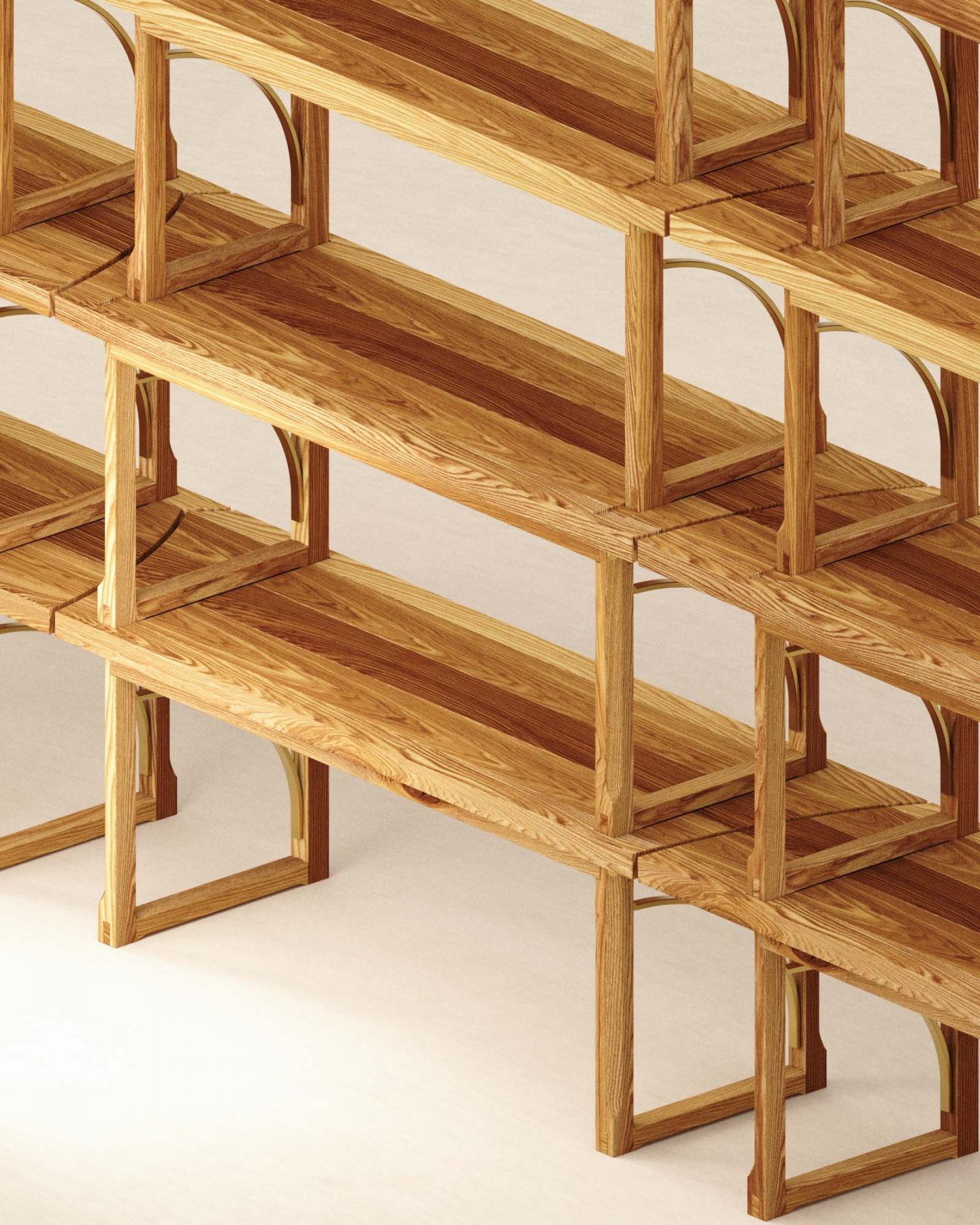
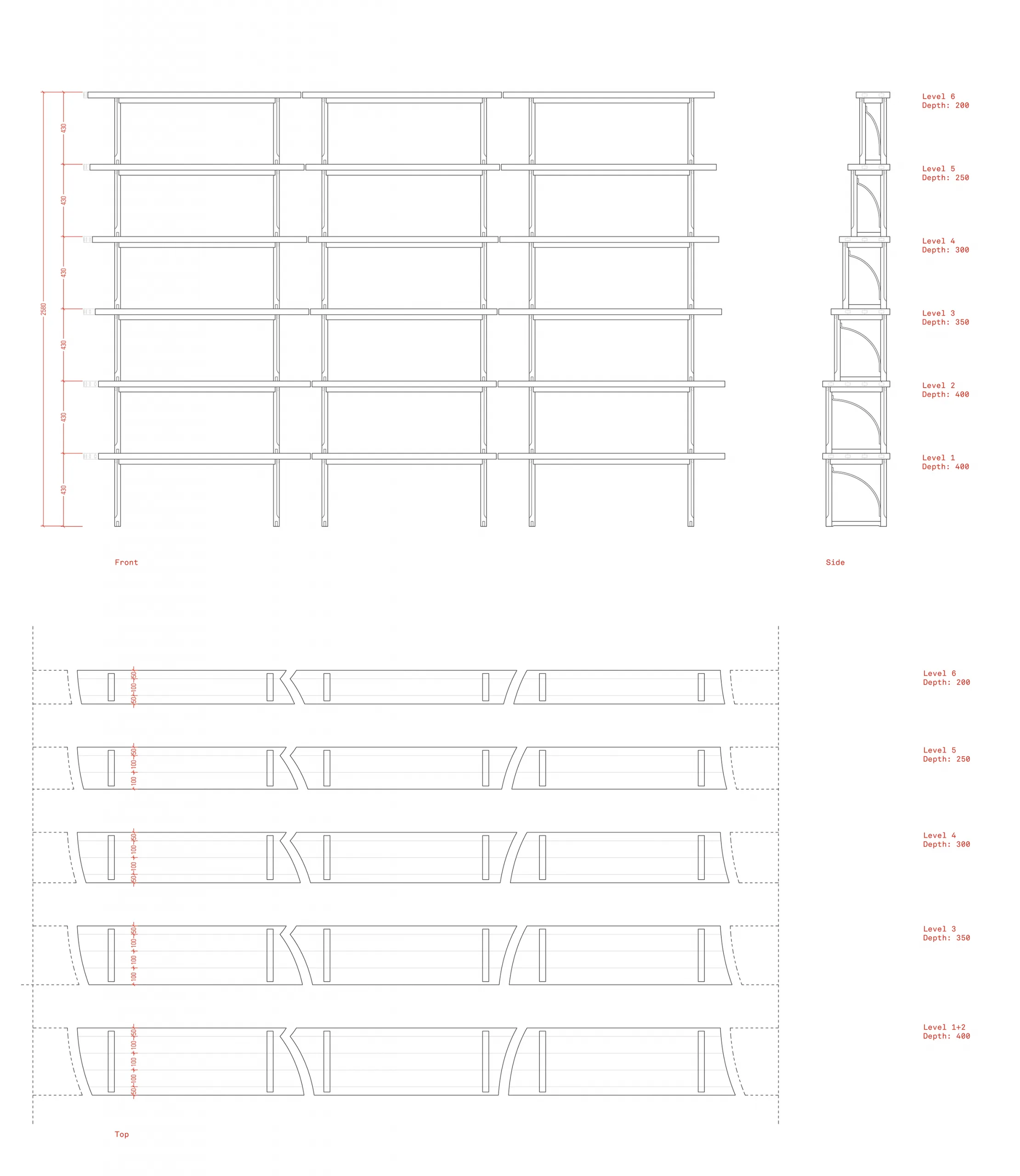
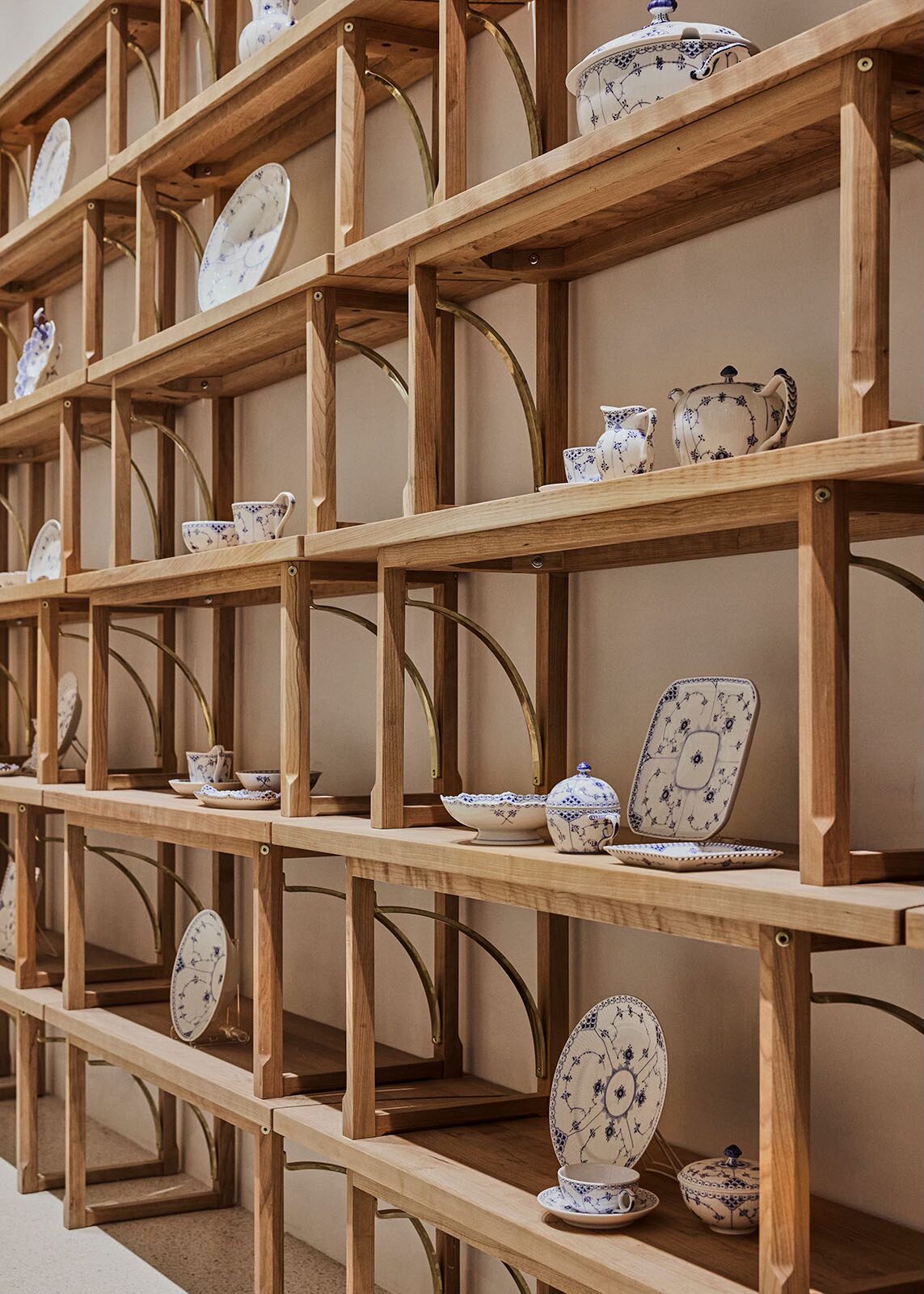
The shelves follow this same jigsaw pattern, a modular system we designed for the space, with layers that stack and unstack easily and according to changing needs in the space.

Credits:


Royal Copenhagen team:
Jasper Toron Nielsen
Selina Halvgaard

Mentze Ottenstein team:
Mathias Mentze
Alexander Ottenstein
Stine Müller

Photos: Claus Troelsgaard

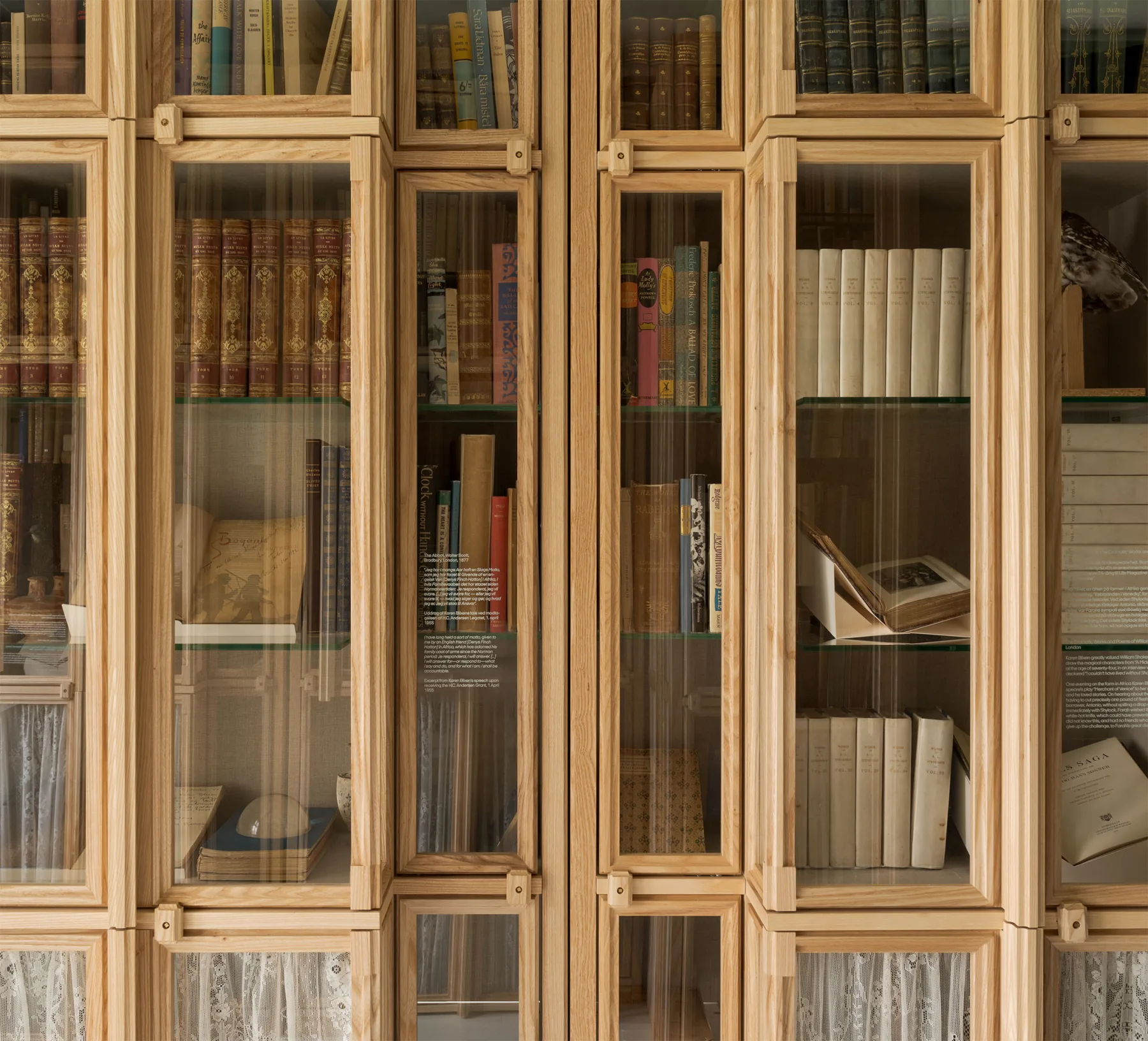
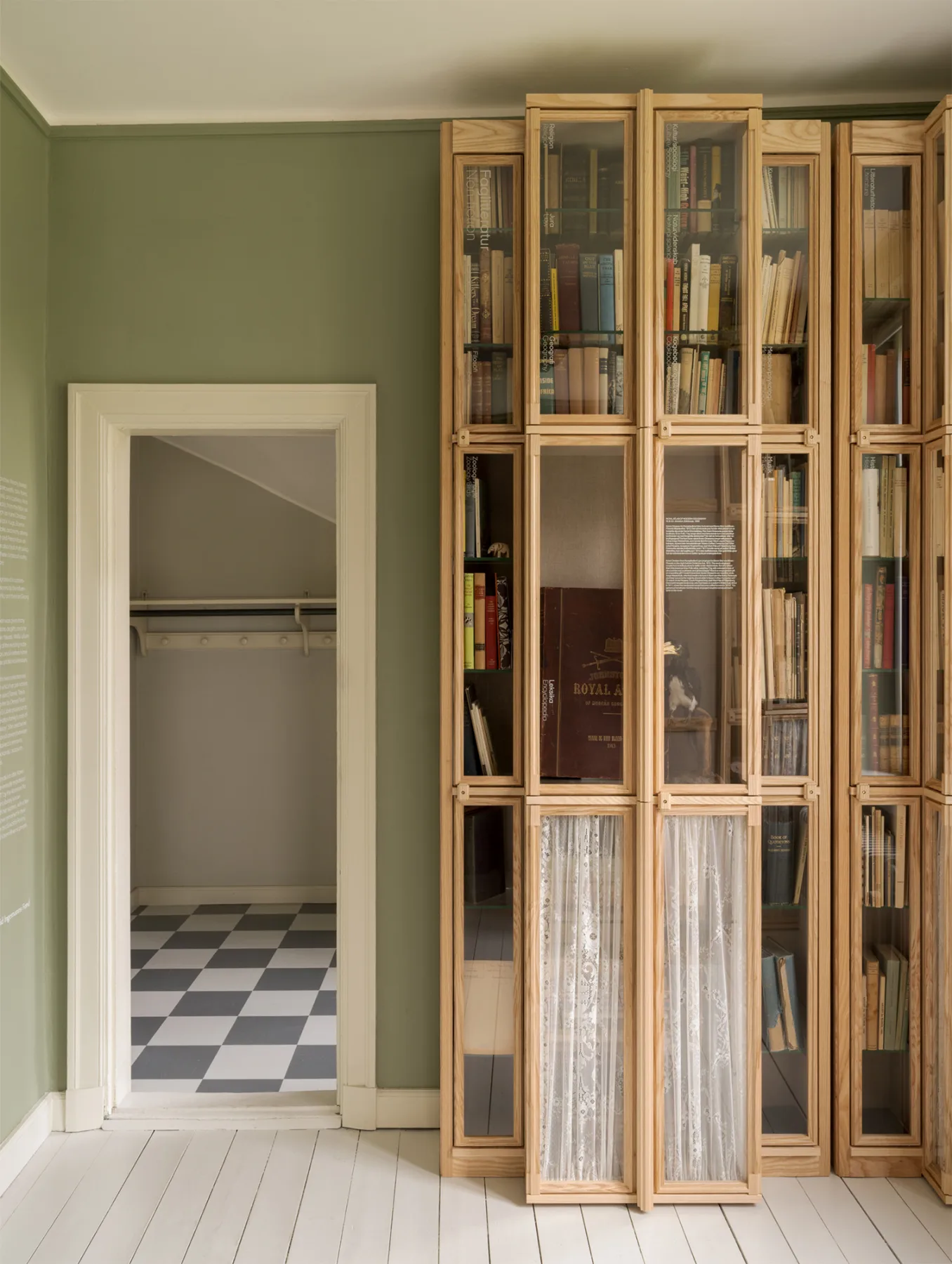
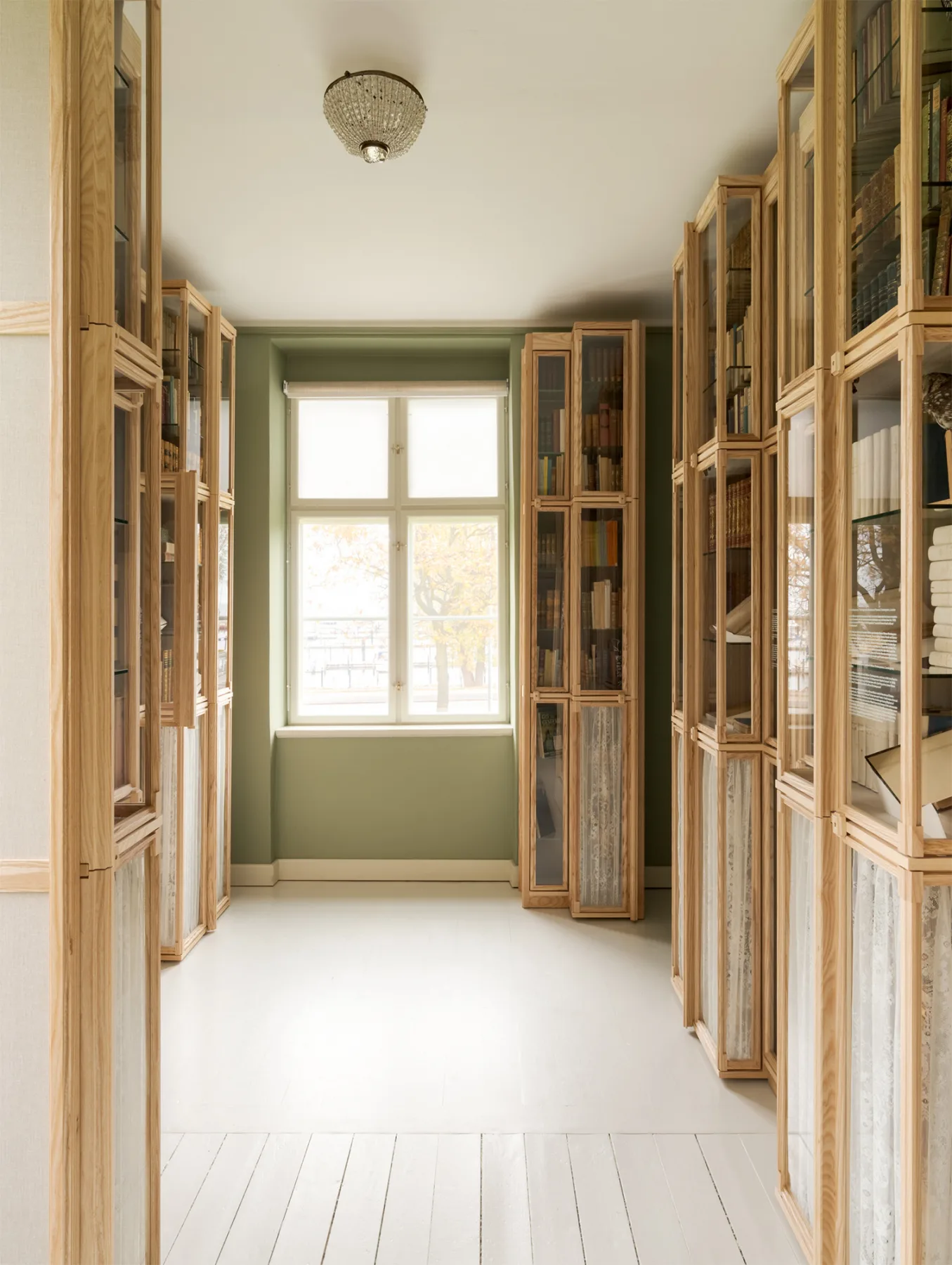
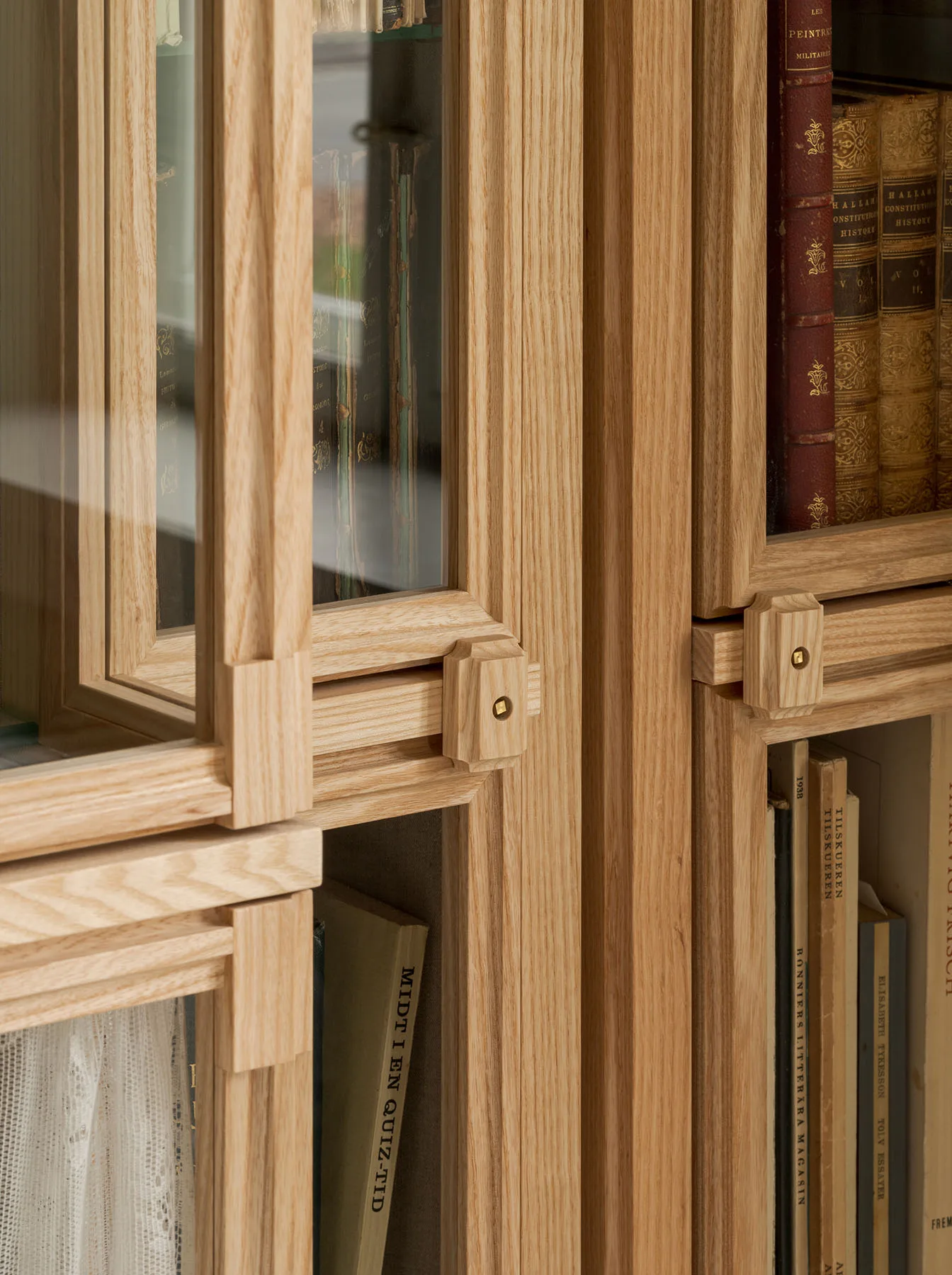
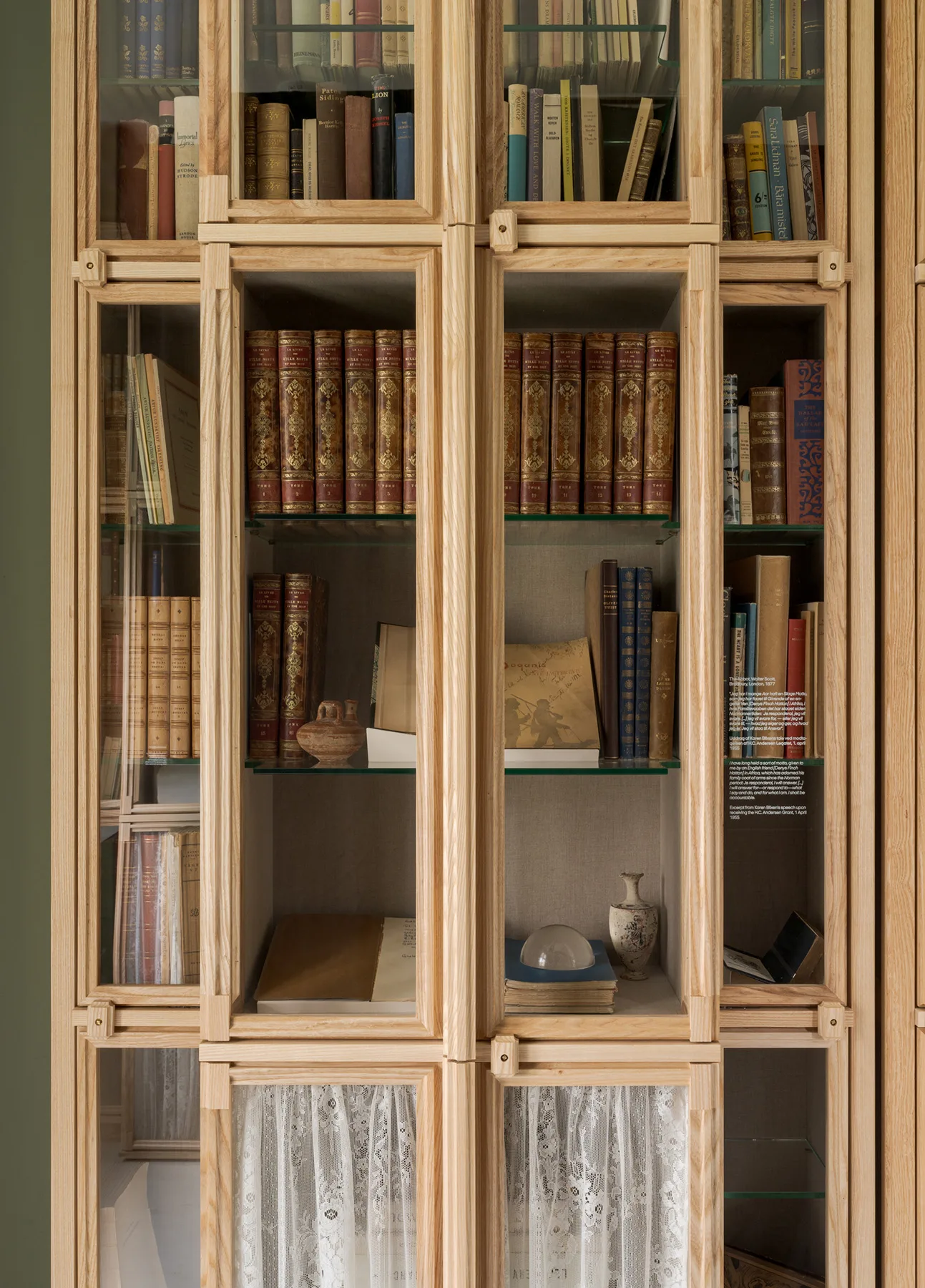
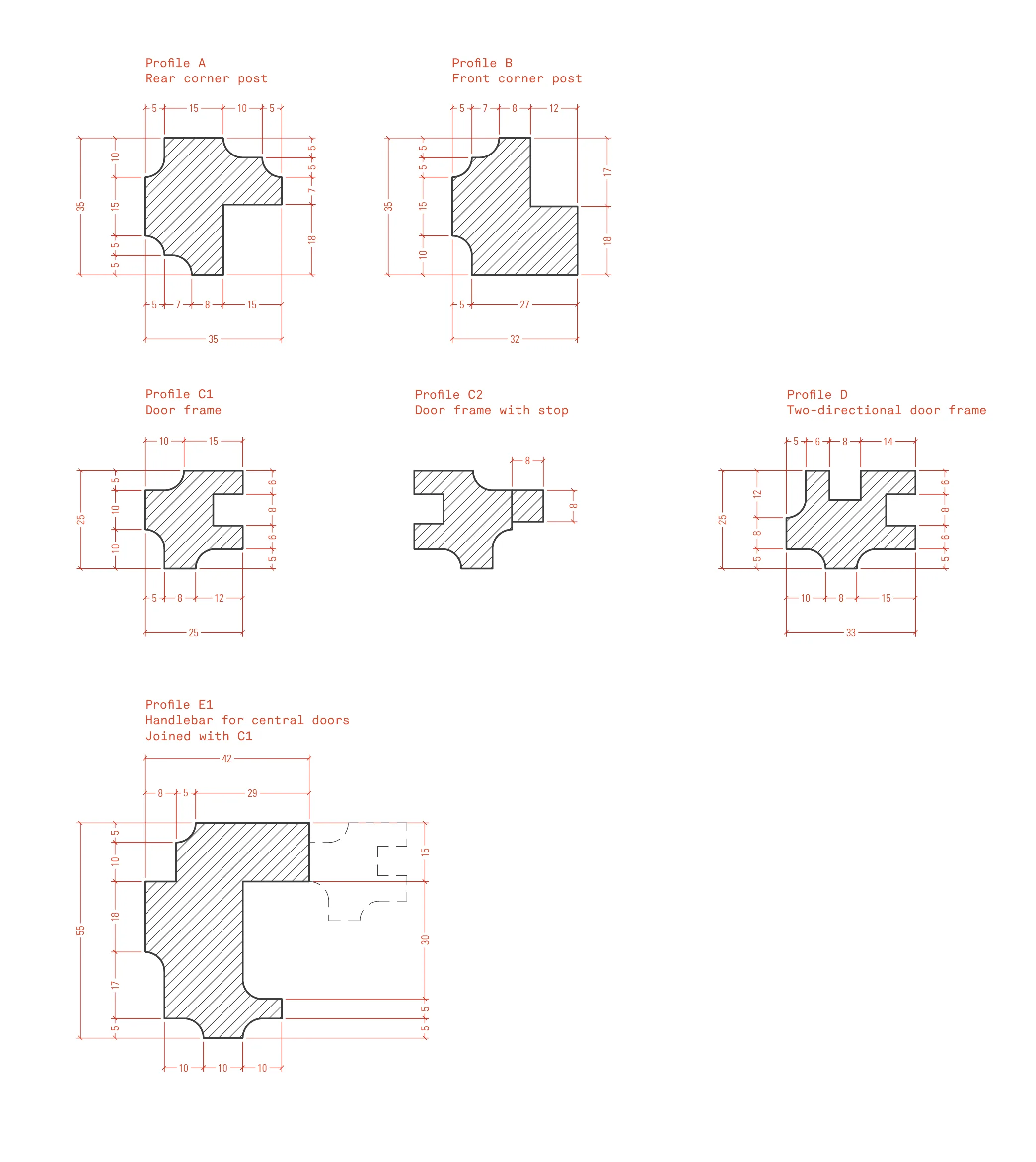
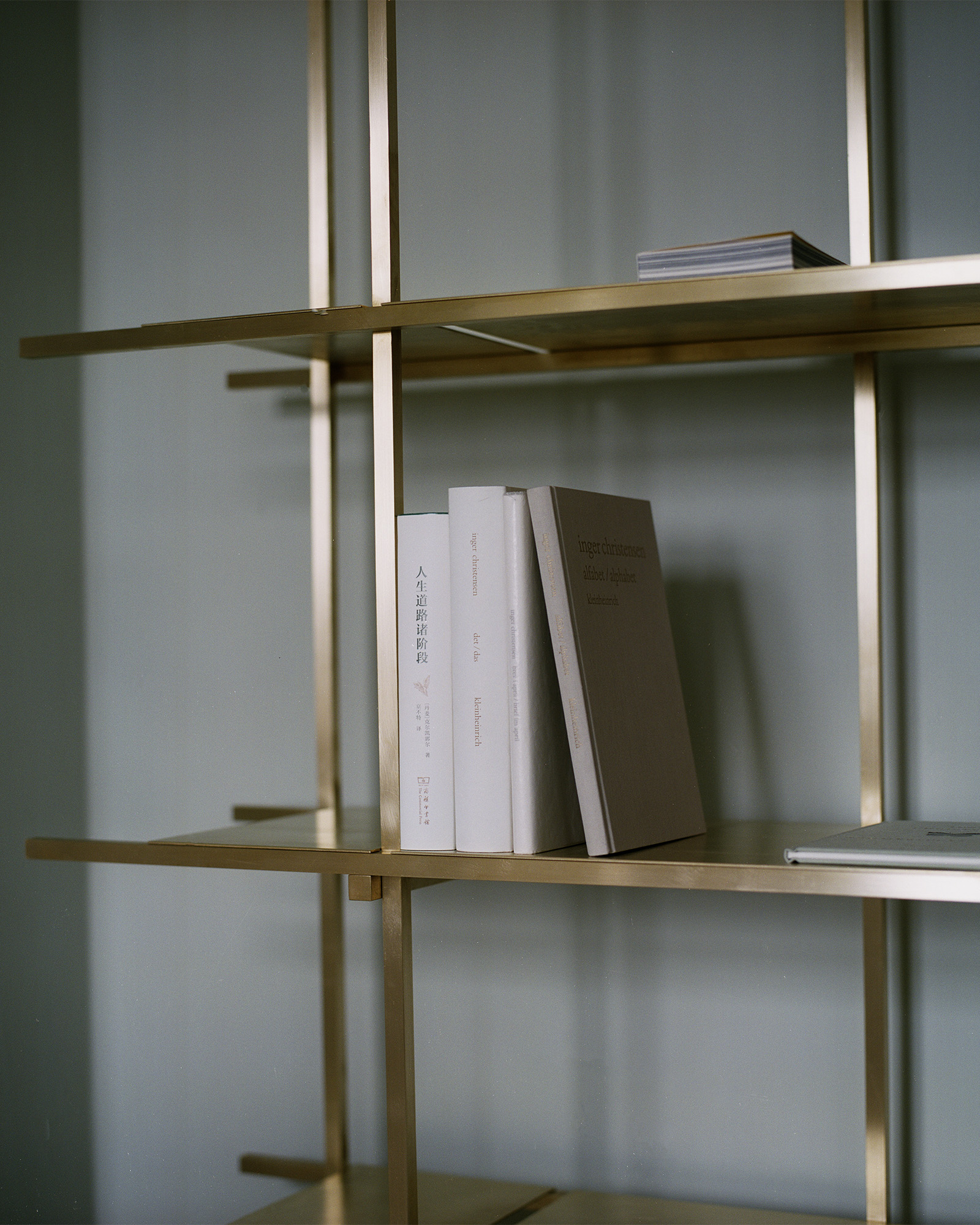
At Rungstedlund, the home of Karen Blixen, we designed this library to hold the personal book collection of the iconic Danish writer.

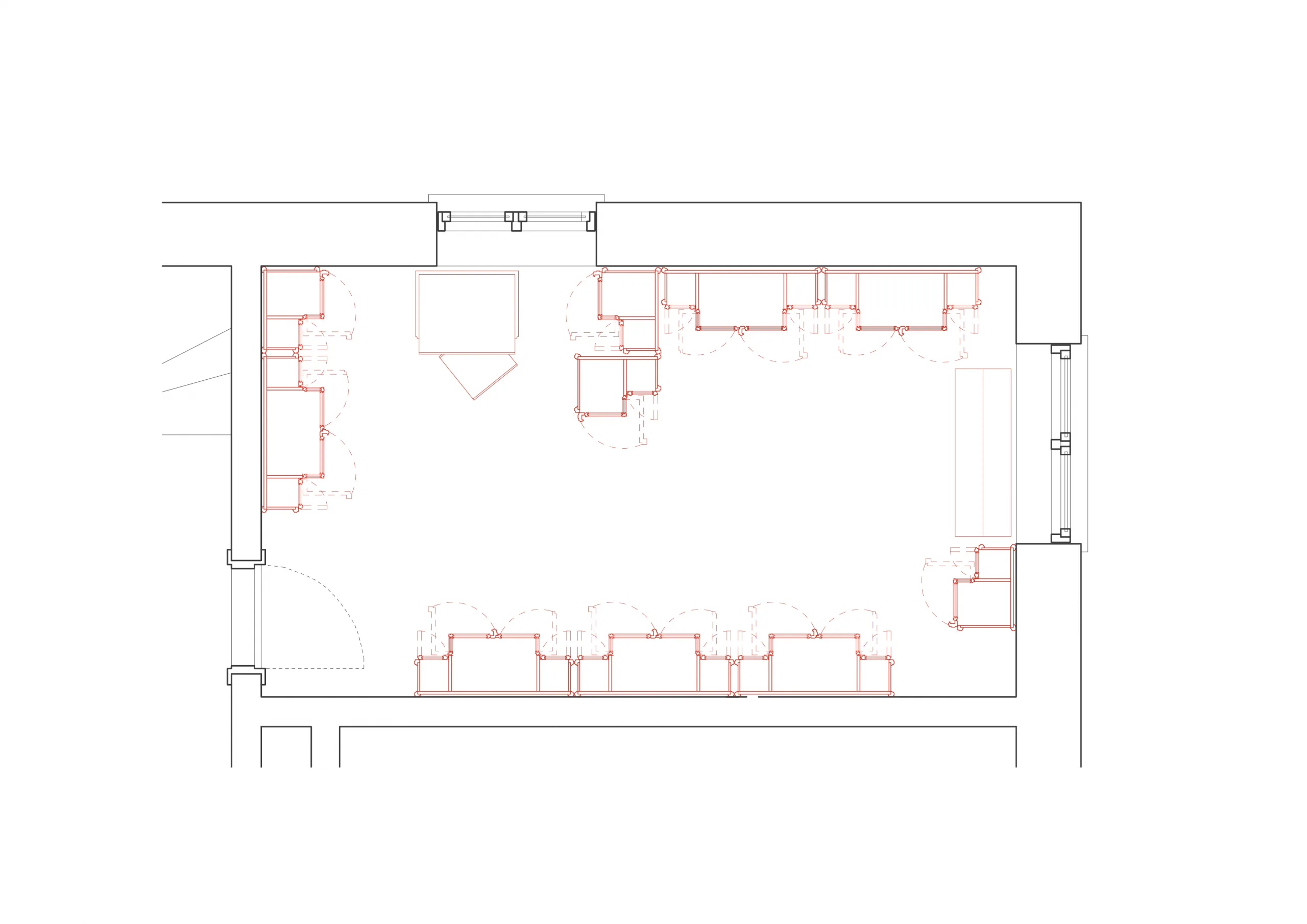
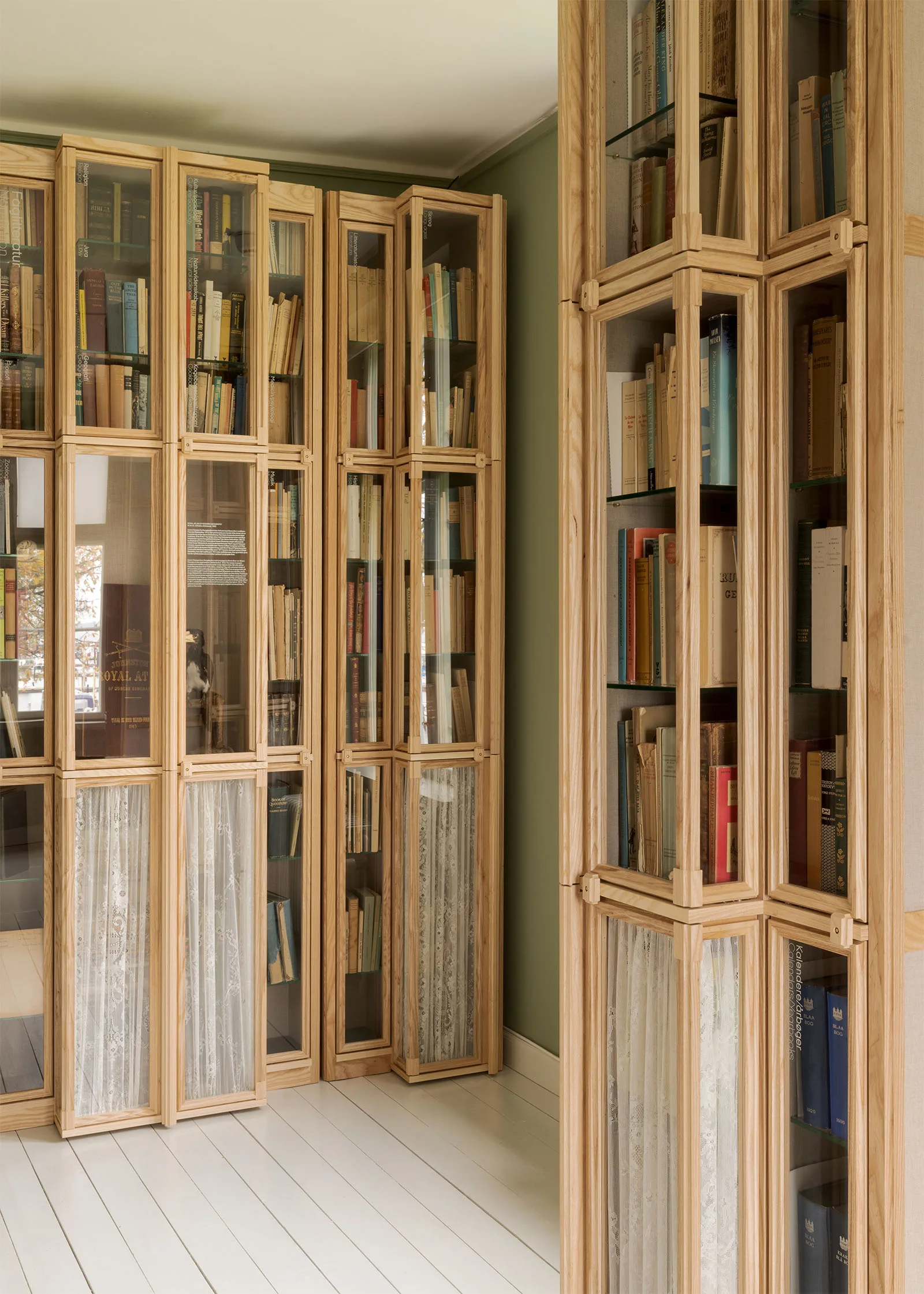
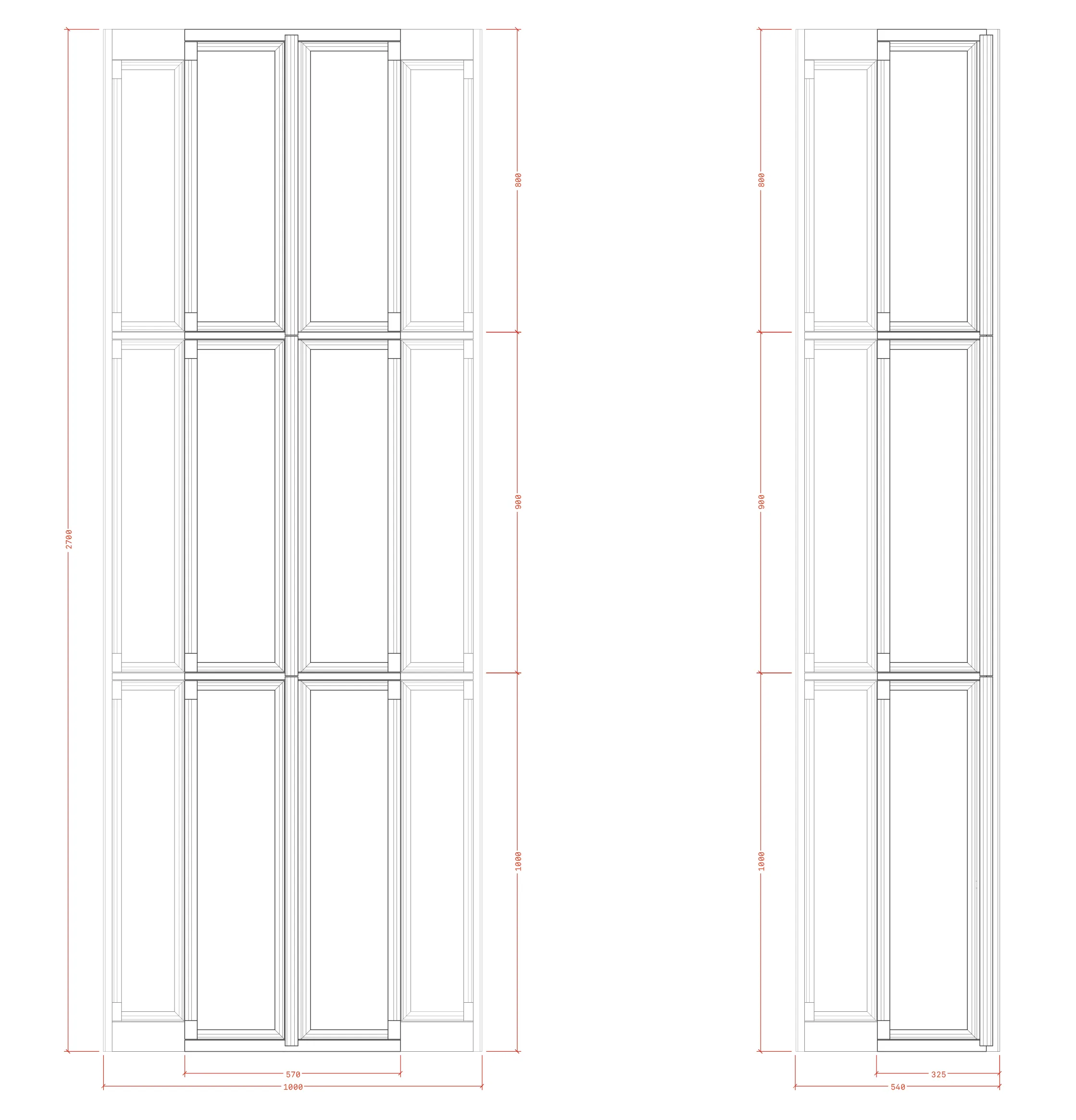
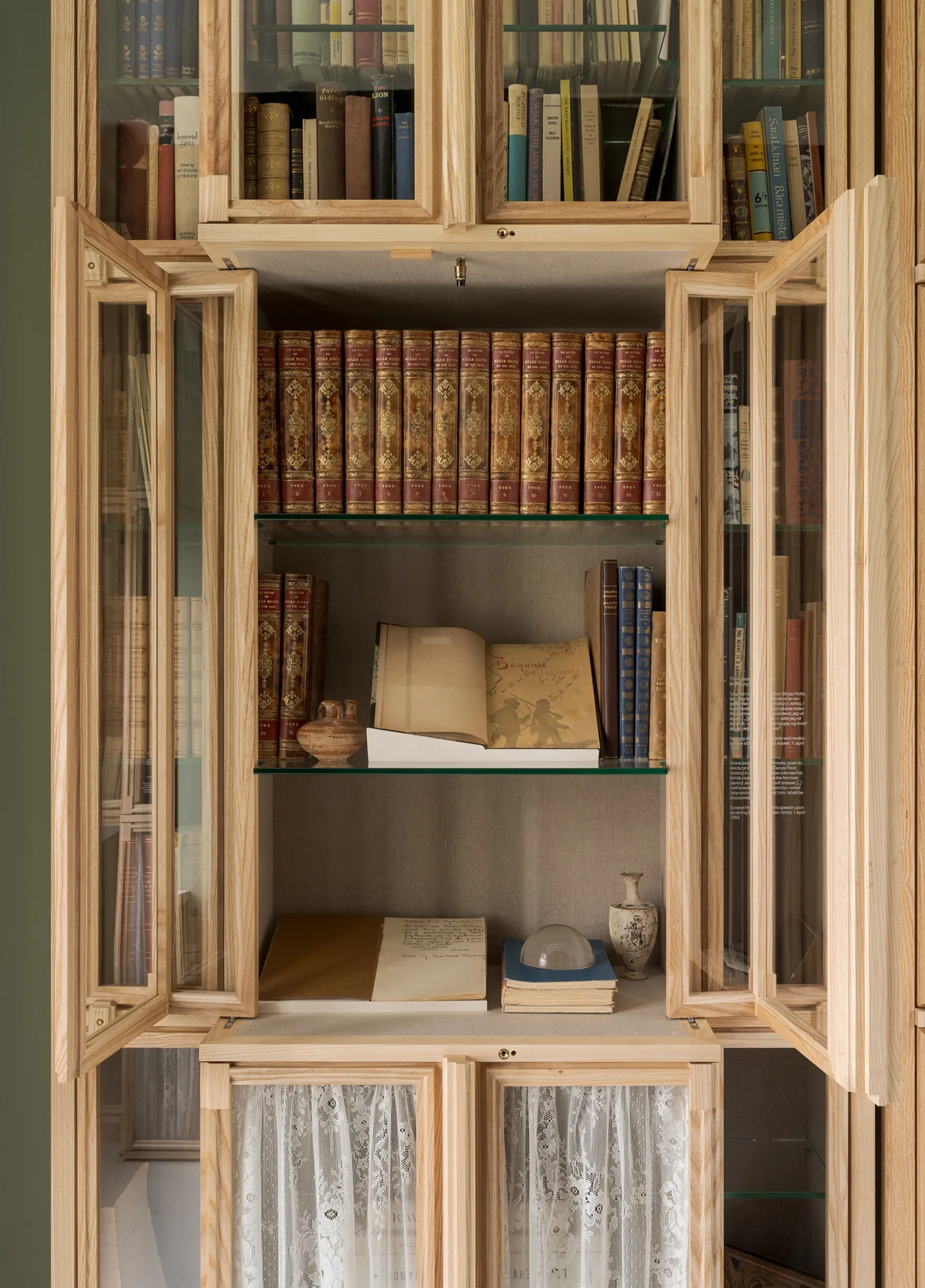
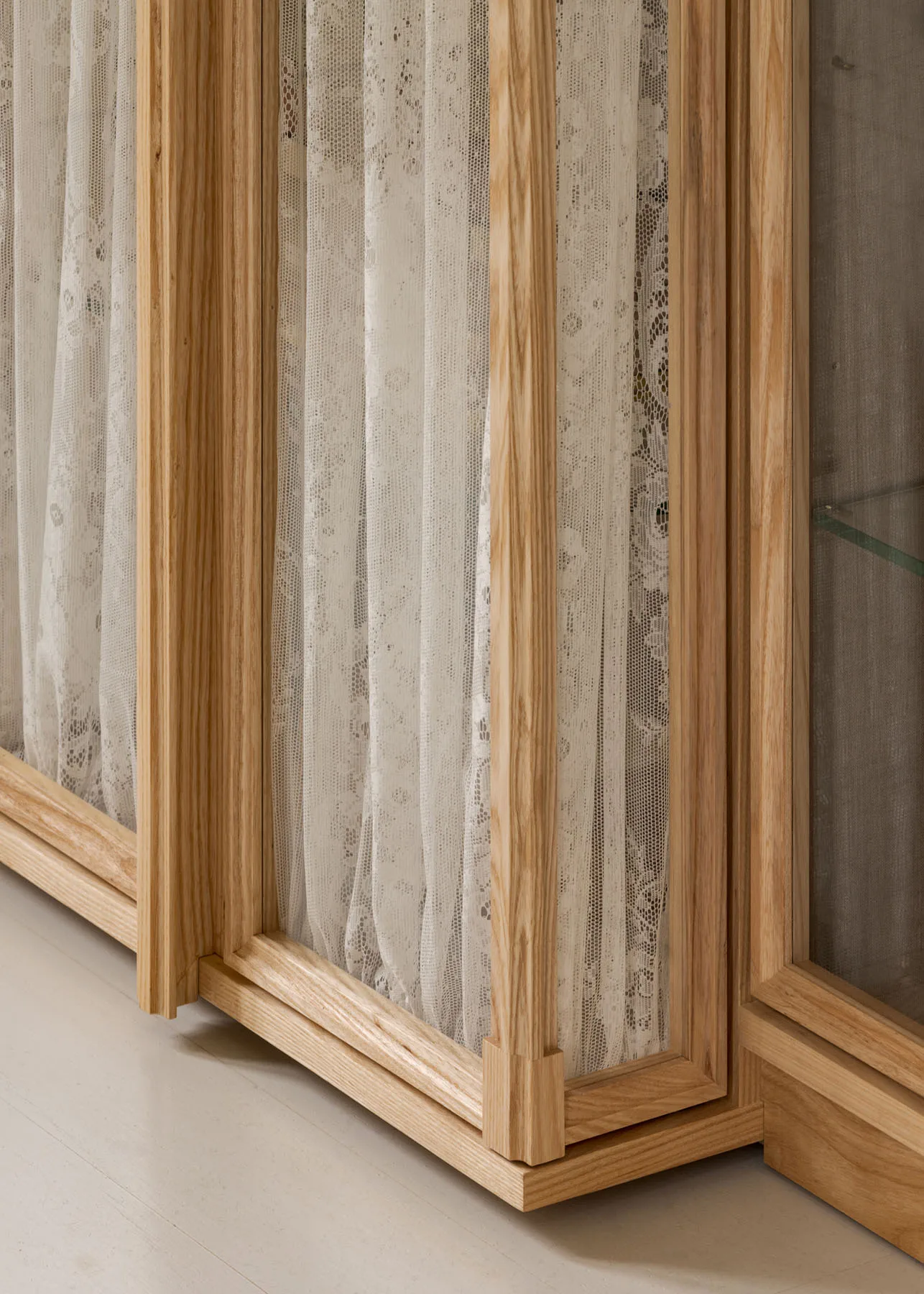
The library is made up of a series of free-standing book cabinets that — when placed side-by-side —function as an un-familiar typology: not quite furniture, not quite wall-to-wall shelving.

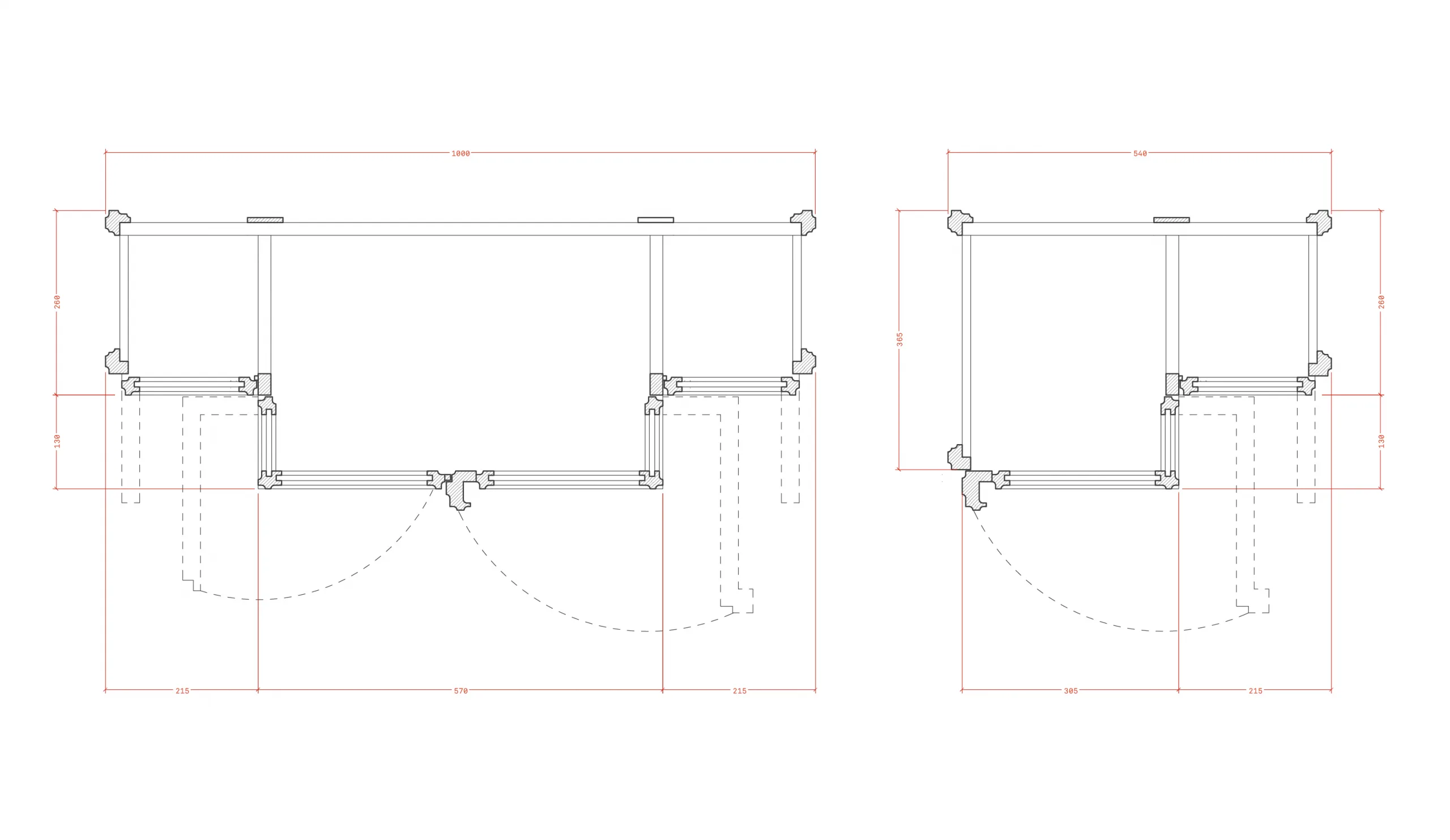
To add complexity, the cabinets are made with a deep and a shallow section — the deeper sections having an intricately joined, two-sided door that wraps around the corner.

The cabinets are constructed in ash wood with delicately profiled frames. The insides of the cabinets are upholstered with unbleached, linen canvas.

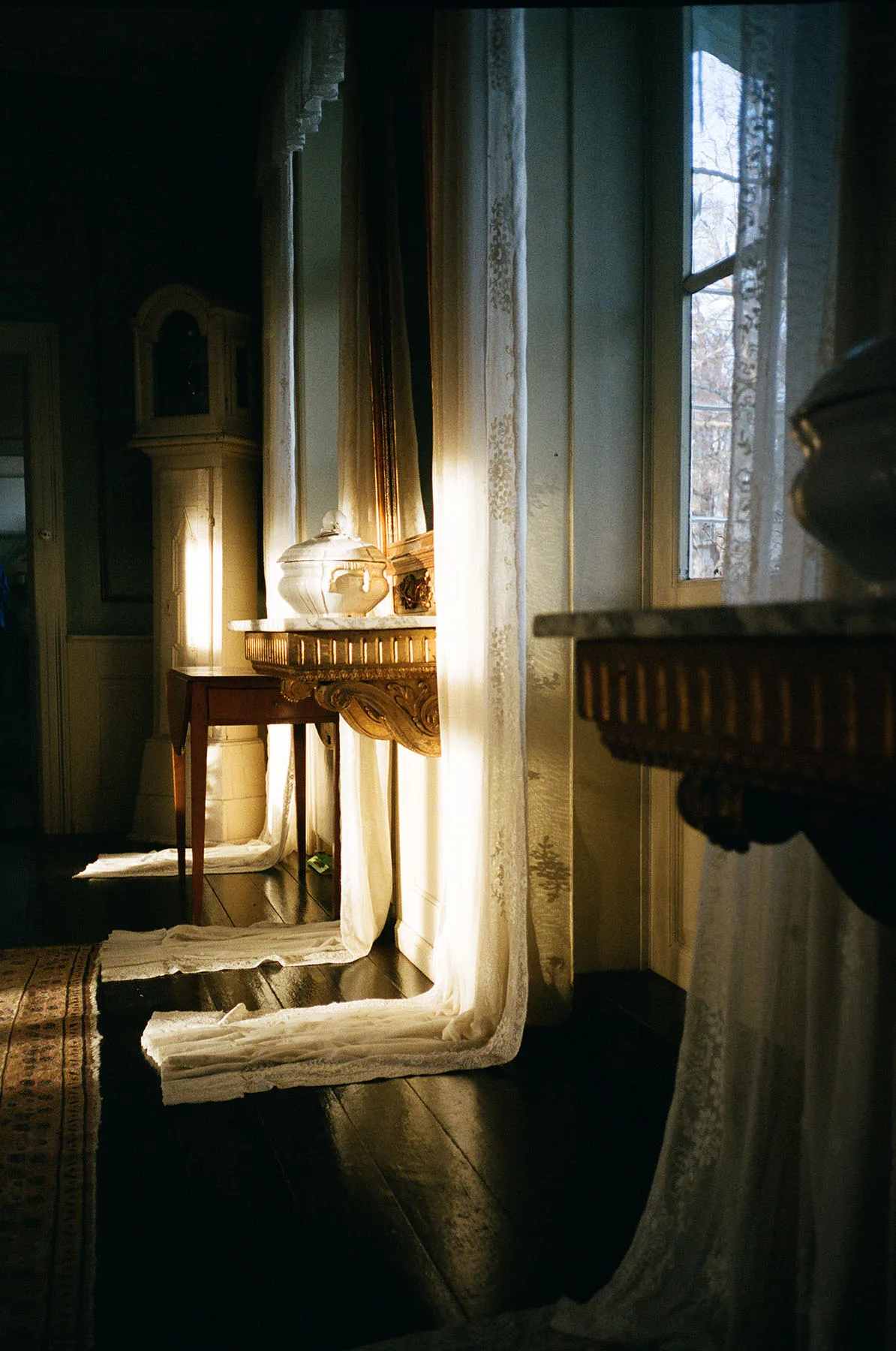
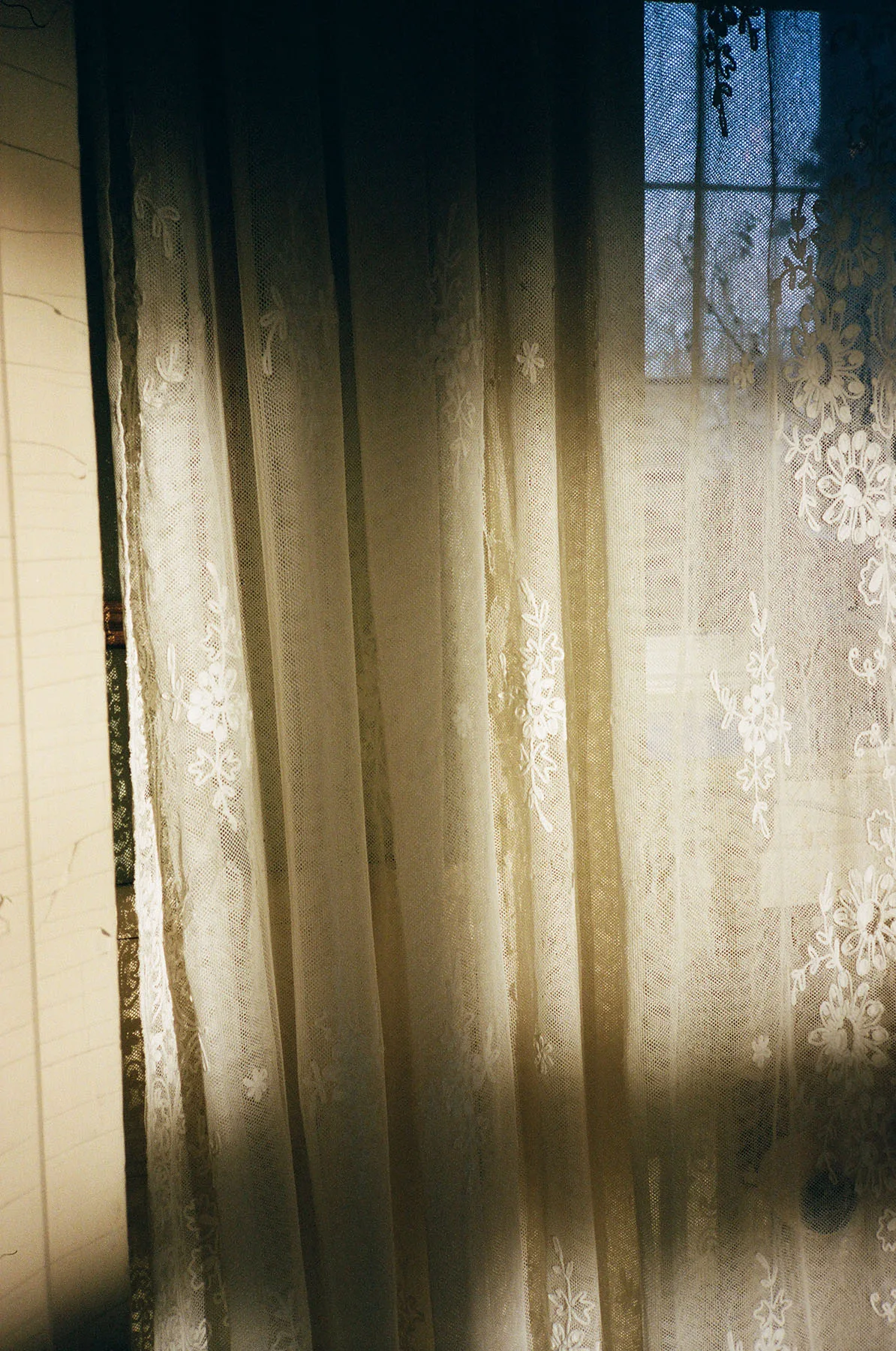
The bottom section of the cabinets have pleated lace curtains, to have sections where items are put less on display, inspired by the lace curtains found throughout the house.

Credits:


Woodwork:
Rammelisten

Photos:
David Stjernholm

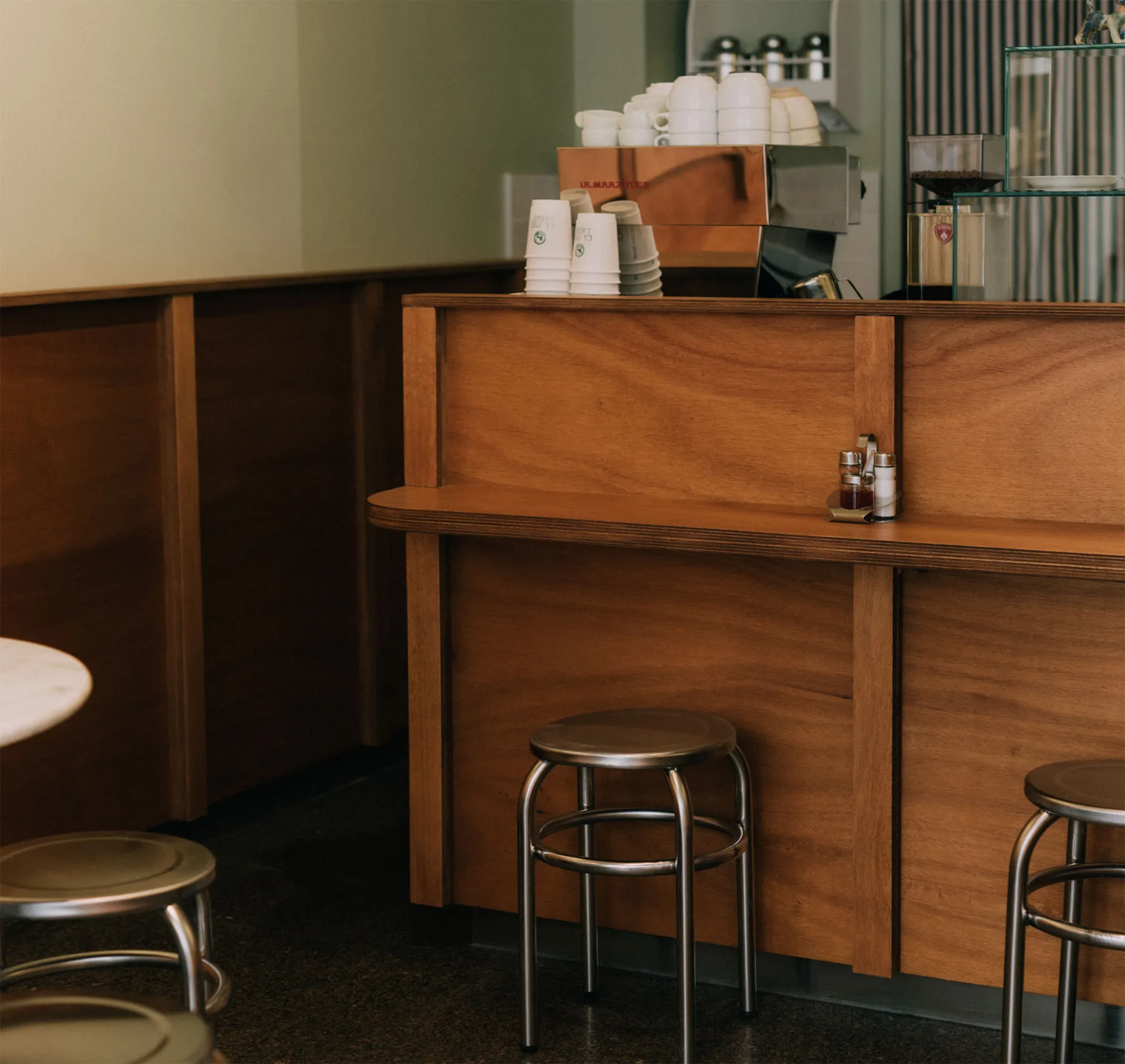
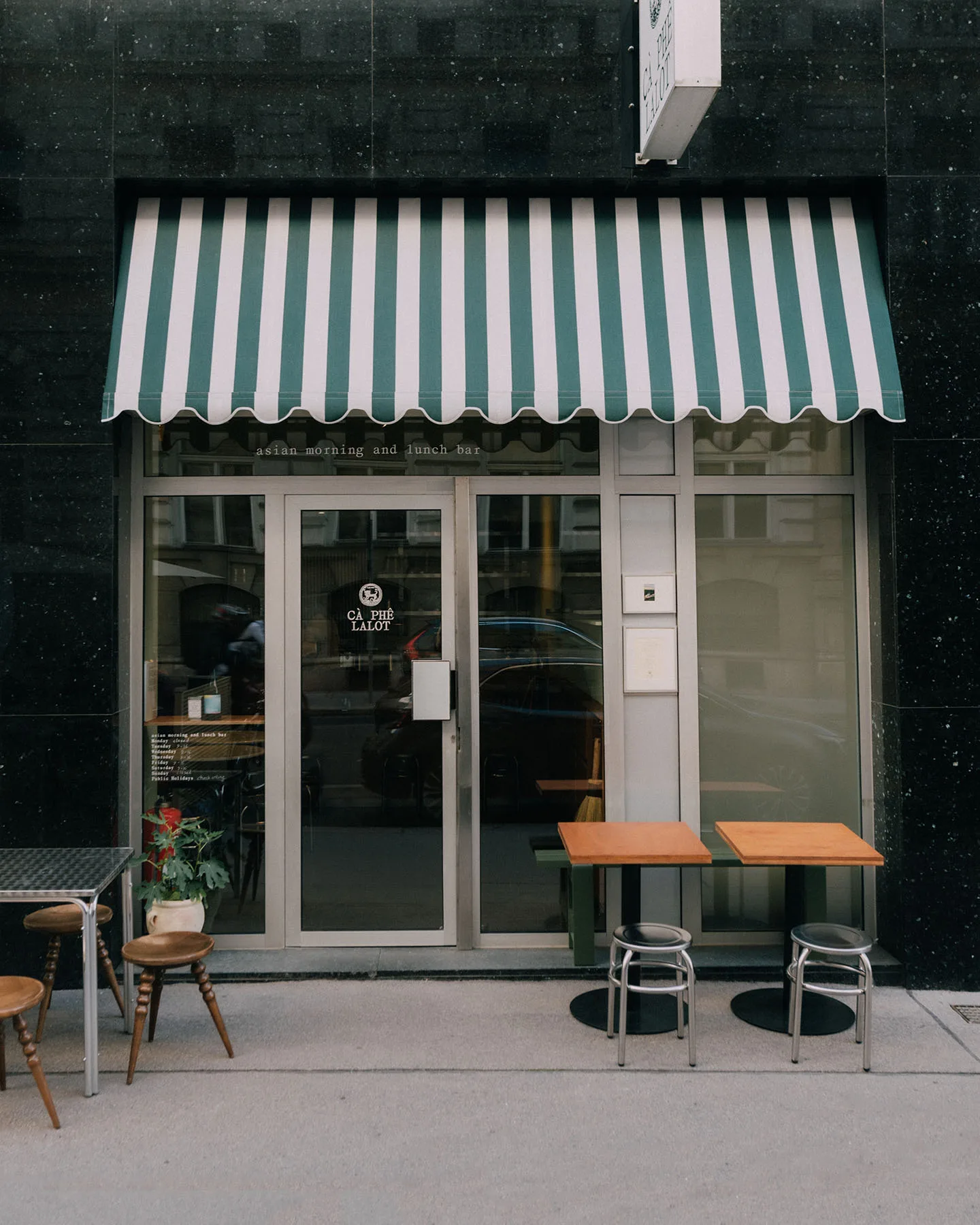
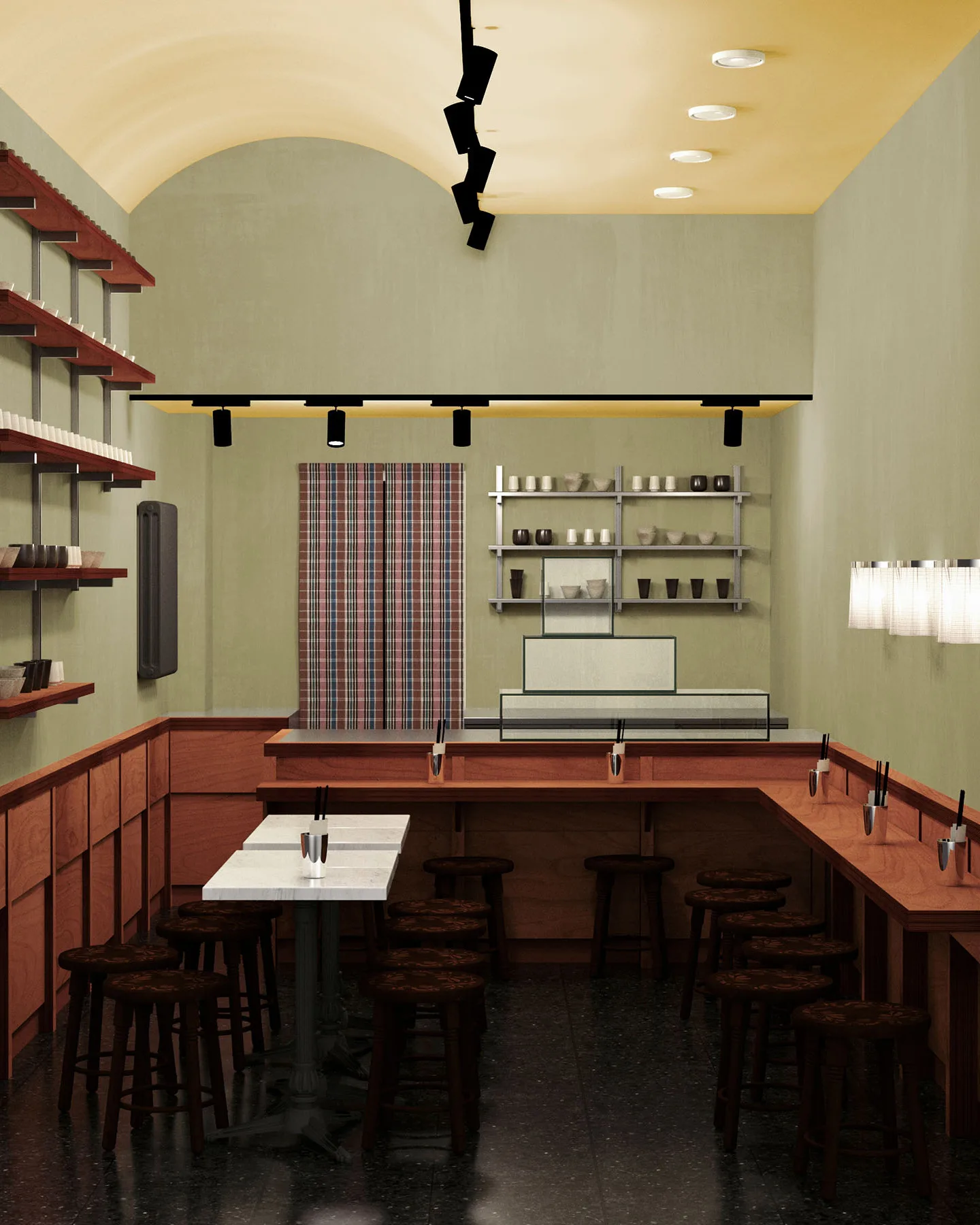
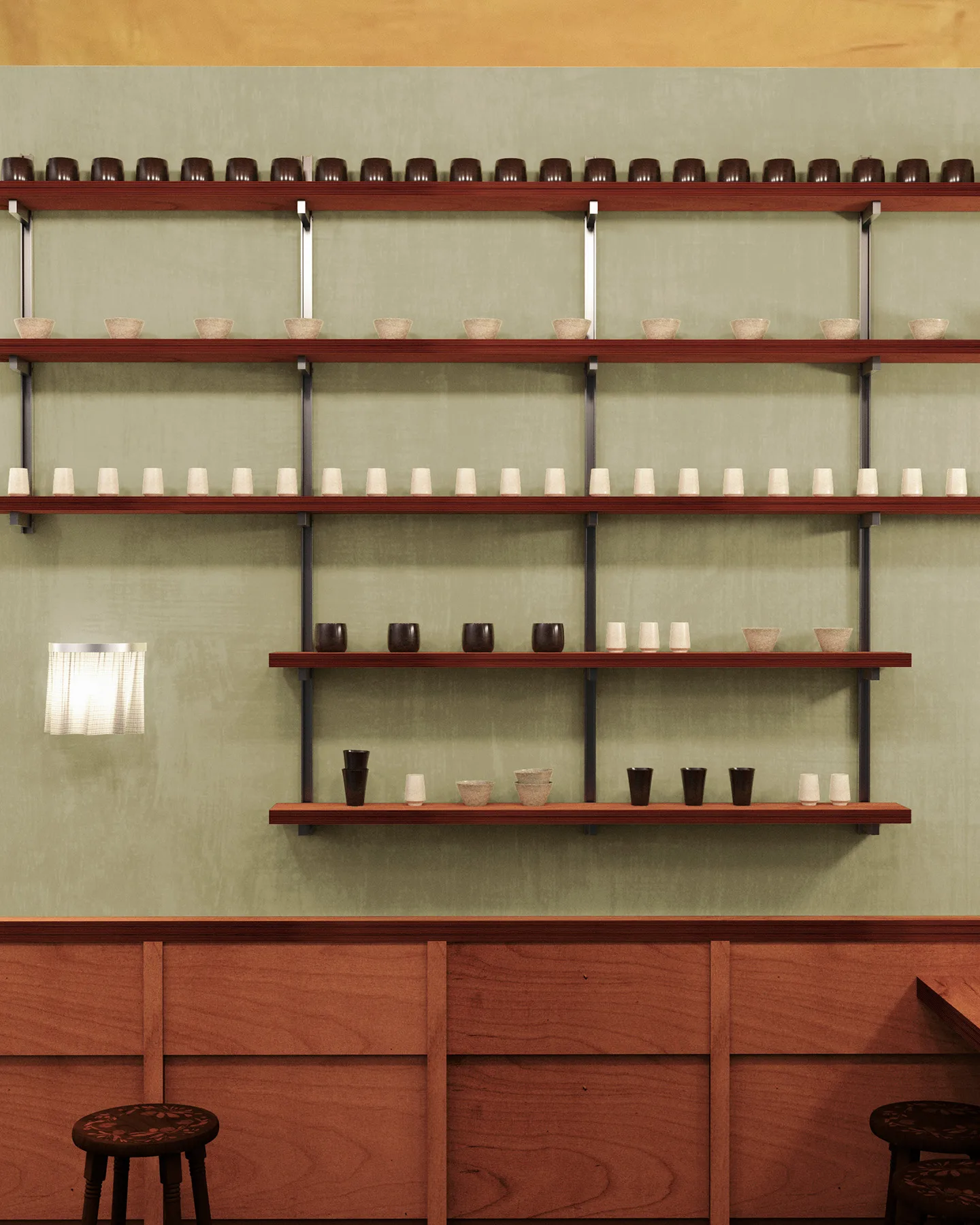
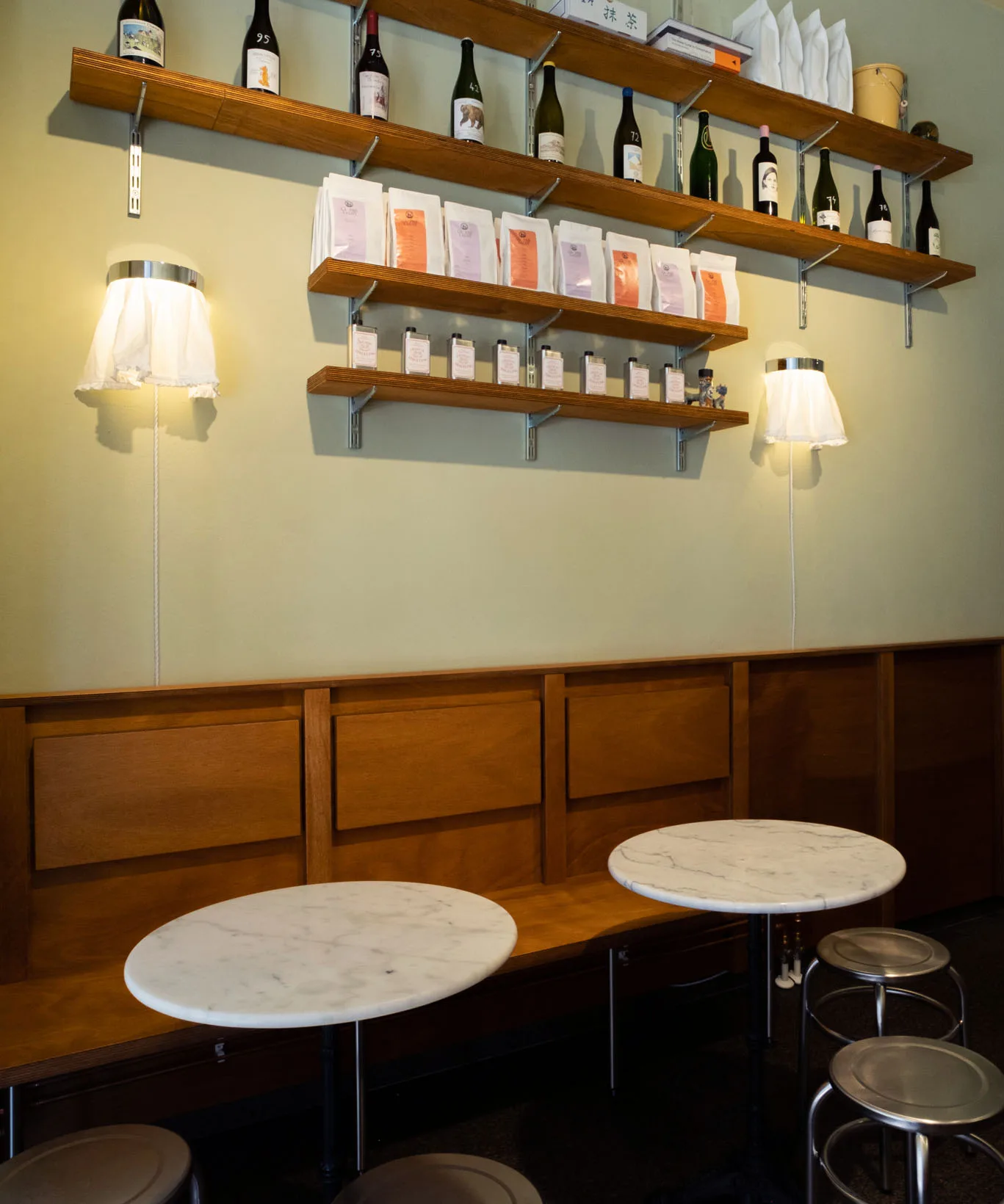
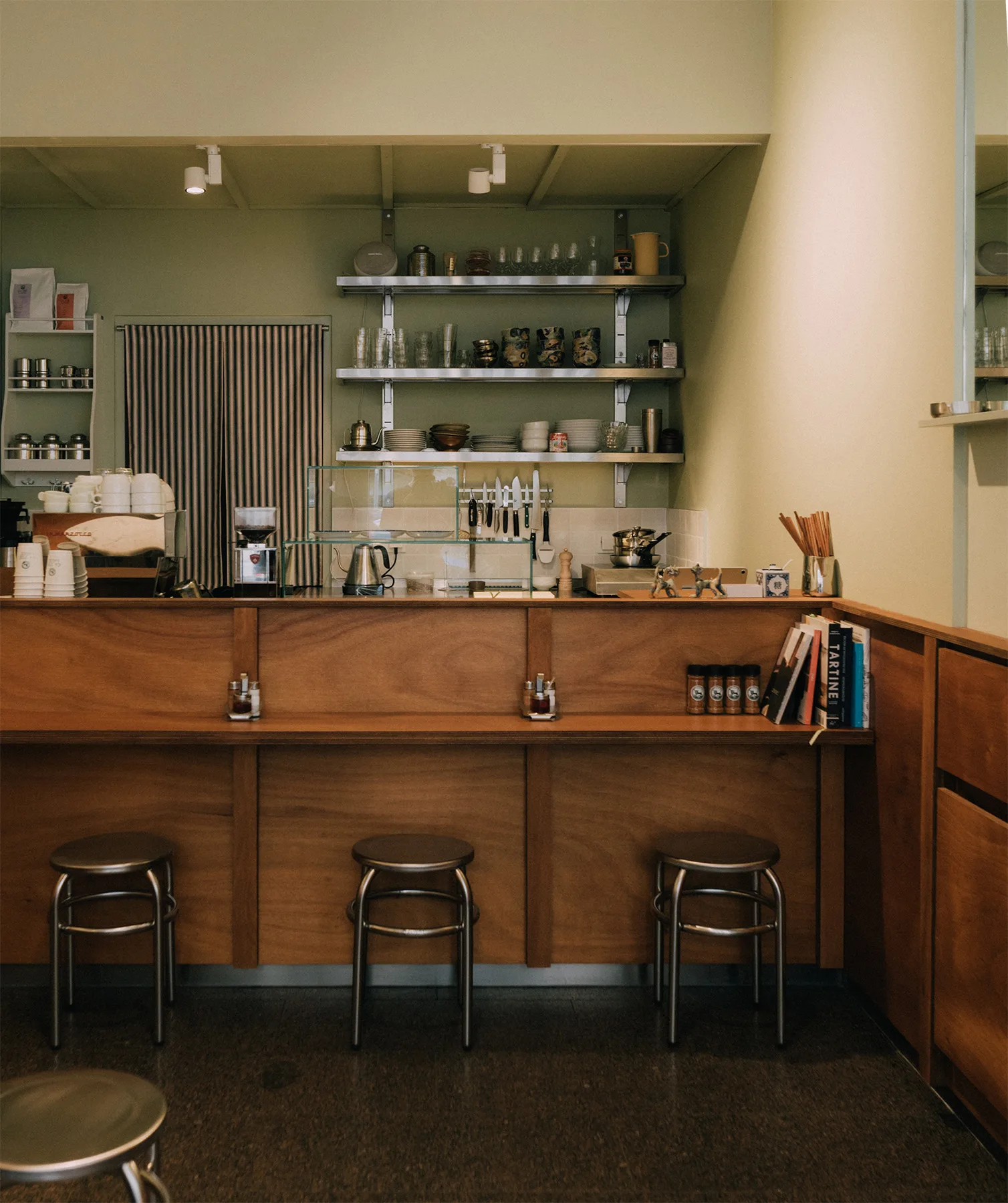
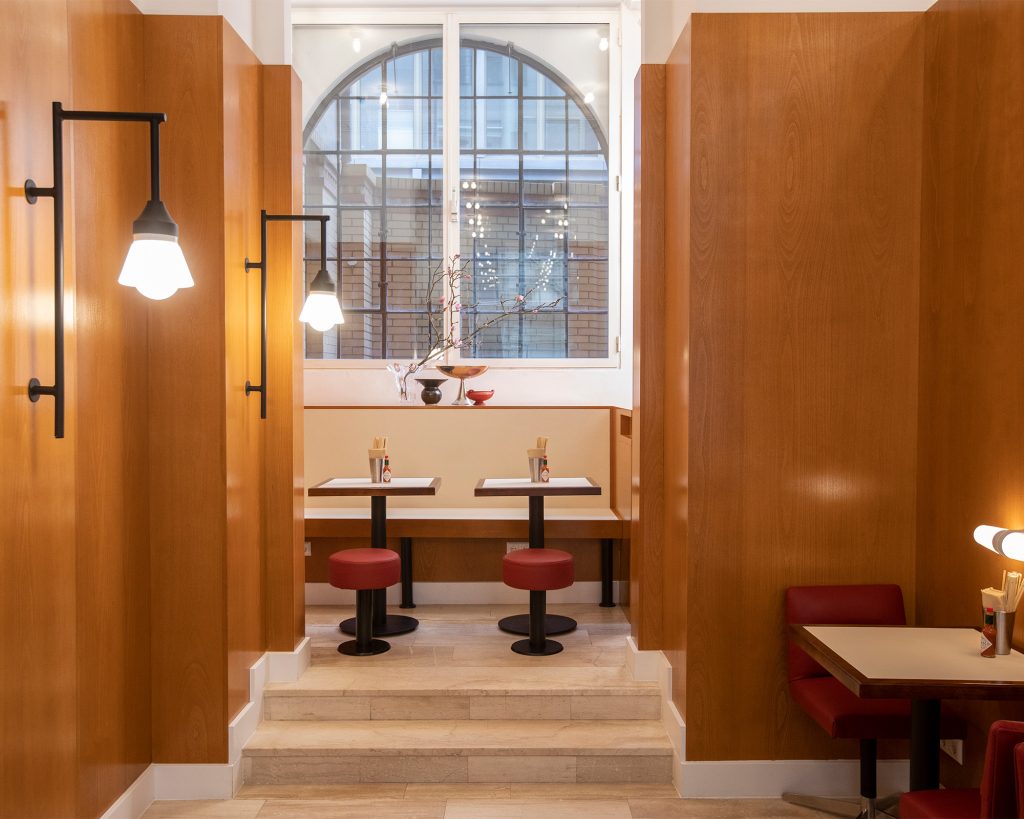
In the center of Vienna, we designed this Vietnamese-inspired lunch place, founded by Viola Waldeck and Lukas Stein.

The place draws inspirations from both Asian and Viennese coffee culture, the draped wall lamp being an example, an appropriation of a design at Adolf Loos’s American Bar, two blocks away.

CÀ PHÊ LALOT opened in the summer of 2024.

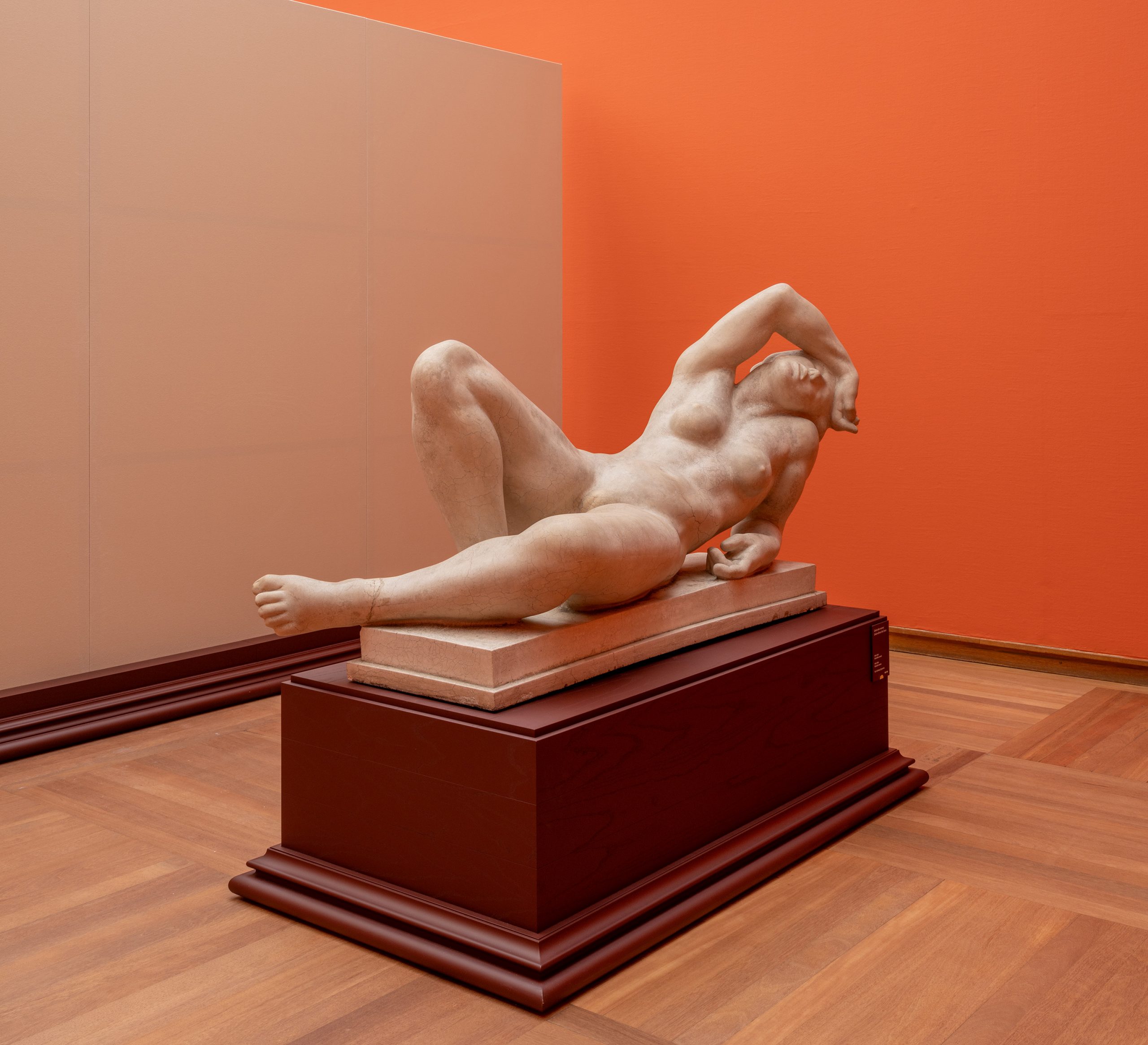
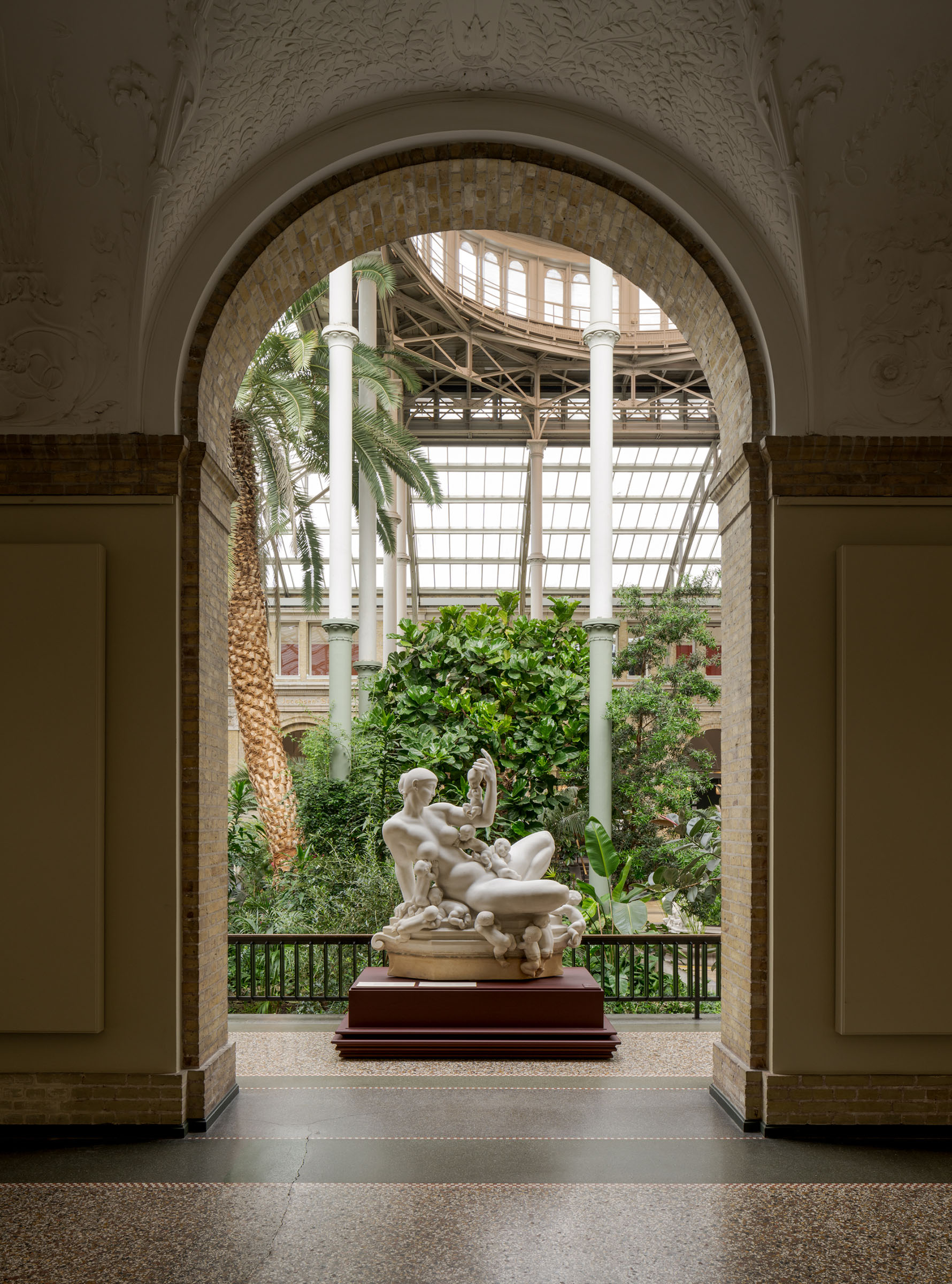
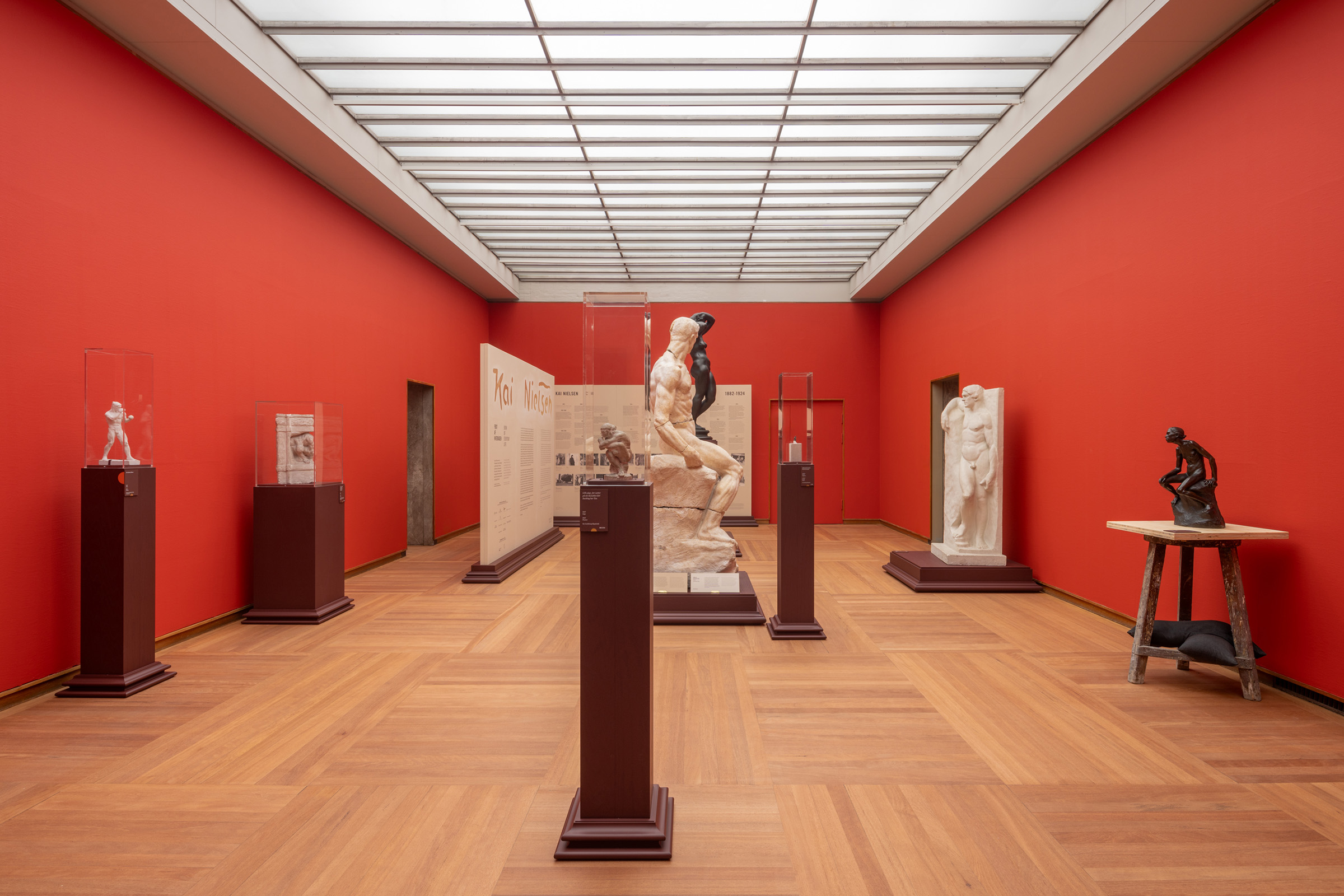
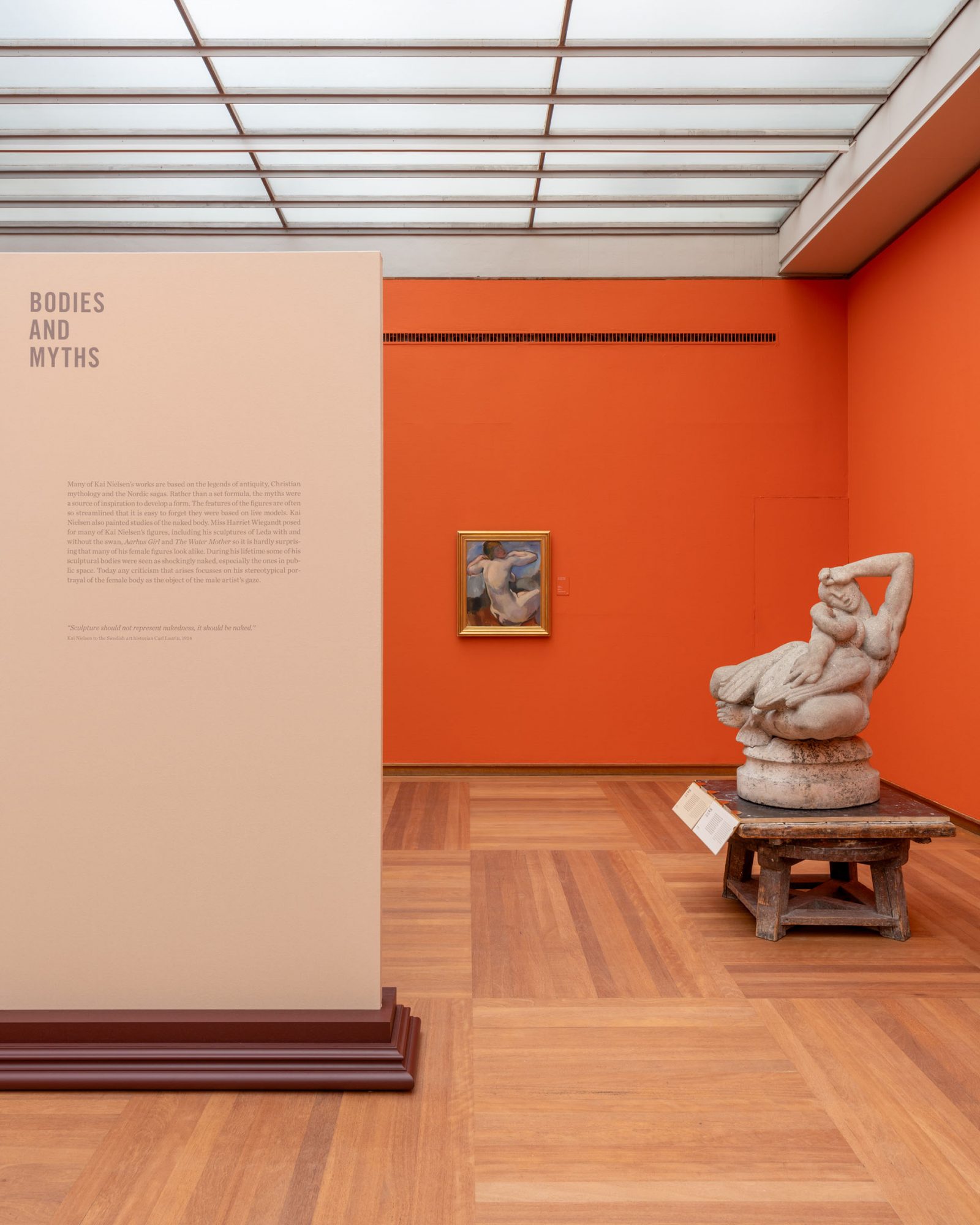
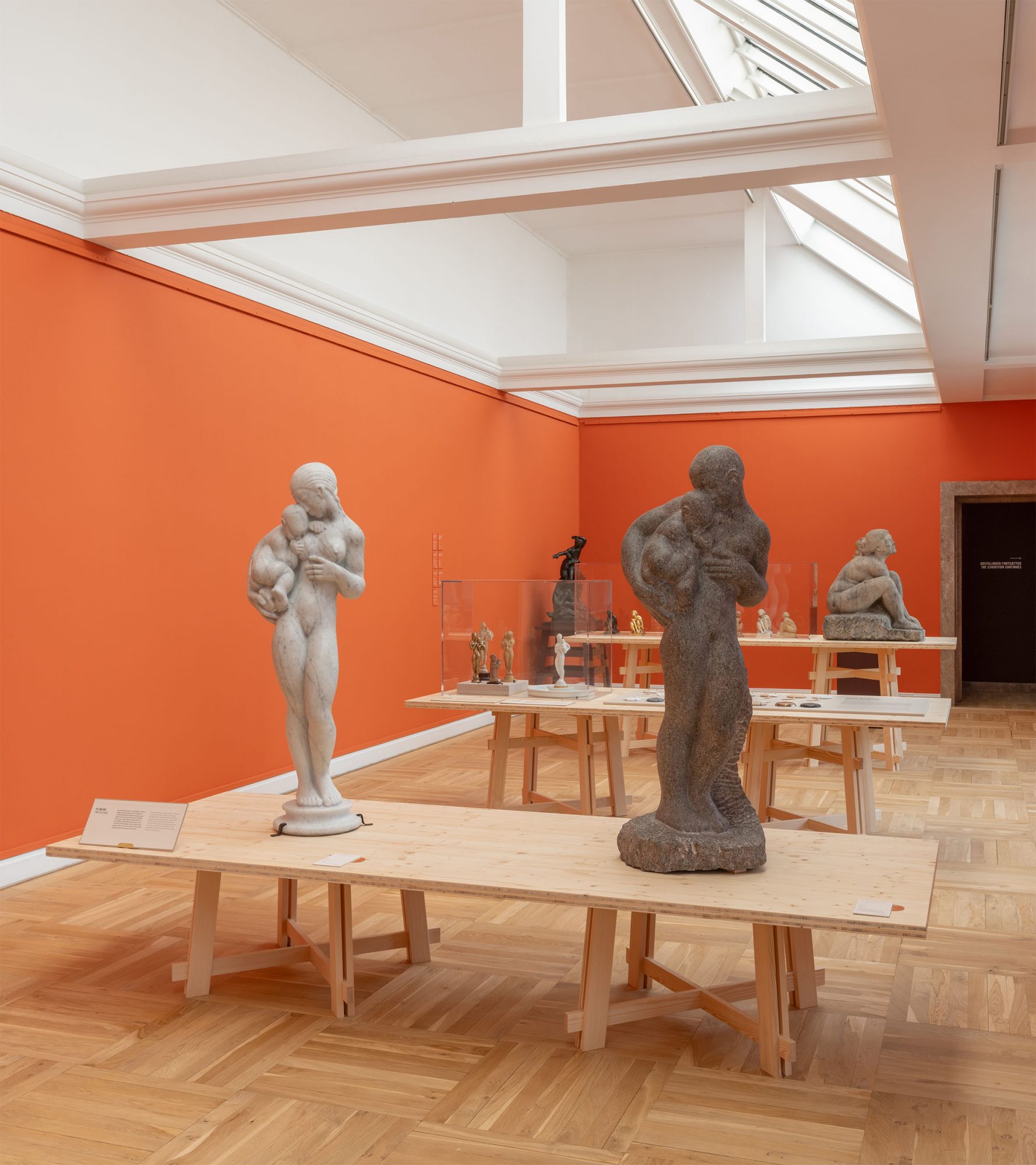
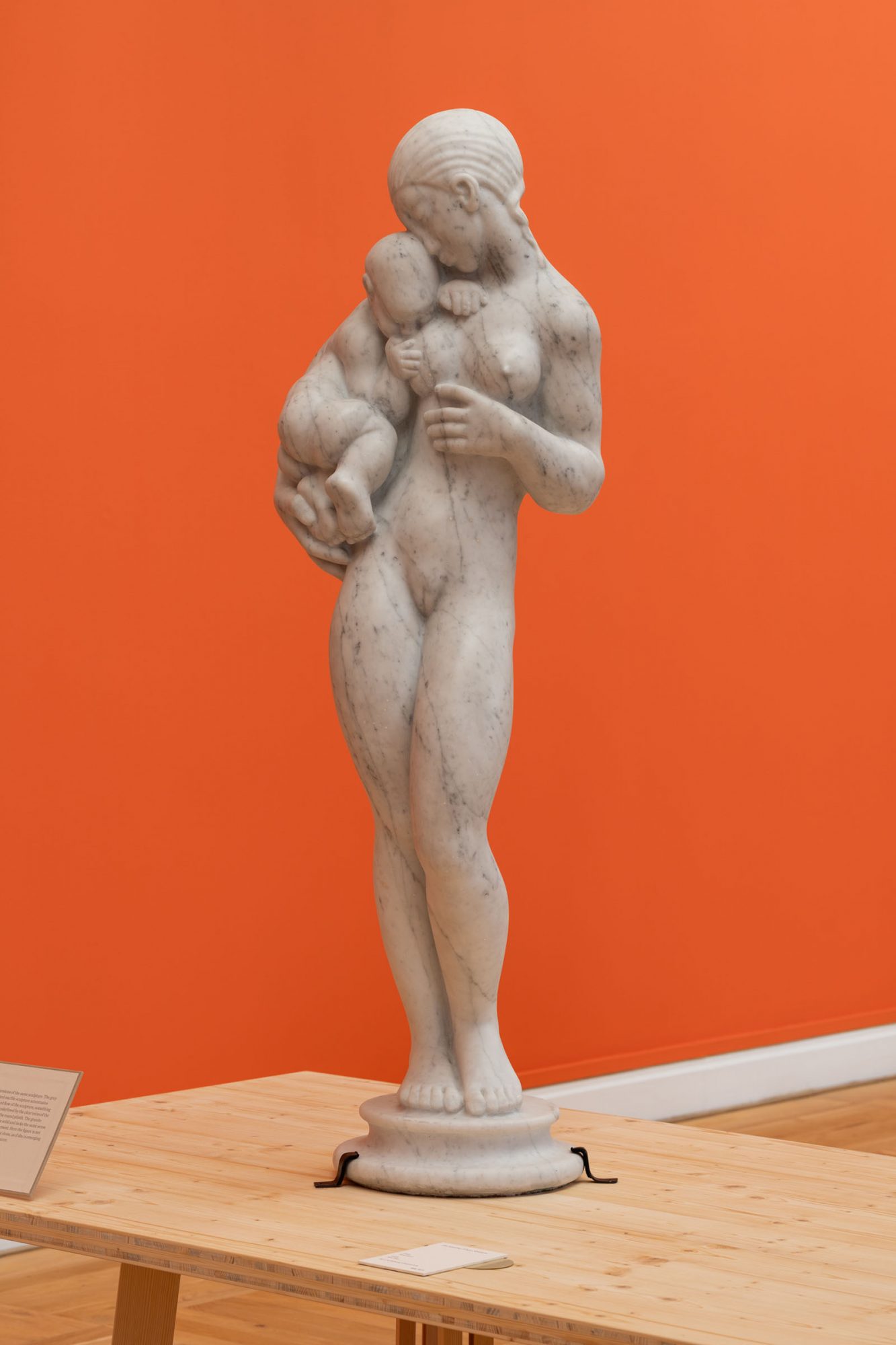
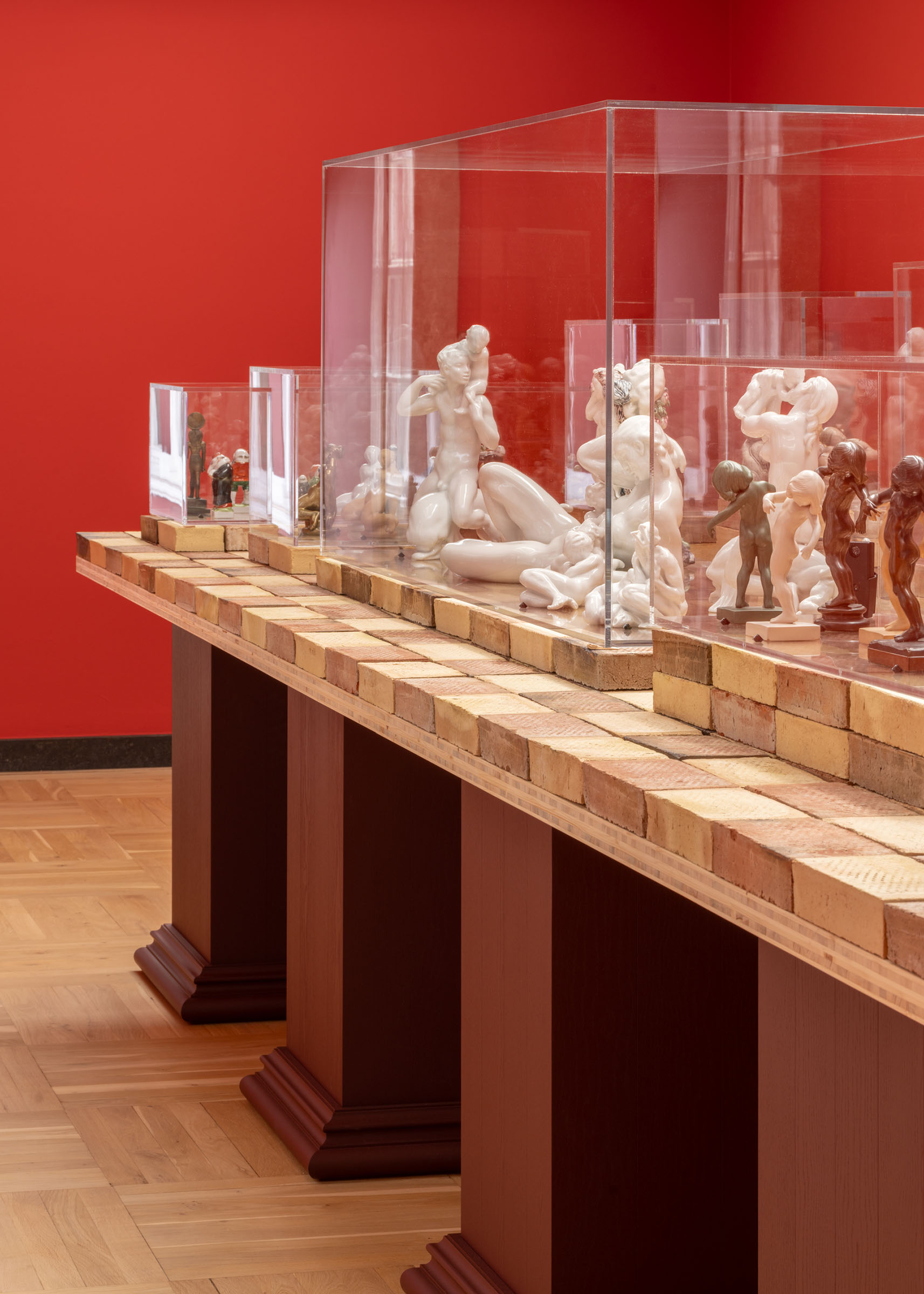
Large exhibition about early 20th Century Danish sculptor Kai Nielsen, simultaneously at The Glyptotek in Copenhagen and Faaborg Museum in Southern Denmark.

The show features a large range of full-scale sculptures as well as hundreds of figurines.

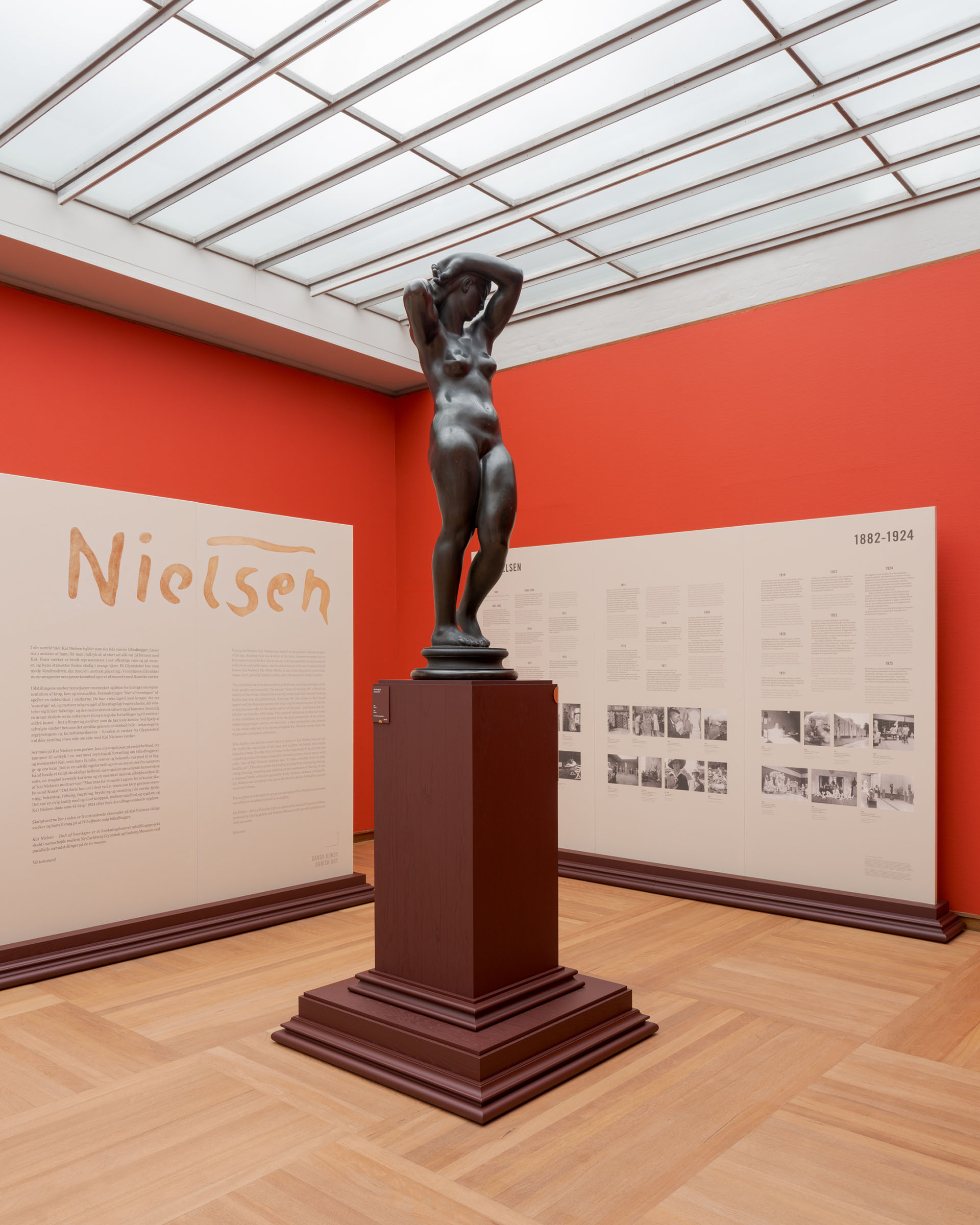
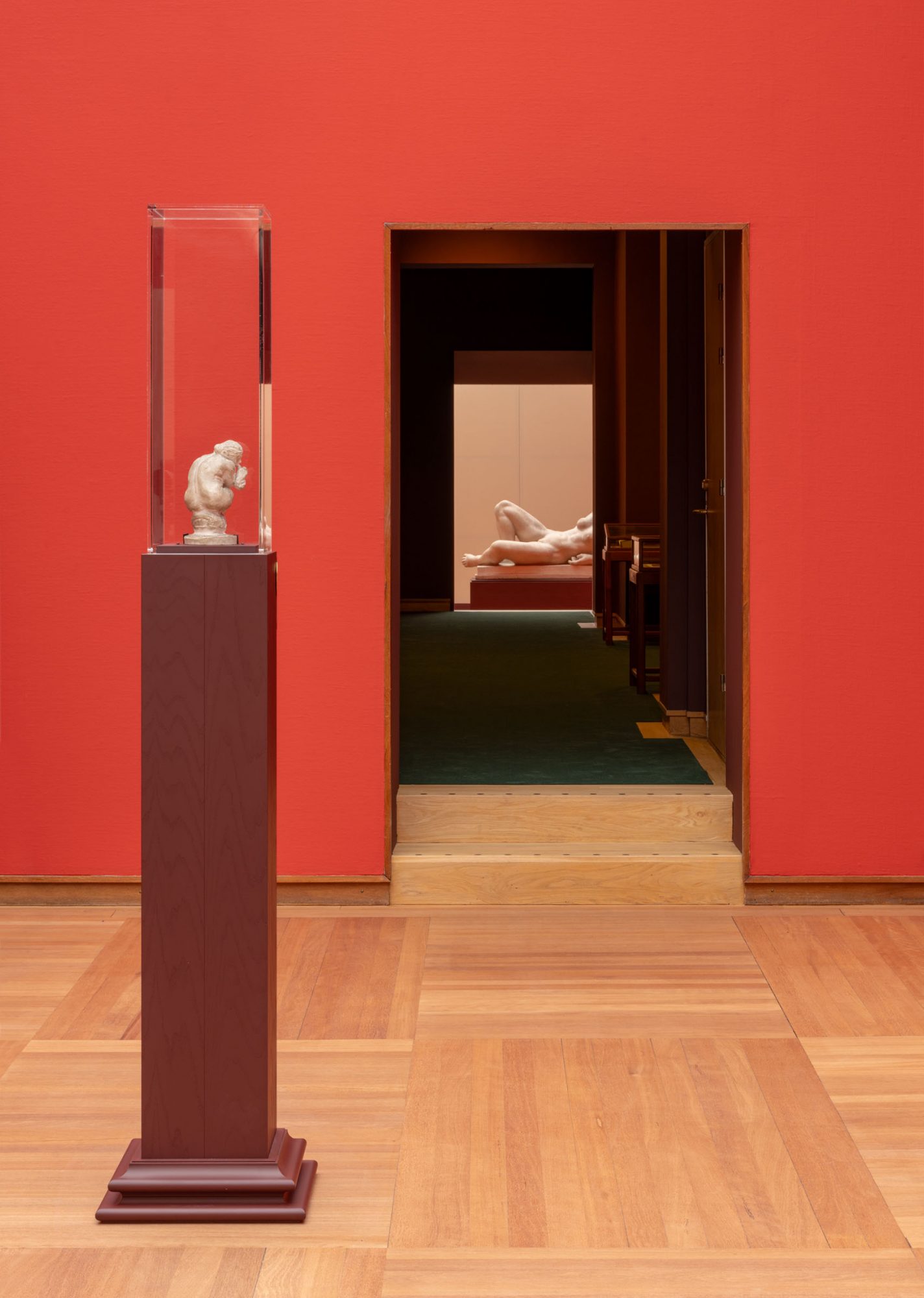
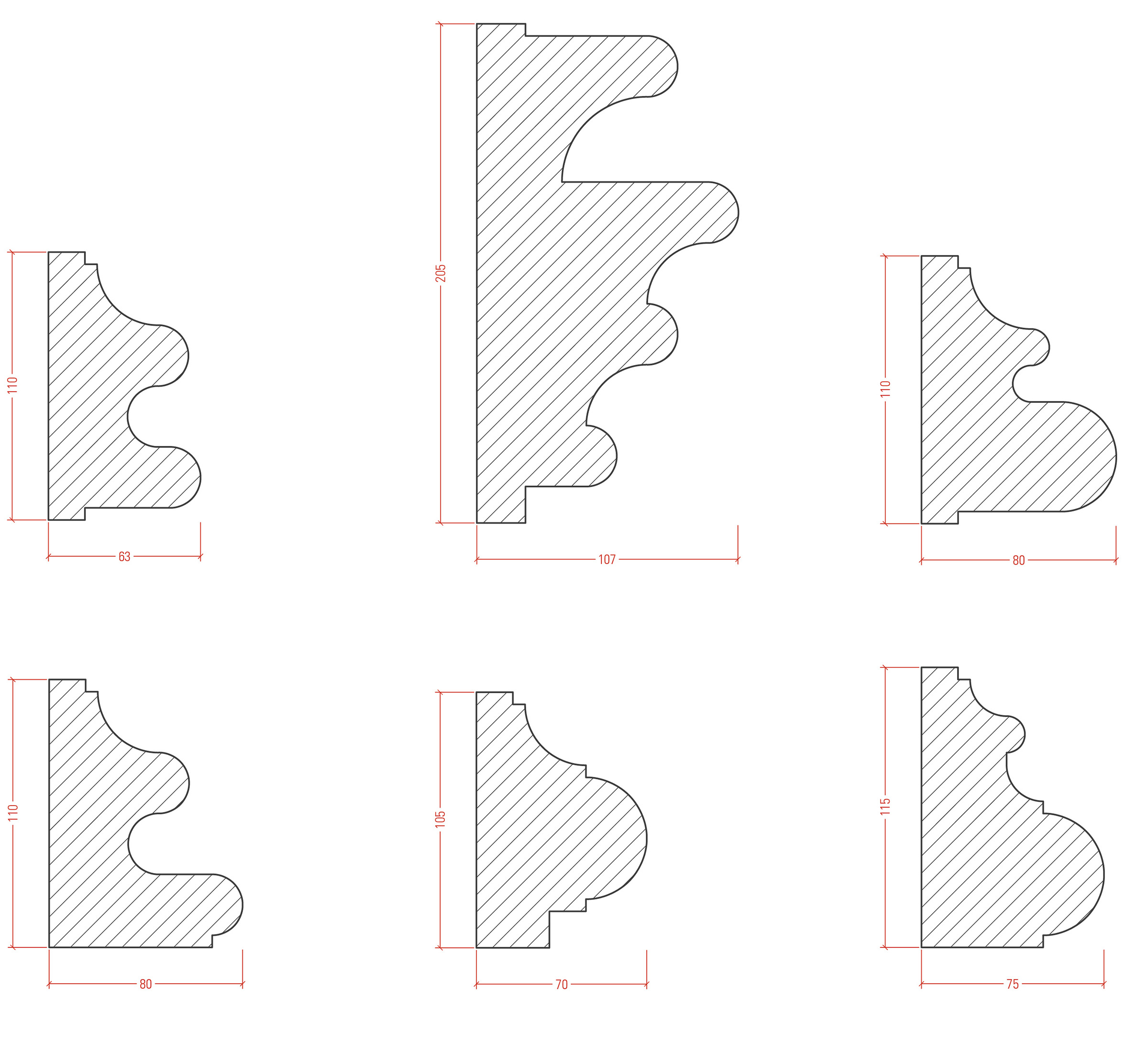
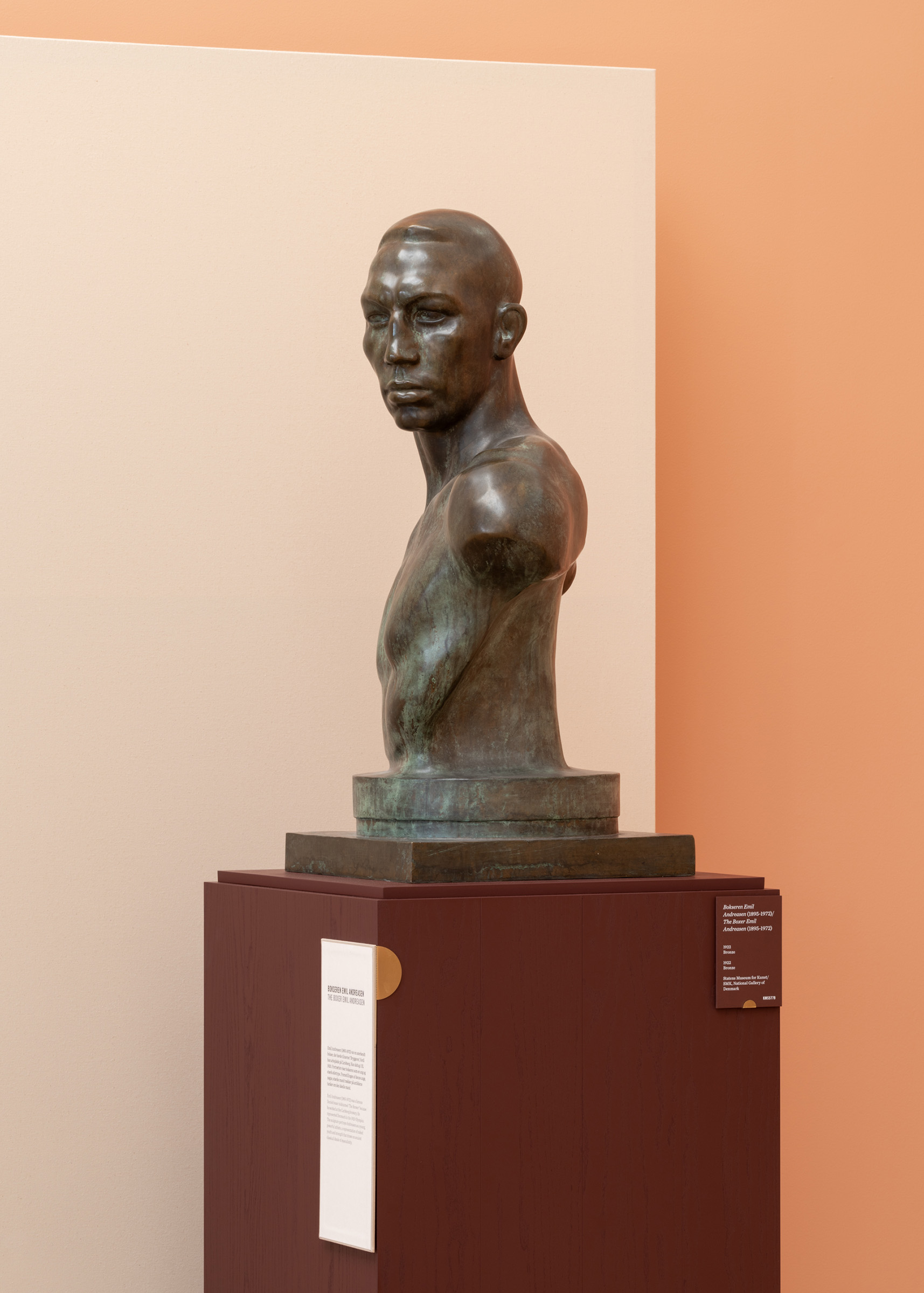
The many custom-made podia and wall bases were designed with expressive mouldings, inspired by the works of the artist.

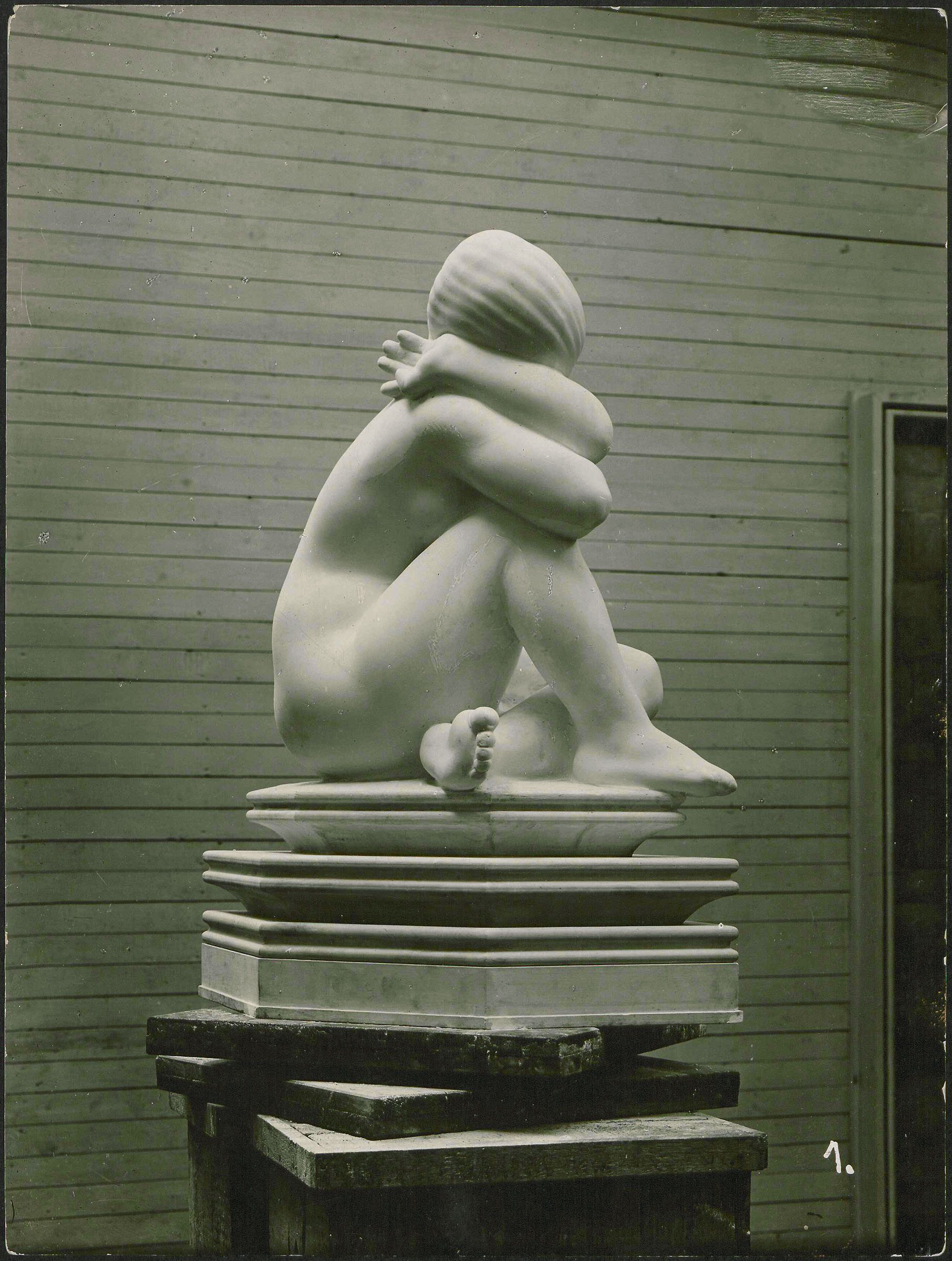
For reference, here is a photo of the sculpture “The Fåhræus Girl” shown in Kai Nielsen’s workshop.

Additionally we designed a range of sturdy tables, also inspired by the sculptor’s workshop.

For the final room of the exhibition at The Glyptotek, a huge brick table was constructed, displaying a vast range of Kai Nielsen’s figurines. The bricks were generously sponsored by Petersen Tegl.

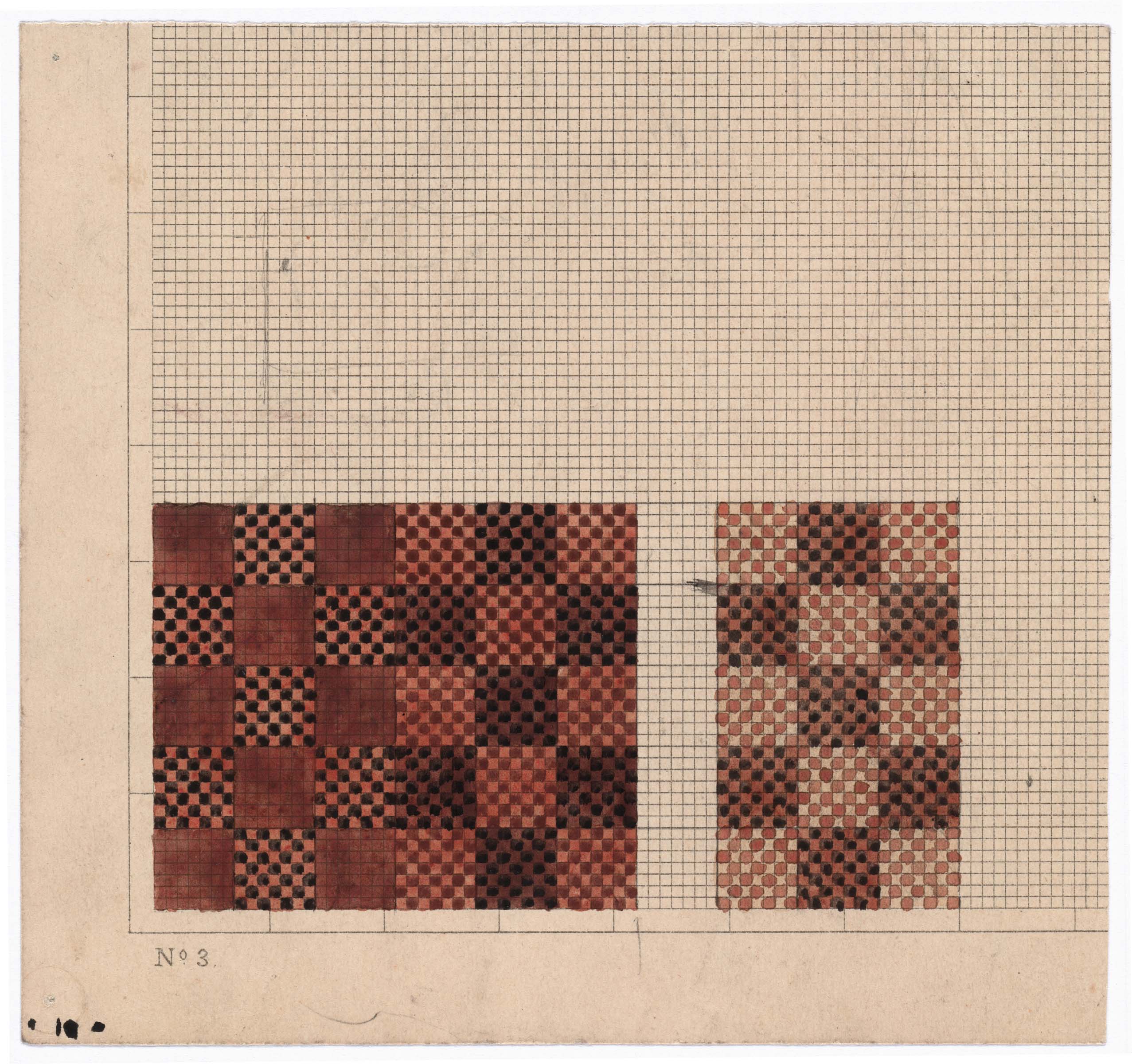
The checkerboard brick pattern was inspired by Carl Petersen’s ceramic mosaic floors at Faaborg Museum, drawing below:

All installation photos by David Stjernholm.

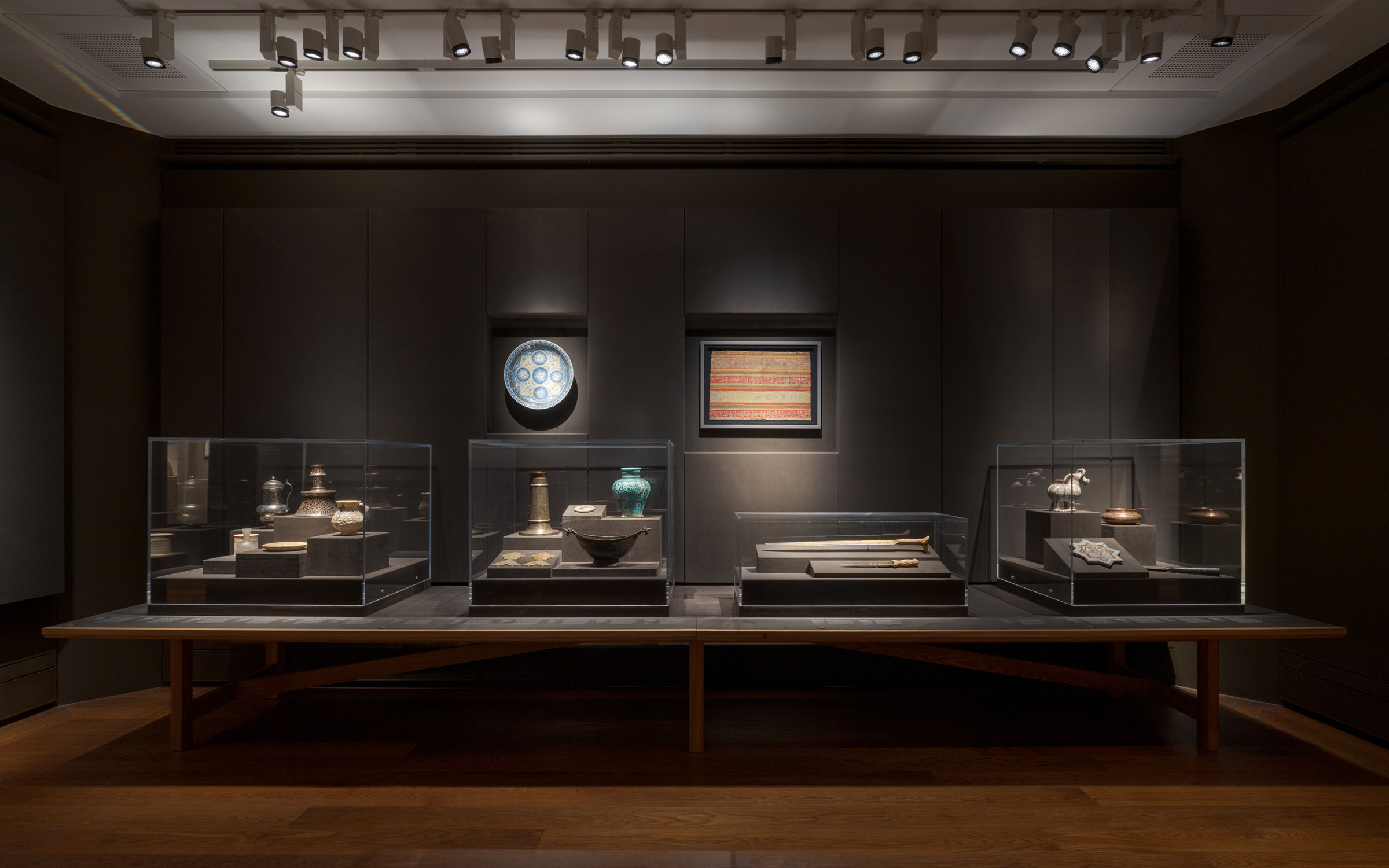
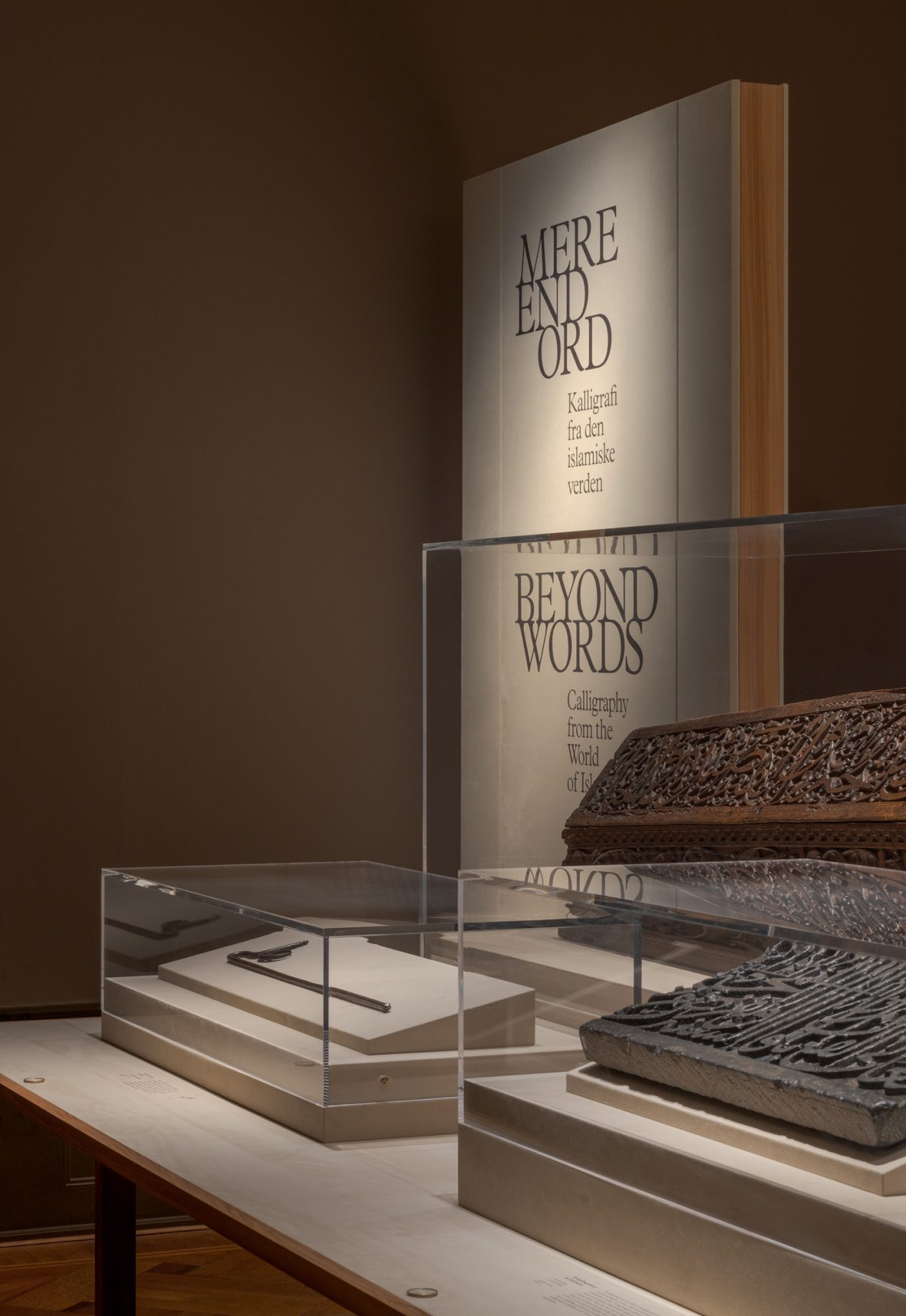
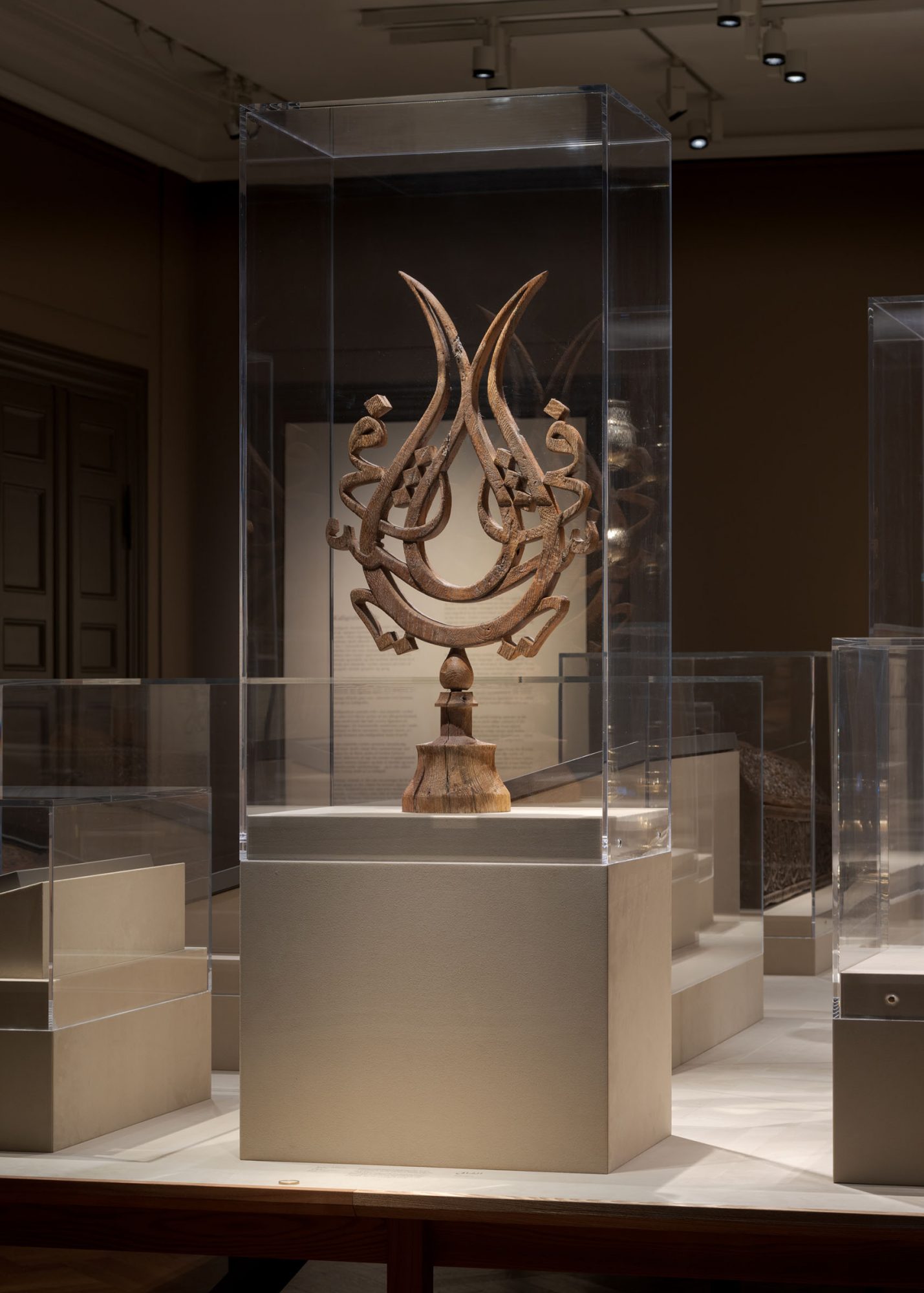
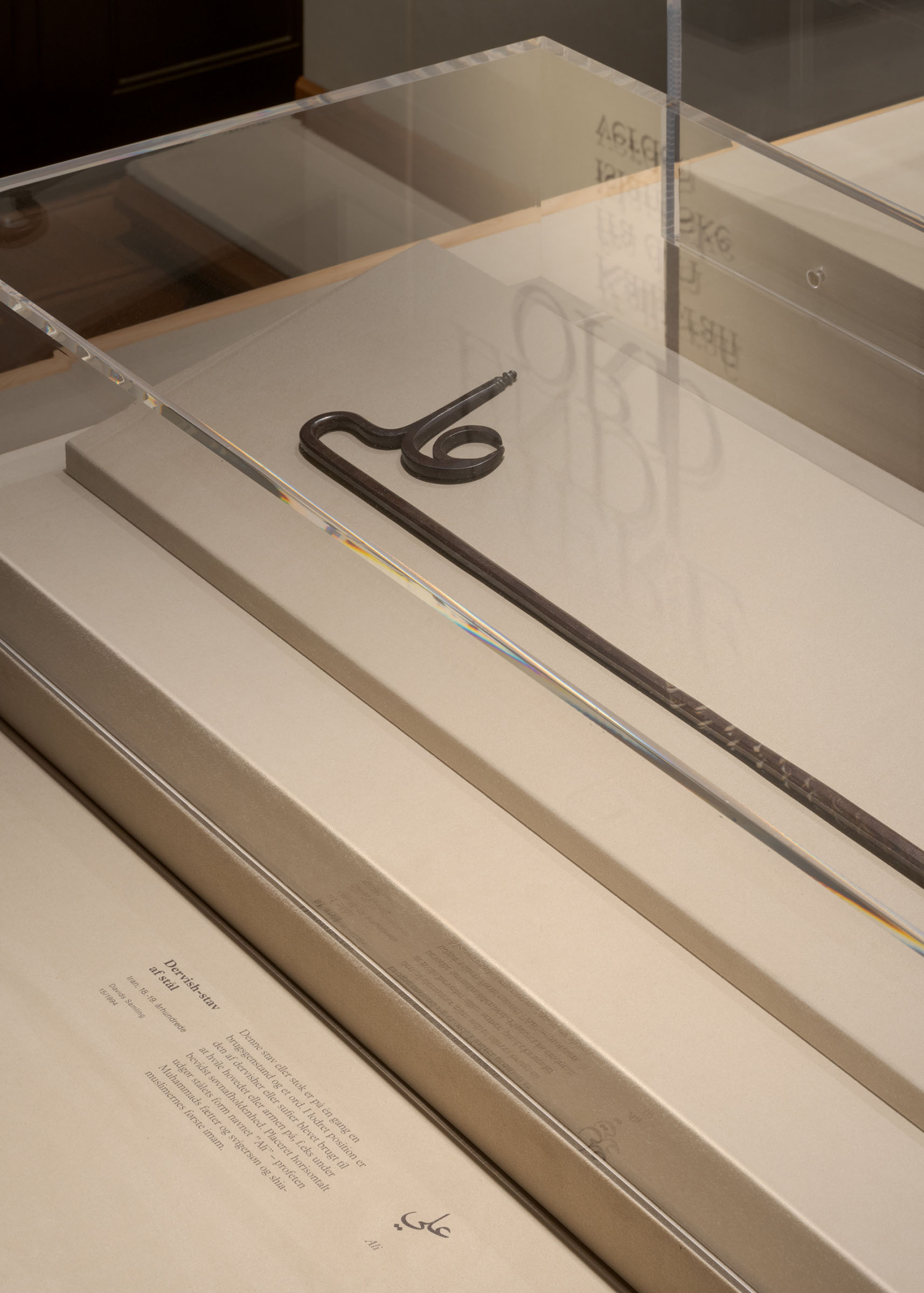
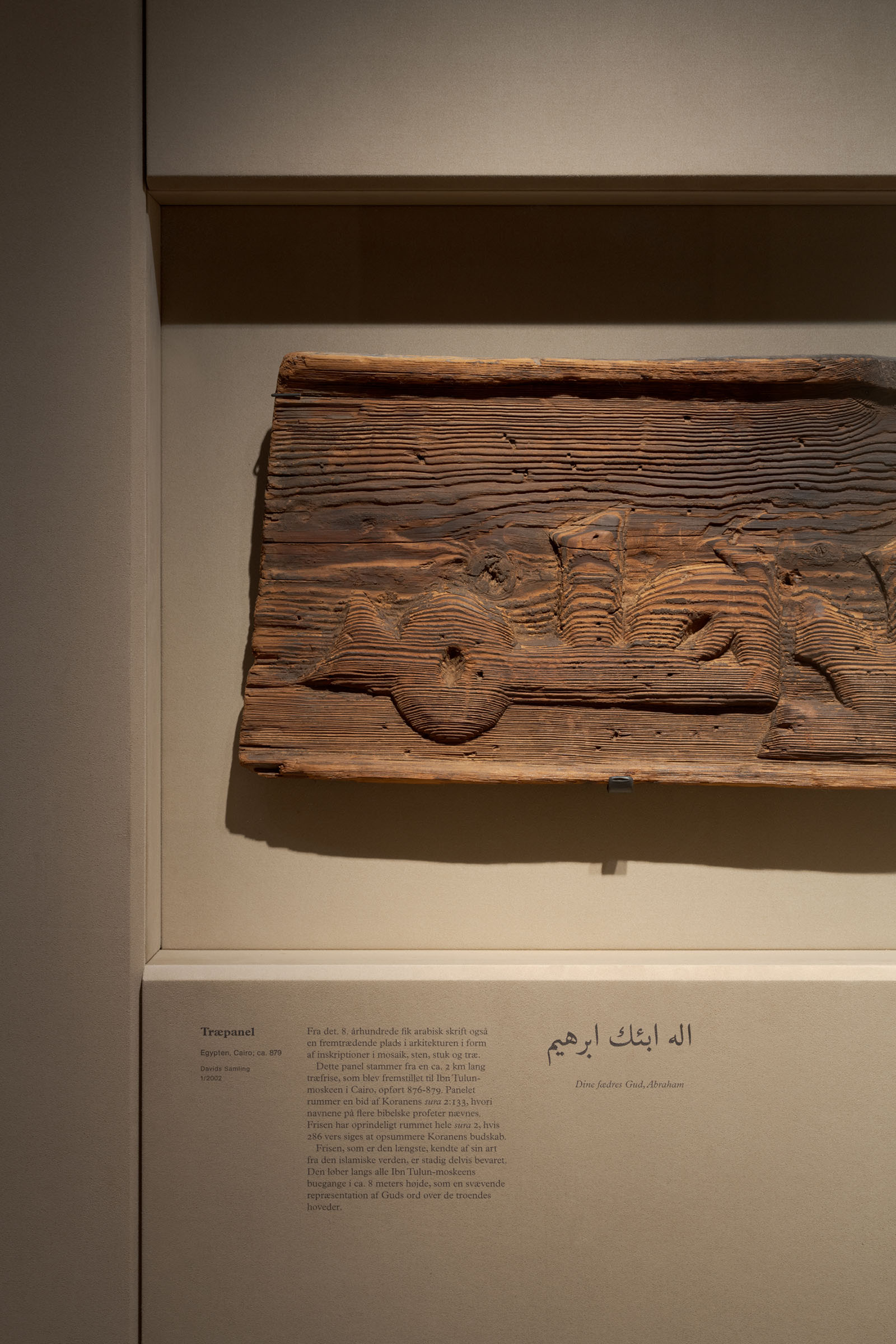
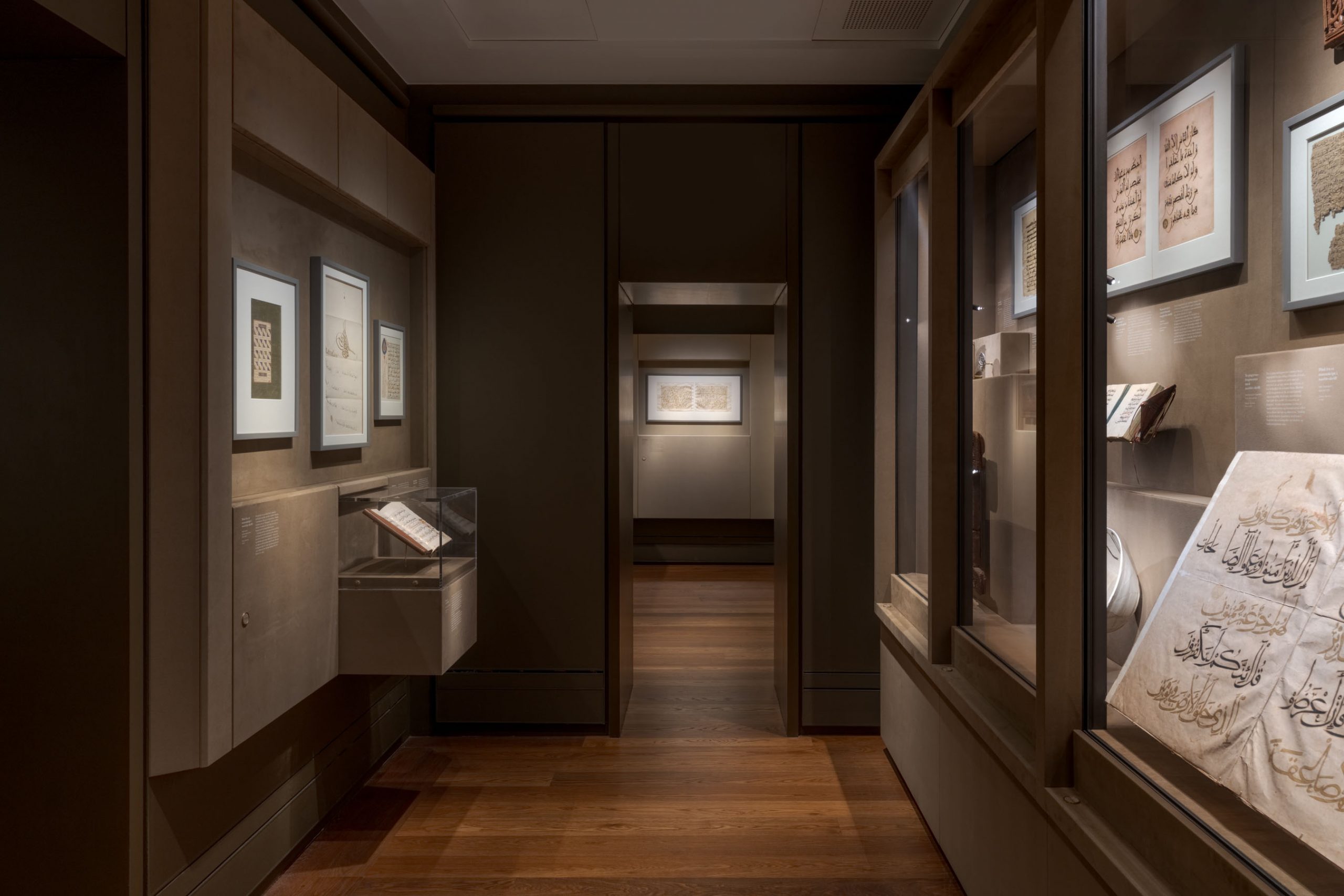
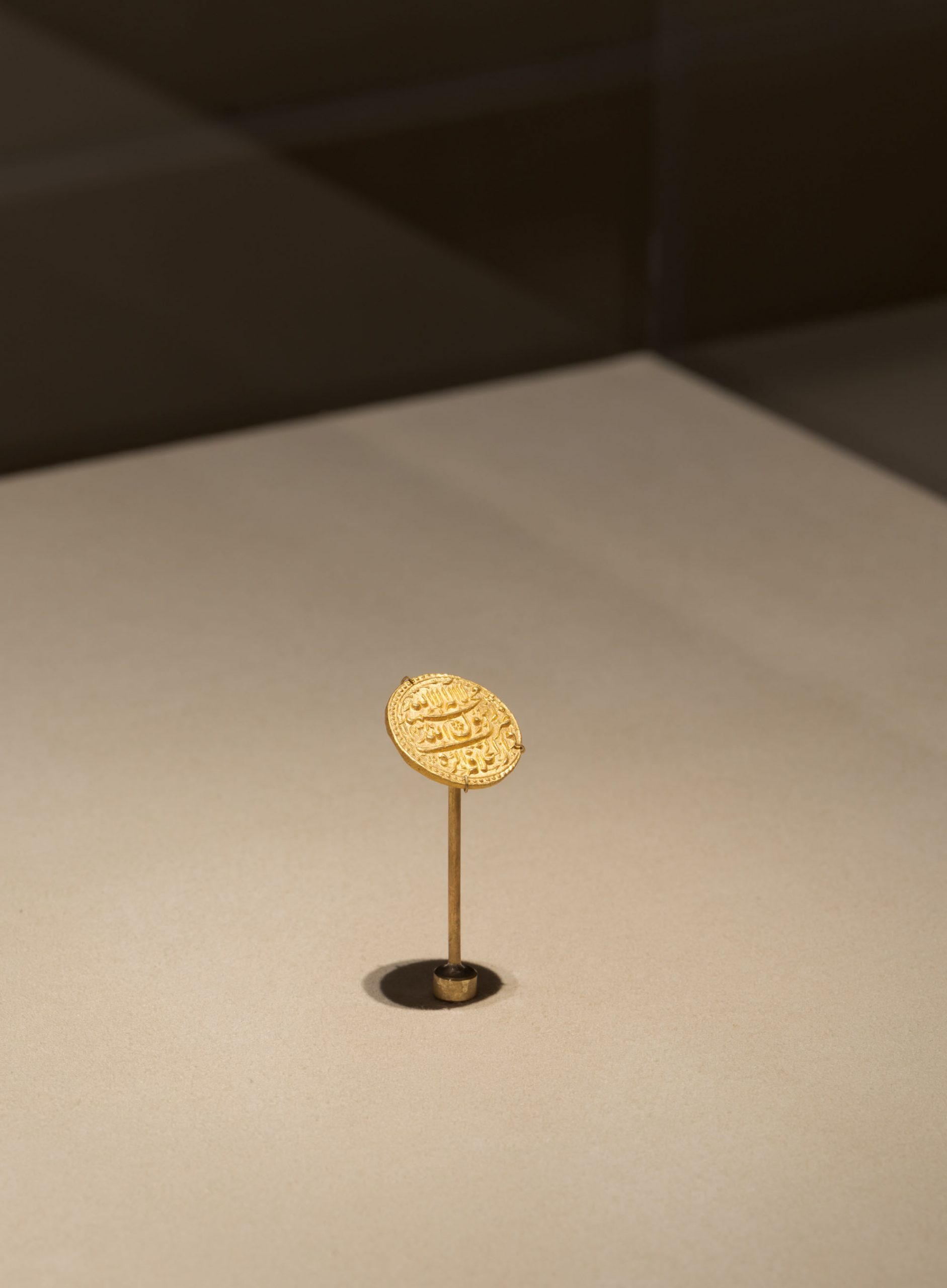
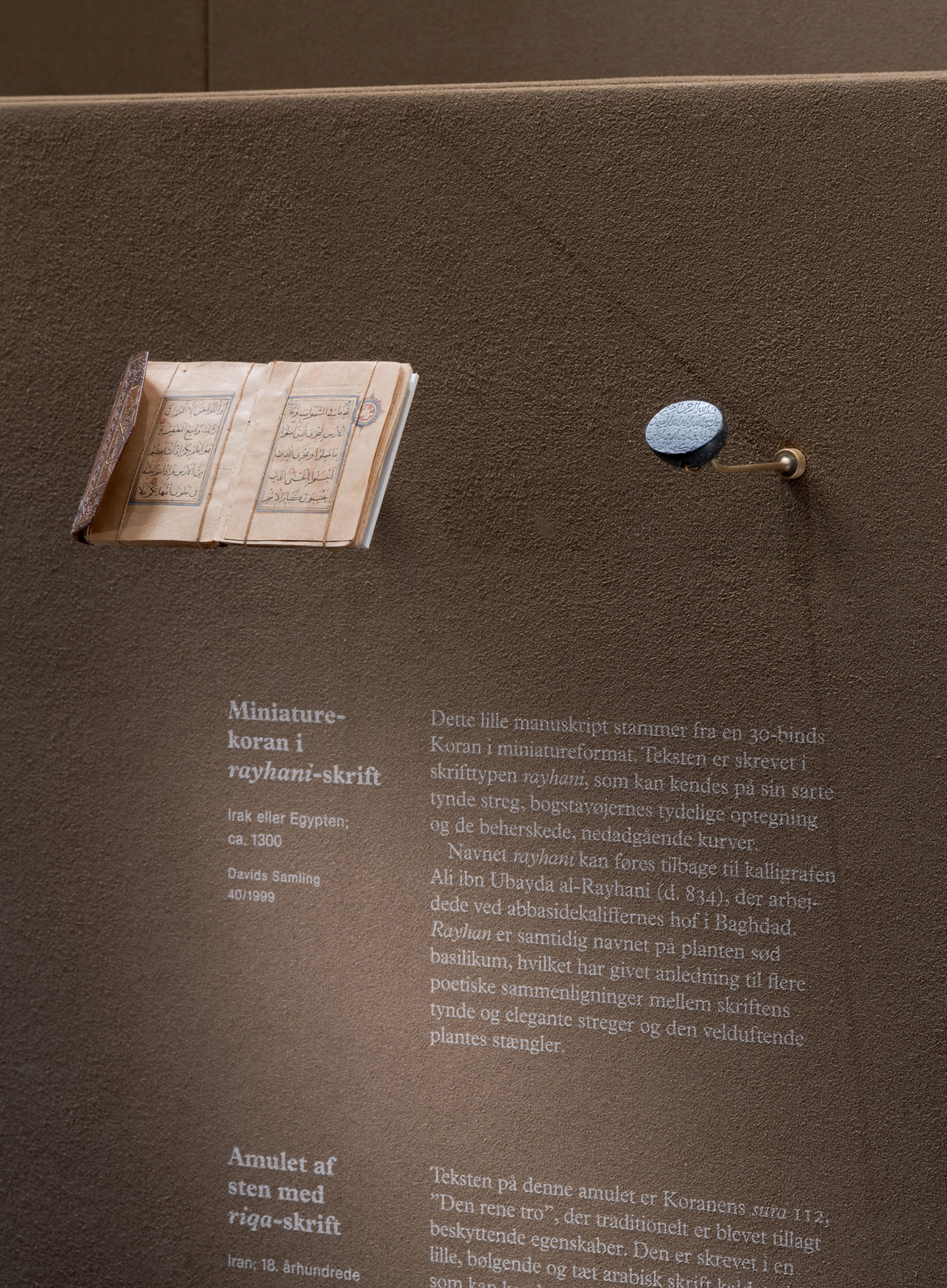
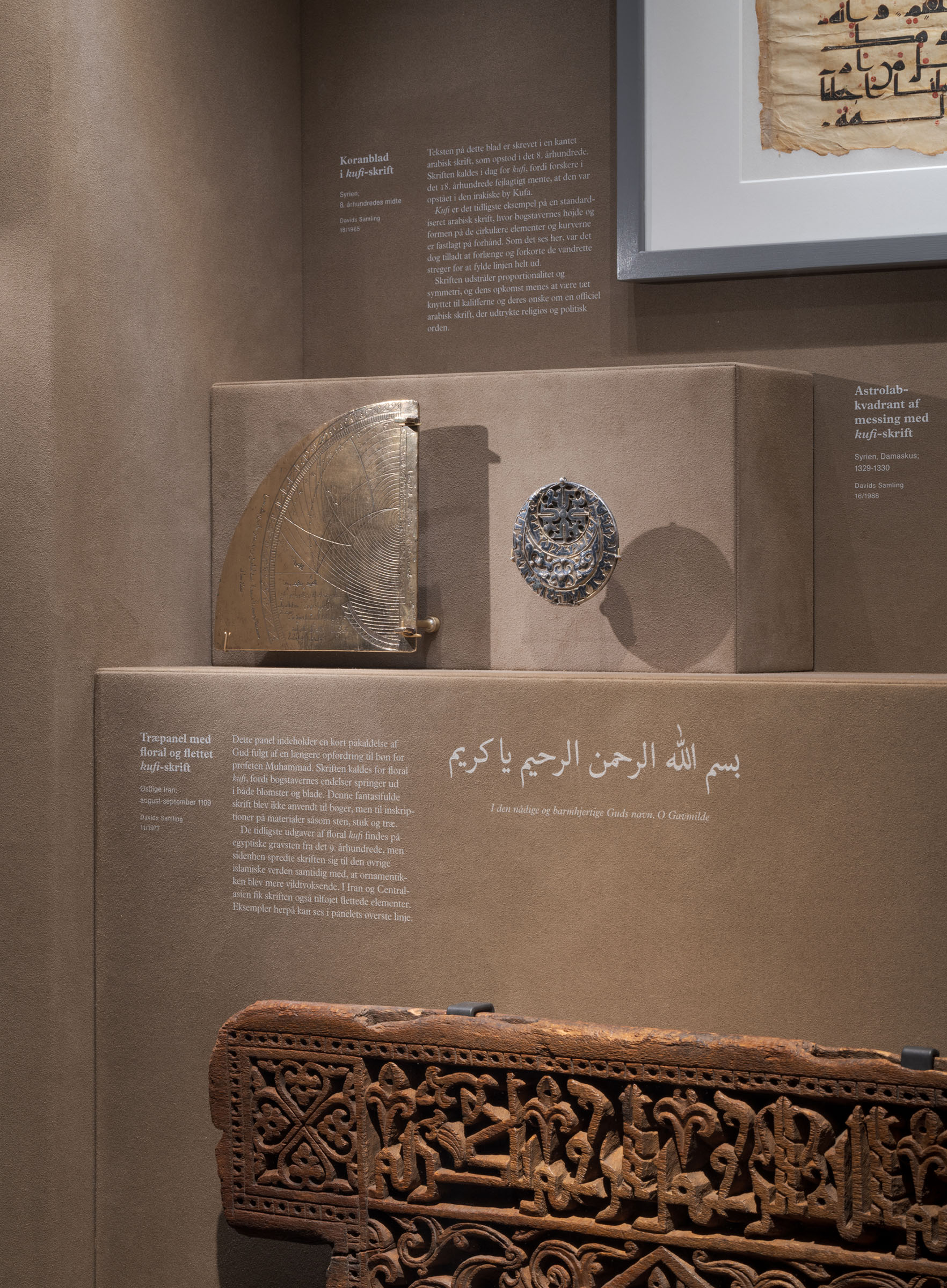
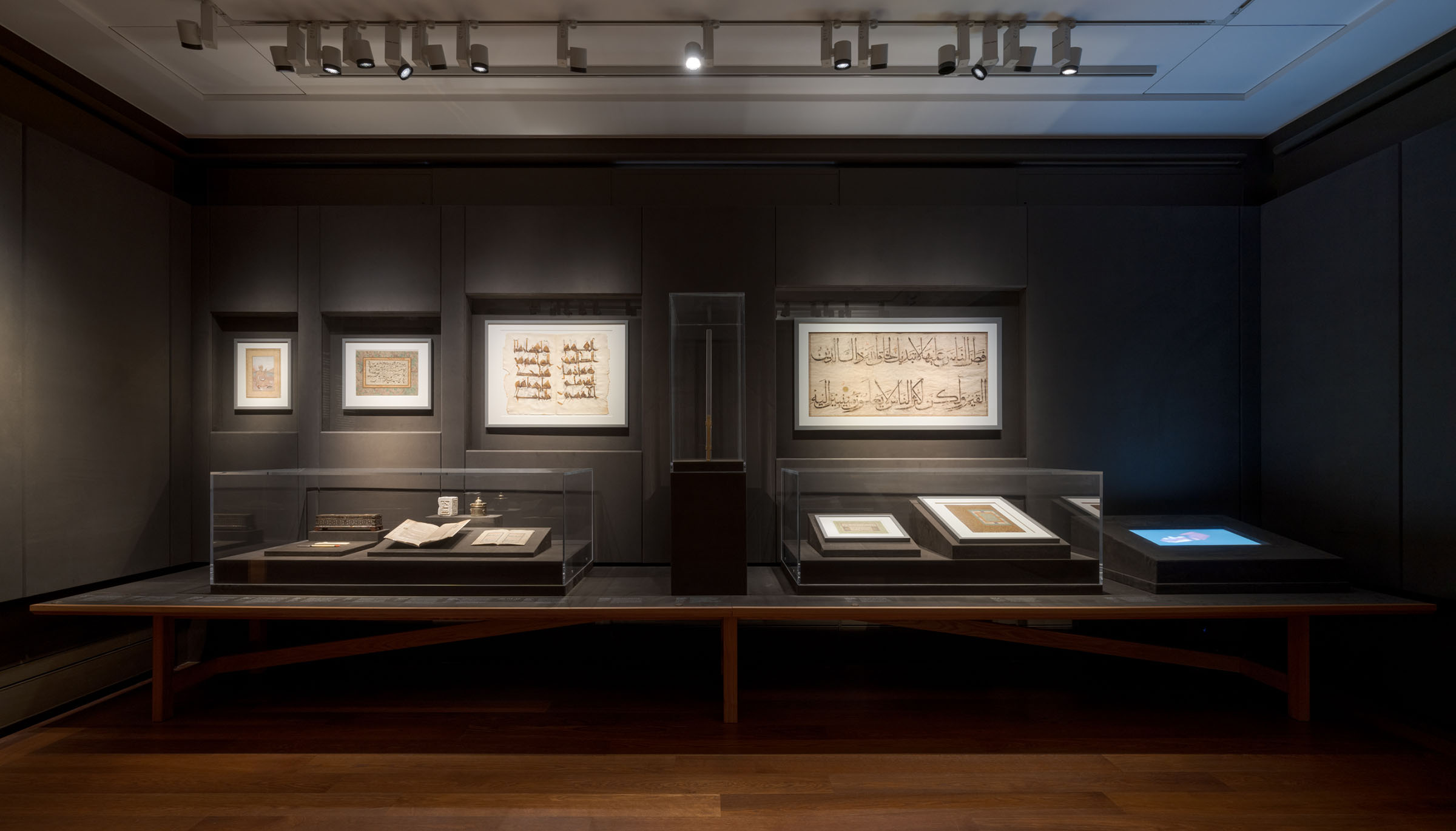
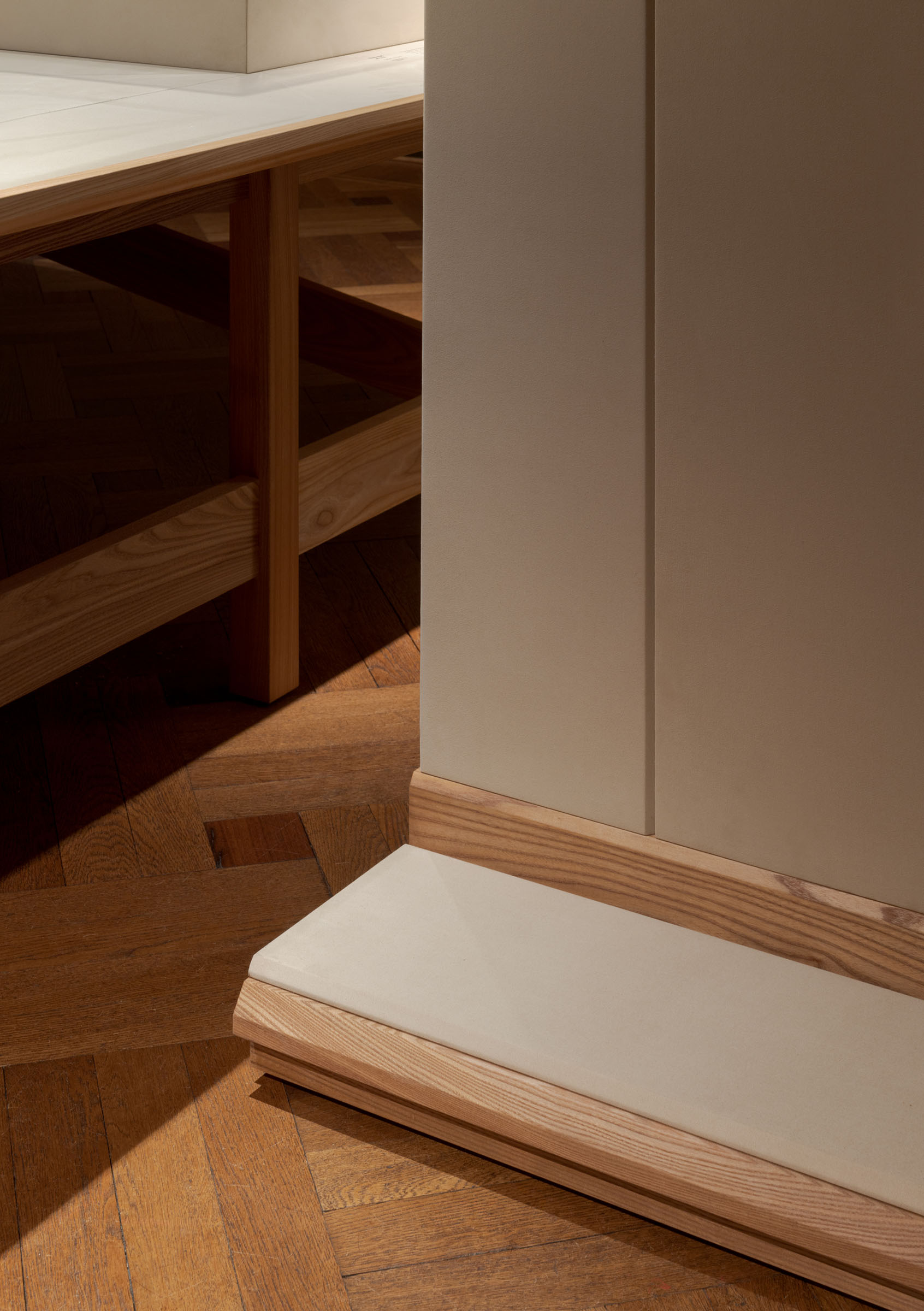
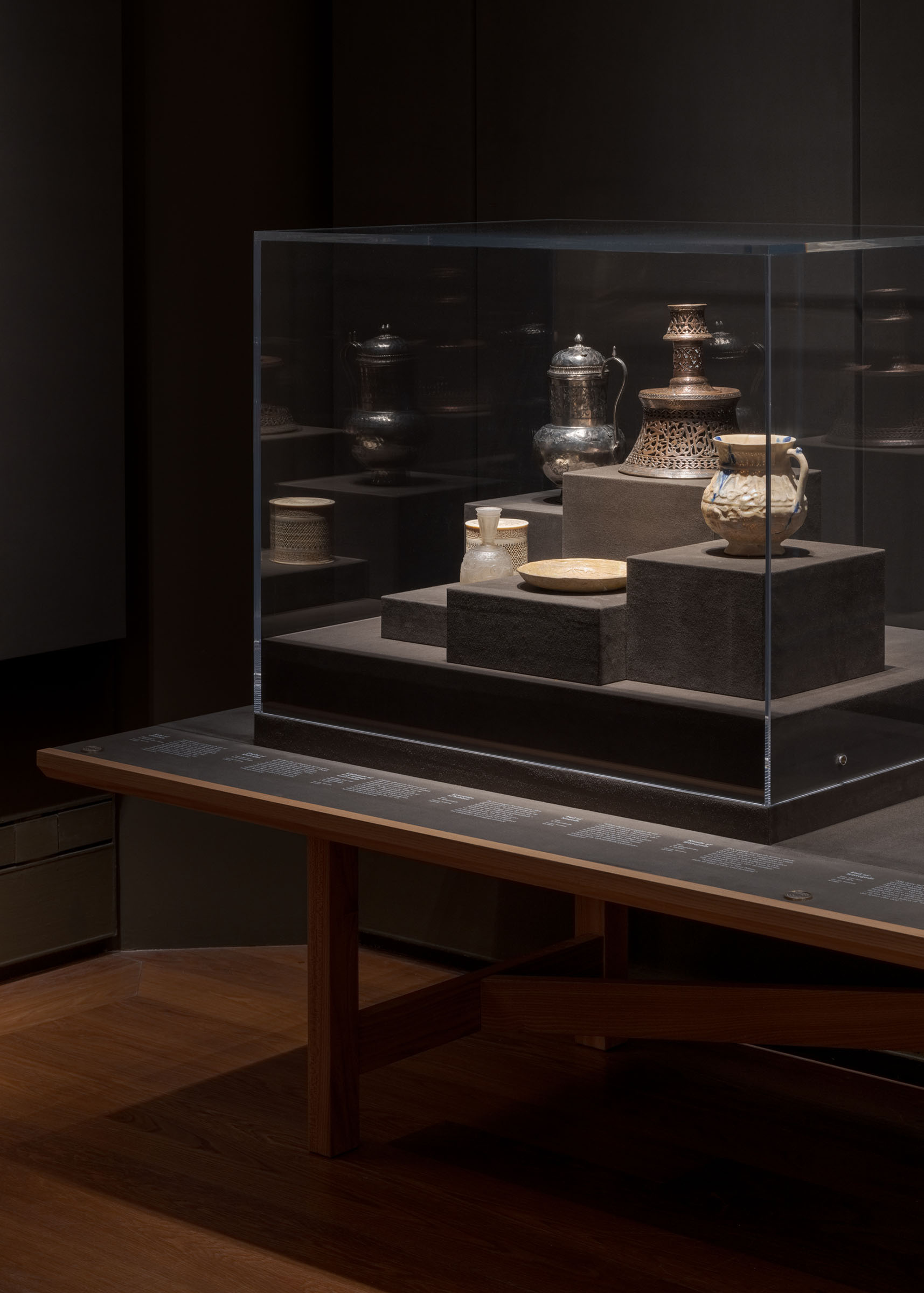
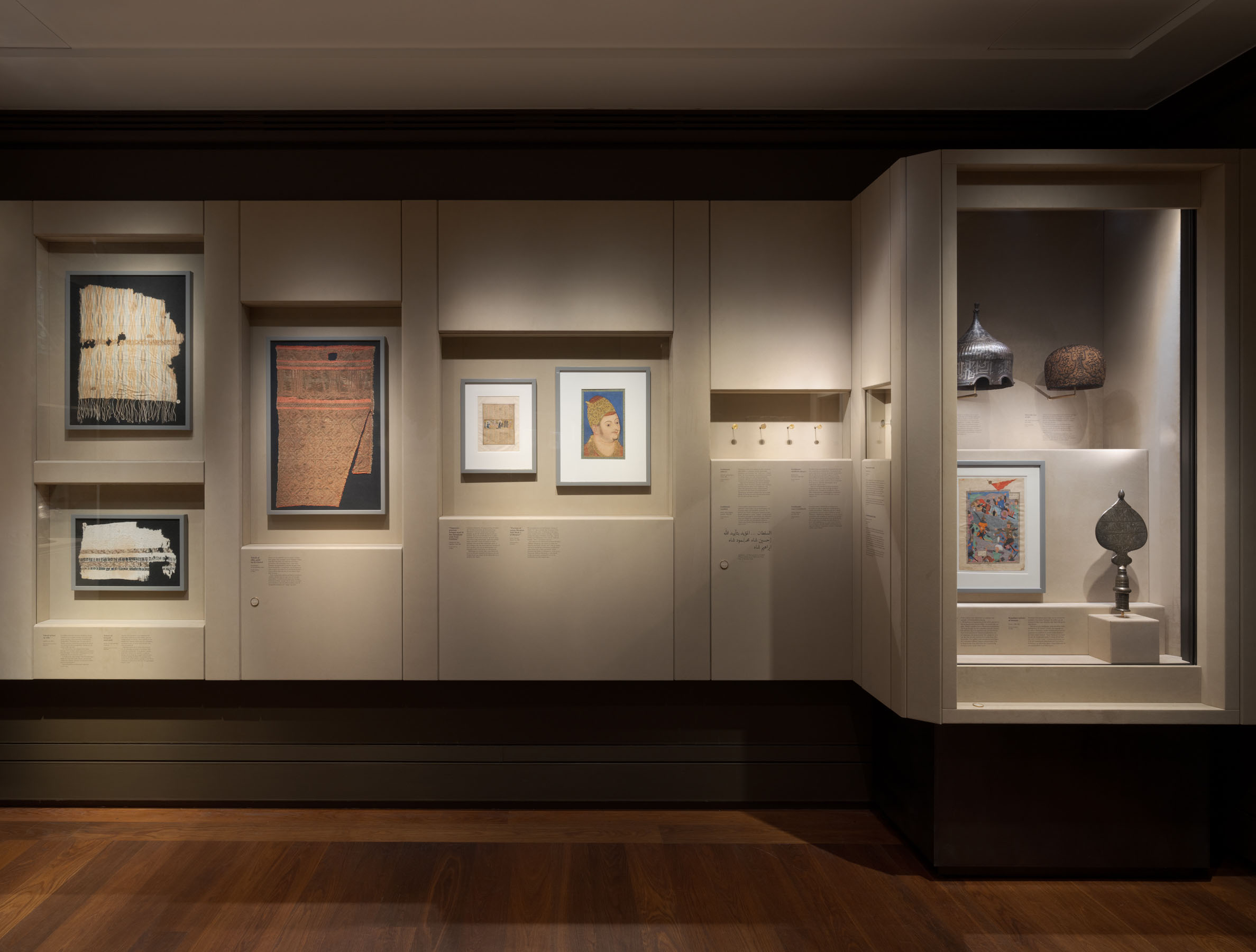
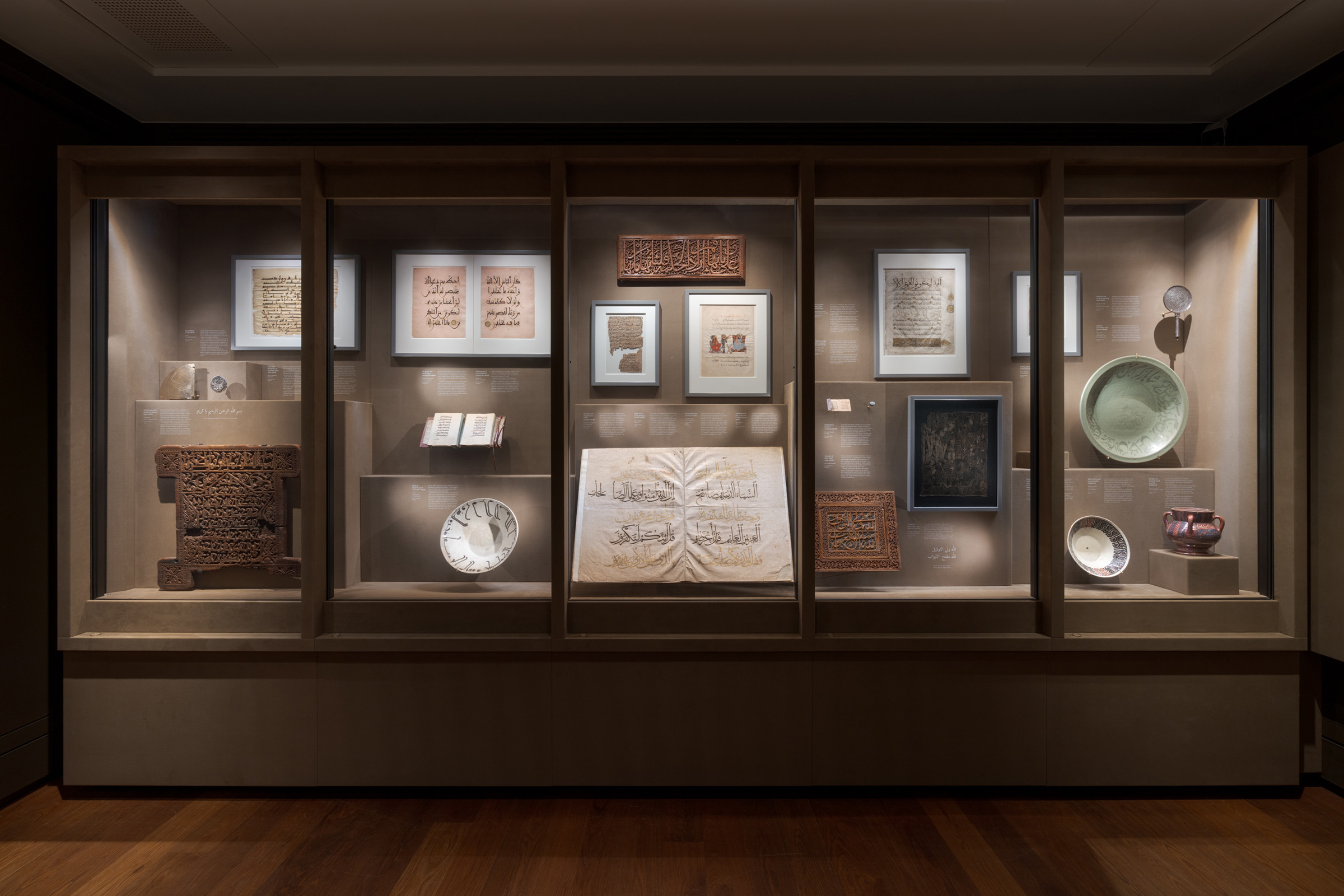
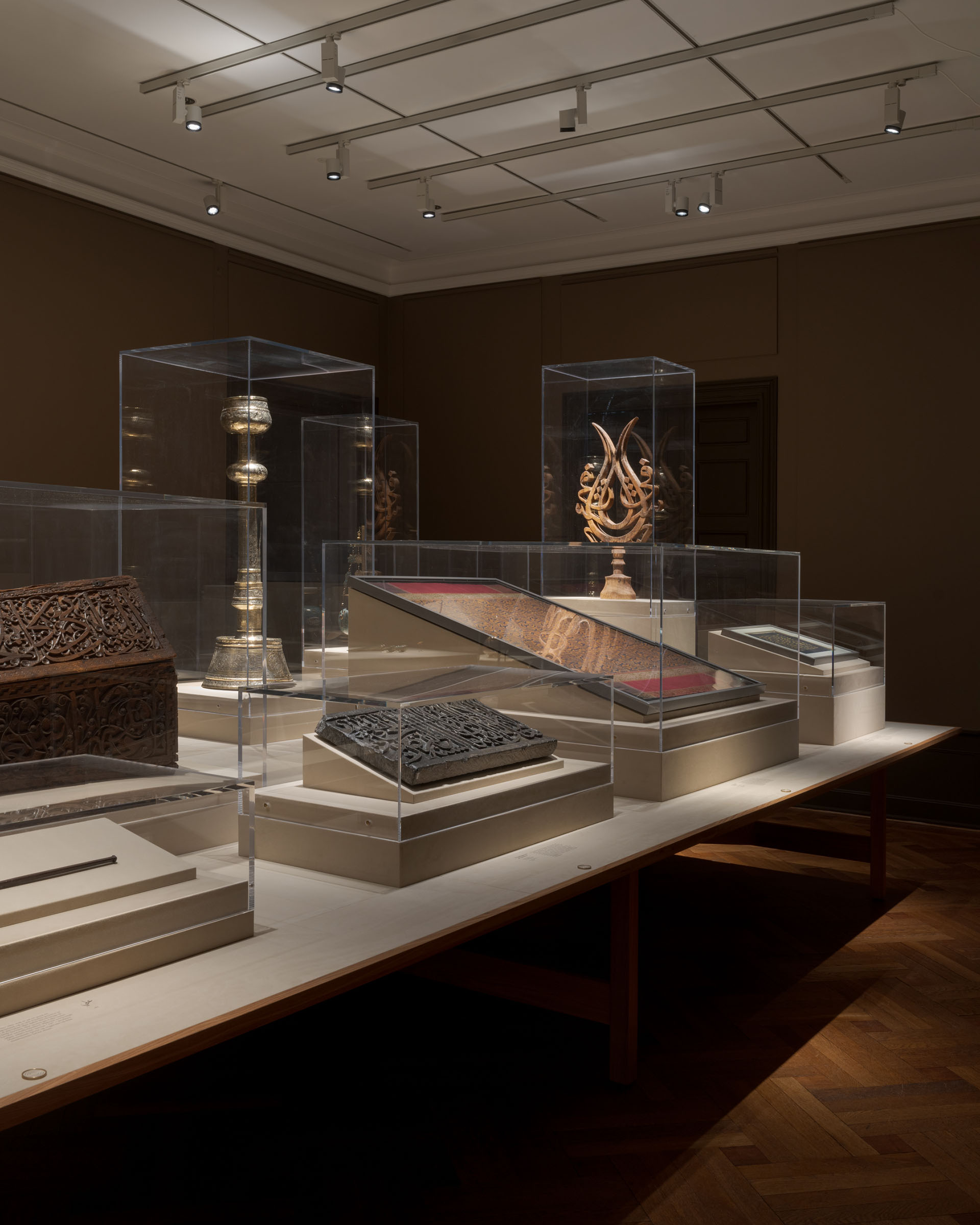
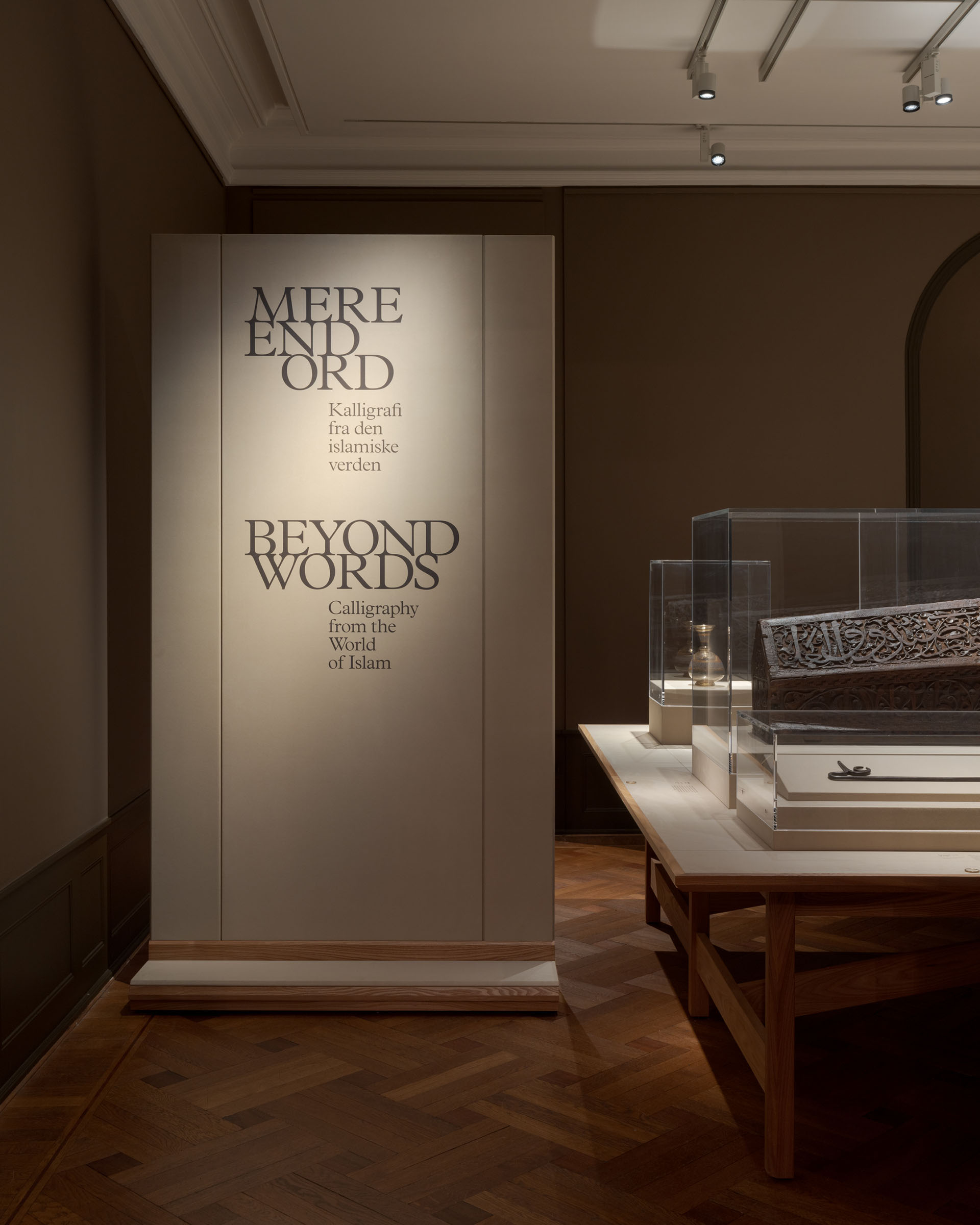
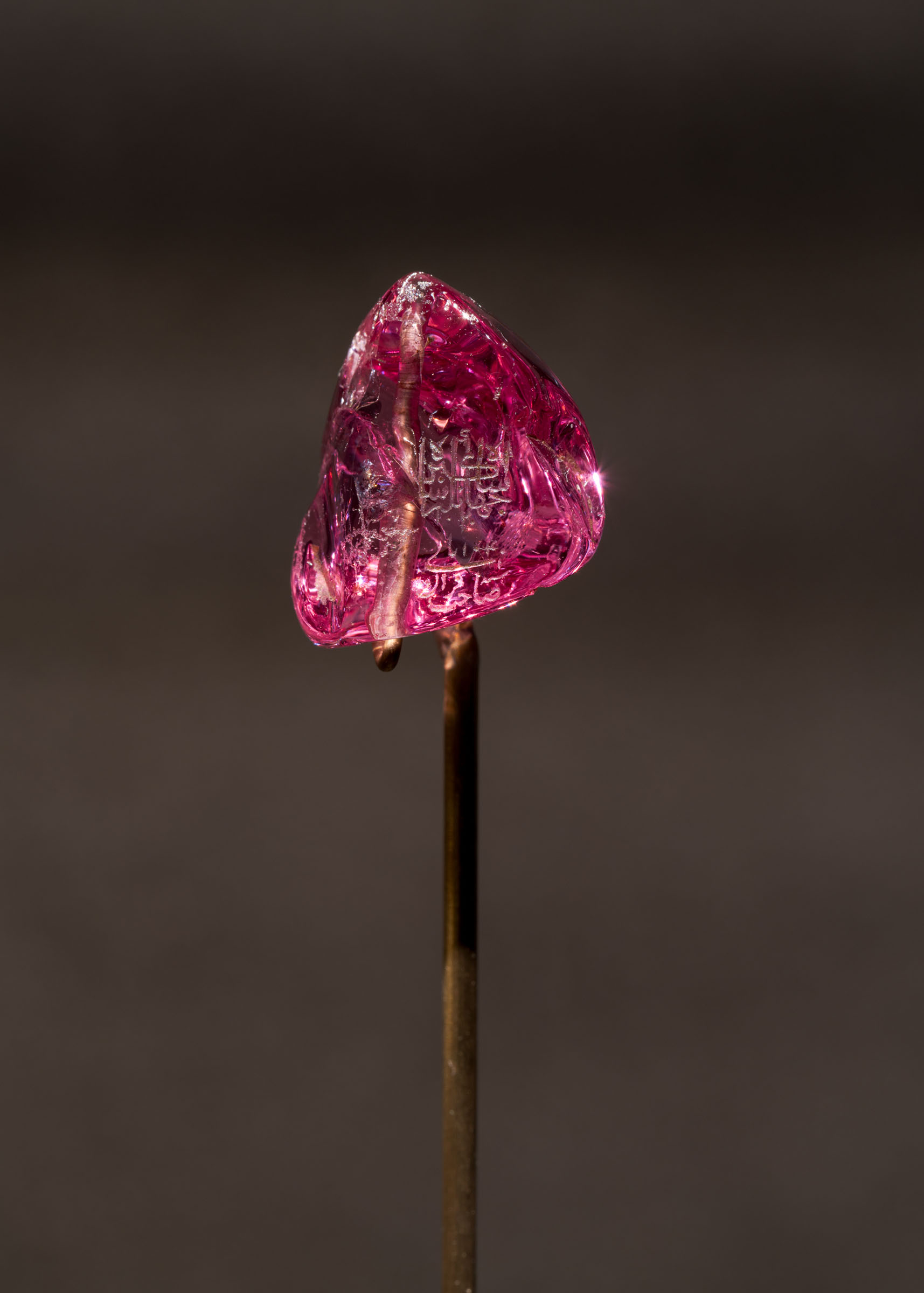
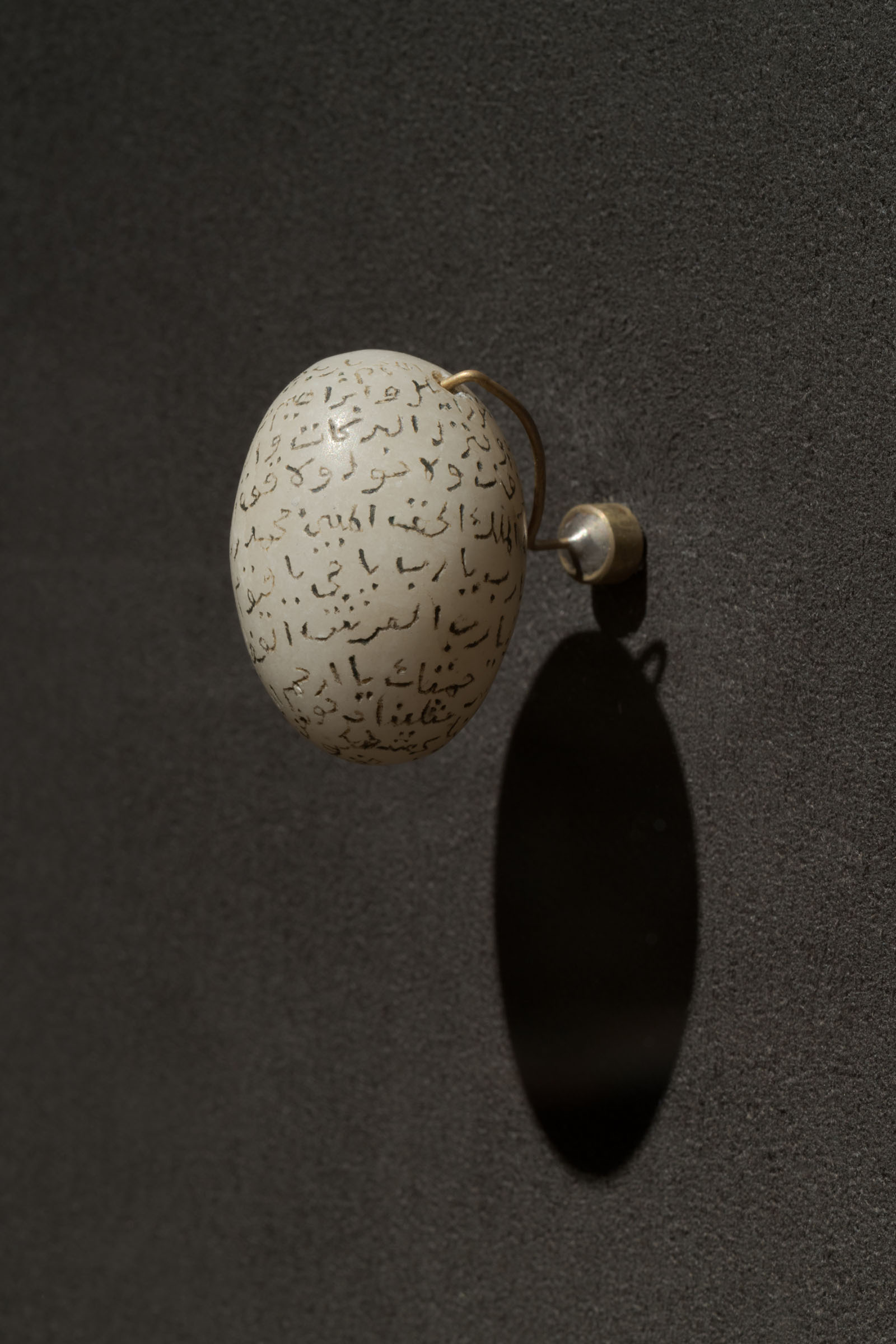
For The David Collection in Copenhagen we designed this exhibition about calligraphy in the Islamic world. It showcases a vast range of ceramics, metalwork, textiles, wood-carvings among other things, all connected by their intricate use of Arabic lettering as the main decoration.

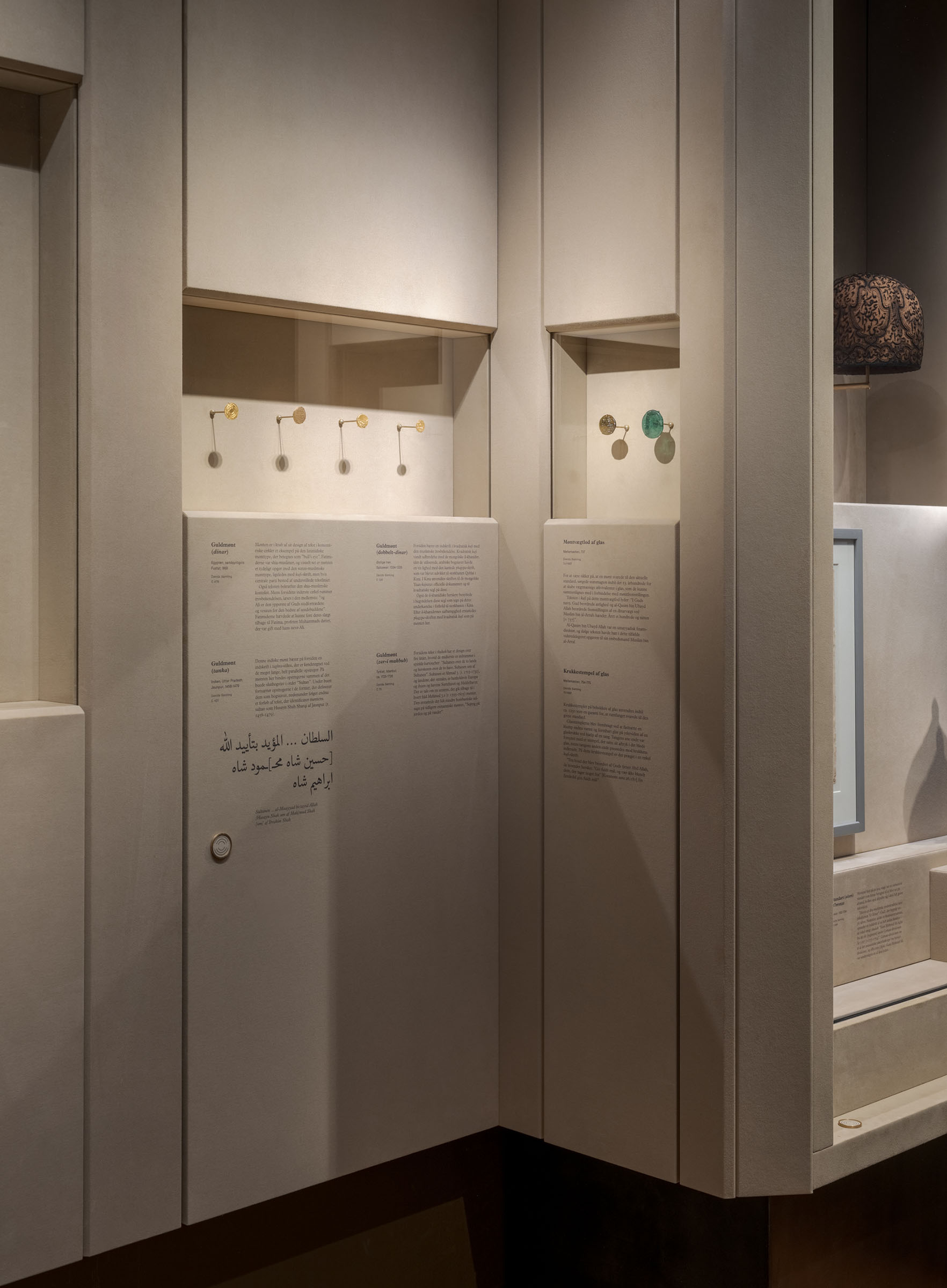
The exhibition features walls covered in textile panels through-out, with descriptive texts printed directly on the textile as well as transcribed lettering and translations of the ornamented motifs – the text becoming a decorative element in itself.

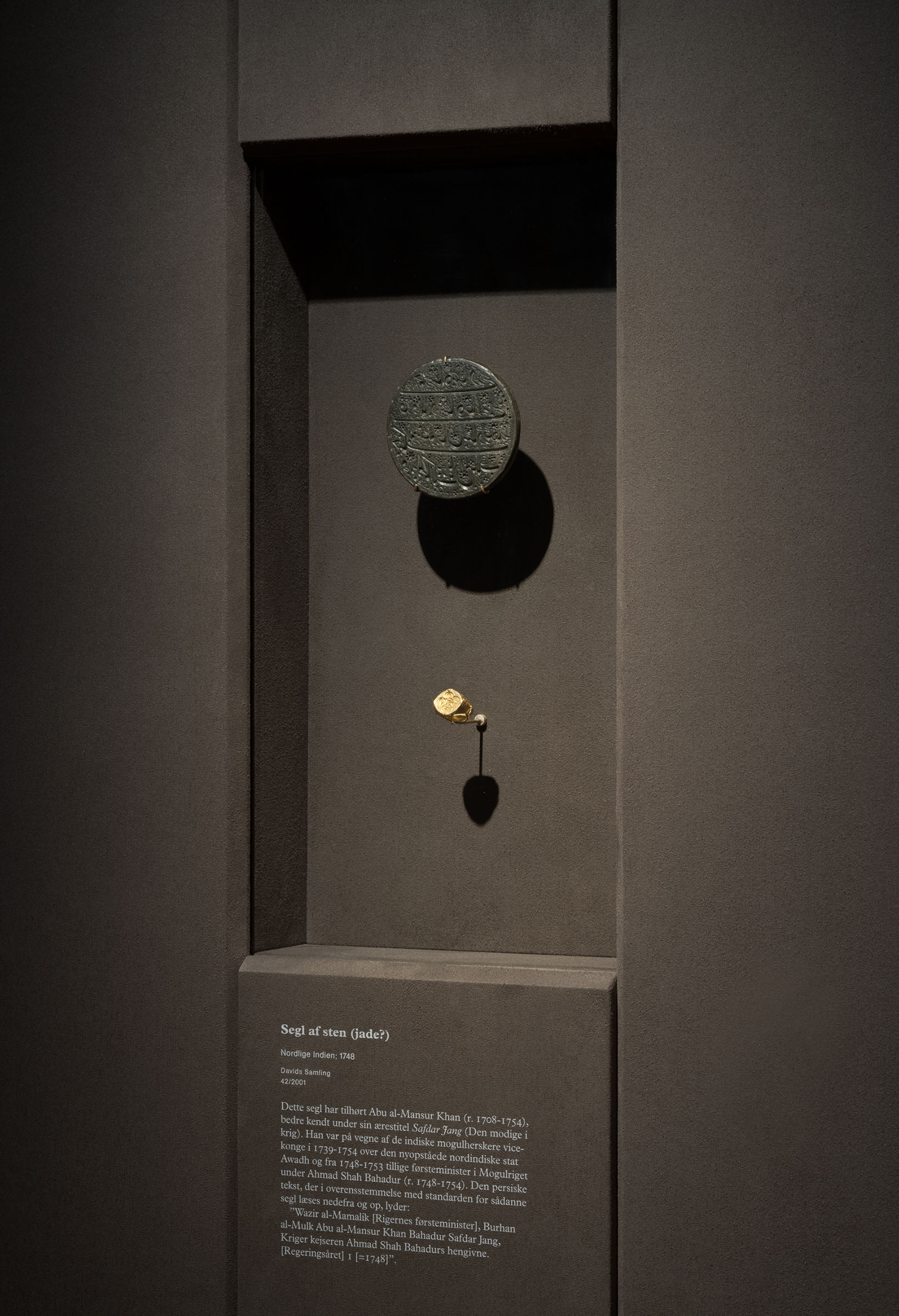
Every single object had to be carefully and individually mounted, using custom-made brass fittings, designed and produced in collaboration with conservator Mikkel Storch.

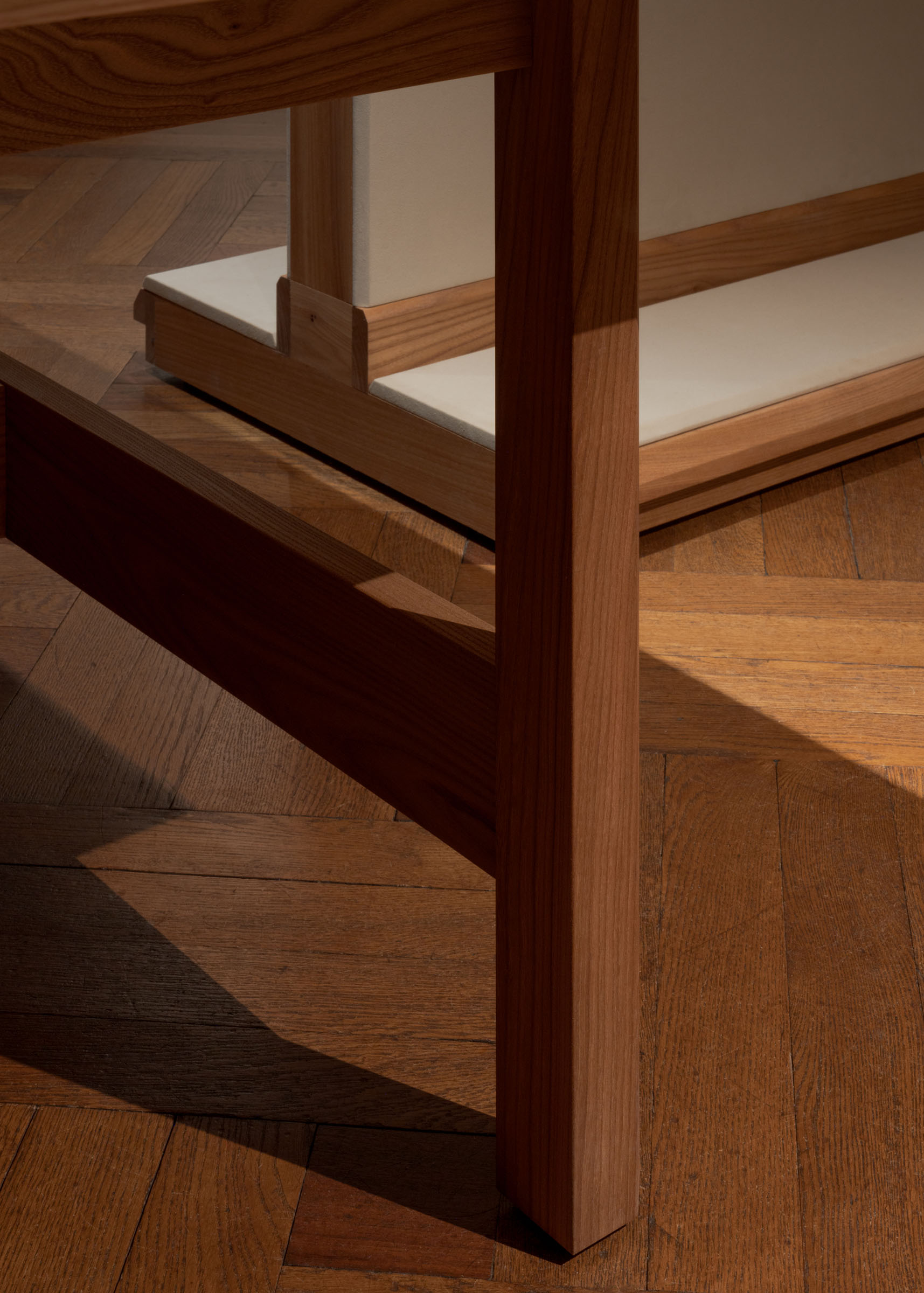
Additionally, exhibition tables and furniture were designed and built in European elm wood. This coupled with the type of textile panels also covering the walls, all from Kvadrat.

The series of wall niches carved out for the displayed objects were inspired by Islamic architecture.

The exhibition features almost 200 different objects, of varying sizes, materials, times and origins. Most of the items are from The David Collection itself.

The graphics for the show (as well as for the massive catalog produced for the occasion) were designed by Rasmus Koch Studio.

All installation photos by David Stjernholm.

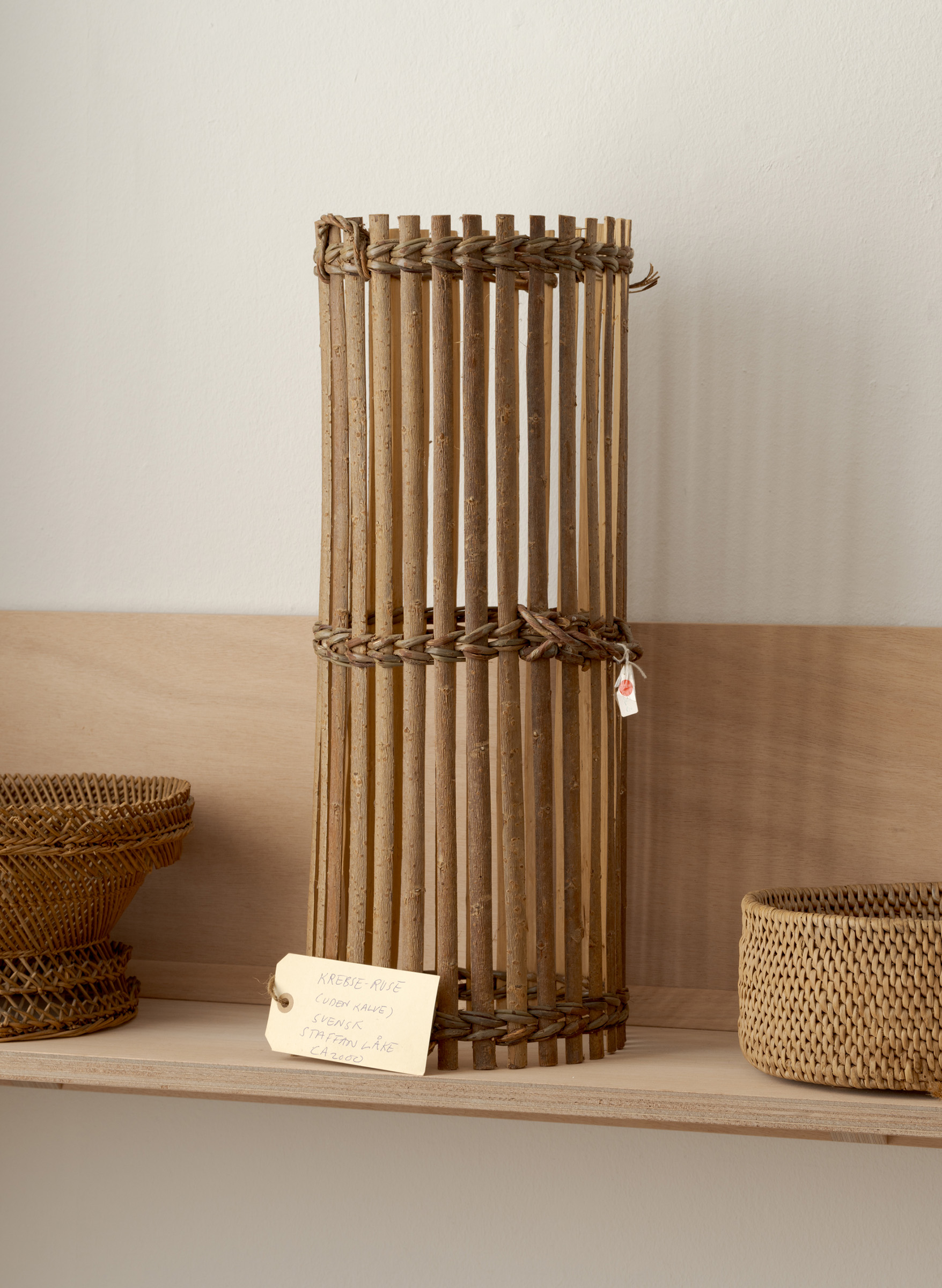
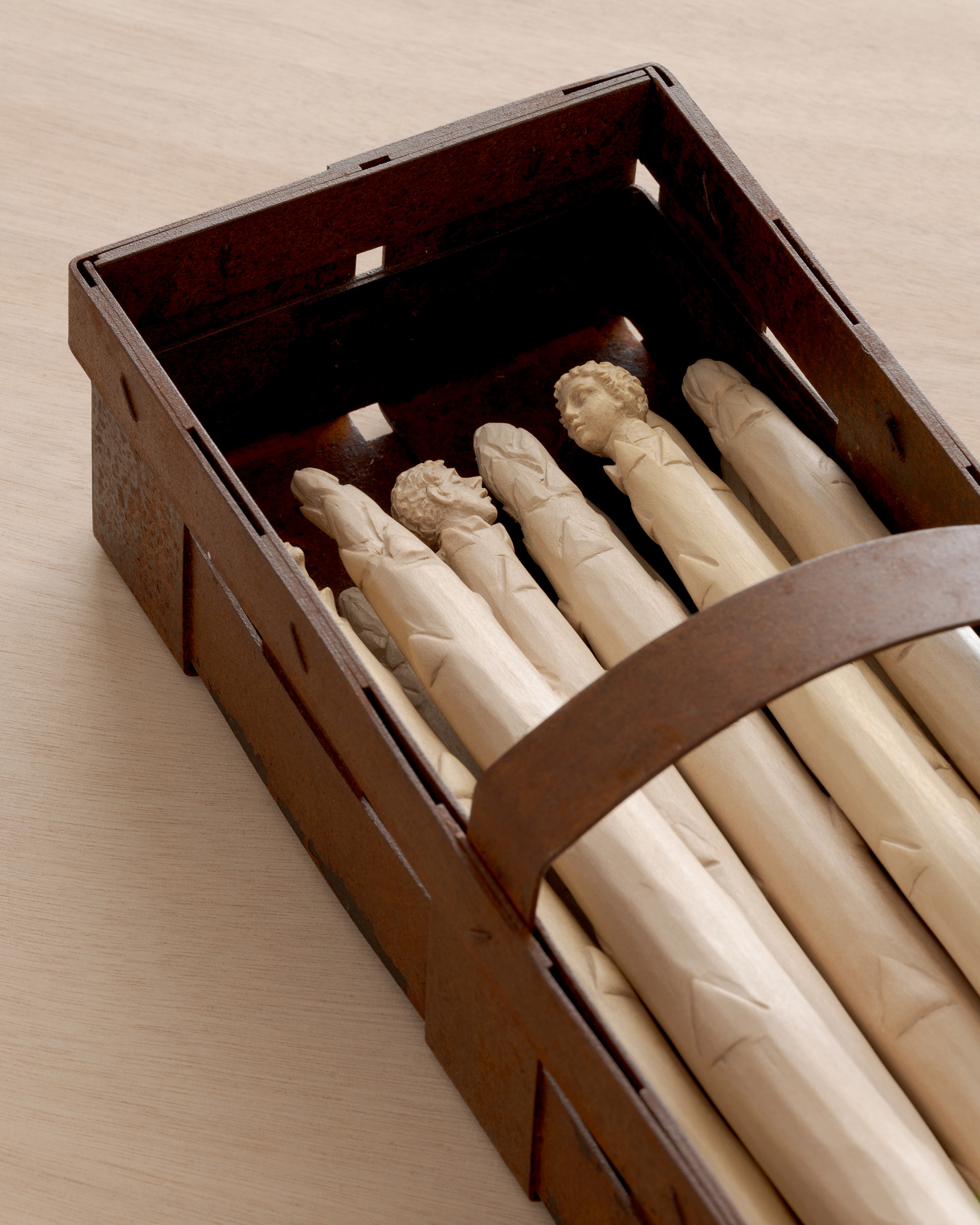
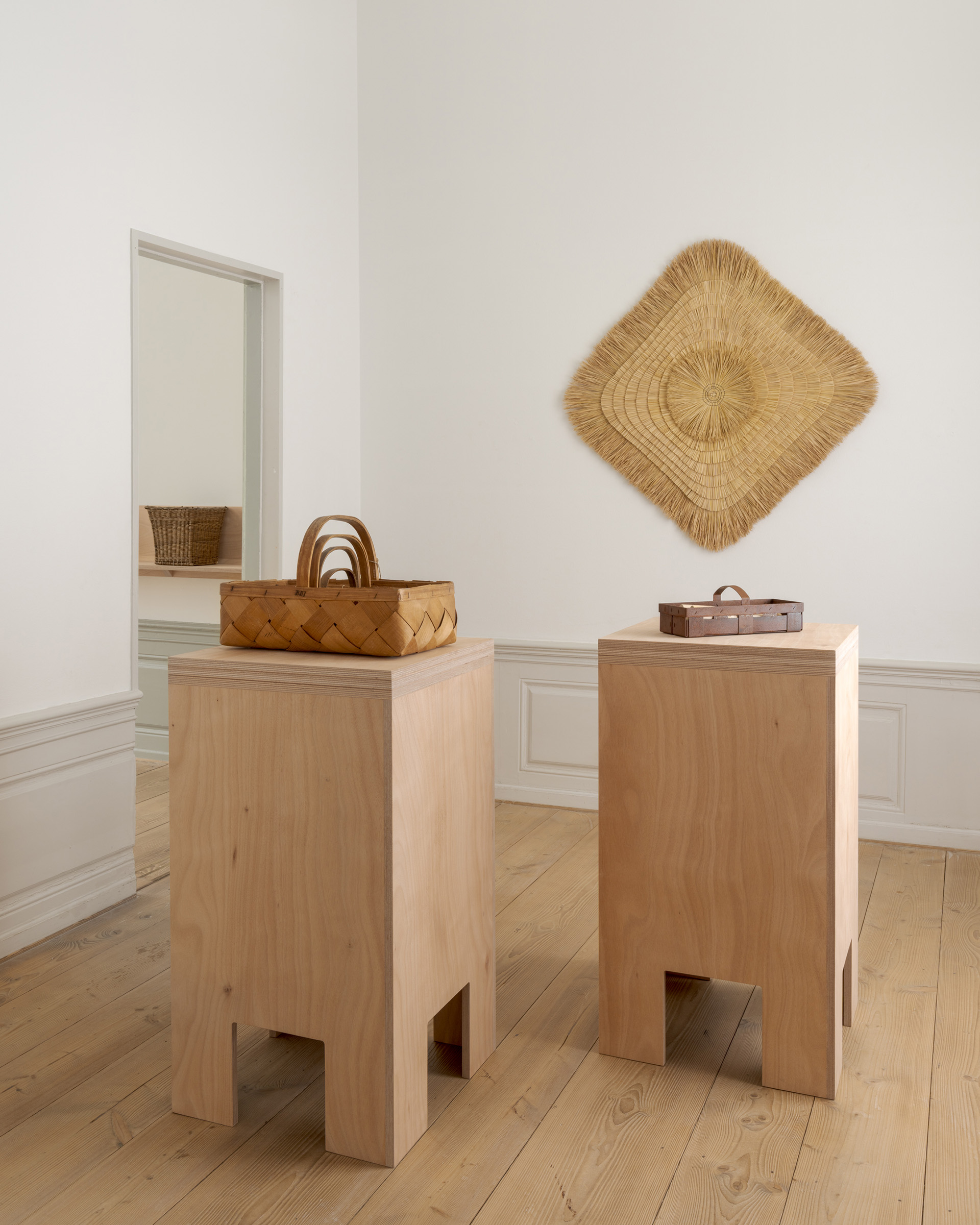
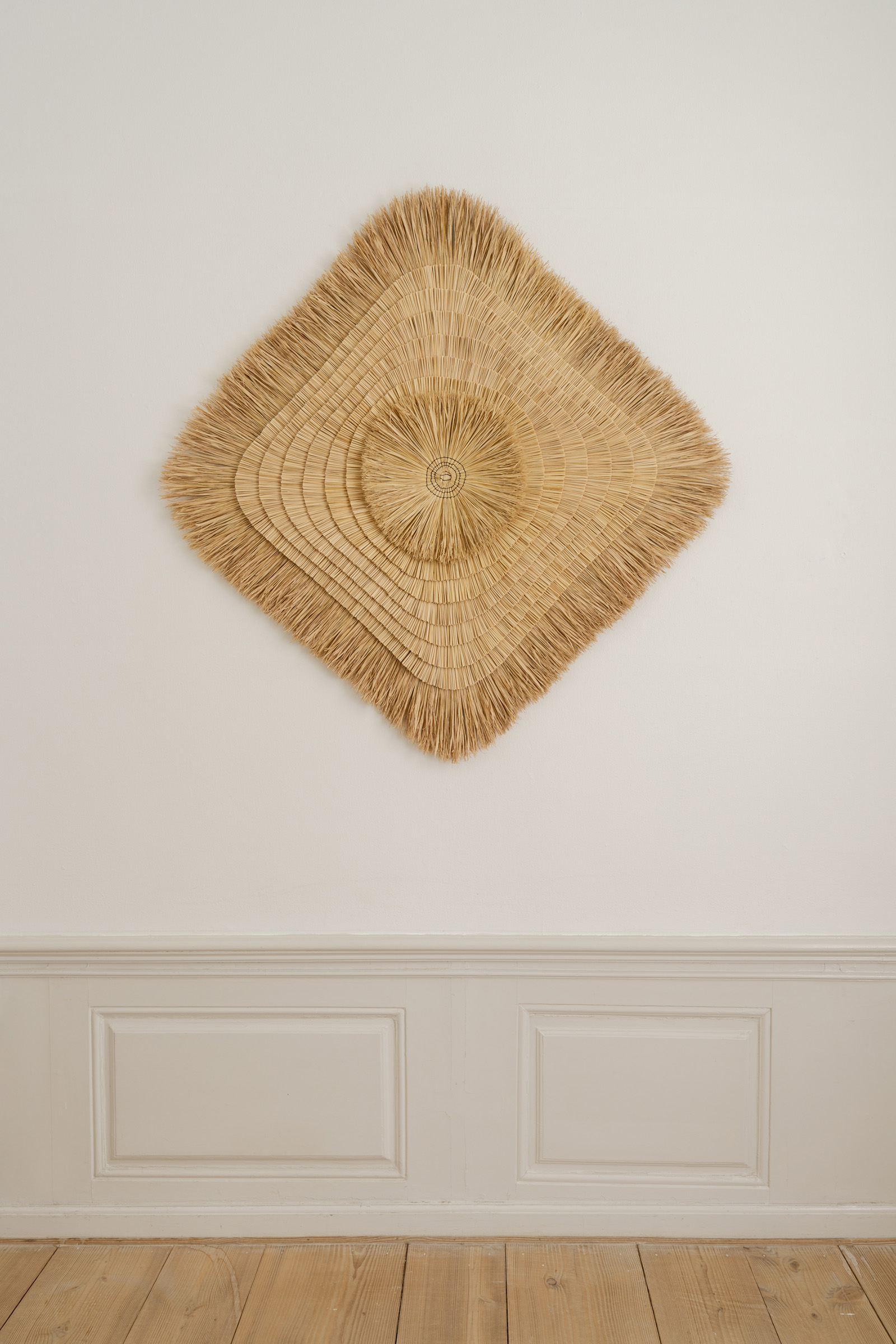
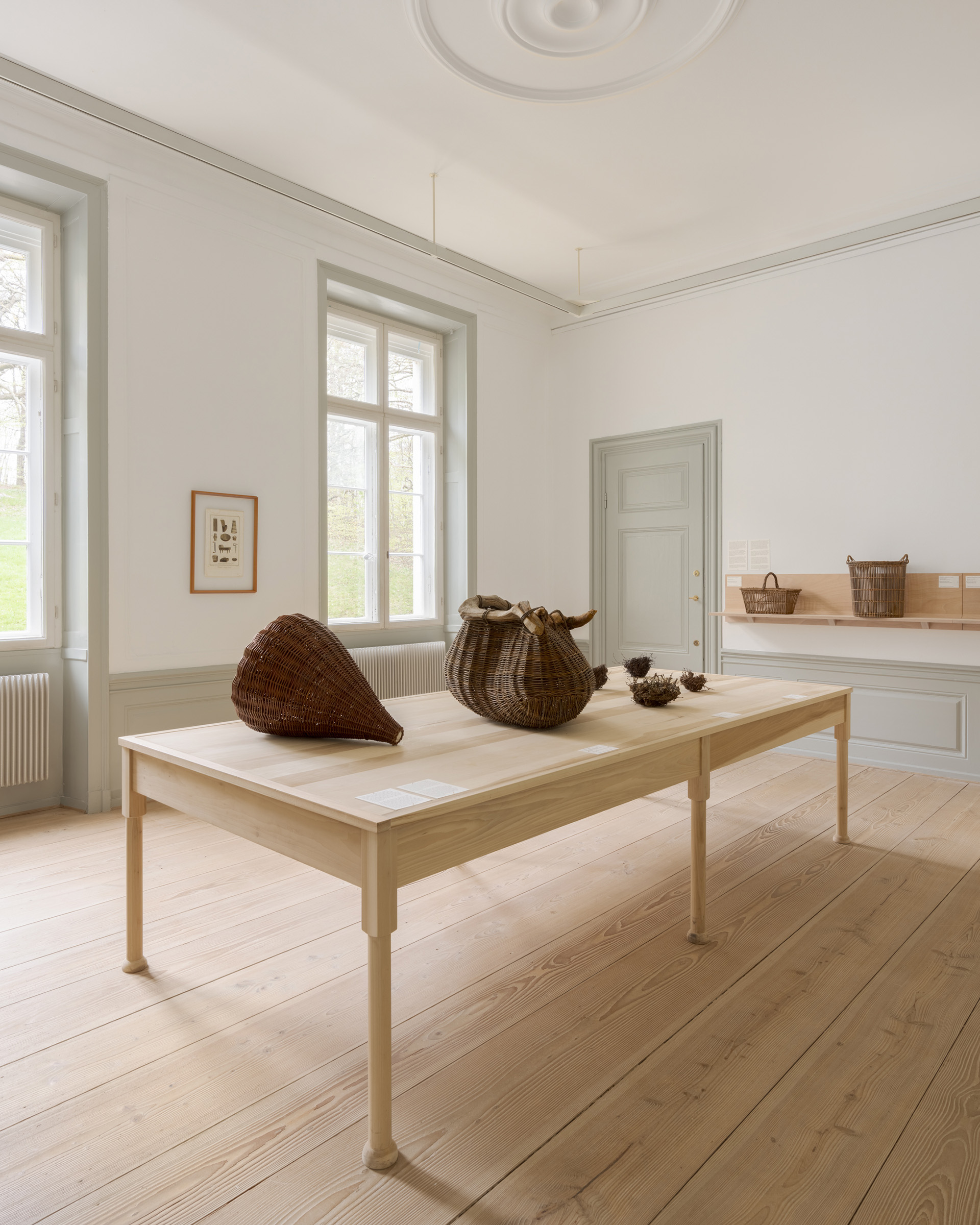
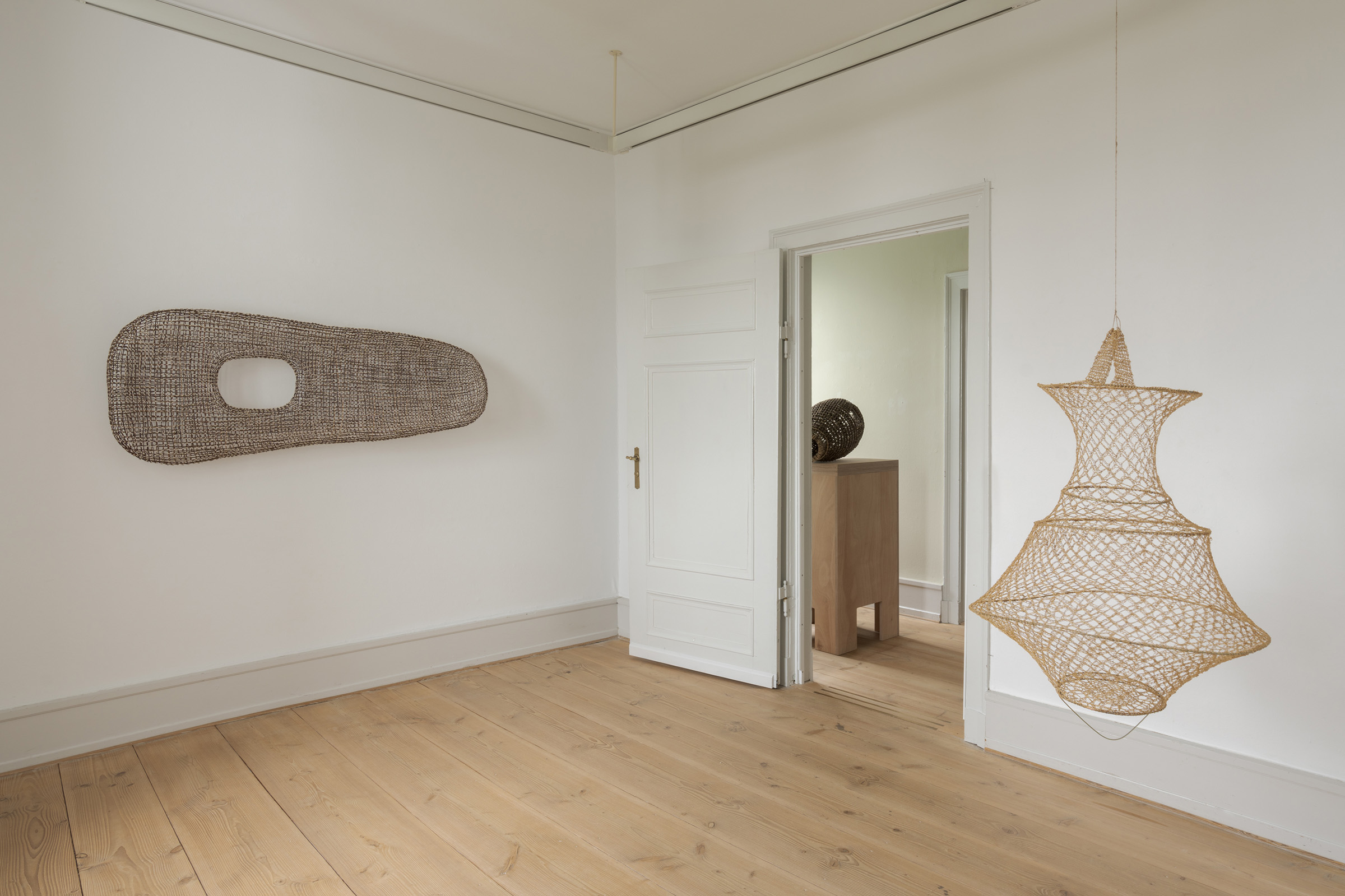
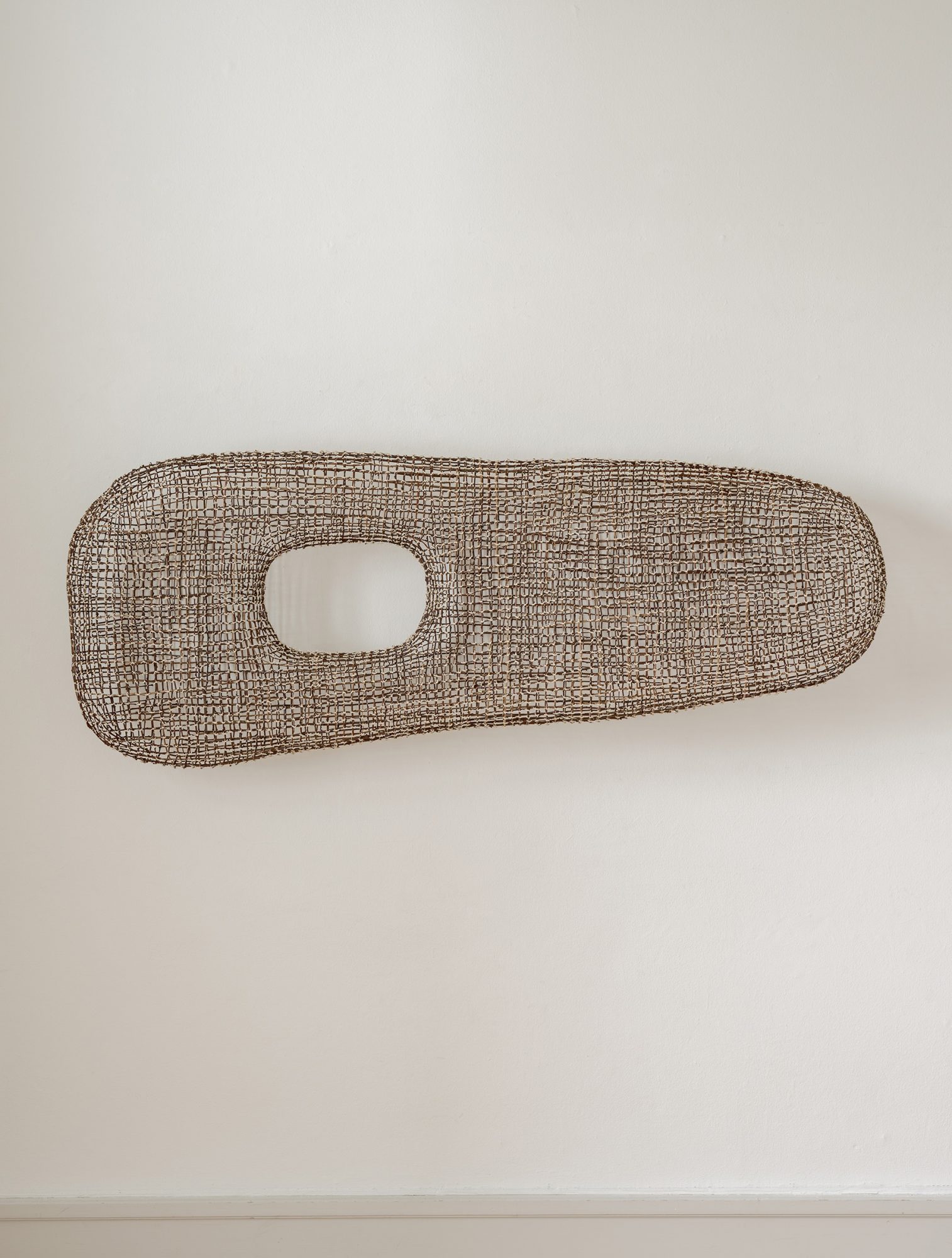
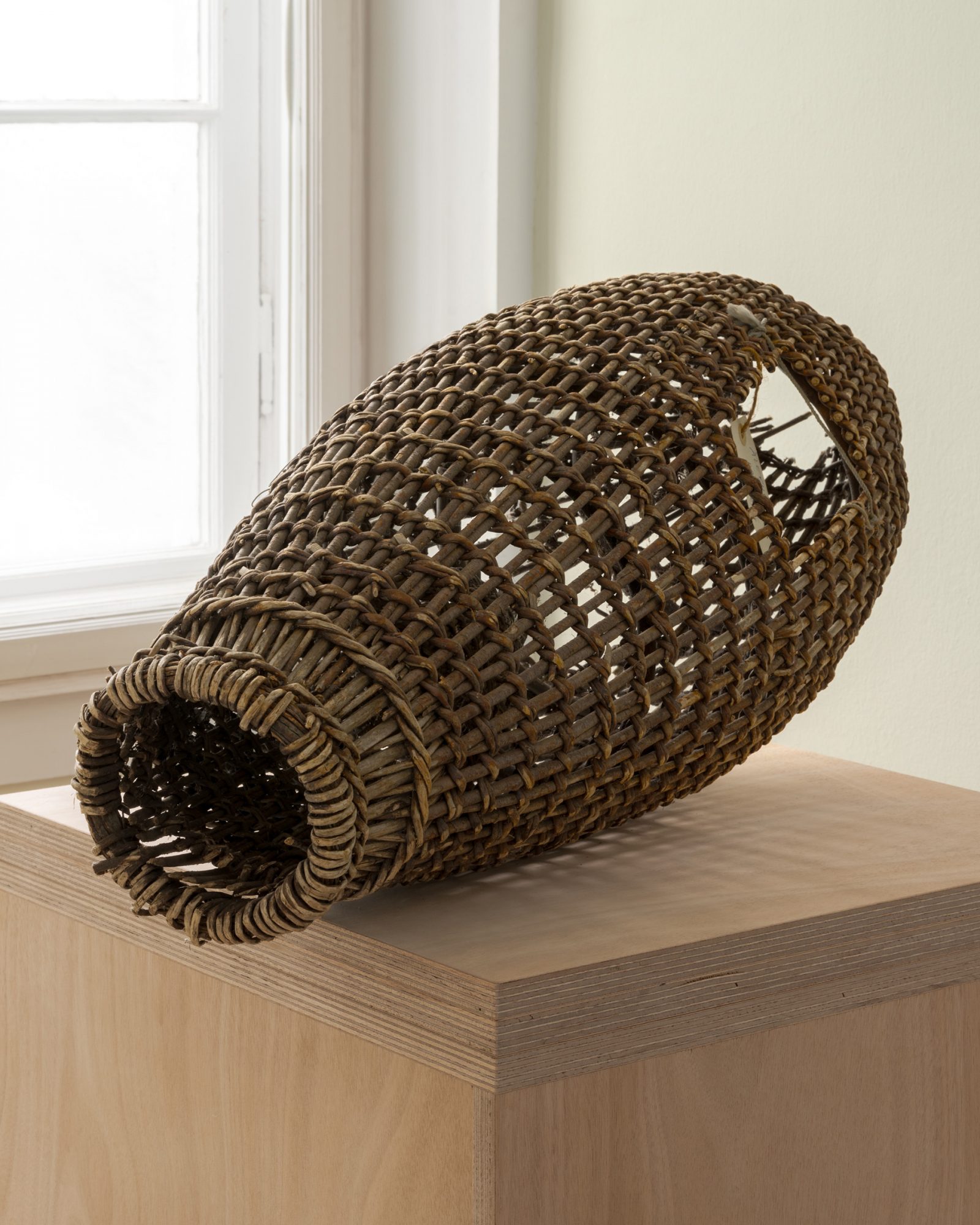
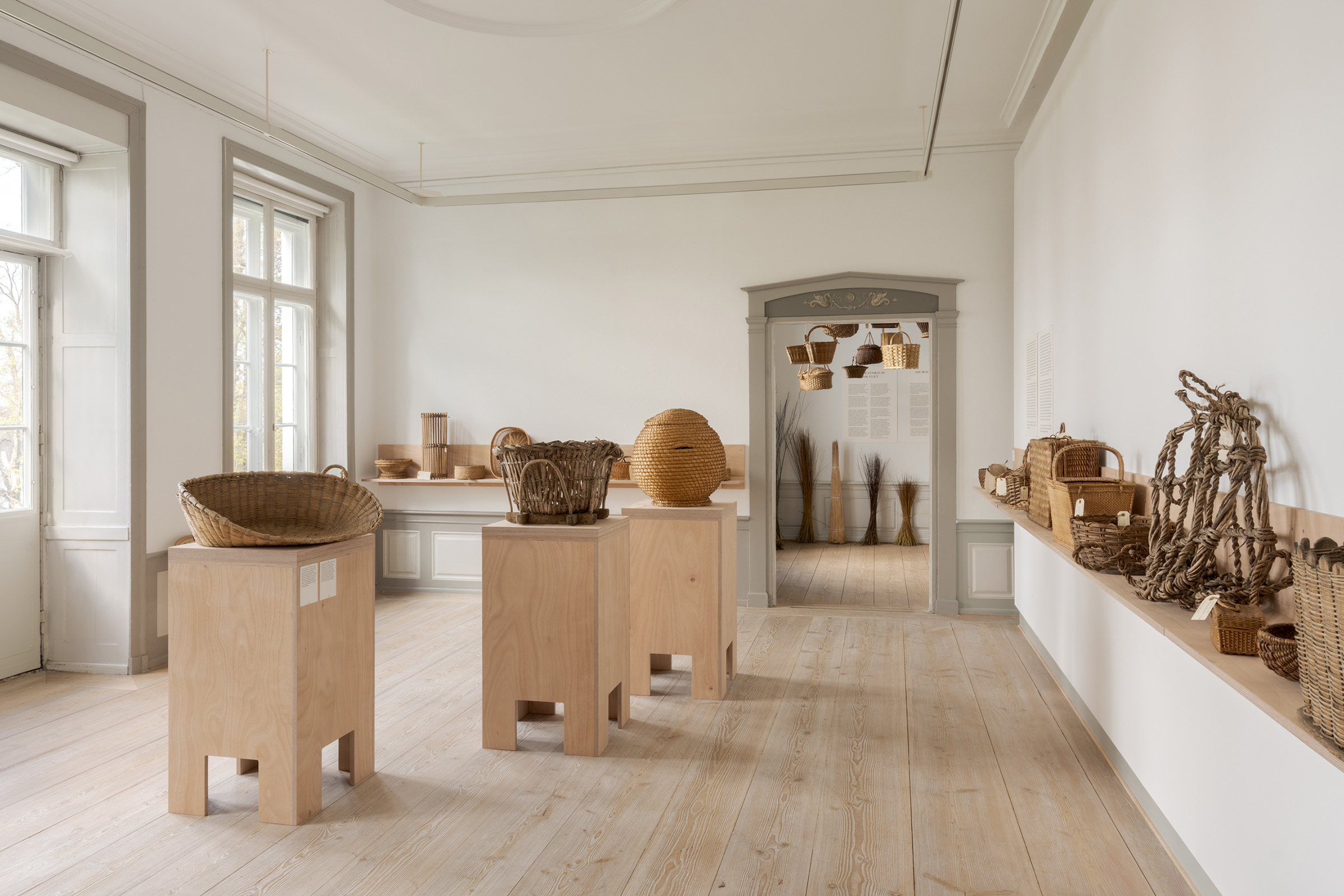
Curation, conceptualization and design for a large exhibition about wickerwork – or basket-making – at Sophienholm Kunsthal, north of Copenhagen.

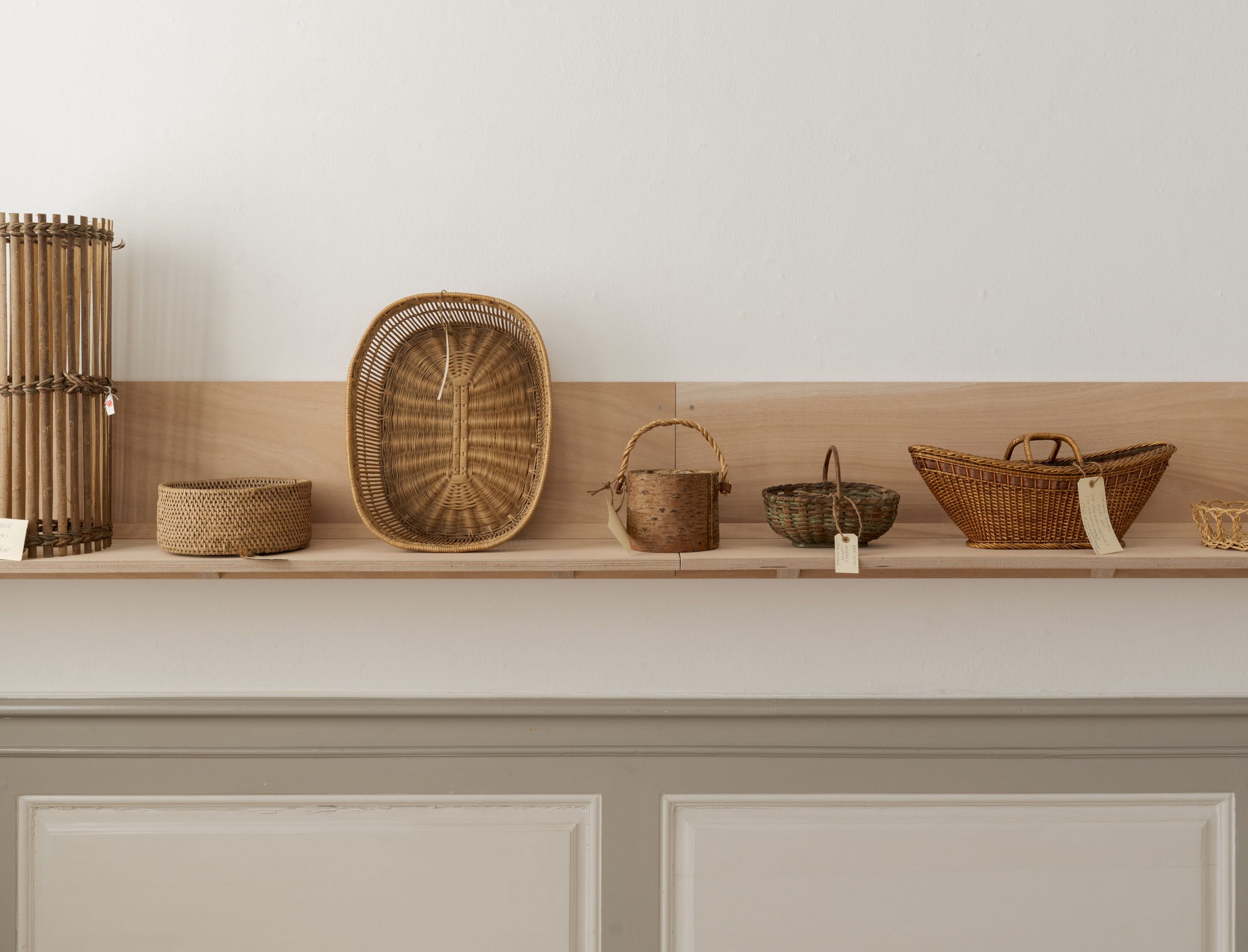
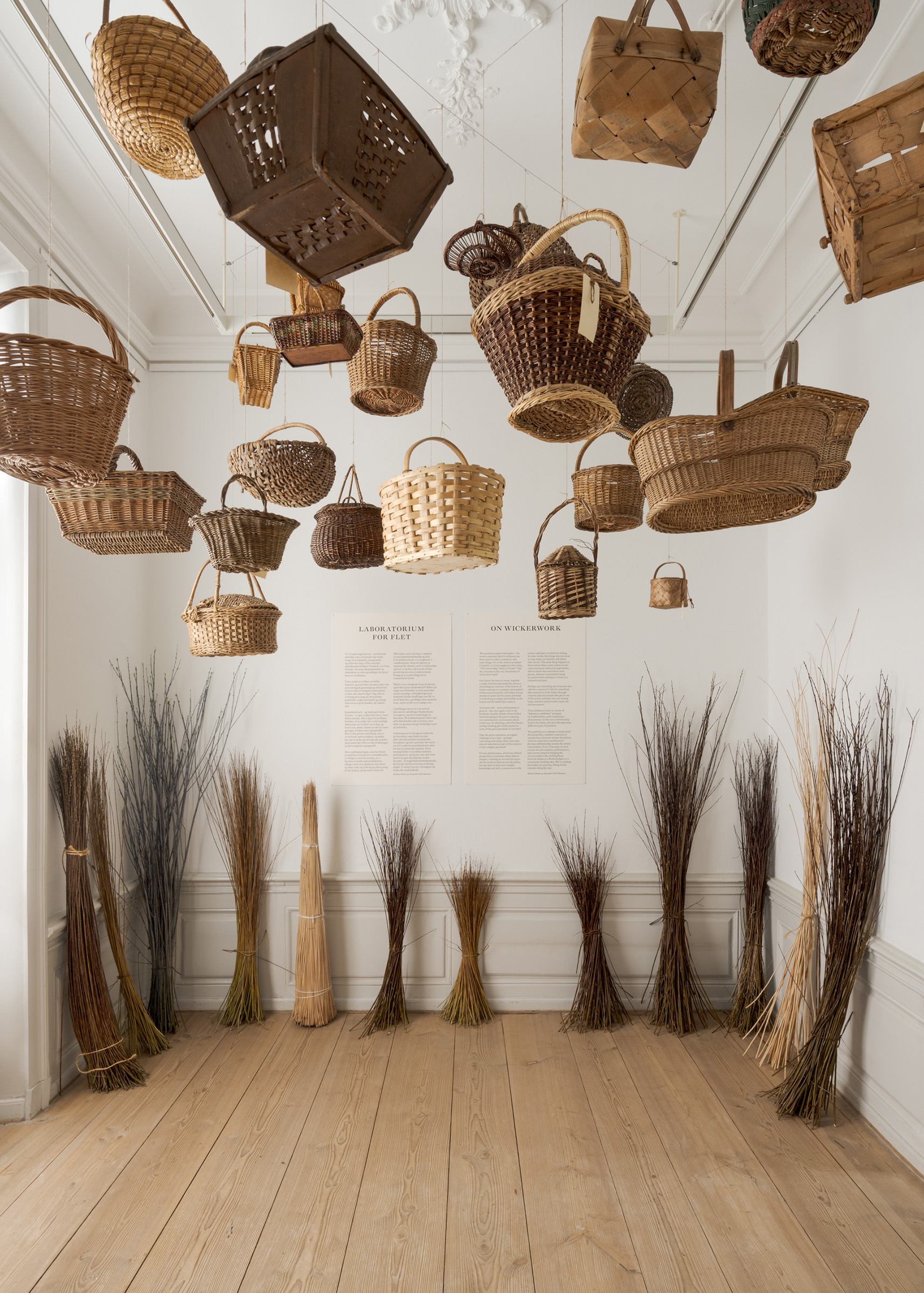
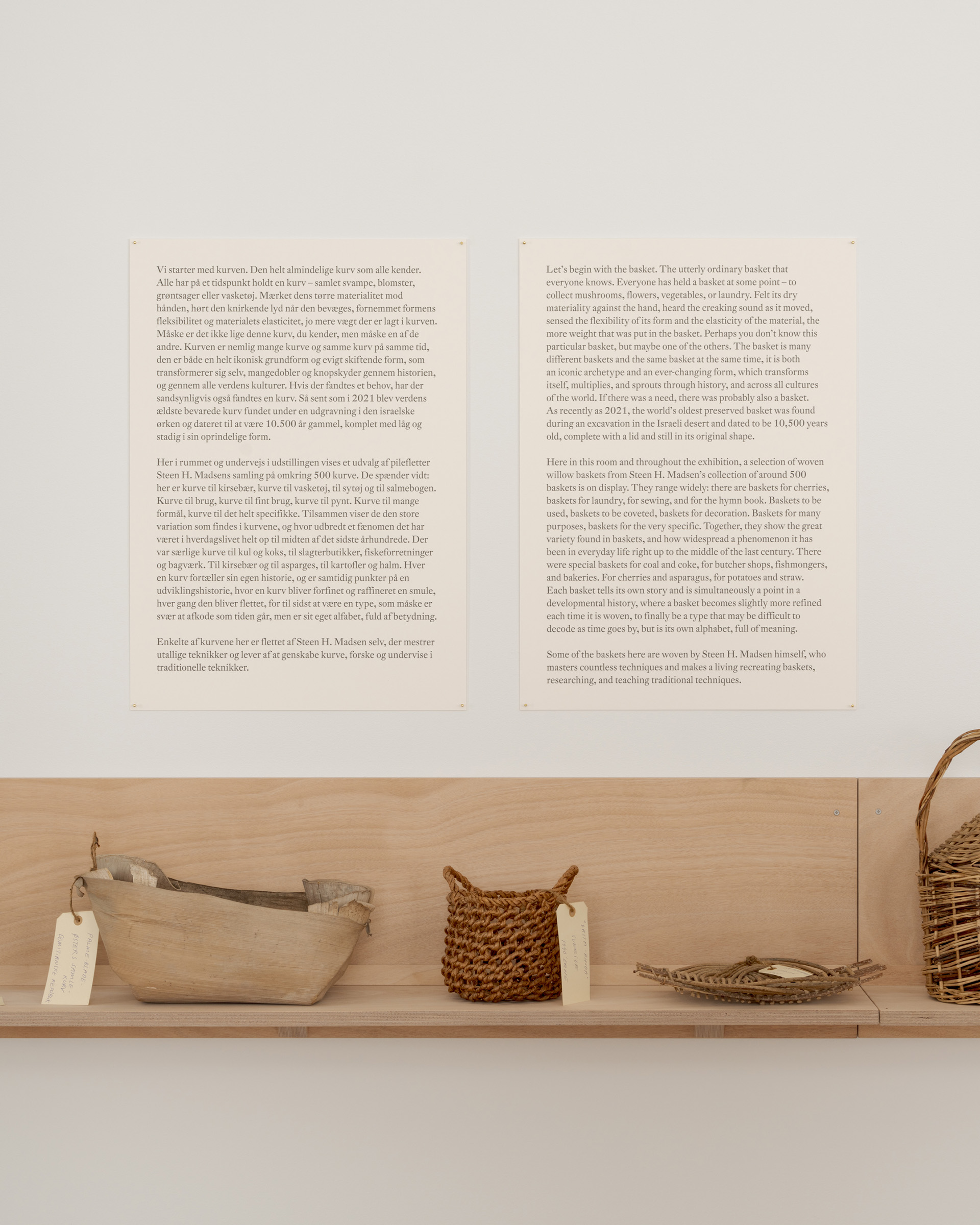
The show features a large range of current and historic artisans, artists and designers – all connected by their use of this ancient yet still relevant craft. The first room in the exhibition, seen above, showcases a large collection of old and new baskets by the wicker-worker and wicker-instructor Steen H. Madsen.

They range widely: there are baskets for cherries, baskets for laundry, for sewing, and for the hymn book. Baskets to be used, baskets to be coveted, baskets for decoration.

Each basket tells its own story and is simultaneously a point in a developmental history, where a basket becomes slightly more refined each time it is woven.

Included in the show are also artists who use the simple basket as a means to portray larger narratives – of immigration, of belonging, of collecting and passing on. Above and below are shown works by Young-Jun Tak and ARKO.

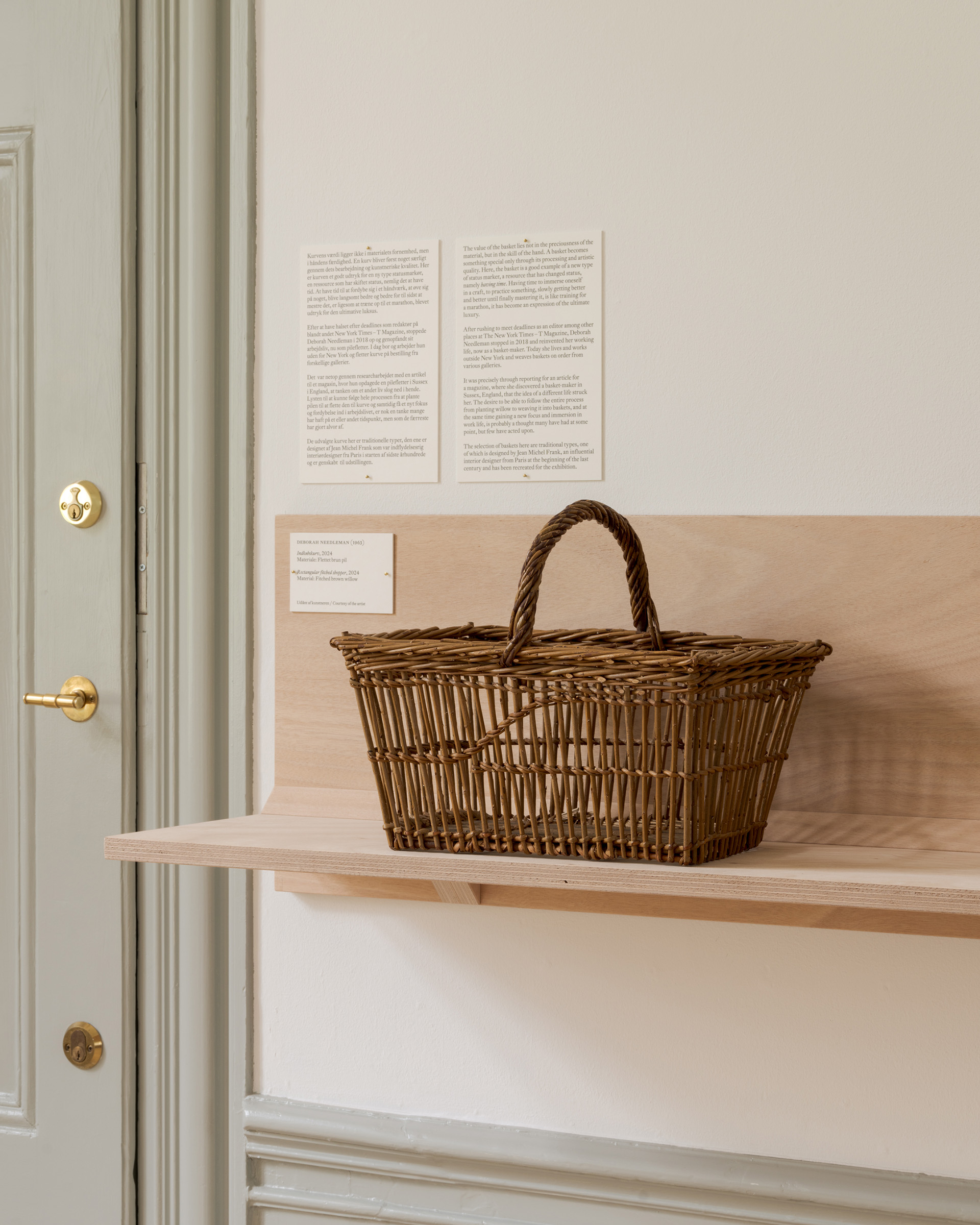
The value of the basket lies not in the preciousness of the material, but in the skill of the hand. A basket becomes something special only through its processing and artistic quality. Here, the basket is a good example of a new type of status marker, a resource that has changed status, namely having time.

It has become an expression of the ultimate luxury.

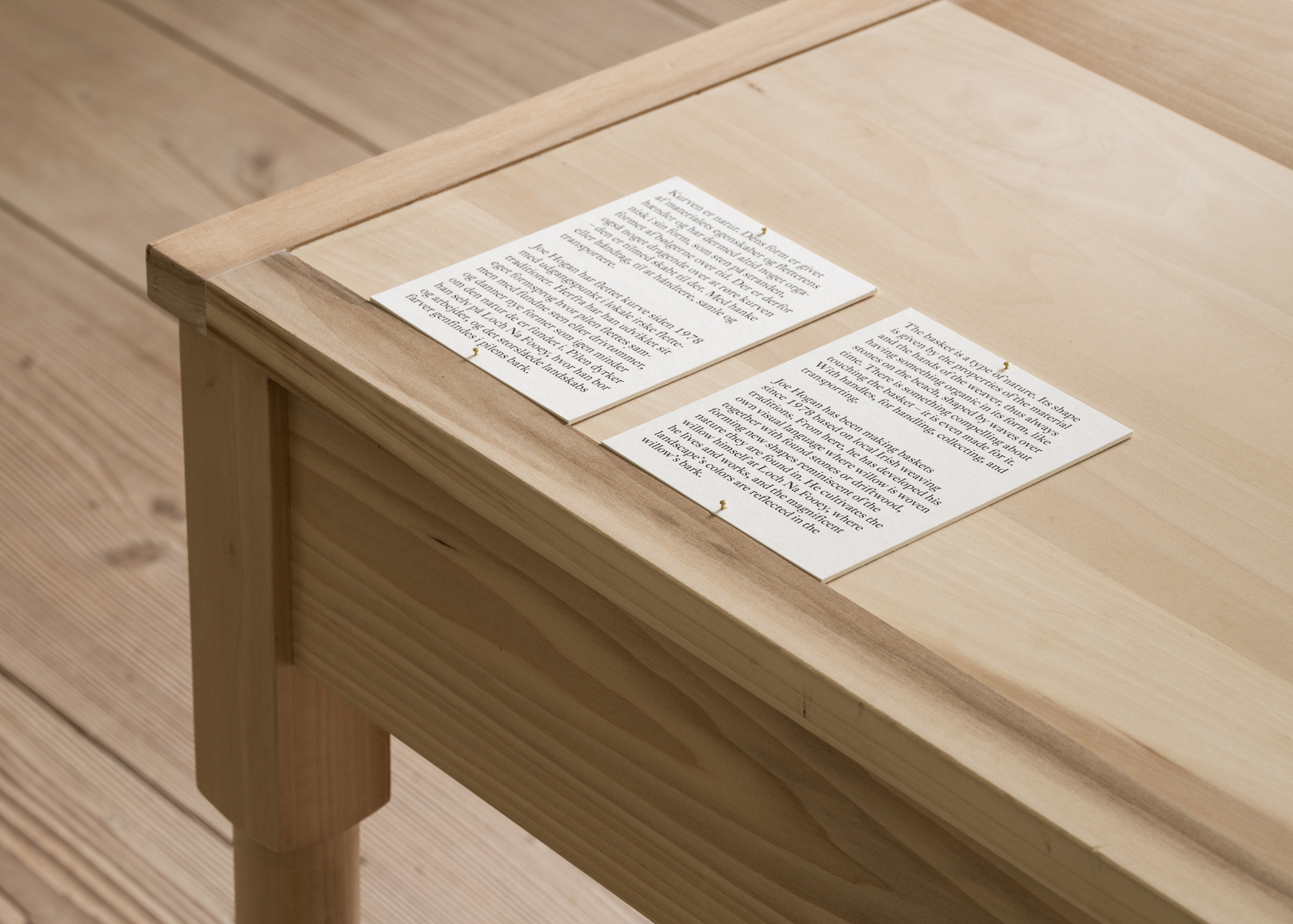
Shown together are works by Irish wicker legend Joe Hogan, alongside the American Deborah Needleman – a former New York Times editor who left her prestigious job to follow her new-found passion: basket-making.

All exhibition furniture, display tables, podia and shelves were designed by us. Some of it were re-purposed pieces from previous exhibitions of ours – as in the table above that we originally designed and built for an exhibition at The Hirschsprung Collection.

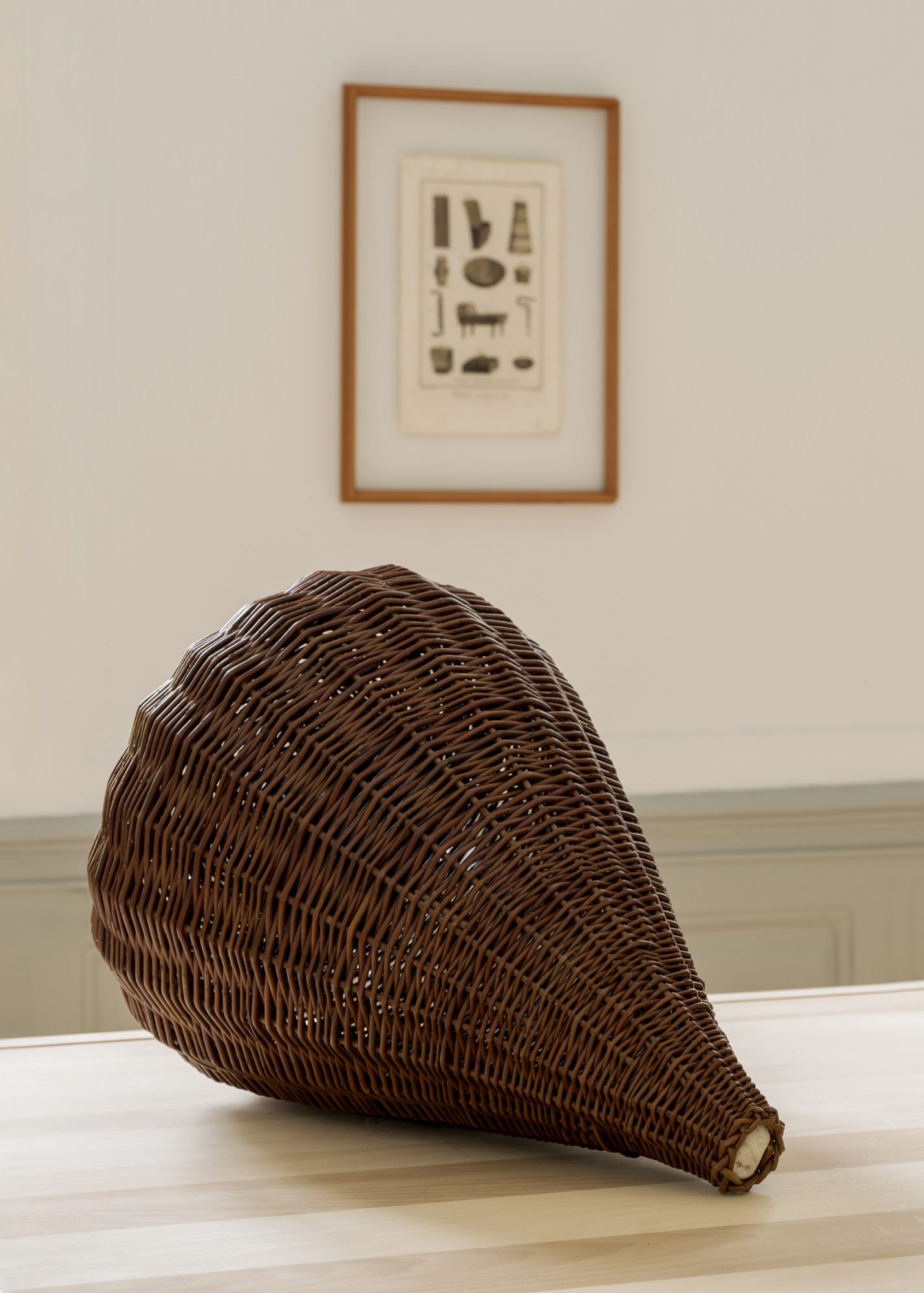
Throughout the exhibition we wanted to juxtapose contemporary works – some of them artworks without an actual function – with historic pieces of a more utilitarian nature. As in these pieces by Kazuhito Takadoi and Emma Bruschi coupled with an old eel-fishing basket.

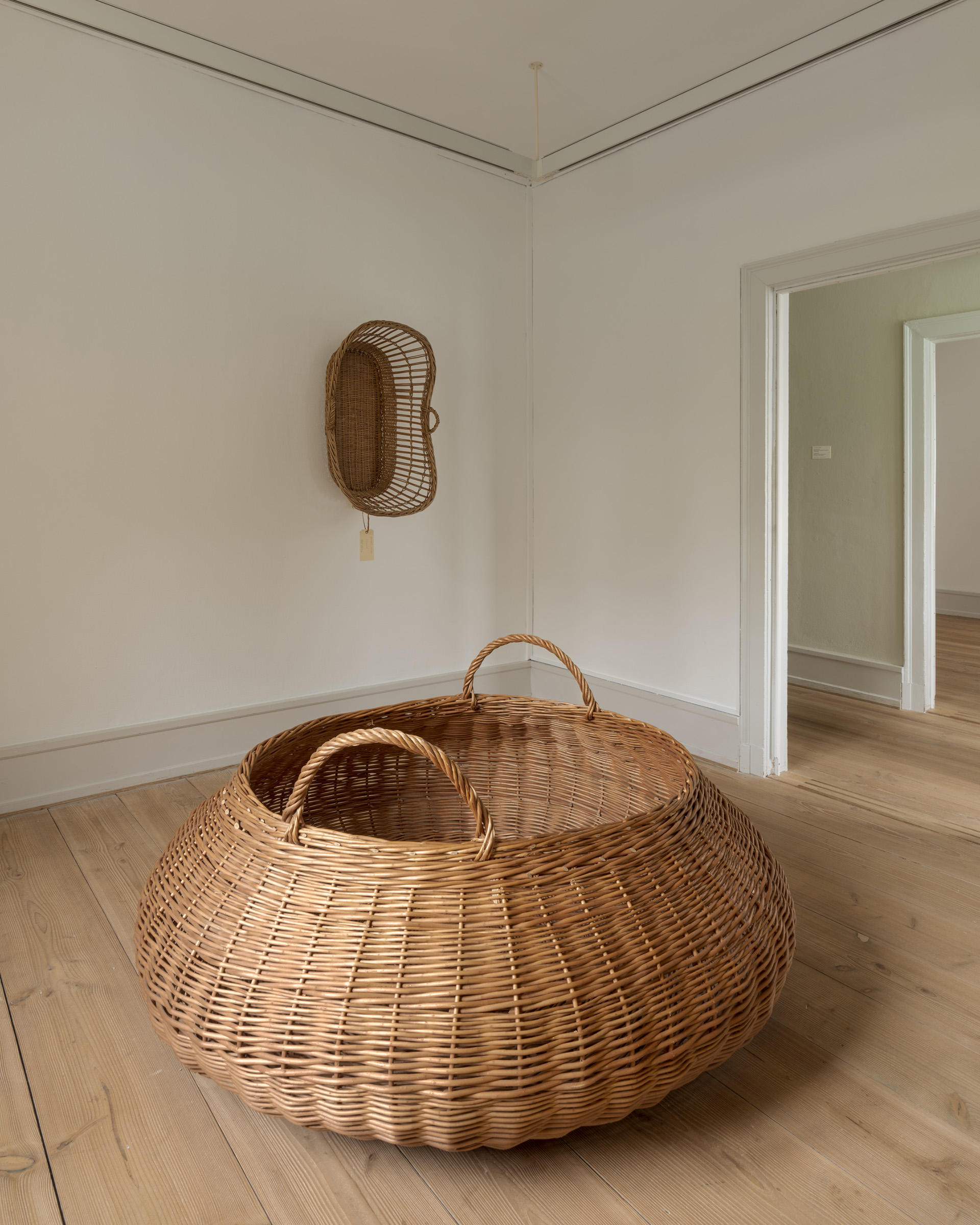
Or in the case below where Ditte Gantriis’s huge basket, big enough to hold several people, is shown alongside an old “Moses basket”.

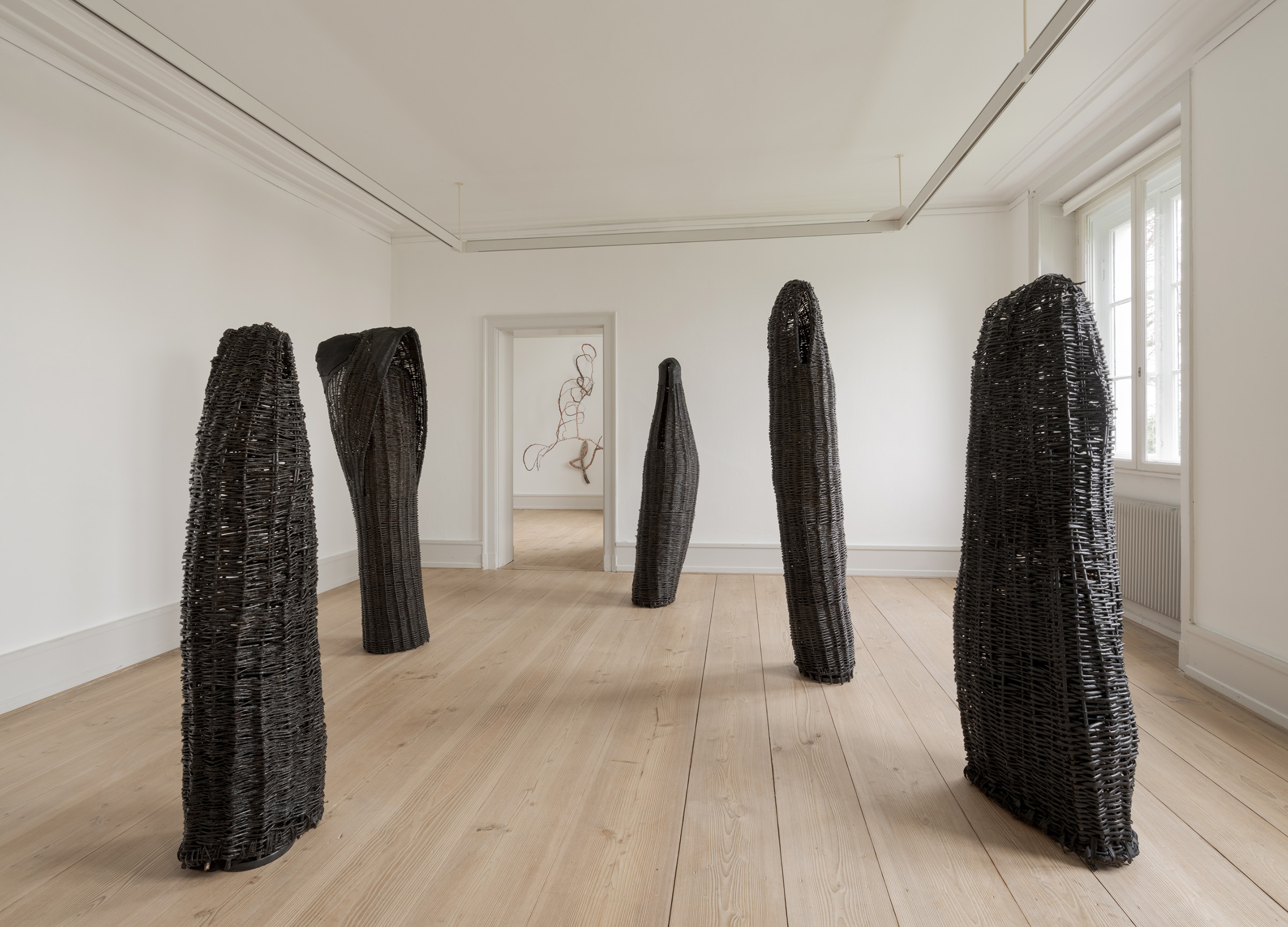
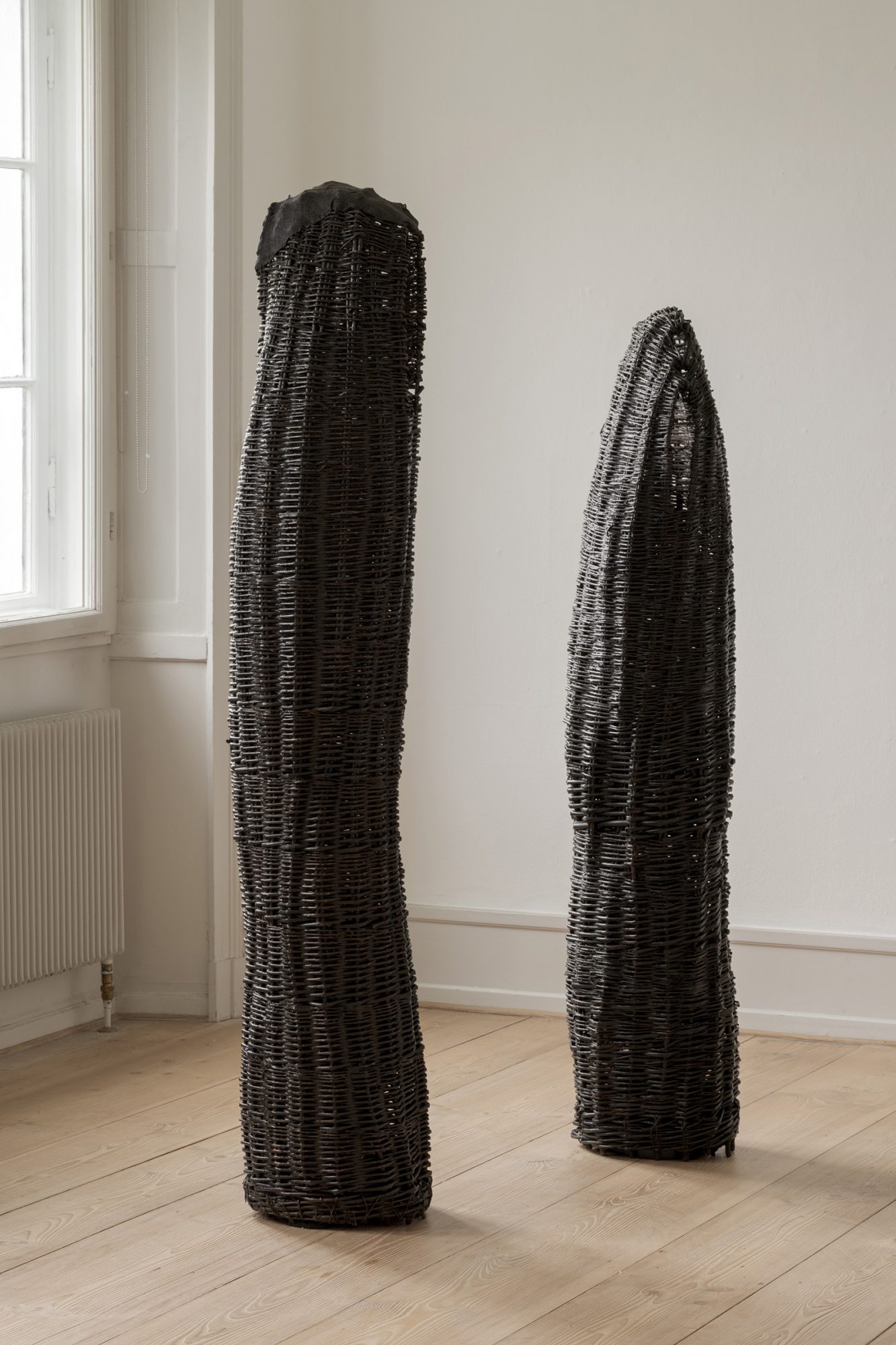
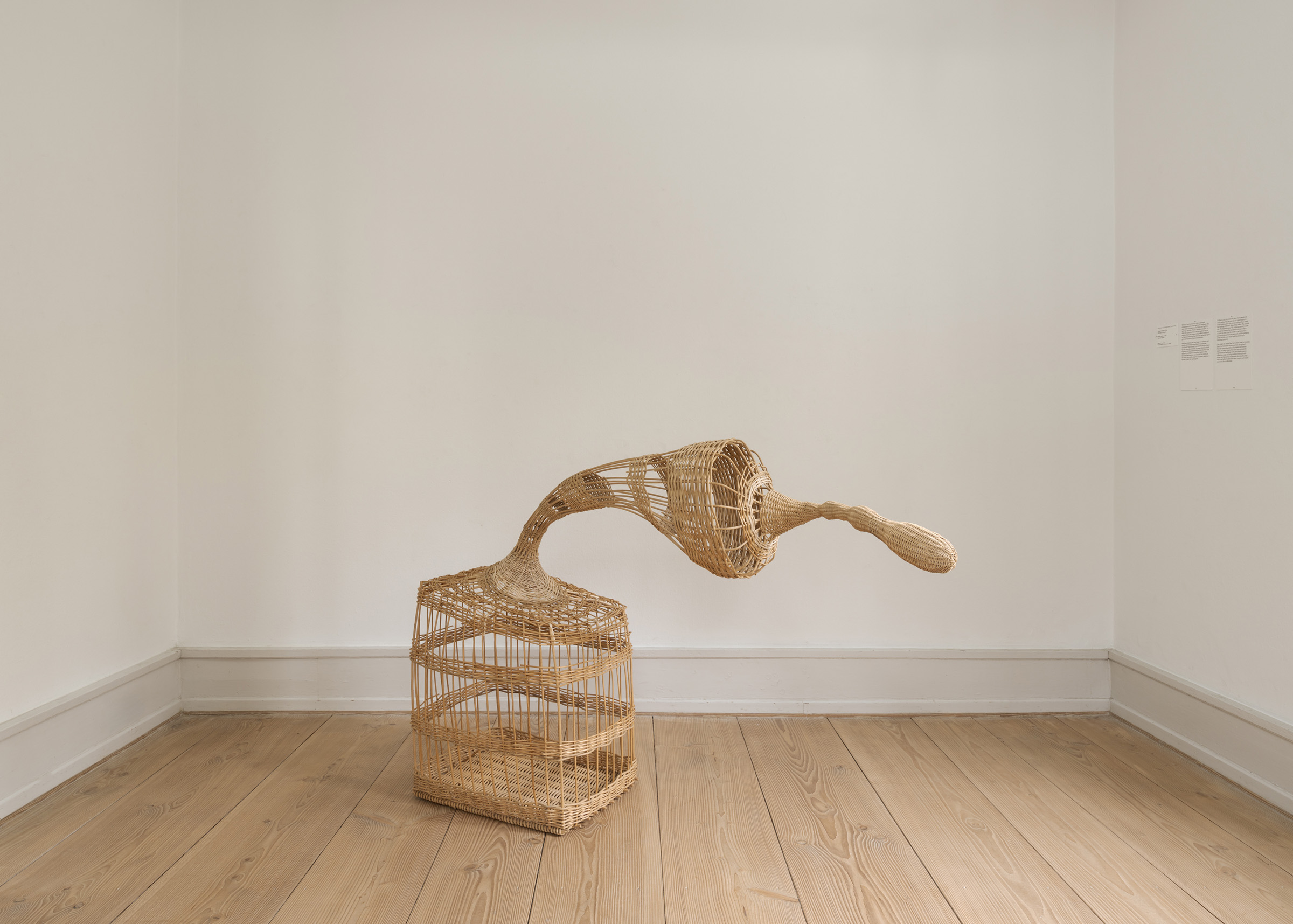
It was also a point for us to showcase a few of the Danish avant-garde artists from the 60’s and 70’s. They were among the first to re-appropriate the ancient art of basket-making and use it in a new context – that of fine arts – pointing to the already then emerging climate and biodiversity crises.

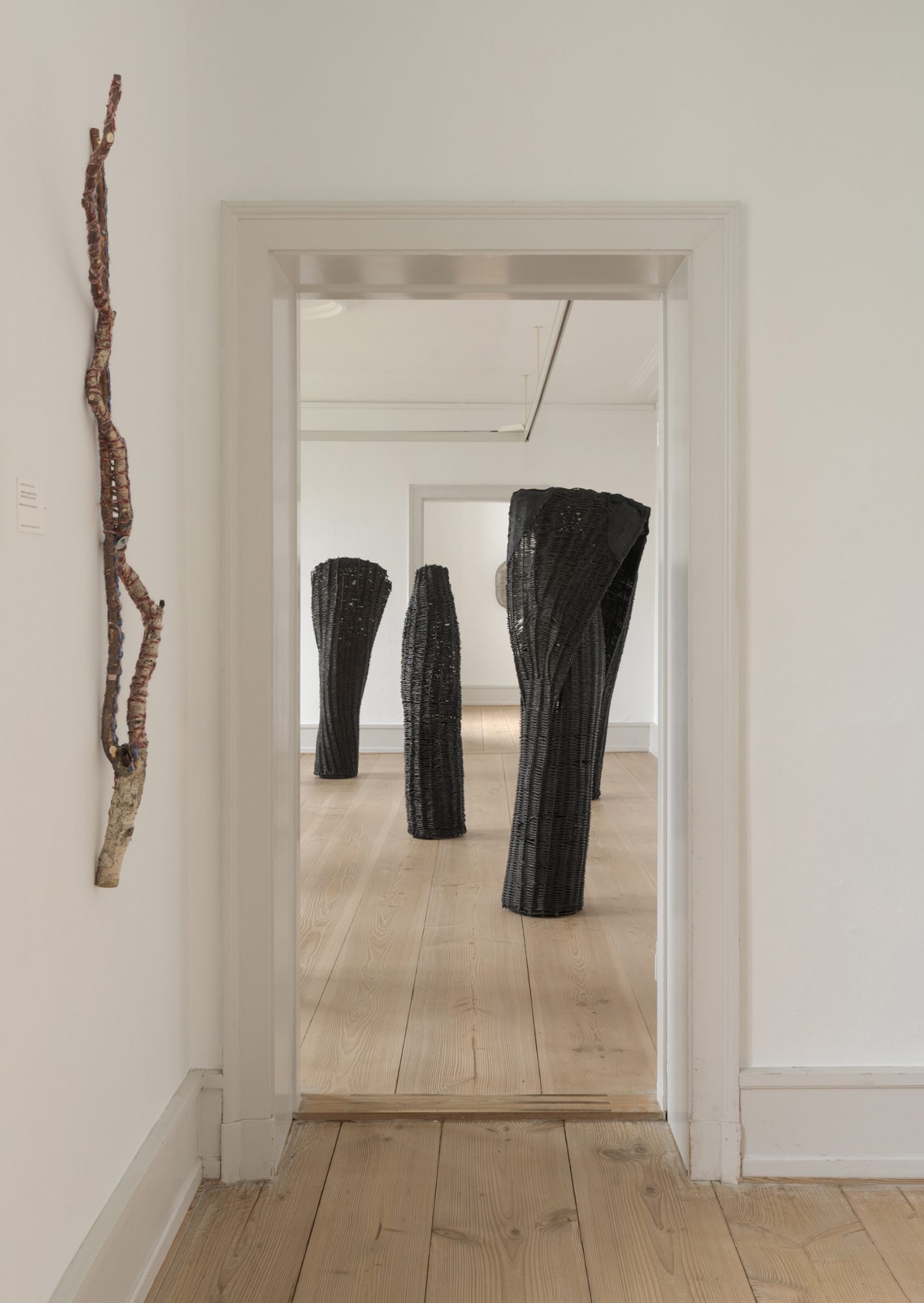
Shown here are the “Willow Monoliths” by Annette Holdensen.

And here “Peddigrørsskulptur” or simply “Rattan Sculpture” by William Louis Sørensen. (1966).

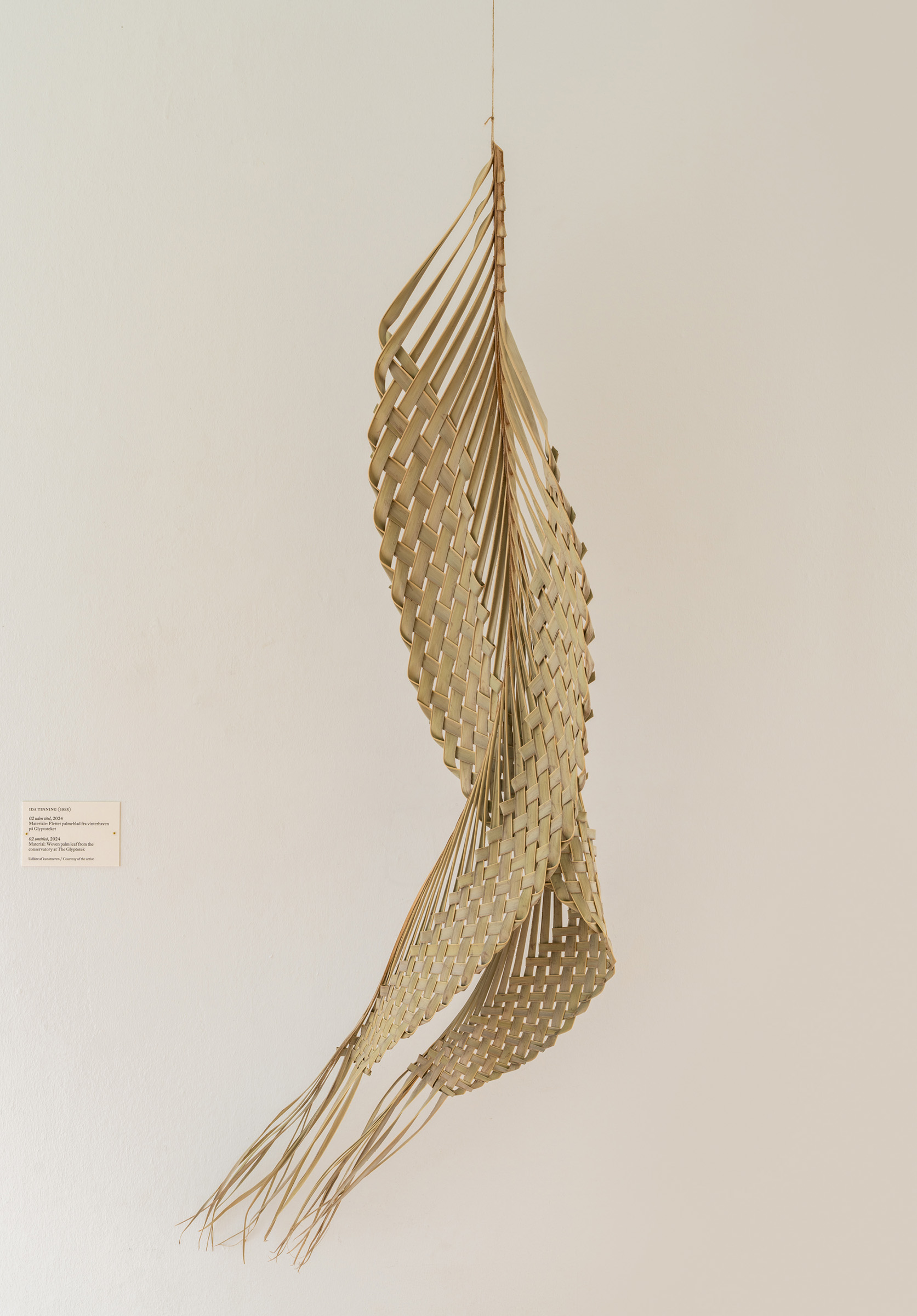
One of the most recent works in the exhibition is the above work by architect Ida Tinning – a palm leaf from The Glyptotek conservatory, woven together as a spatial sculpture – possibly hinting at a future architecture.

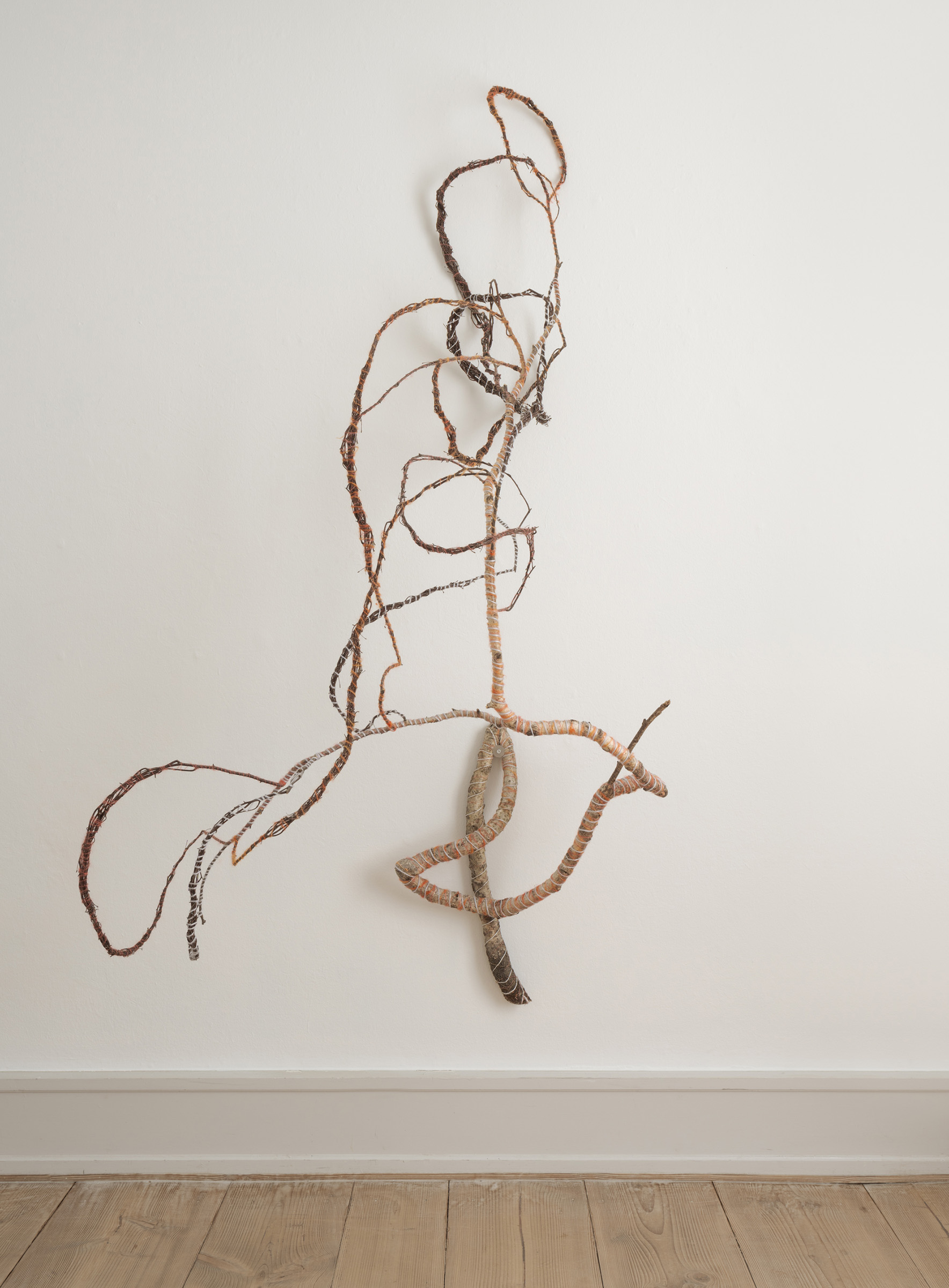
Another one of the less basket-like pieces is the above sculpture by Rasmus Myrup.

As a found object, it uses a well-known trope in art; here we have a particularly sculptural branch, found and brought home from the forest, adorned and processed back in the artist’s studio. It may not be a functional basket, but when does the branch, the willow, or the fiber actually become a basket?

The exhibition period was April 11 – August 25 of 2024.

Participating artists:

ARKO (1978)
Emma Bruschi (1995)
Ditte Gantriis (1980)
Joe Hogan (1953)
Annette Holdensen (1934-2023)
Steen H. Madsen
Sara Martinsen (1979)
Rasmus Myrup (1991)
Deborah Needleman (1963)
William Louis Sørensen (1942-2005)
Young-Jun Tak (1989)
Kazuhito Takadoi (1972)
Ida Tinning (1985)

All photos by David Stjernholm.

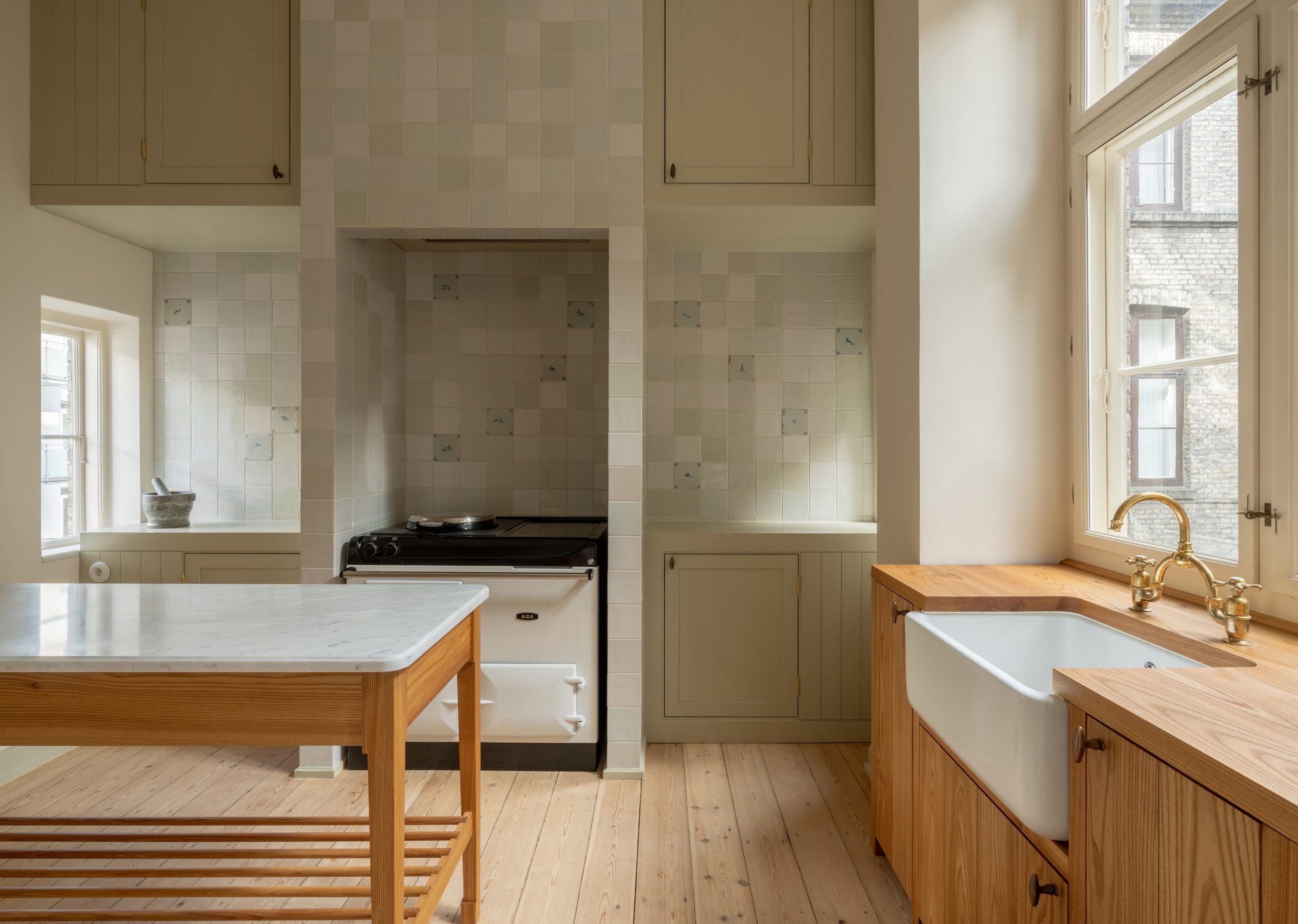
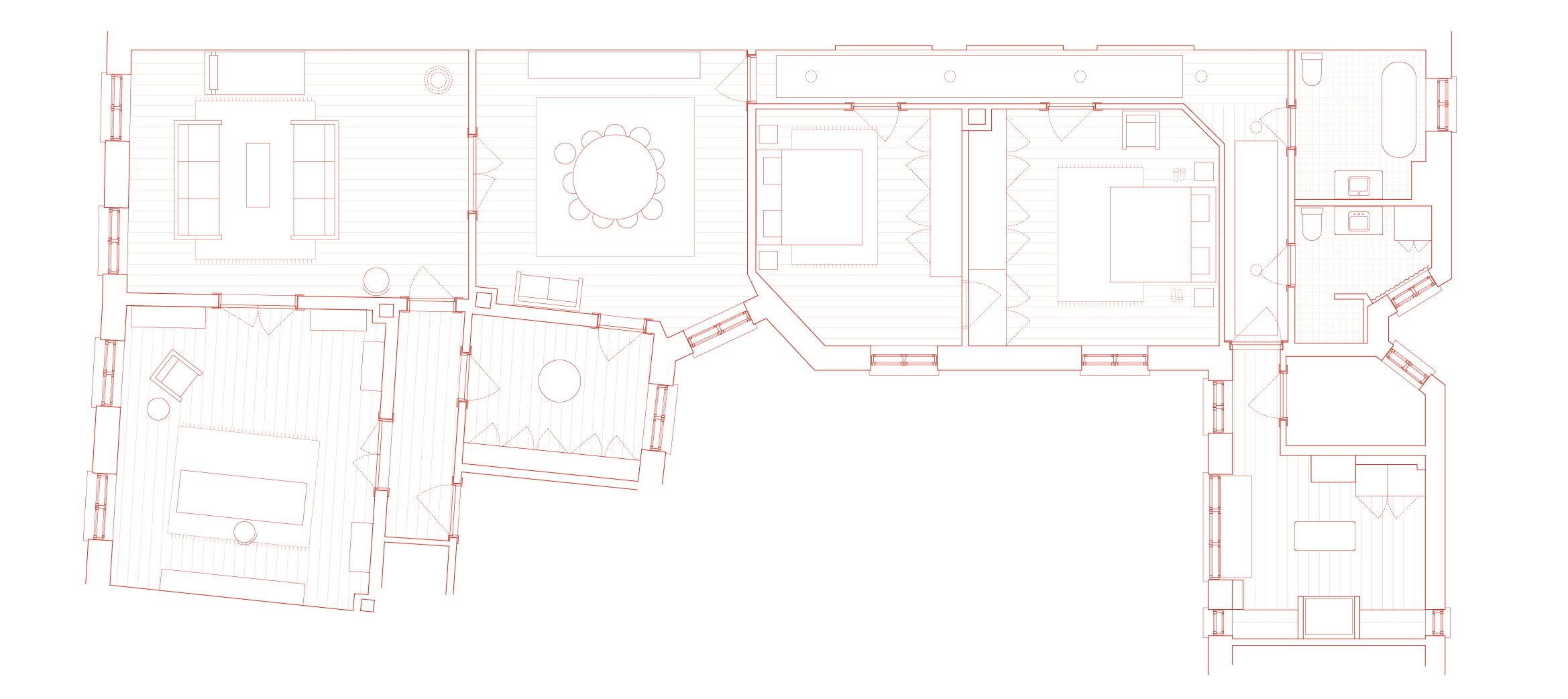
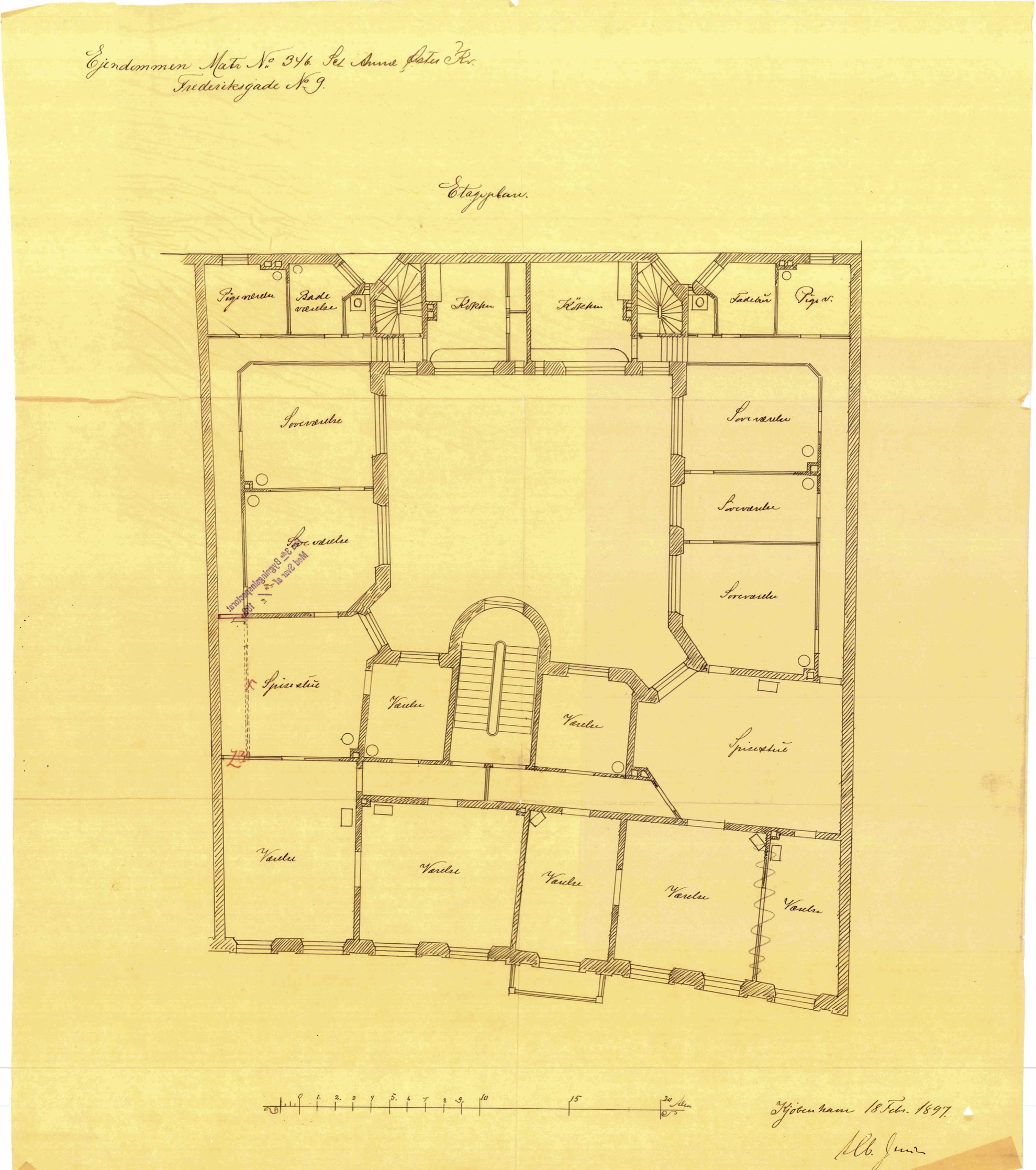
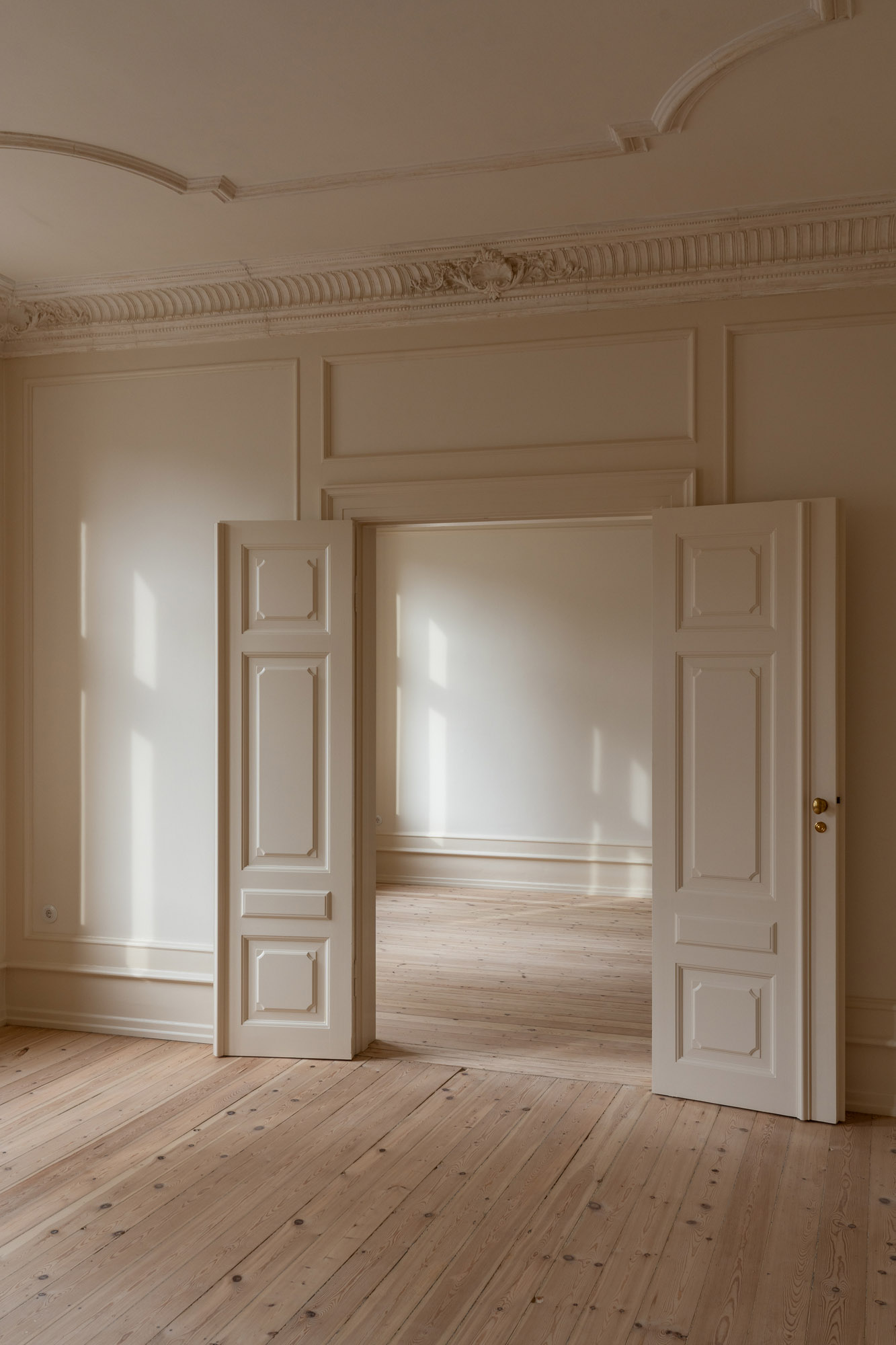
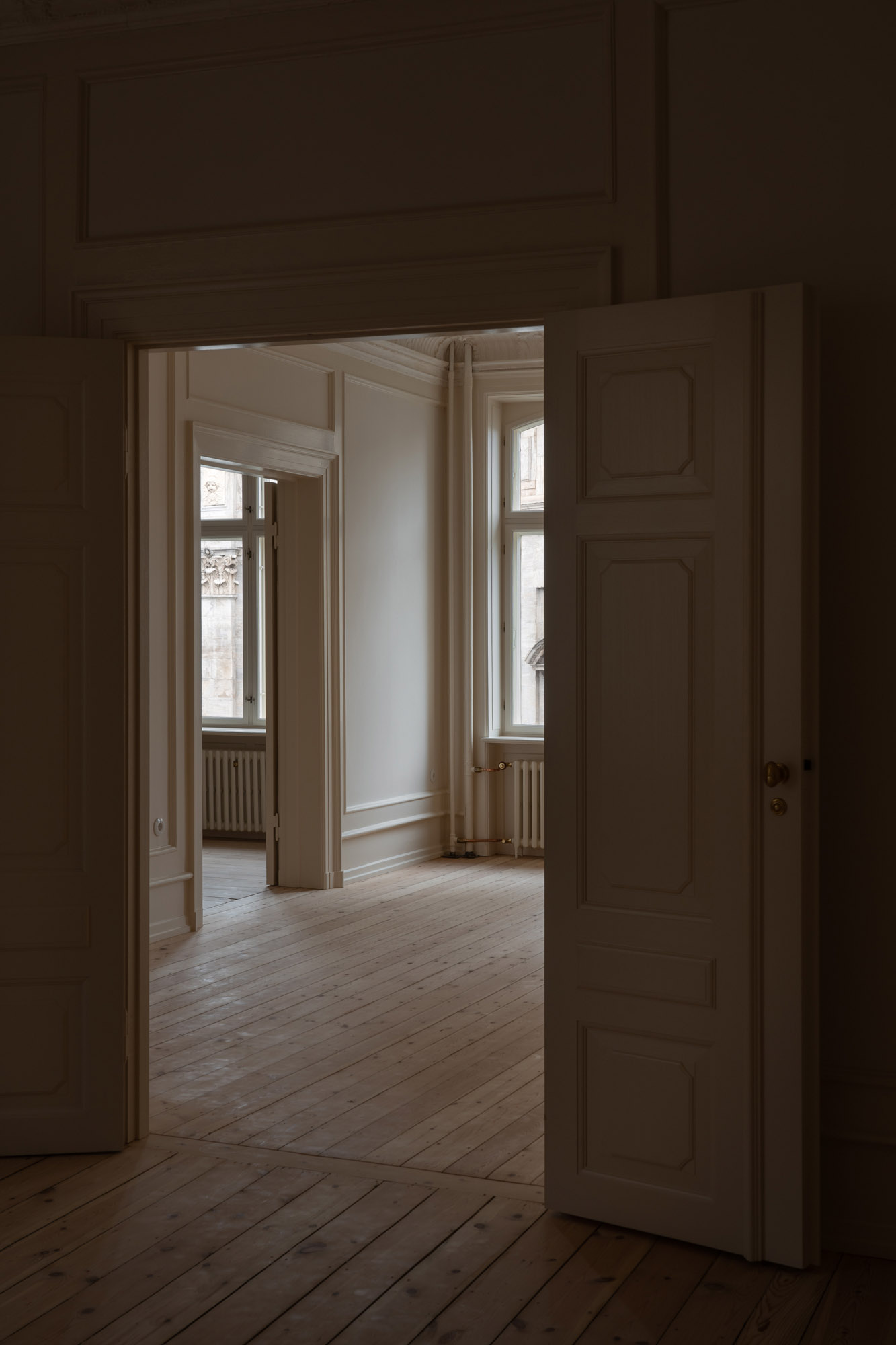
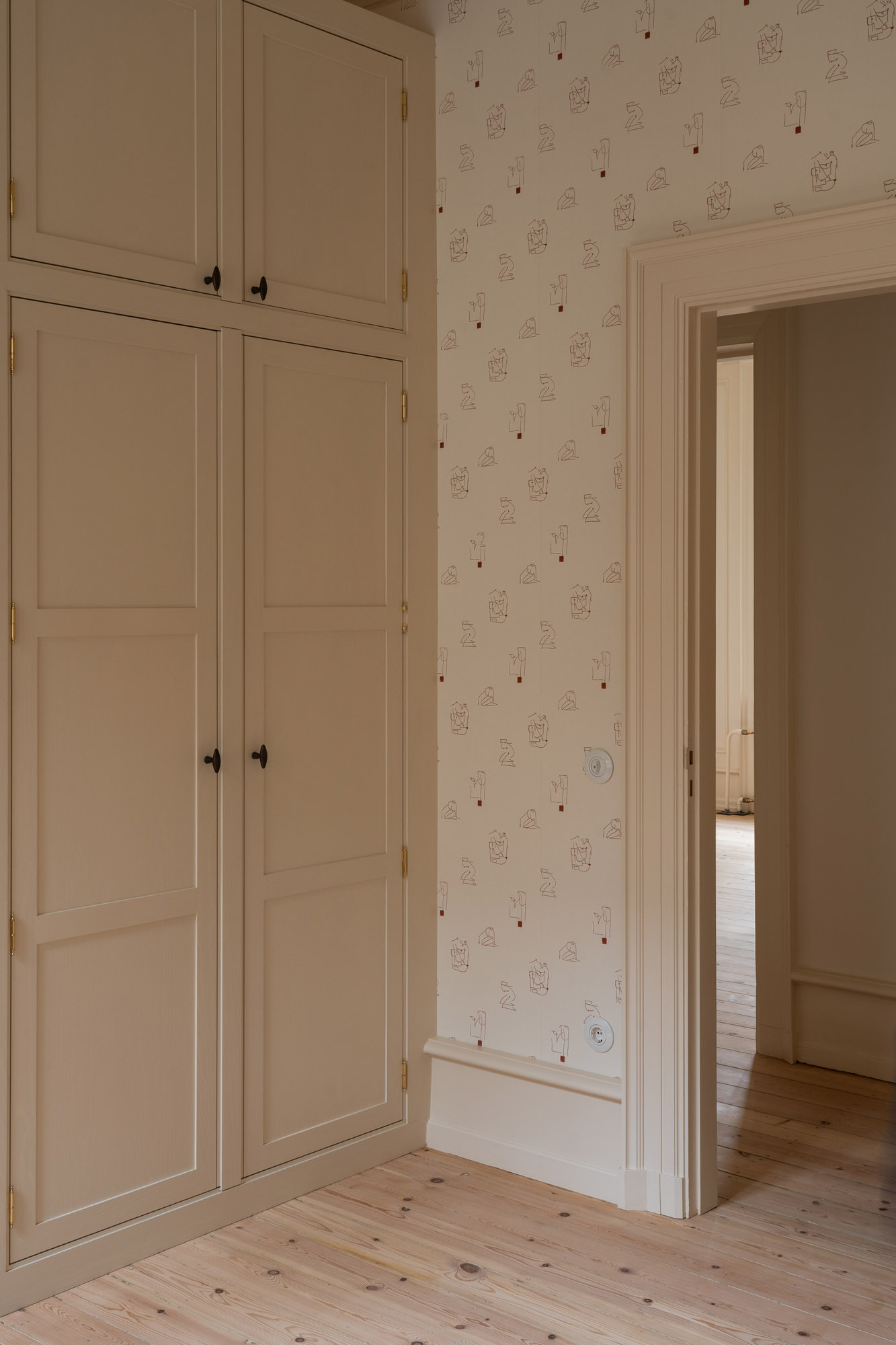
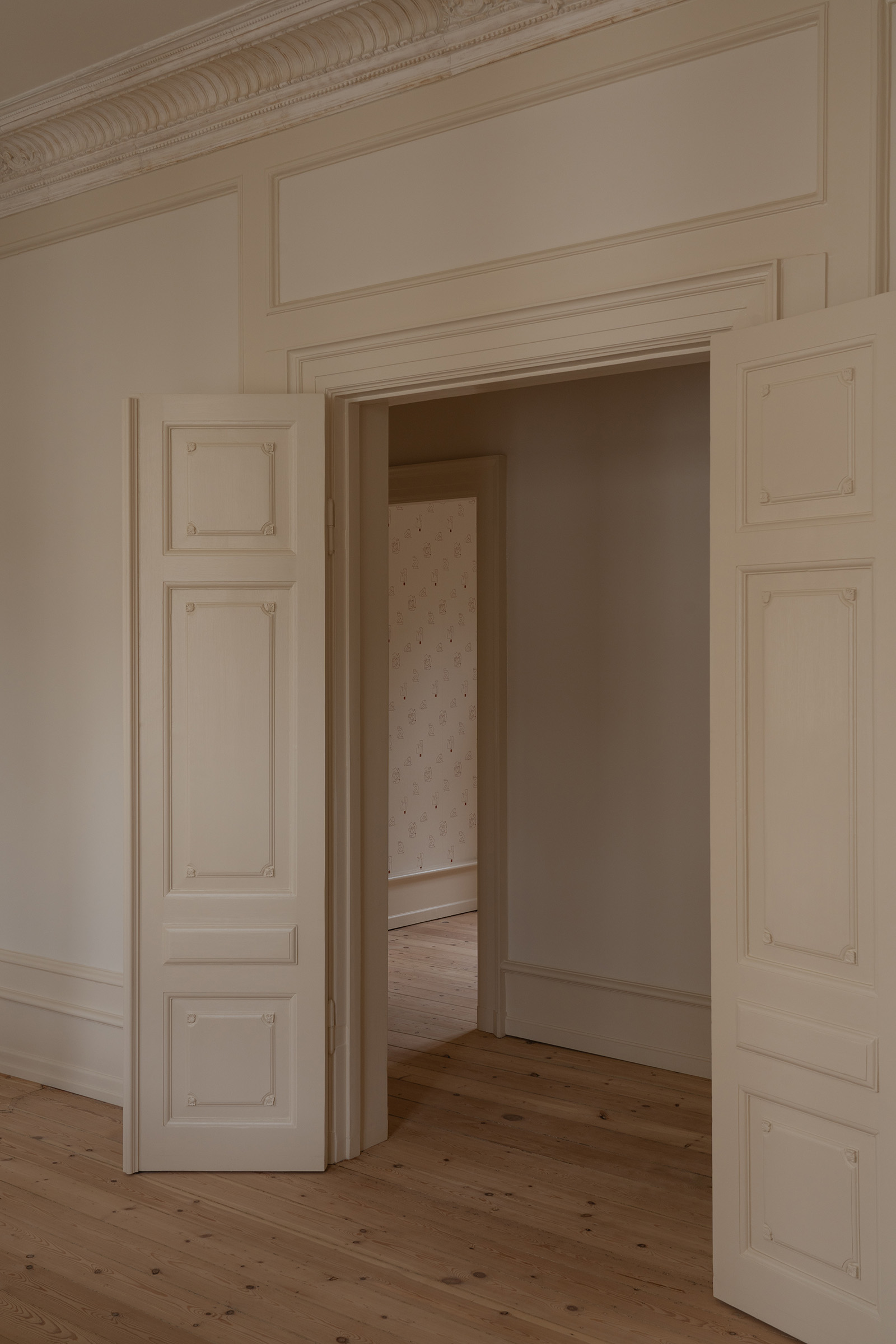
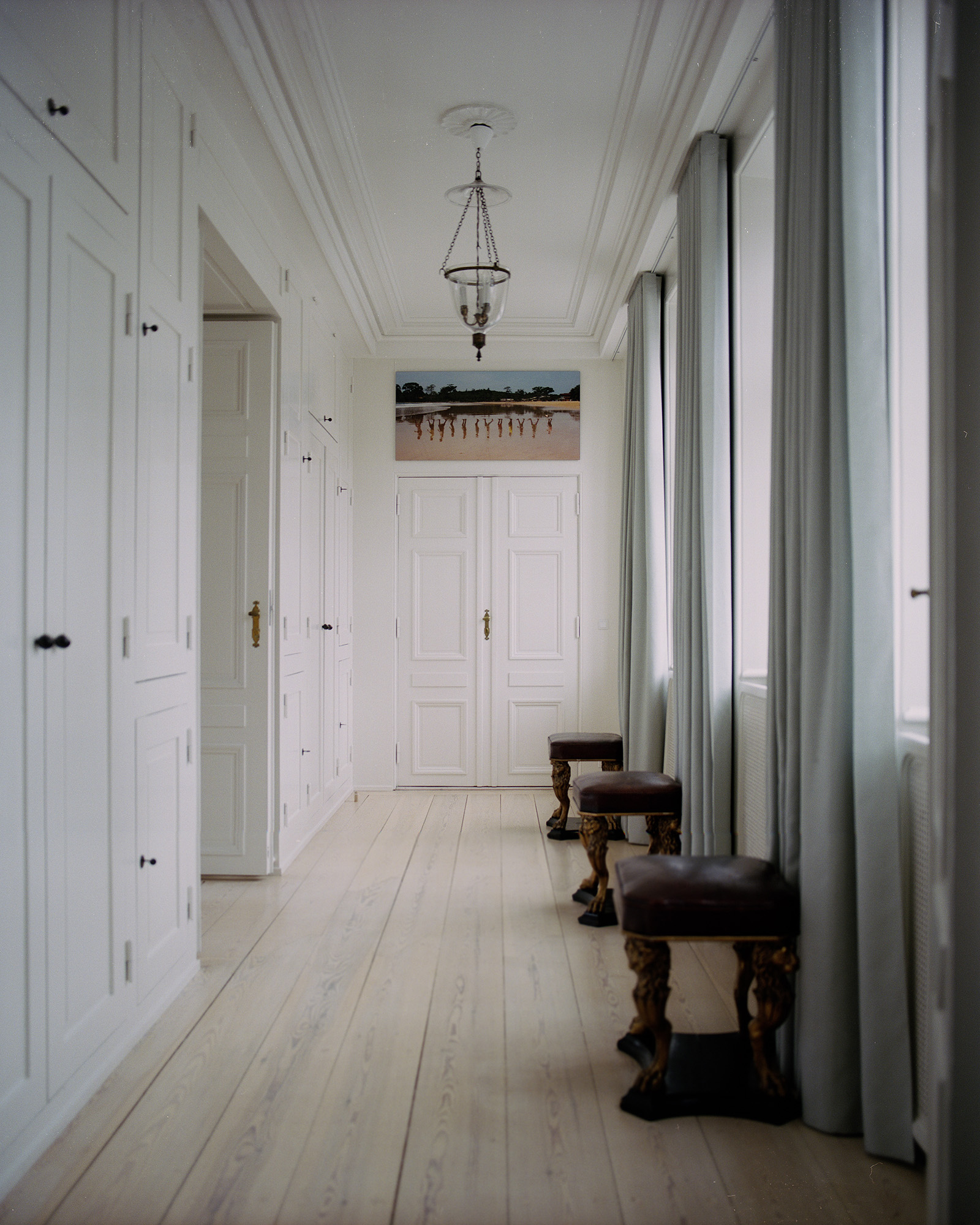
Restoration and renovation of a listed apartment in the center of Copenhagen.

The building is part of a larger scheme developed by renowned historicist architect Ferdinand Meldahl in the late 19th Century.

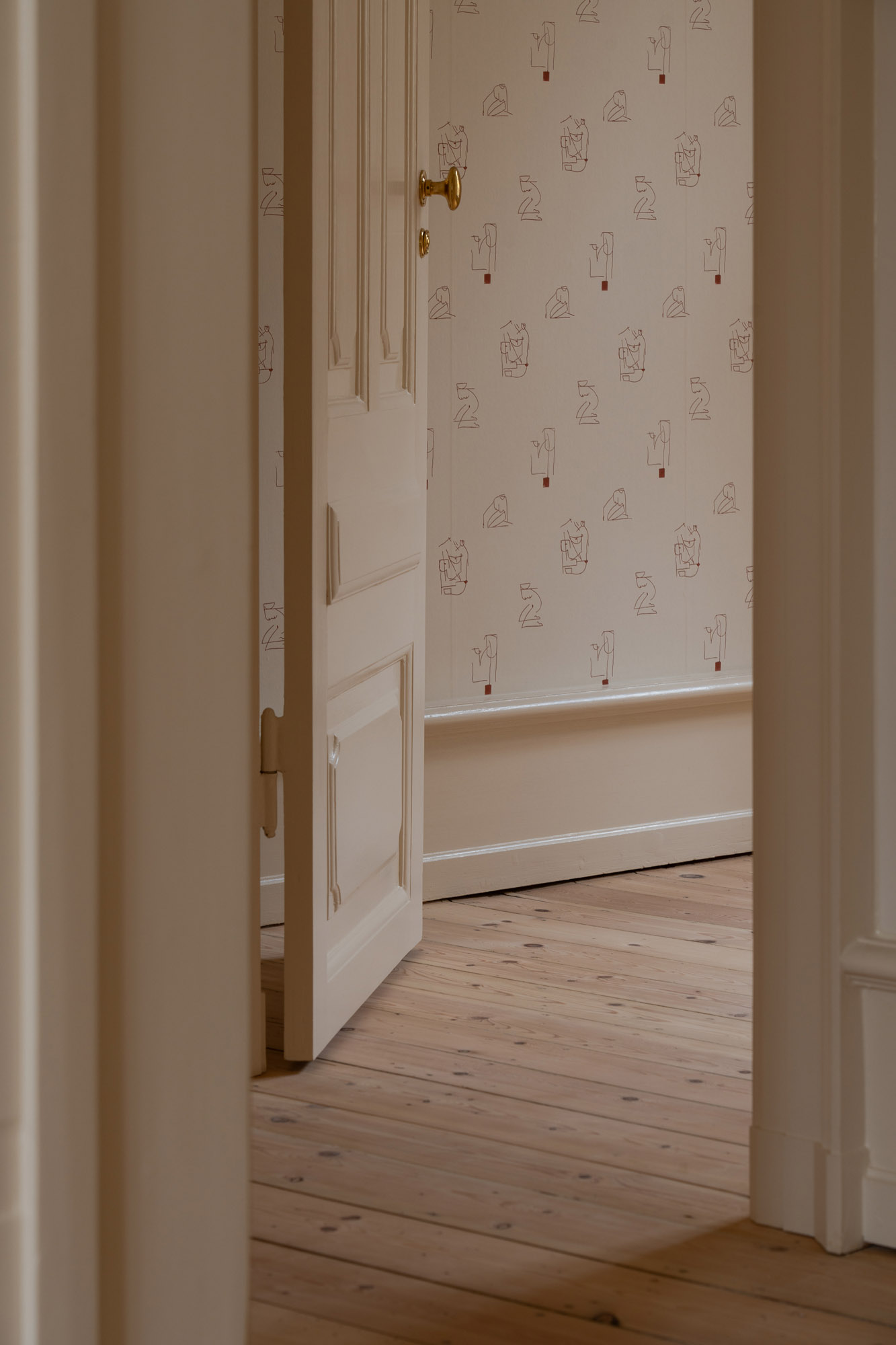
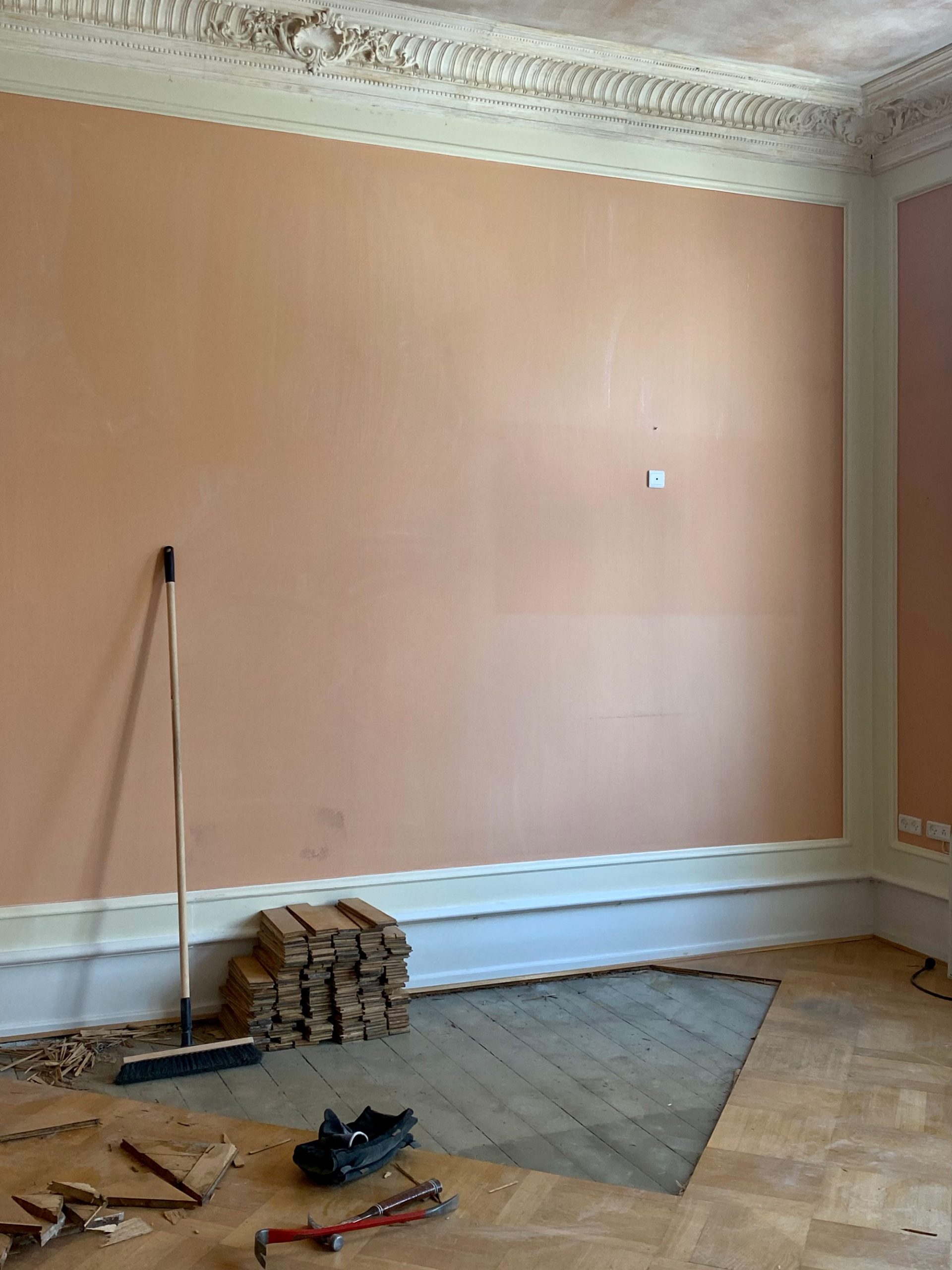
The last time the apartment had been redone was in the 1990s, with a lot of design choices typical of that era. The wish of the client was to bring back the original 1870s charm of the place. Luckily a lot of it was still there, only buried beneath the newer layers – such as the original plank floors that we discovered underneath a 90s parquet flooring.

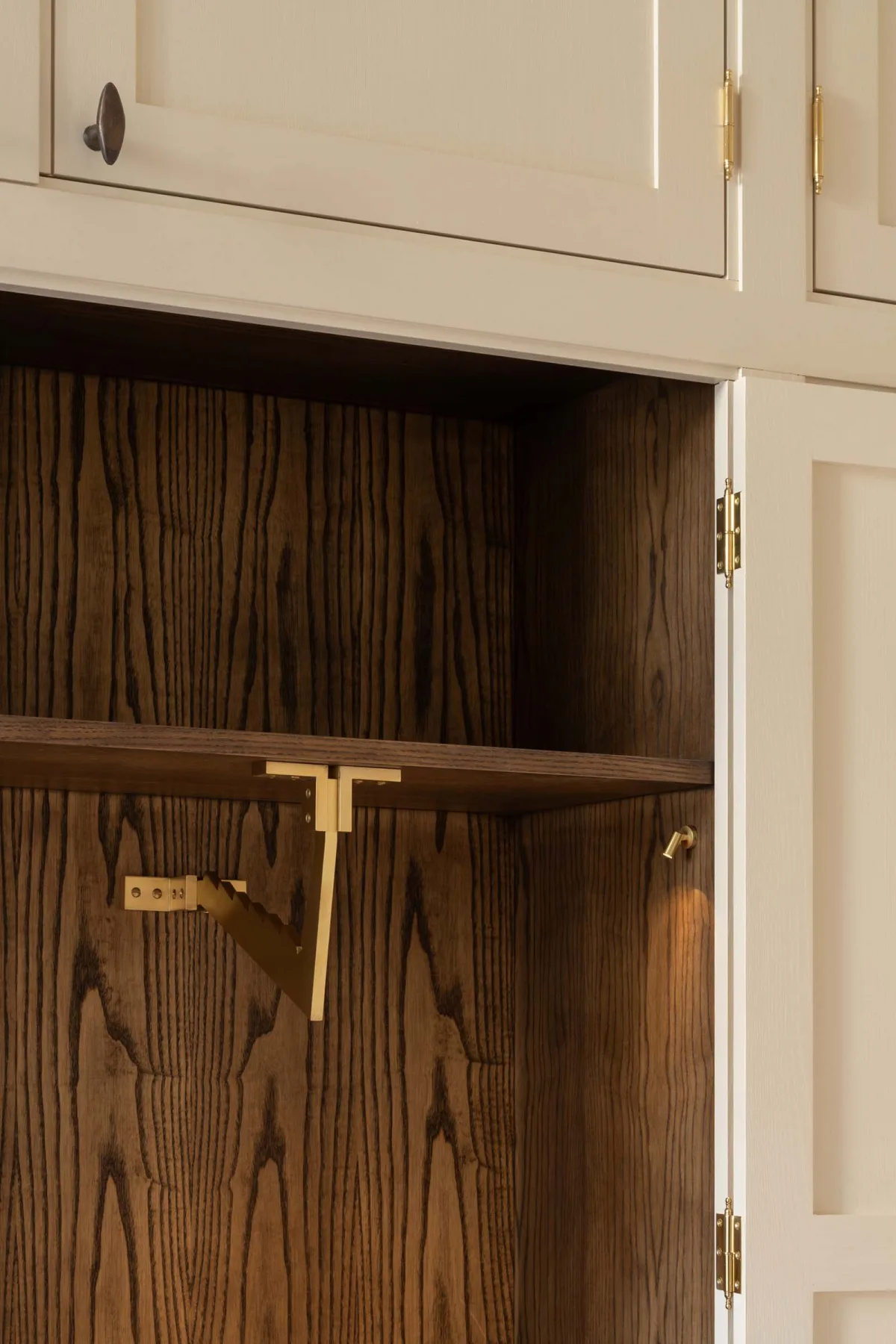
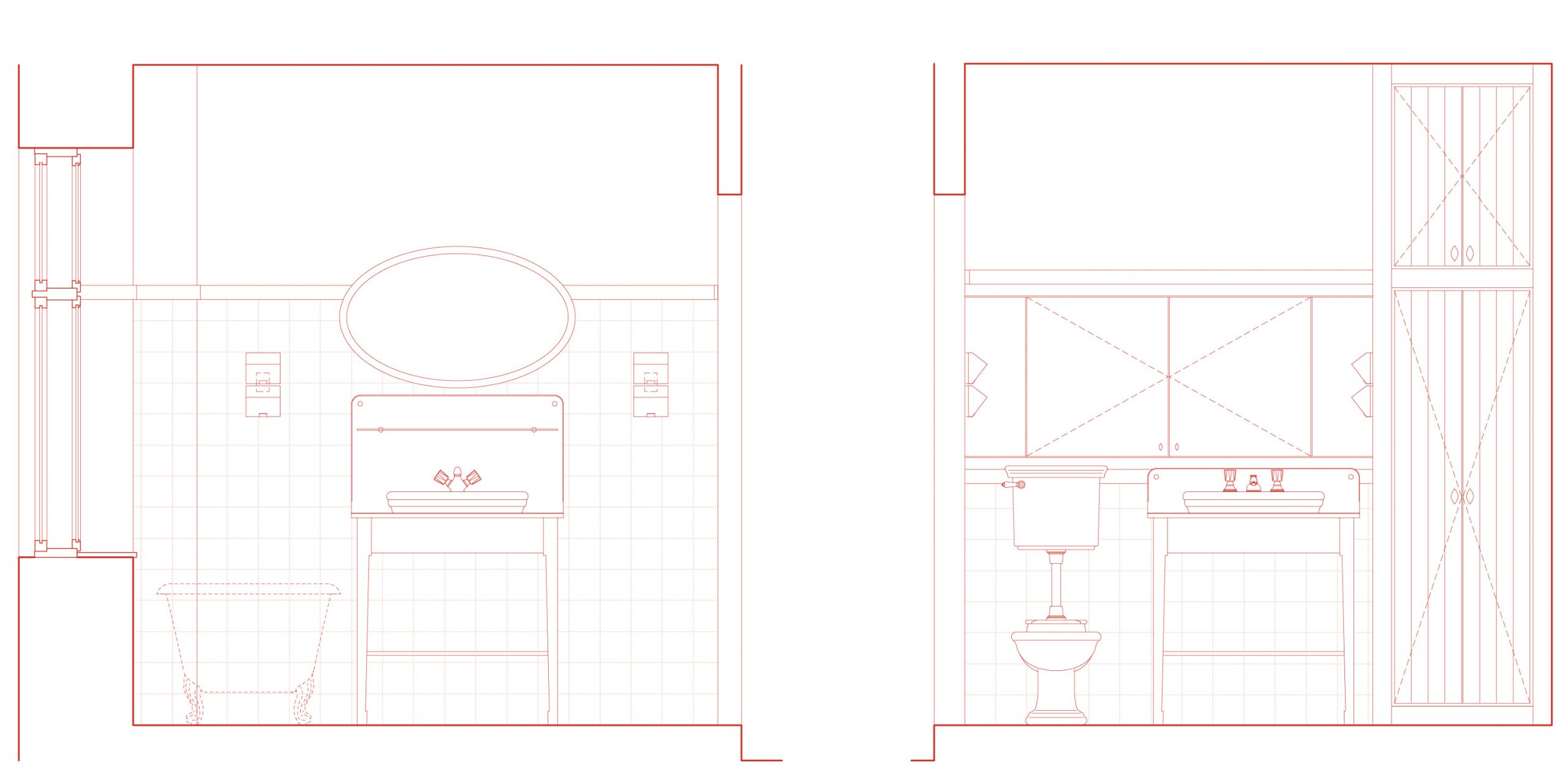
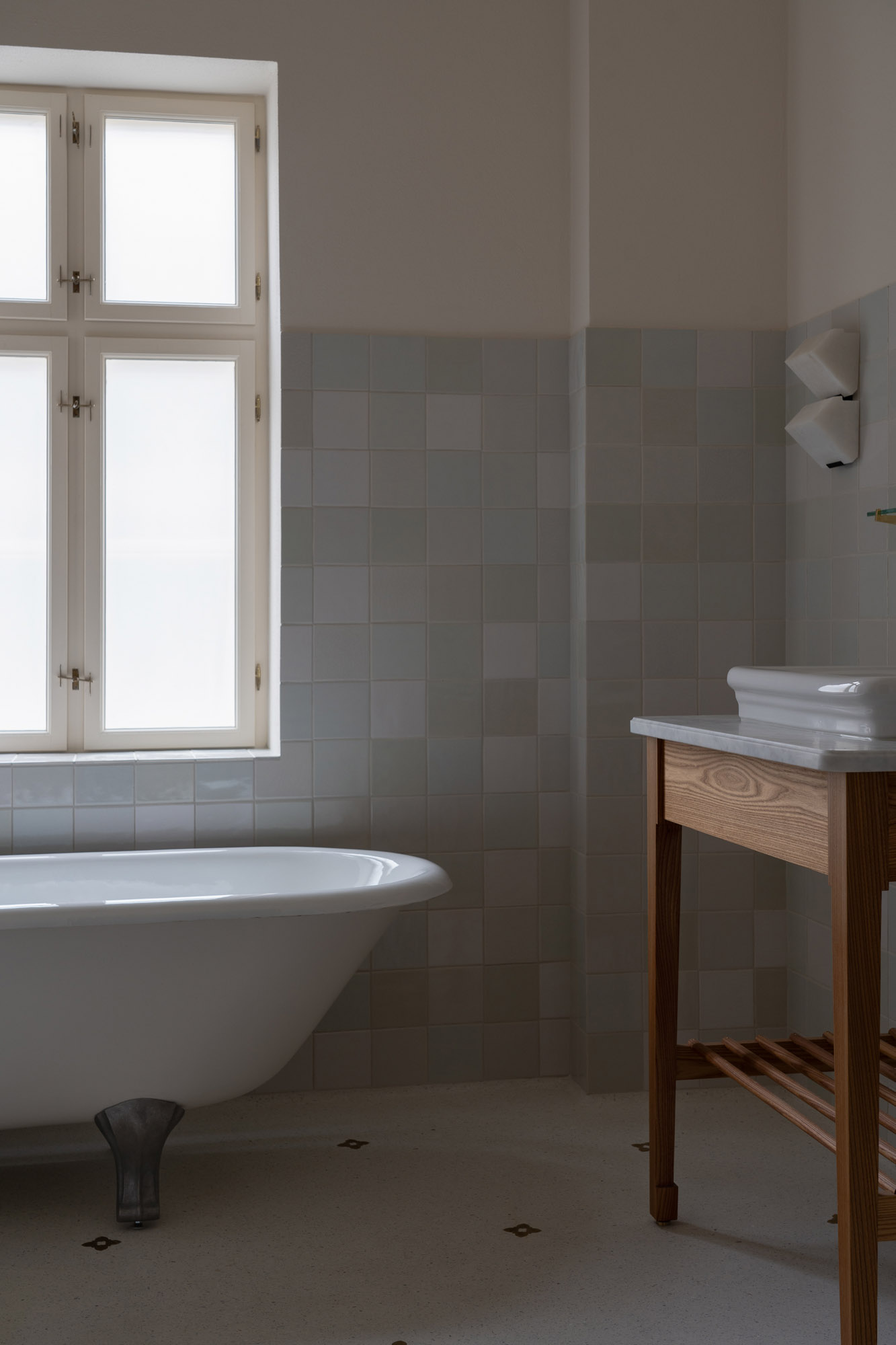
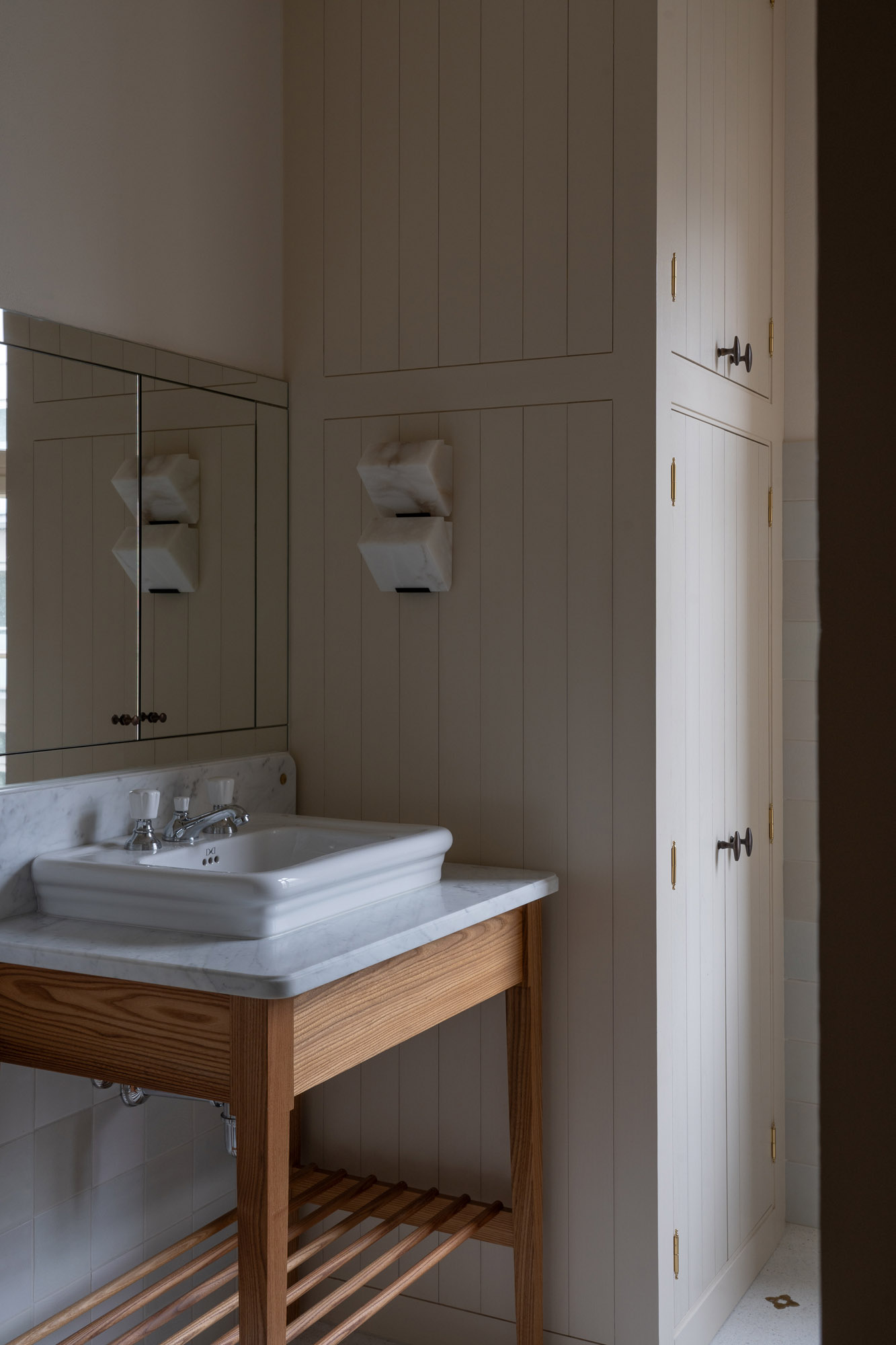
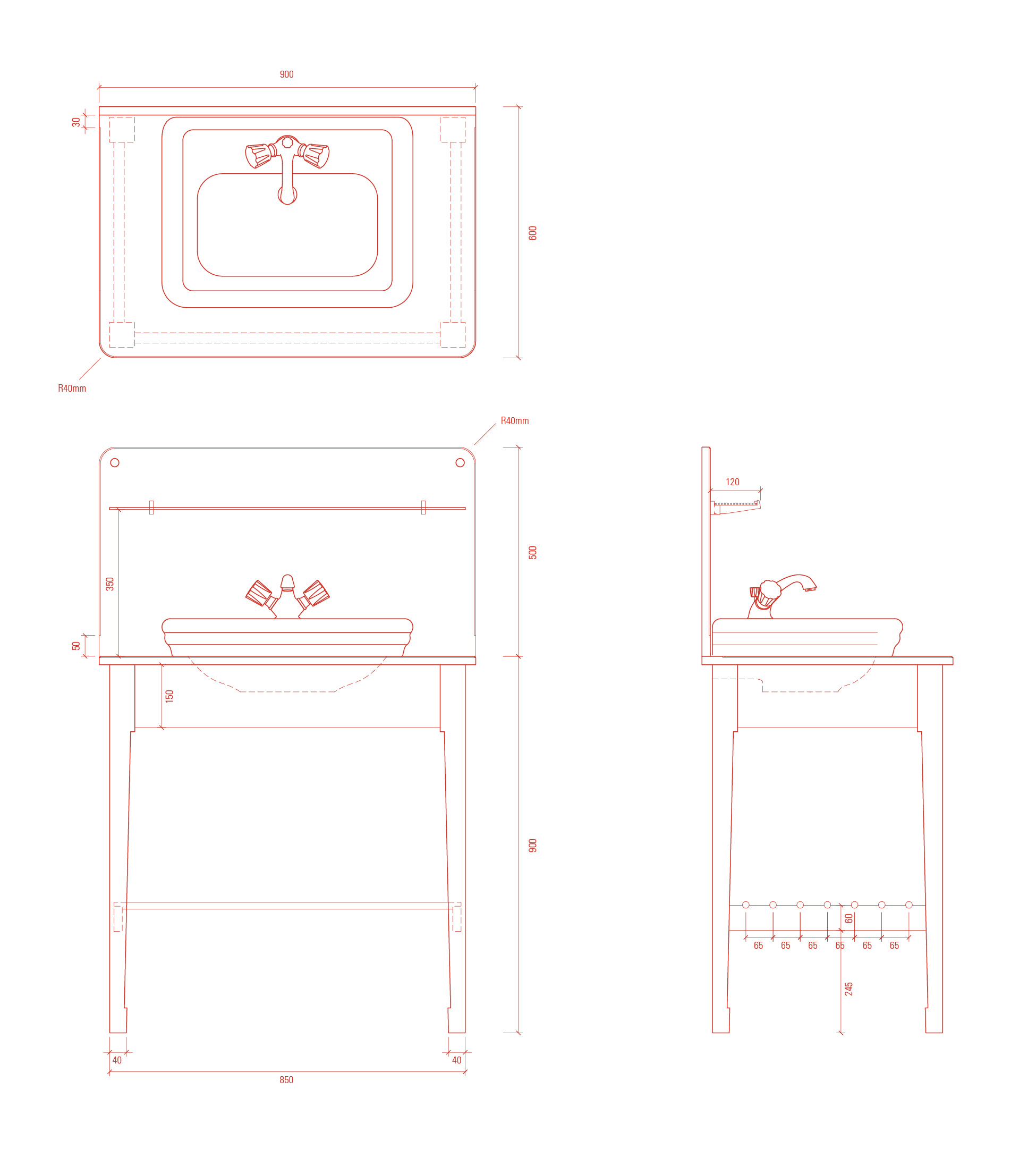
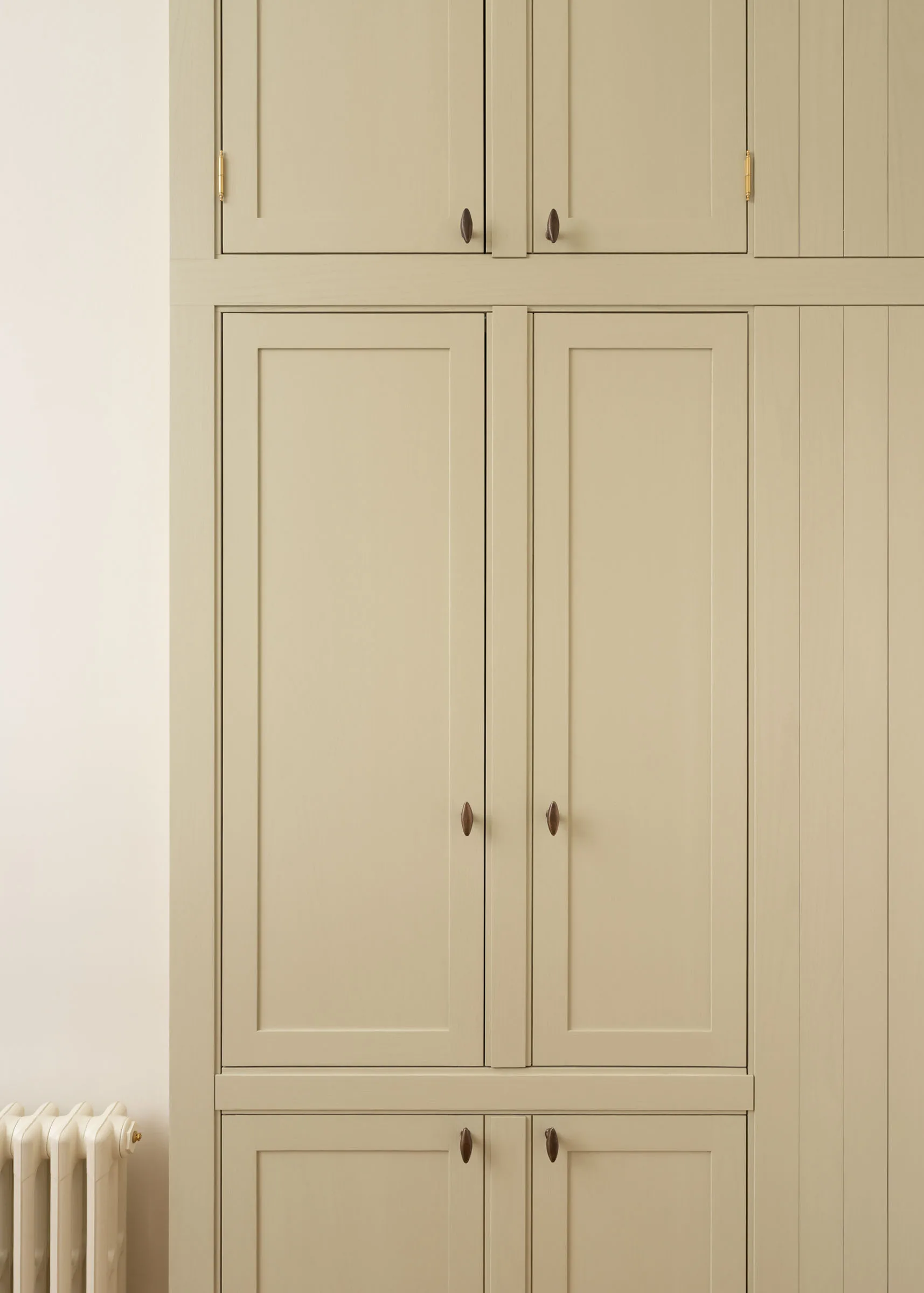
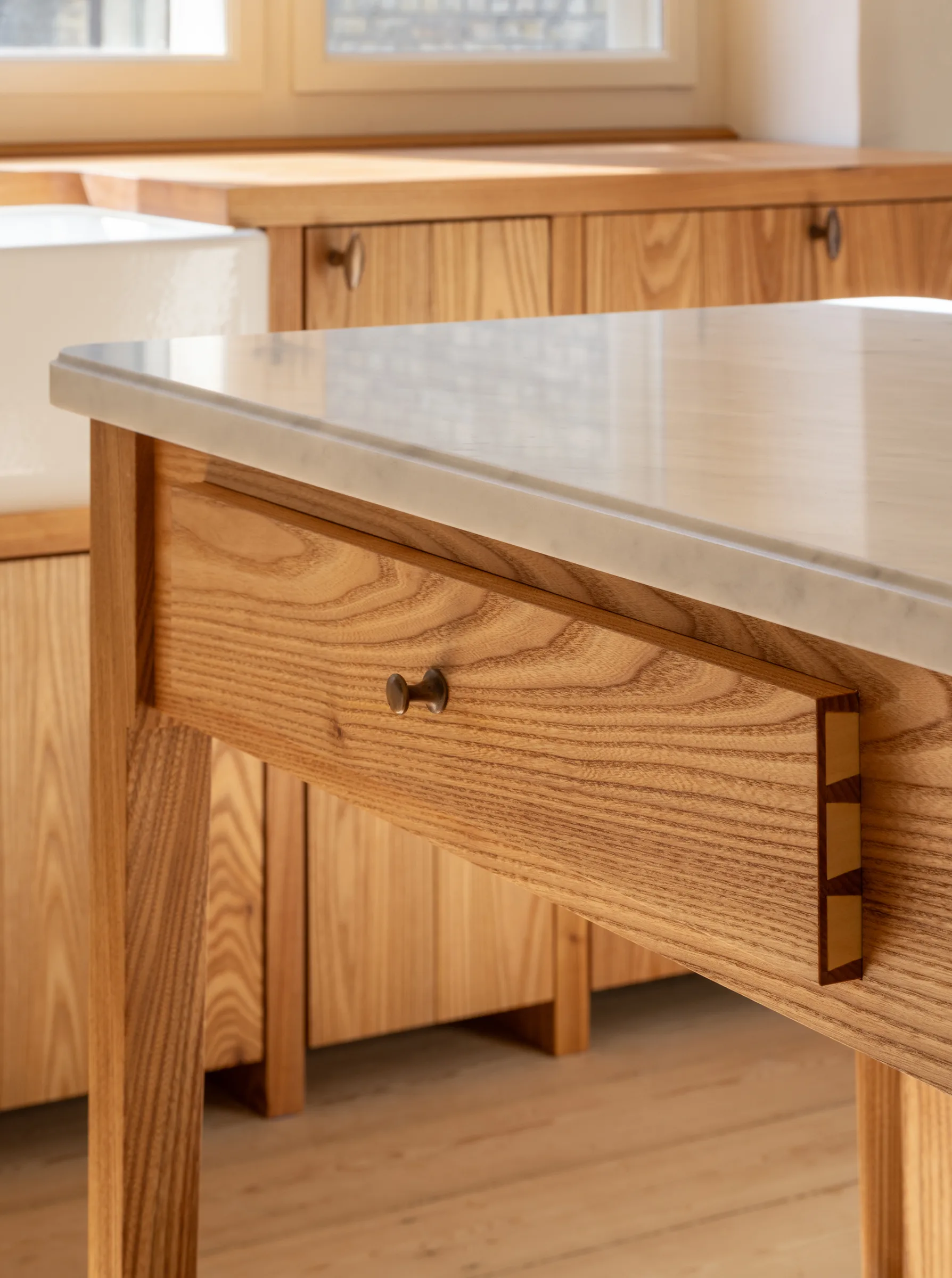
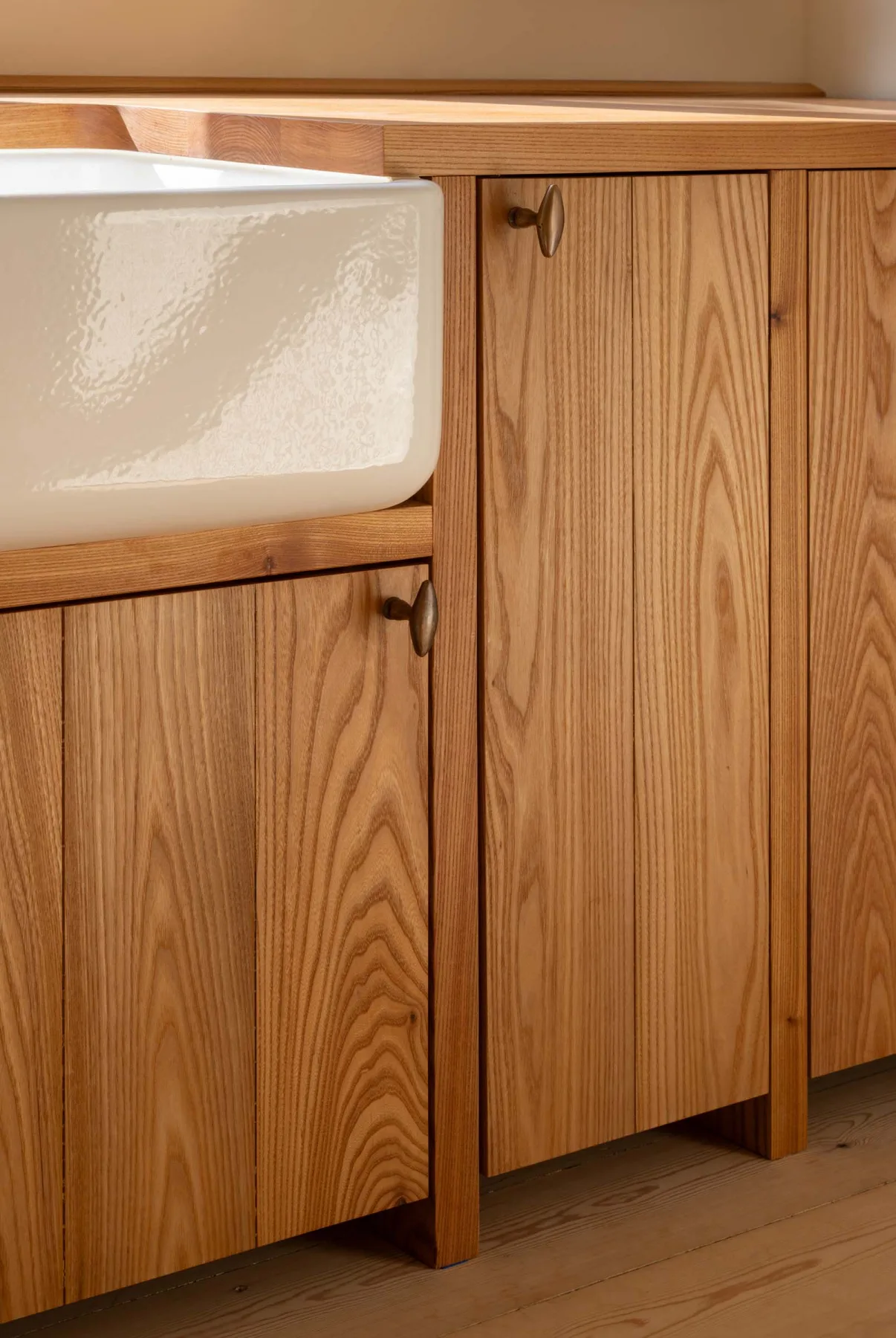
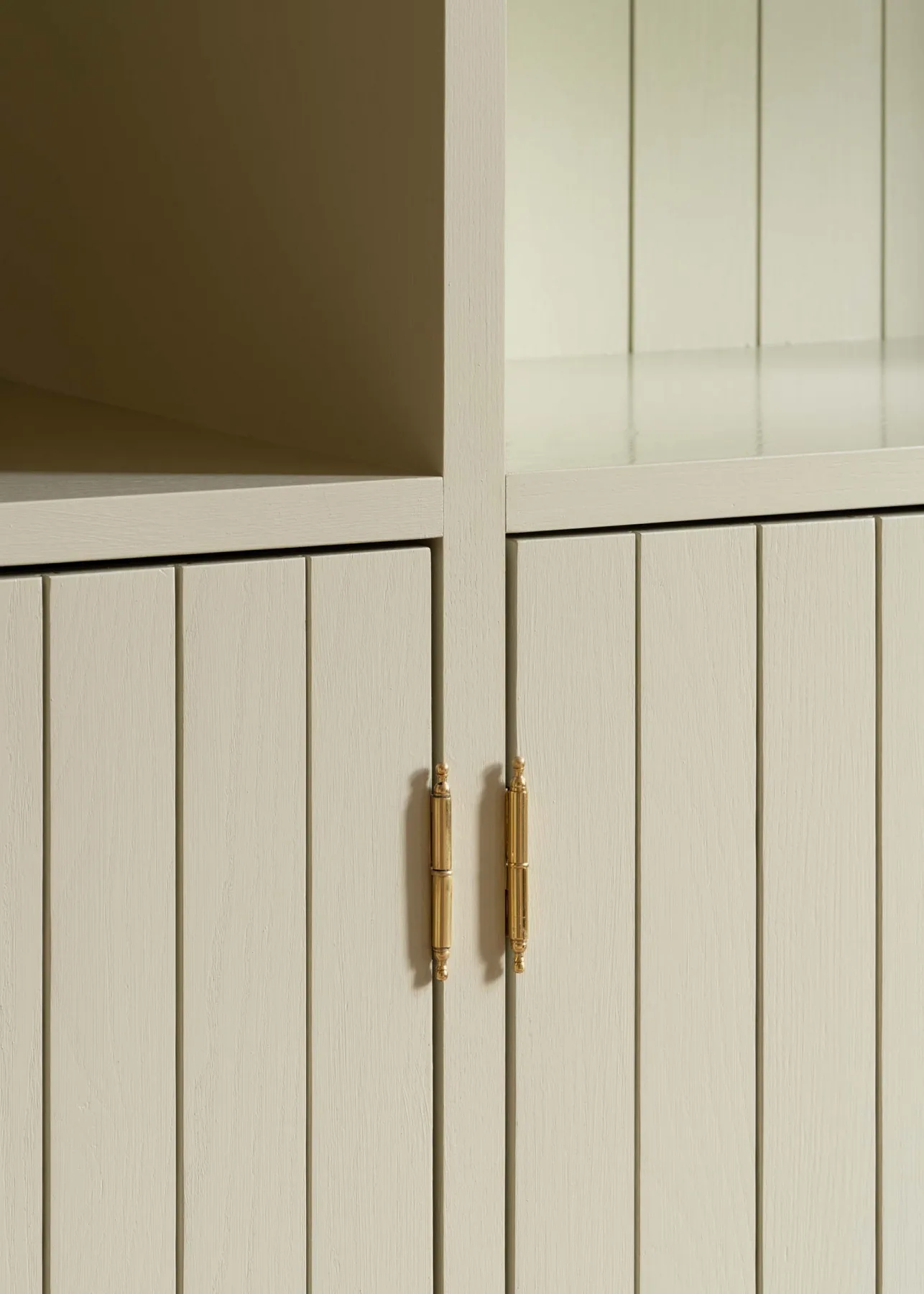
A lot of bespoke details were designed by us for the place, such as brass and bronze hardware for the cabinets, and kitchen and bathroom furniture.

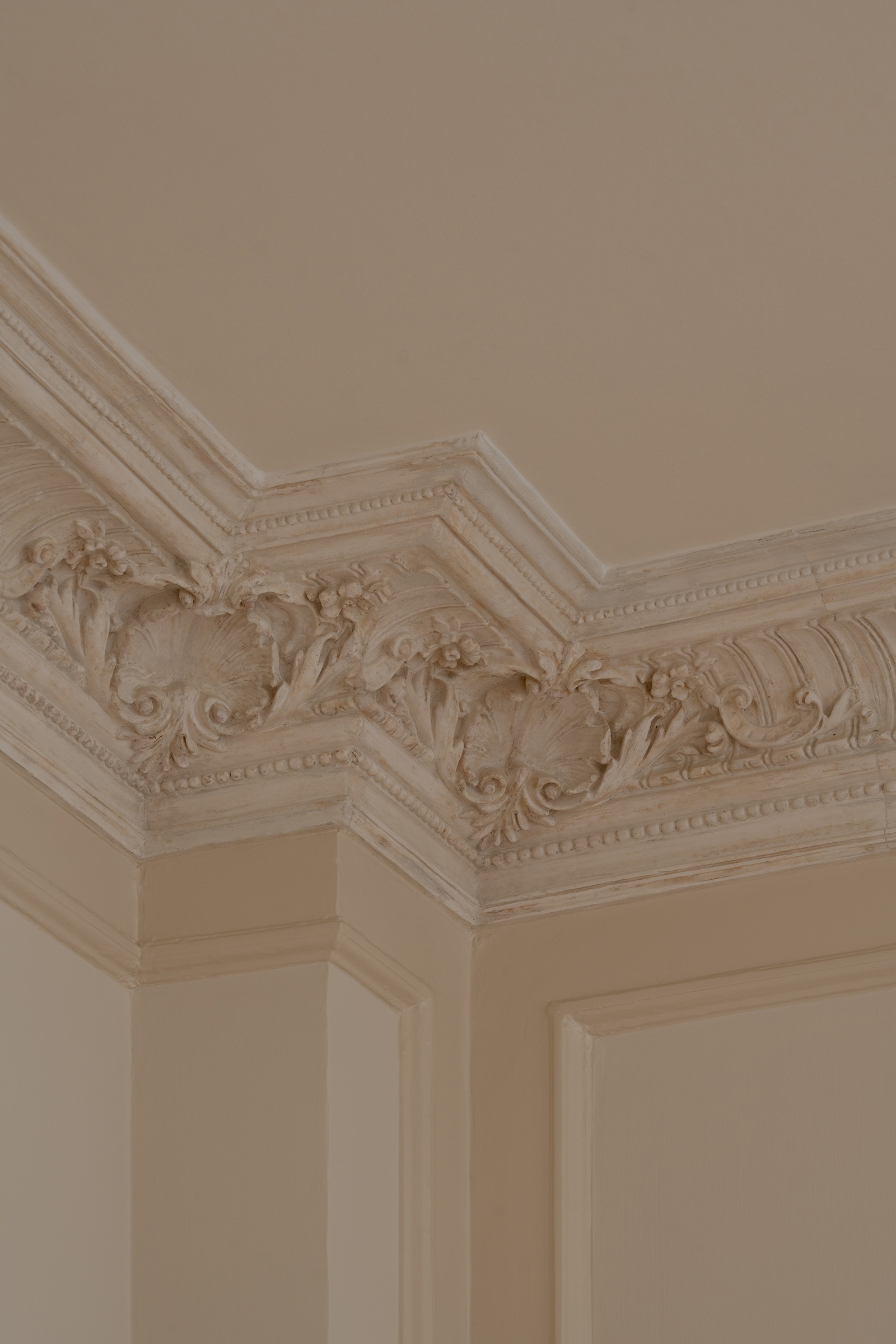
As part of the restoration all the plasterwork details were stripped of 150 years worth of paint coats and left unpainted.

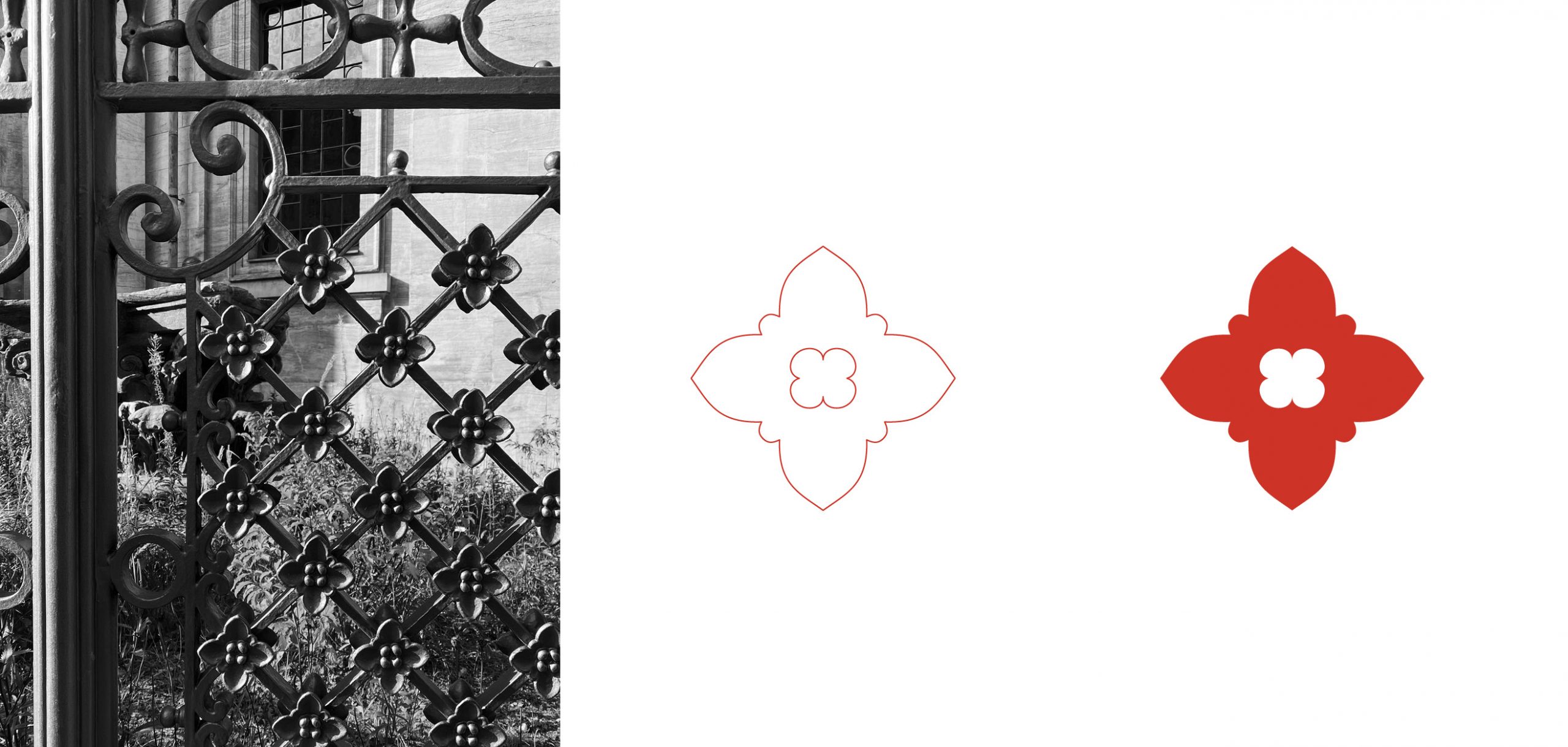
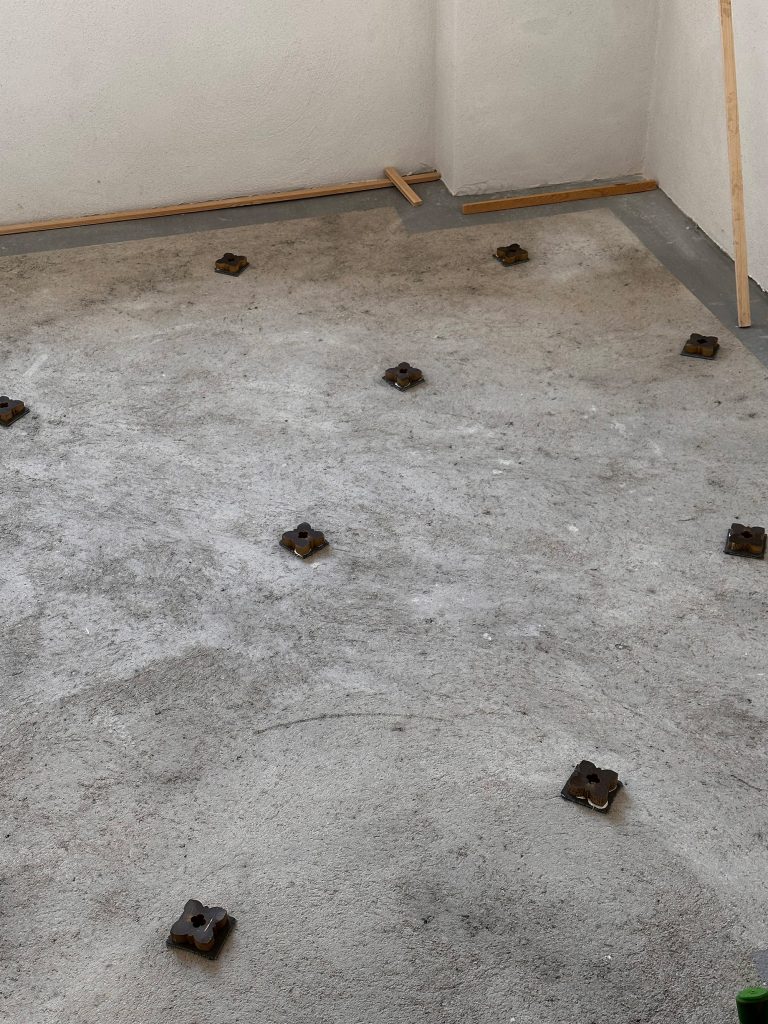
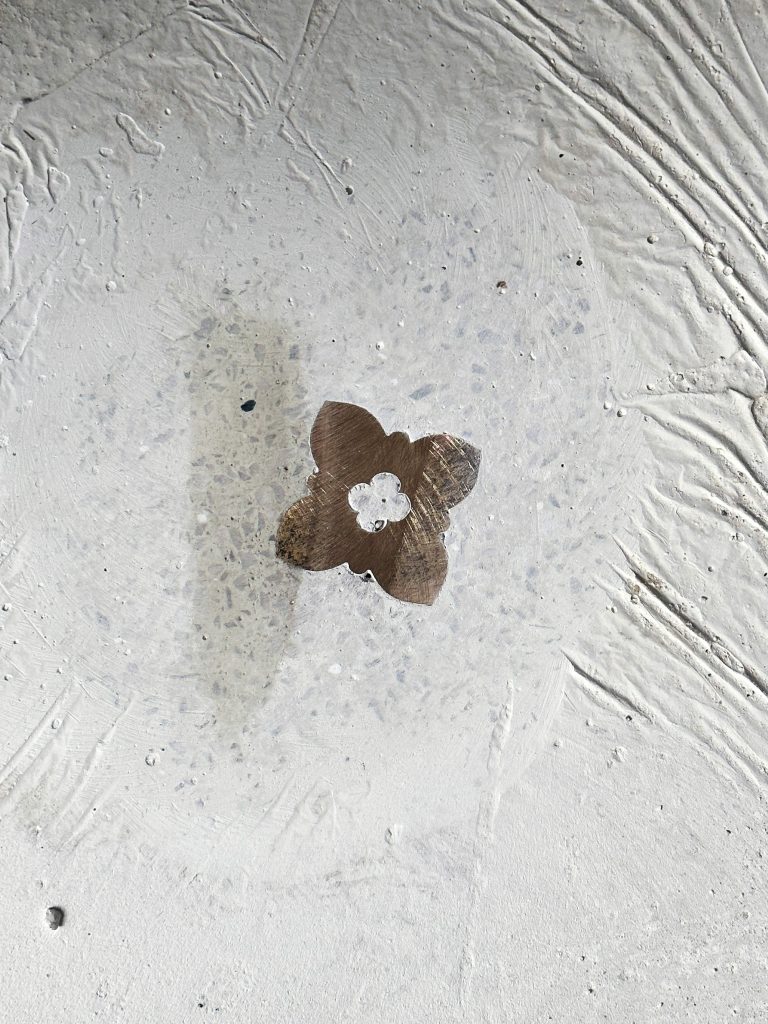
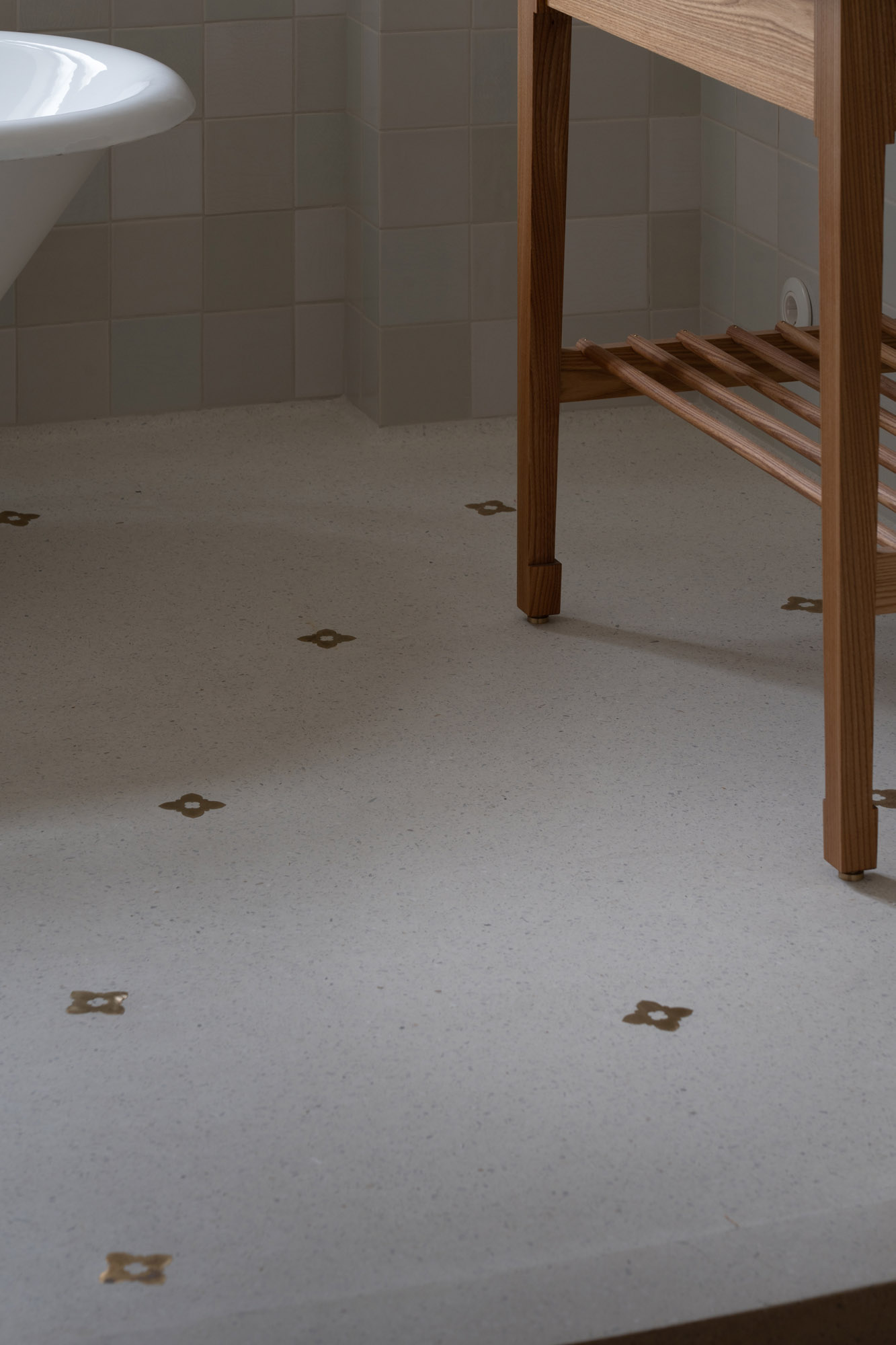
For the bathroom floors we did a pattern of intarsia brass ornaments, based on an ornament found in the fence around the neighboring Marble Church, also designed by Meldahl.

The finished bathrooms are a mix of terrazzo, ceramic, Carrara marble, elm and brass.

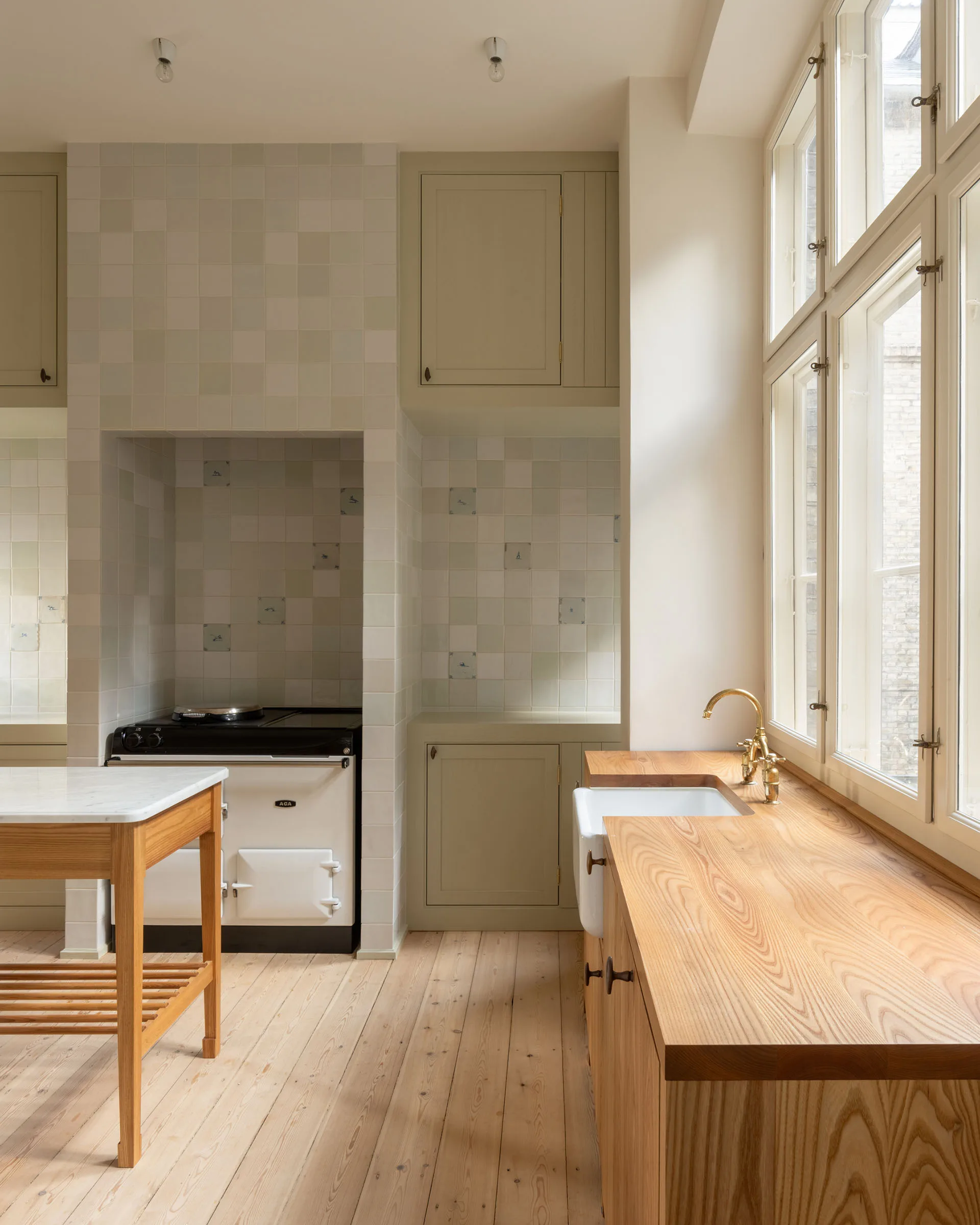
Furniture was built in European elm, and kitchen and other cabinetry in Danish ash wood.

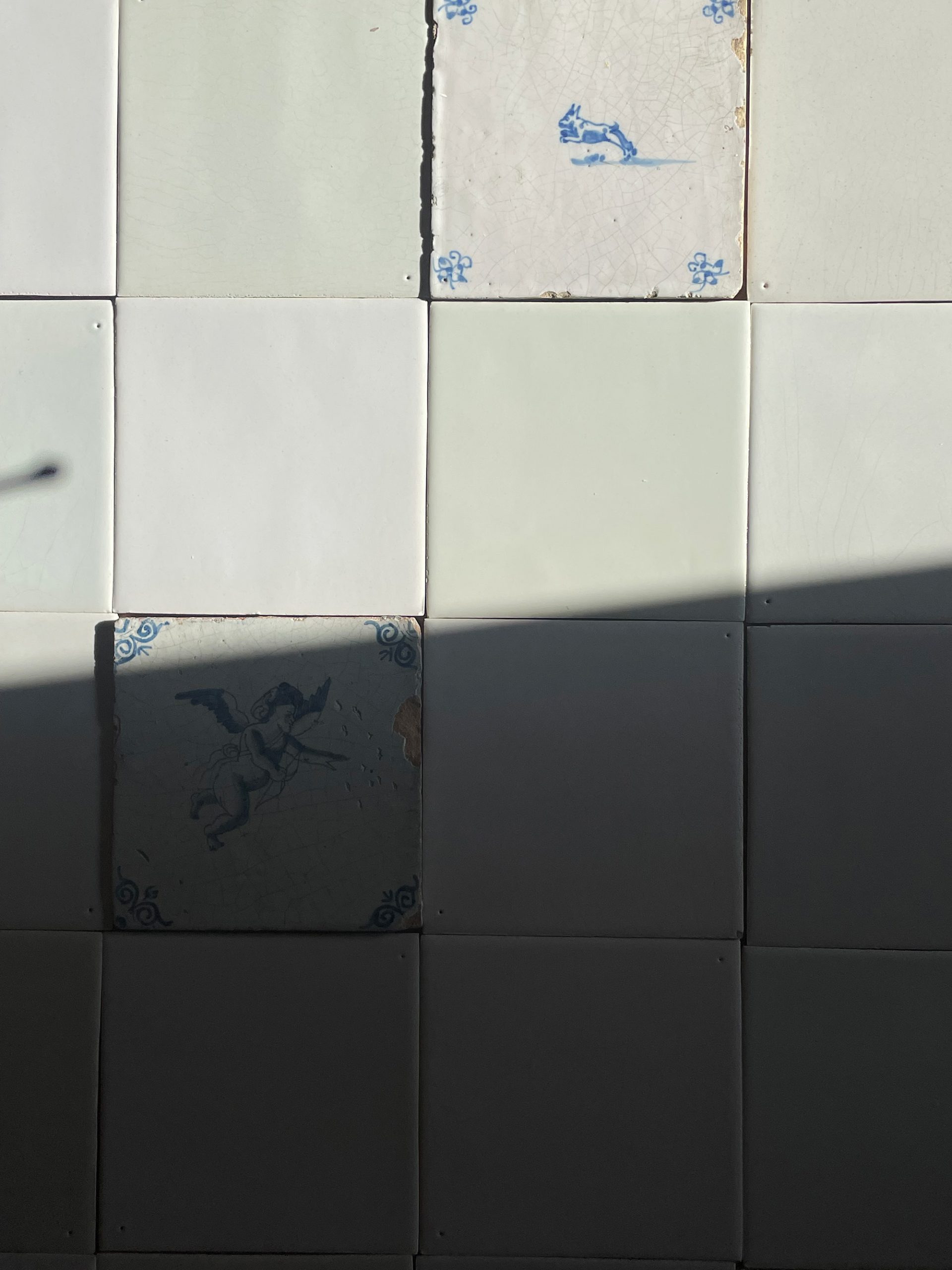
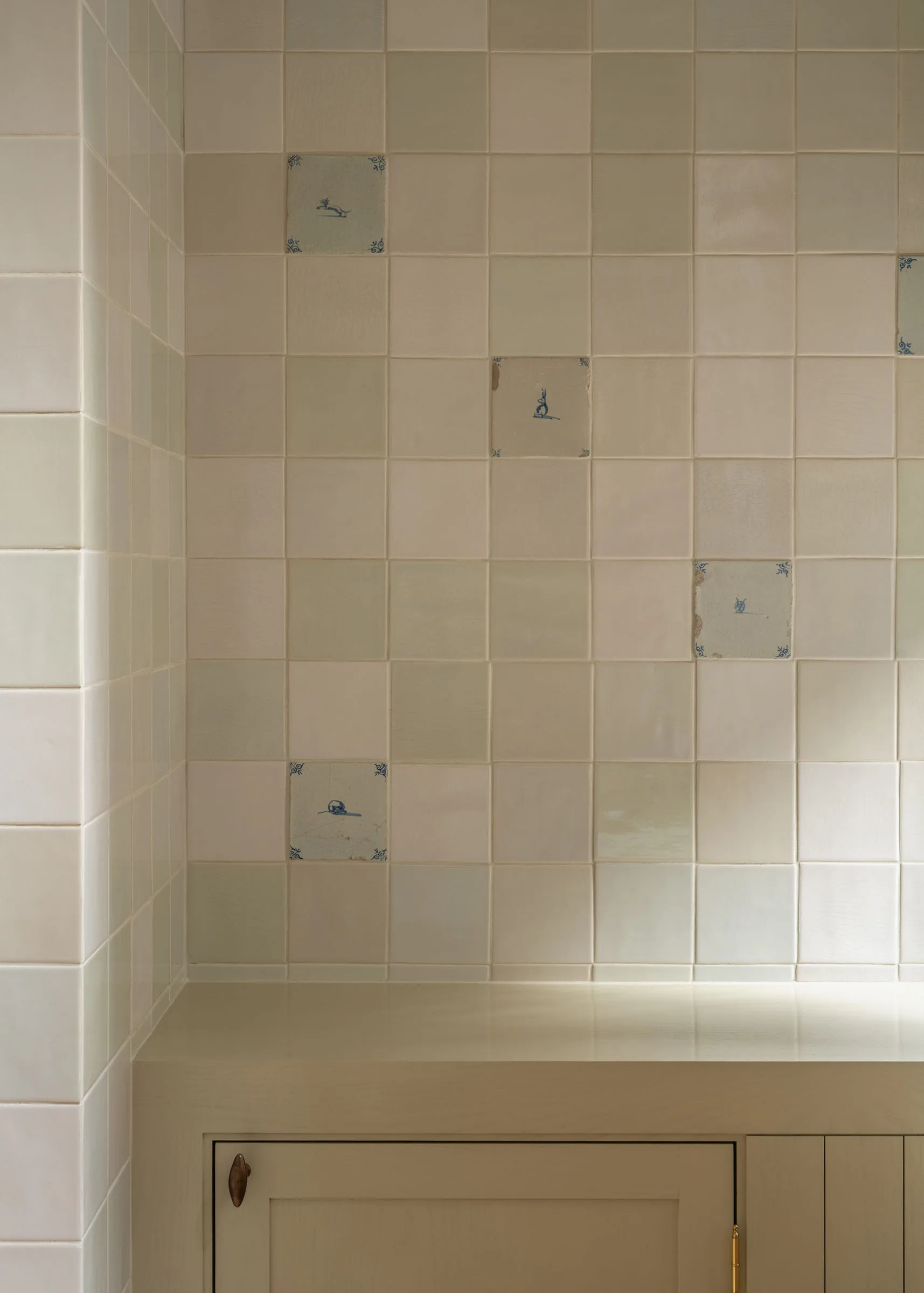
For the kitchen walls, antique Delft tiles were mixed in with newly manufactured ceramic tiles, also from Delft.

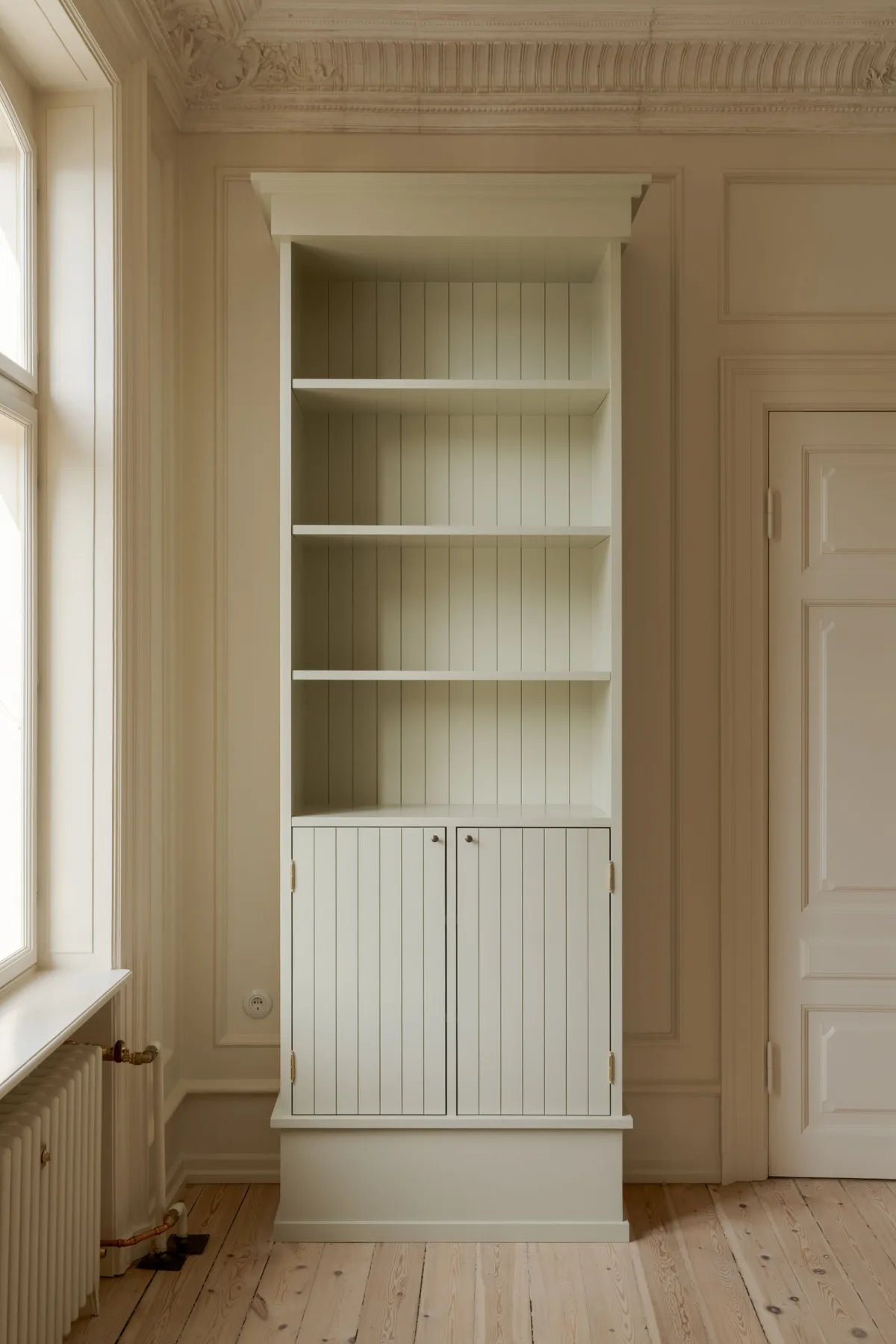
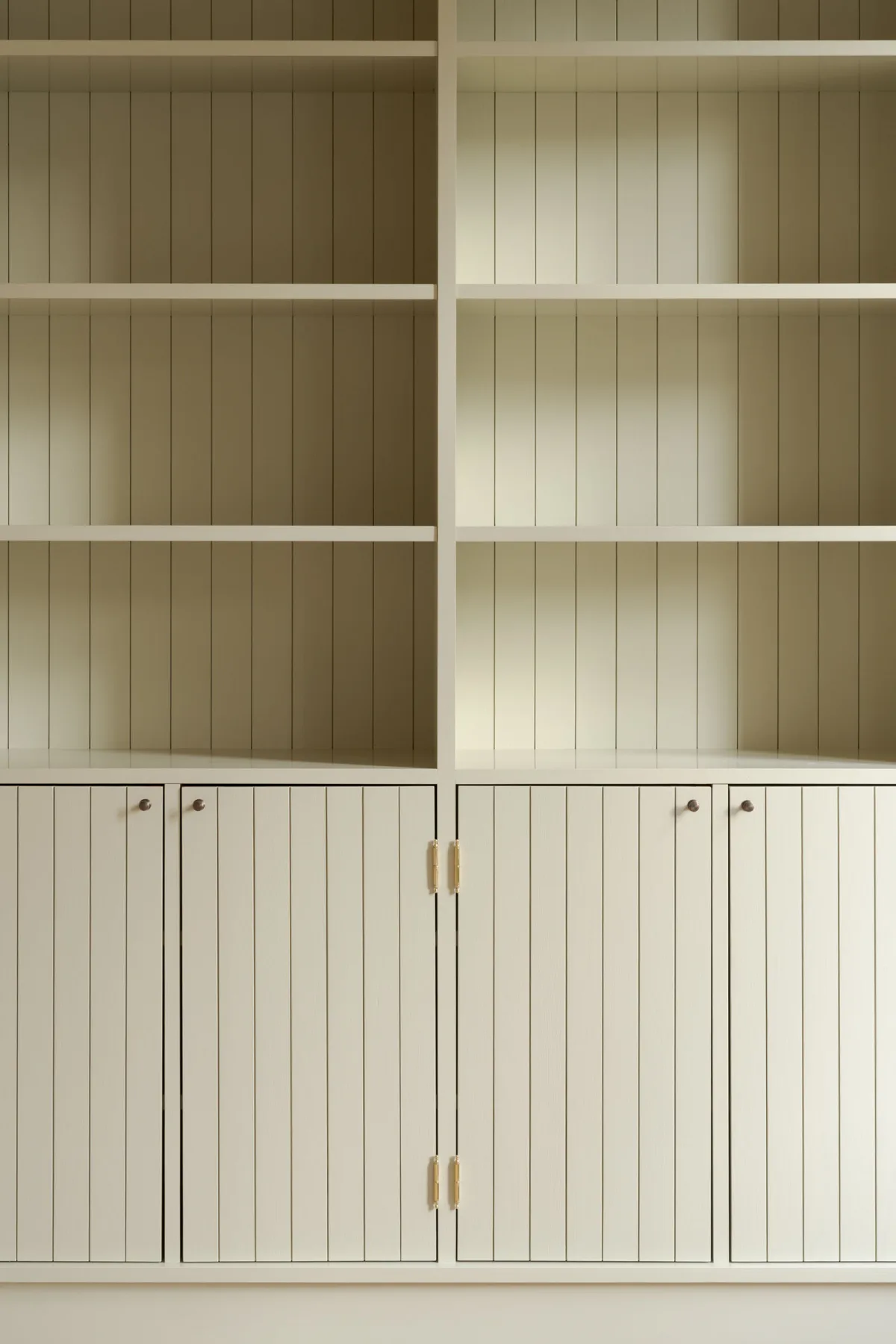
We also designed cabinets for the library.

All work was done in collaboration with the carpenters and cabinet makers of Rammelisten.

Photos by Peter Dalsgaard and David Stjernholm.

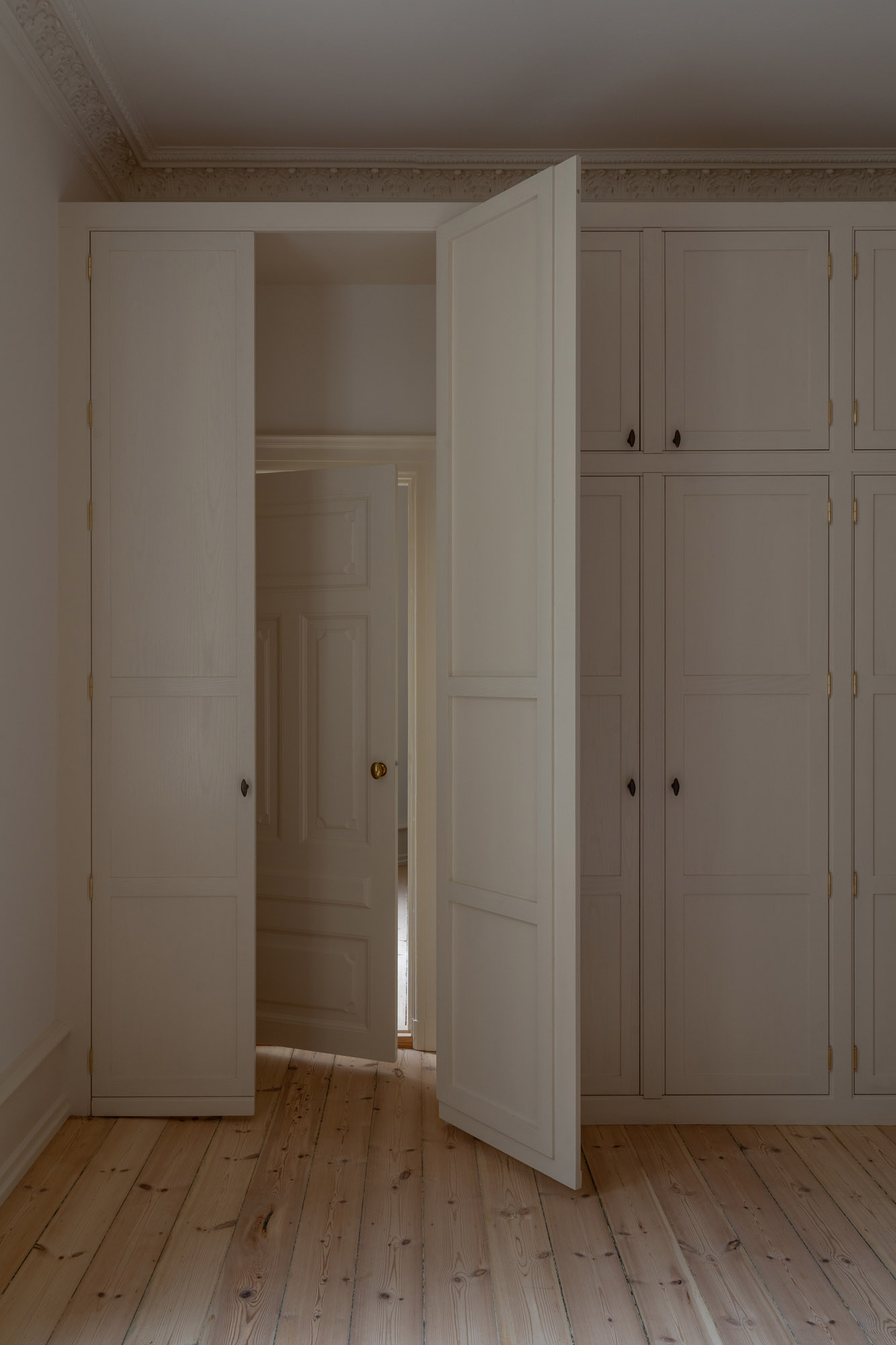
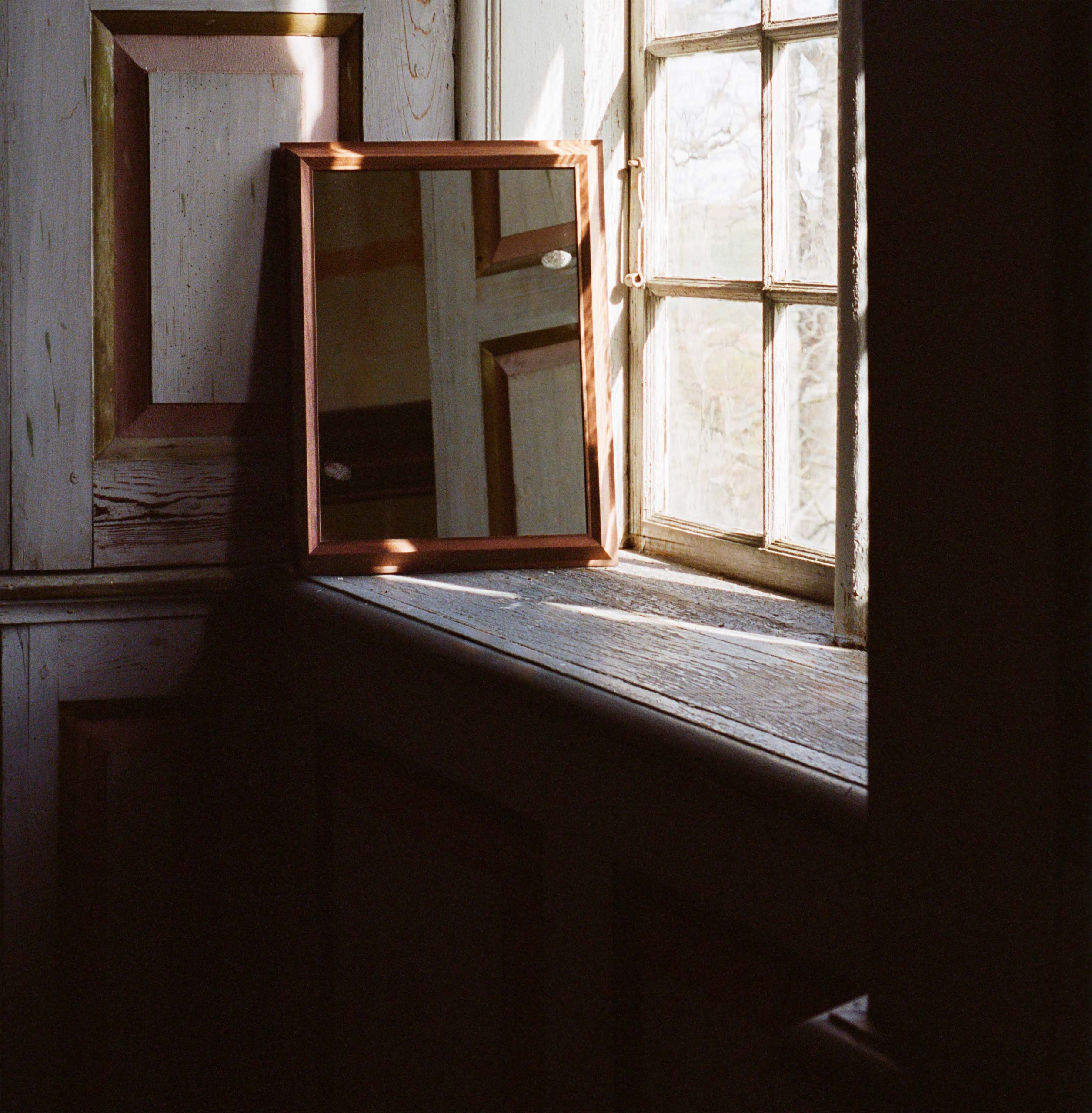
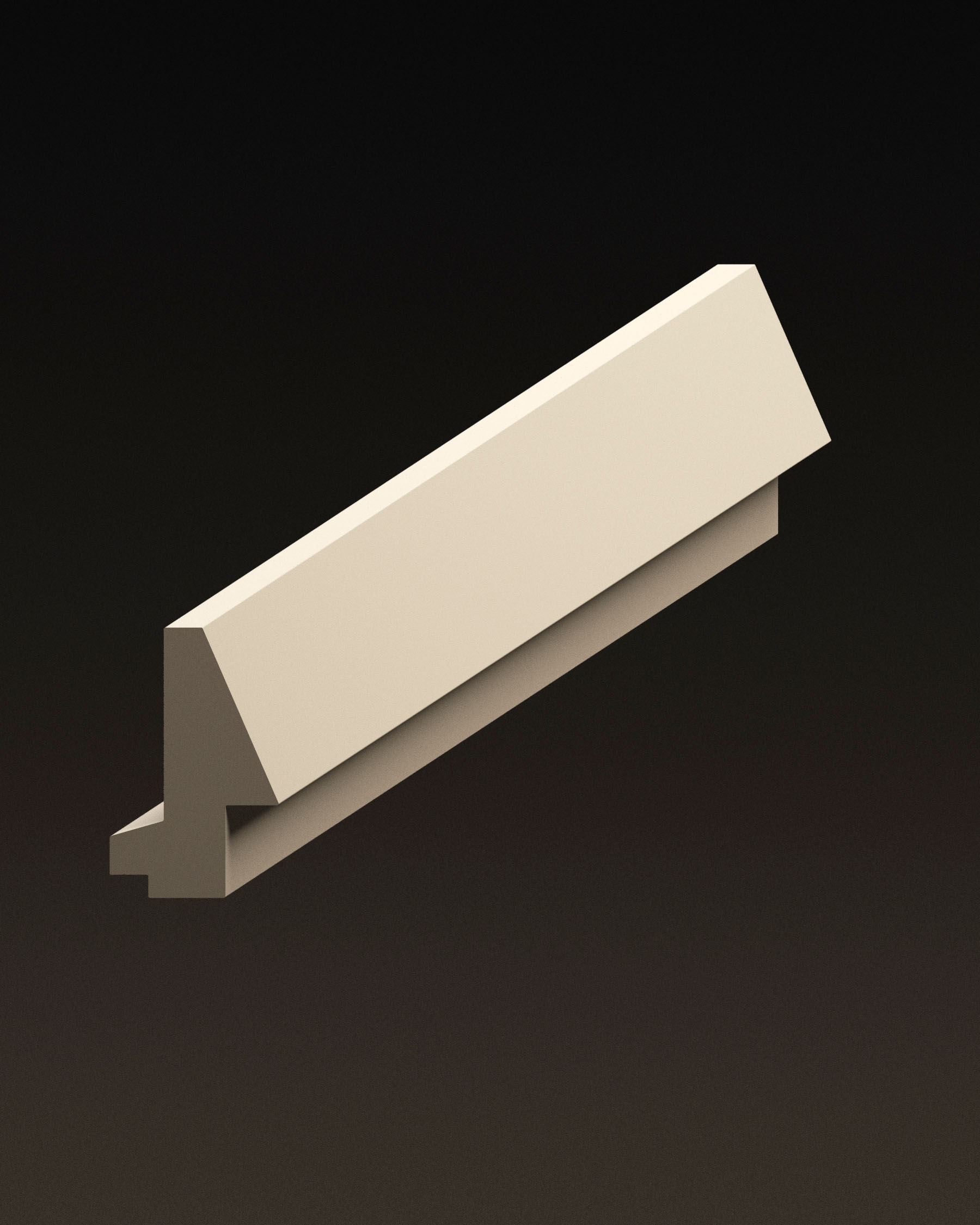
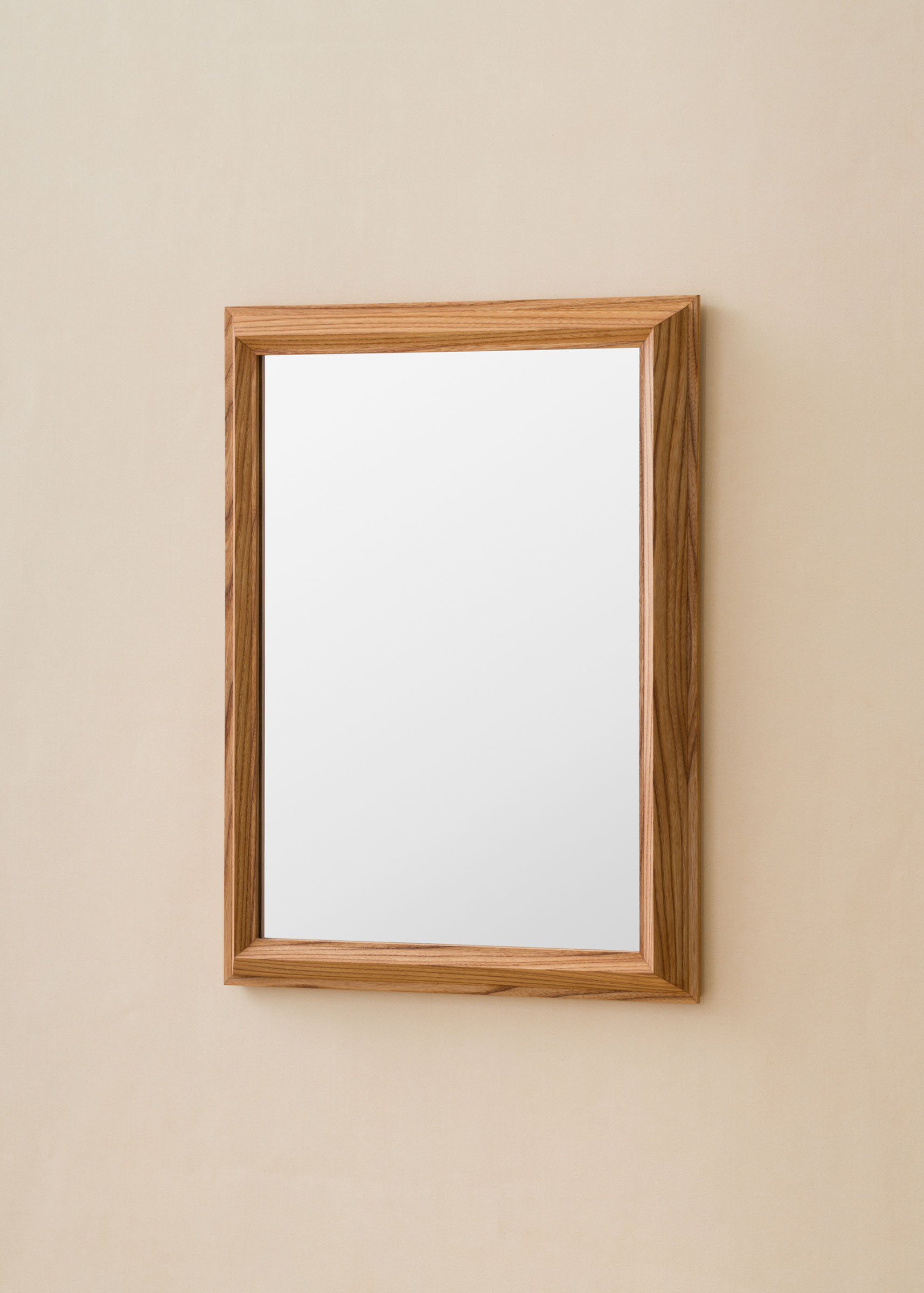
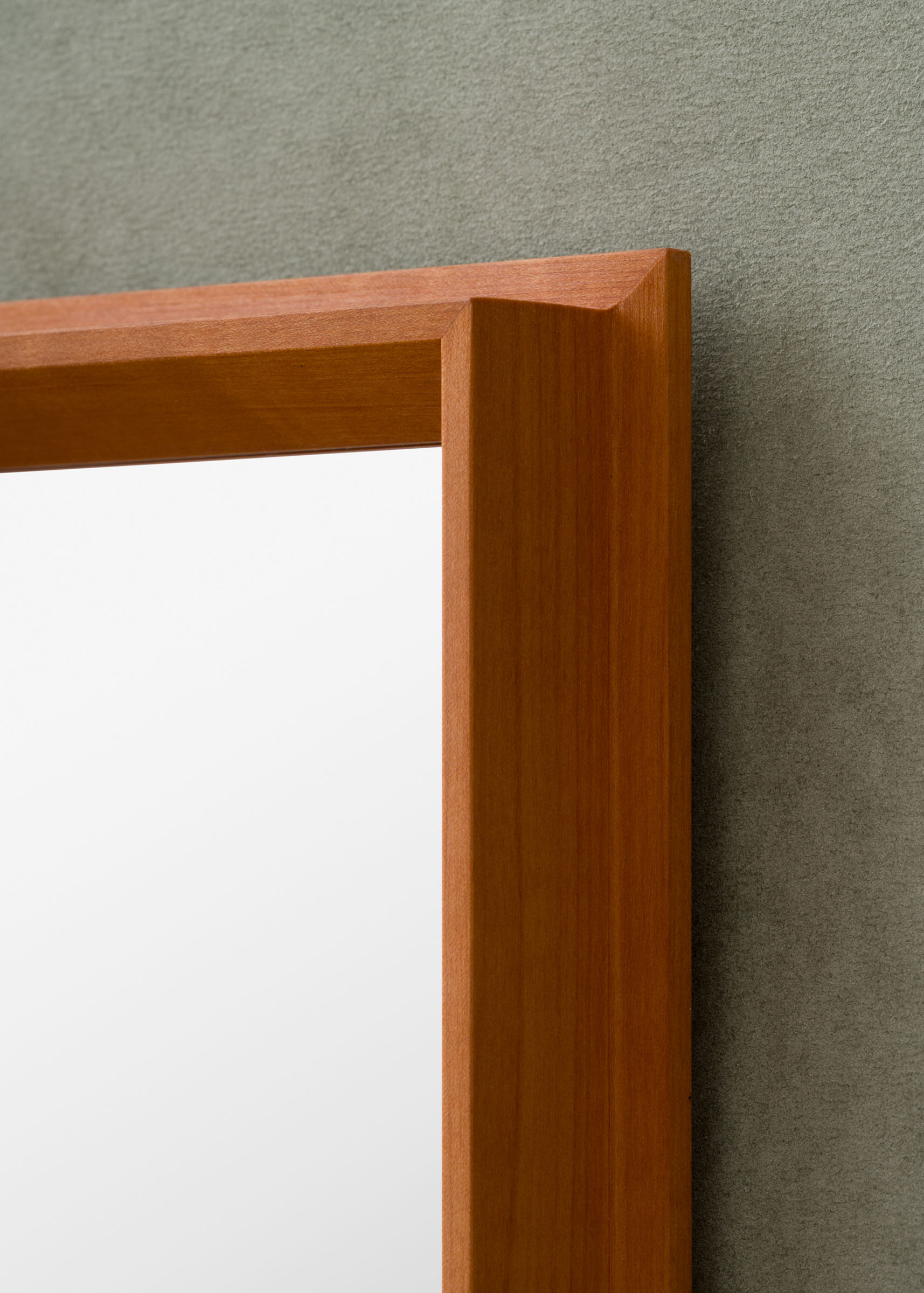
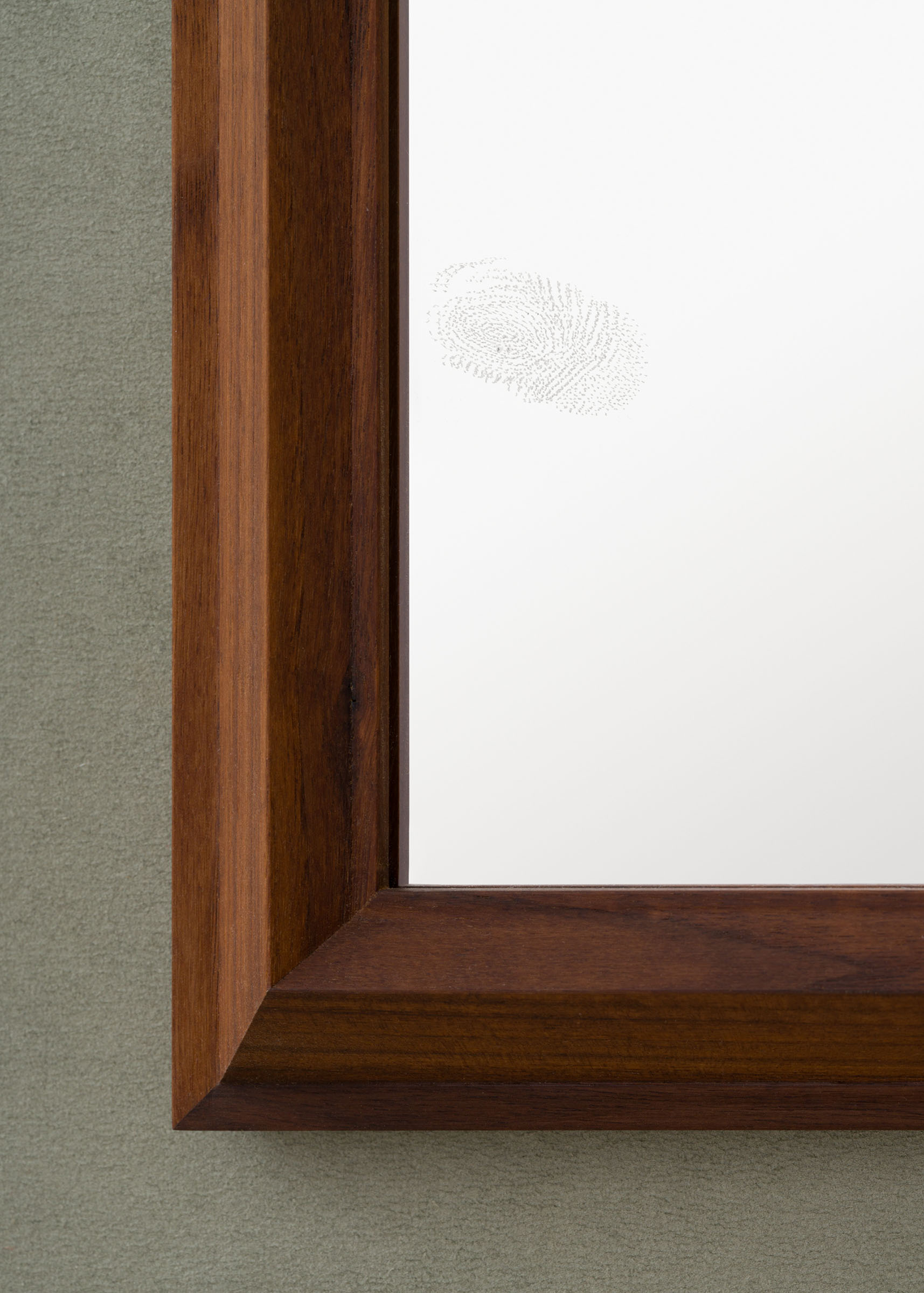
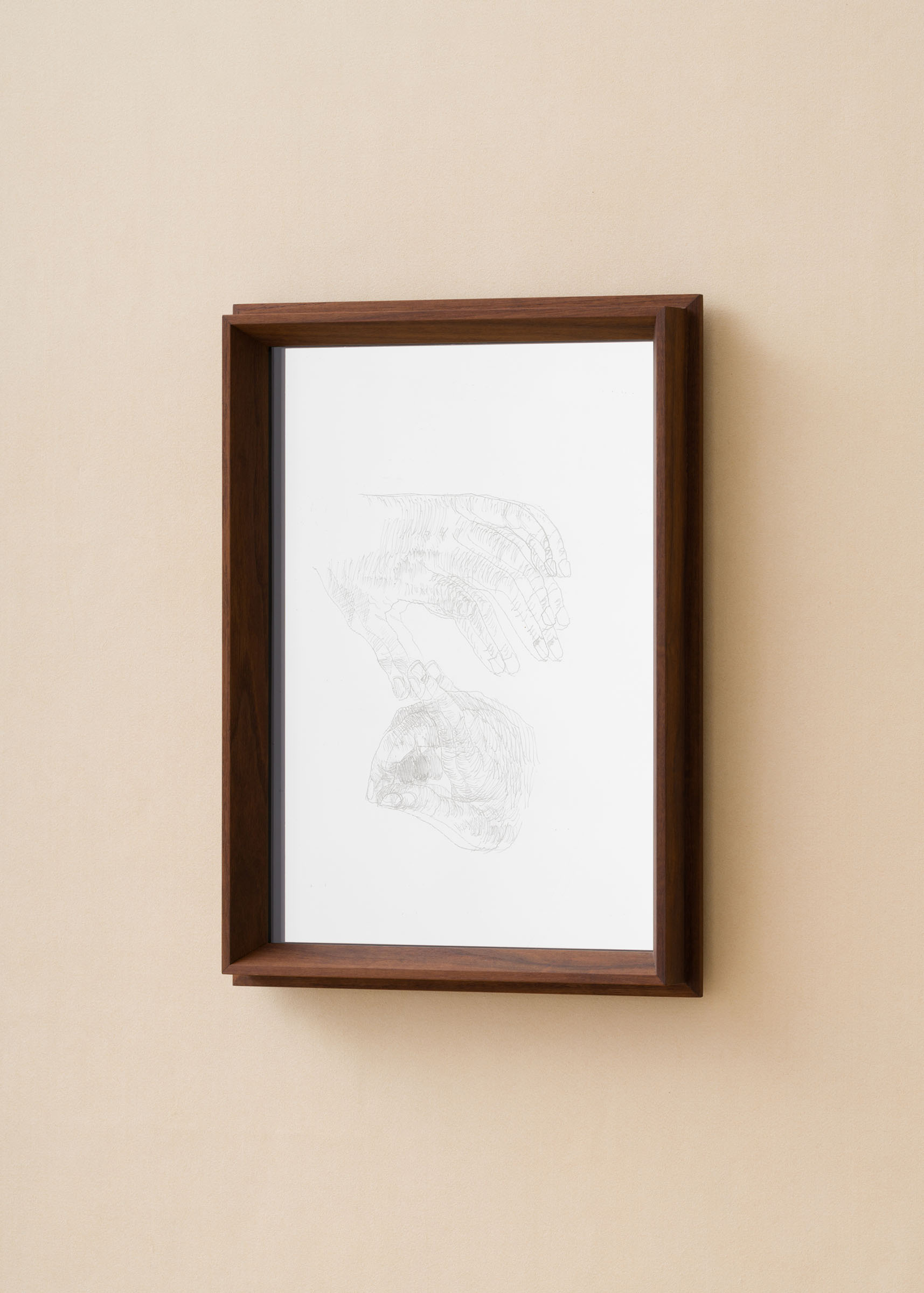
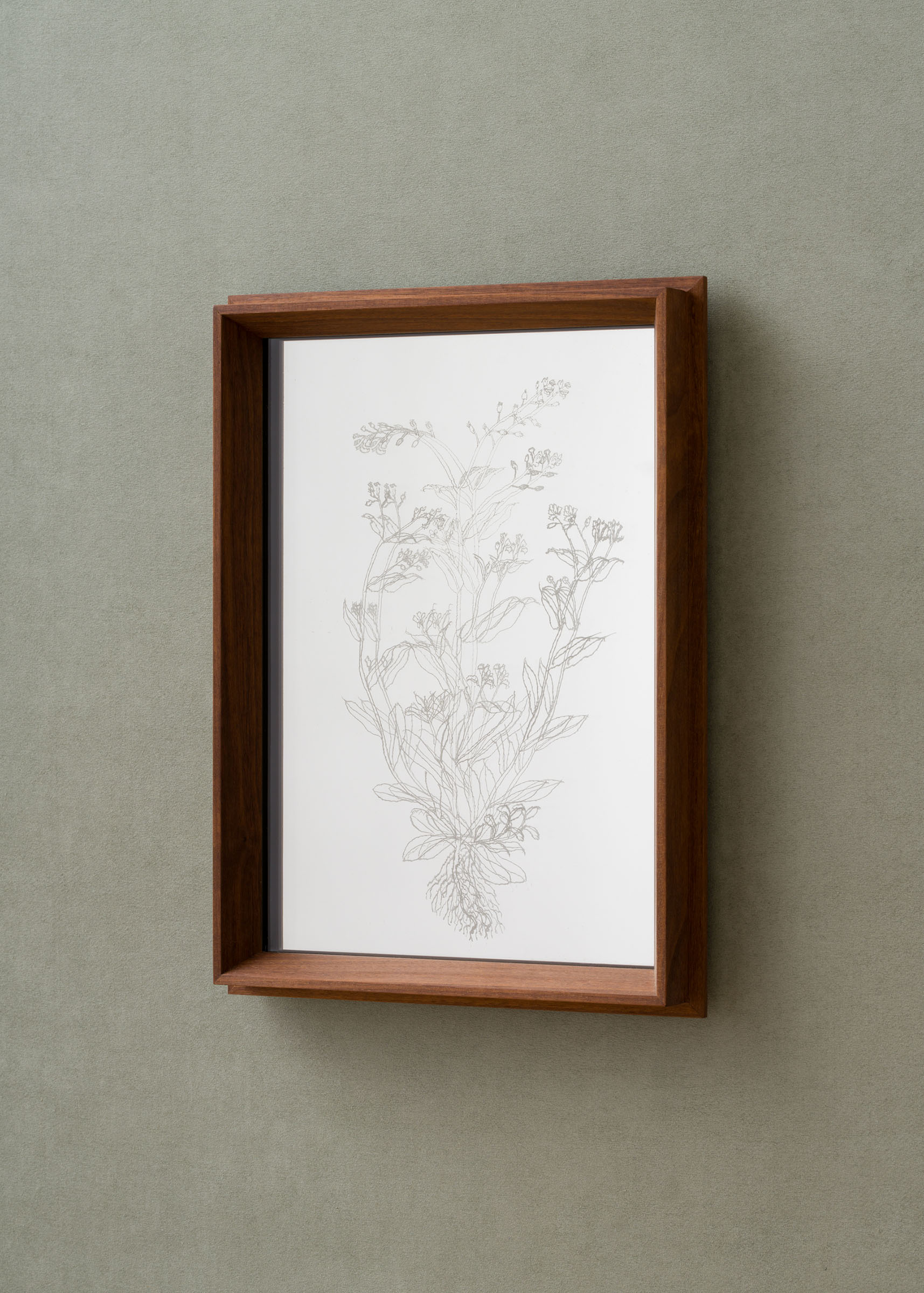
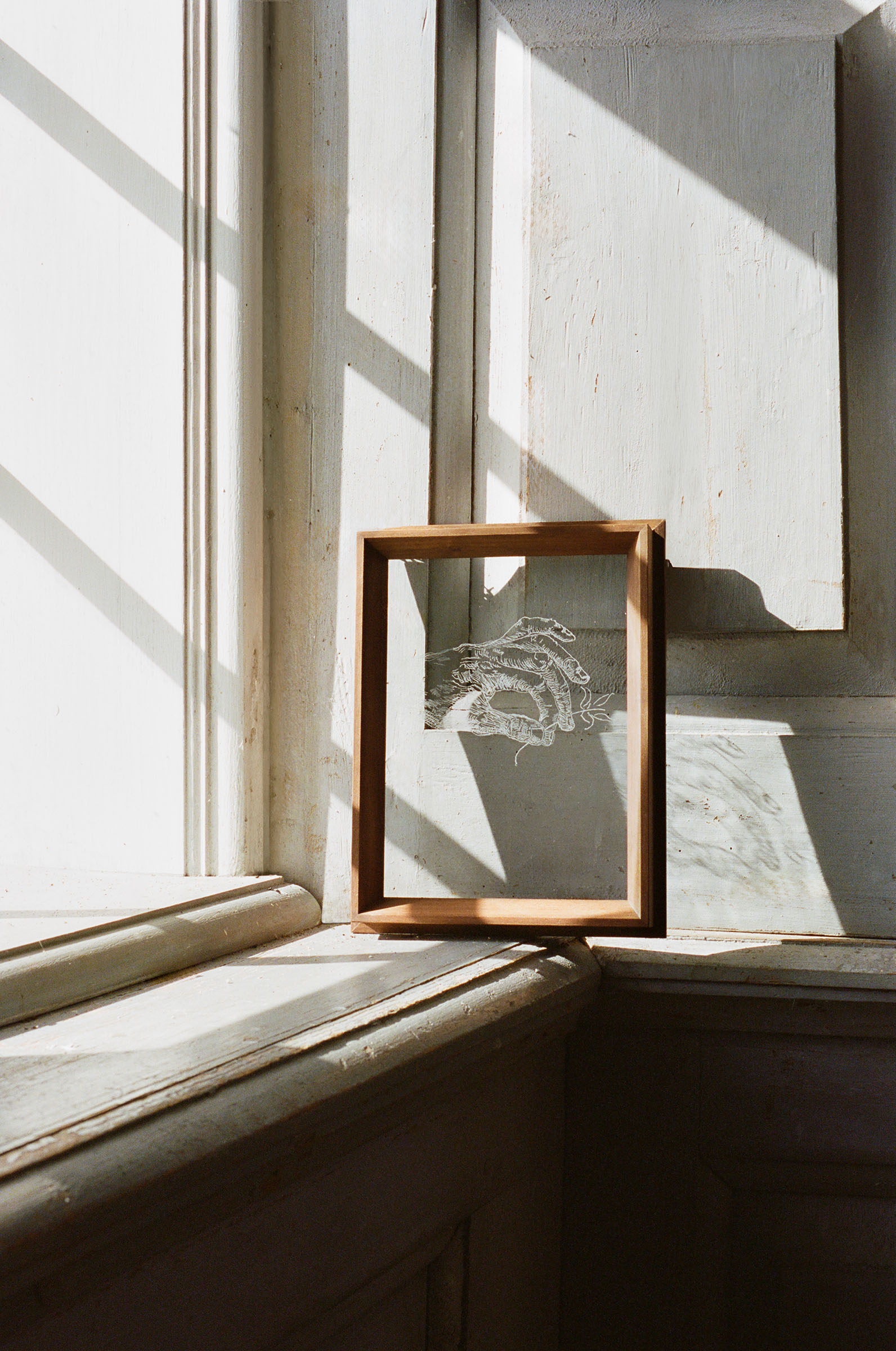
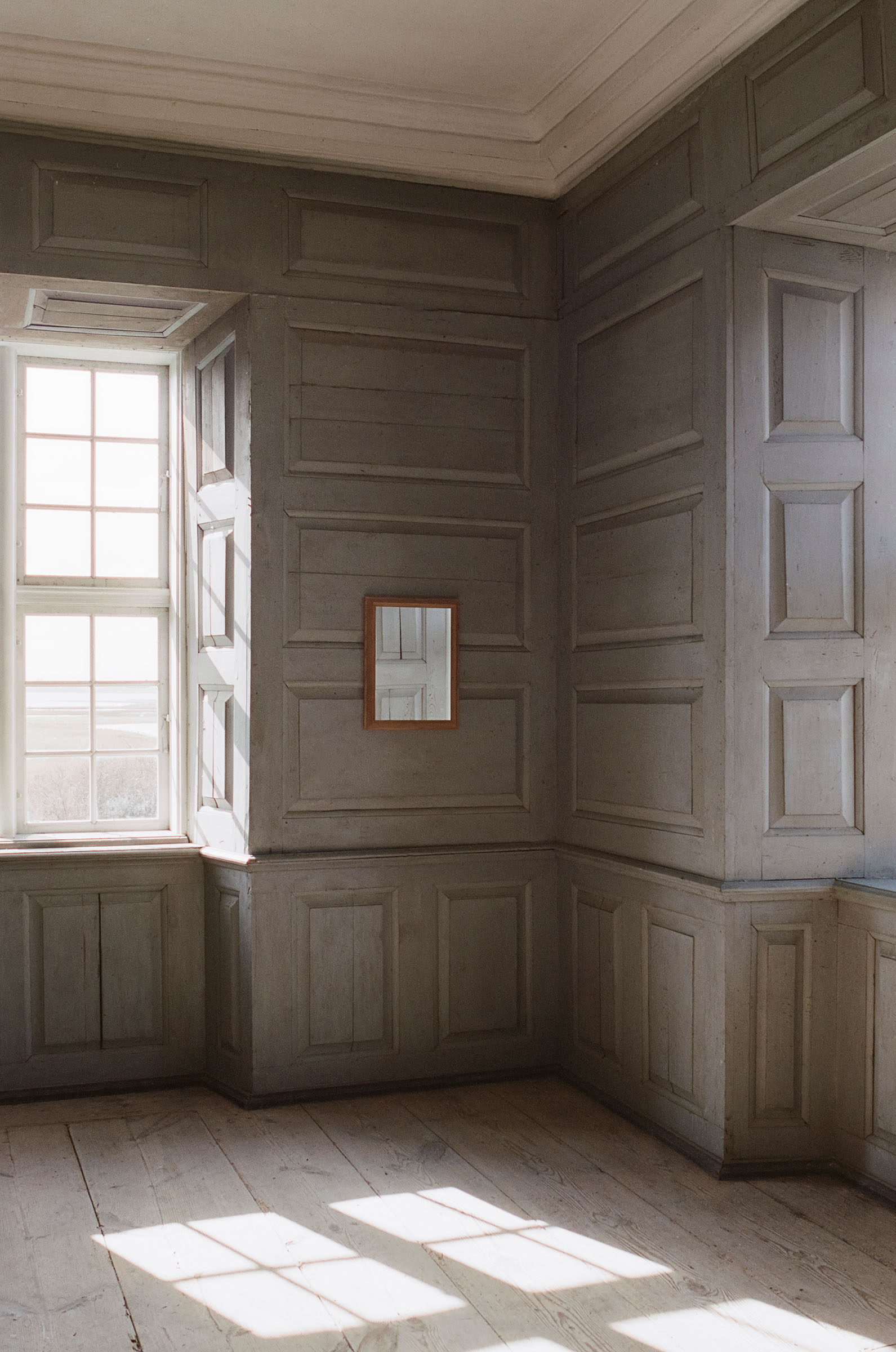
For Danish framing company Cassetta we designed this range of frames, mirrors and limited edition framed glass engravings. Available for purchase here.

The frames come in versions in elm, walnut and pear.

The engravings of the limited editions feature plants, hands and finger print motifs.

Photos from Selsø Castle by Ditte Mørkholt.
Pack shots by David Stjernholm.

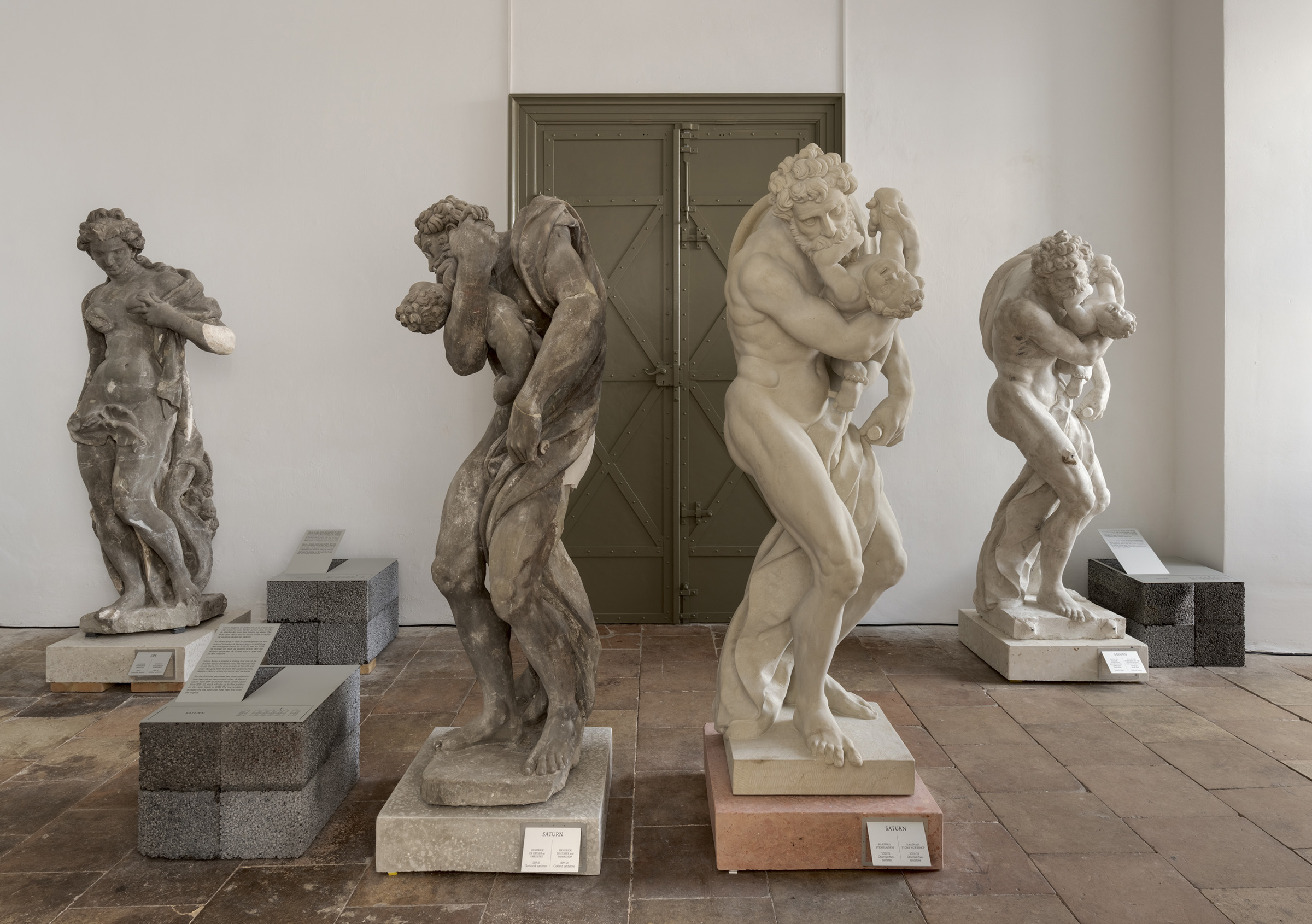
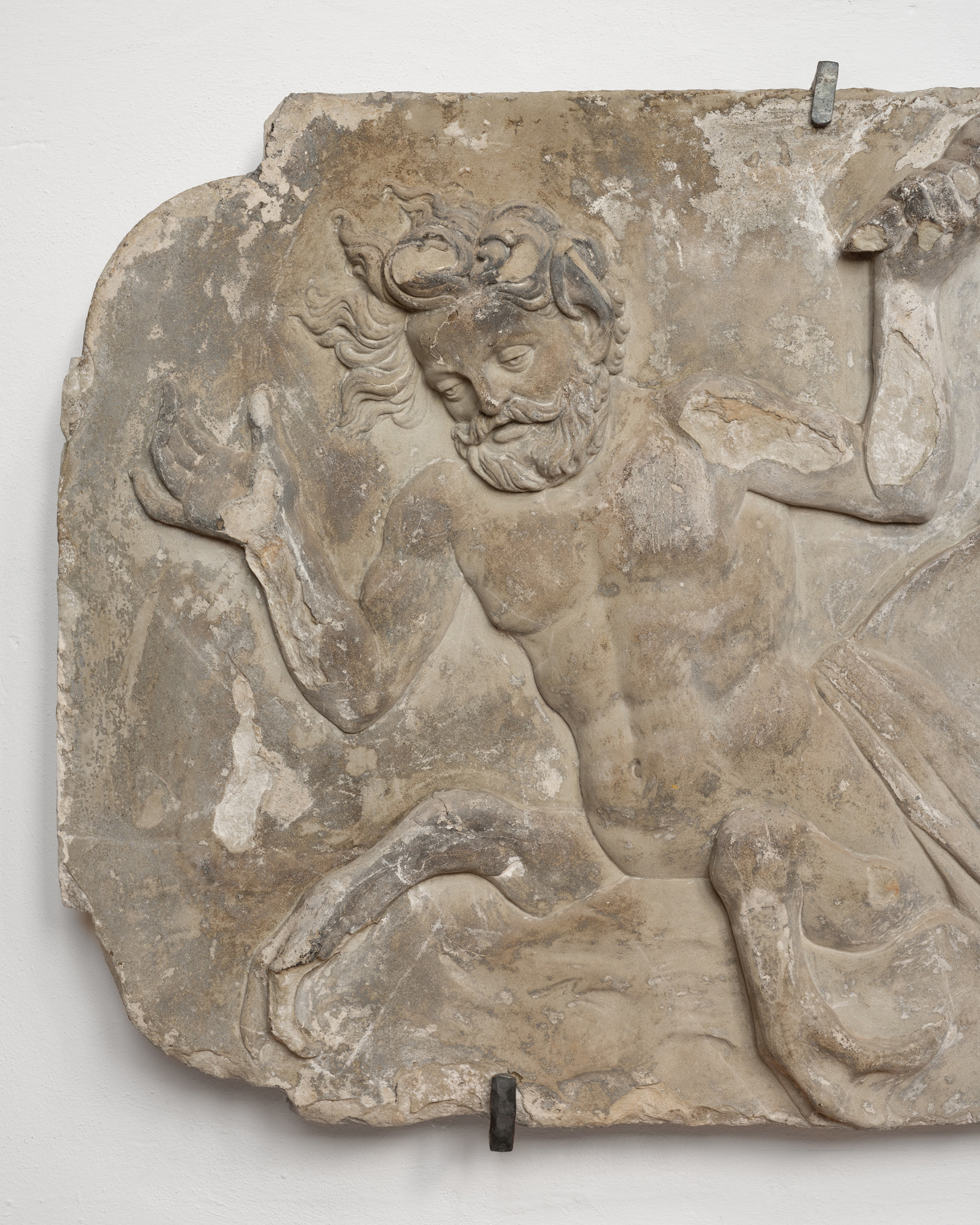
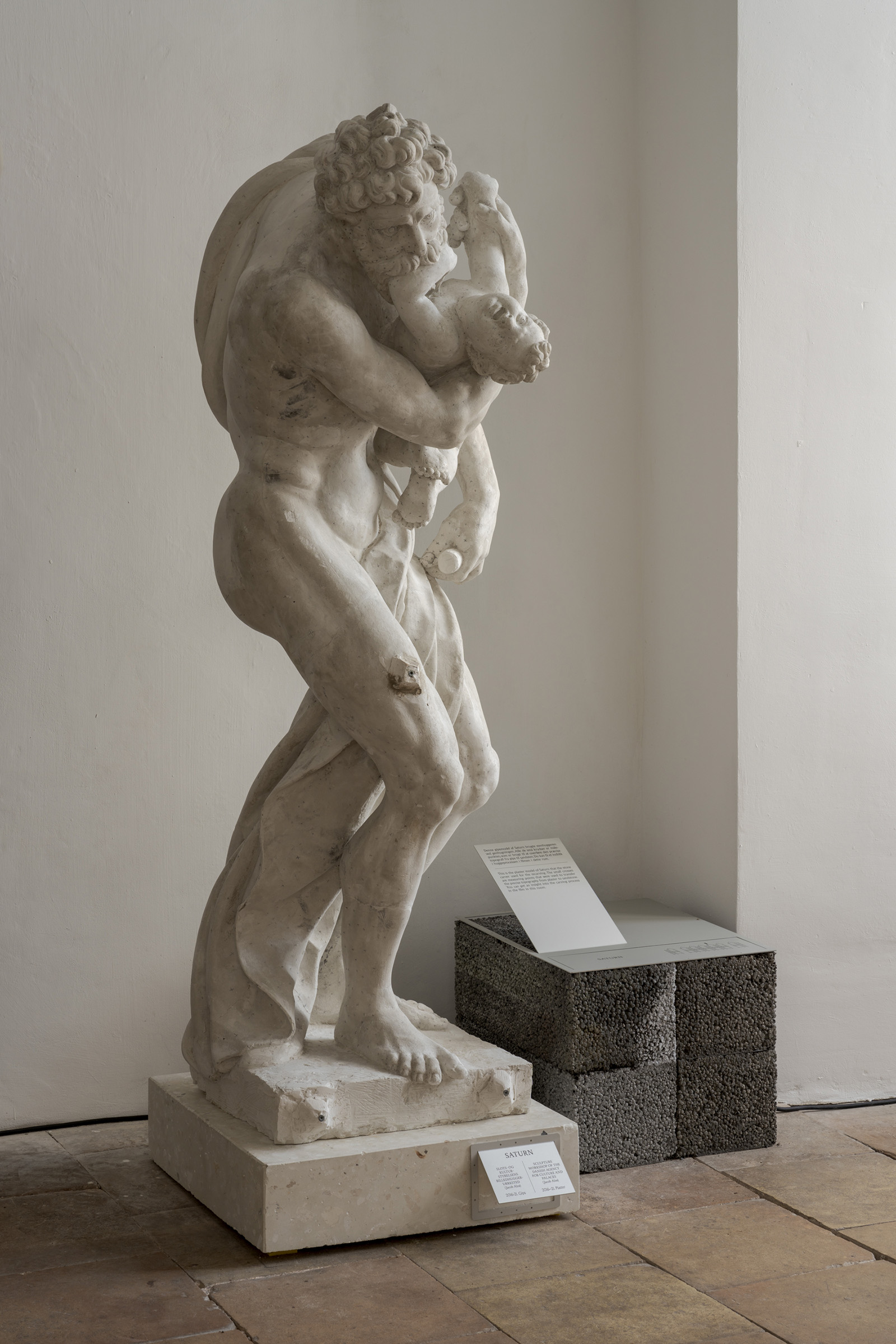
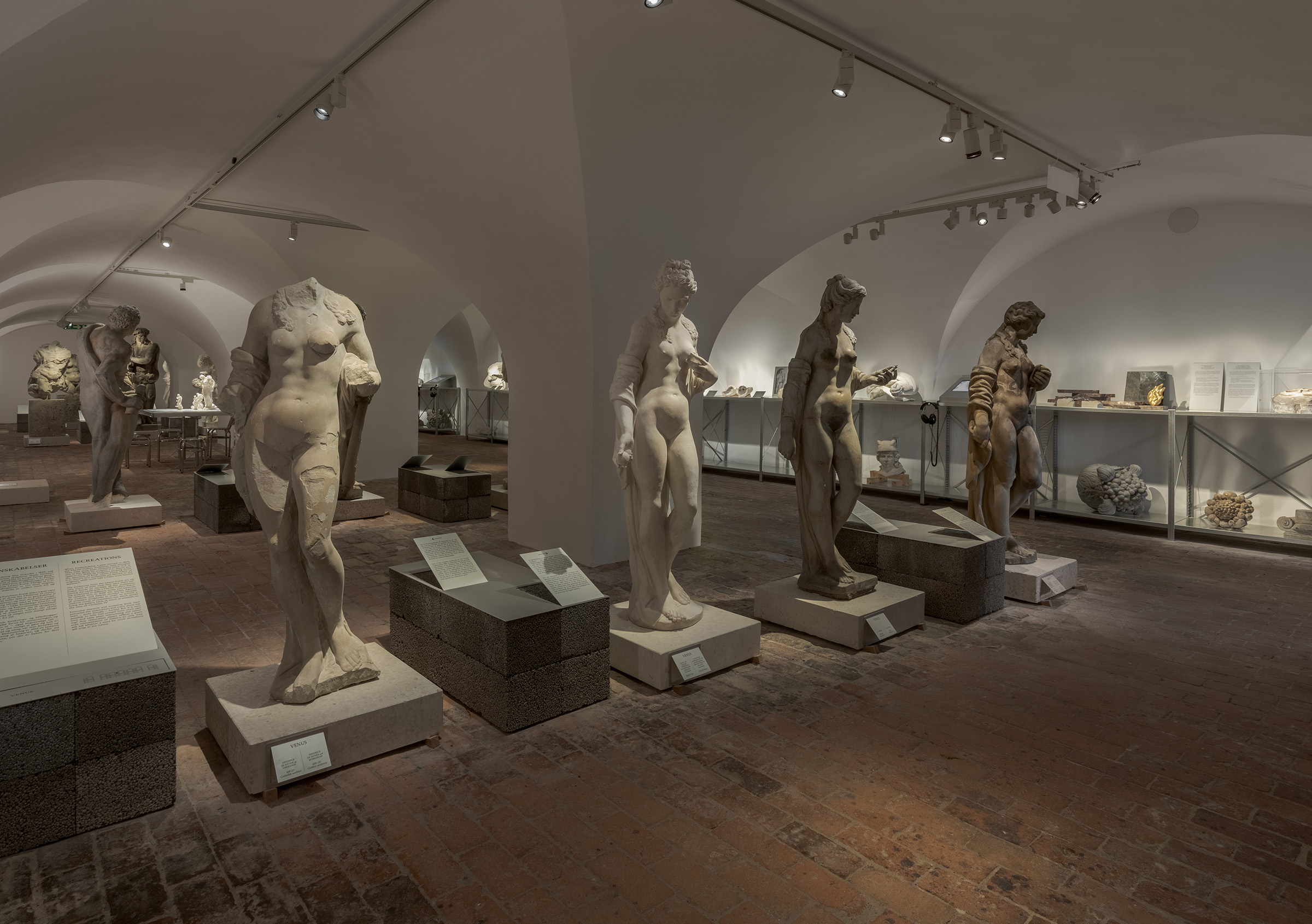
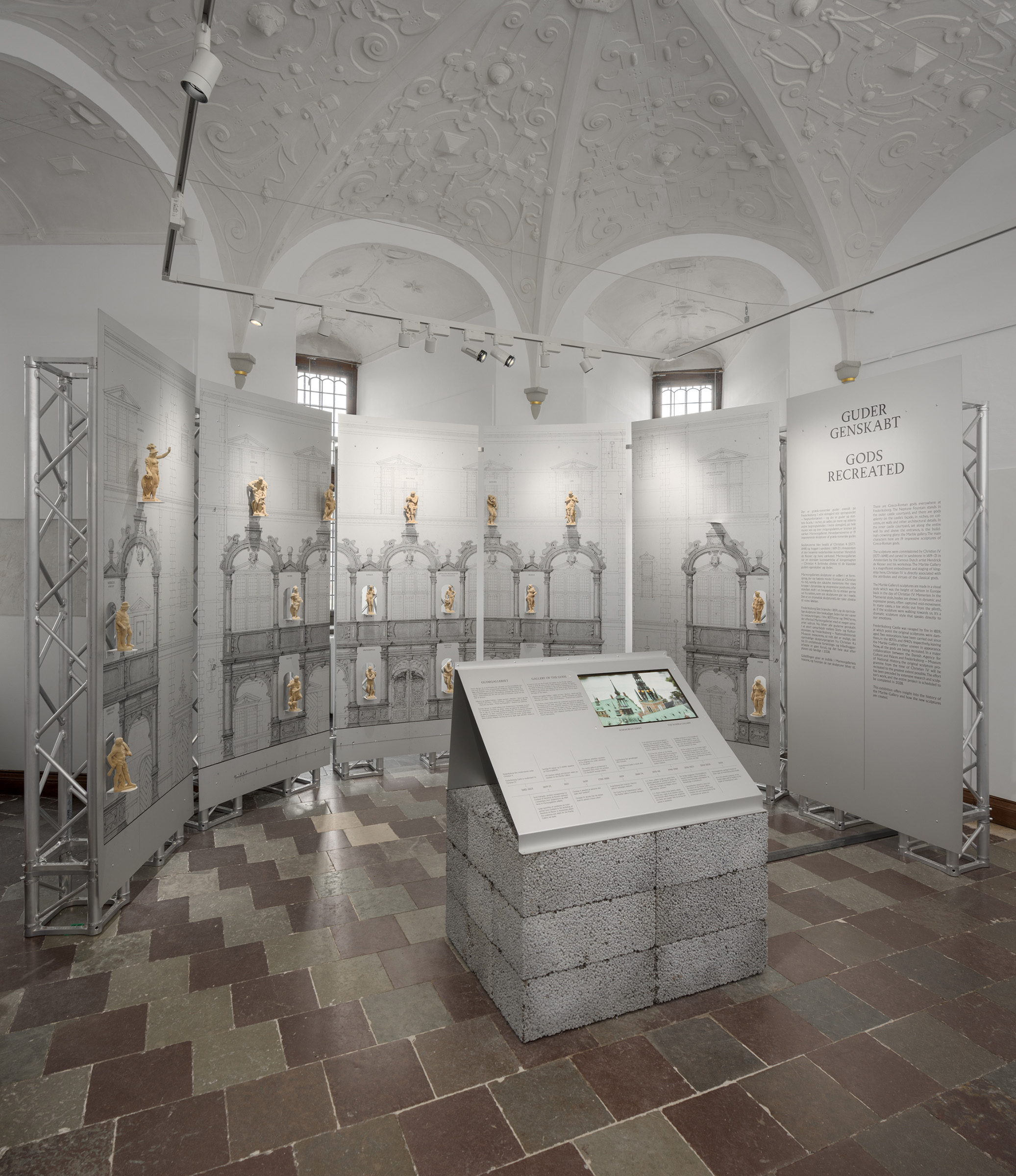
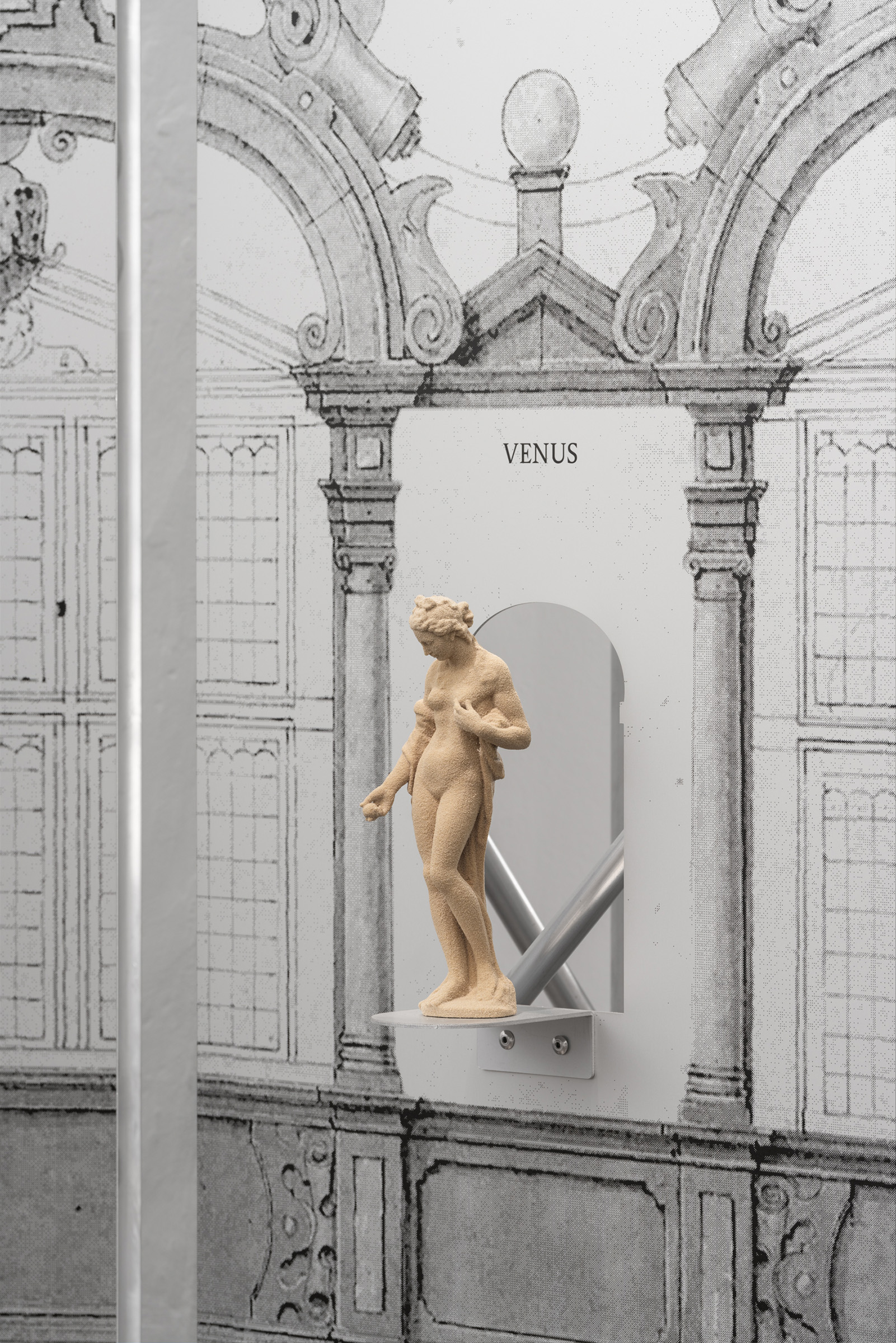
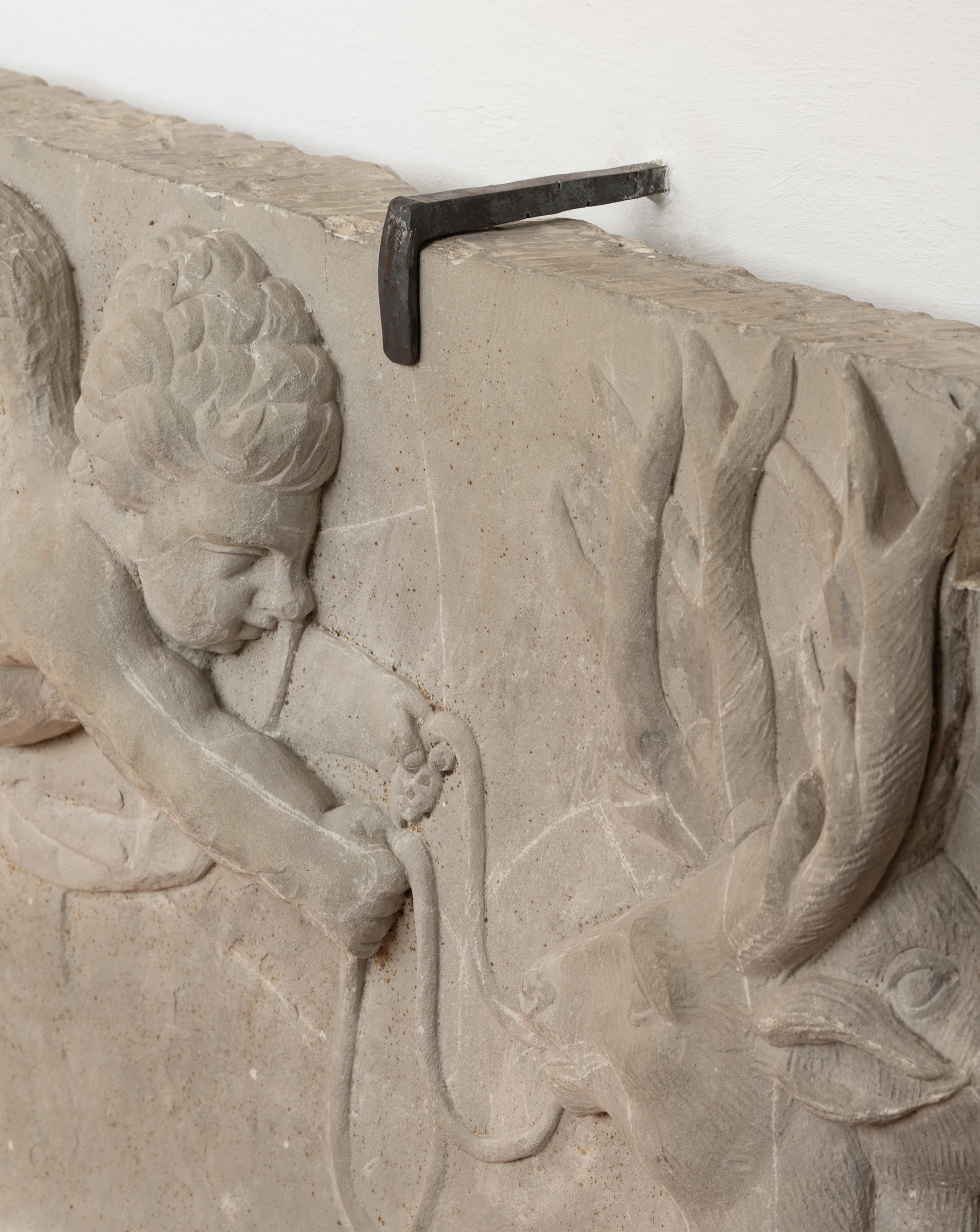
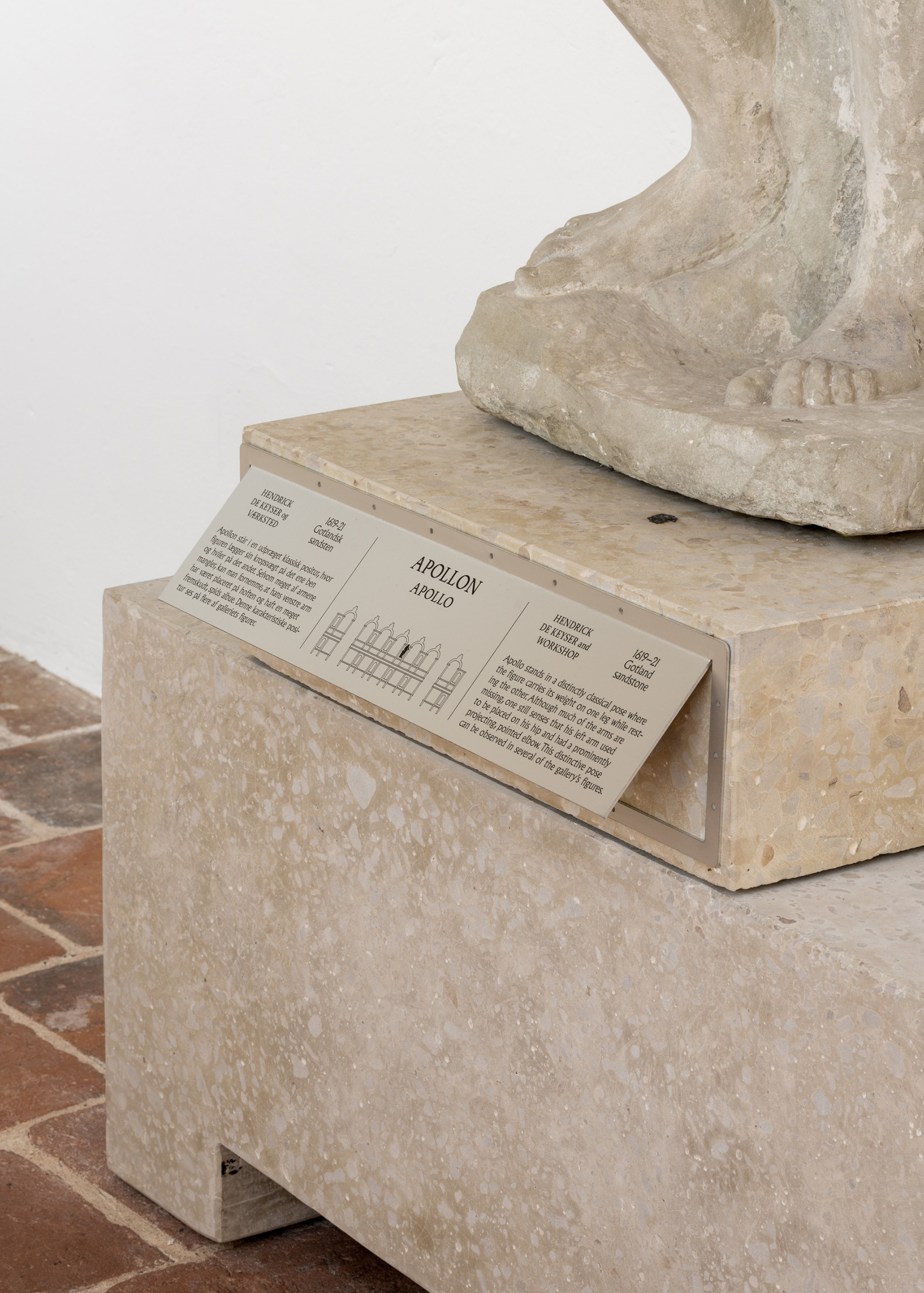
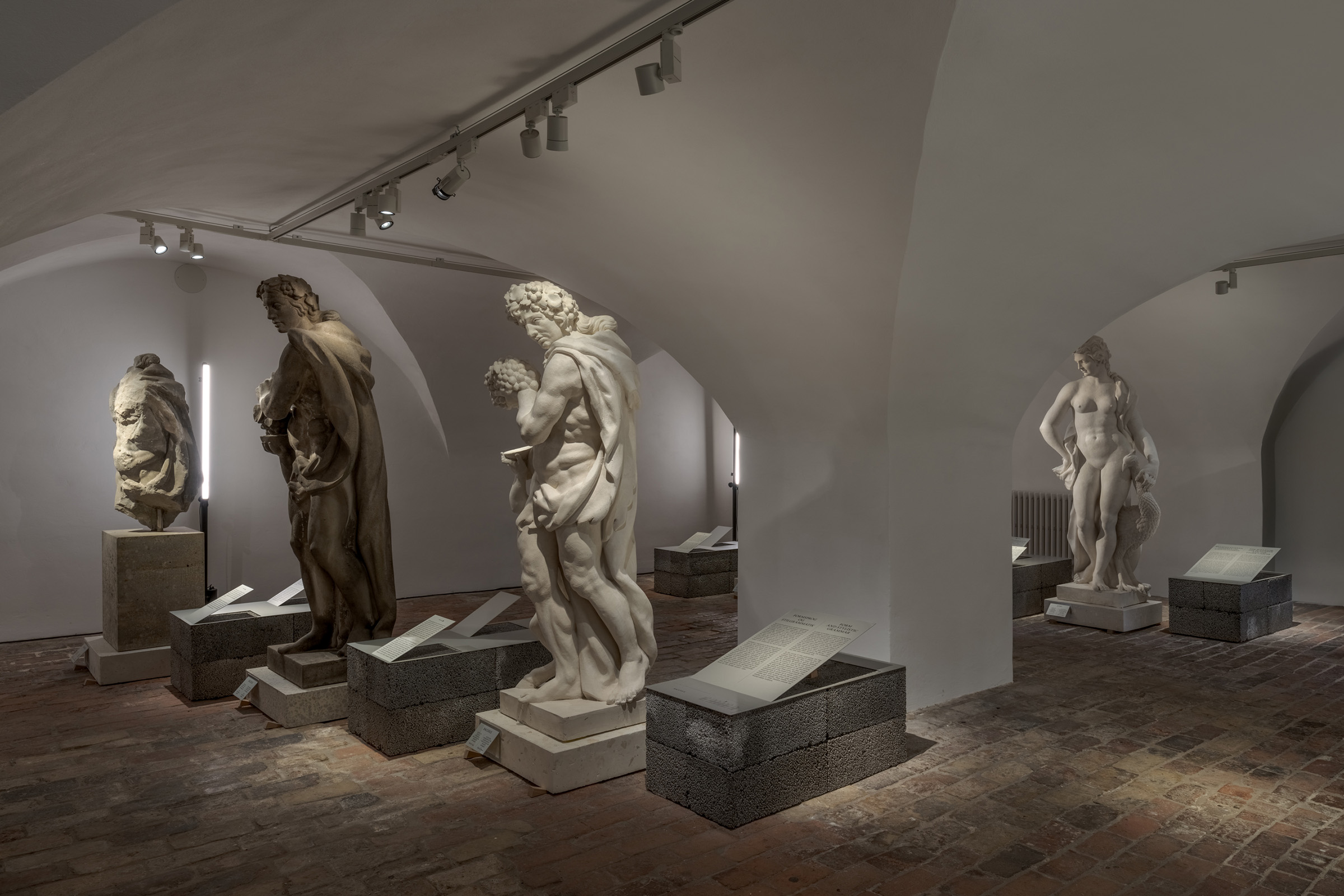
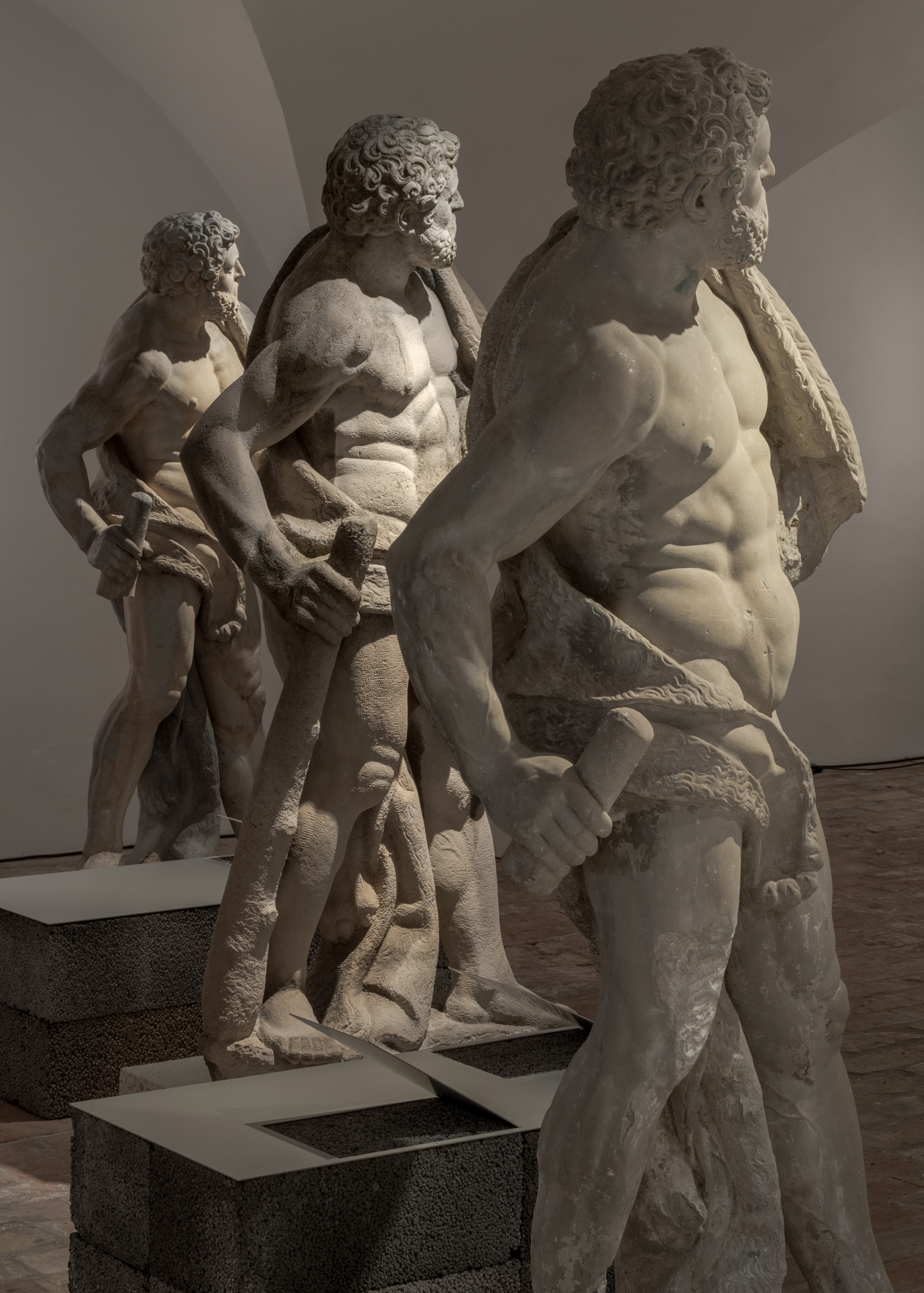
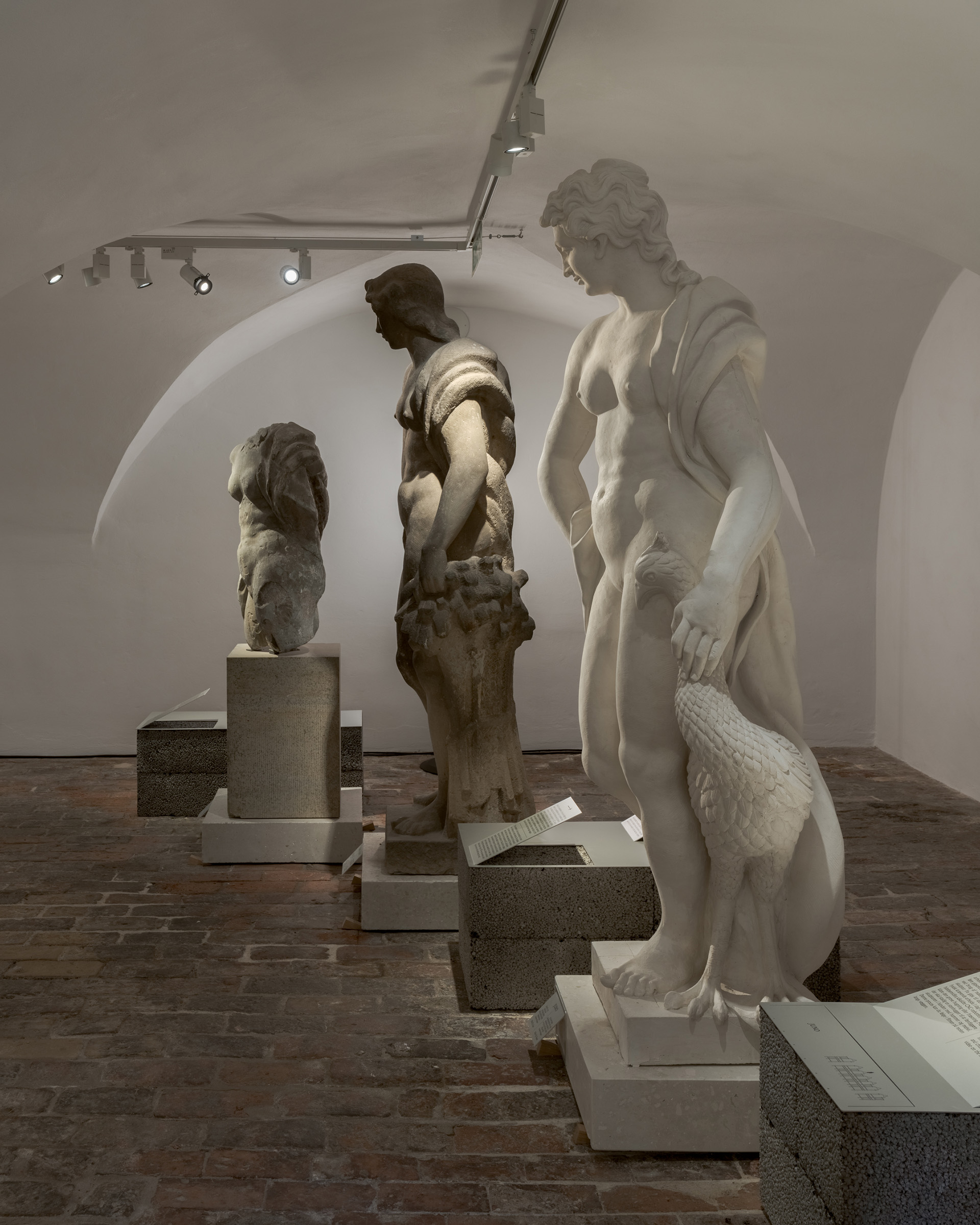
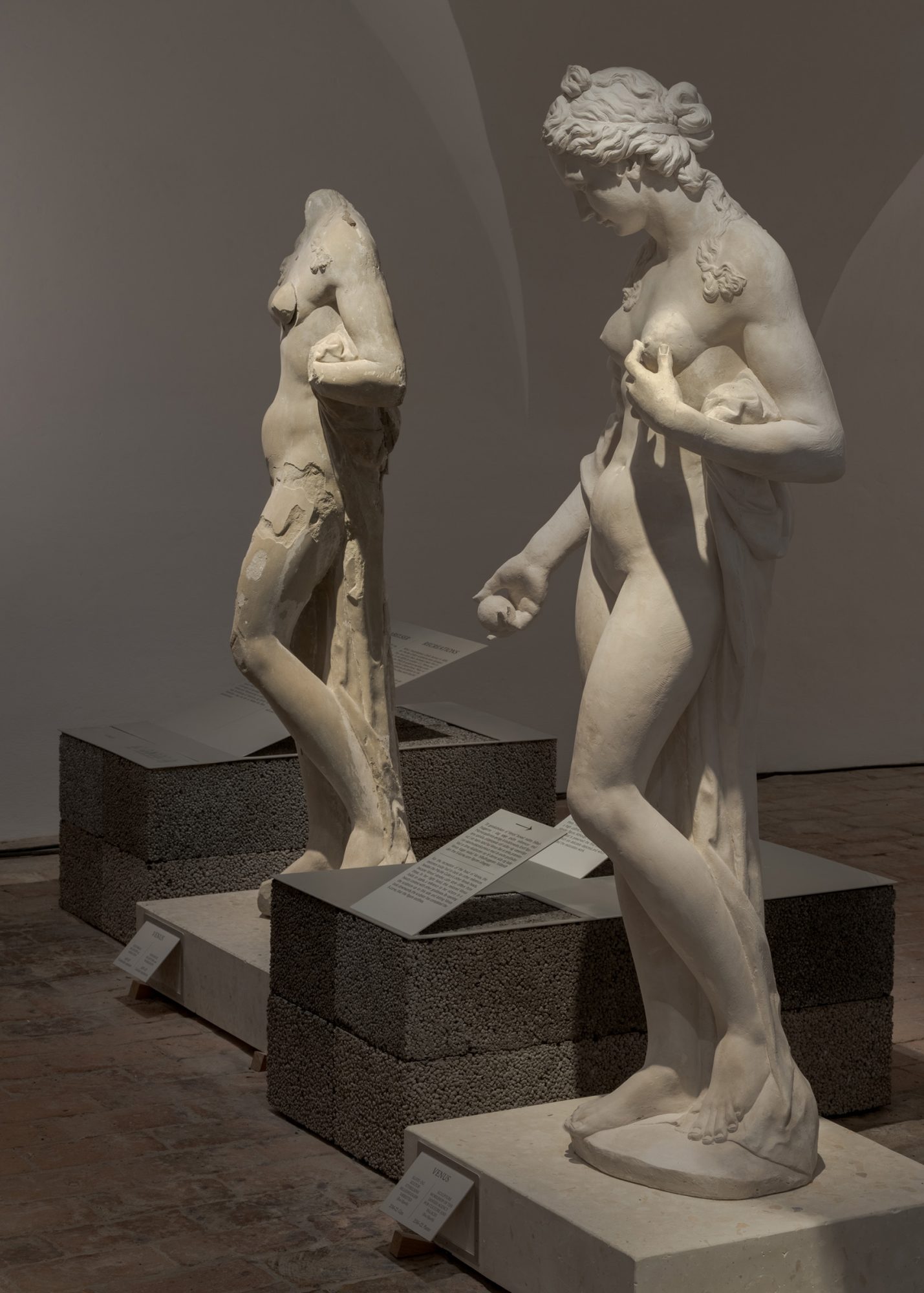
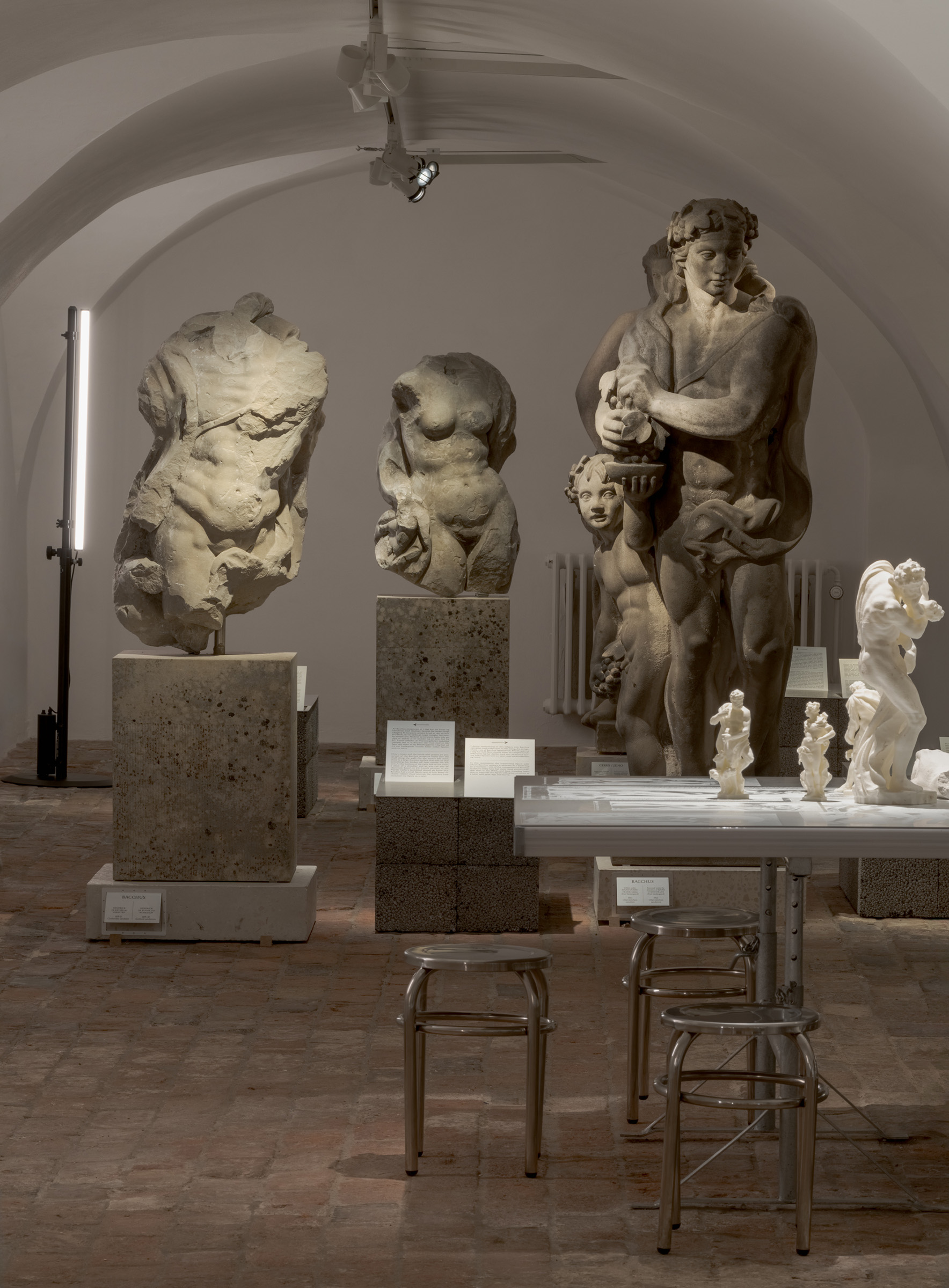
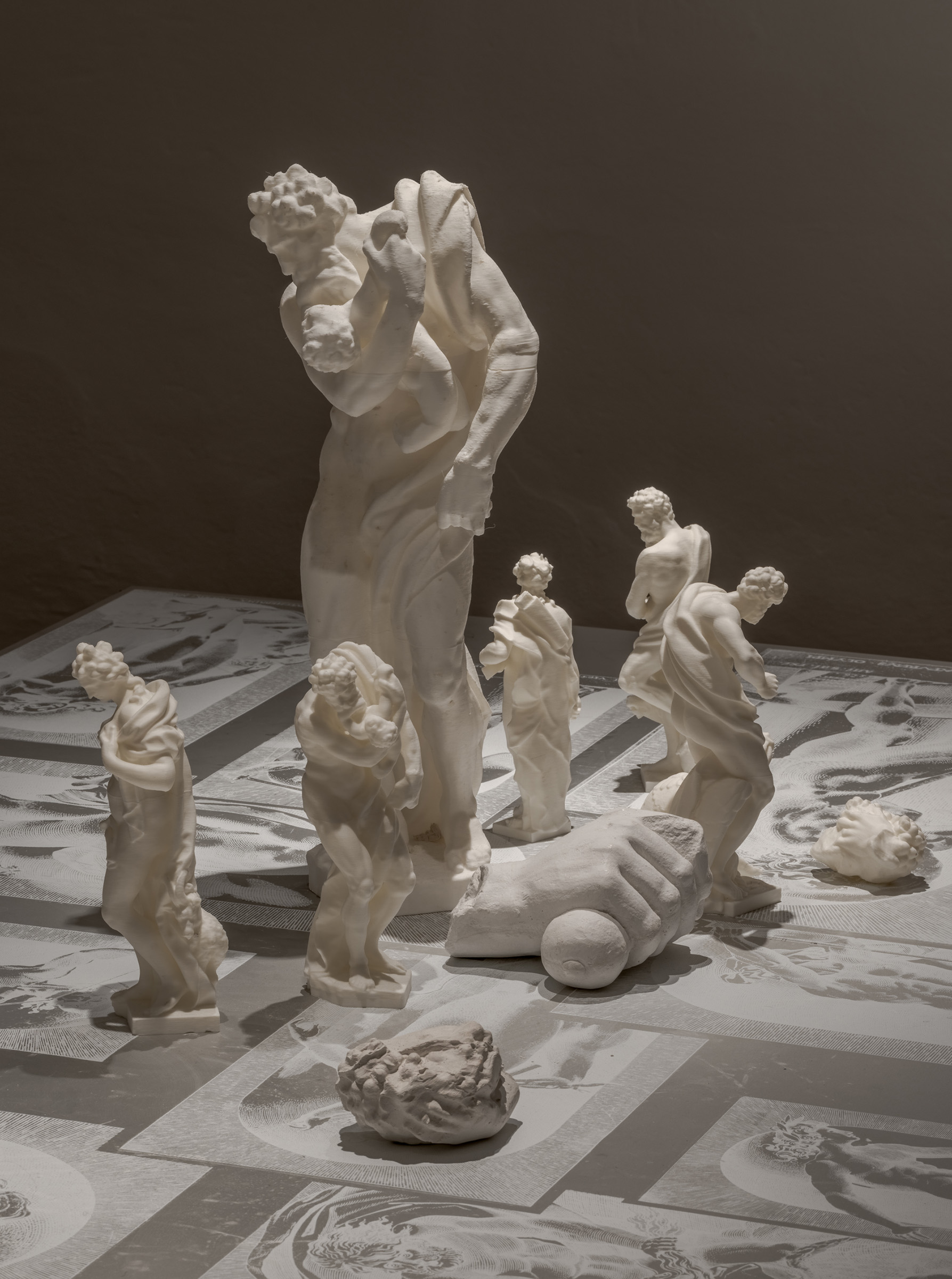
We designed this sculpture exhibition at Frederiksborg Castle, North of Copenhagen. The show concerns the continued re-carving of a series of sculptures of Greek gods in sandstone, permanently located on the facade of the inner courtyard of the castle. The original series was created by the famed Dutch sculptor Hendrick de Keyser, personally commissioned by the Danish King Christian the 4th.

Due to the delicate nature of sandstone that erodes quickly in the Danish climate, the sculptures have been re-carved several times since their first creation in the 1600s. This currently ongoing re-sculpting and re-carving is the fourth iteration of the series.

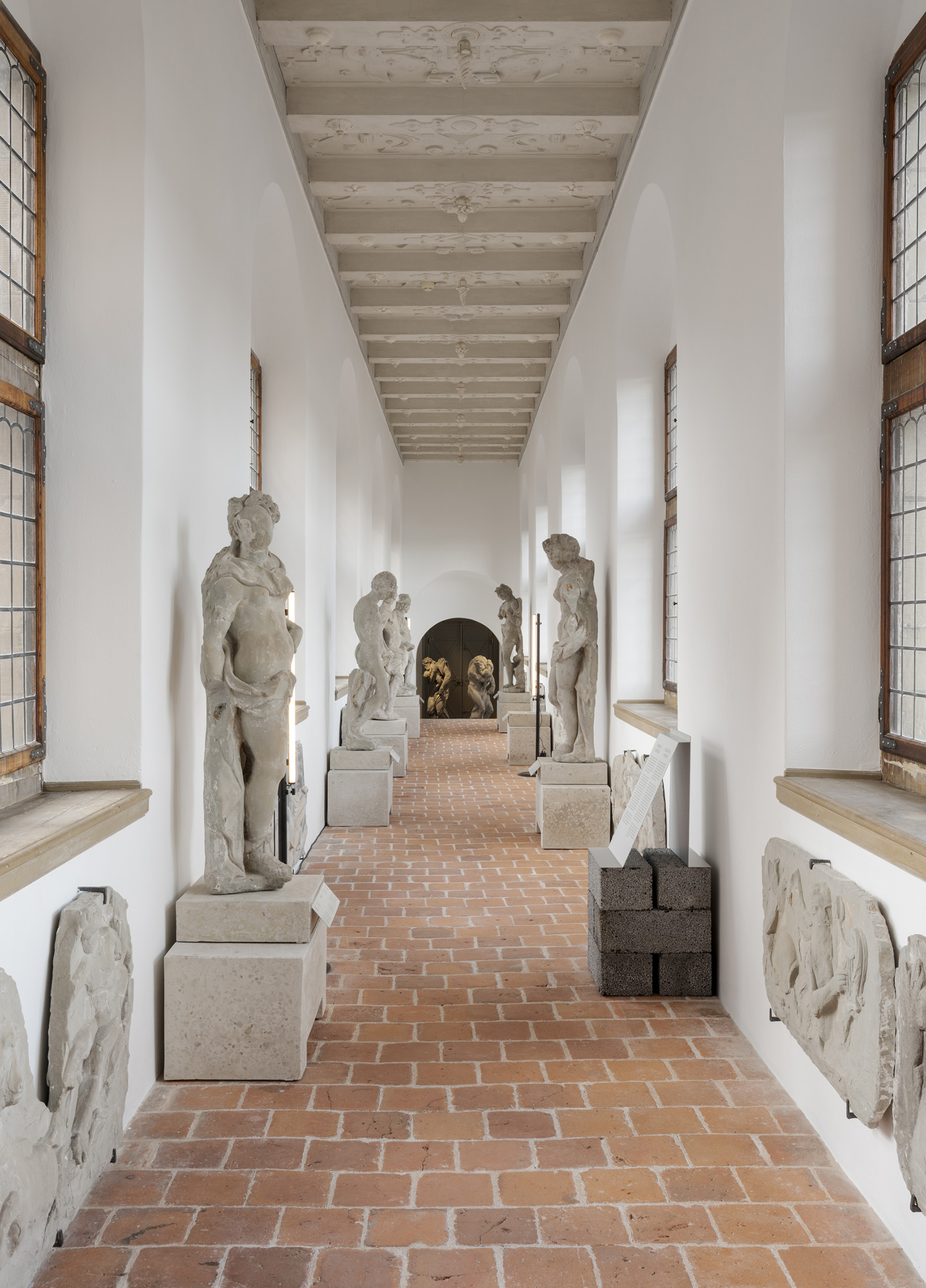
The exhibition is on display throughout a number of the castle’s historic rooms, such as the former treasury and the king’s wine cellar.

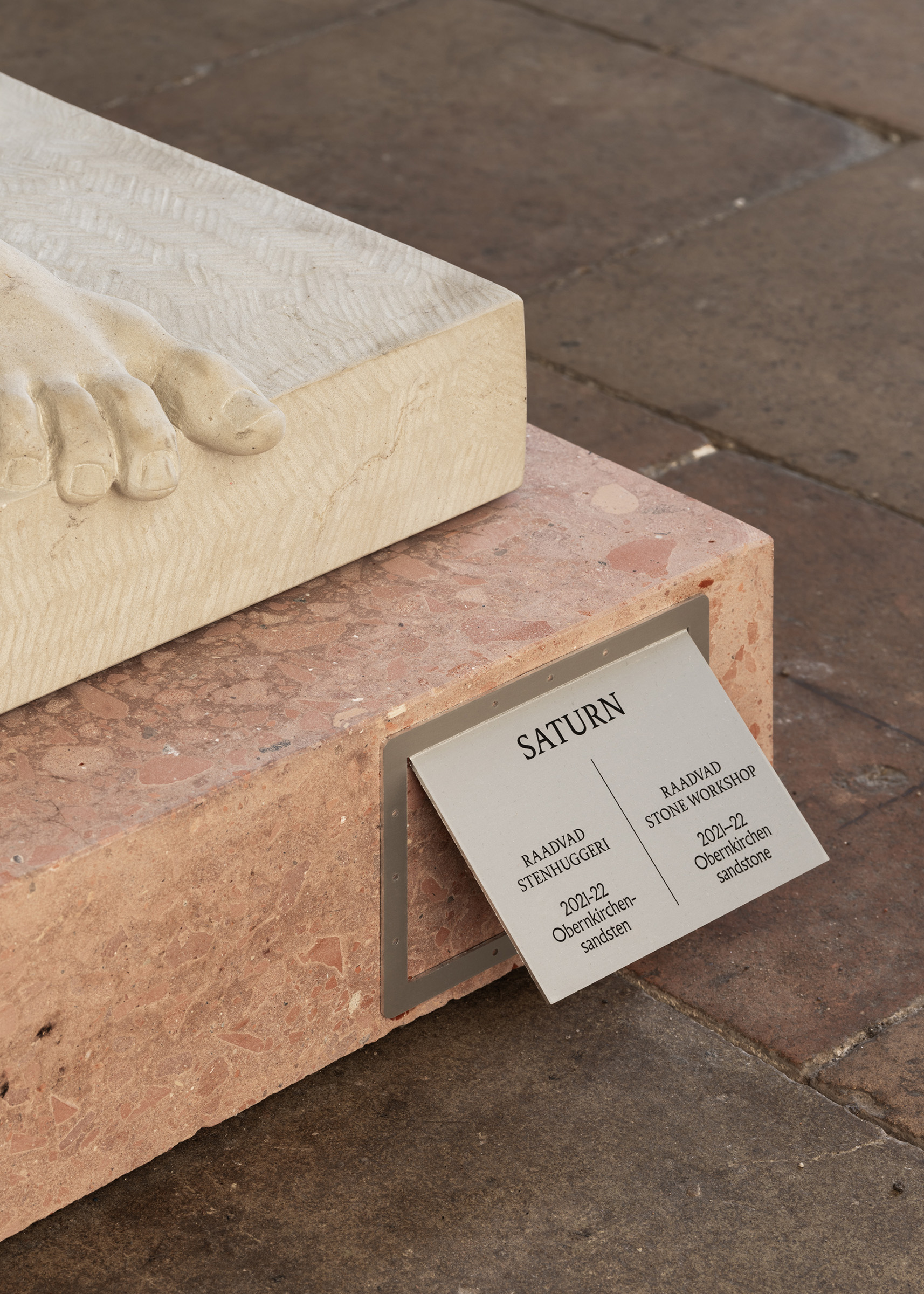
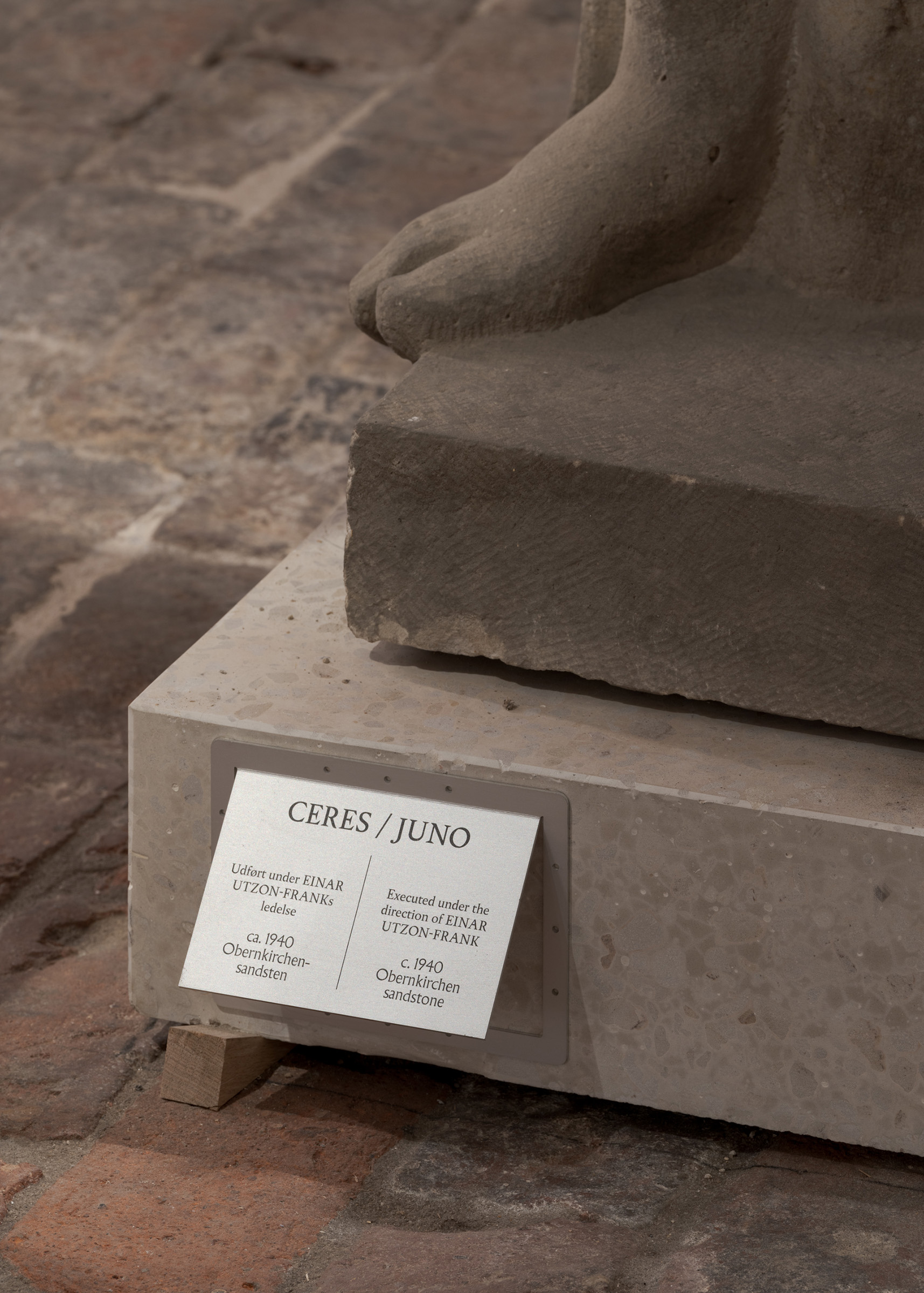
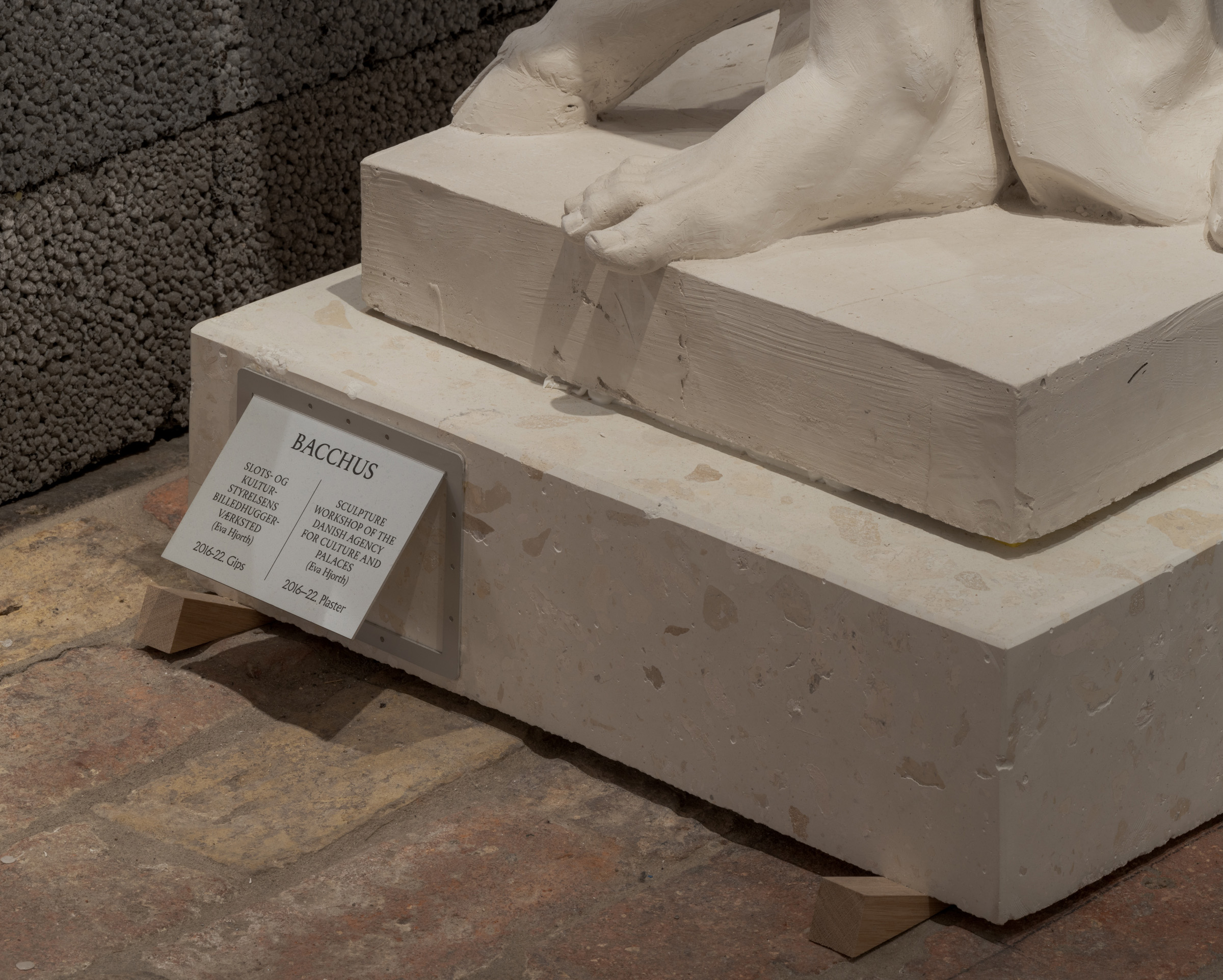
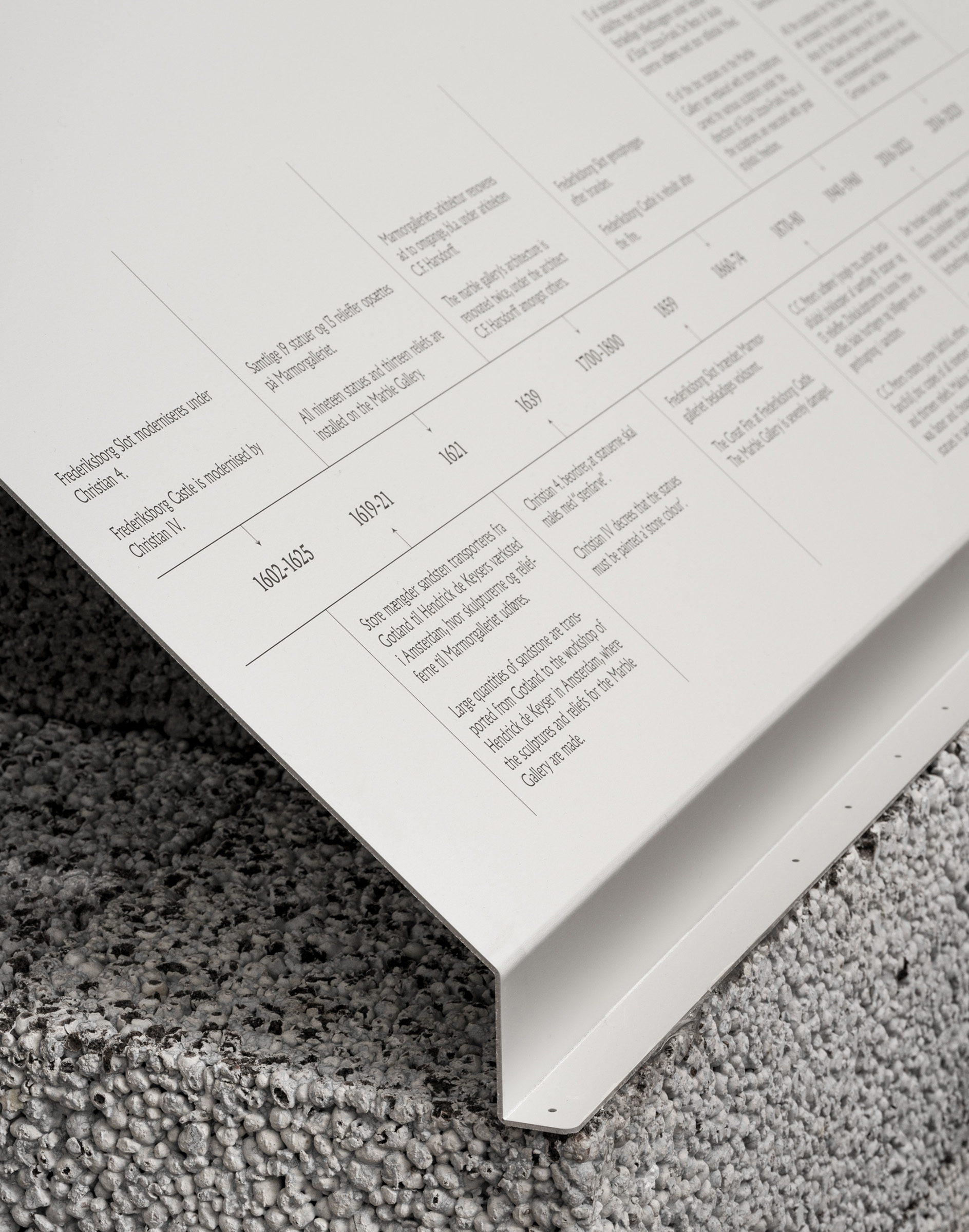
One constraint was not using wood, cardboard or paper for the exhibition elements. Instead all podia, signage, illustrations etc. were made from terrazzo, aluminum and other inorganic materials.

The different colors of terrazzo indicate which generation the sculpture mounted on top is part of. Above are seen a reddish terrazzo with red brick chips to allude to the red brick flooring of the castle; the grey-ish terrazzo uses chips of sandstone as a nod to the sandstone used in the sculptures; and the white uses limestone to achieve a light color, matching the plaster cast on top of it.

The aluminum signage was designed in collaboration with Studio Atlant, who also did all the graphics.

The exhibition will be on view for the next several years, as more and more sculptures are finished being sculpted and carved. When they are all finished, they will be installed in their individual niches on the facade.

The exhibition was curated by art historian Lejla Mrgan of The National History Museum at Frederiksborg in close collaboration with The Agency for Culture and Palaces who own the castle as well as oversee the sculpting and carving of the new sculptures.

All photos by David Stjernholm.

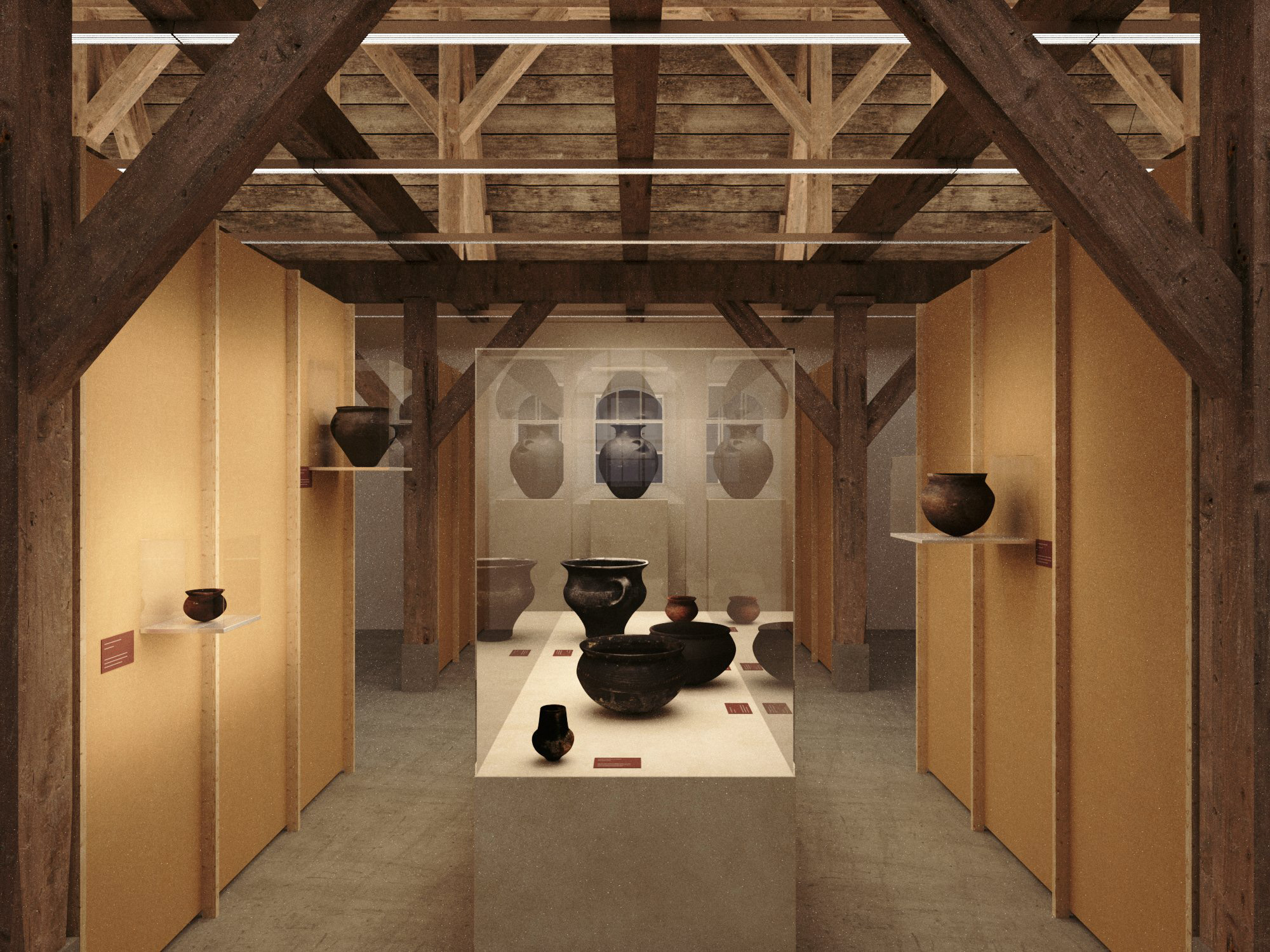
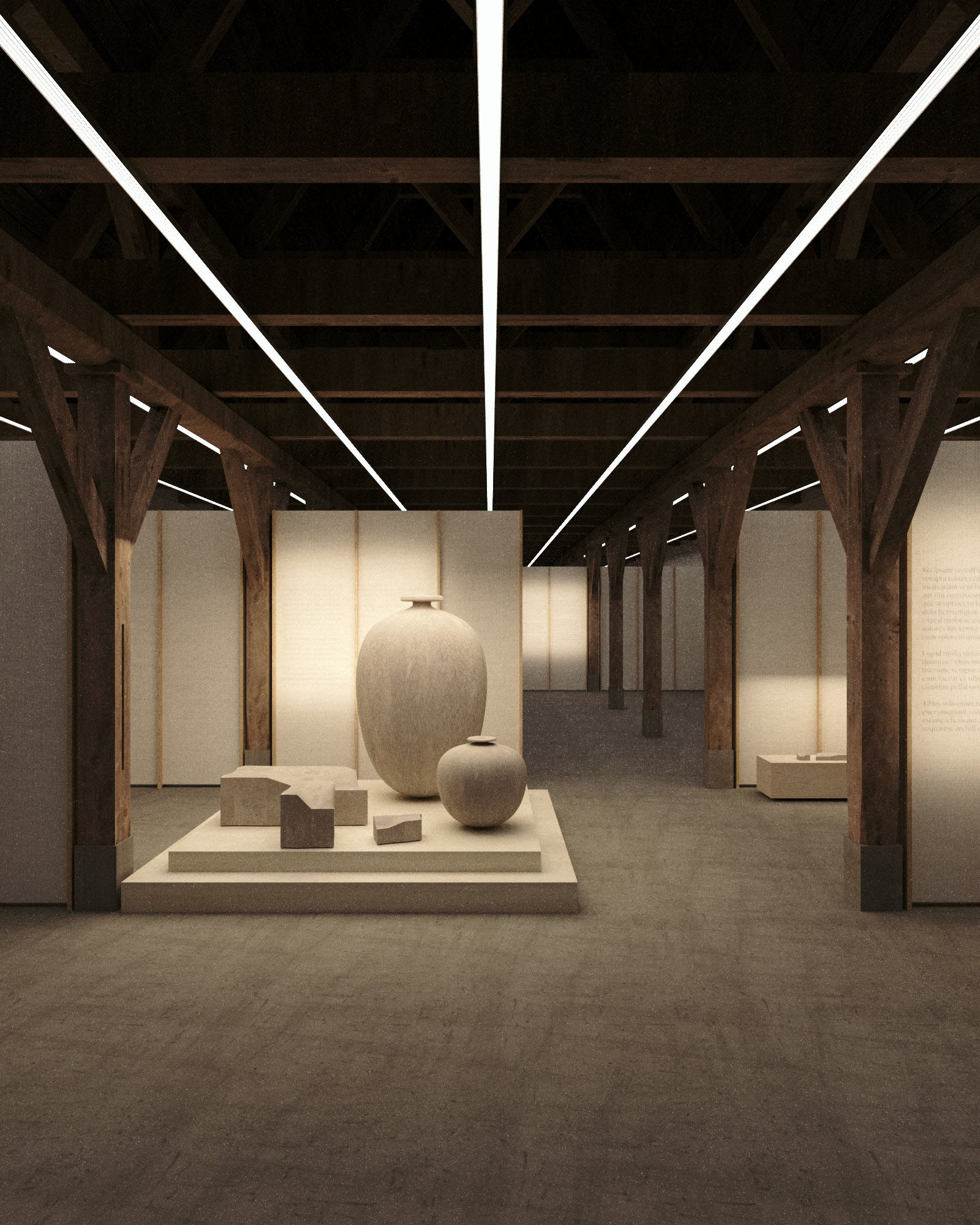
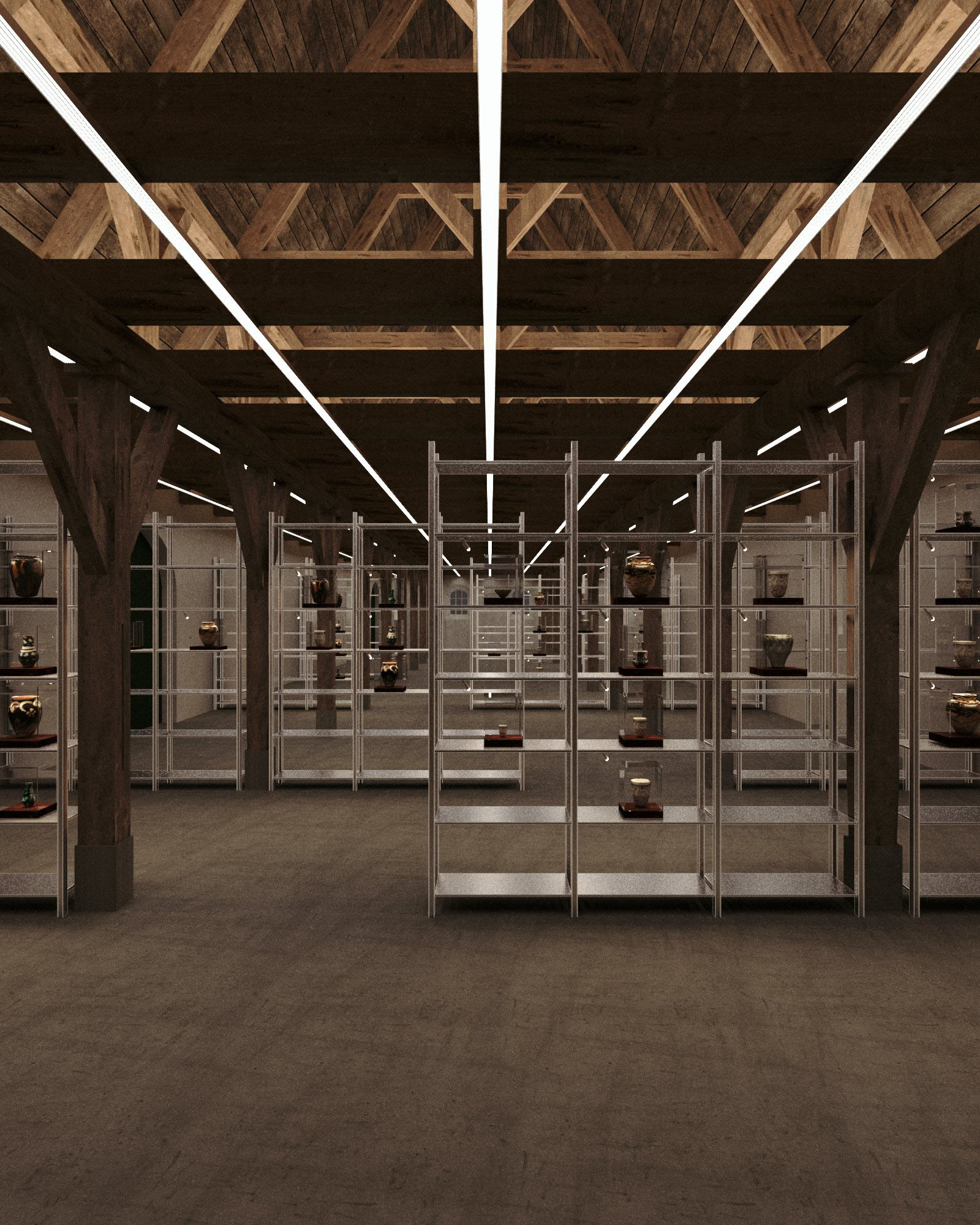
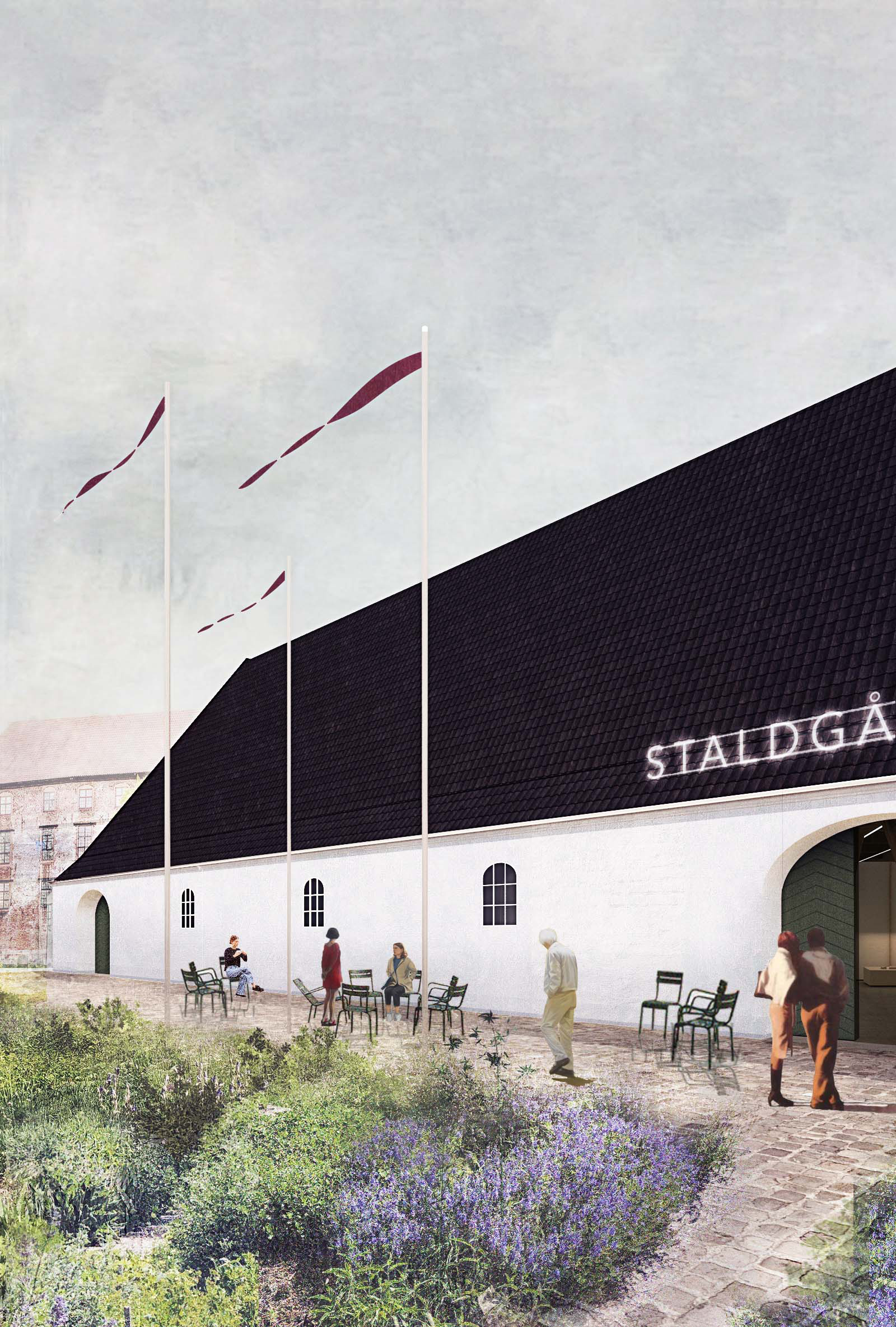
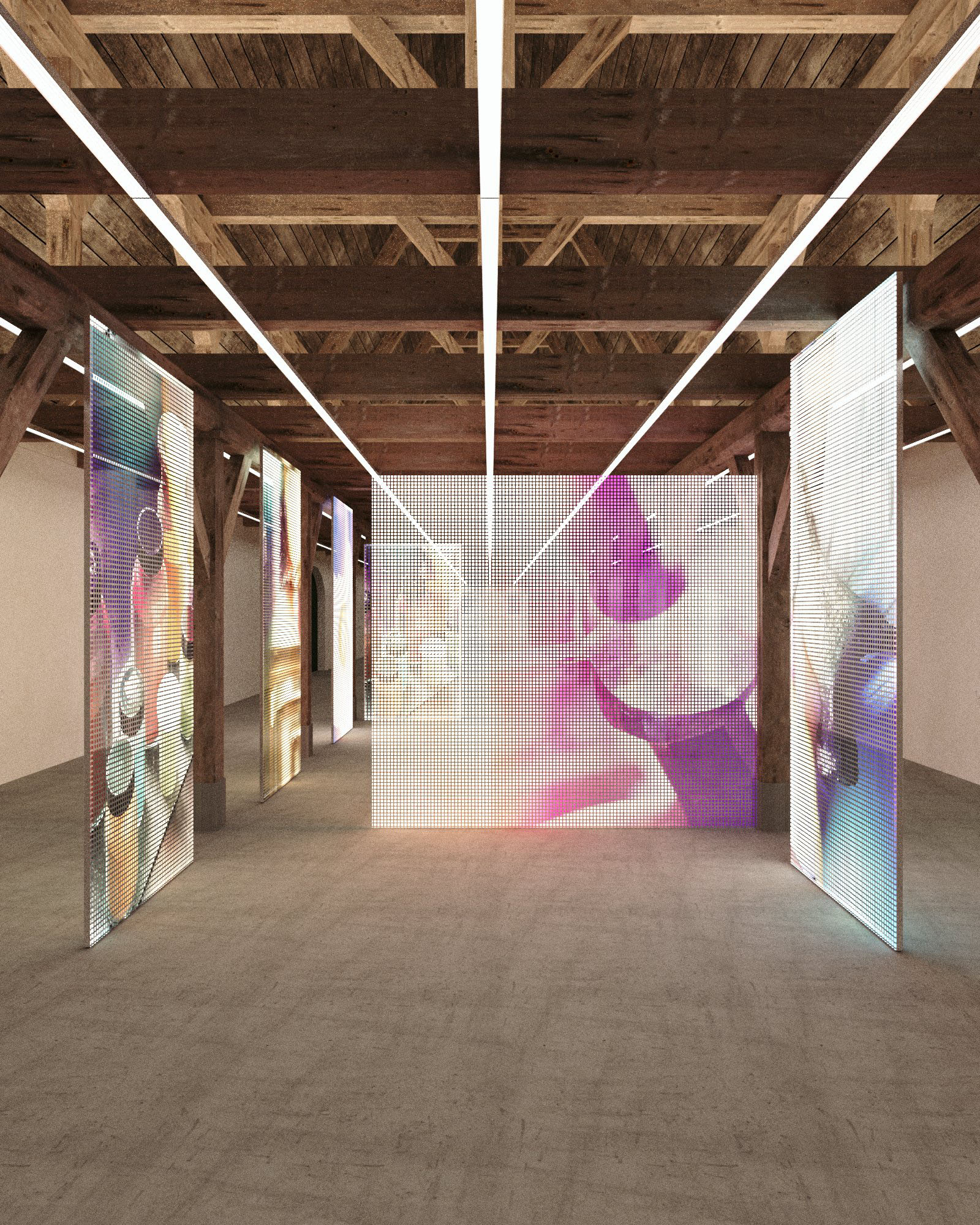
For Museum Kolding in Southern Denmark we produced this vision proposal about the future development of the museum and its vast collection of craft objects from all over Denmark.

The proposal includes the transformation of Staldgården, a listed building part of the larger Koldinghus Castle complex.

The vision was produced in collaboration with Have Communication with input from the museum management and staff.

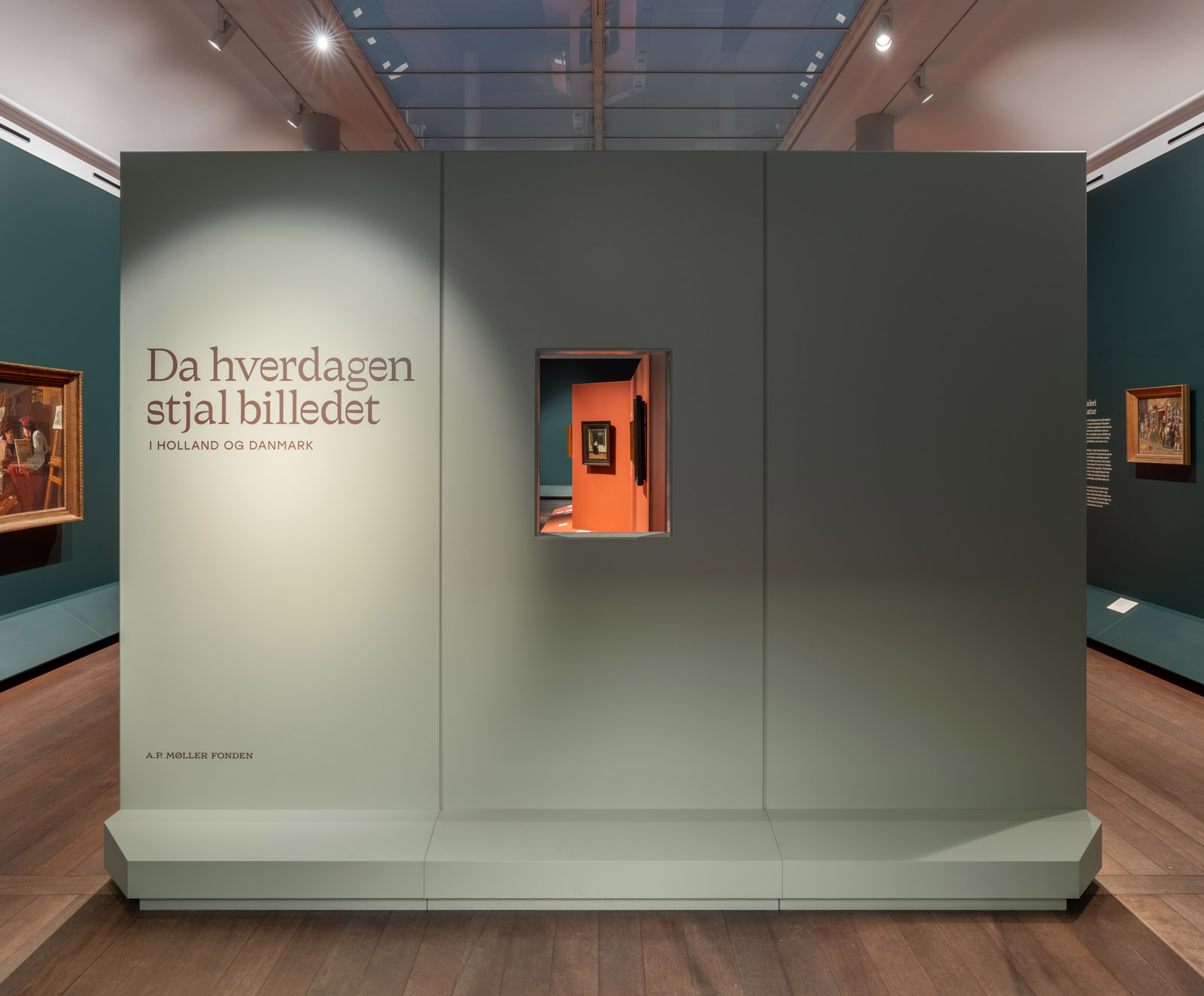
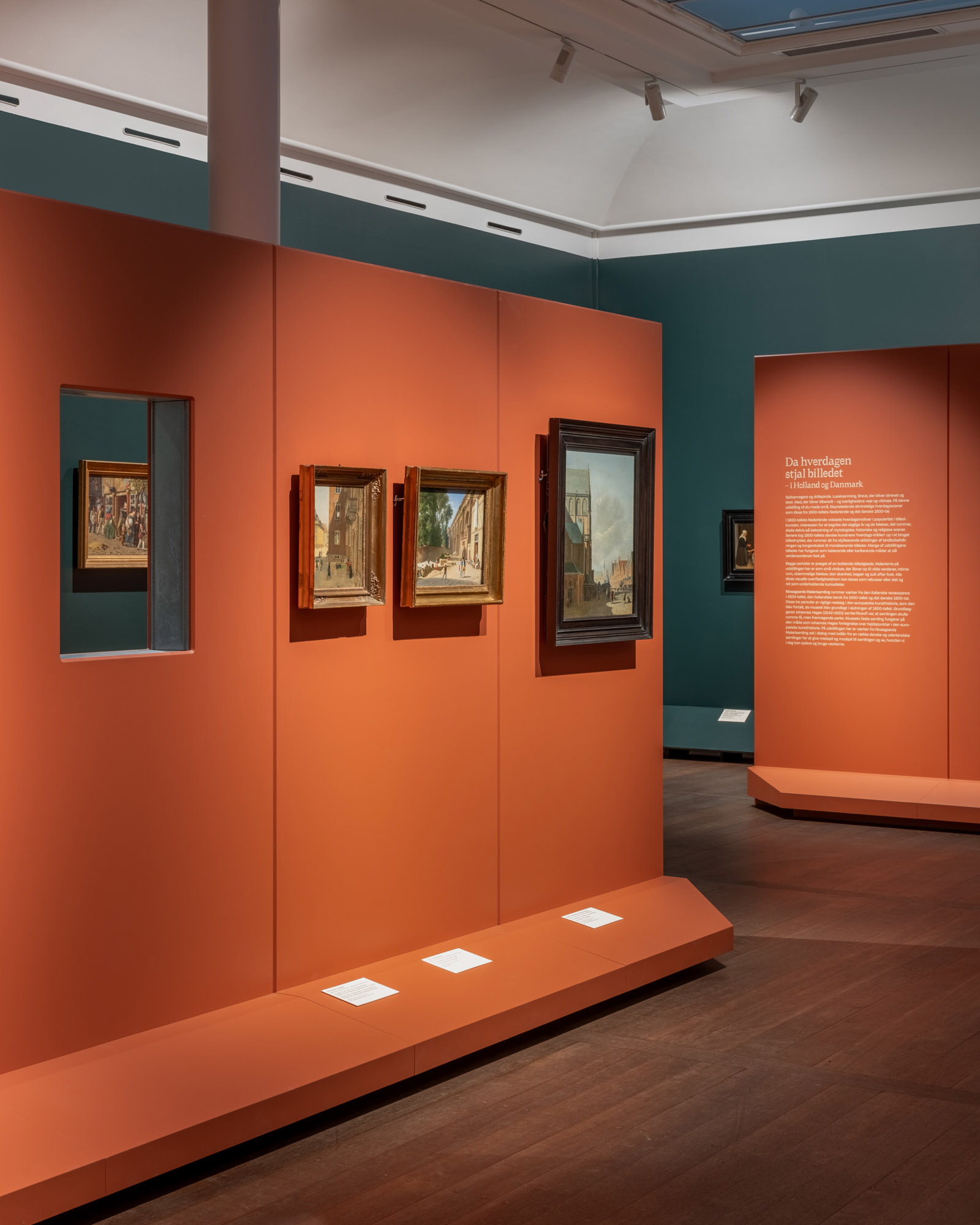
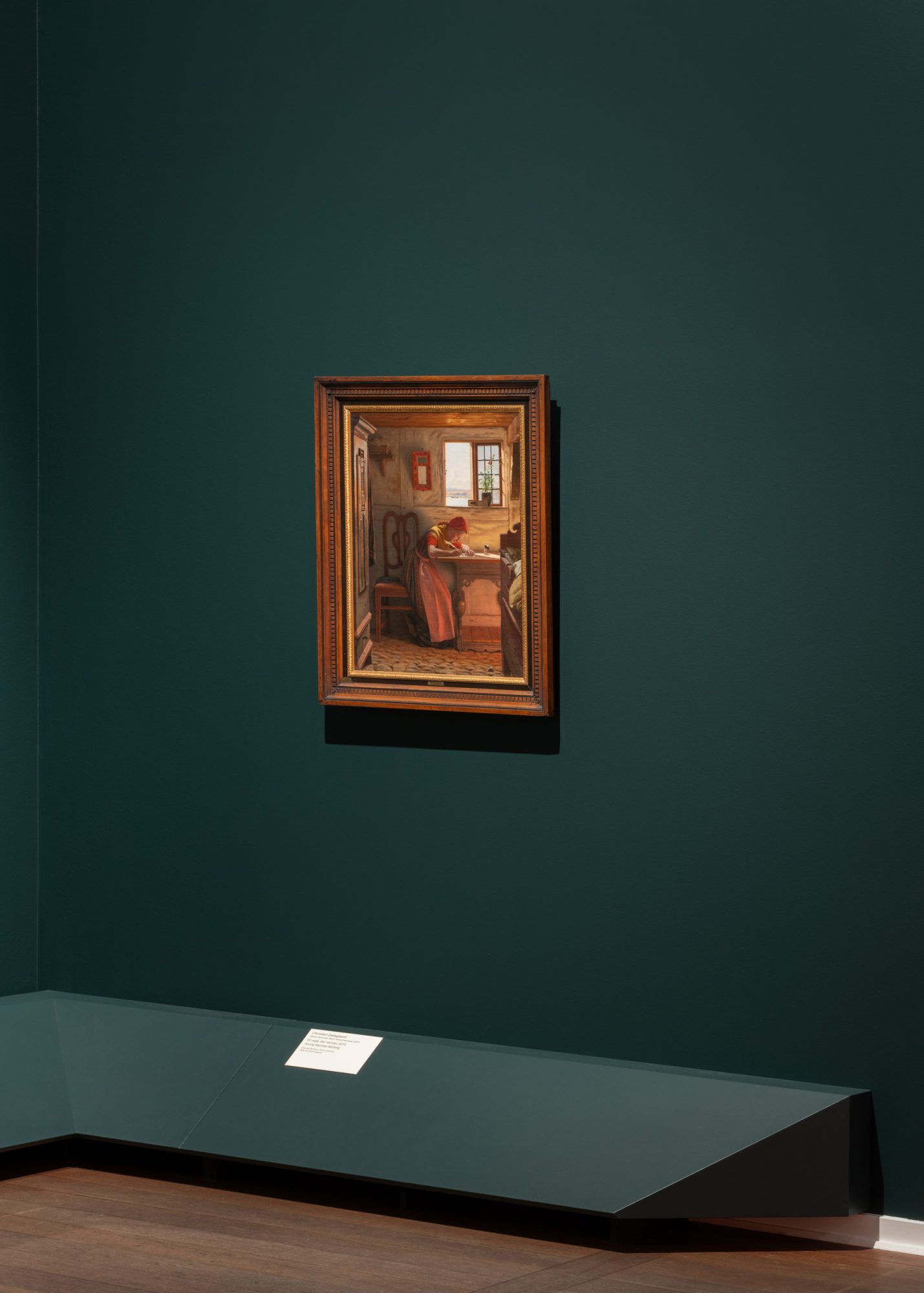
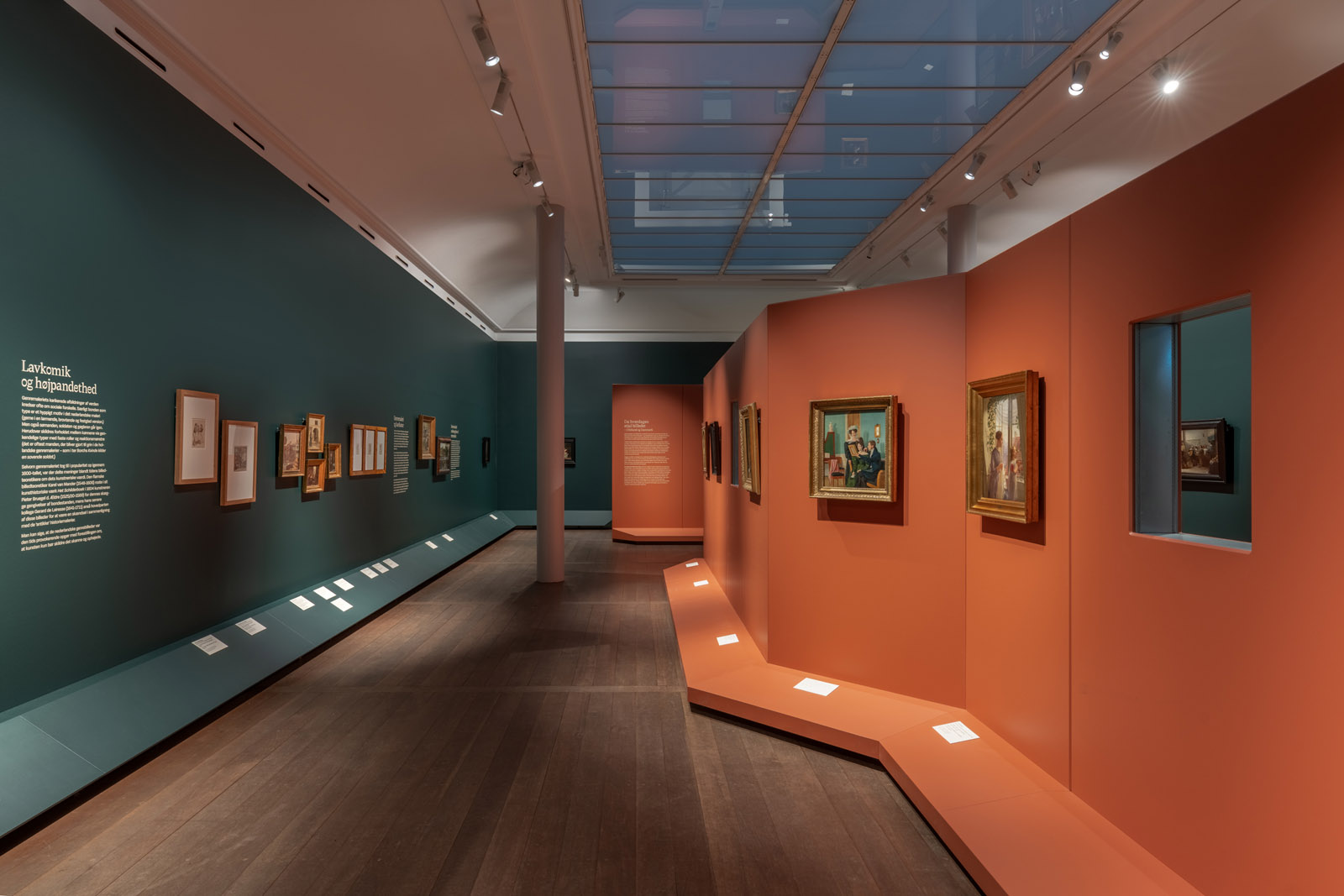
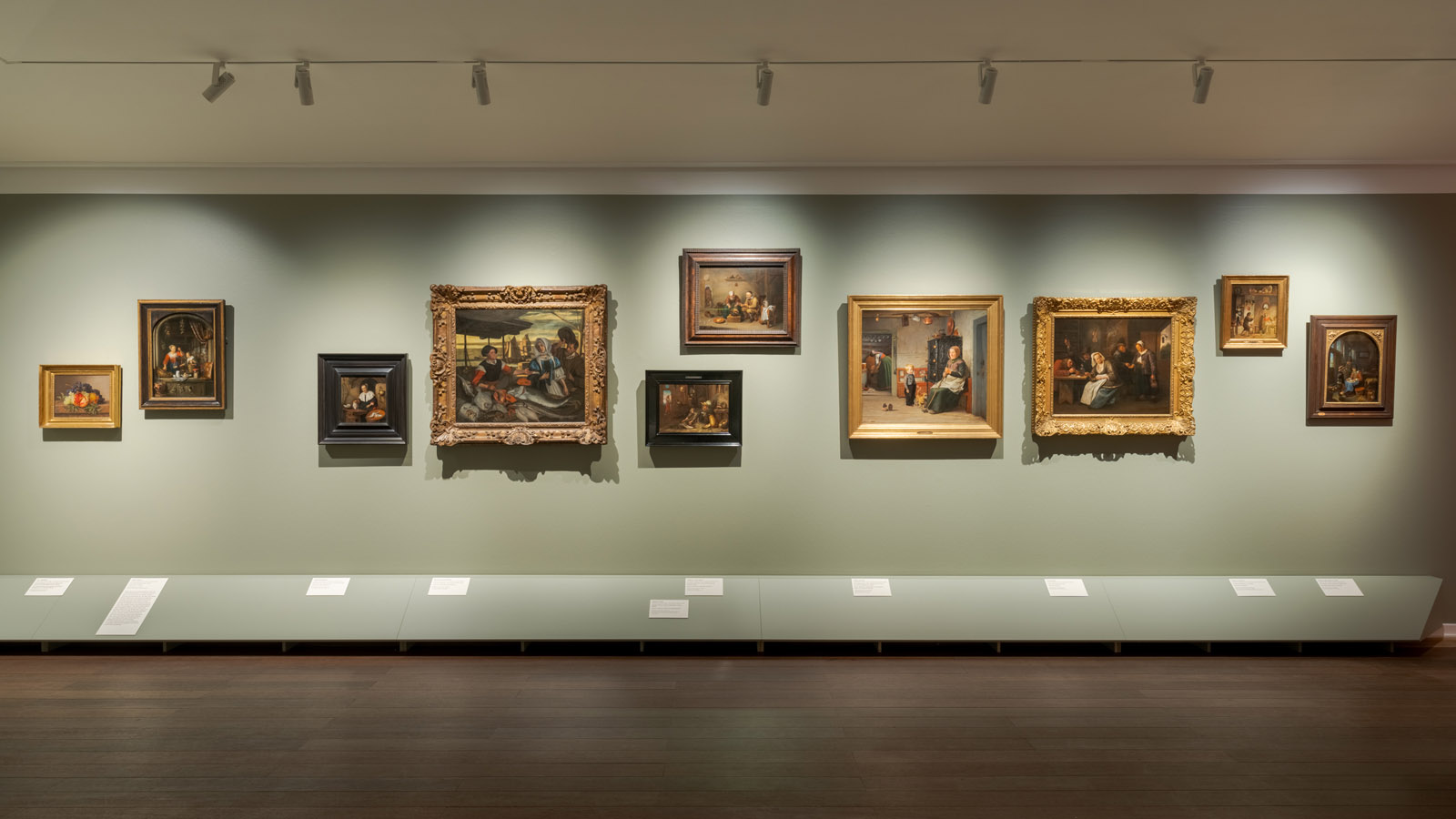
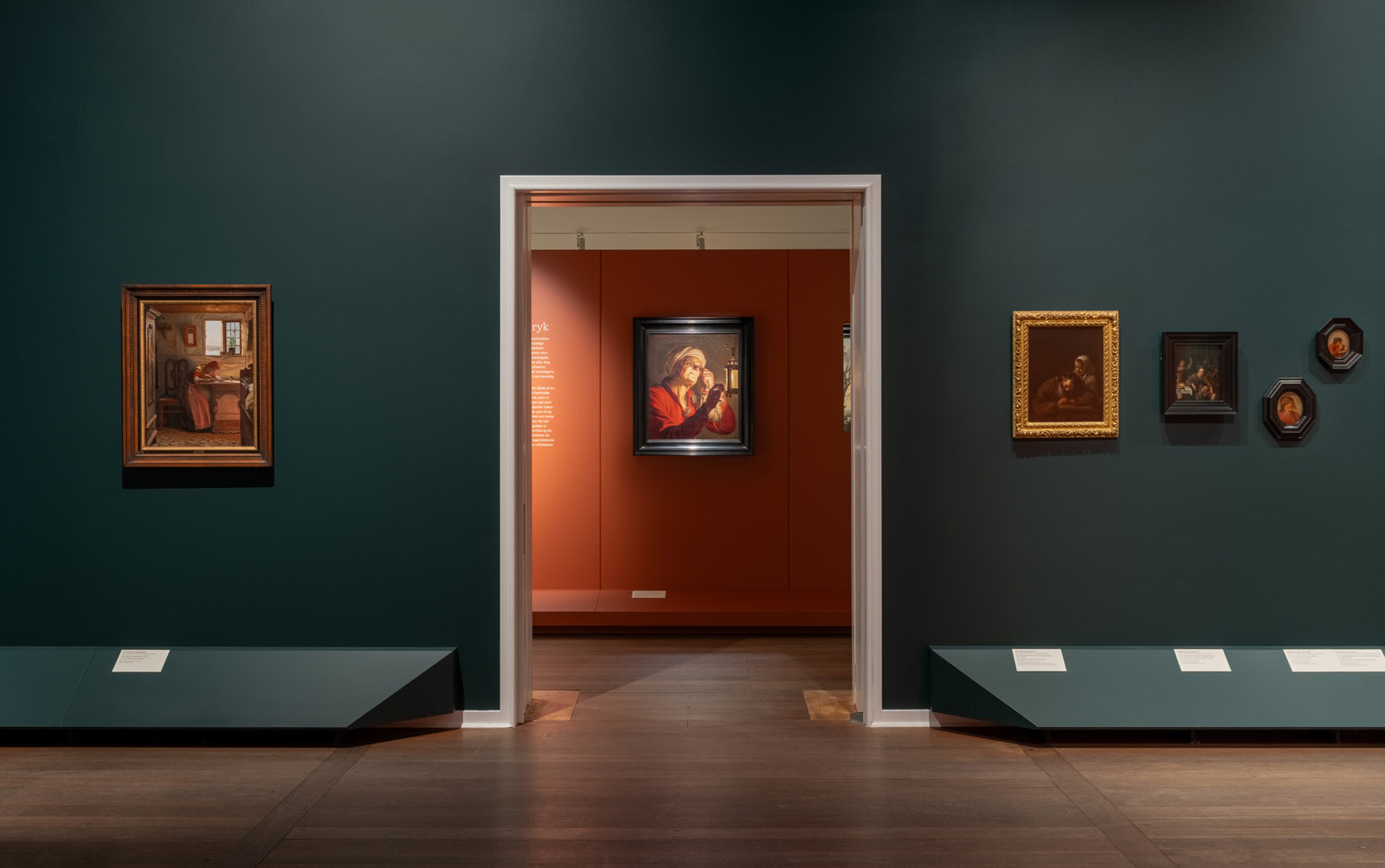
Design for a large exhibition showcasing more than 100 paintings juxtaposing Dutch 17th century art with the era known as the Danish Golden Age – the first half of the 19th century – at The Nivaagaard Painting Collection.

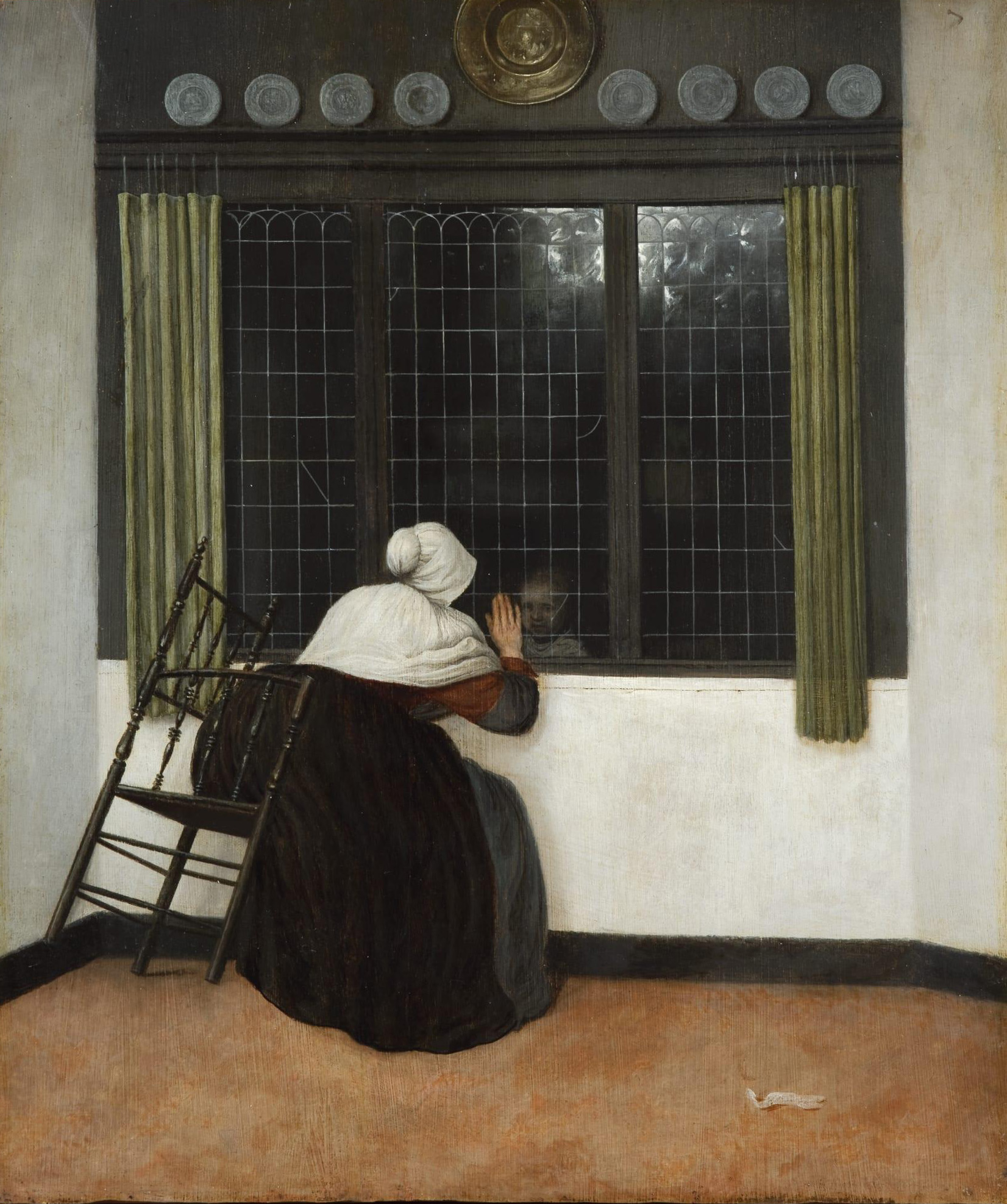
The focus of the exhibition is the style known as “genre painting”, which as opposed to historical or religious painting depicts normal people in scenes and situations from everyday life.

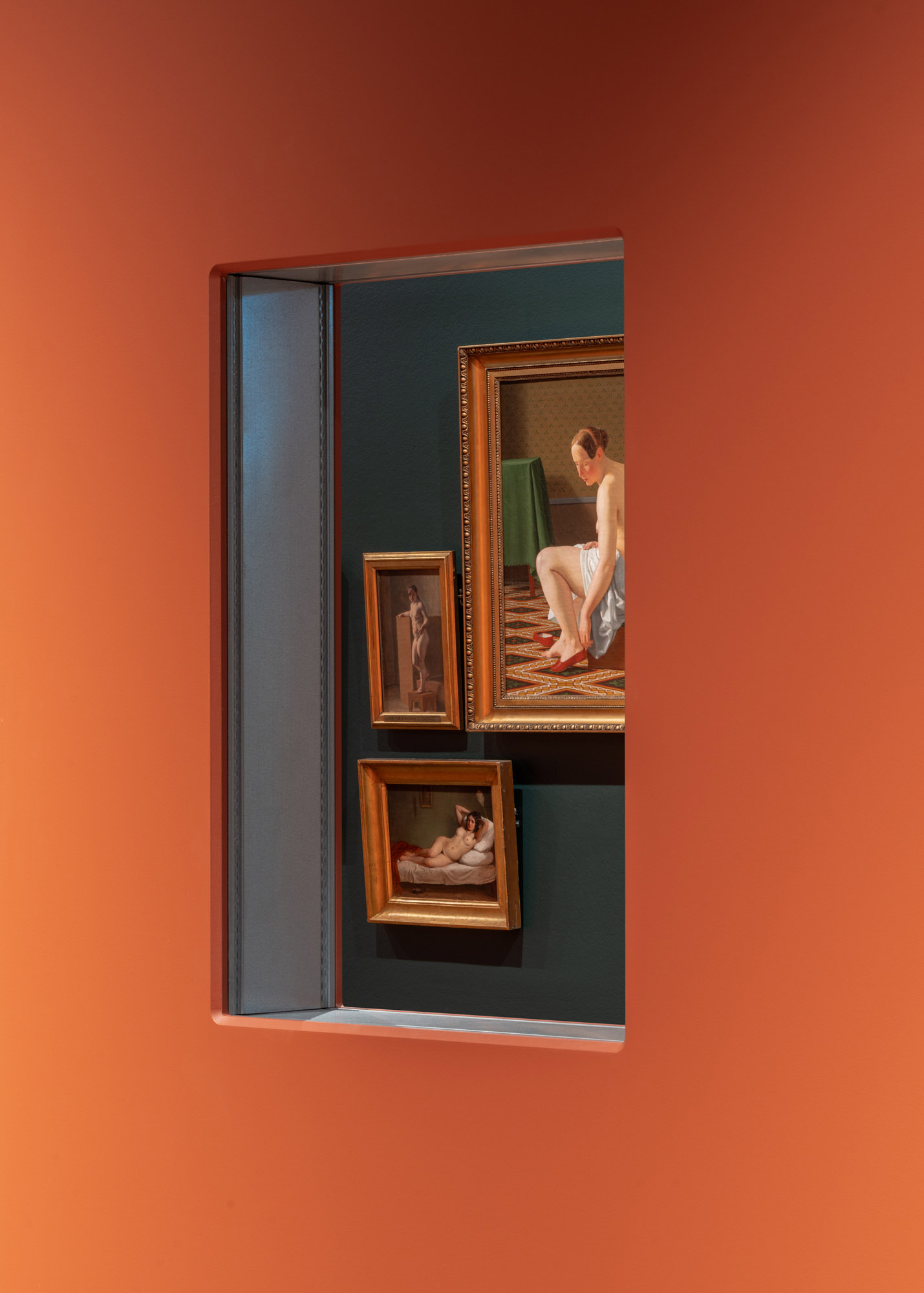
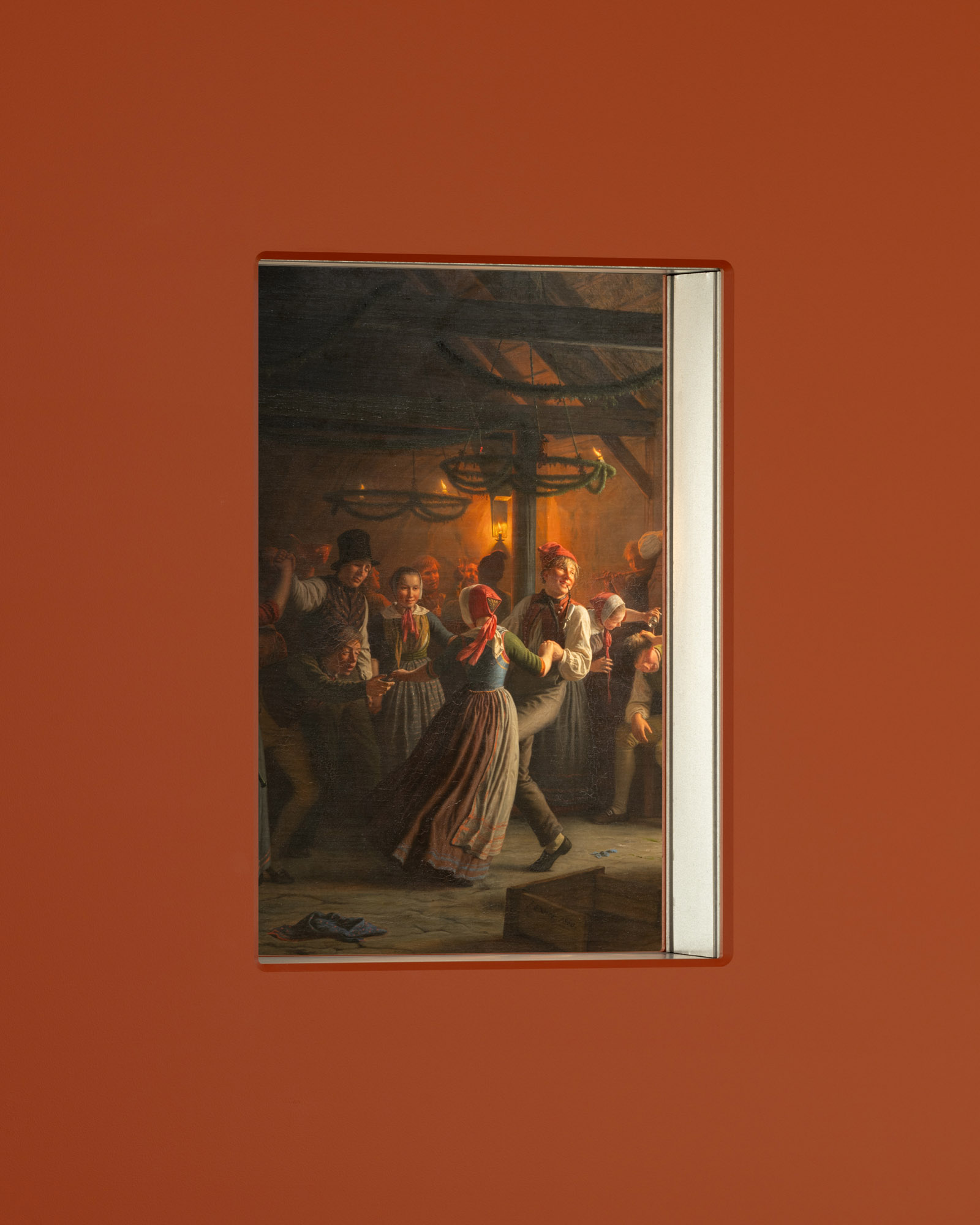
Many of the paintings depict people looking through or sitting by a window. For this reason the window itself became a motif in the exhibition design, as holes in the new walls, framing the view and connecting the artworks on either side of the wall.

As the exhibition relies heavily on borrowing masterpieces from international collections, a big obstacle was securing proper safety distance between the works and the museum guests.

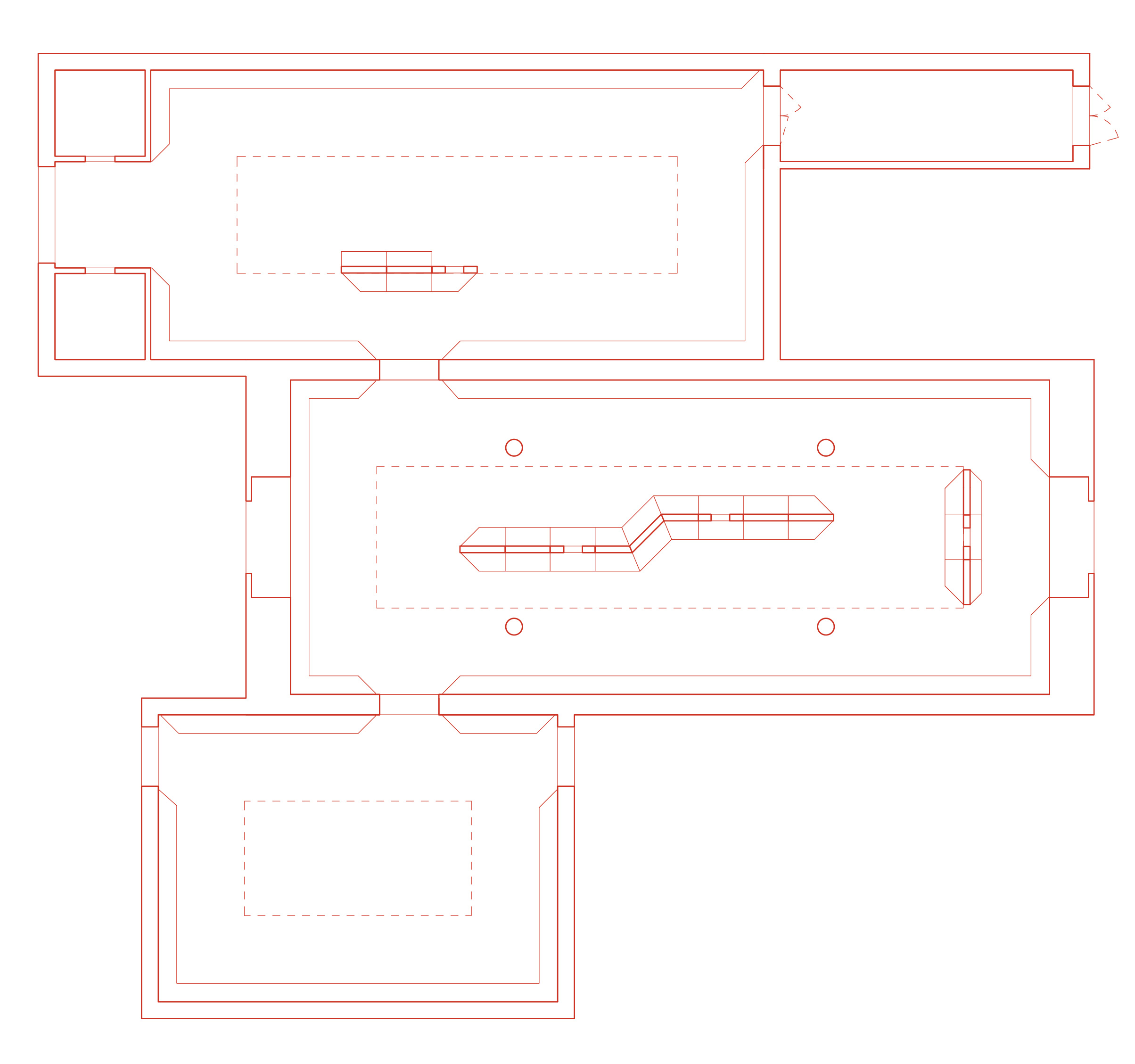
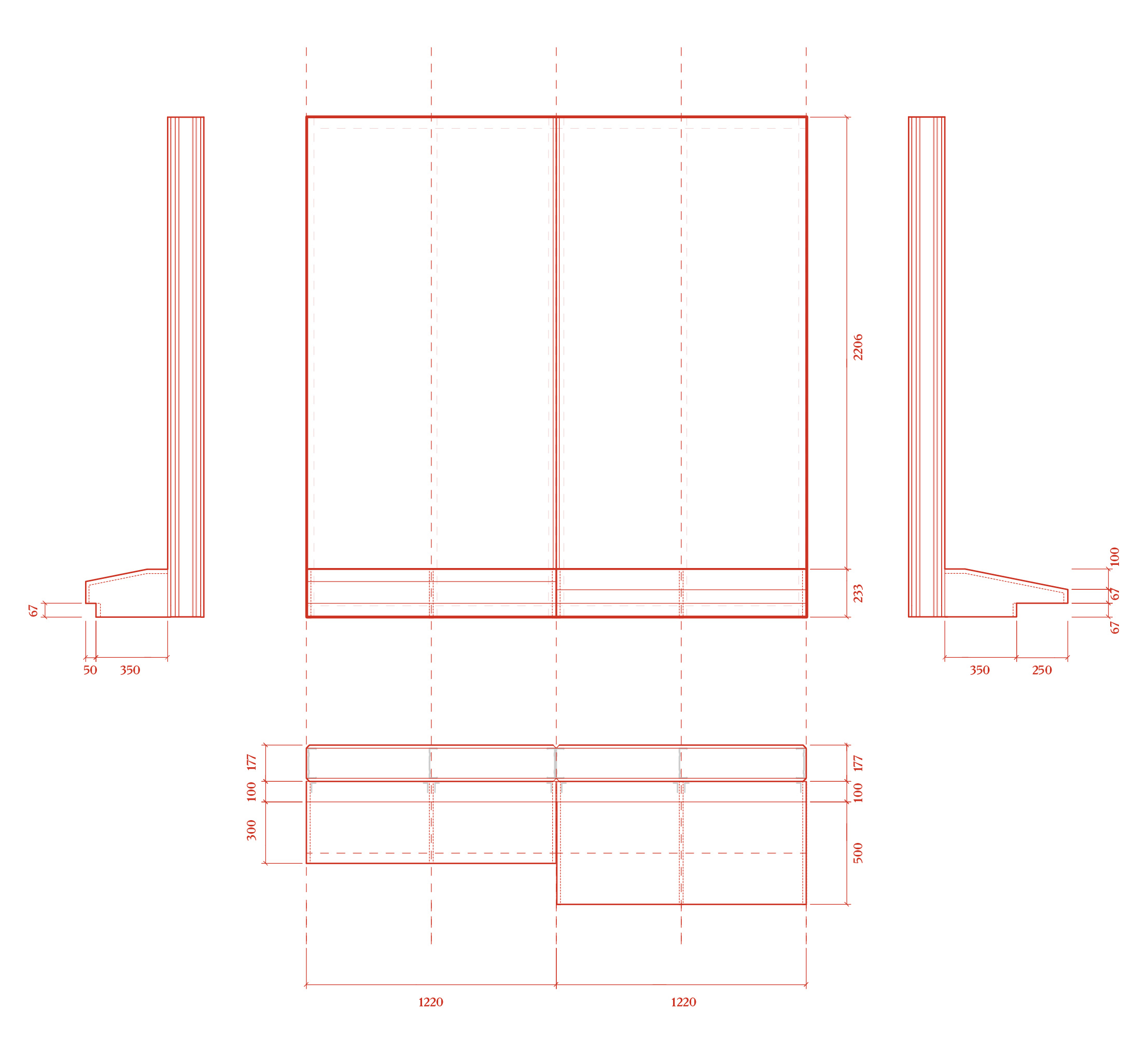
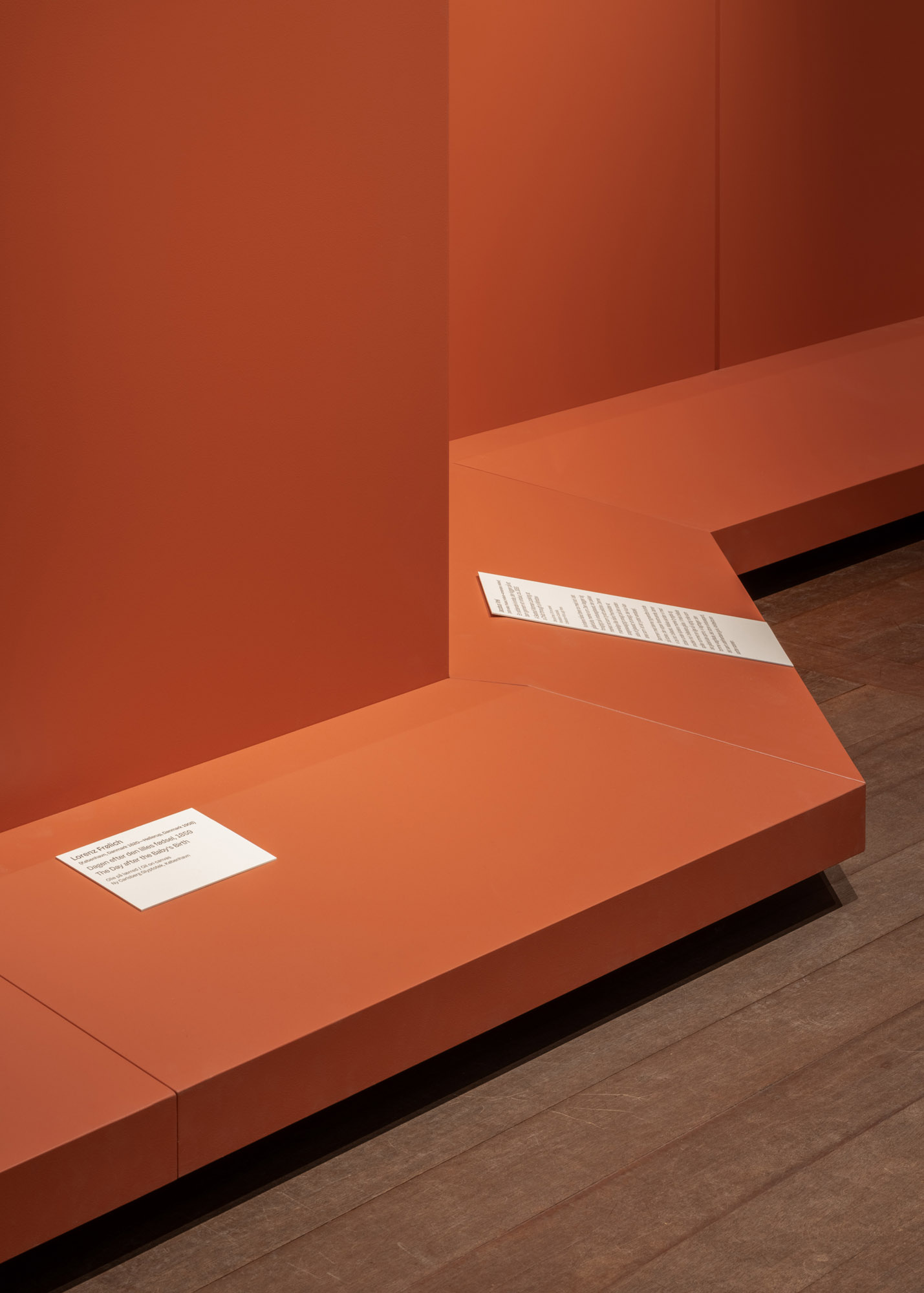
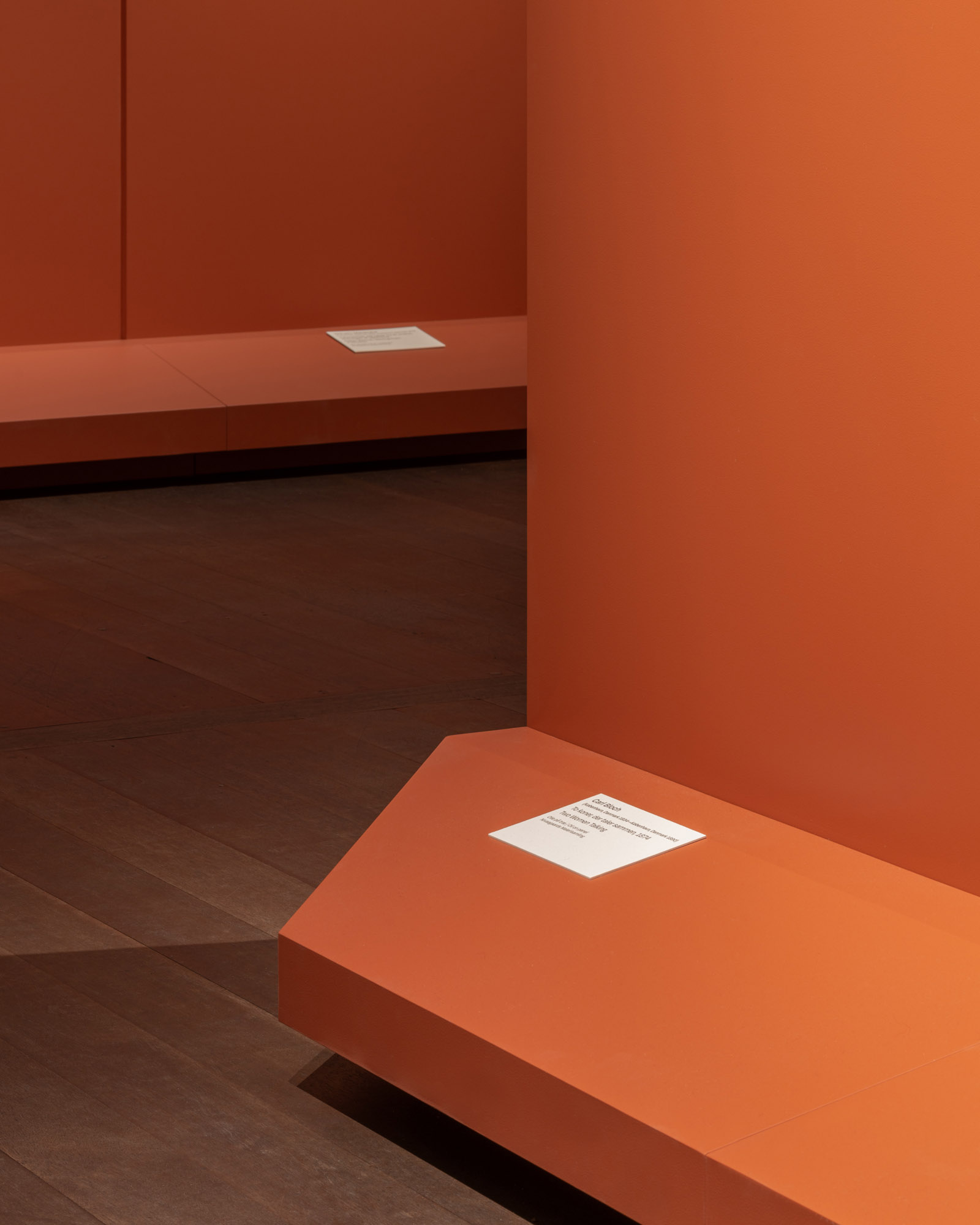
We turned this to our advantage and created large skirting elements along all boundary walls with an angled face to display text at a comfortable viewing angle. In the same manner, all new walls were designed with a large foot element for stability and distance, and an angled face for text display.

The many pictures are hung on the walls in a playful manner, to highlight the commonplace and often satirical situations being depicted.

All photos by David Stjernholm.

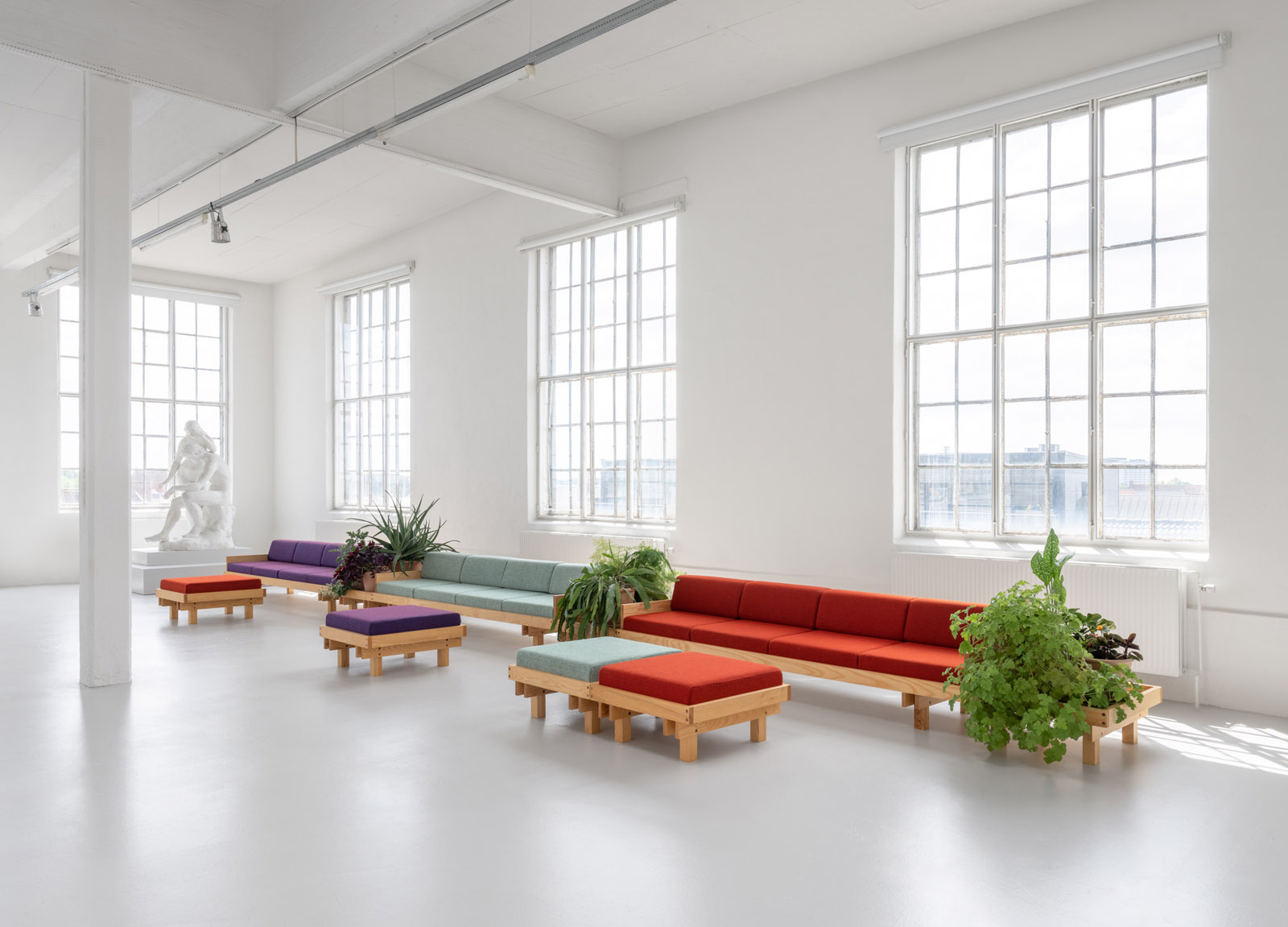
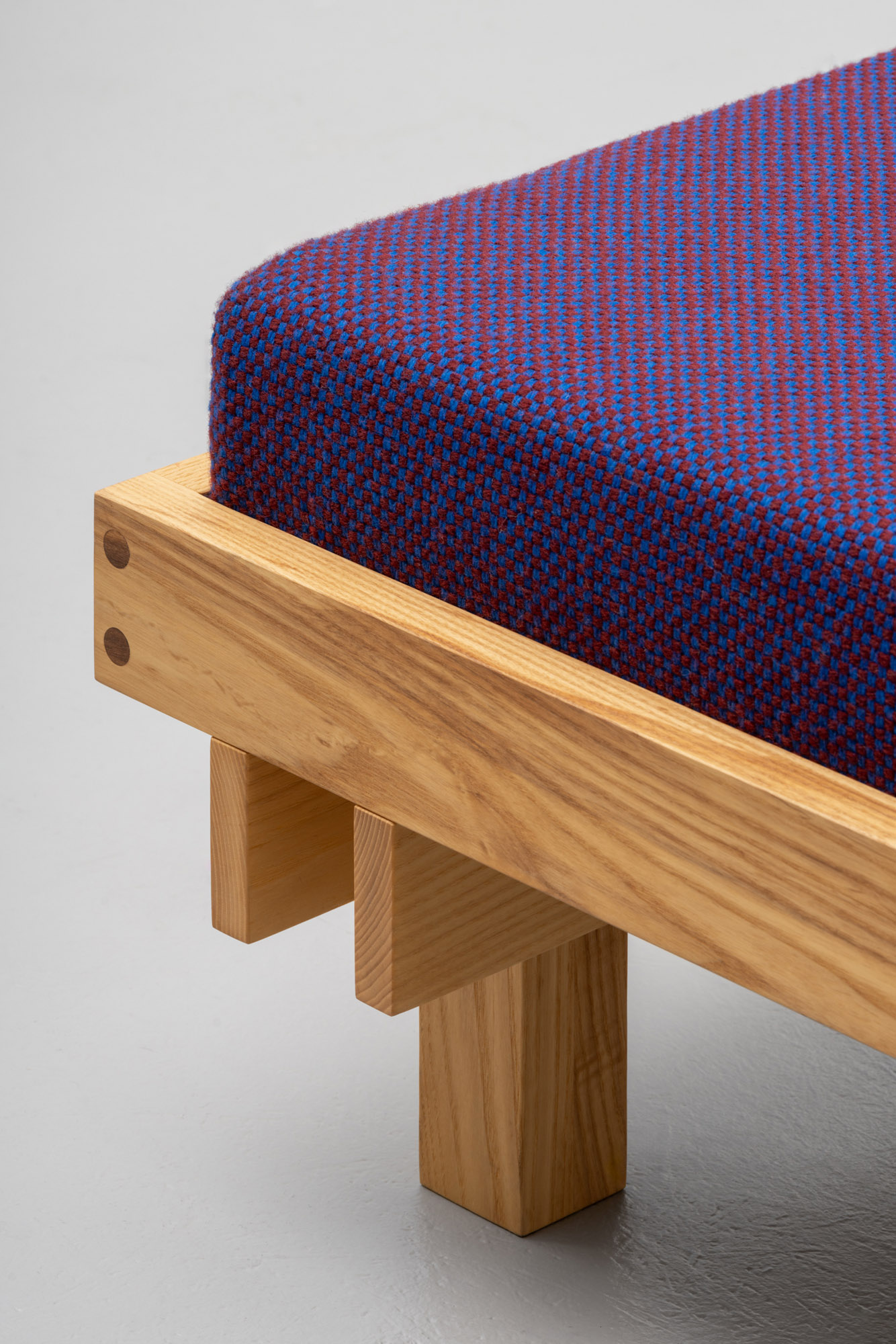
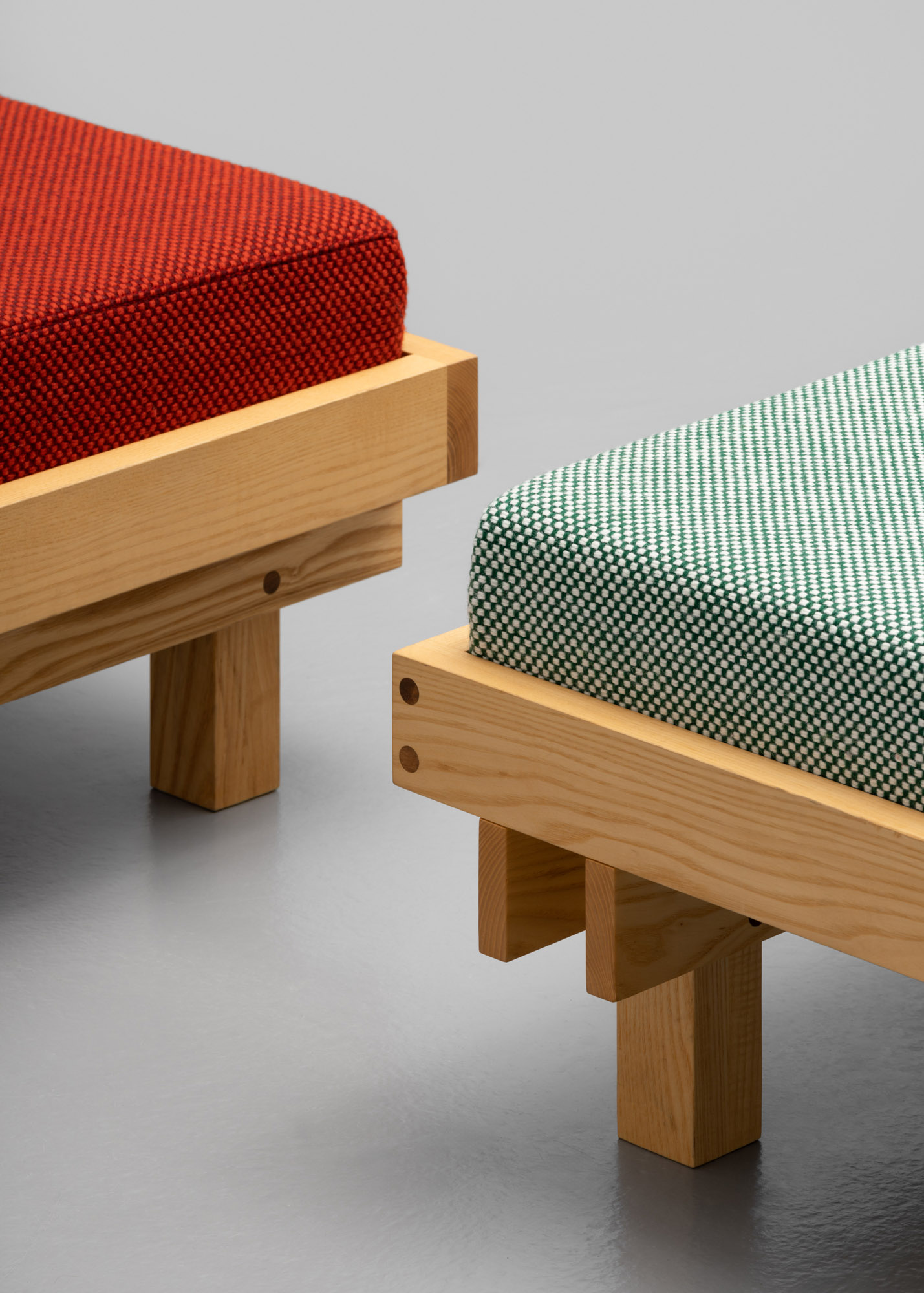
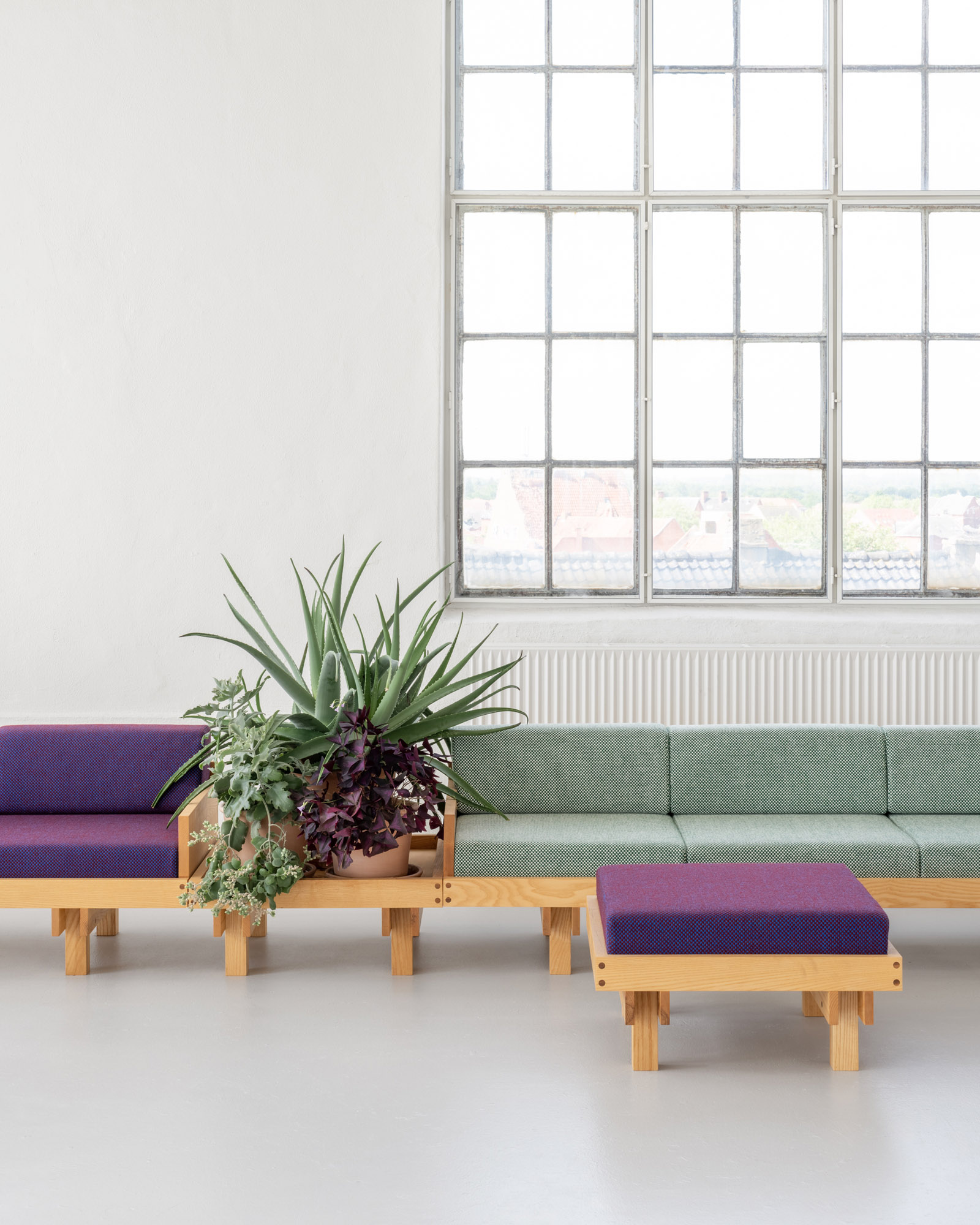
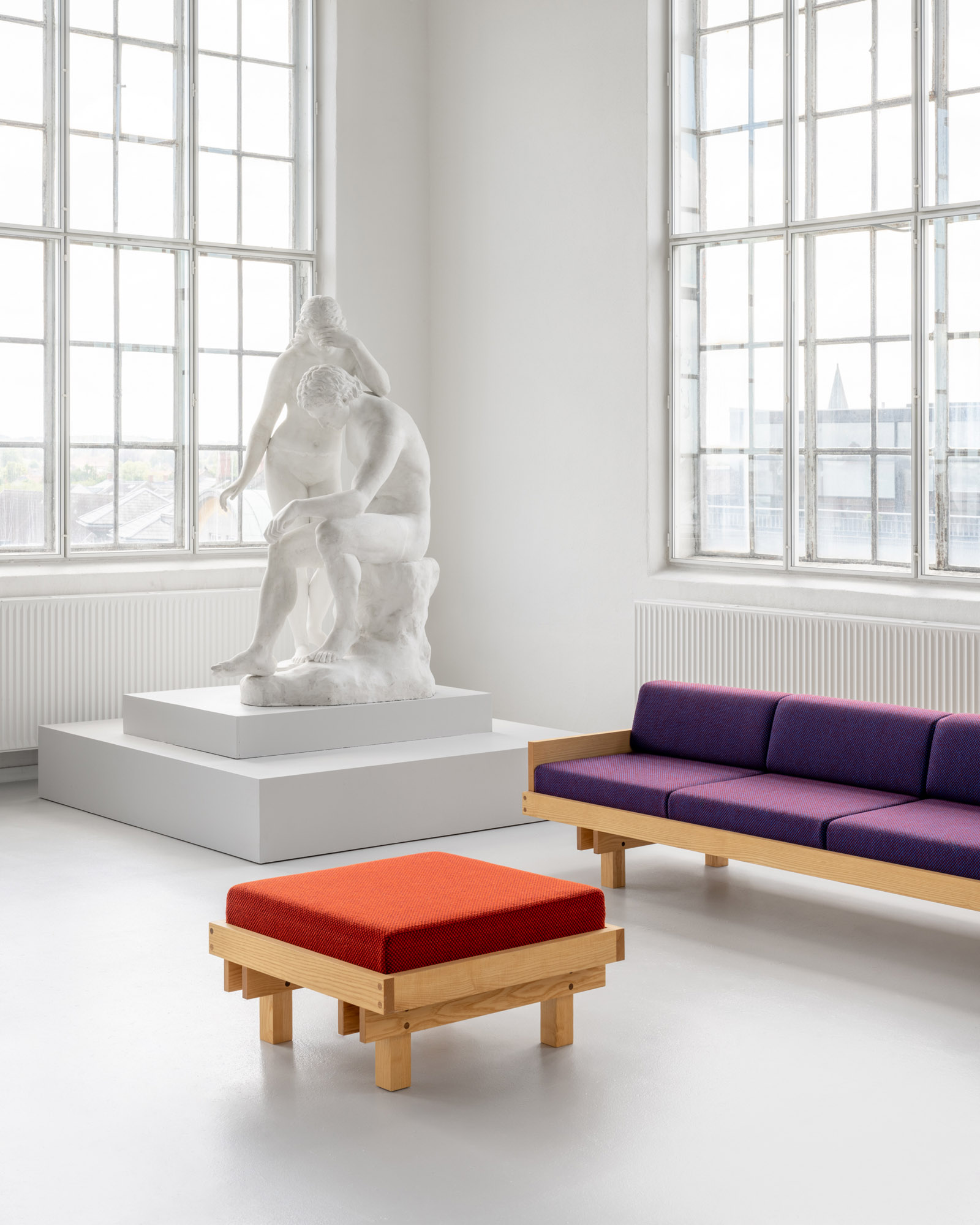
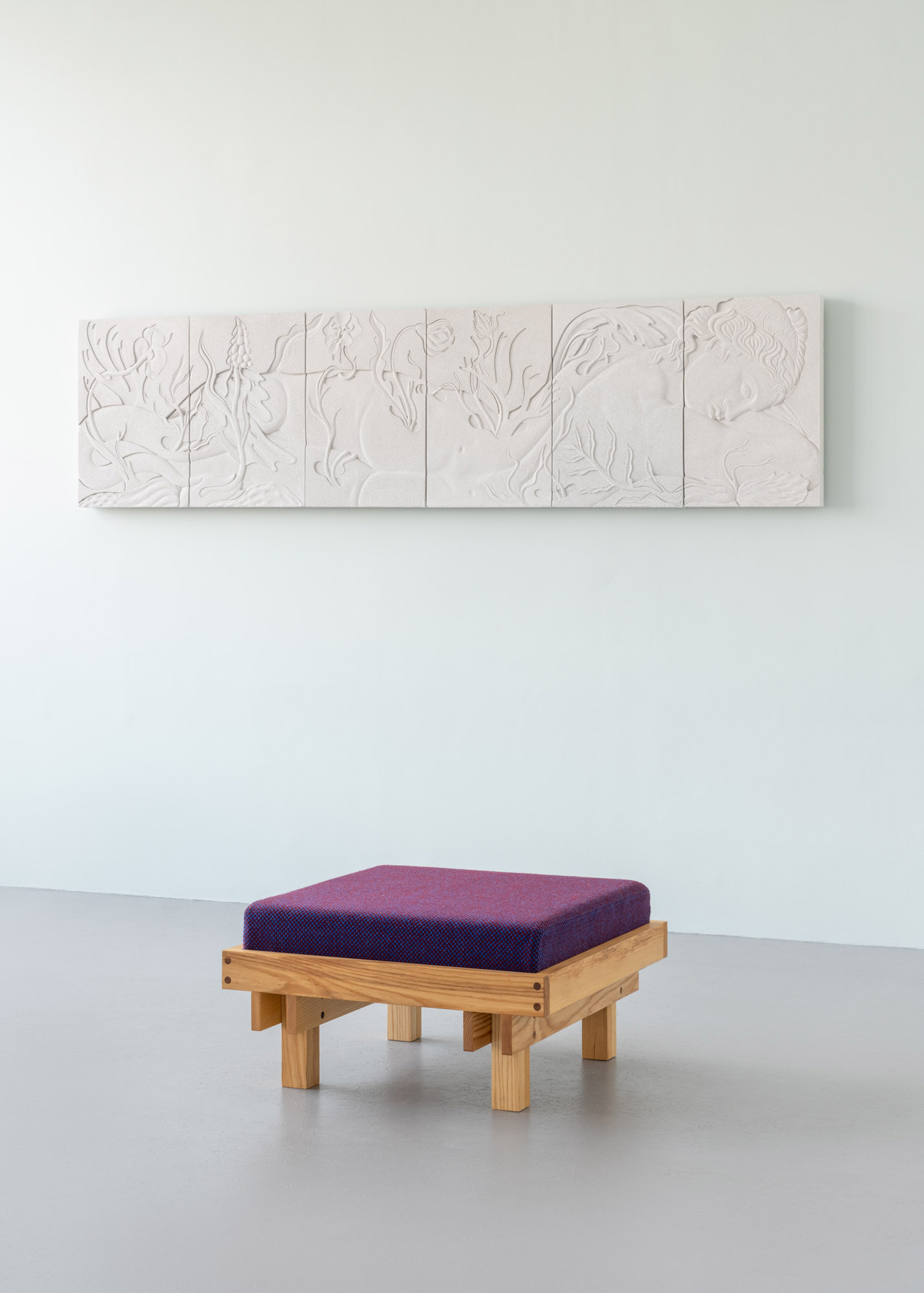
New furniture for the permanent collection of Kunstmuseum Brandts. The daybeds and ottomans were built by Rammelisten using ash wood with elm detailing.

All upholstery by Kvadrat.

Photos by David Stjernholm.

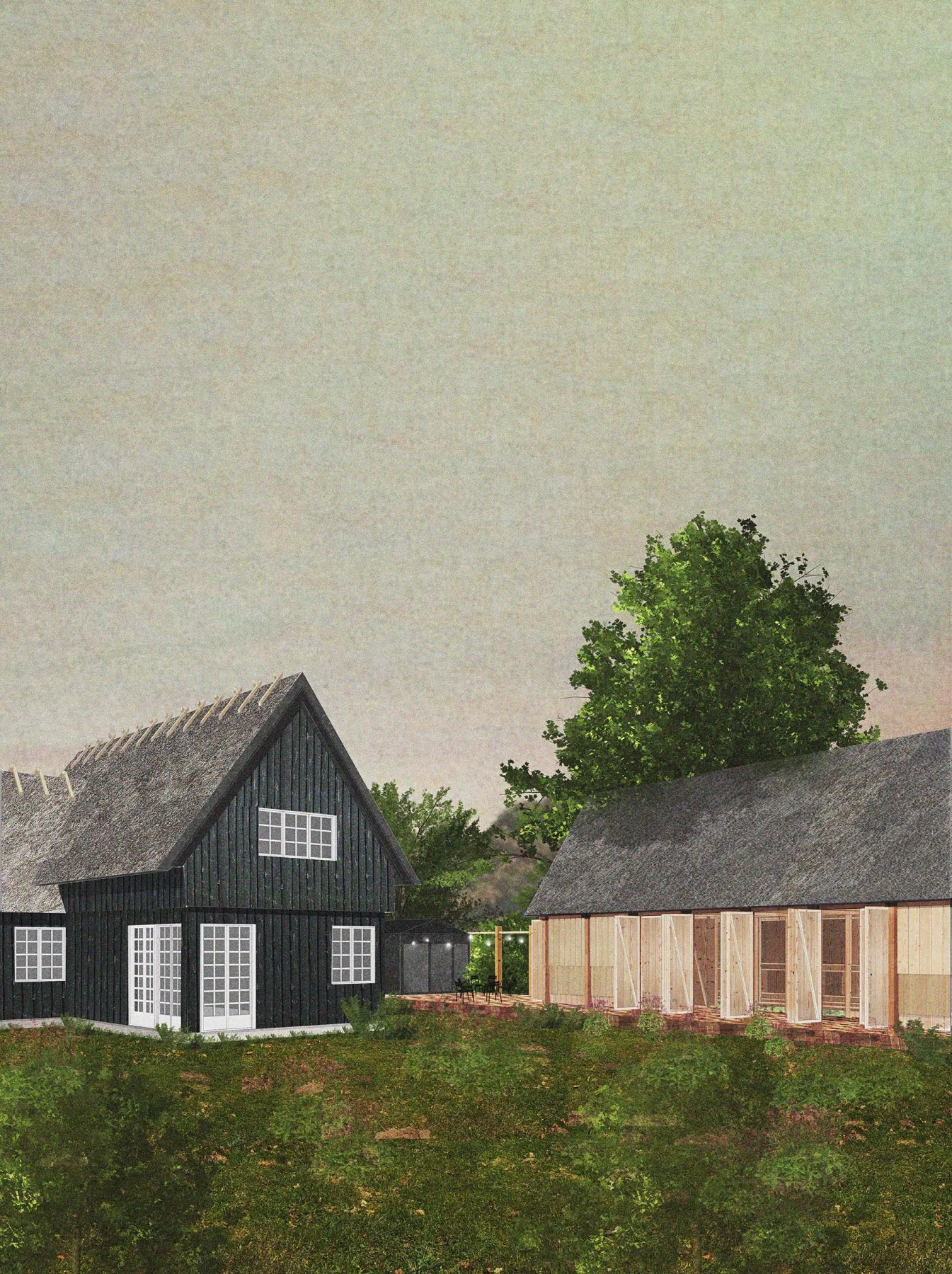
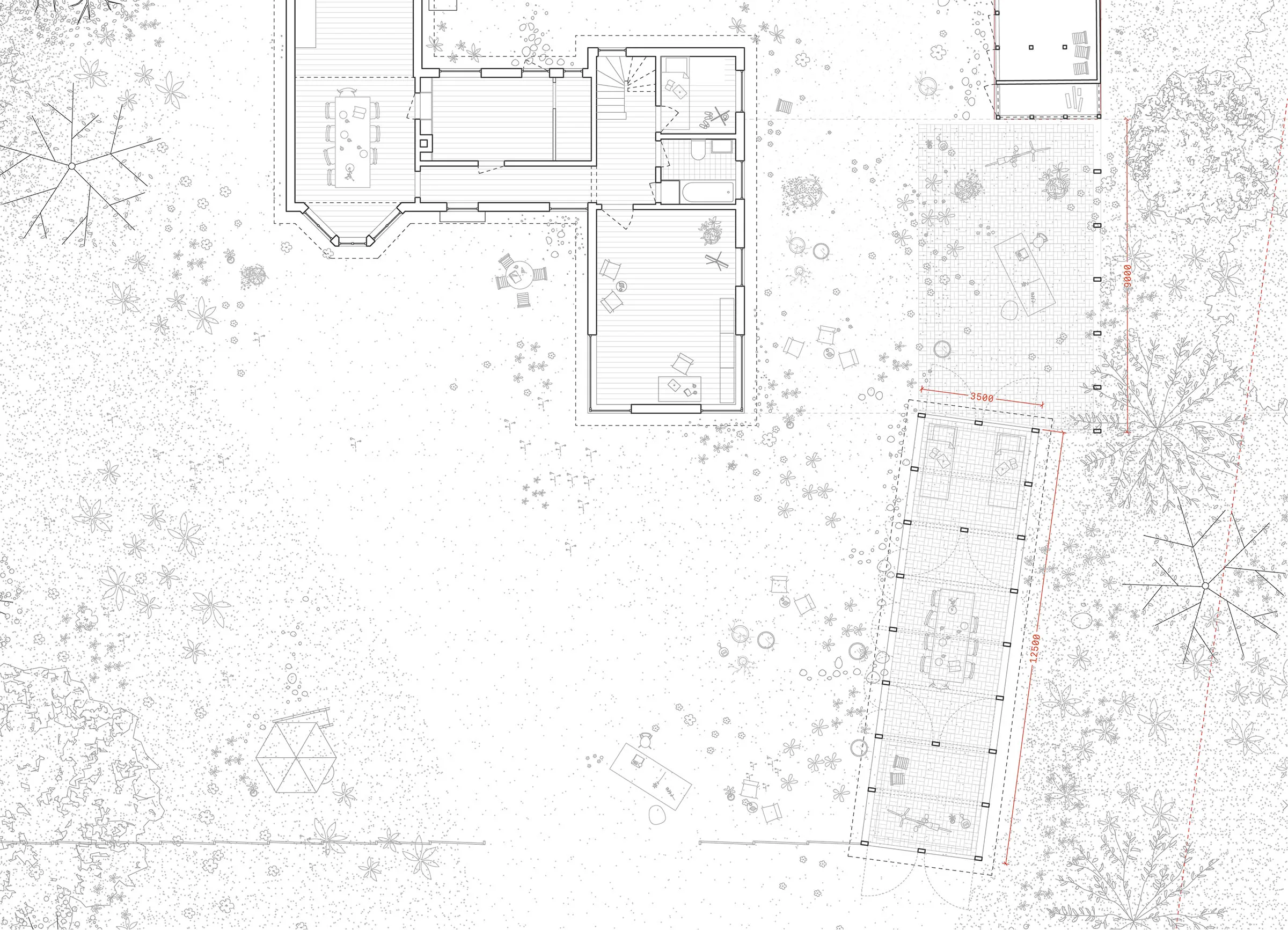
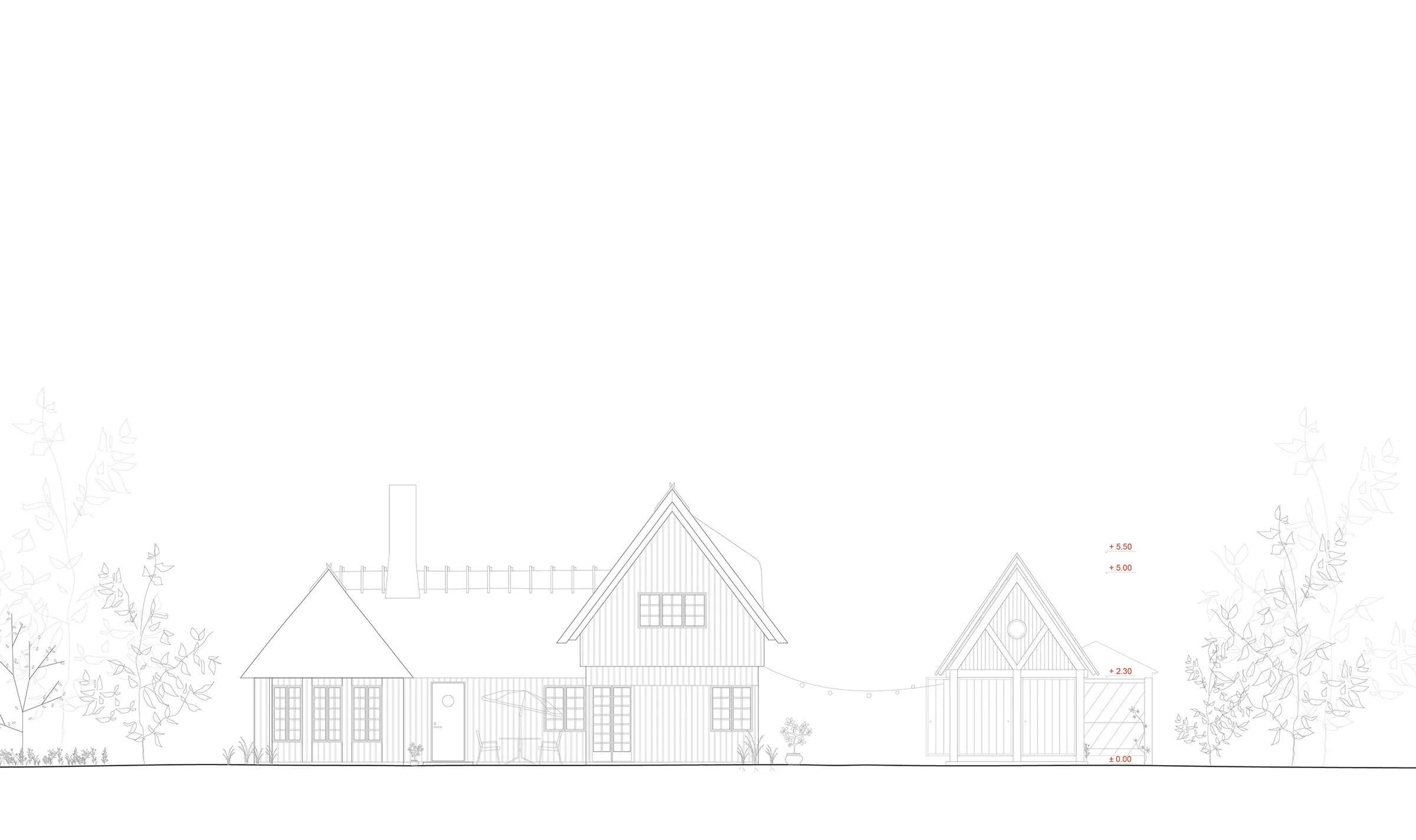
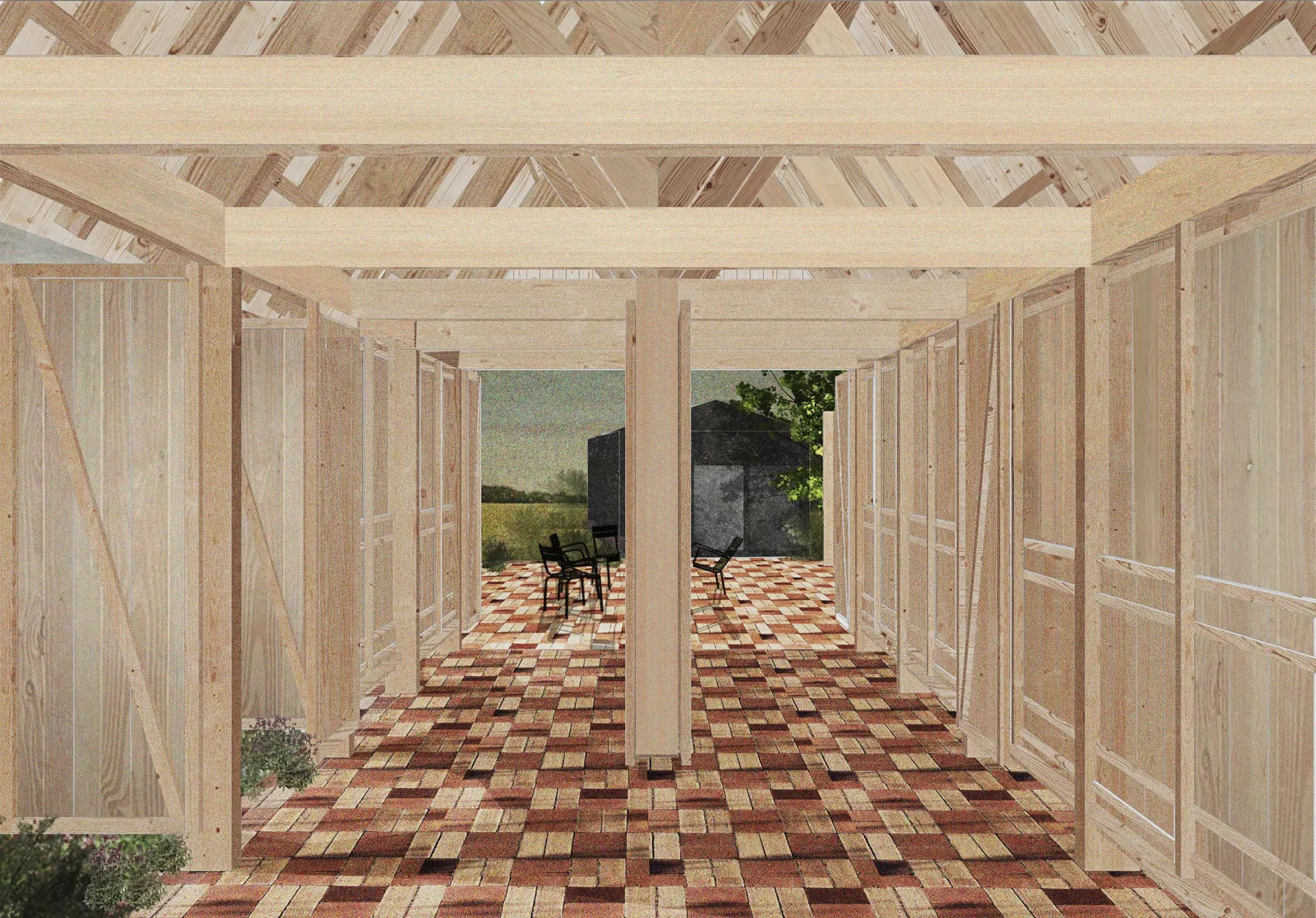
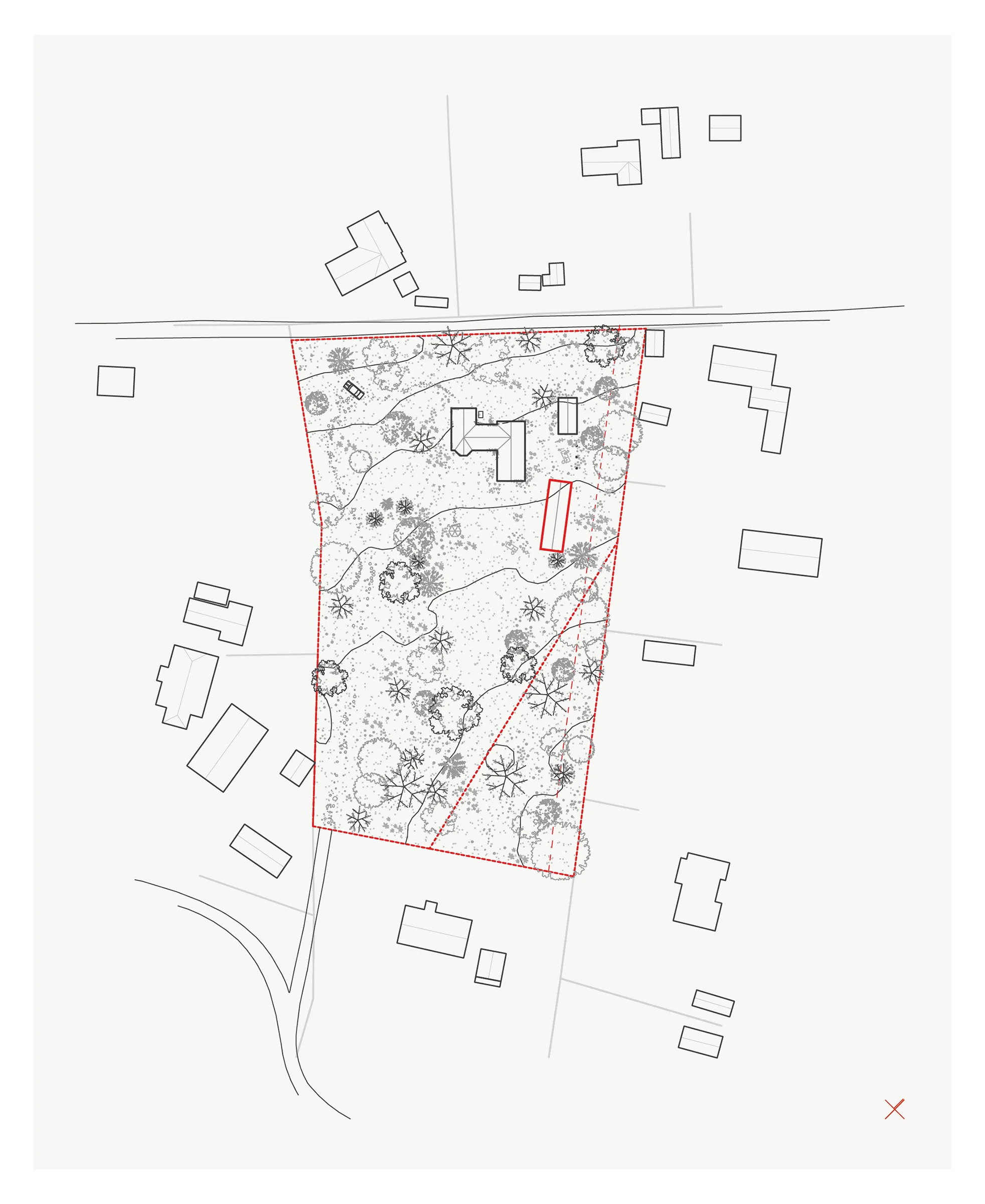
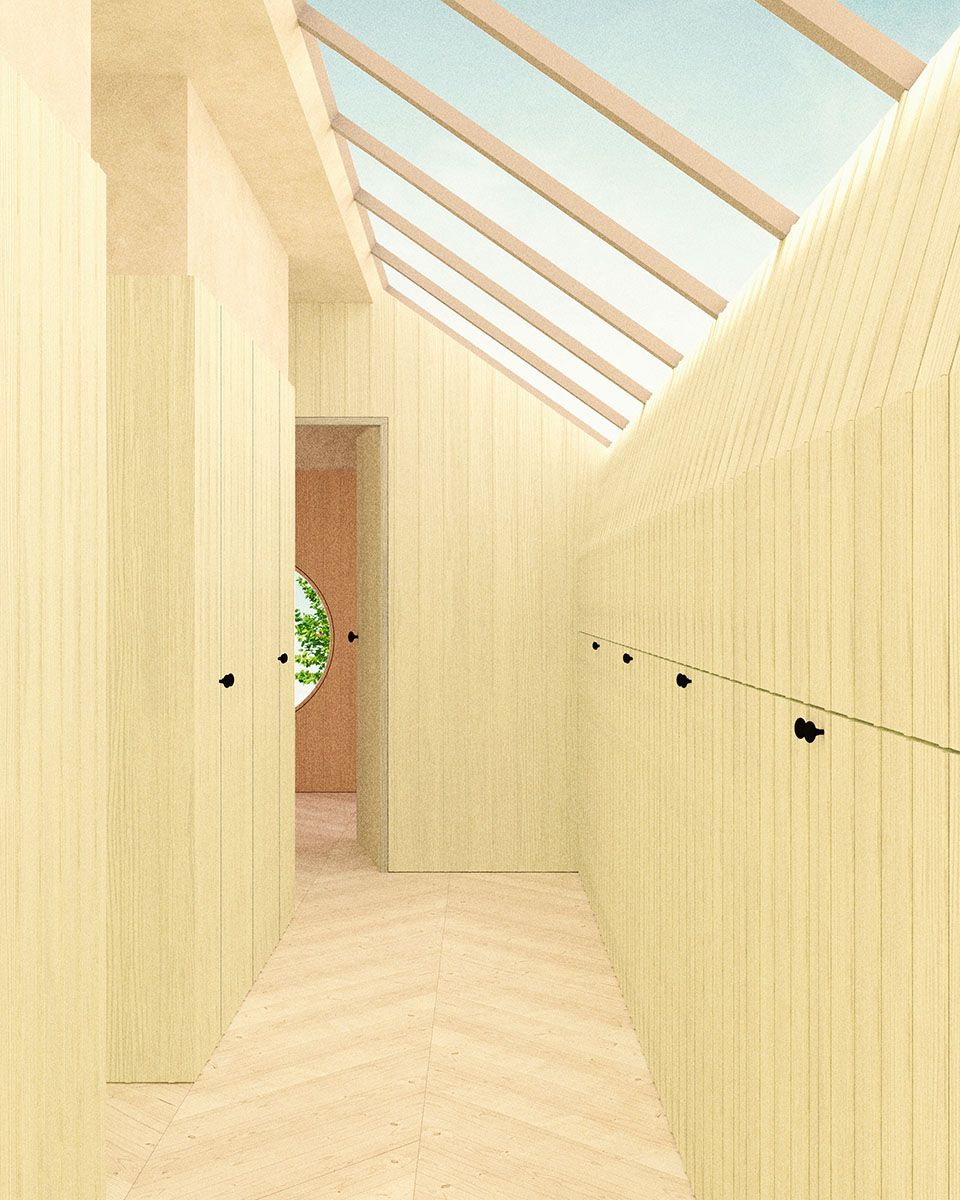
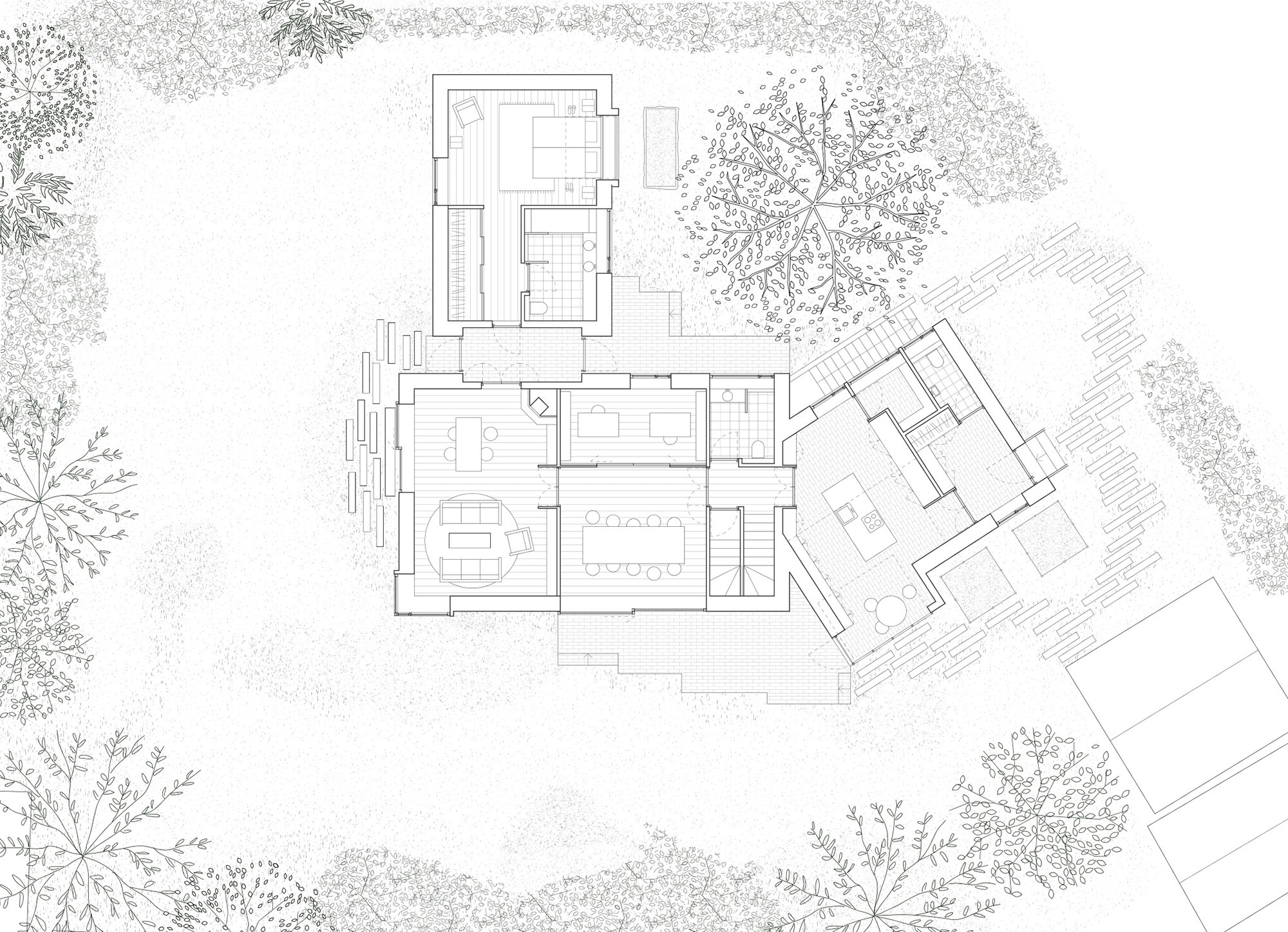
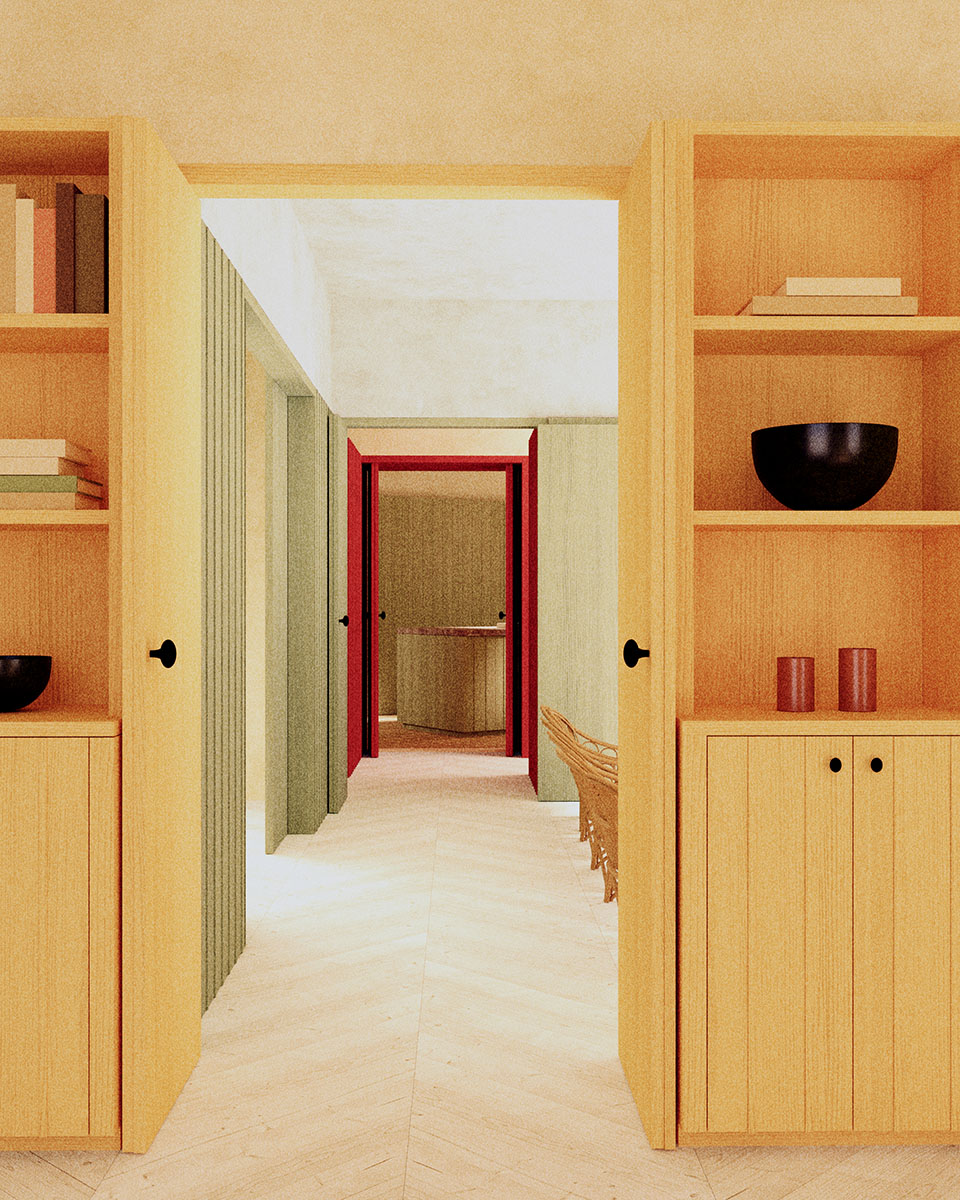
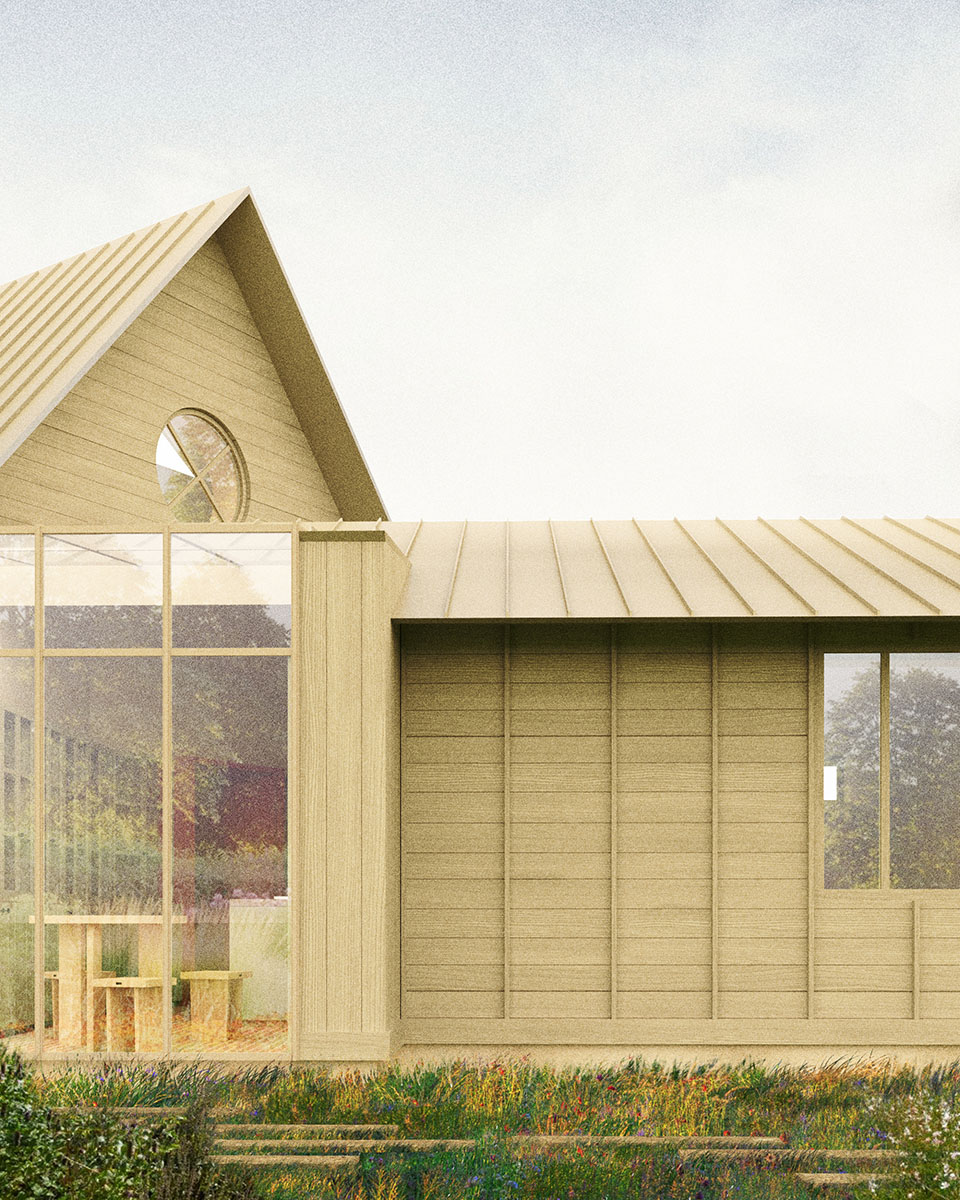
For a private client we designed this addition to an early 1900s summer house in Tisvilde, North of Copenhagen.

The proposal features a timber construction and a thatched roof, in accordance with local style.

The proposal also includes a strategy for planting the garden, as well as paving to merge between interior and exterior.

A project for a new single-family home in the suburbs North of Copenhagen.

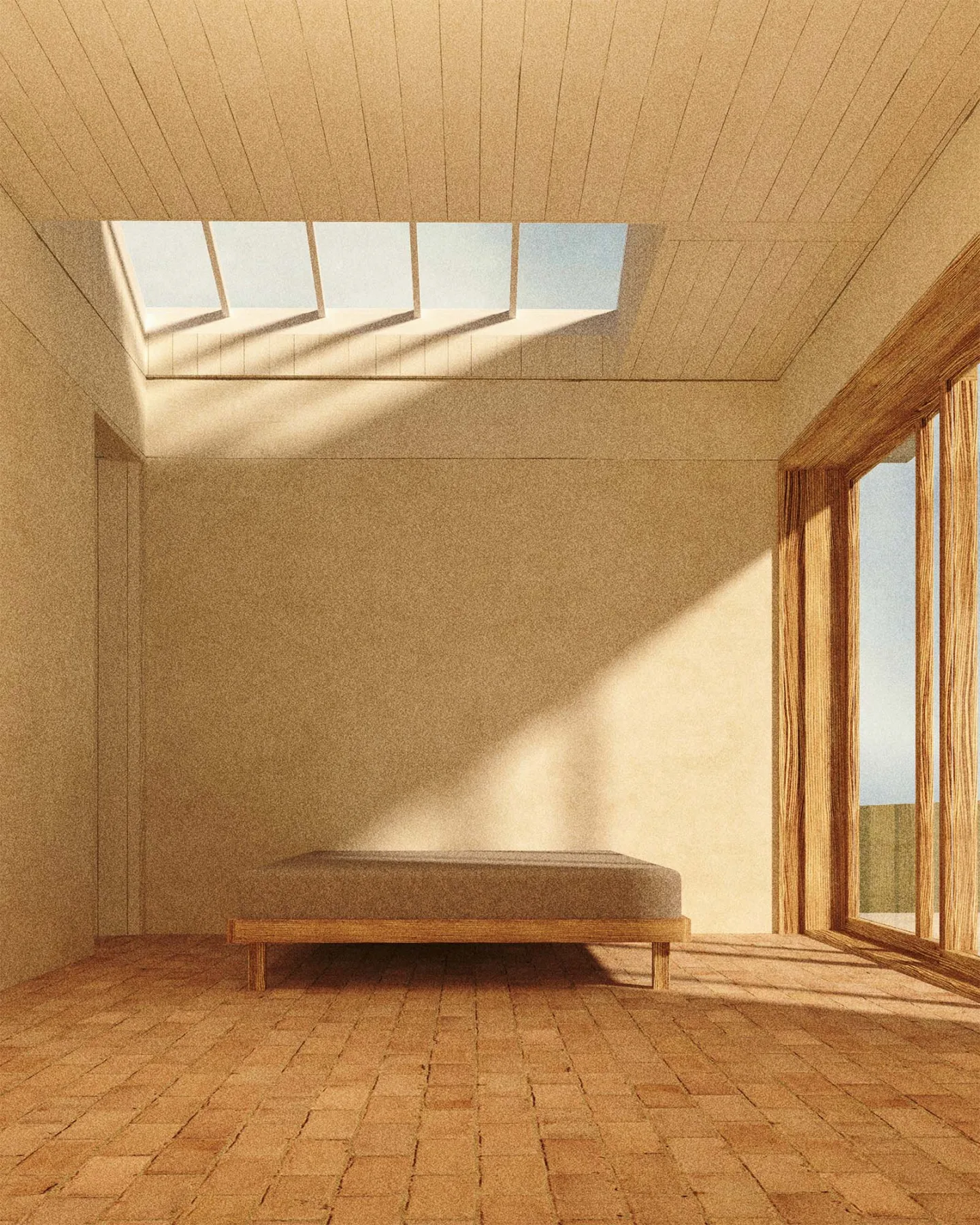
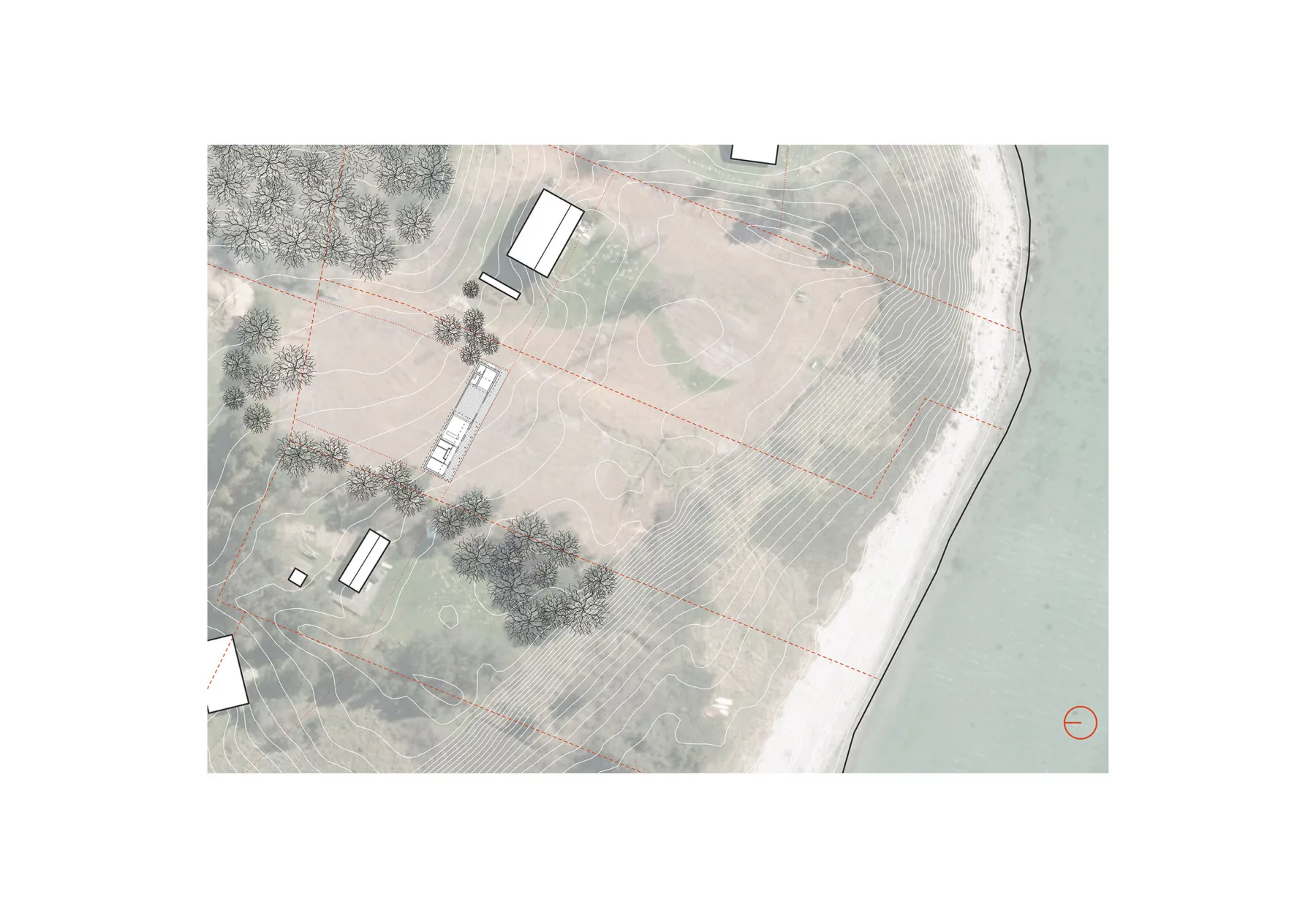
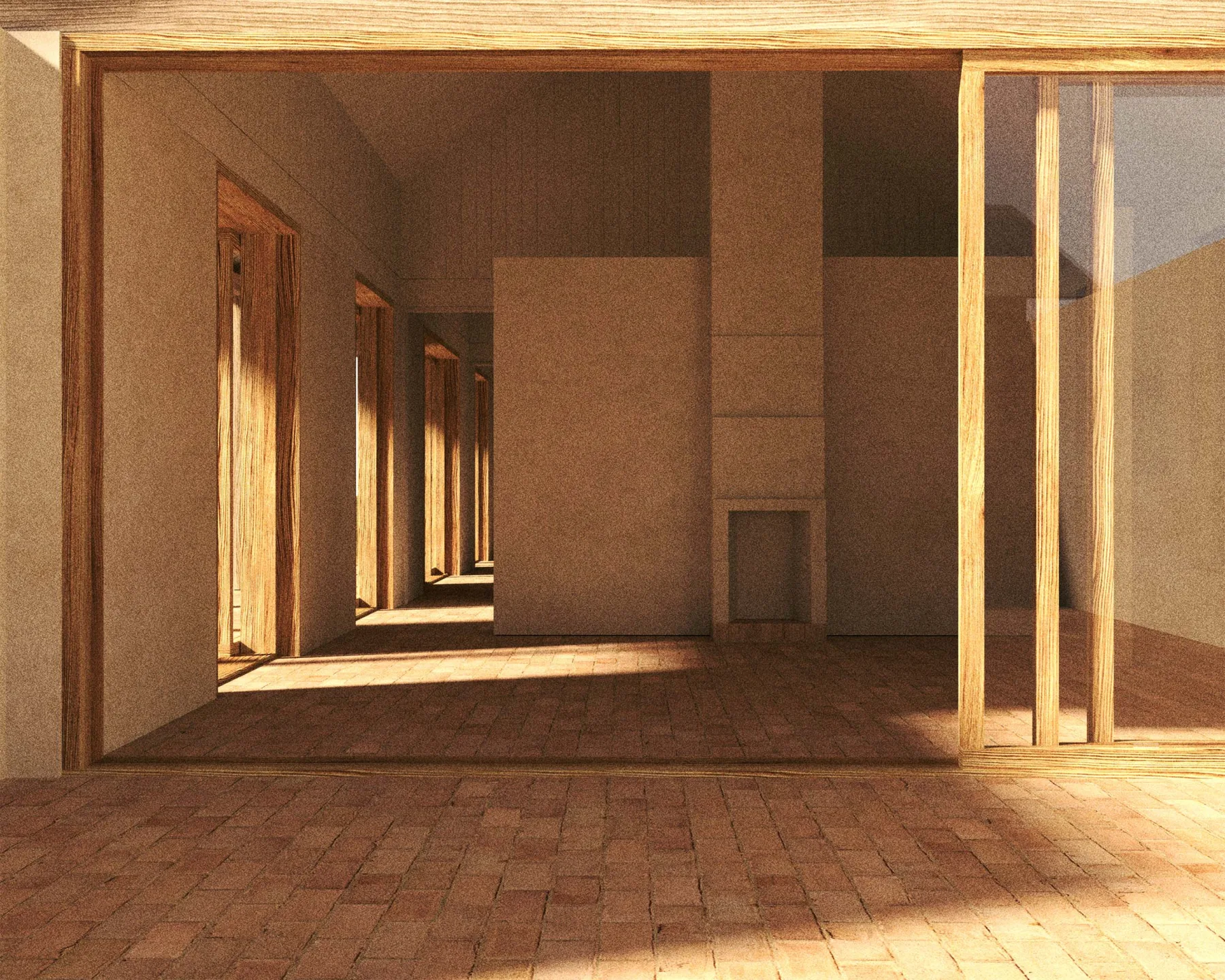
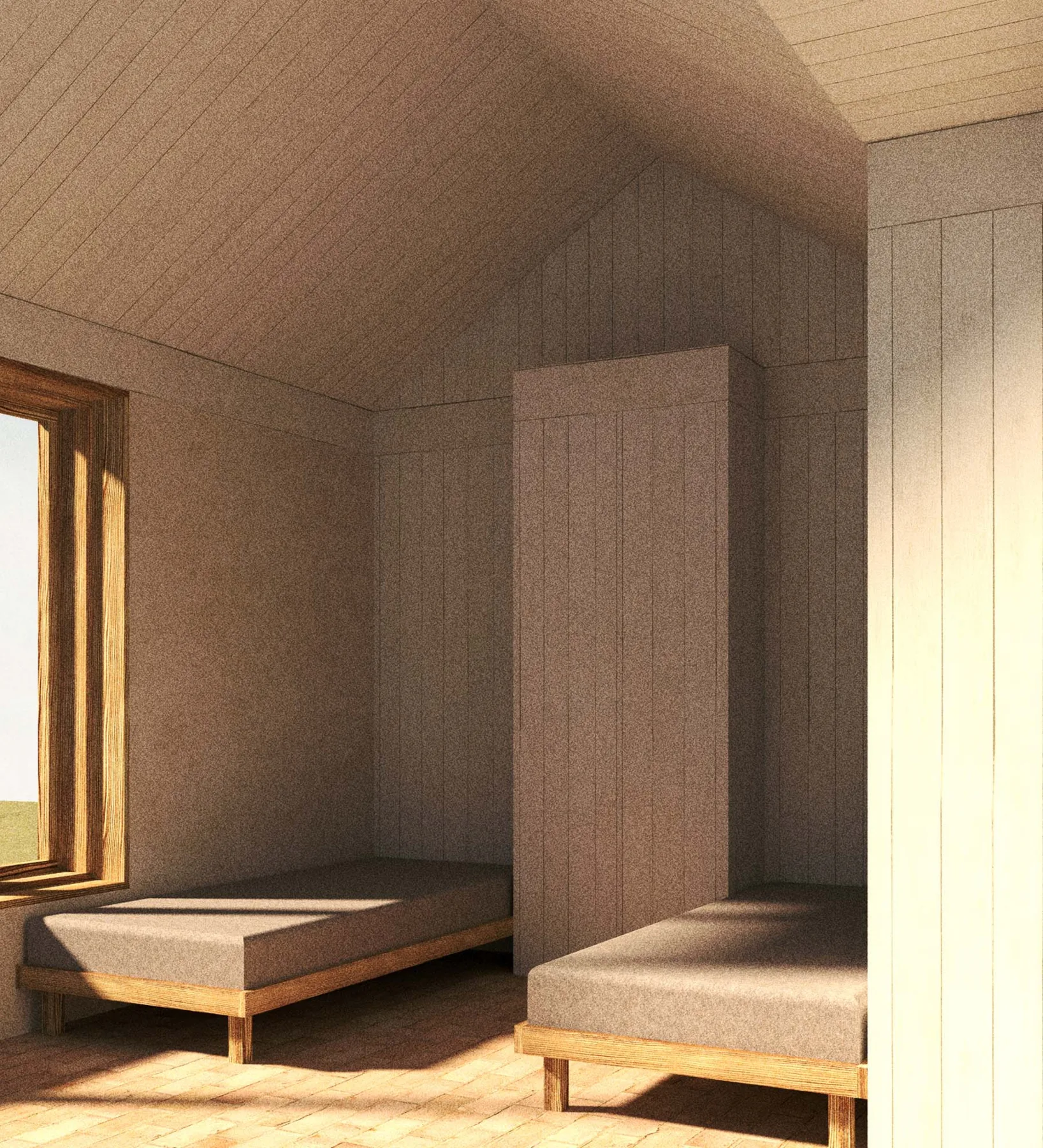
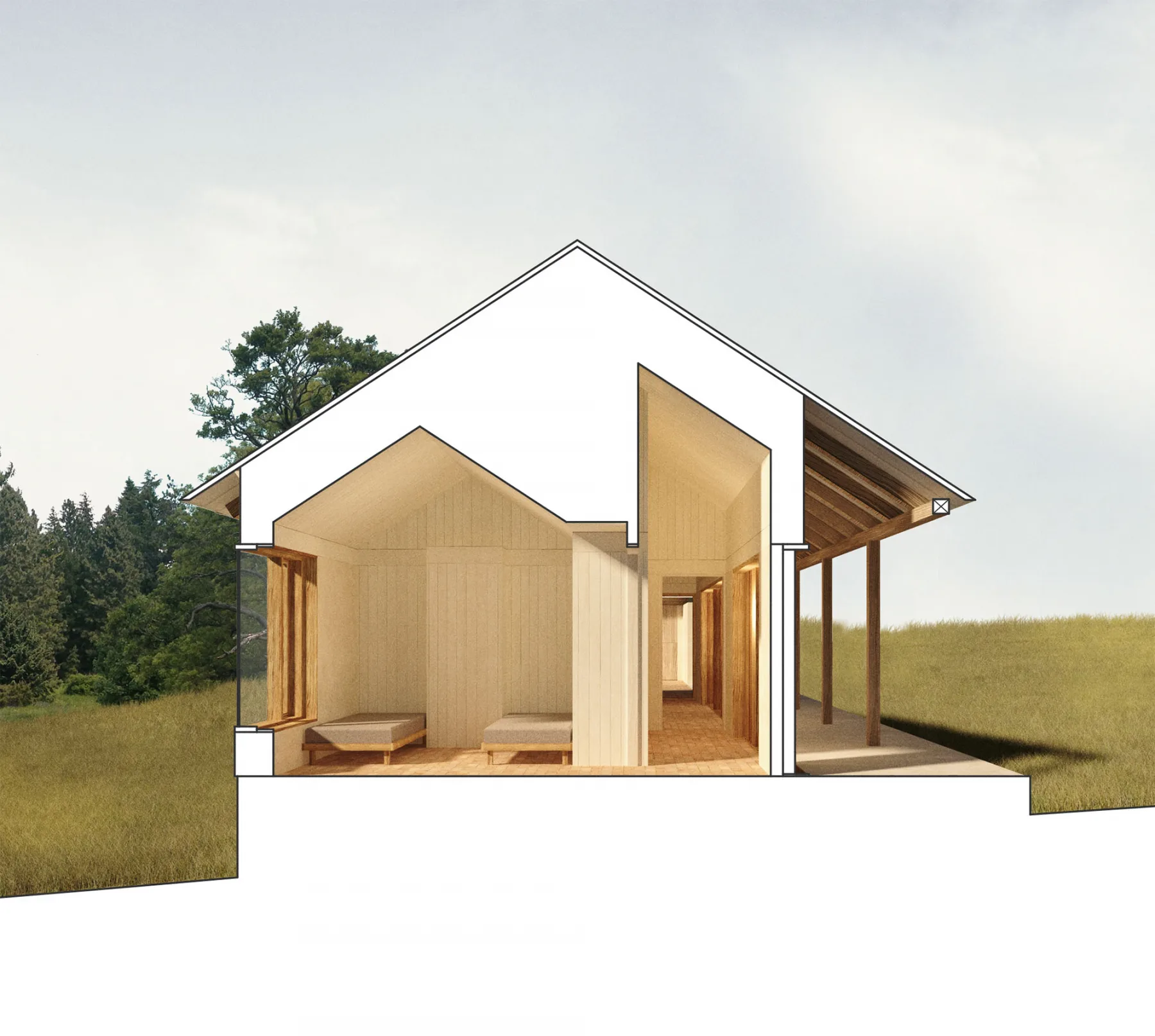
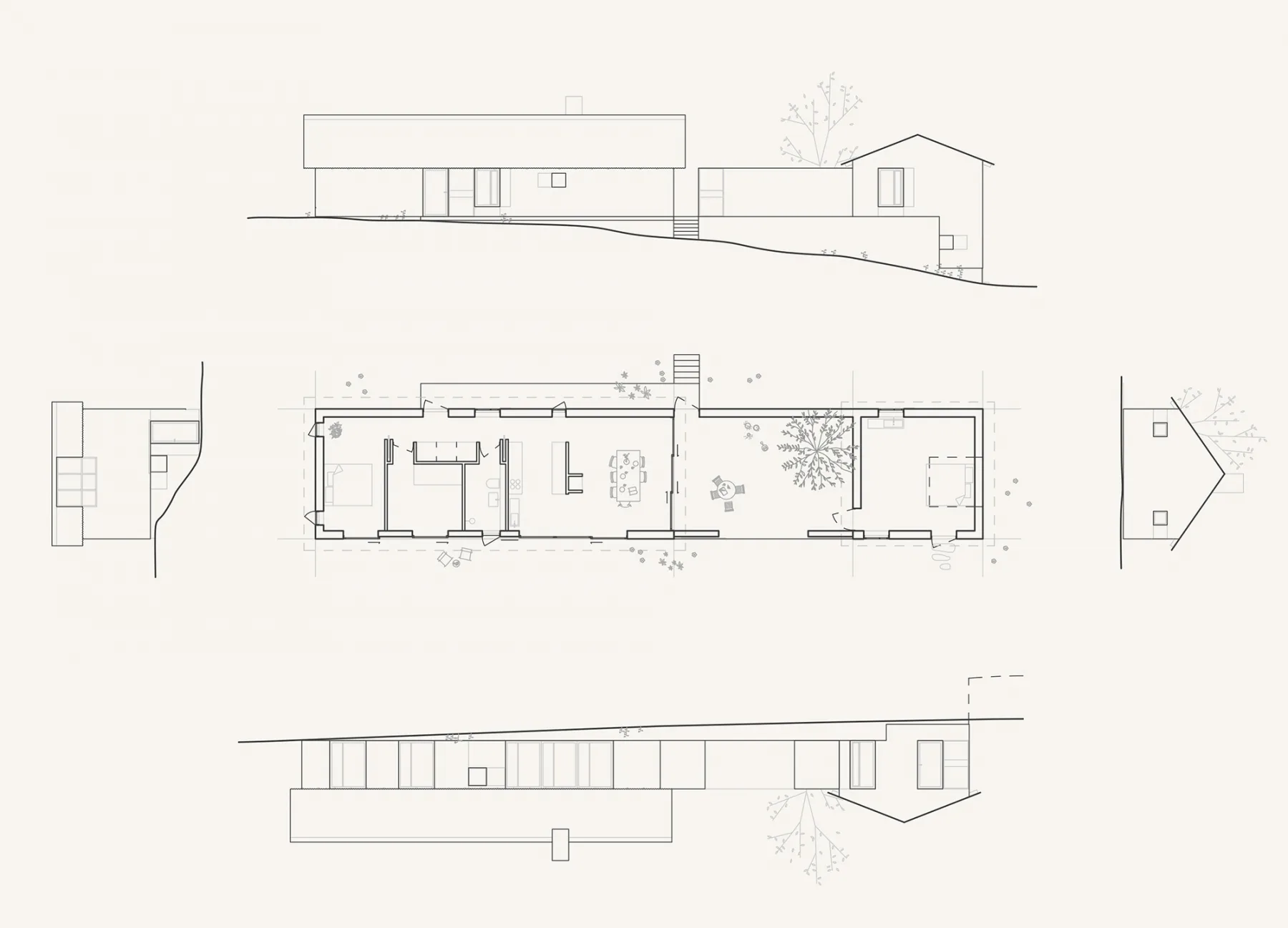
For a private client we designed this summerhouse, on the coast of the Danish region of Odsherred.

The house is located on a bay-facing plot on terrain that at first rises before falling steeply into the ocean.

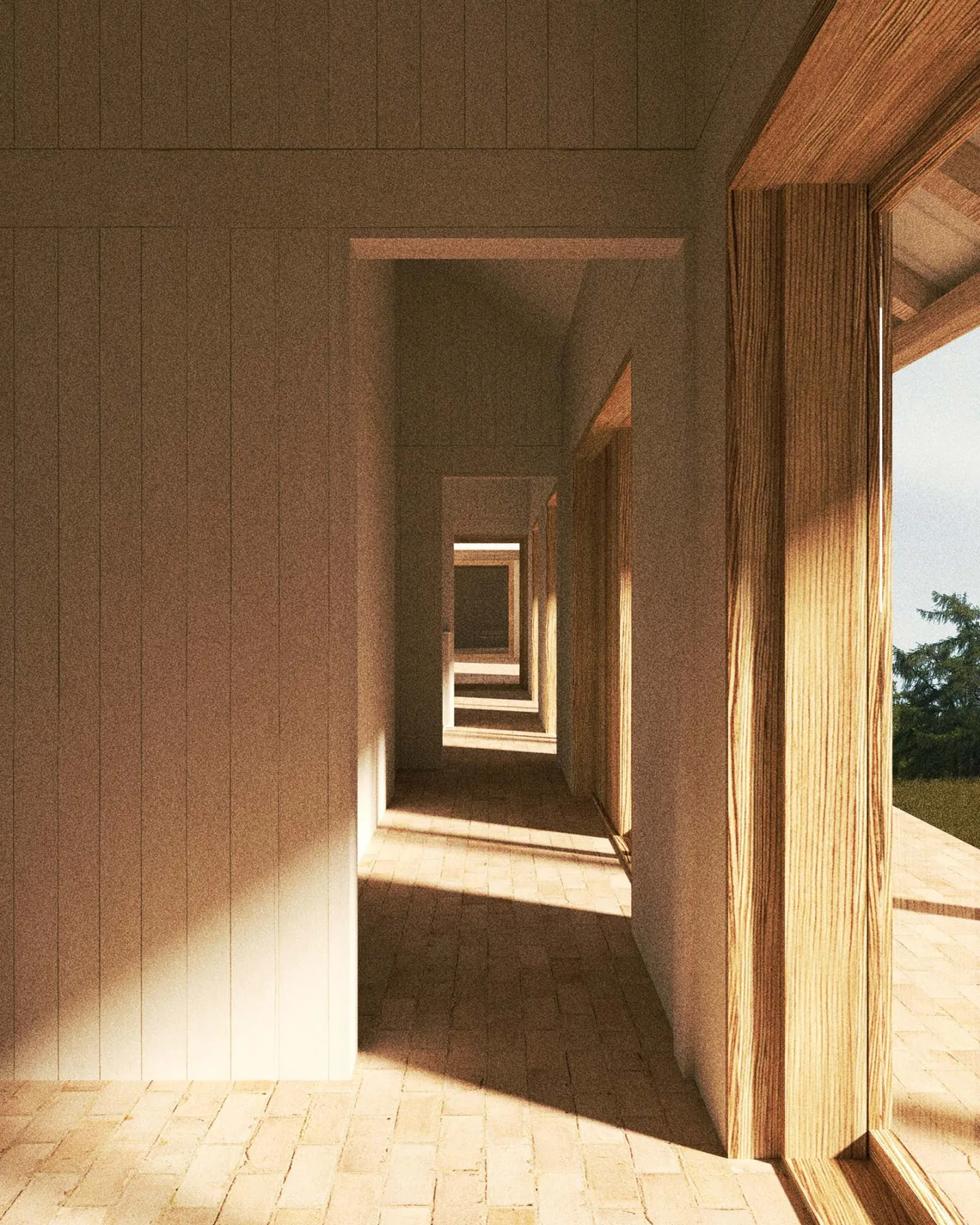
To account for the terrain that falls in two axes, the house is built atop a plinth with a contiguous brick floor, connecting the volumes and inner courtyard of the summer house.

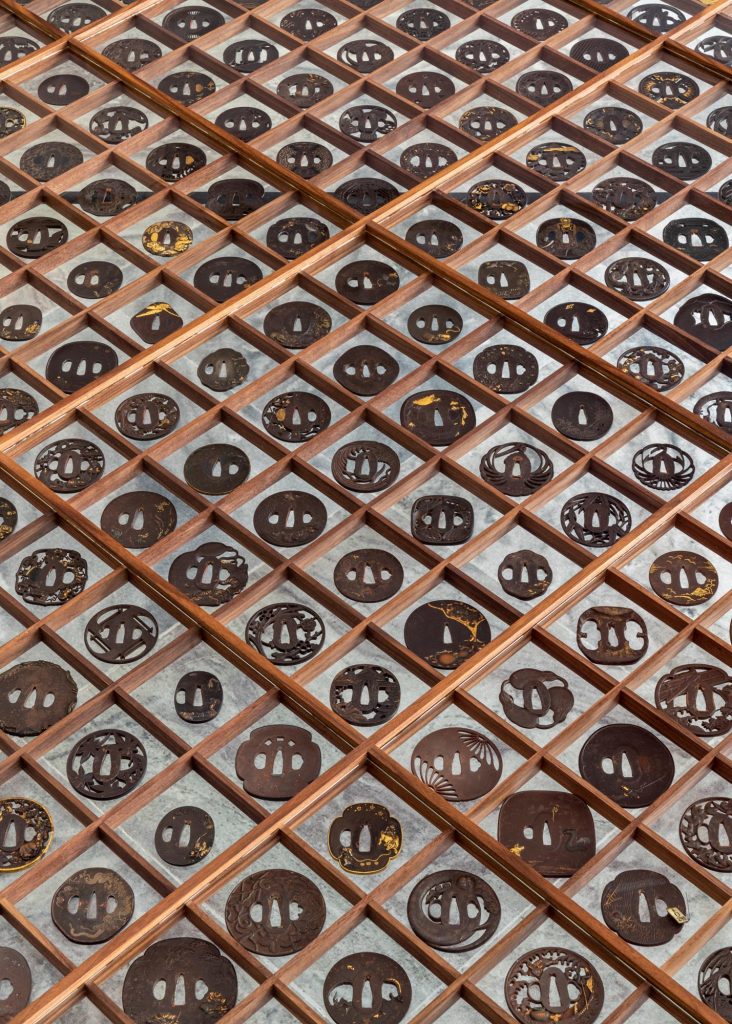
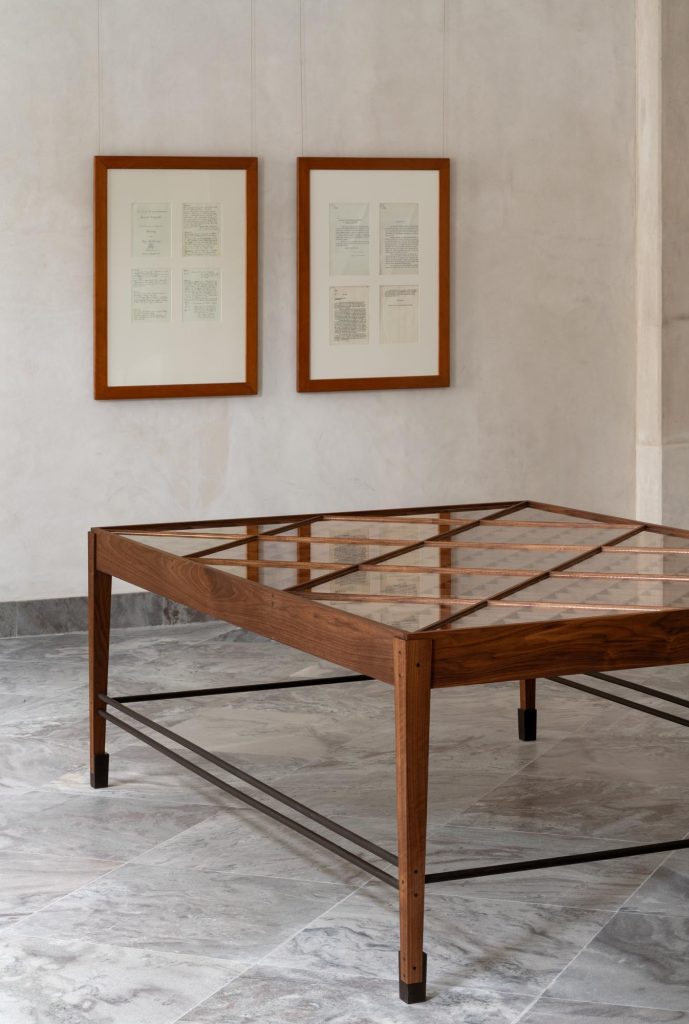
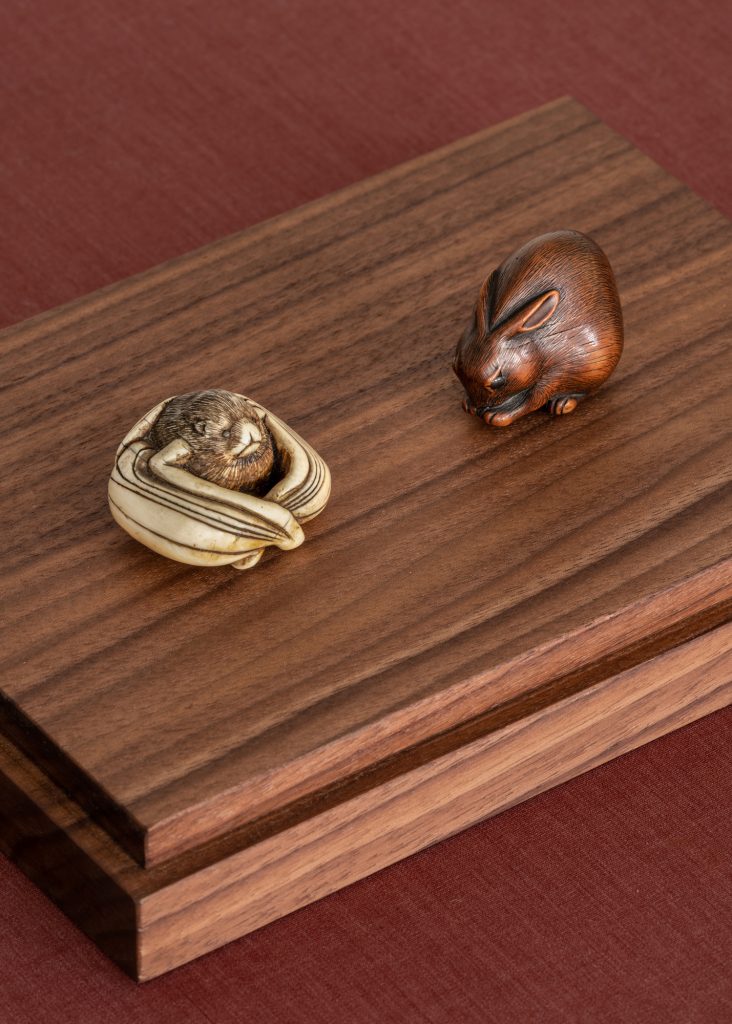
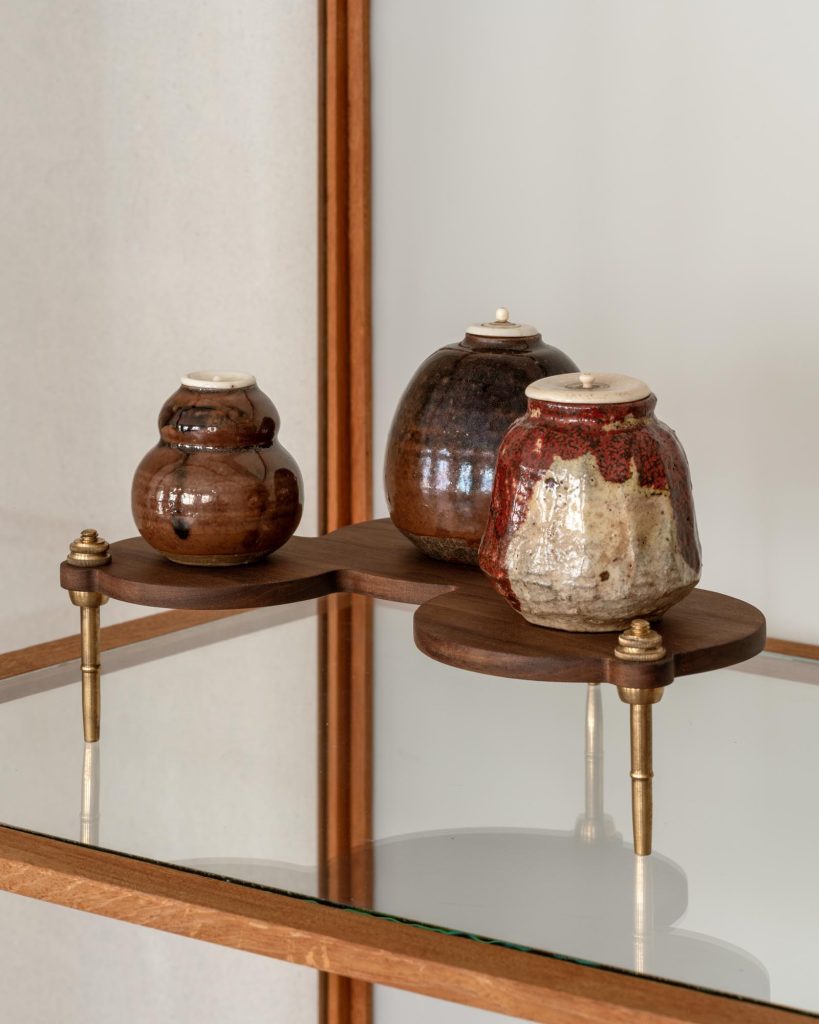
A tsuba is the round piece of metal that separates the shaft from the blade of a traditional samurai sword. It is also a valued collectible artifact in its own right, that along with netsukes and ceramic jars form the core of many decorative arts museums’ collections of Japanese crafts.

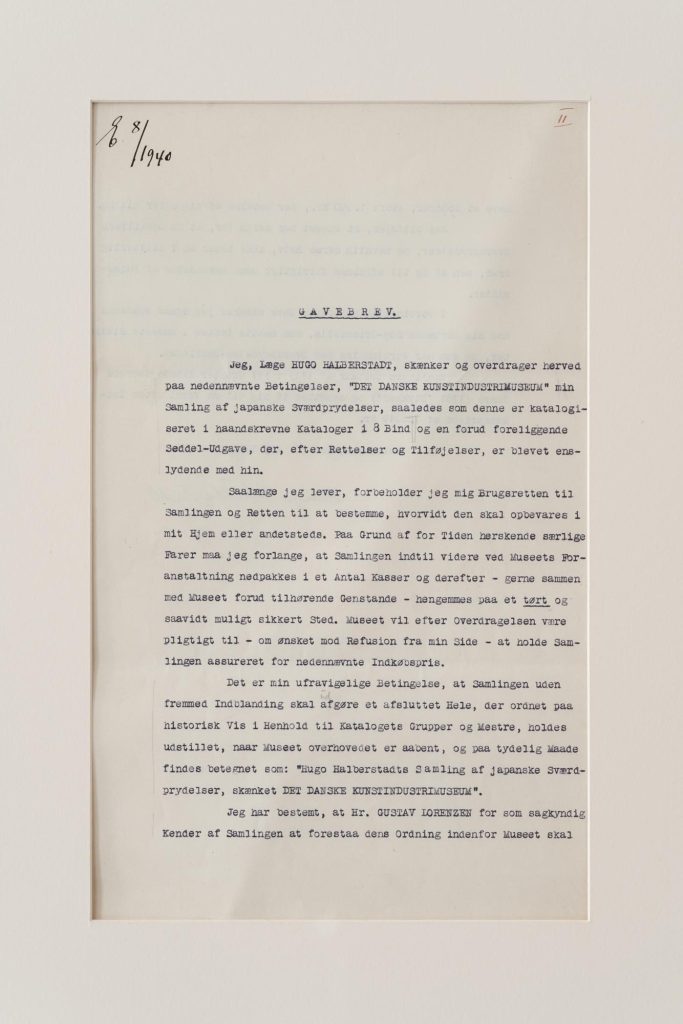
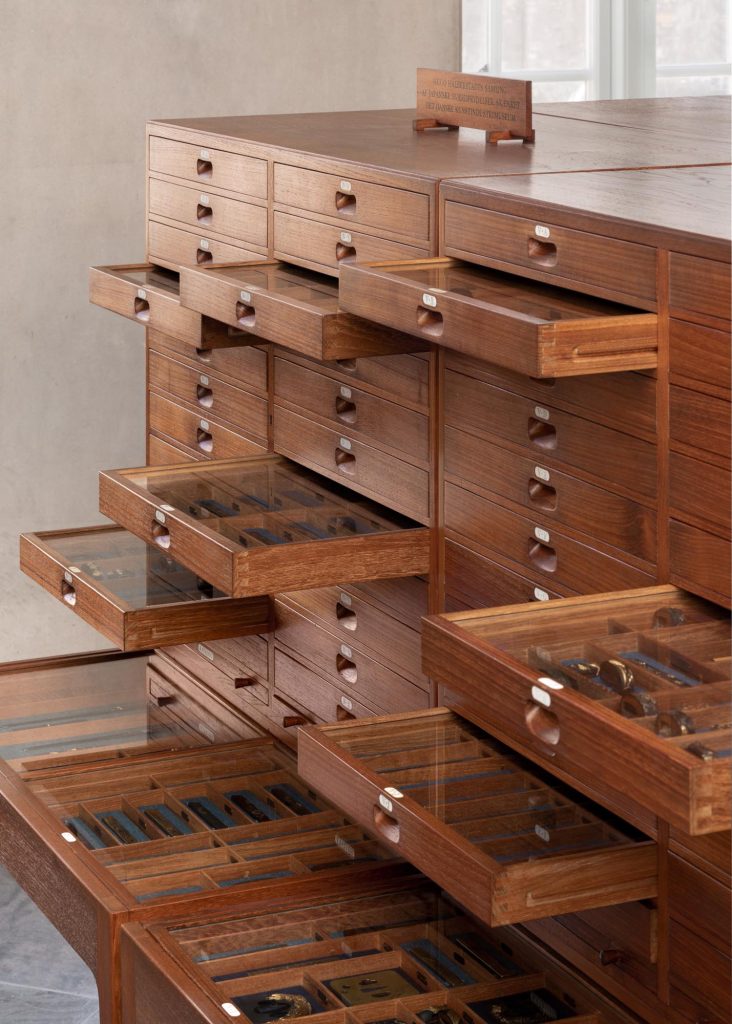
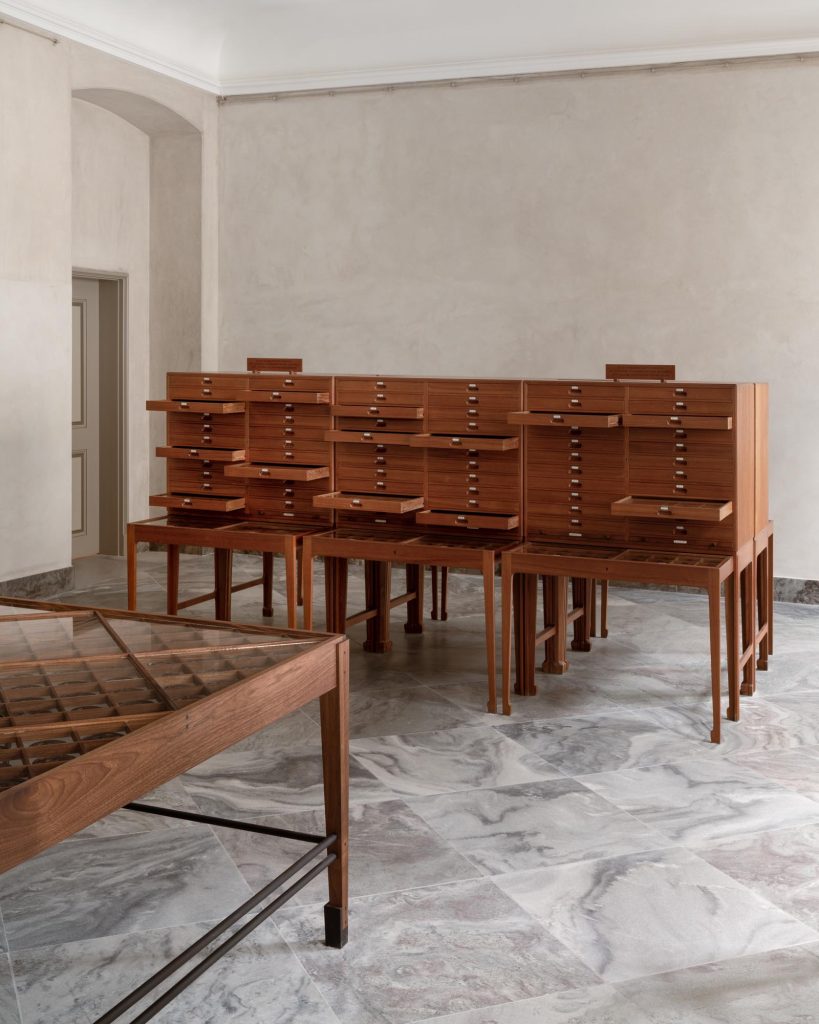
Designmuseum Danmark in Copenhagen holds not only one, but two whole collections of tsubas. One, the Halberstadt Collection, has been shown in Kaare Klint’s iconic drawer displays since the 1950s whereas the other one, the Pietro Krohn Collection, had never been displayed in its entirety until the recent reopening of the museum.

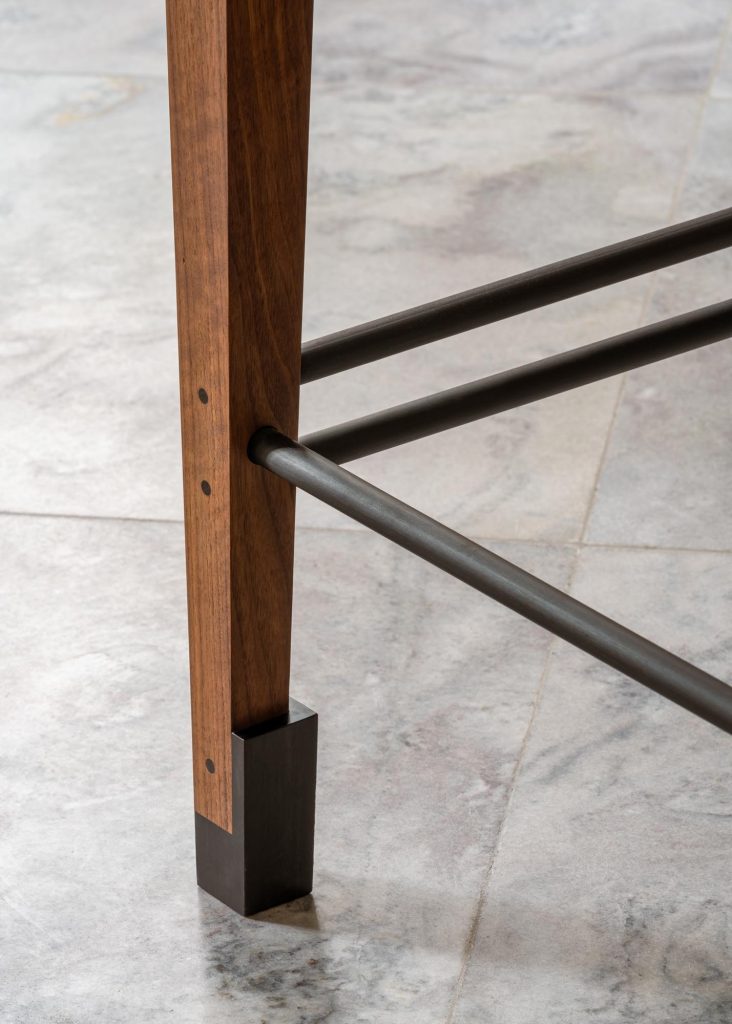
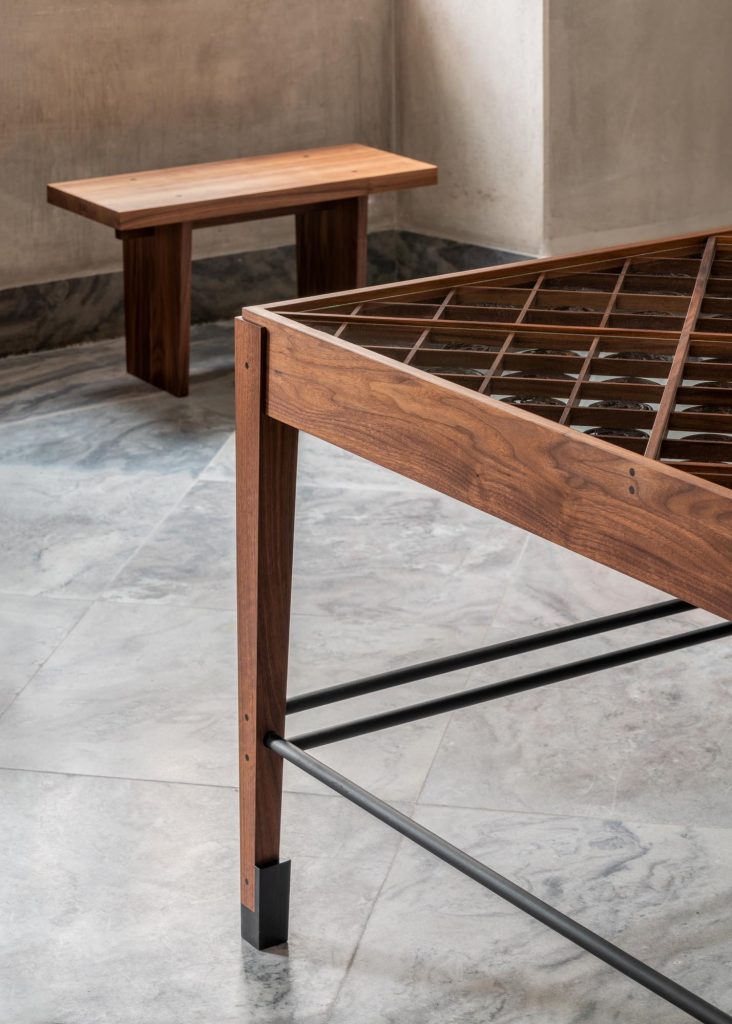
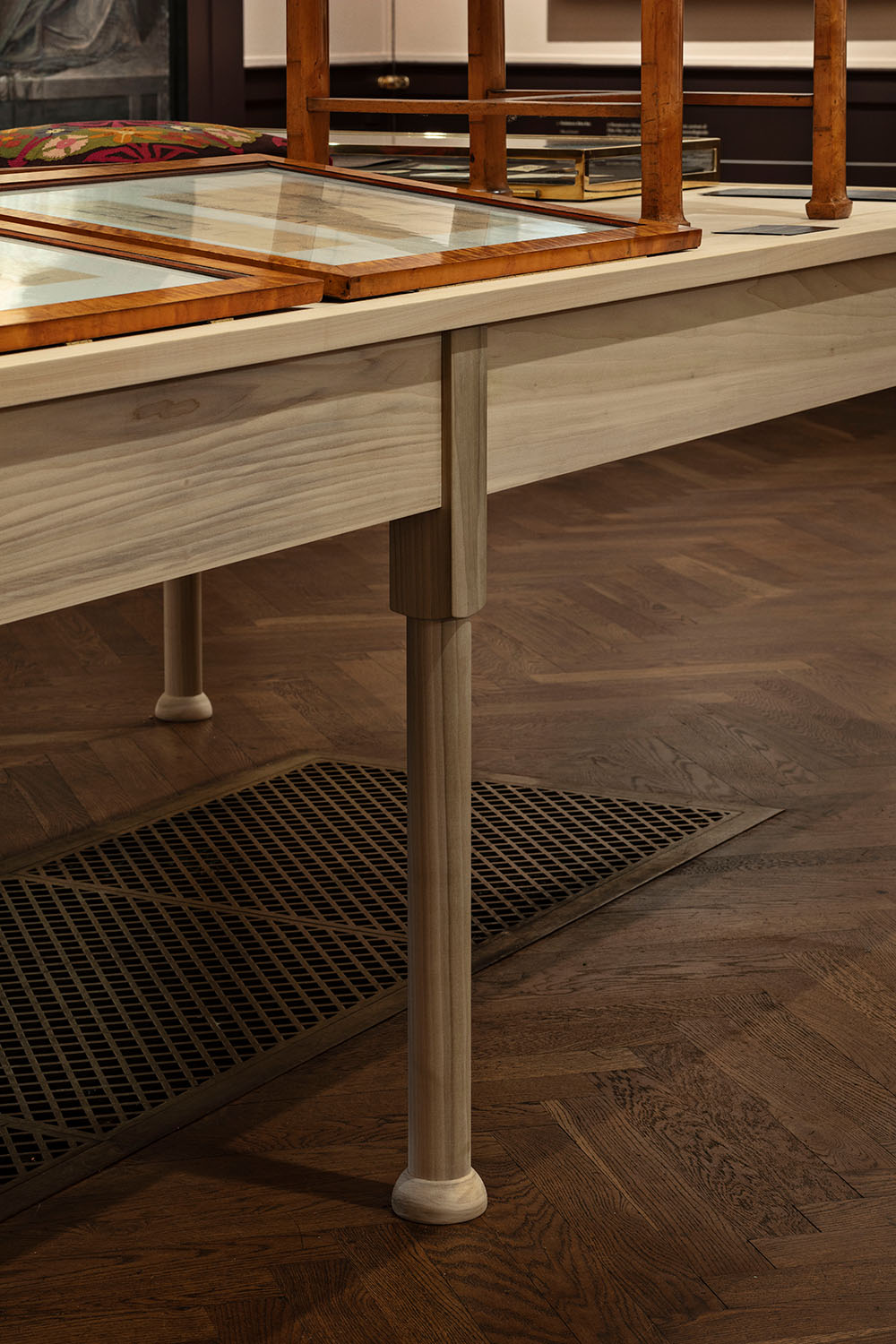
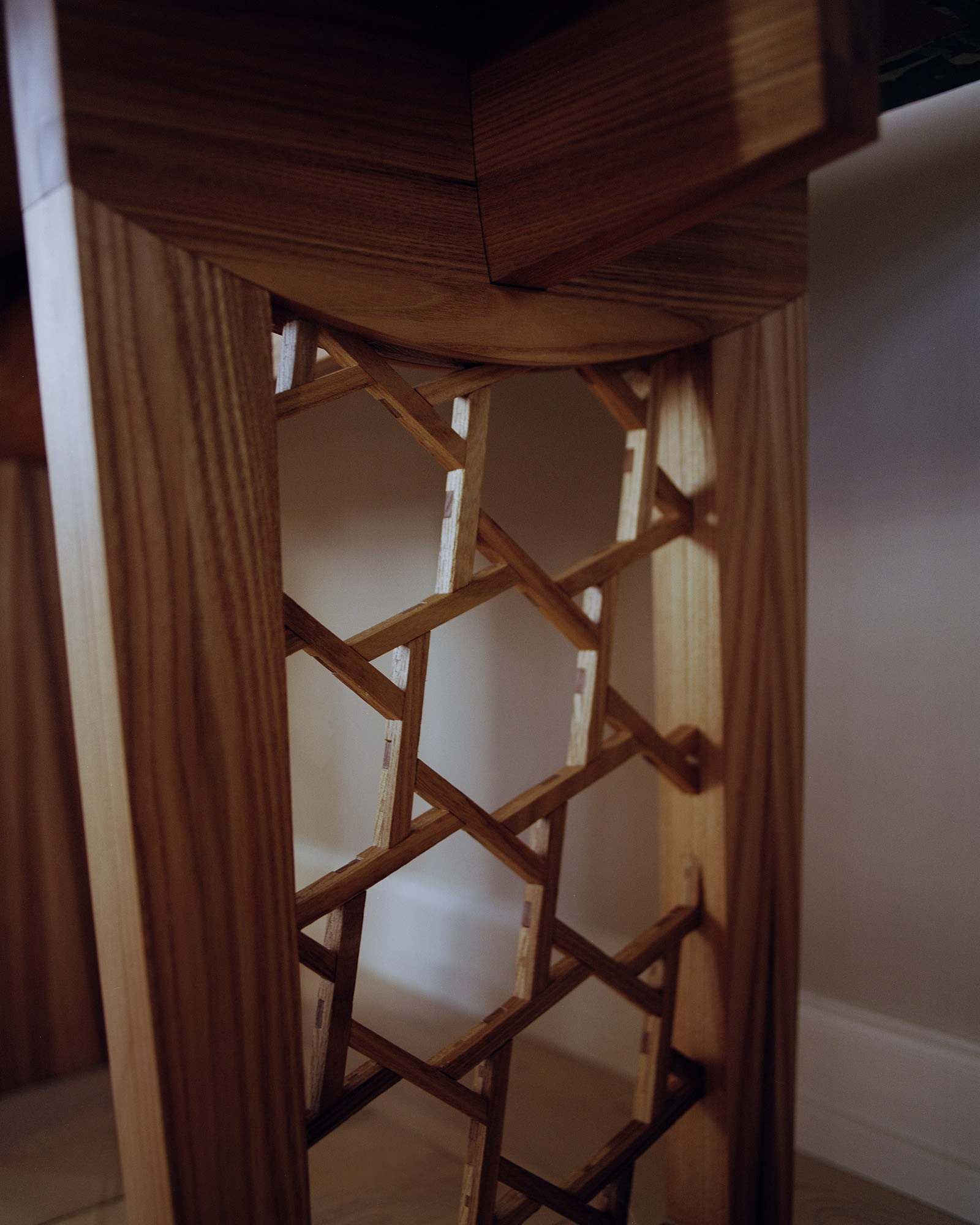
For that purpose we were commissioned to design a display that could exhibit the scale and intricacy of this forgotten collection, and for us it was also a chance to enter into a dialog with Kaare Klint’s original design of the entire museum as well as his well-known displays. The result is this large table in walnut with ebony detailing, that exhibits the 275 tsubas seemingly floating, casting an intricate pattern on the floor under the right lighting conditions.

The project combines some of the things that interest us the most: uncovering layers upon layers of narratives and references and giving them form through a close collaboration with knowledgeable researchers and highly skilled craftspeople.

Photos by David Stjernholm.

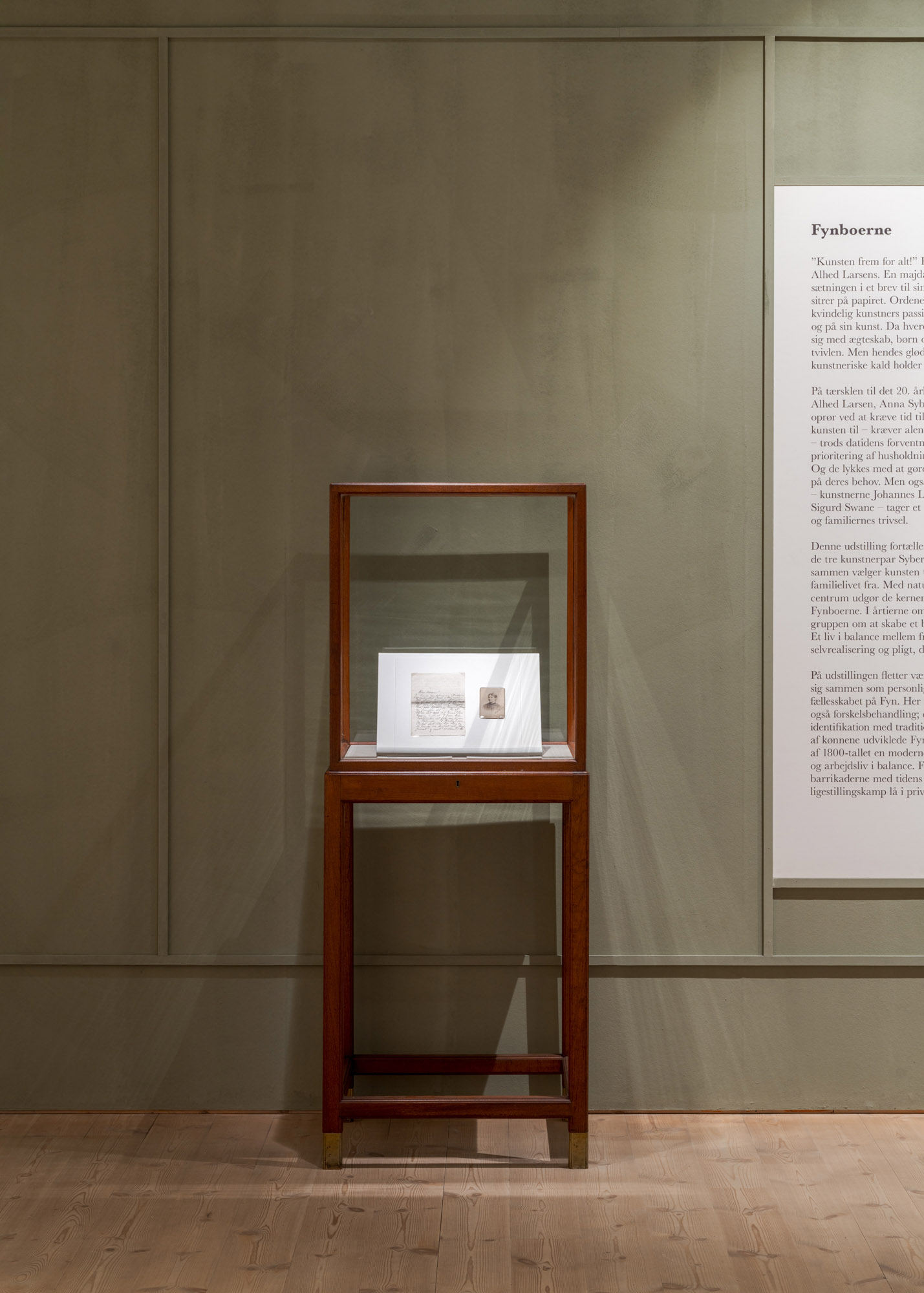
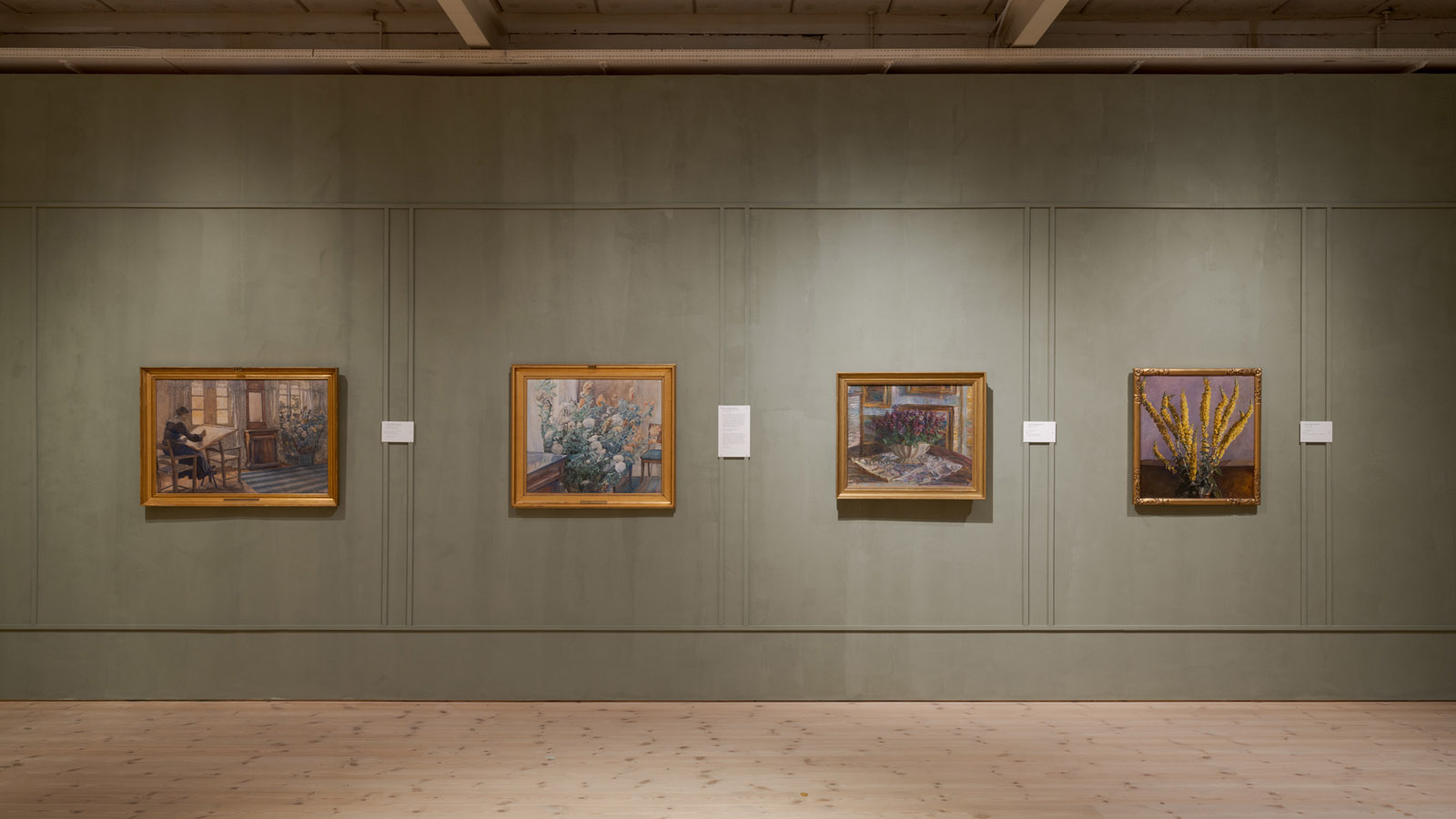
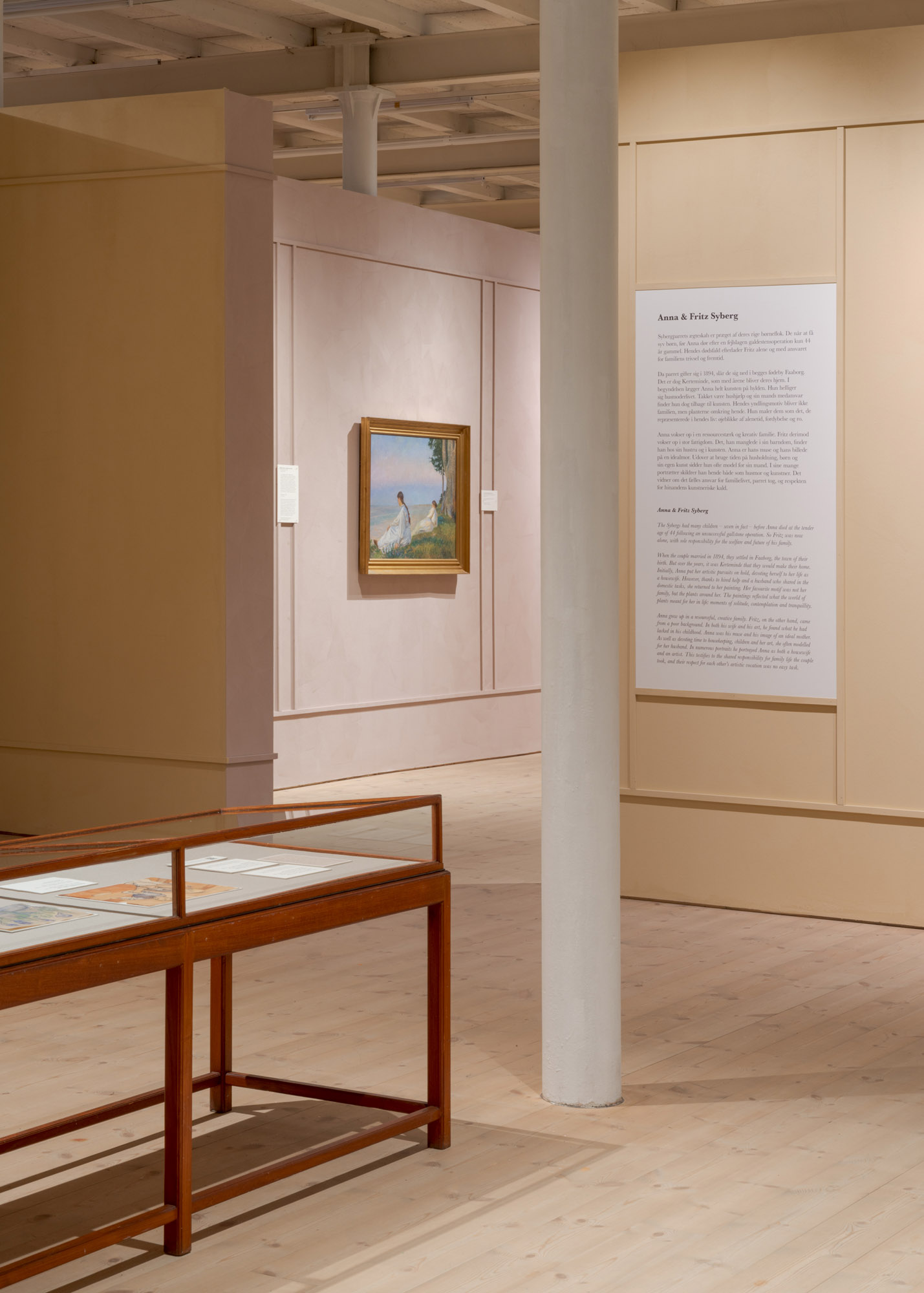
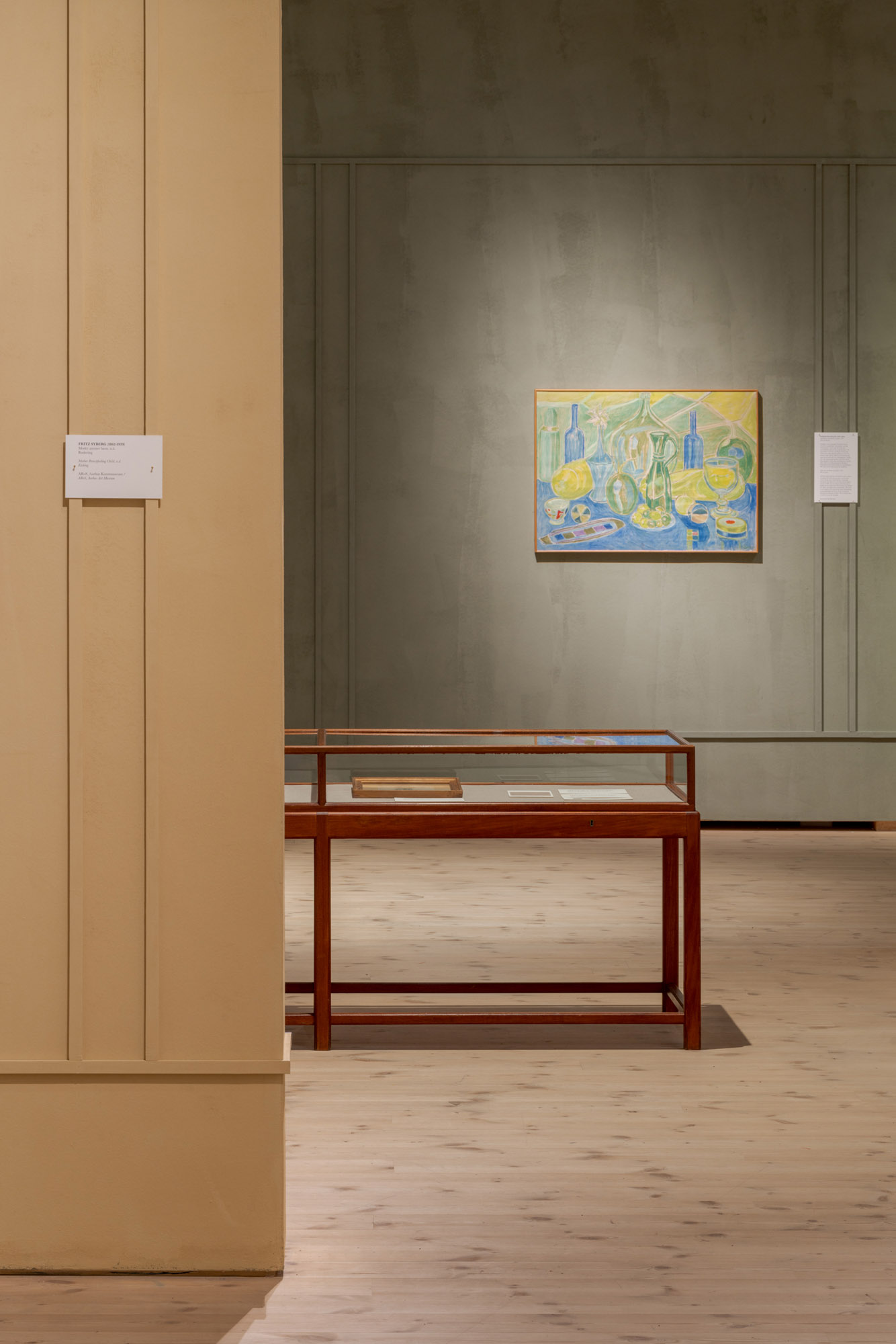
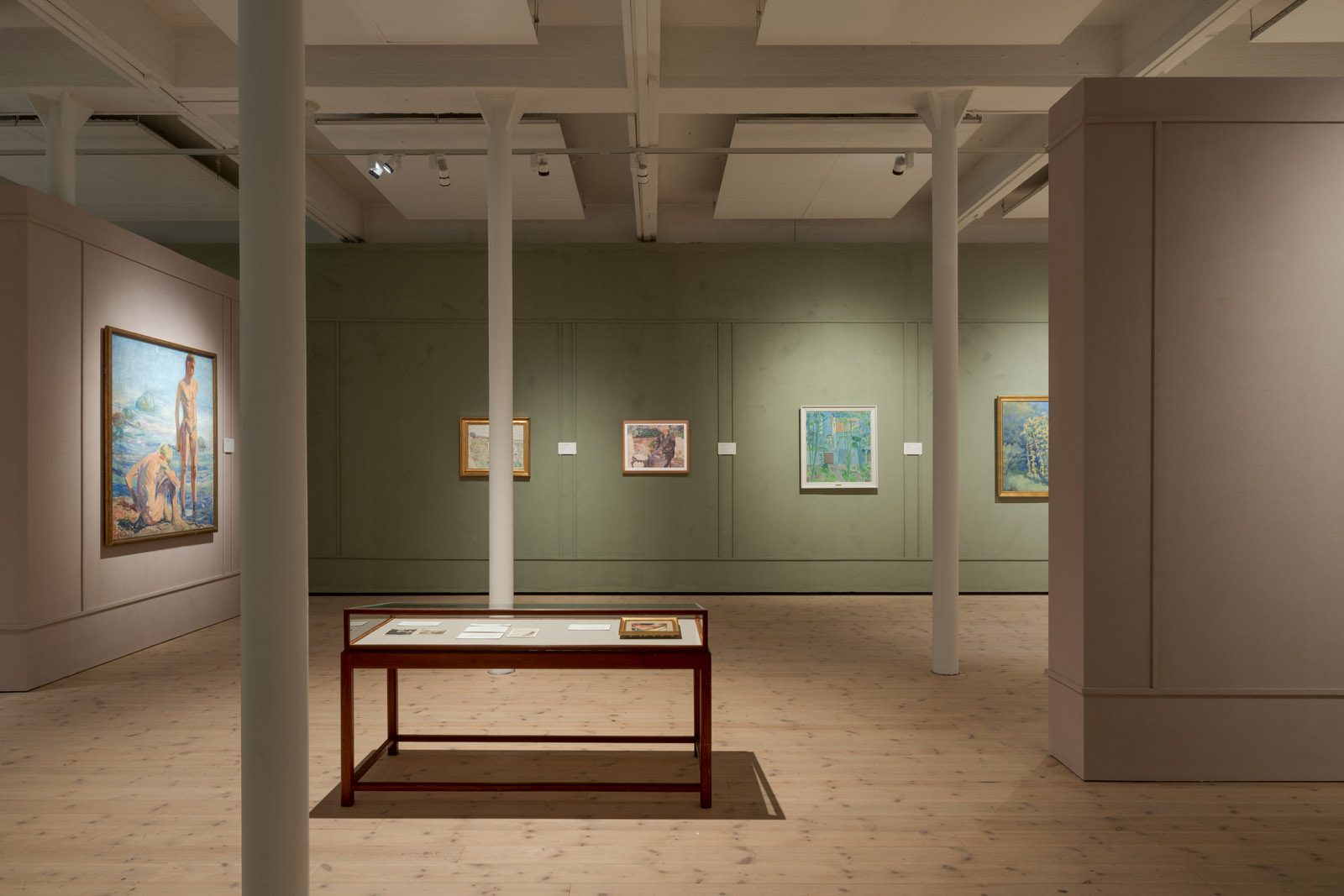
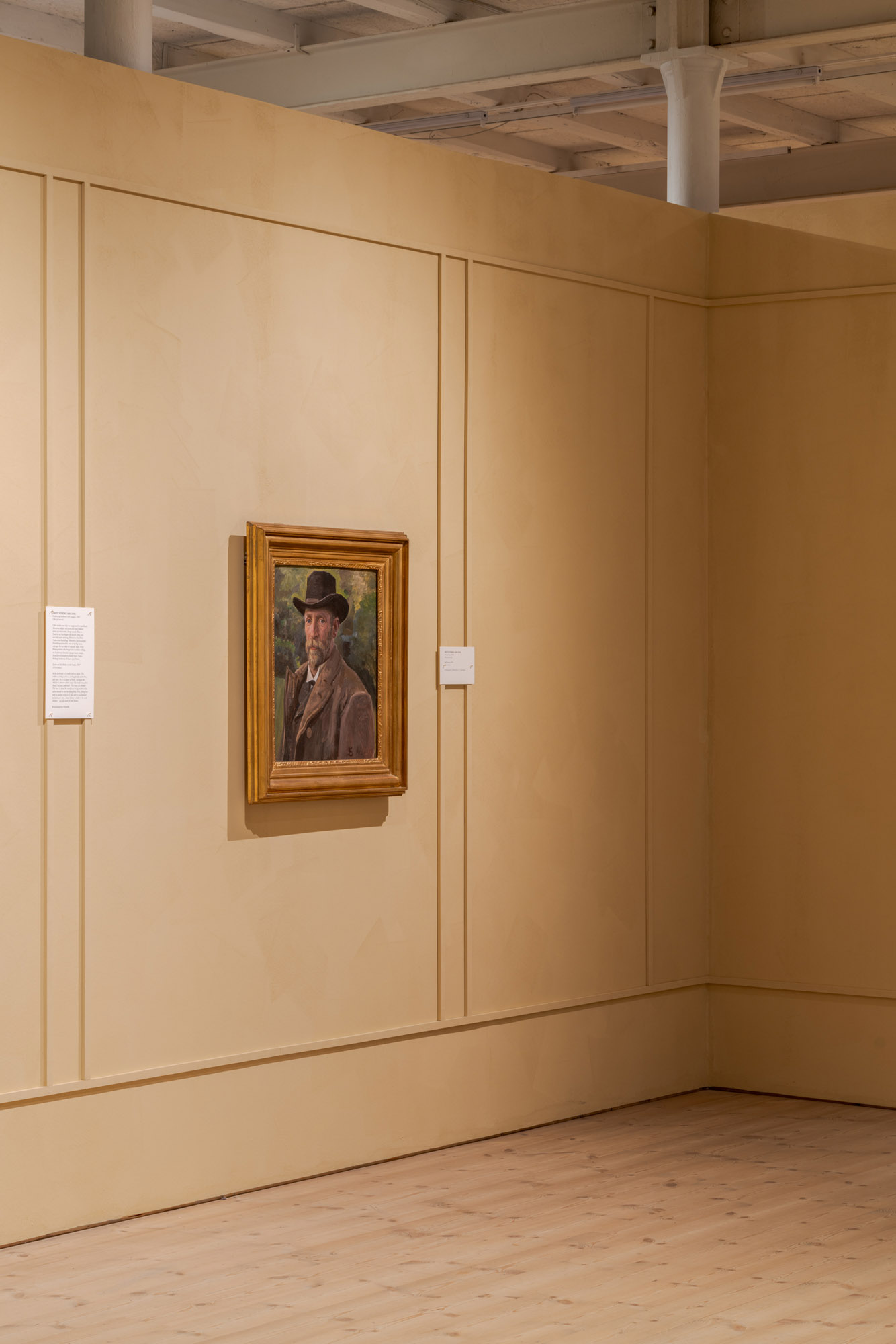
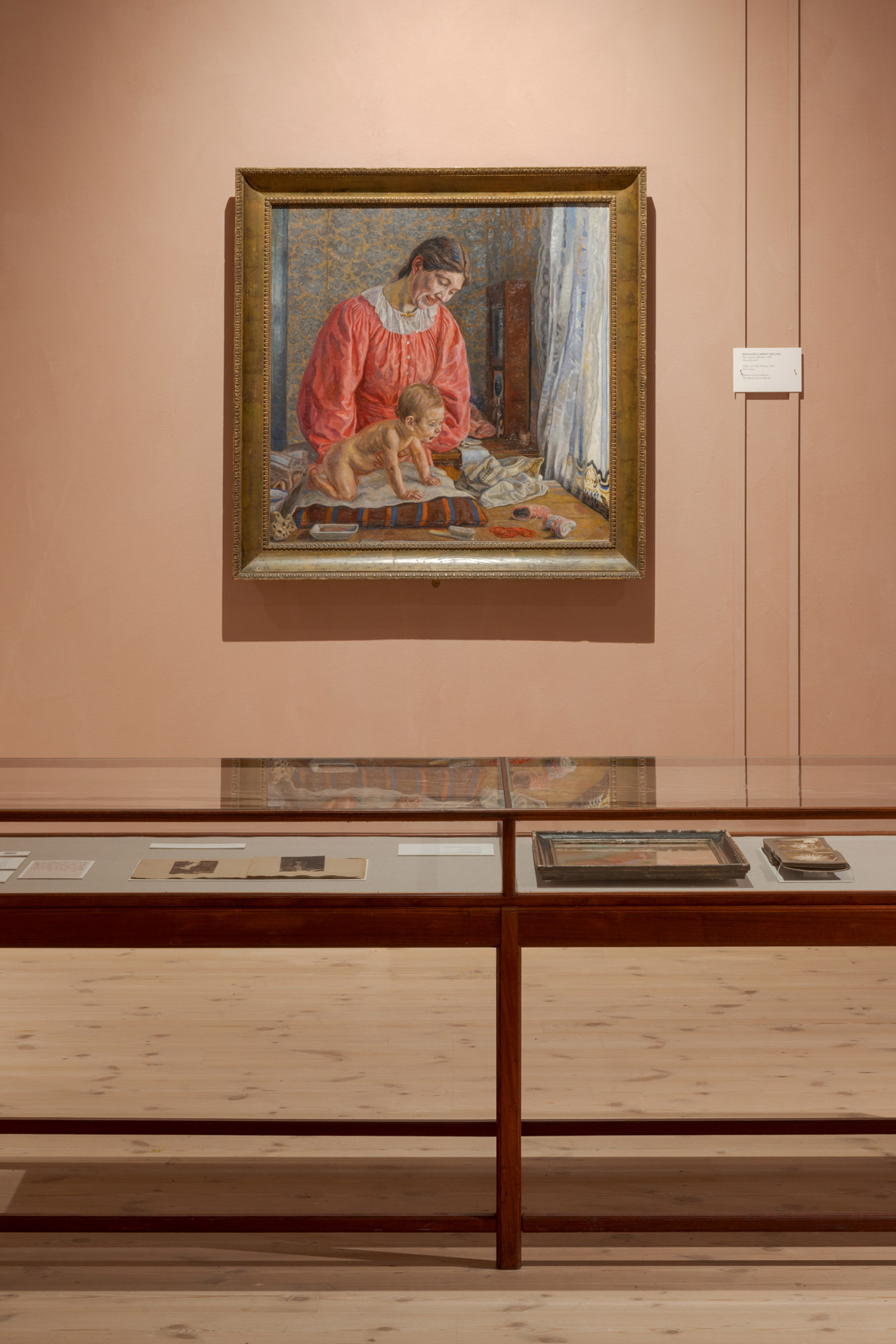
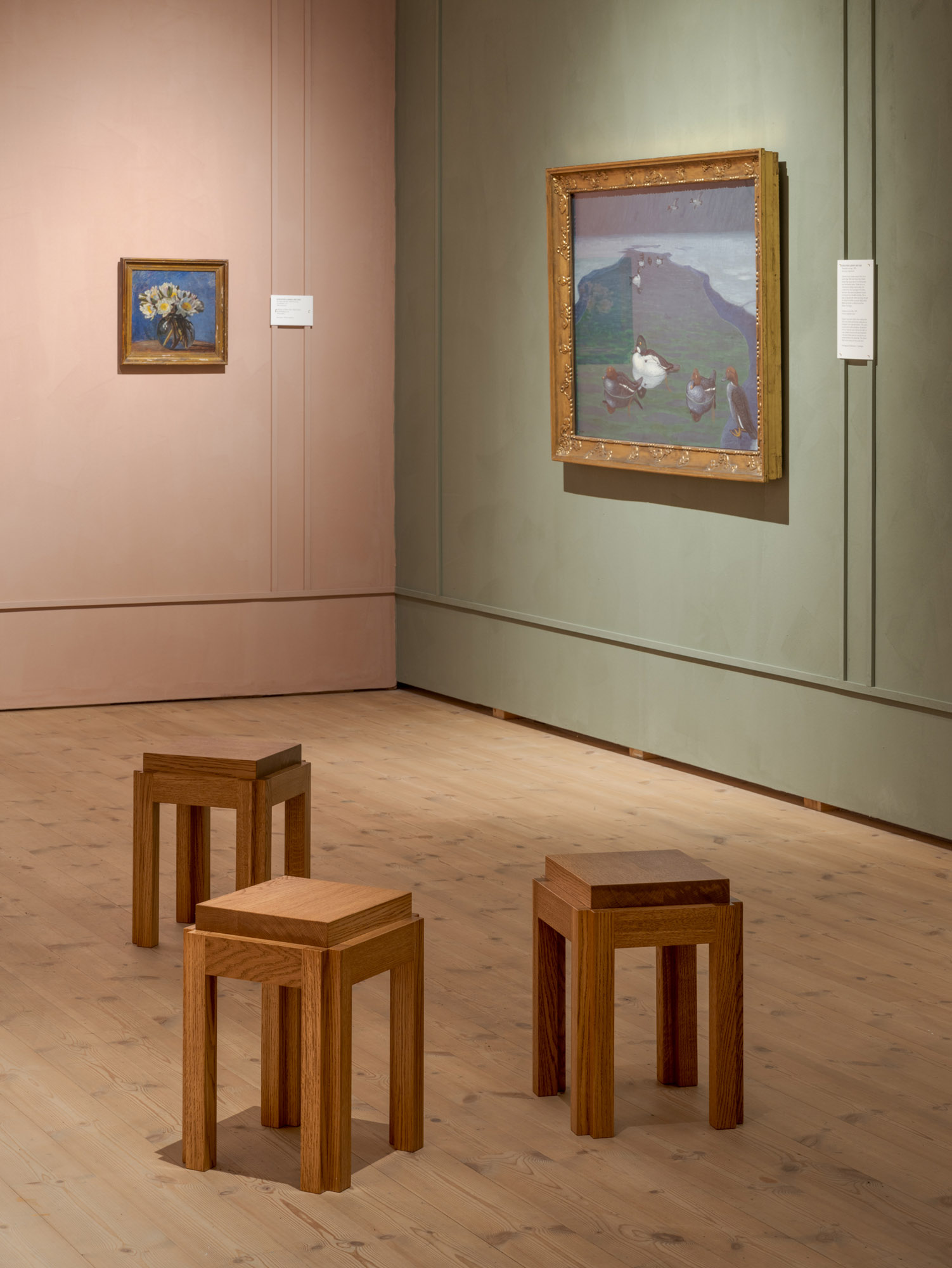
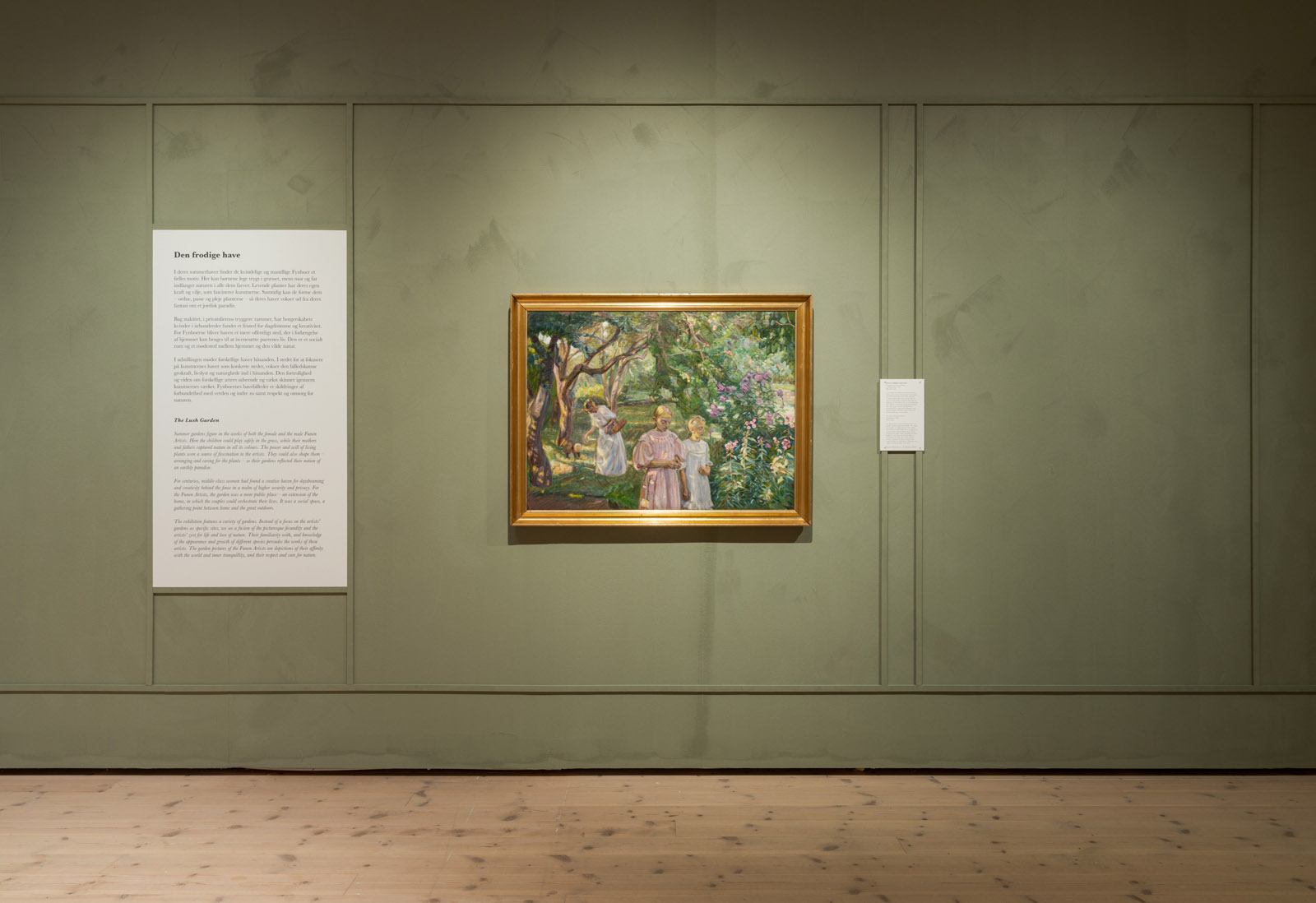
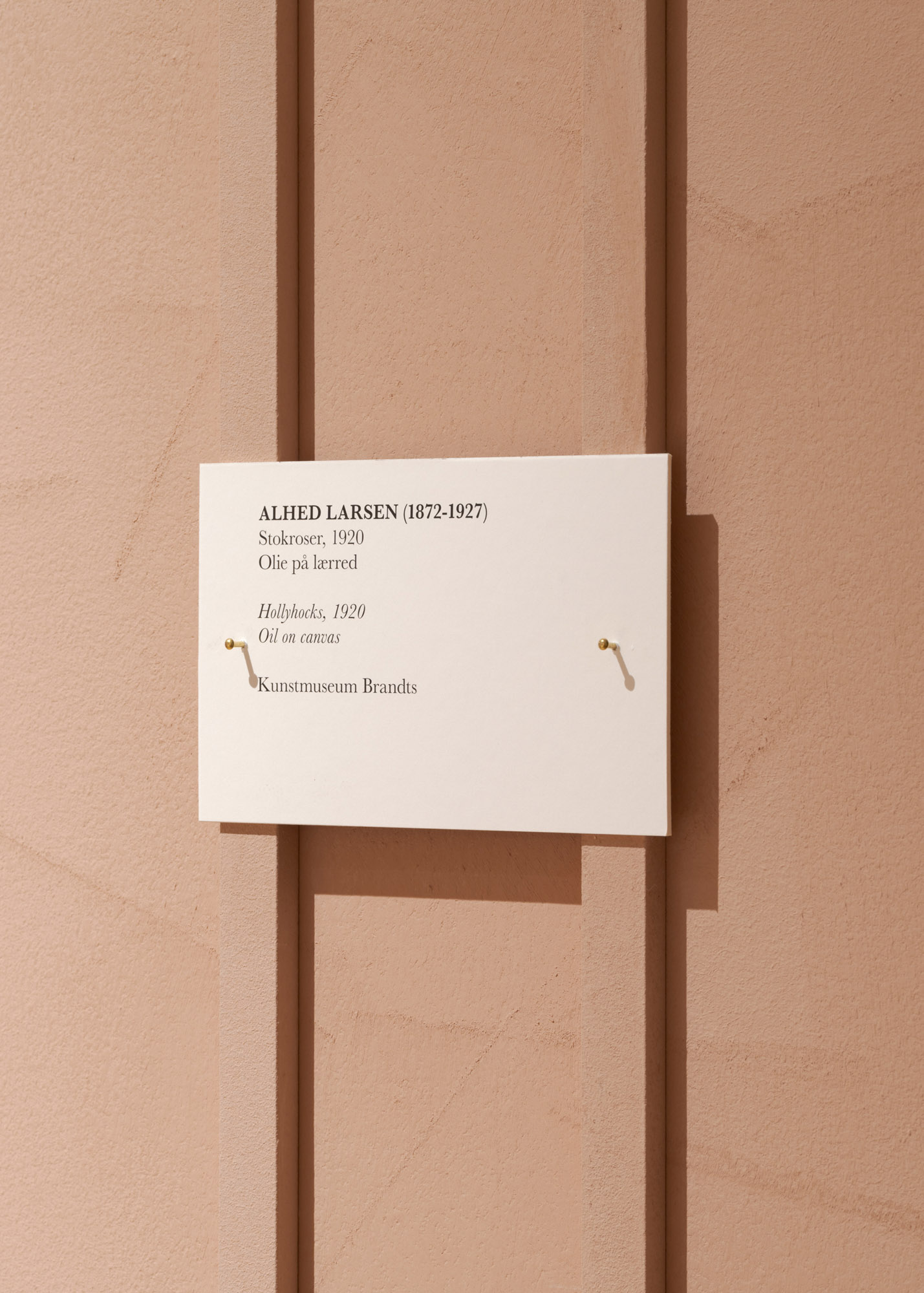
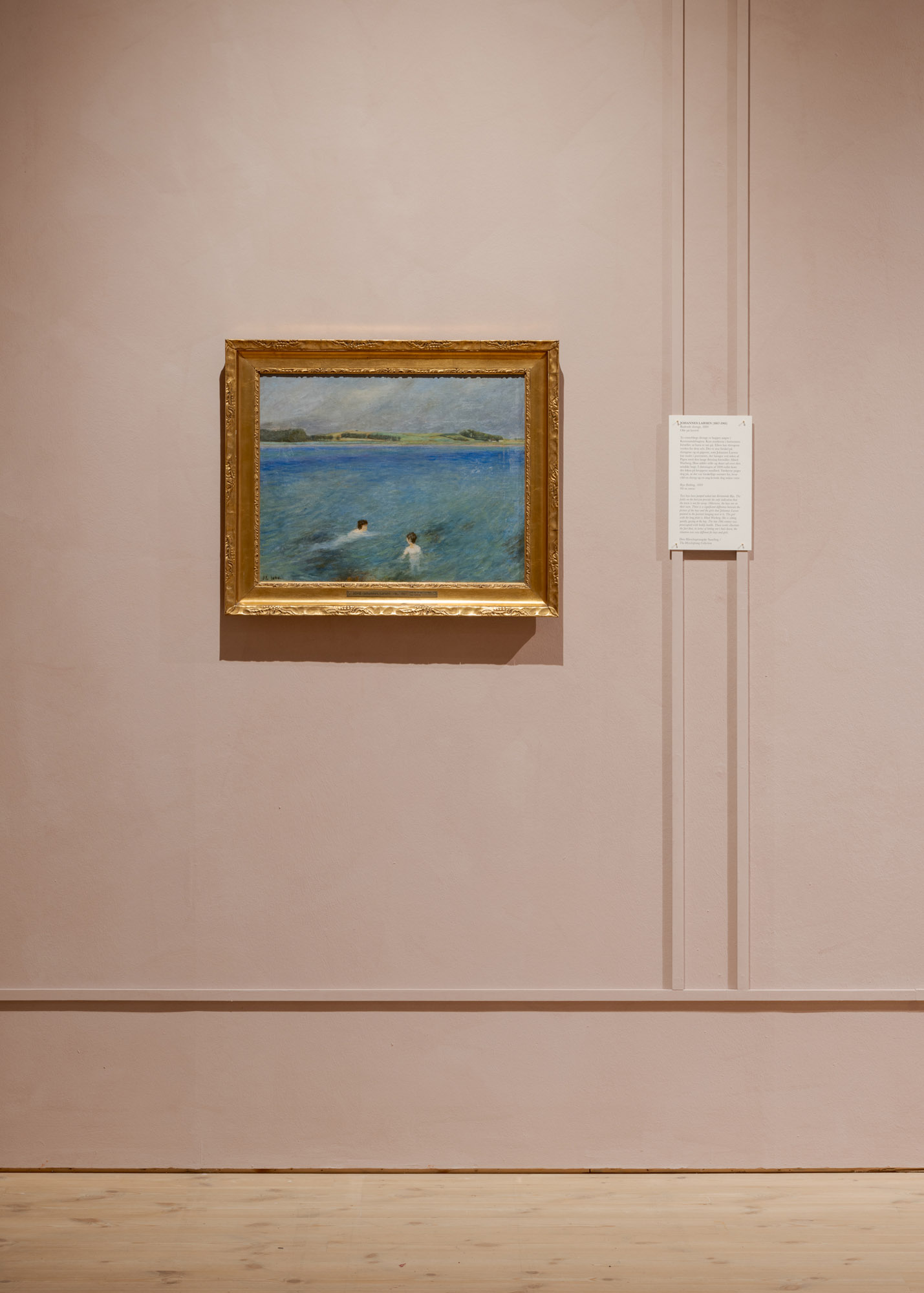
“Fynboerne – Kunsten frem for alt” / “Art Above All” about the turn-of-the-century group of painters from the Danish island of Funen at Kunstmuseum Brandts.

The show focuses on three of the central couples from the movement: The Larsens, The Swanes, and the Sybergs.

It examined the different conditions the wife and the husband would have to create their art under, and the effect this would have in their choices of motif and scale of the artworks.

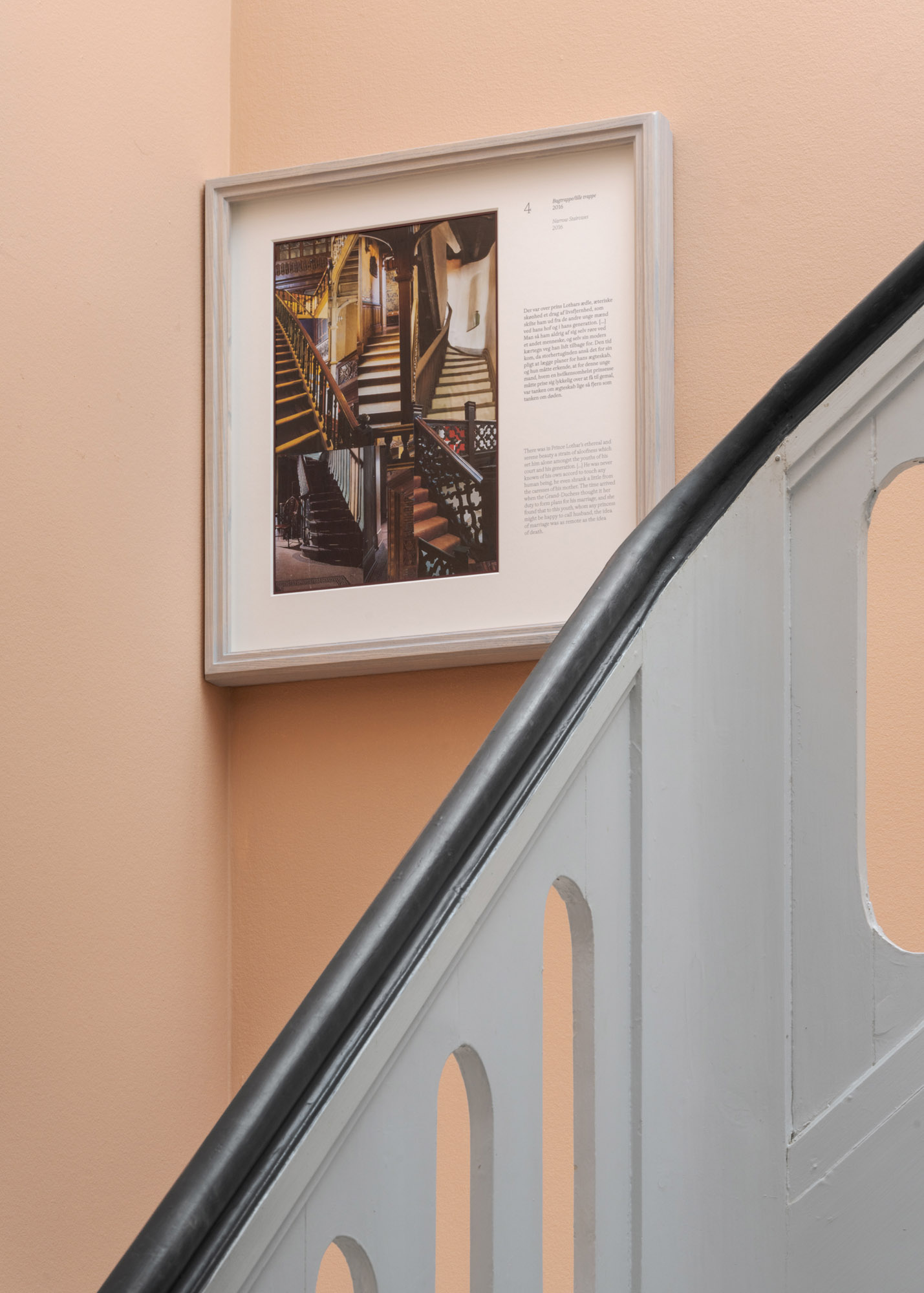
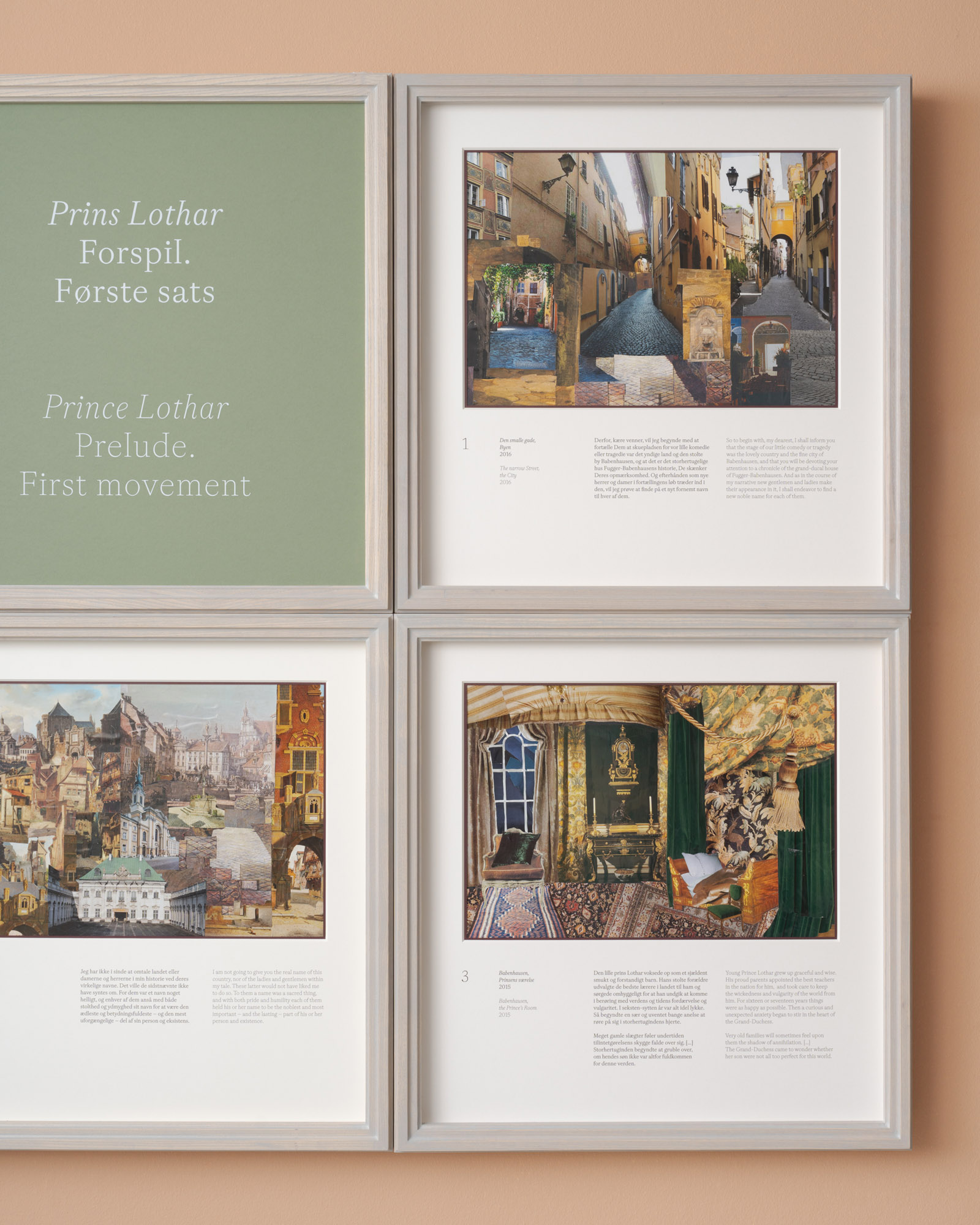
The walls were painted in richly textured paints and clad with wooden strips imitating wall mouldings, to create an atmosphere apt for this specific era.

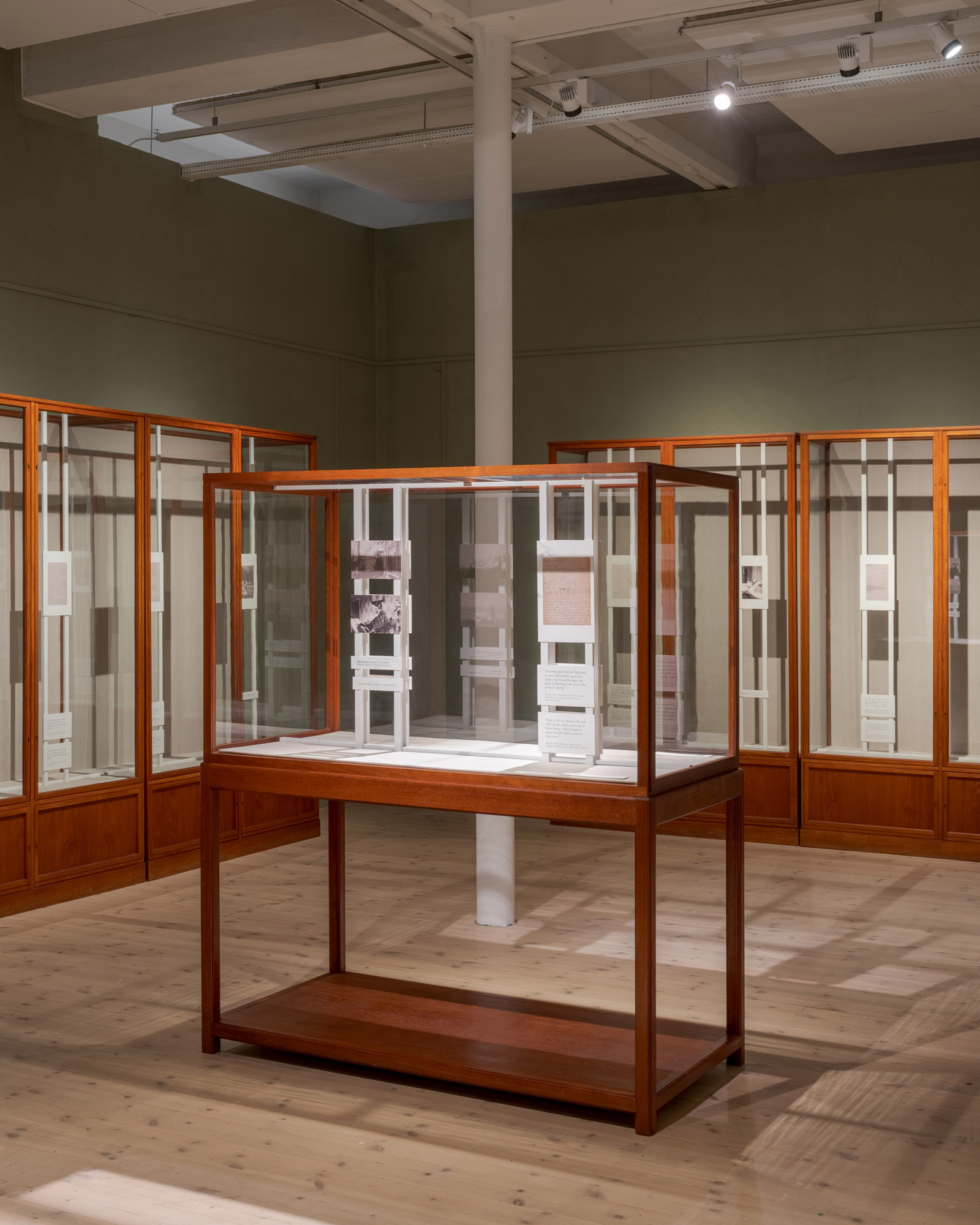
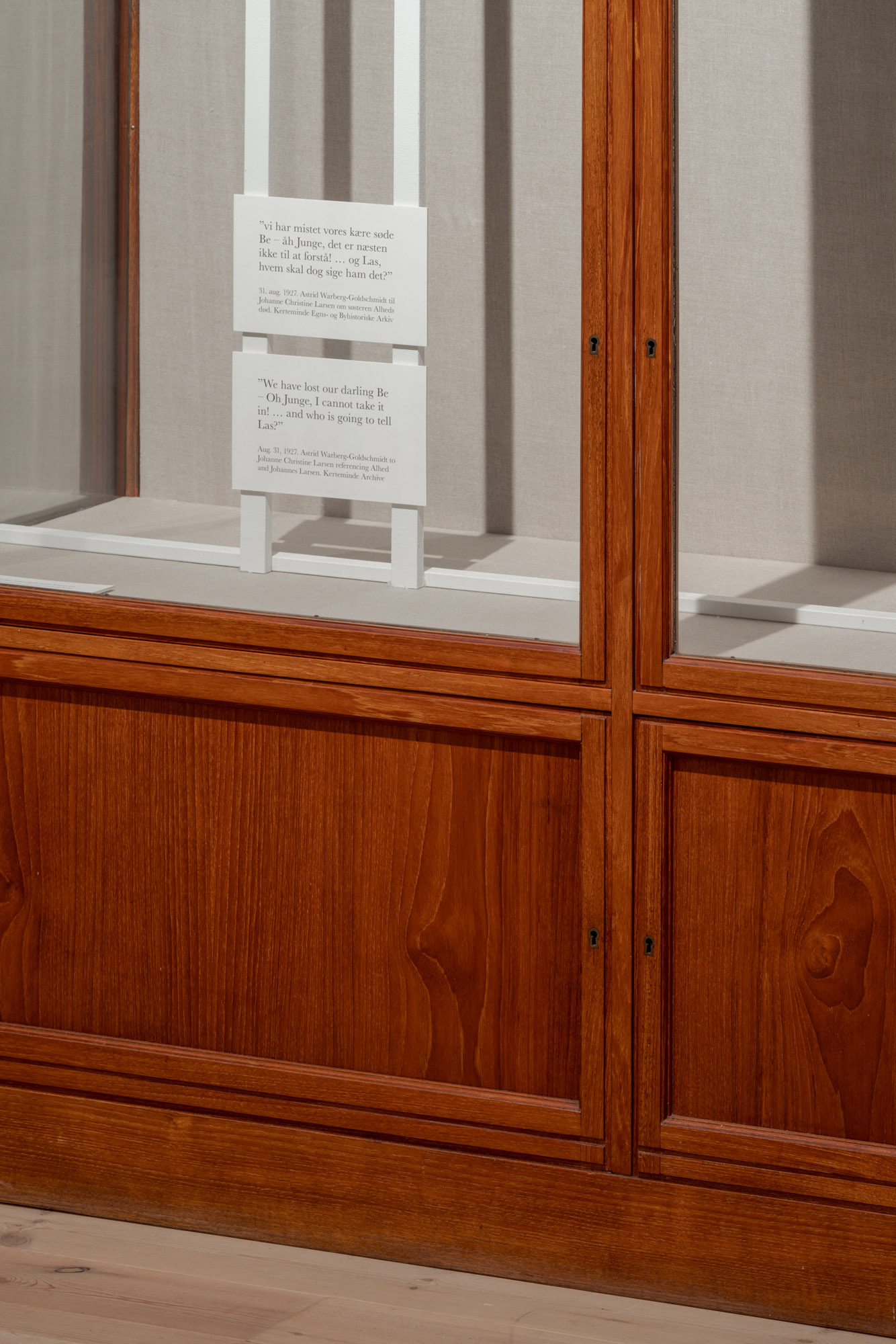
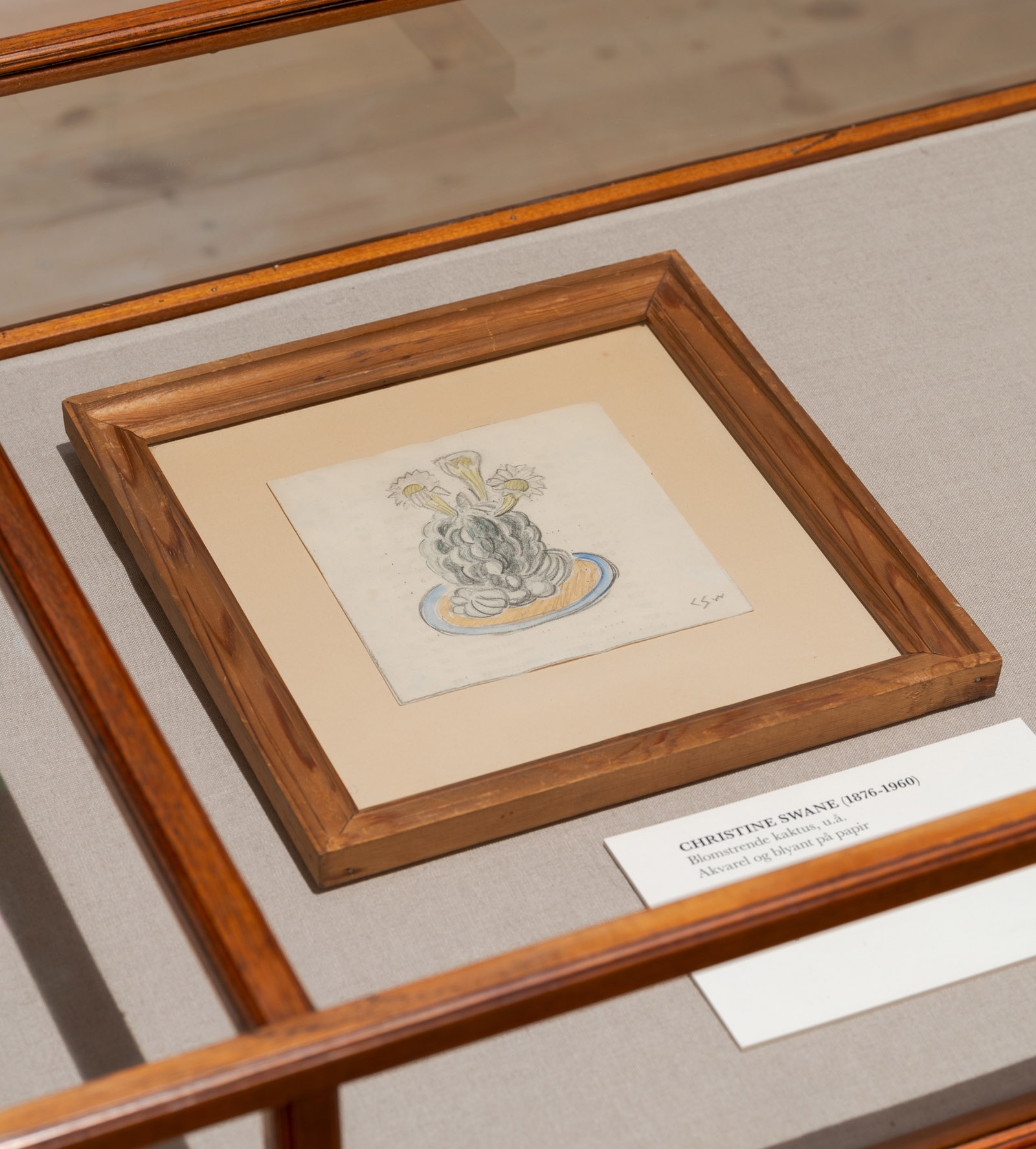
We re-discovered a range of display cabinets from the original Fyns Kunstmuseum, one of the first buildings in Denmark to be built solely for the purpose of being an art museum. A selection of letters and family photos were displayed in these.

The show was curated by Thorlak Madsen as part of a PhD research project.

All photos by David Stjernholm.

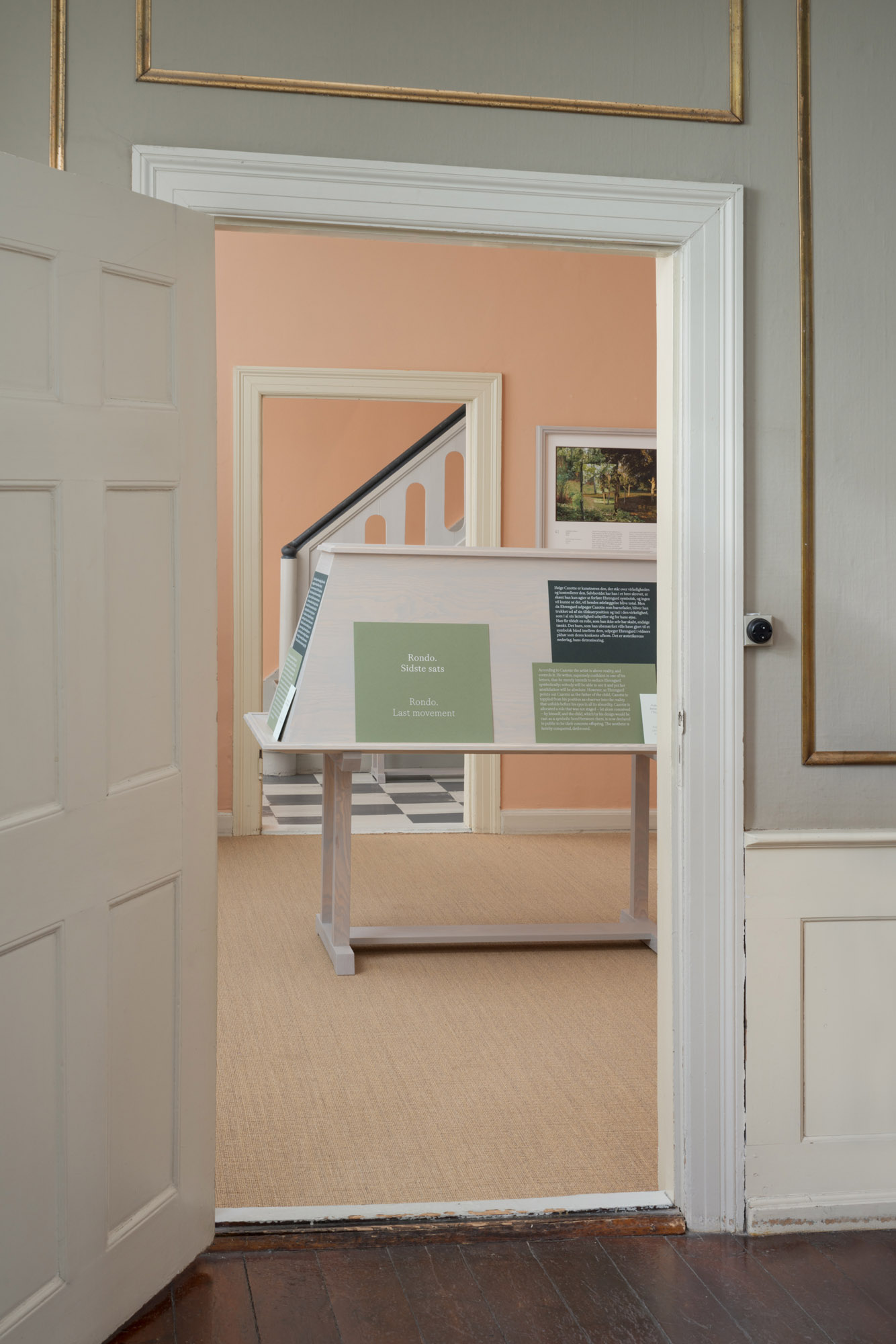
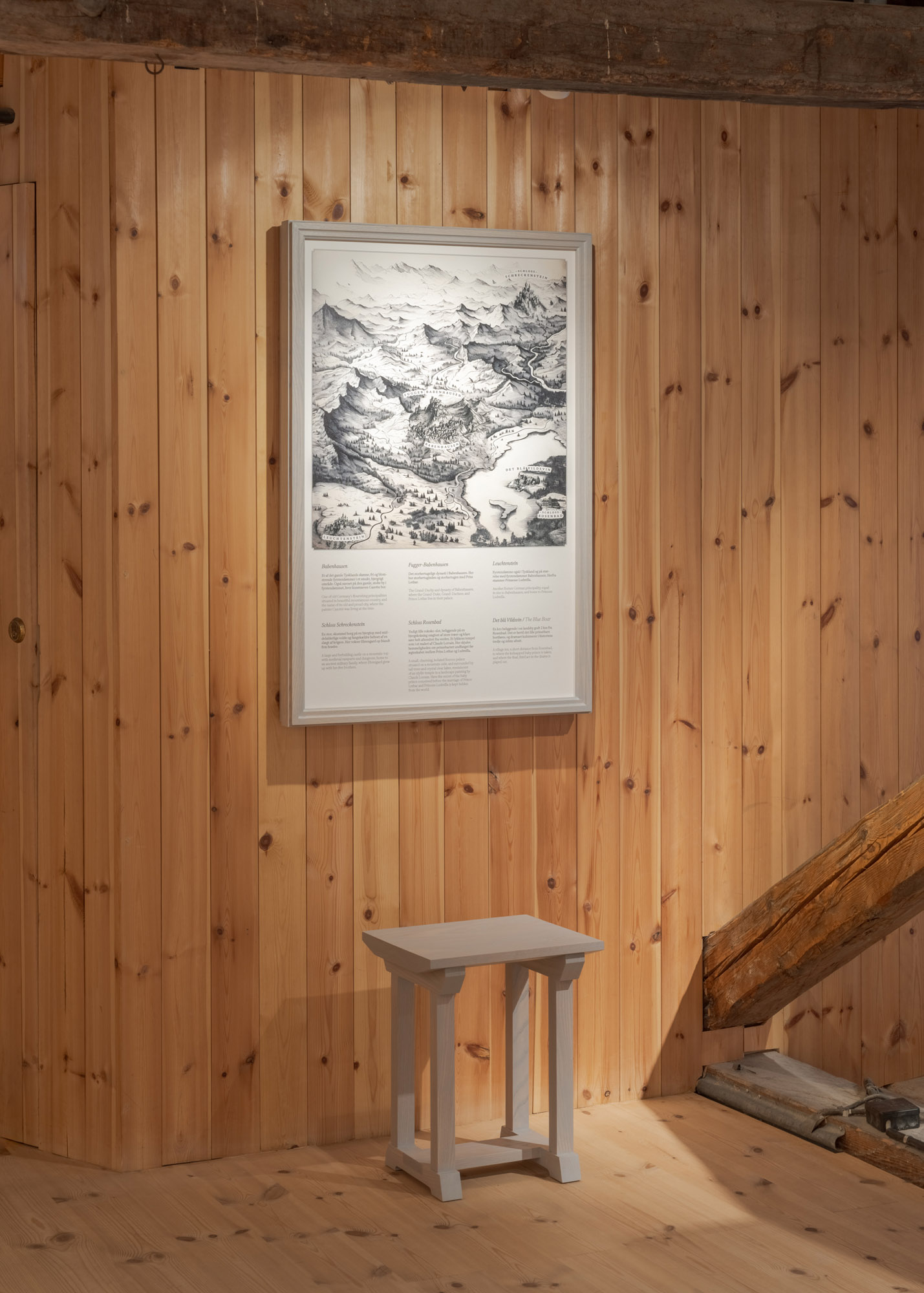
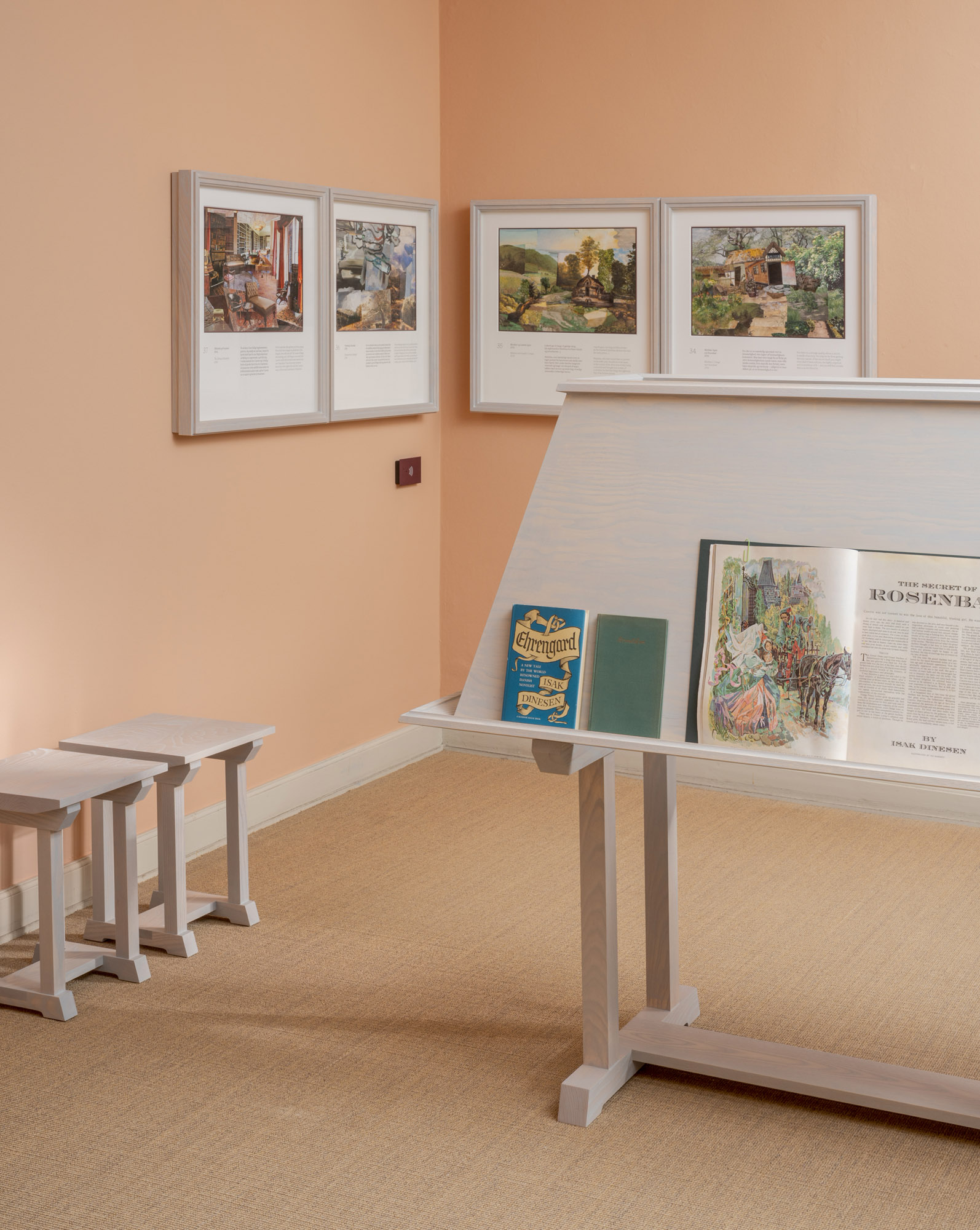
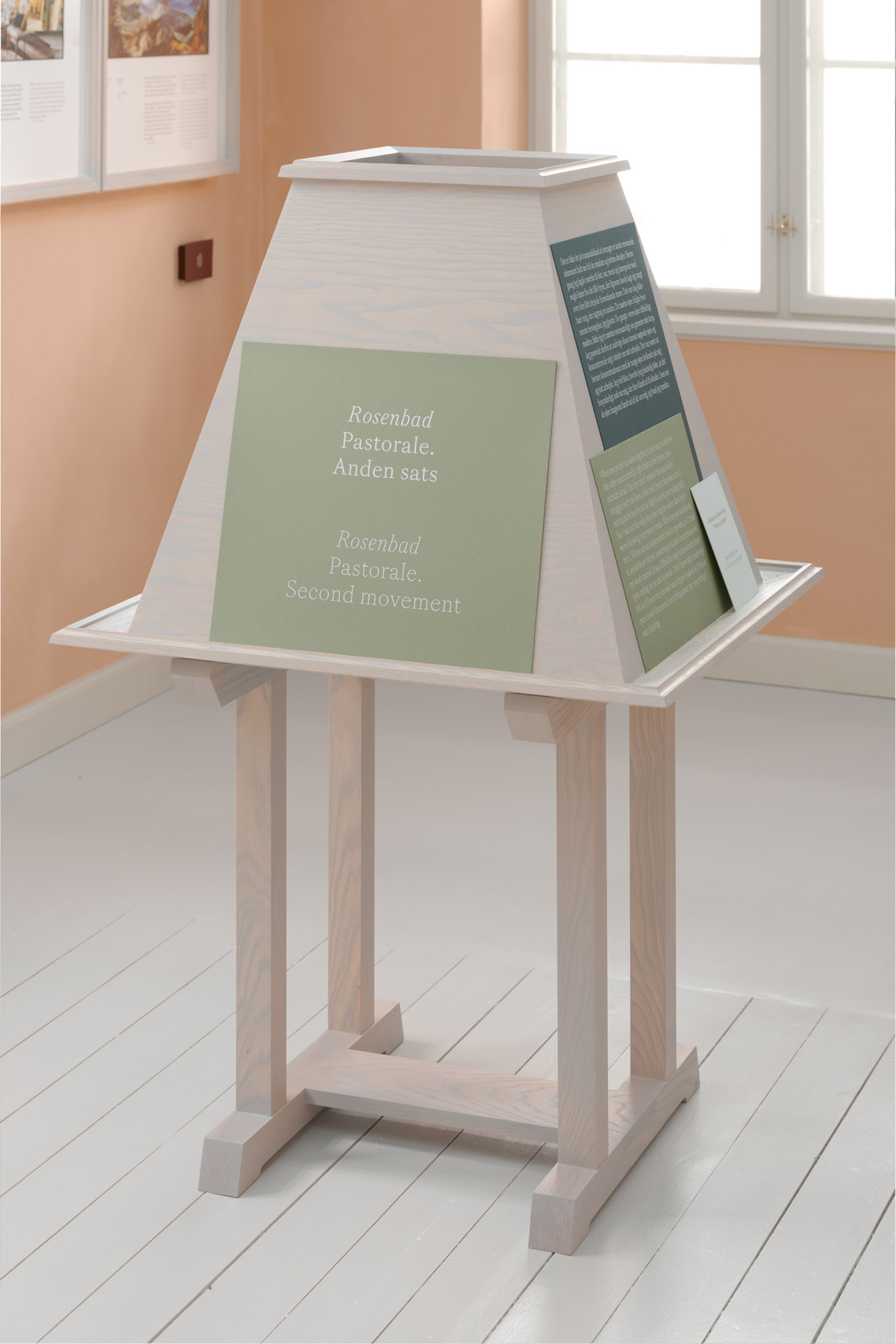
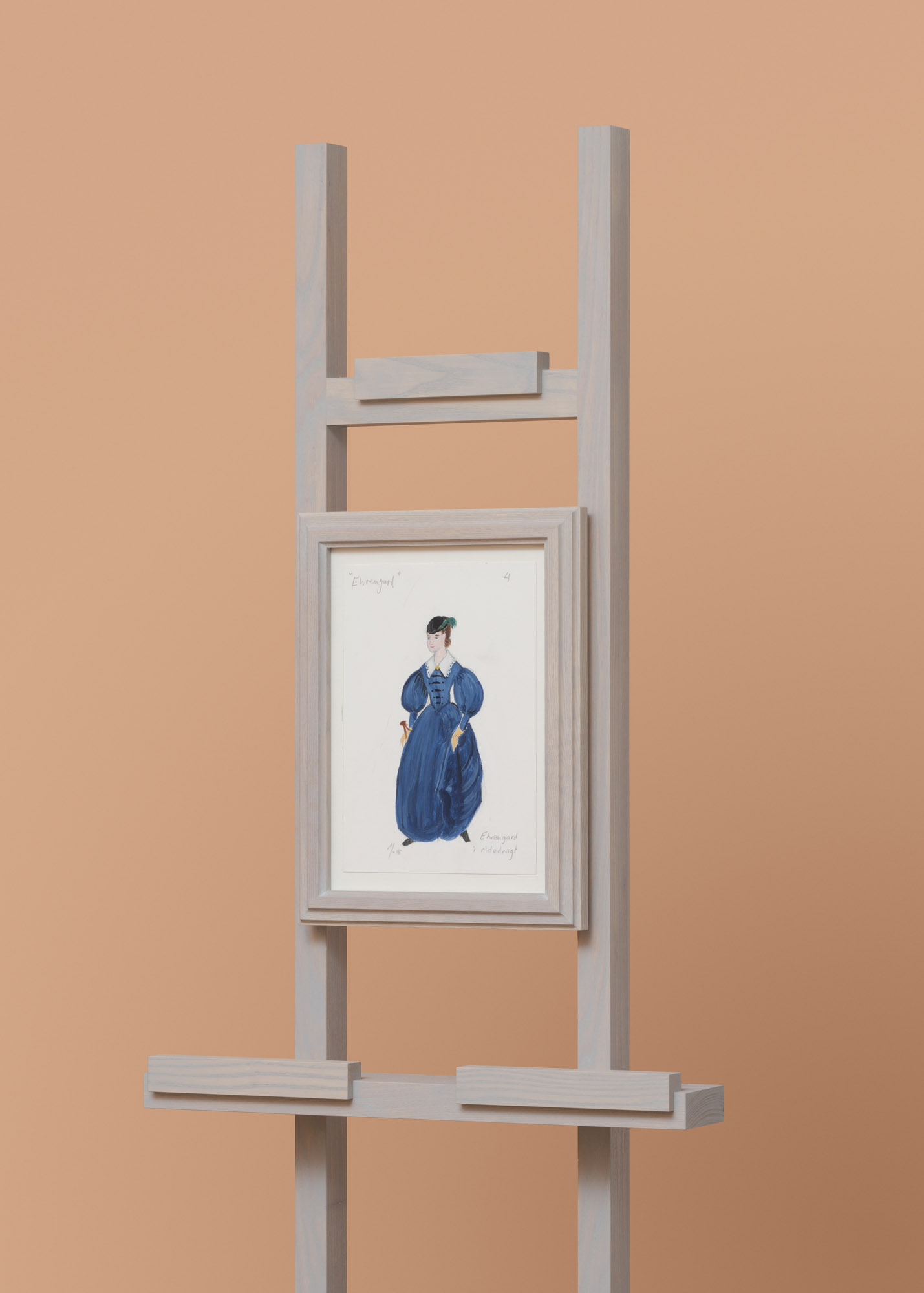
Exhibition design for the show “Ehrengard: The Art of Seduction” at Rungstedlund, the historical home of Danish author Karen Blixen. The show exhibits decoupages and drawings by Her Majesty The Queen of Denmark Margrethe II.

Her Majesty The Queen designed the scenography and costumes for the 2023 Bille August feature film “Ehrengard”. The Queen created a vast number of découpages in her work for the film, as a means to visualize the fairy tale world of the Karen Blixen novella that the movie was based on.

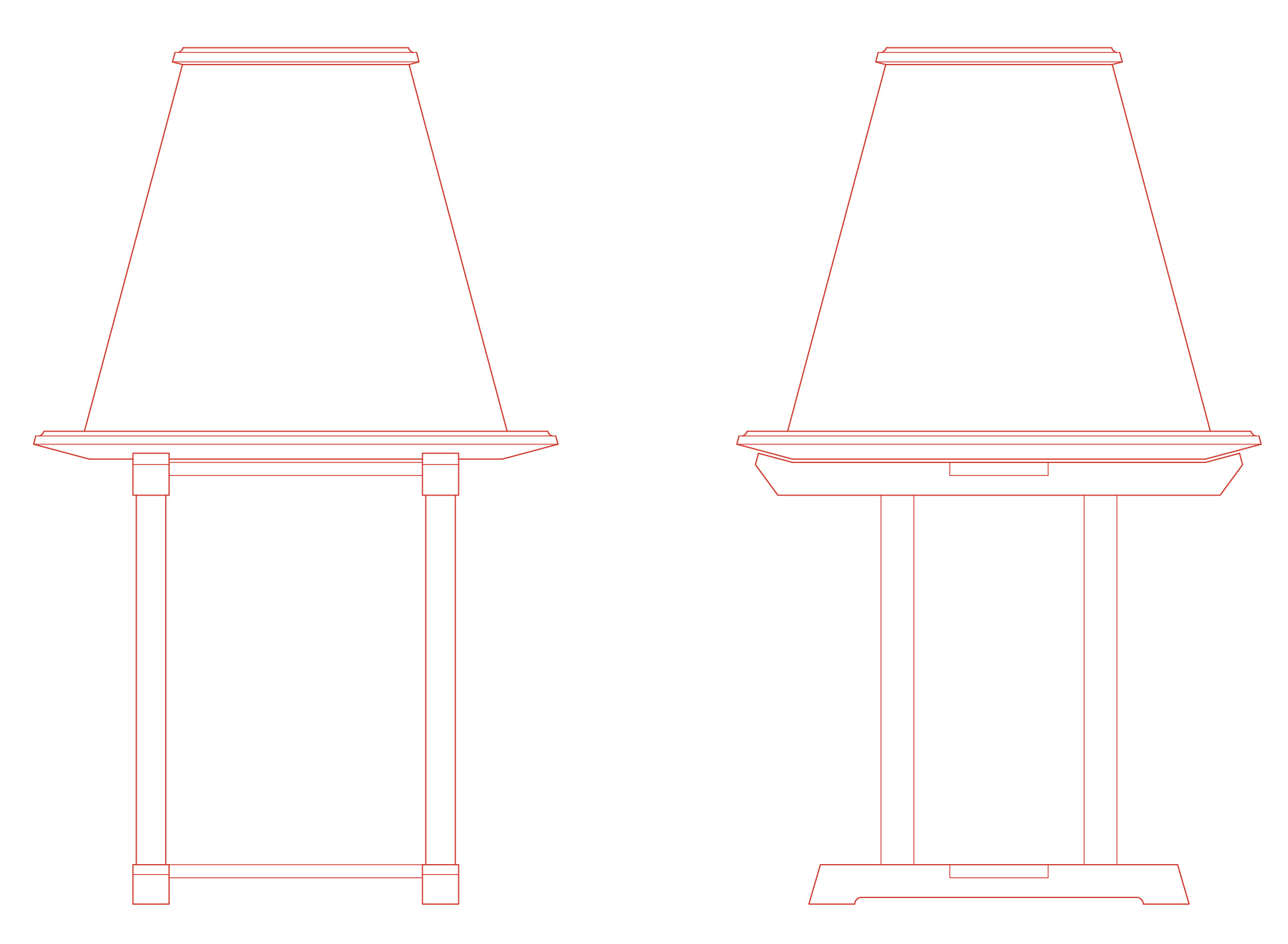
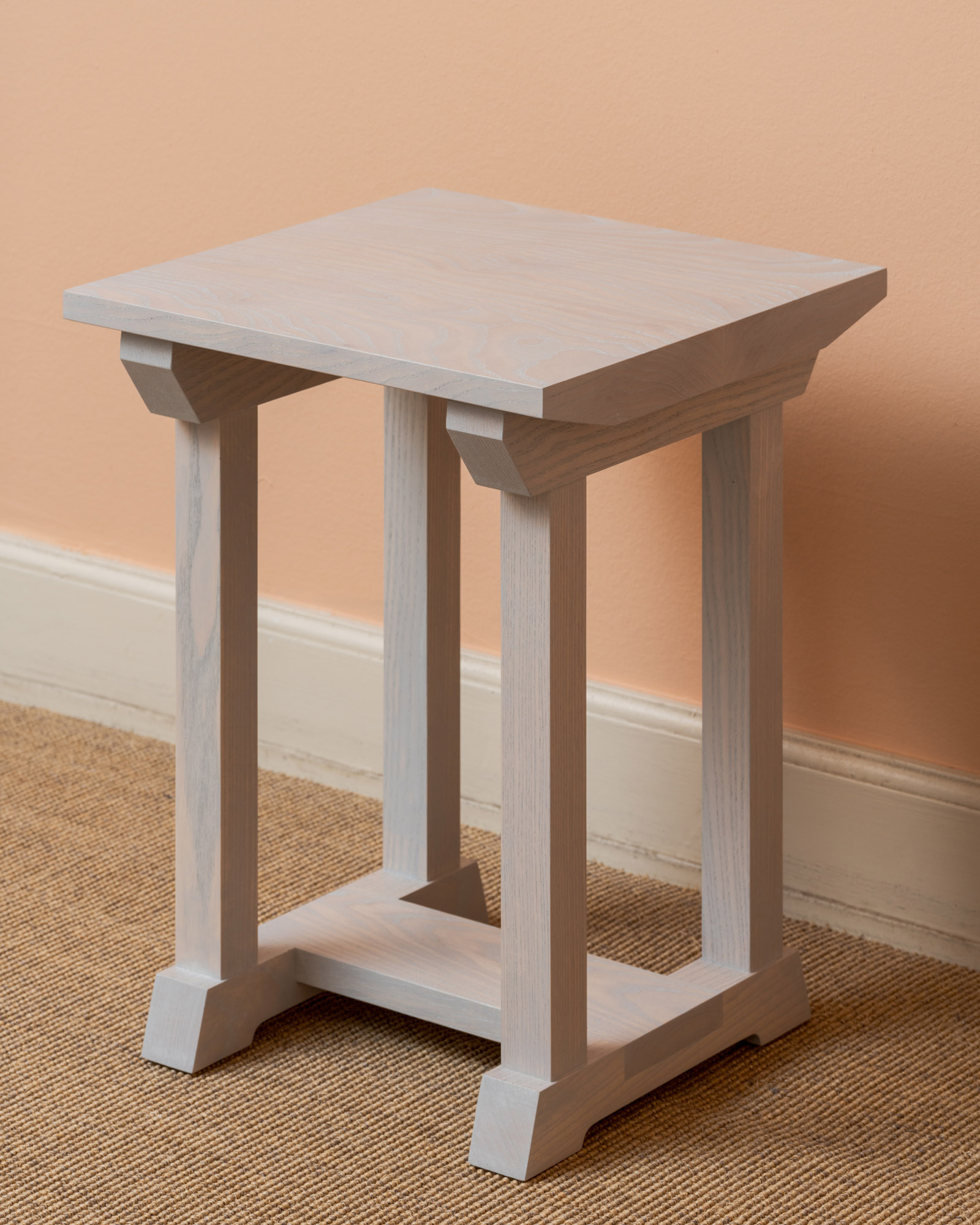
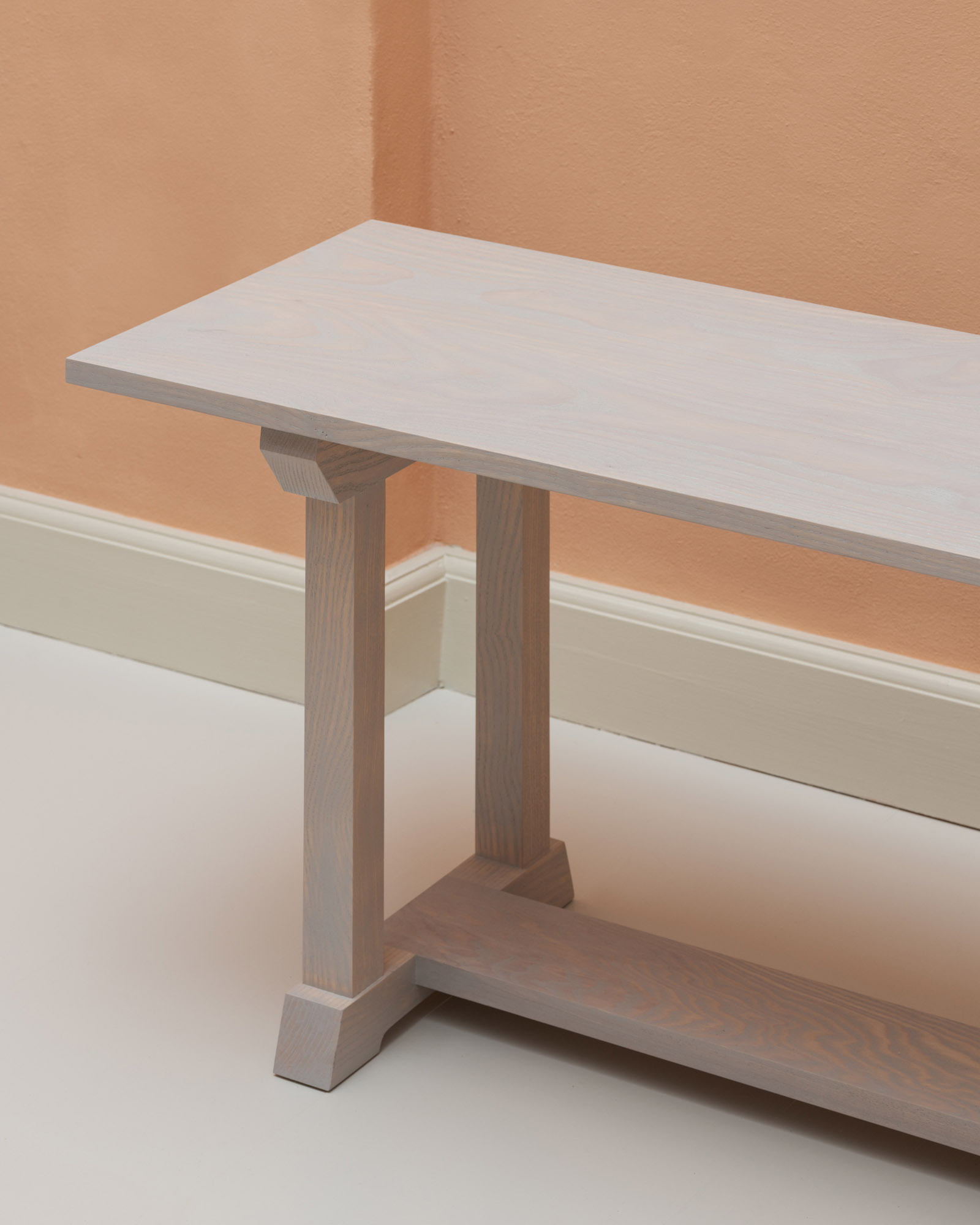
As part of the exhibition design we designed custom book tables, frames, and easels as well as stools and benches.

All furniture was built by Rammelisten in ash wood, treated with pigmented linseed oil.

Graphic design was done by Studio Atlant.

All photos by David Stjernholm.

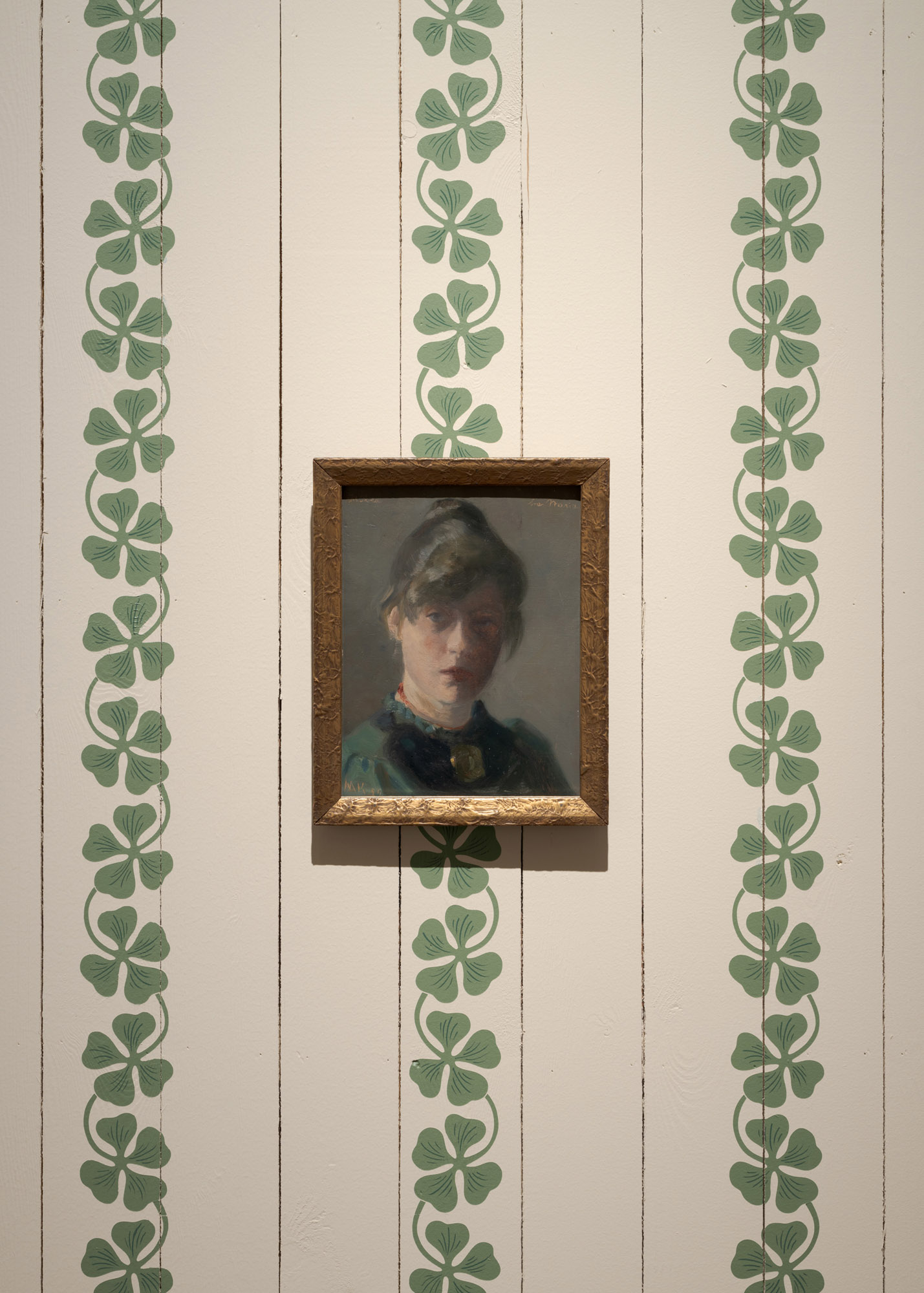
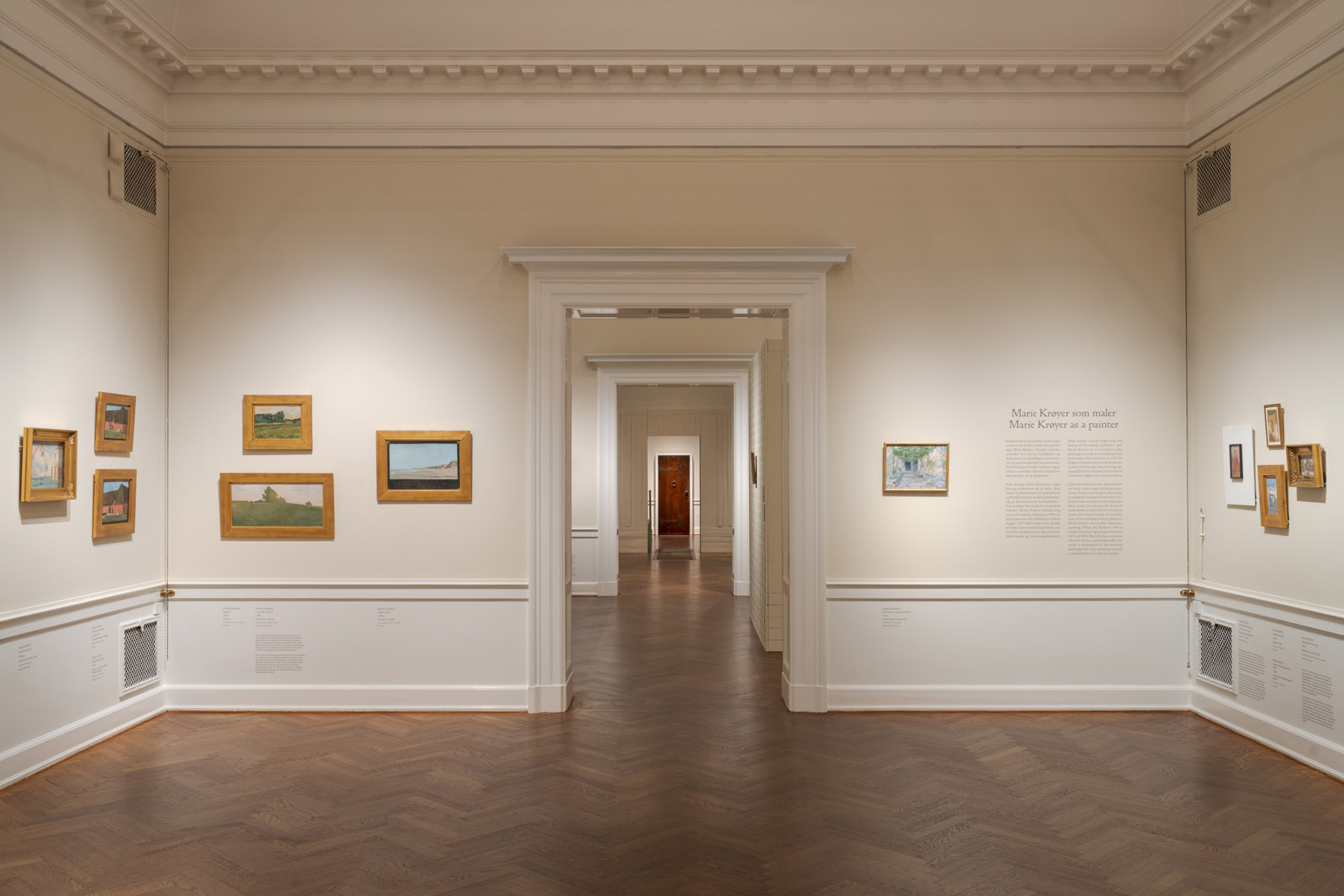
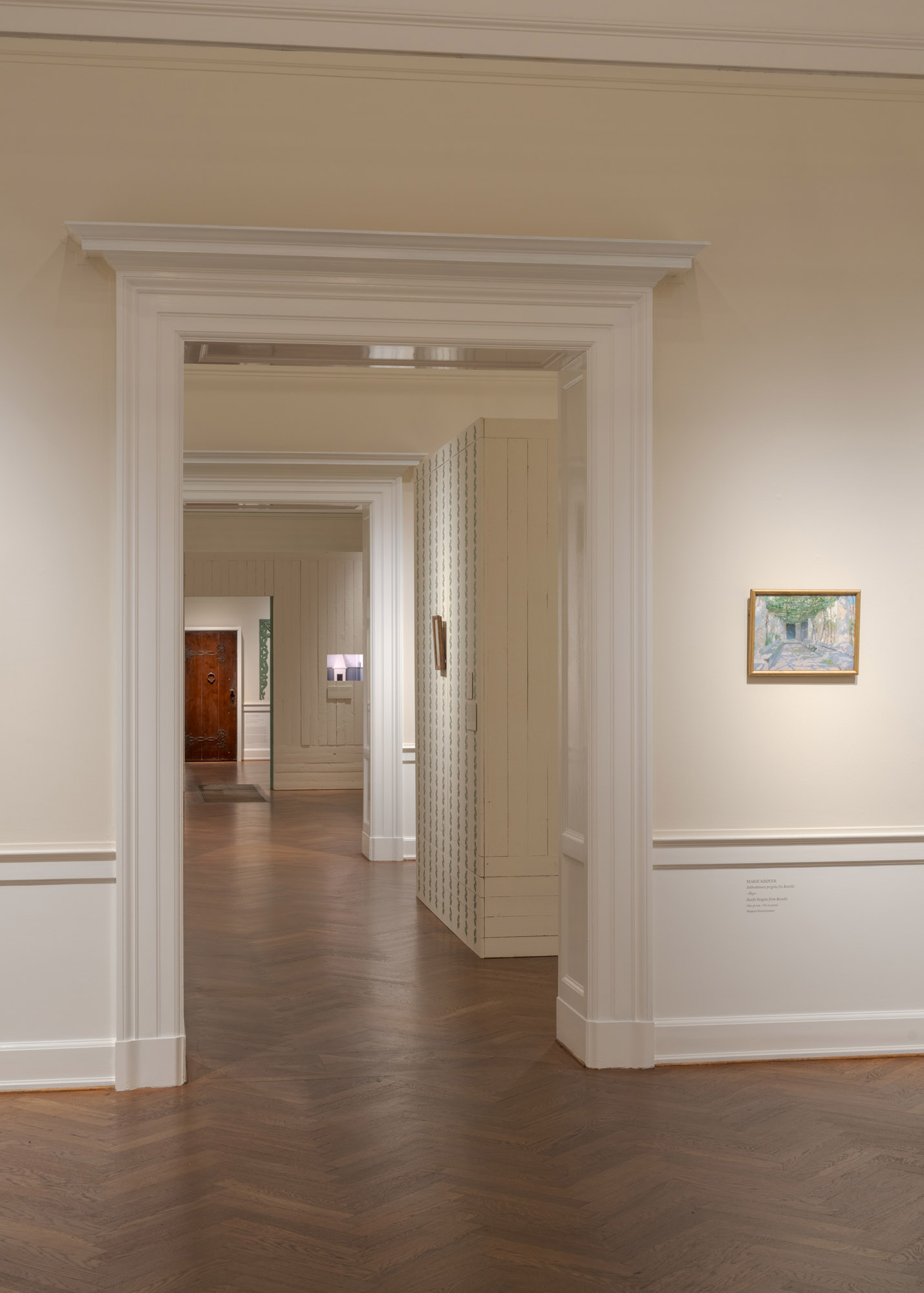
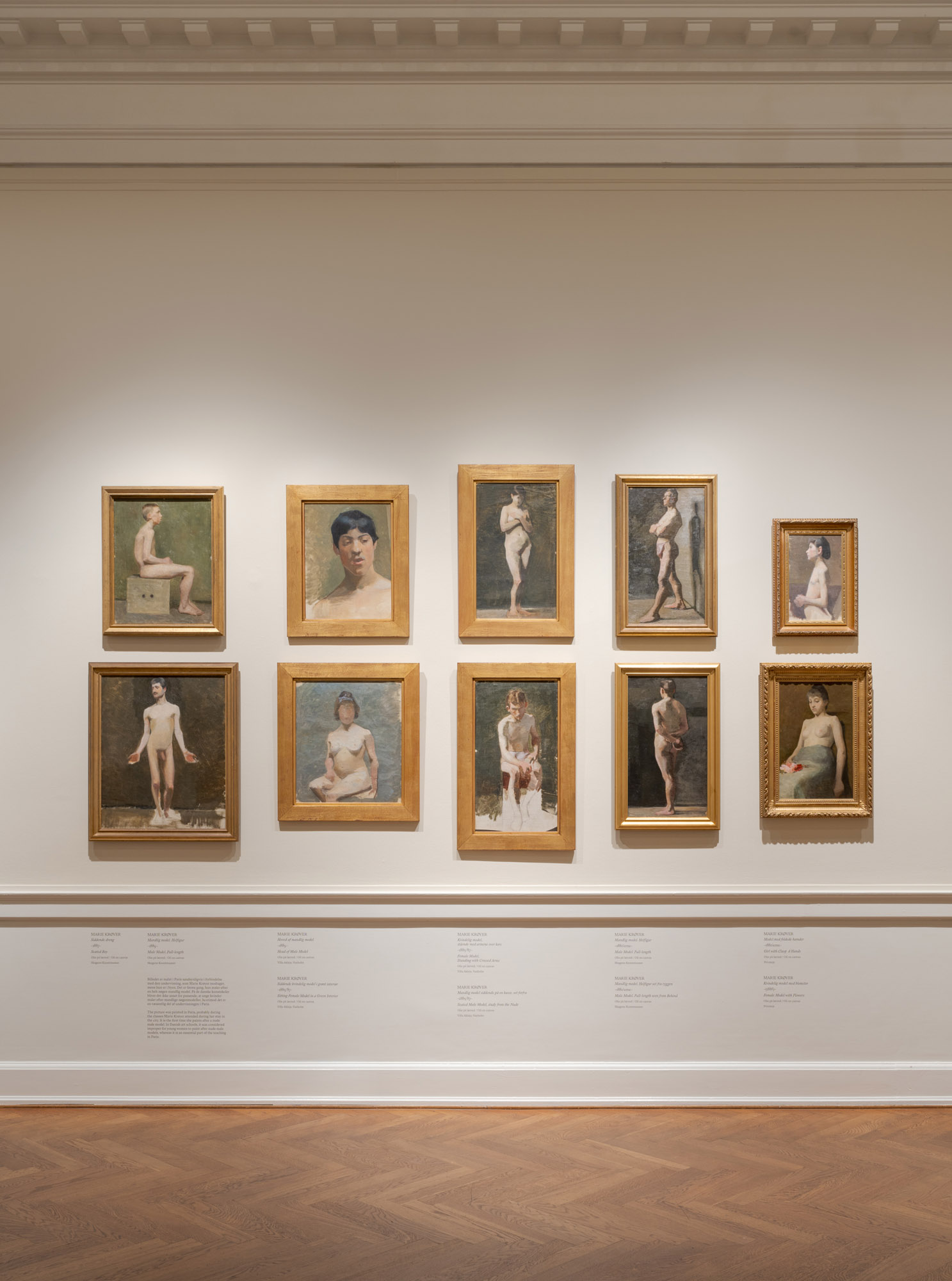
Design for a large exhibition about national icon Marie Krøyer at Skagens Museum and The Hirschsprung Collection.

The prevailing narrative around the turn-of-the-century artist has been that “what a pity it was that she quit painting”. And while she did quit painting, she didn’t quit creating.

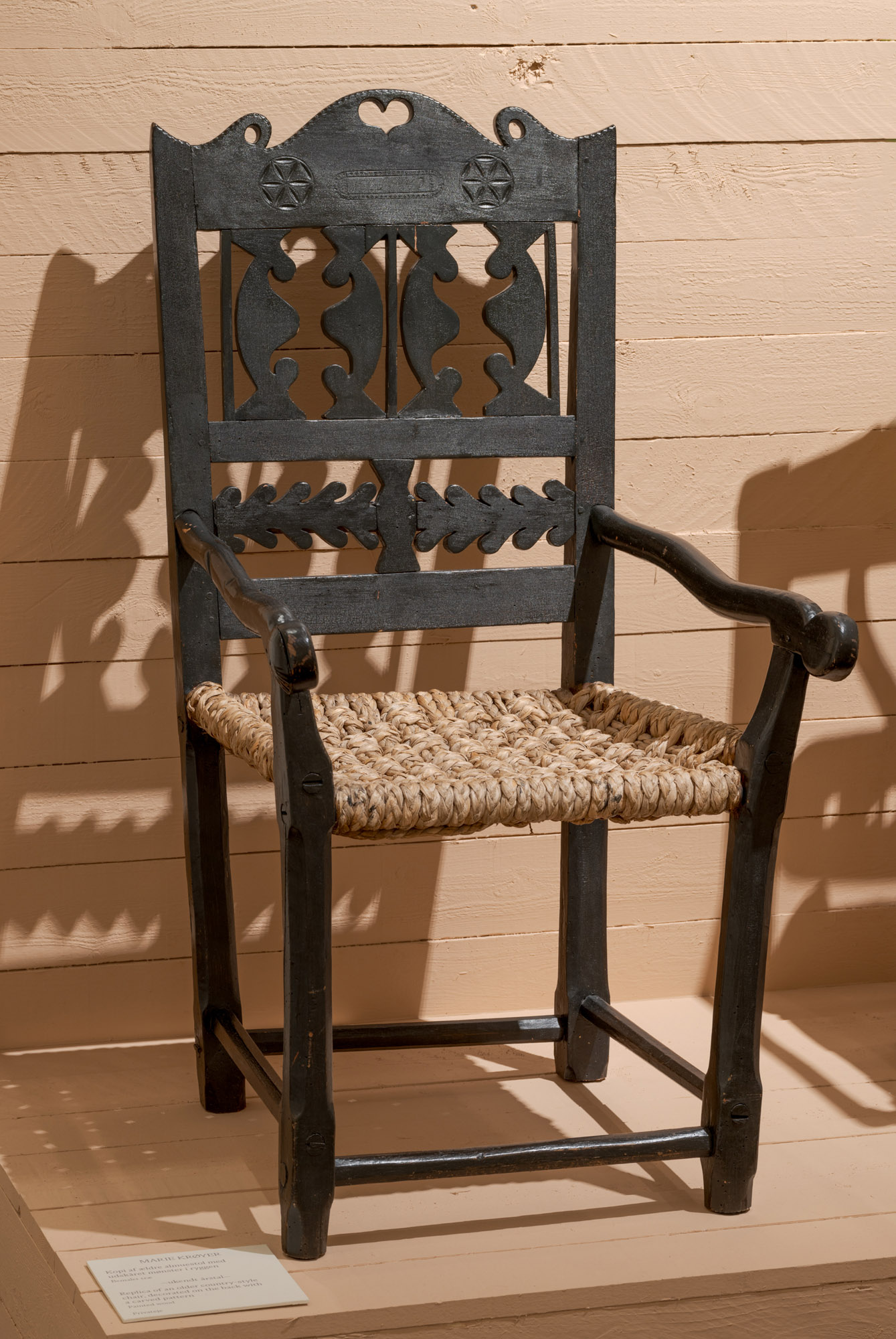
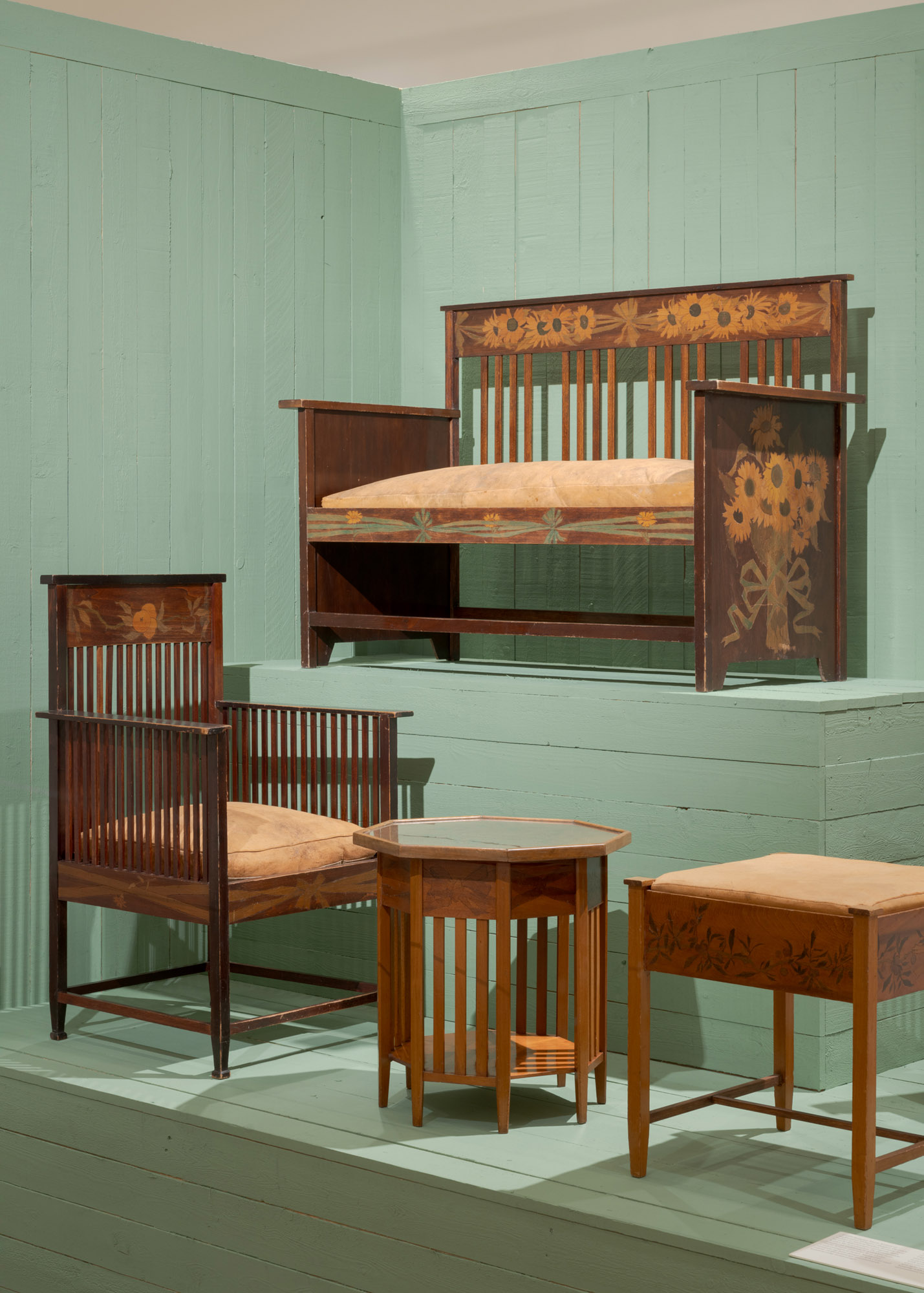
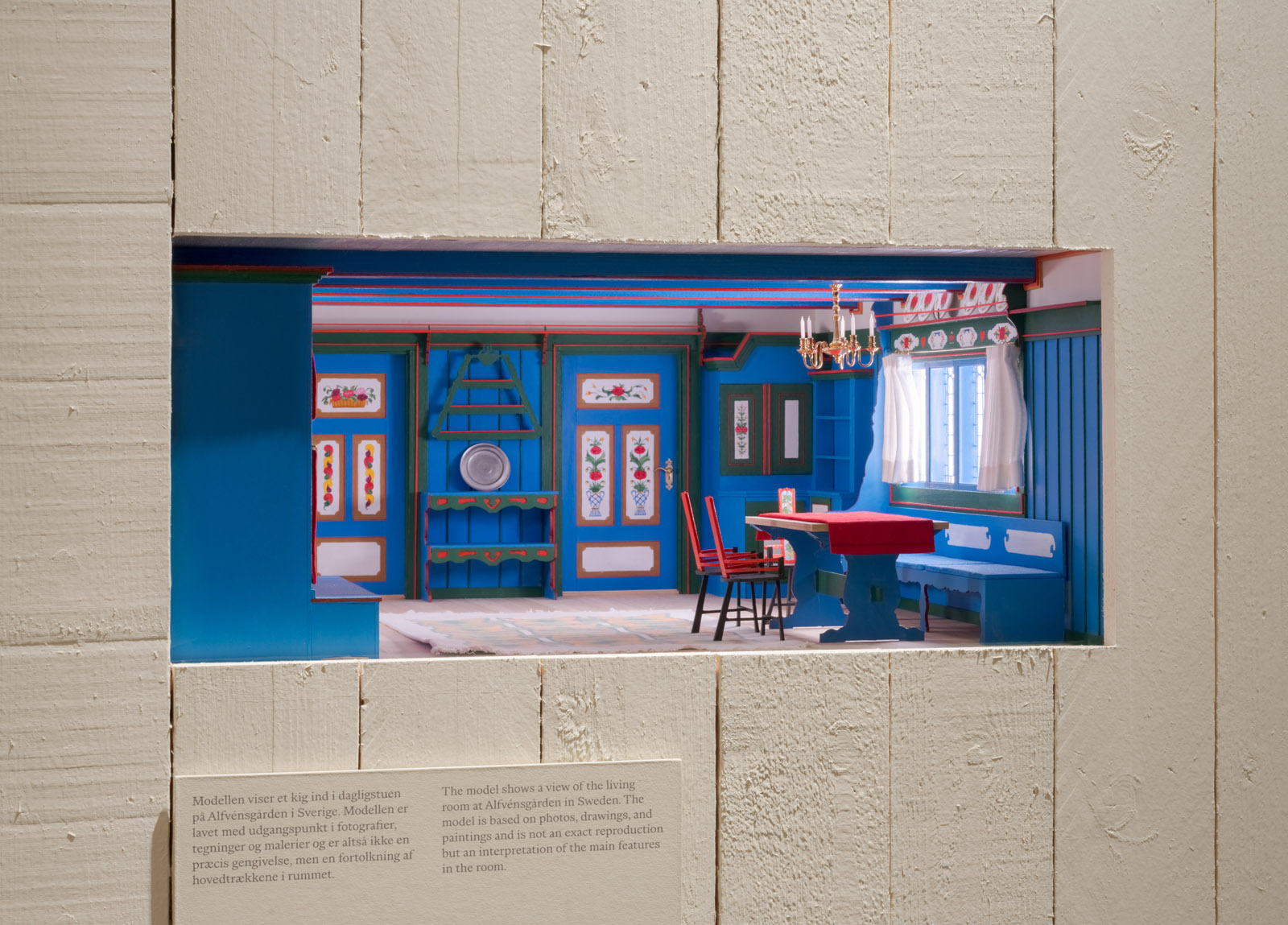
Instead Marie Krøyer focused on other crafts and became, among other things, an interior designer before there even was such a term. The exhibition shines a light on exactly that by showcasing Krøyer’s furniture and interior design skills alongside her drawings.

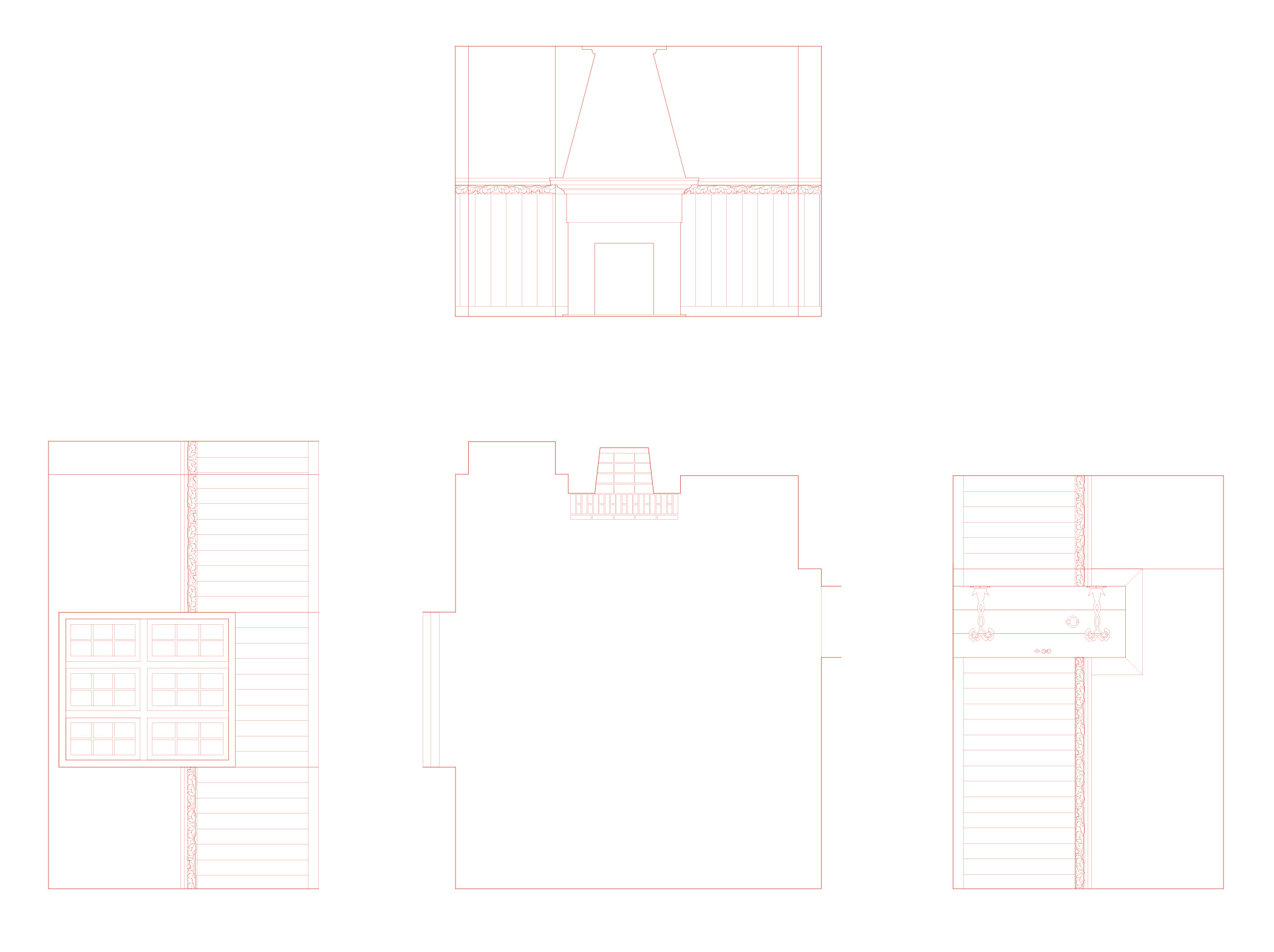
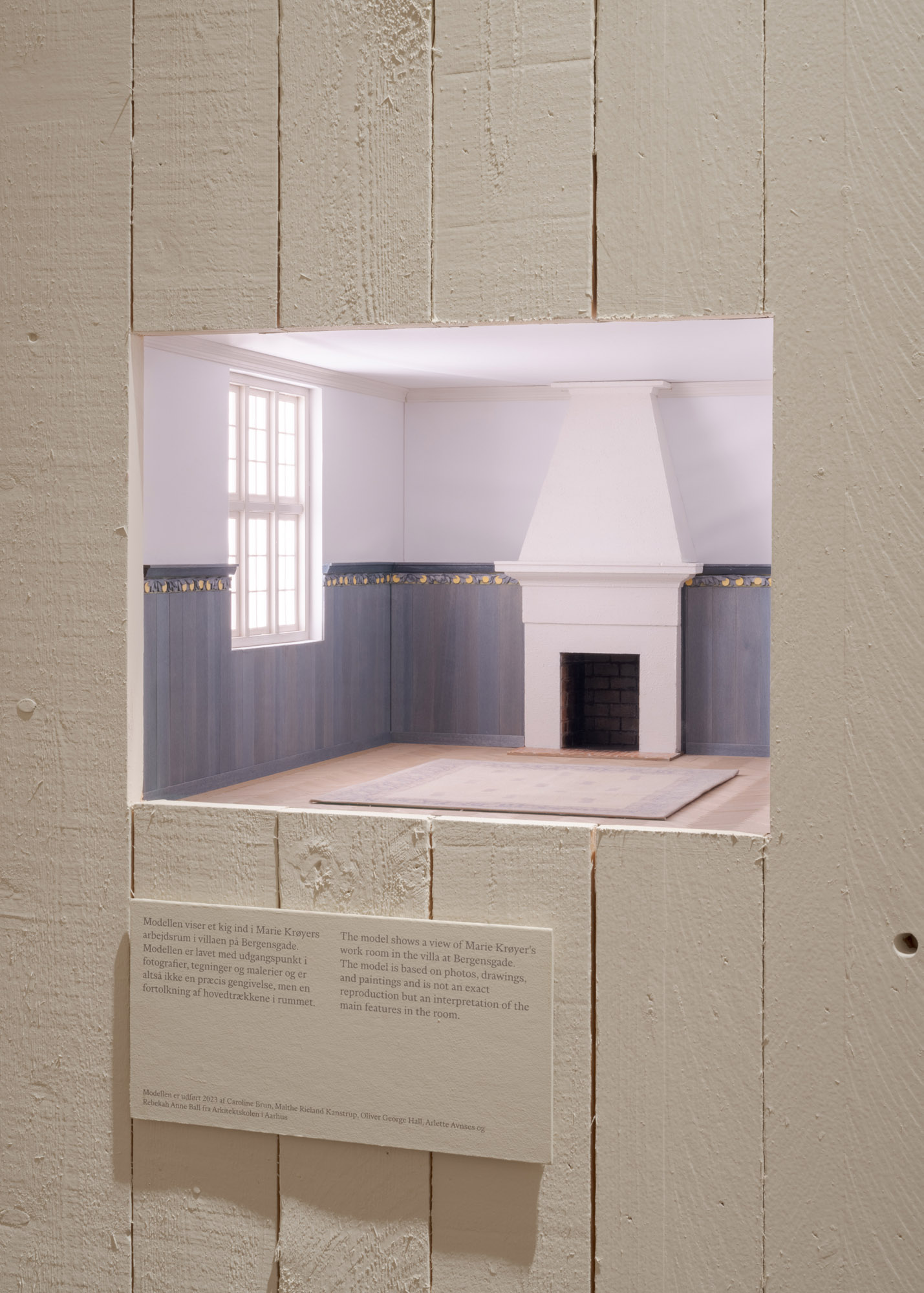
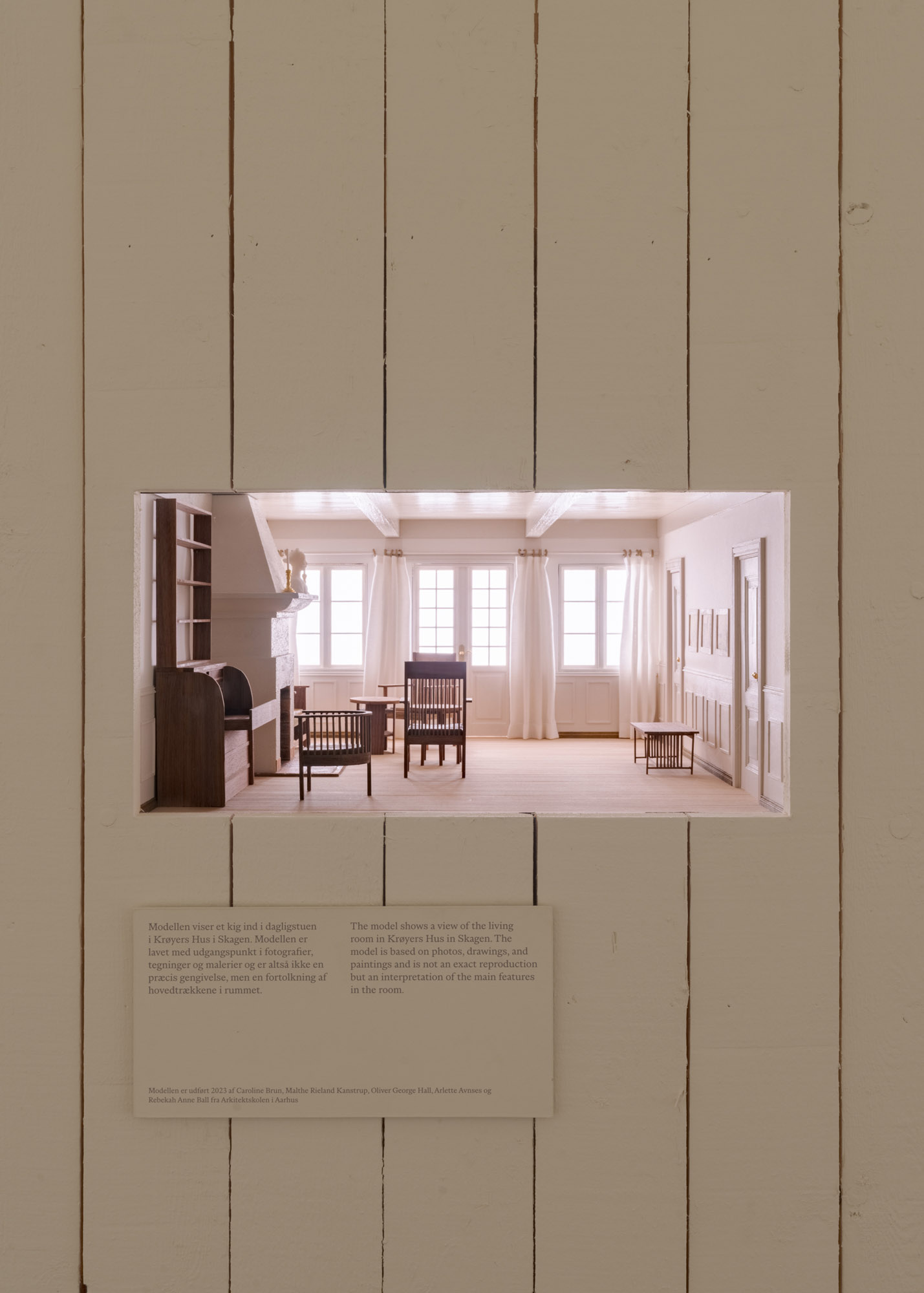
To that end we had three exquisitely detailed architectural models built of three of Marie Krøyer’s own homes, by a team of students from Aarhus School of Architecture.

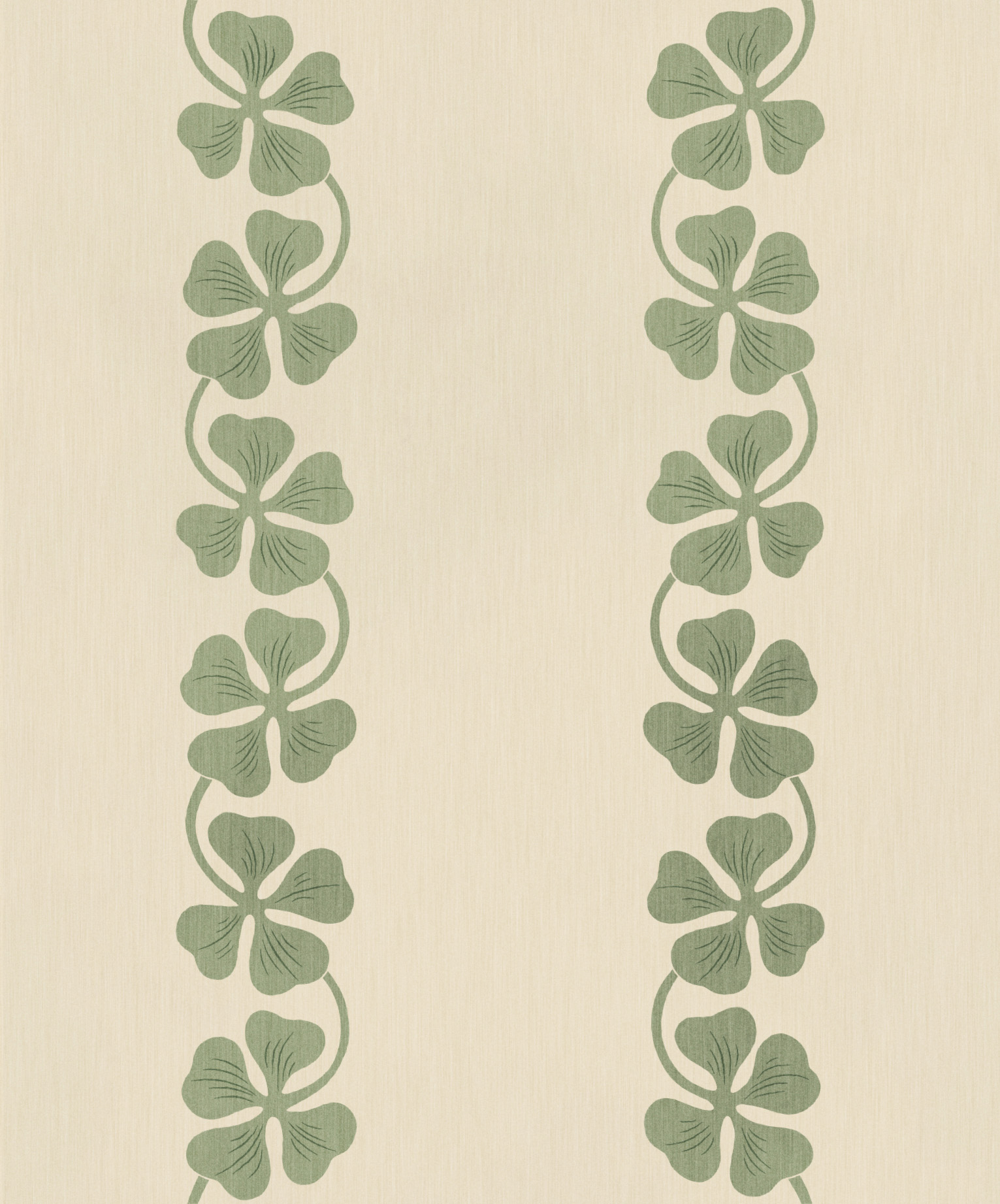
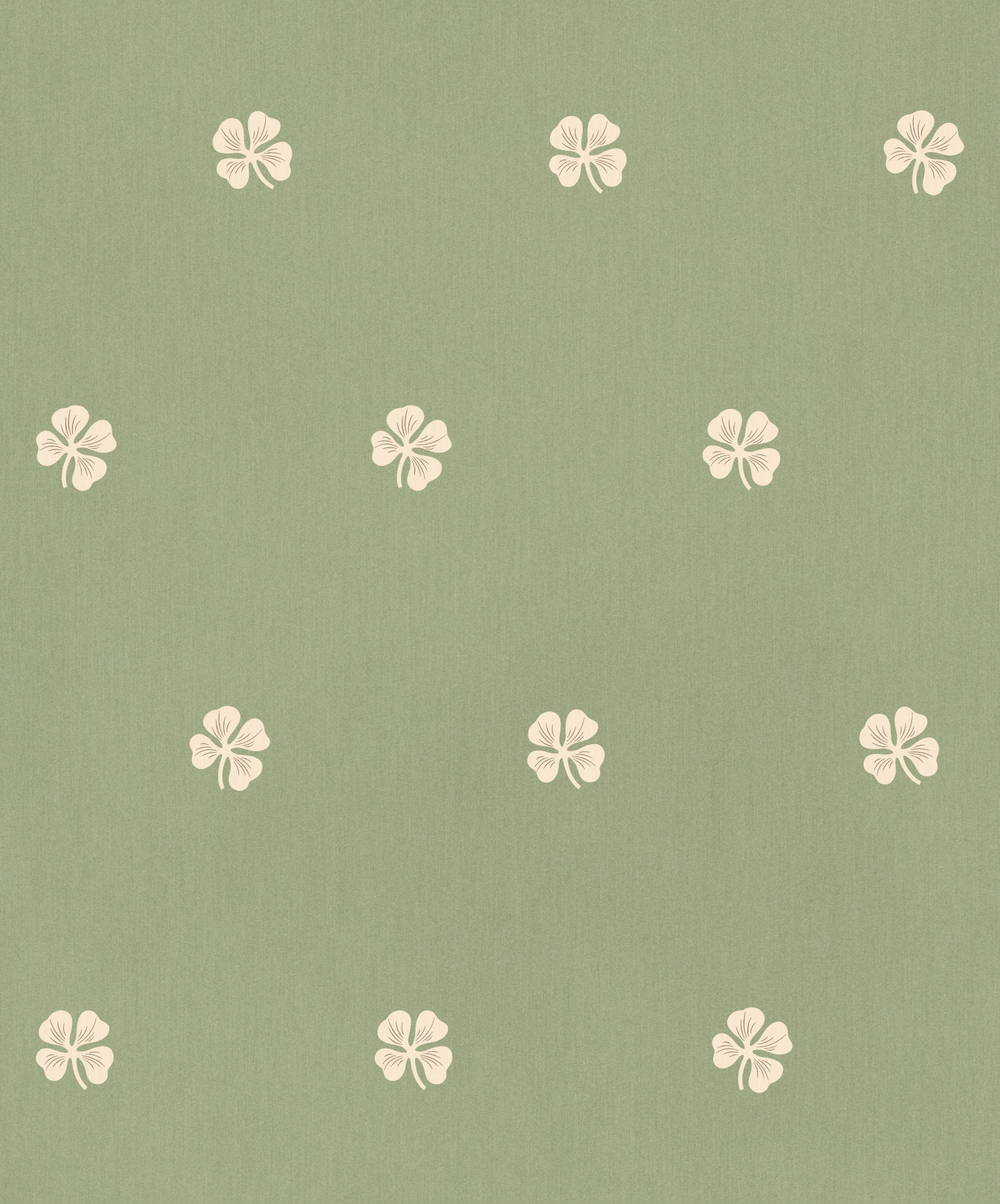
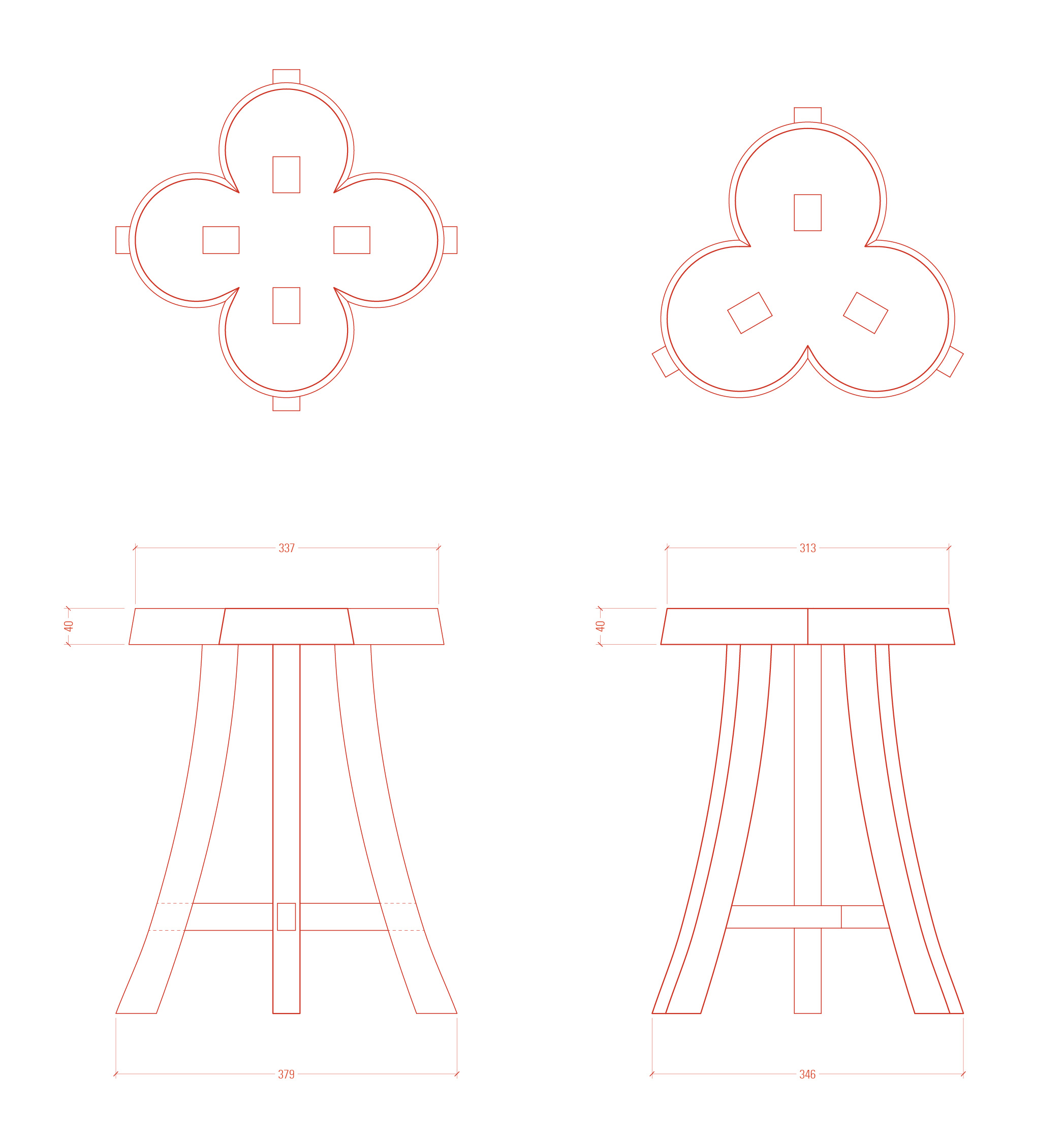
Drawing inspiration from Marie Krøyer’s signature cloverleaf motif we designed two wallpaper patterns for the exhibition. In the end, only one of them was used, hand-painted by Copenhagen Signs for the show at Hirschsprung.

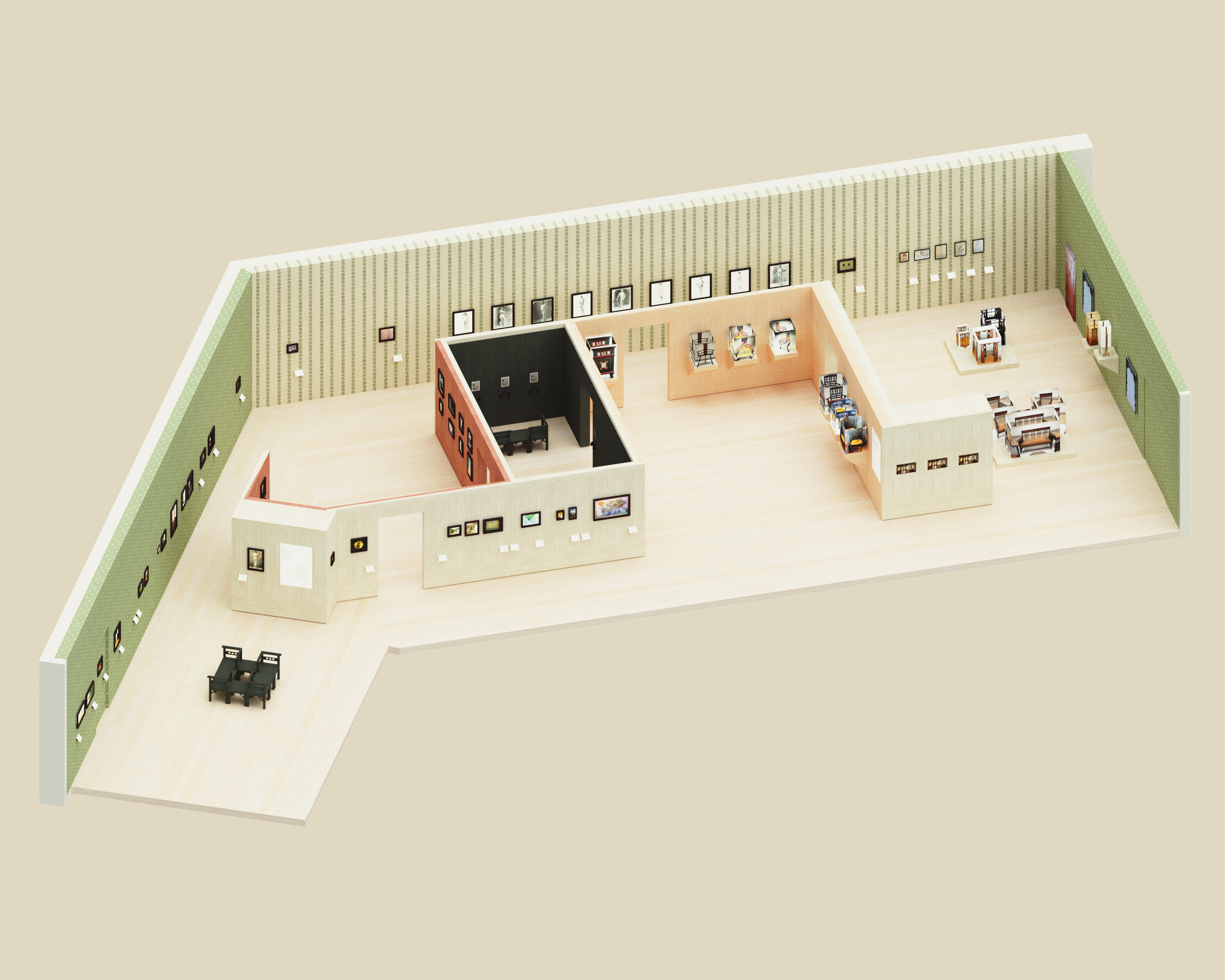
The two locations of the exhibition, Skagen and Hirschsprung, had very different exhibition spaces at their disposal – one is a turn-of-the-century gallery (Hirschsprung), whereas the other is a contemporary white-cube space (Skagen). This meant that we had to come up with two very different spatial concepts for the two versions of the show.

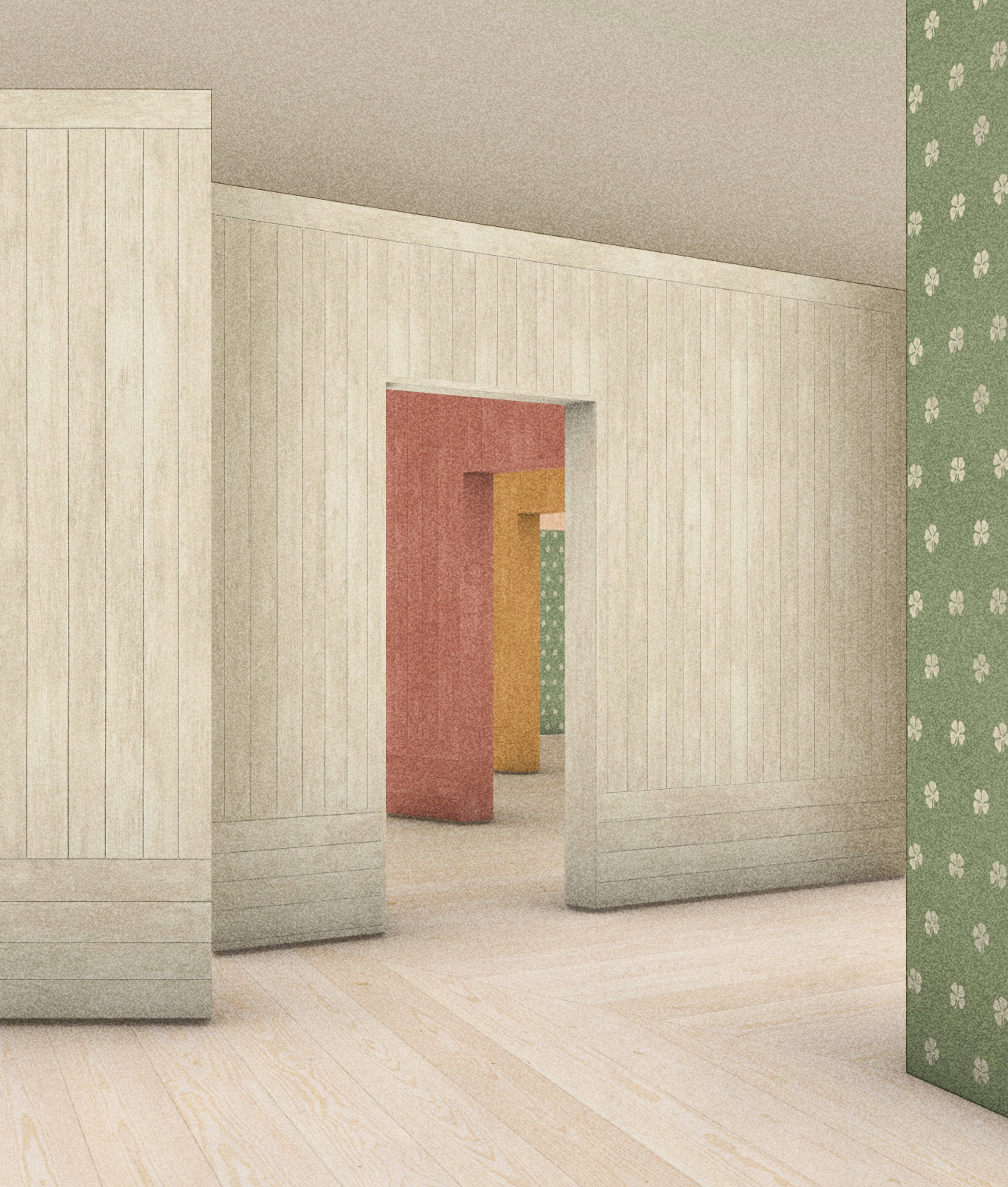
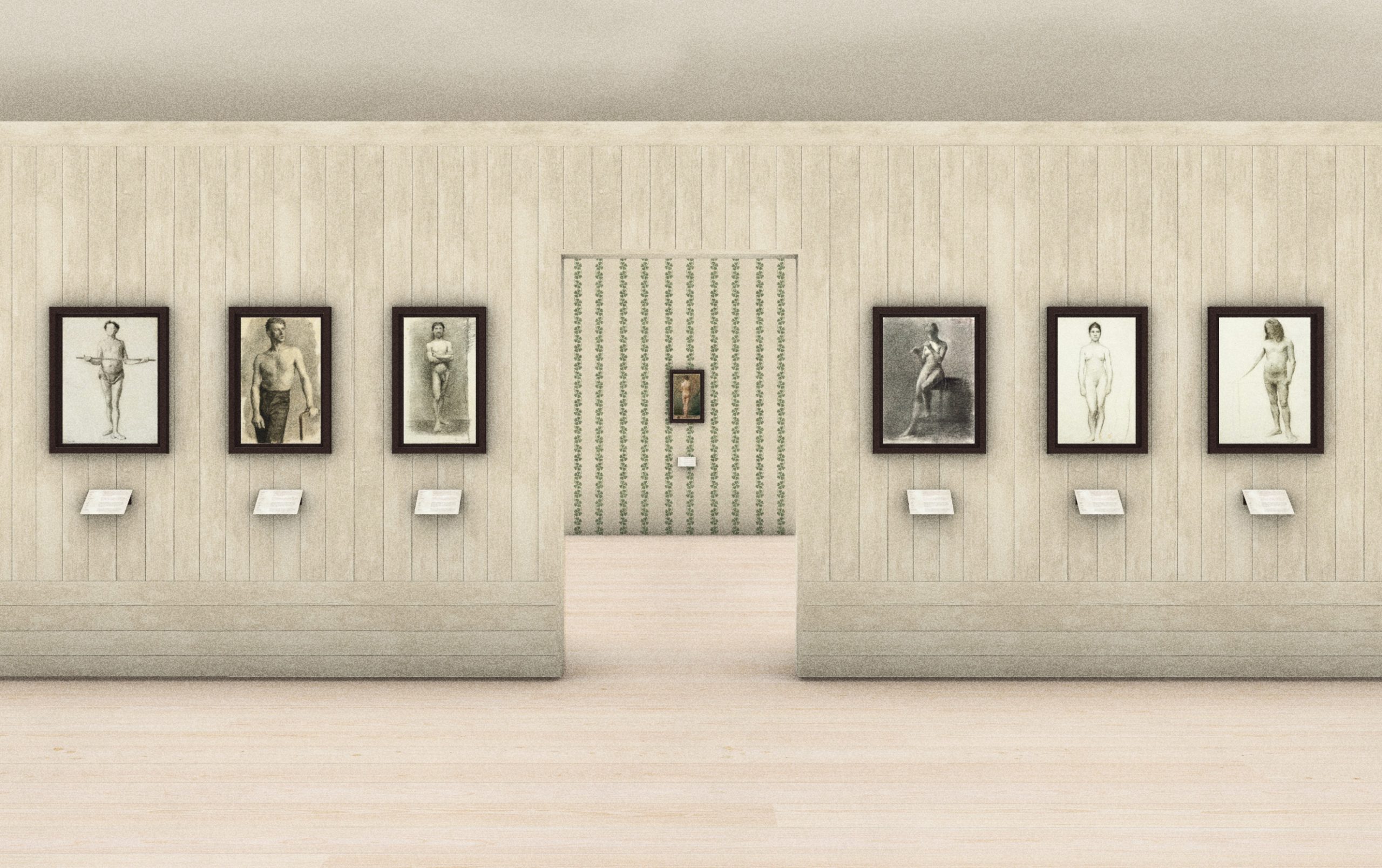
At Skagen we wanted to do a domestic, rooms-en-suite situation, and create an intimacy which we felt was lacking in the space and would fit the theme and the artworks very well.

We designed a wall installation with door openings arranged to create a feeling of looking from one space through another and in to a room further away.

At Hirschsprung we flipped the idea on its head by painting the spaces white, thereby creating more of a clean gallery space in these otherwise richly detailed museum rooms.

We also designed cloverleaf stools that ended up not being built.

All visualizations are from the Skagen version of the show.

All photos from Hirschsprung by David Stjernholm.

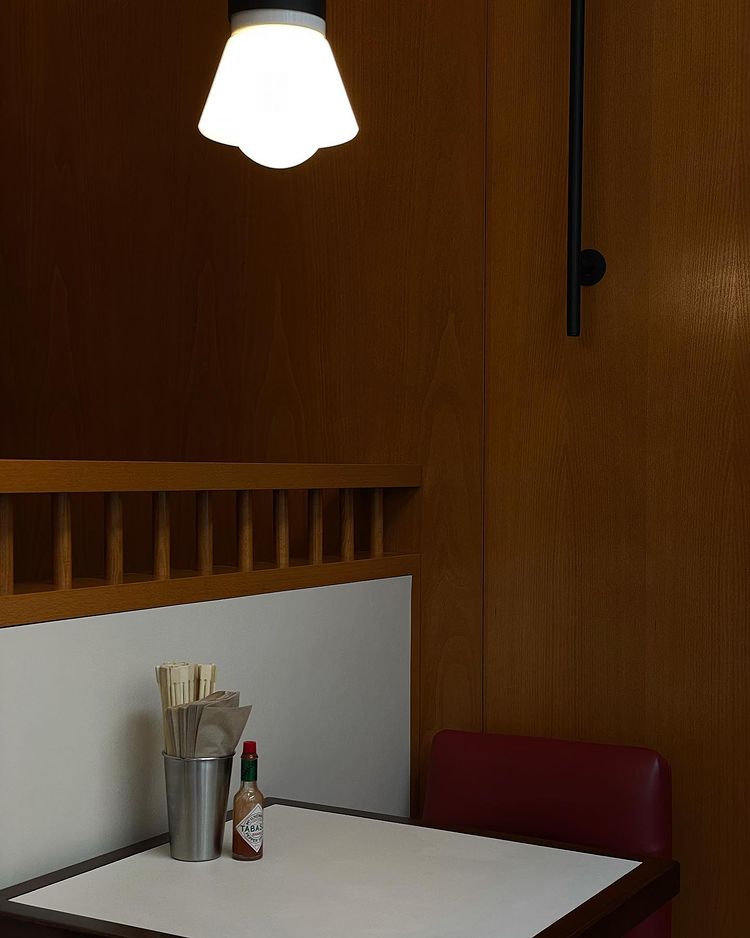
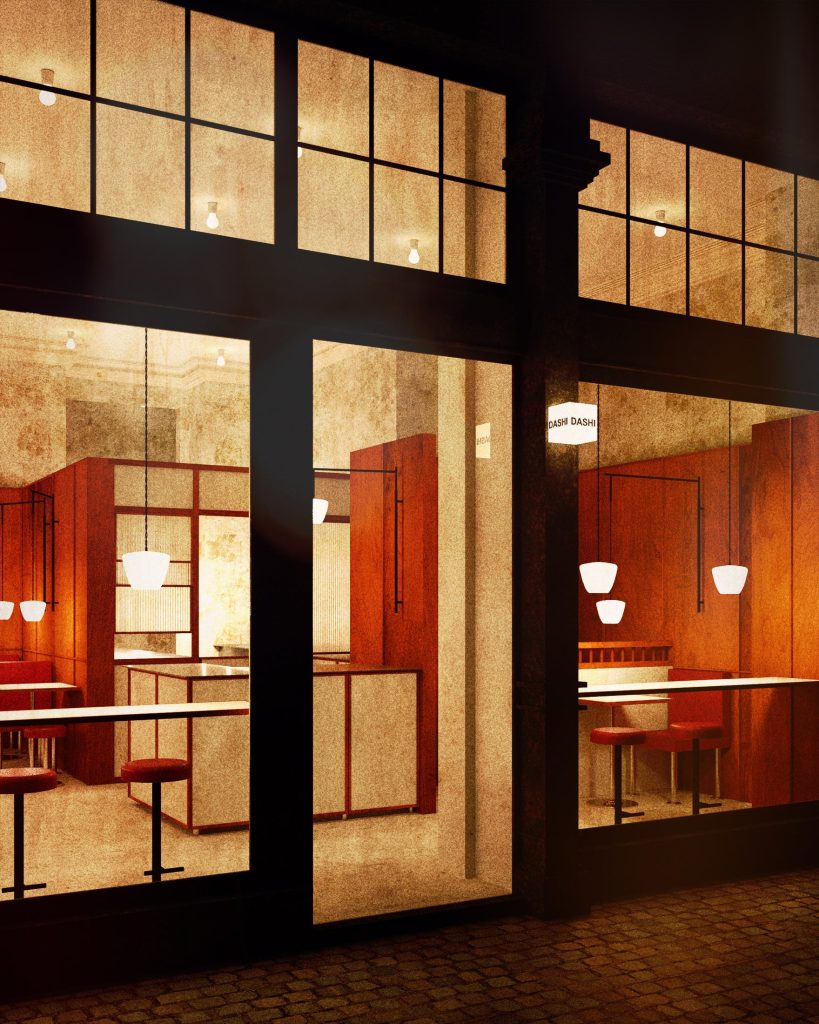
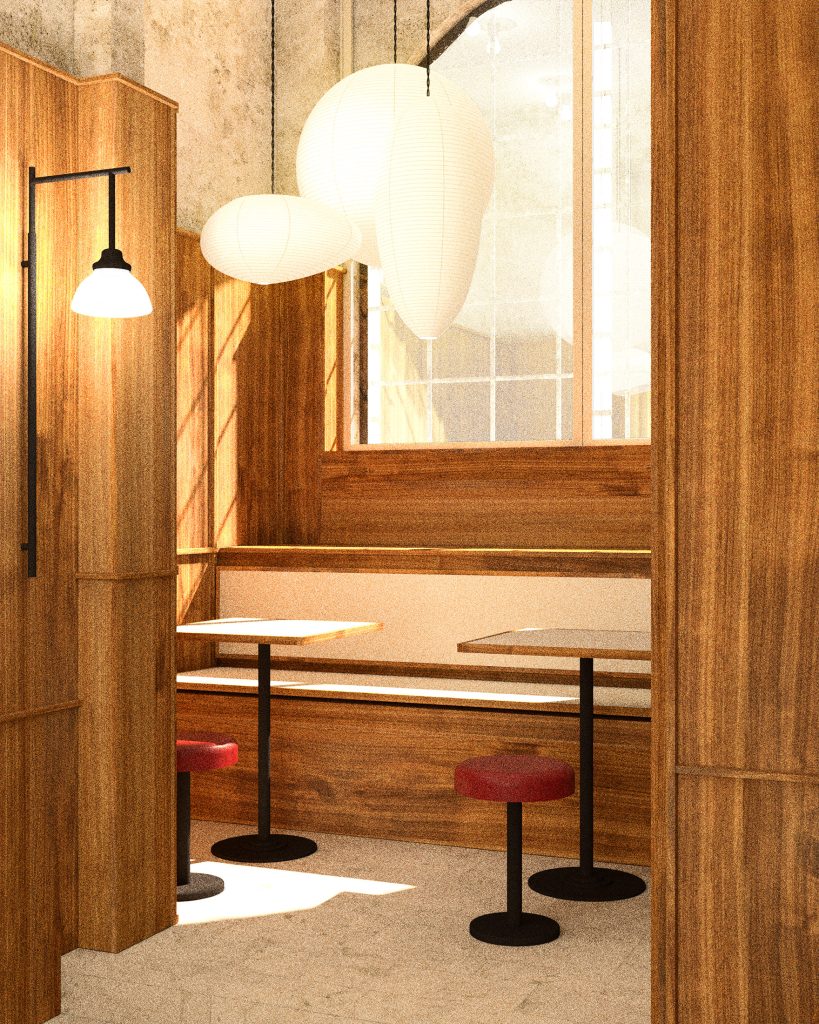
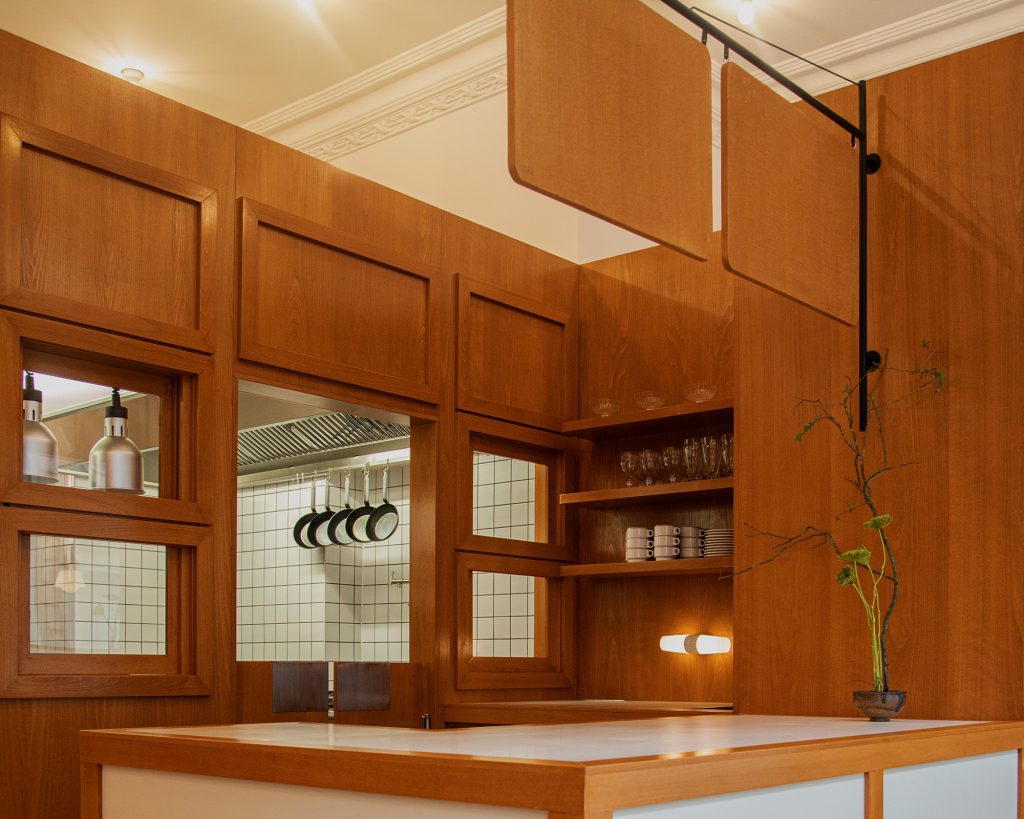
An Asian-inspired diner in Berlin’s Mitte district, founded by Vietnamese-German Thu Thuy Pham and Thao Westphal. For the design, inspiration was drawn from Japanese kissatens as well as the Hong Kong café culture. The walls feature ash wood paneling with custom light fixtures, interspersed with a Swedish lamp from 1950s and classic restaurant dinner ware – mixing time periods and geographical places true to the nature of the varied origins of the place.

Photos by Desiree Kastull and Kaputt Agency

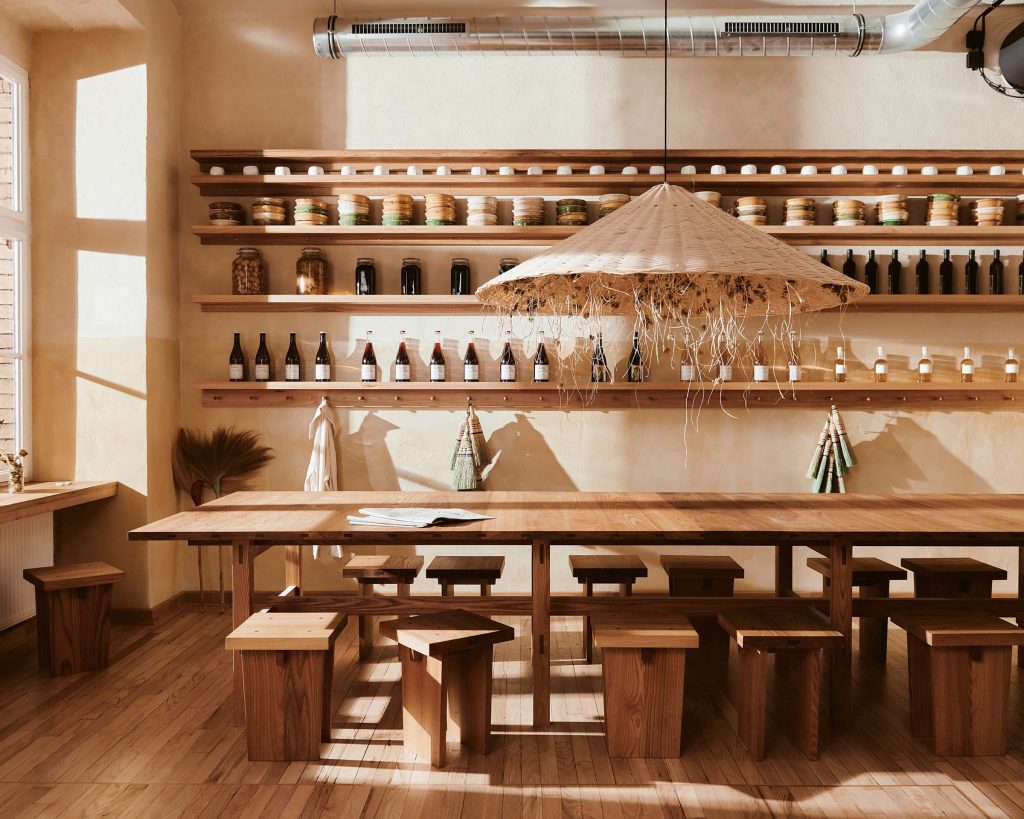
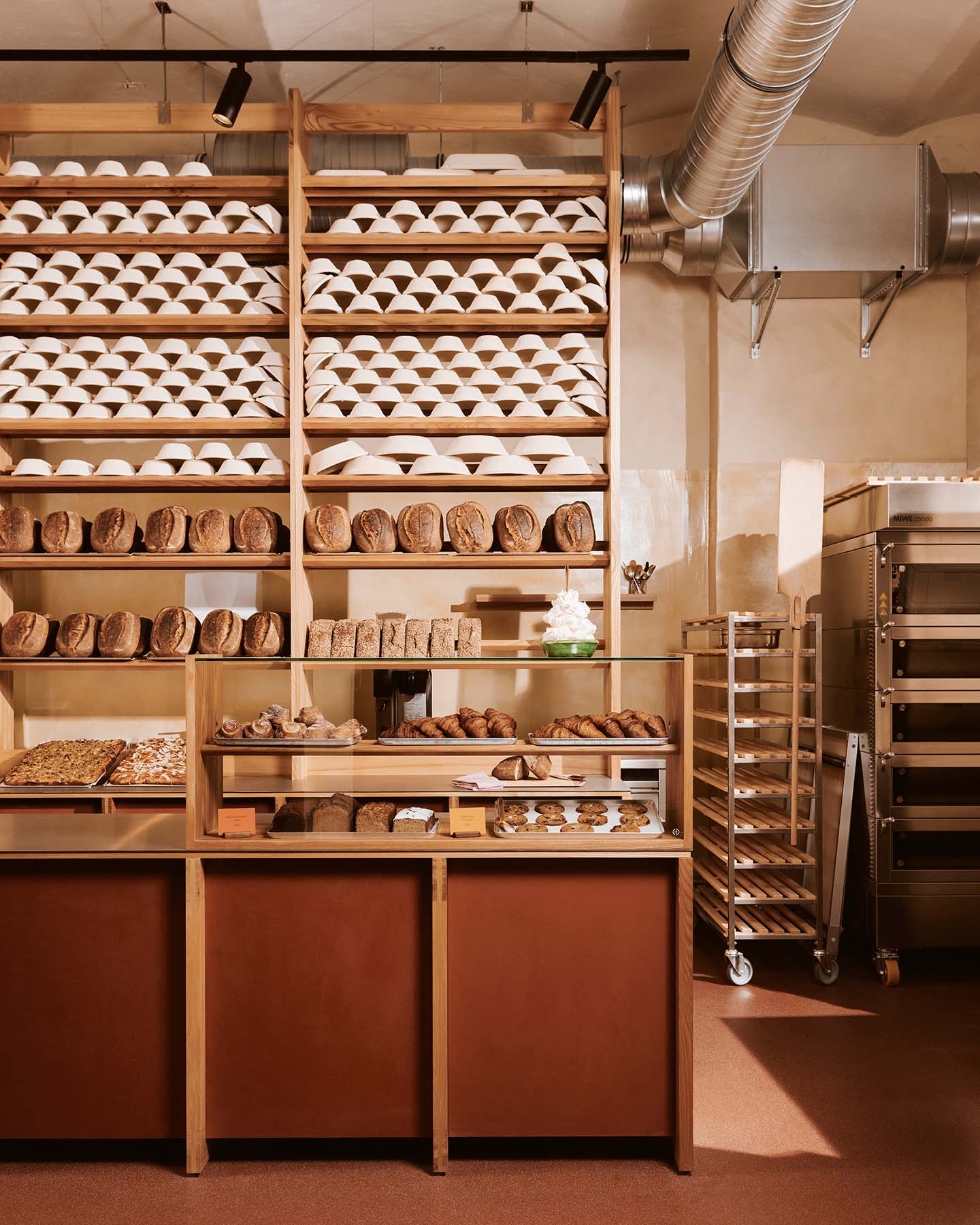
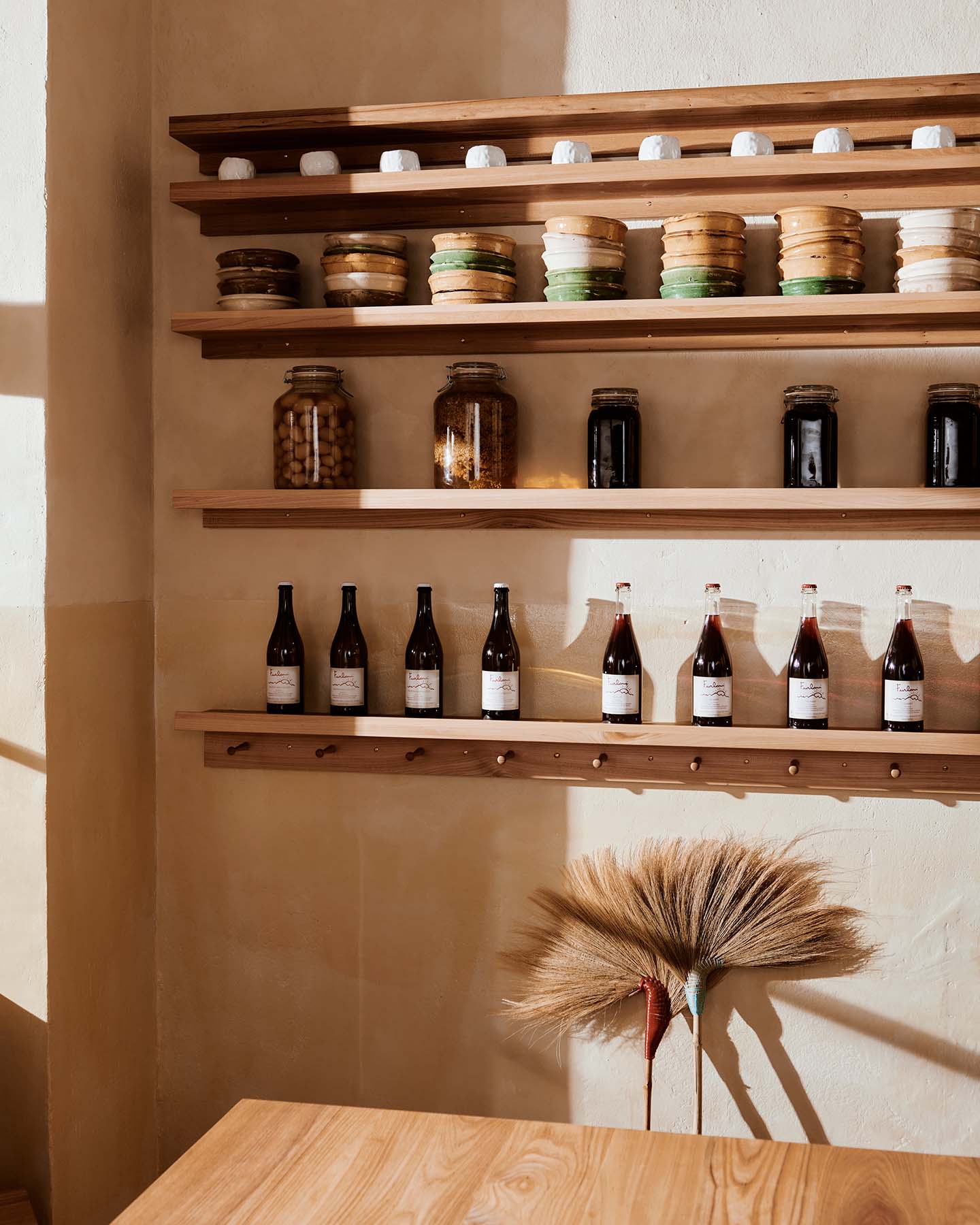
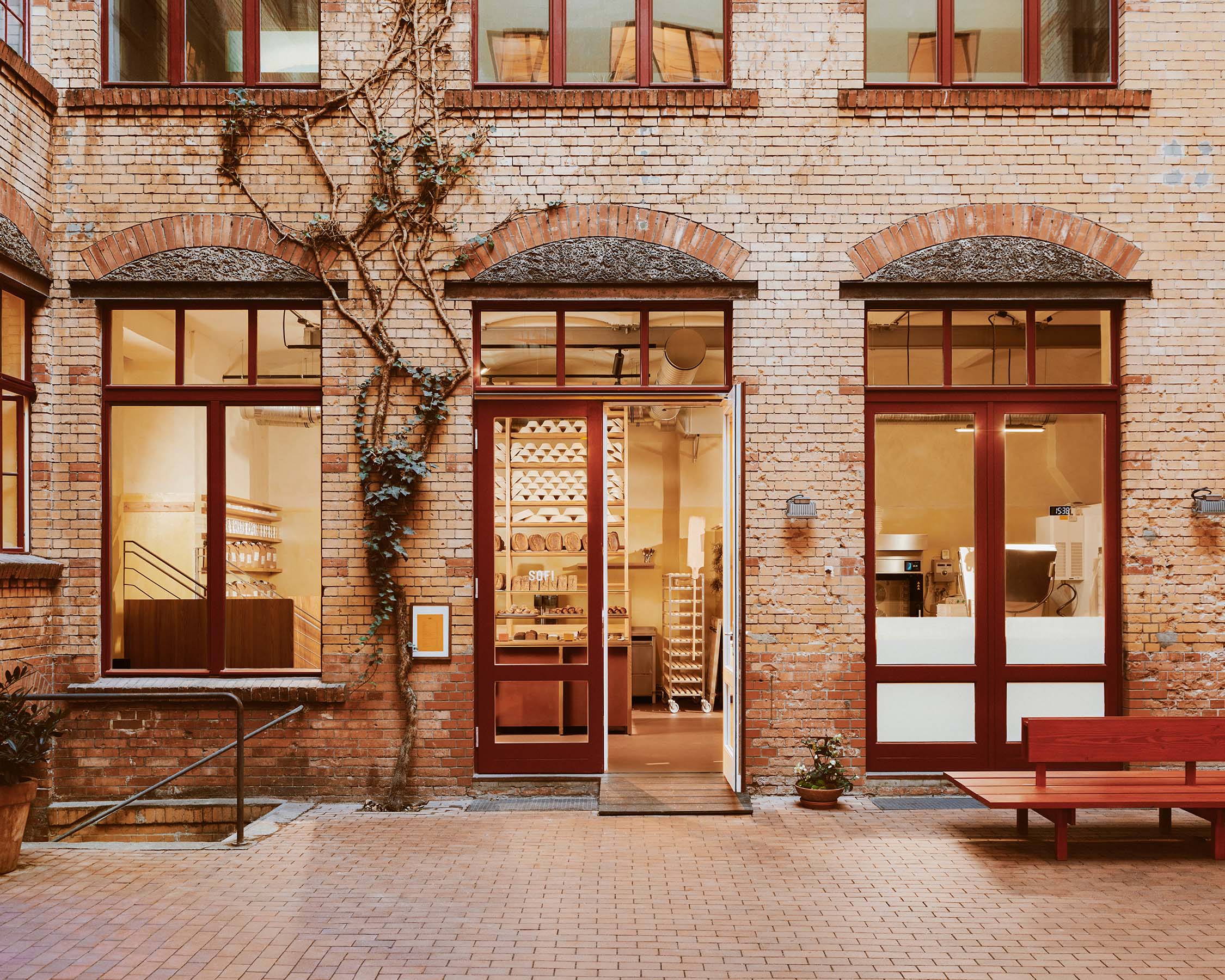
A sourdough bakery in the heart of Berlin Mitte developed in collaboration with Danish chef Frederik Bille-Brahe and German hospitality group Slow.

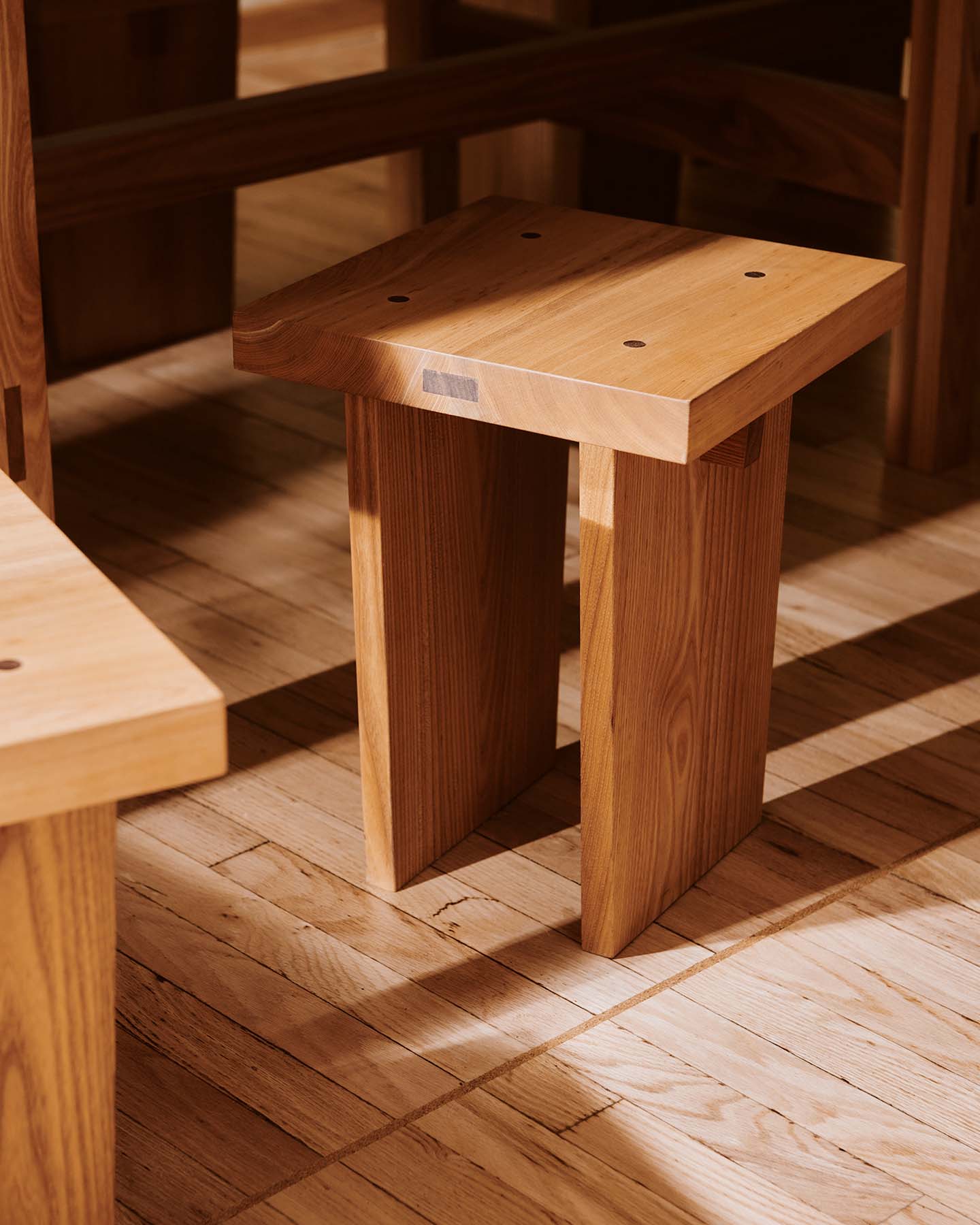
We developed the concept and the design of all elements, surfaces, and furniture, which was all built by carpenters using solid elm wood.

The stool designed for the project is available for purchase through our webshop.

Photos by Volker Conrad for Sofi Bakery.

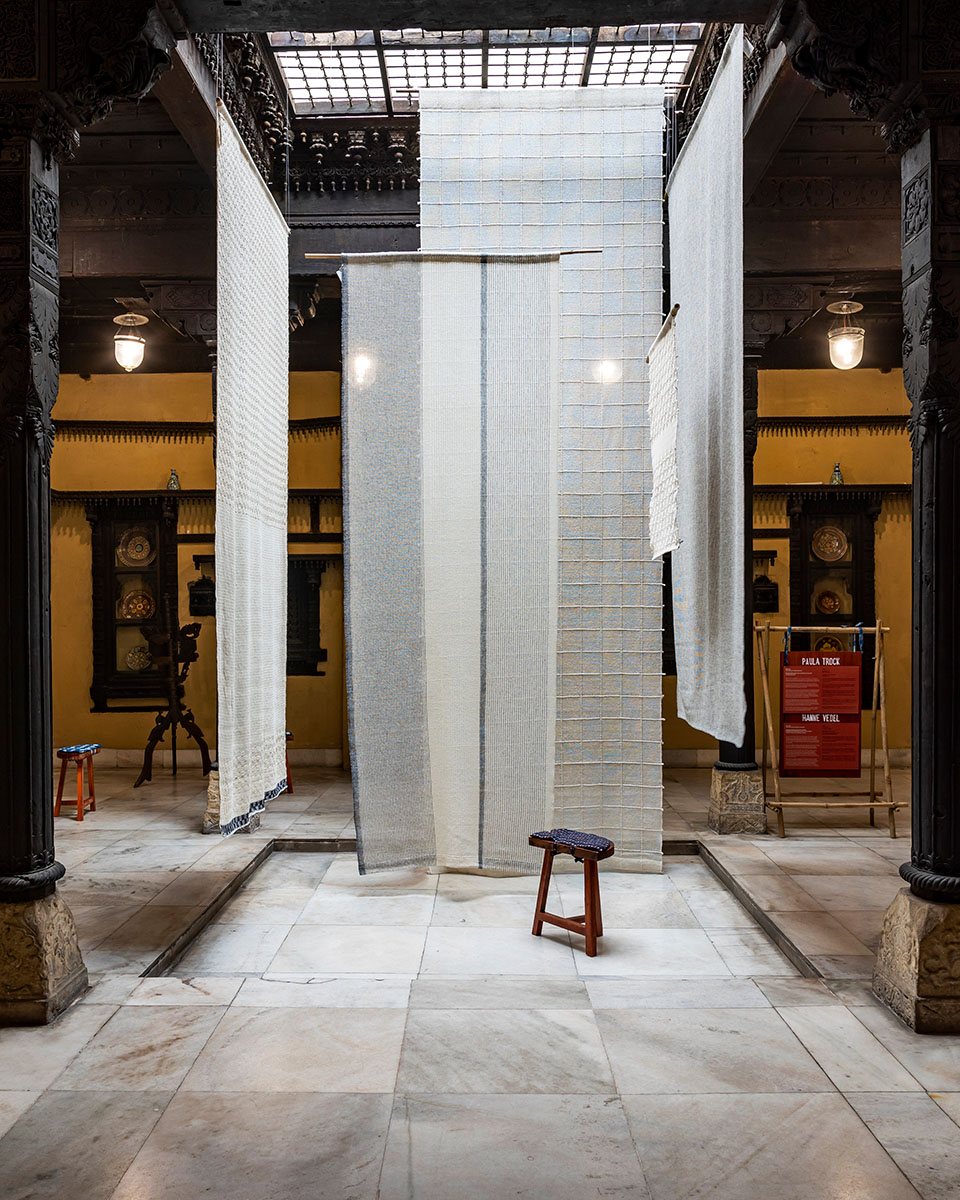
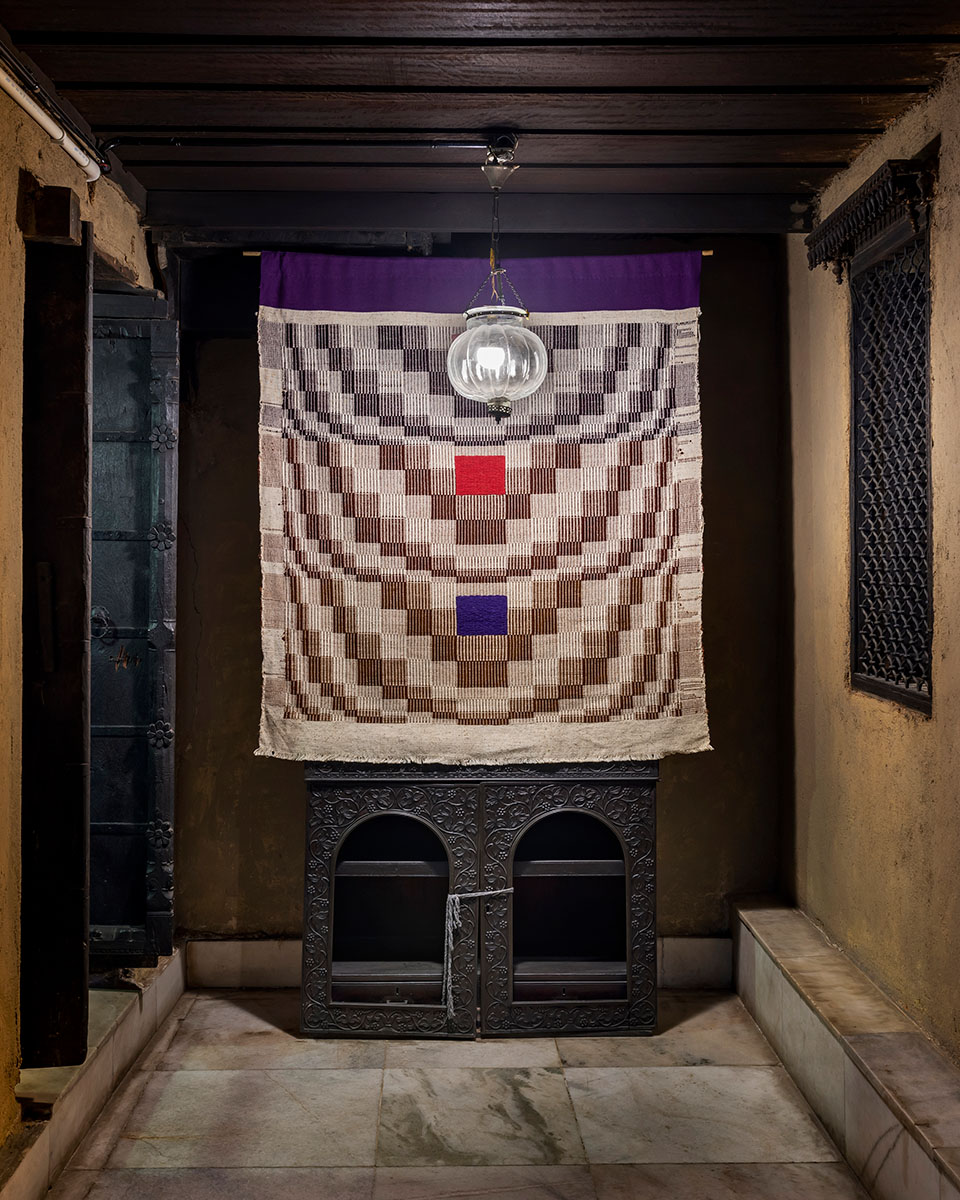
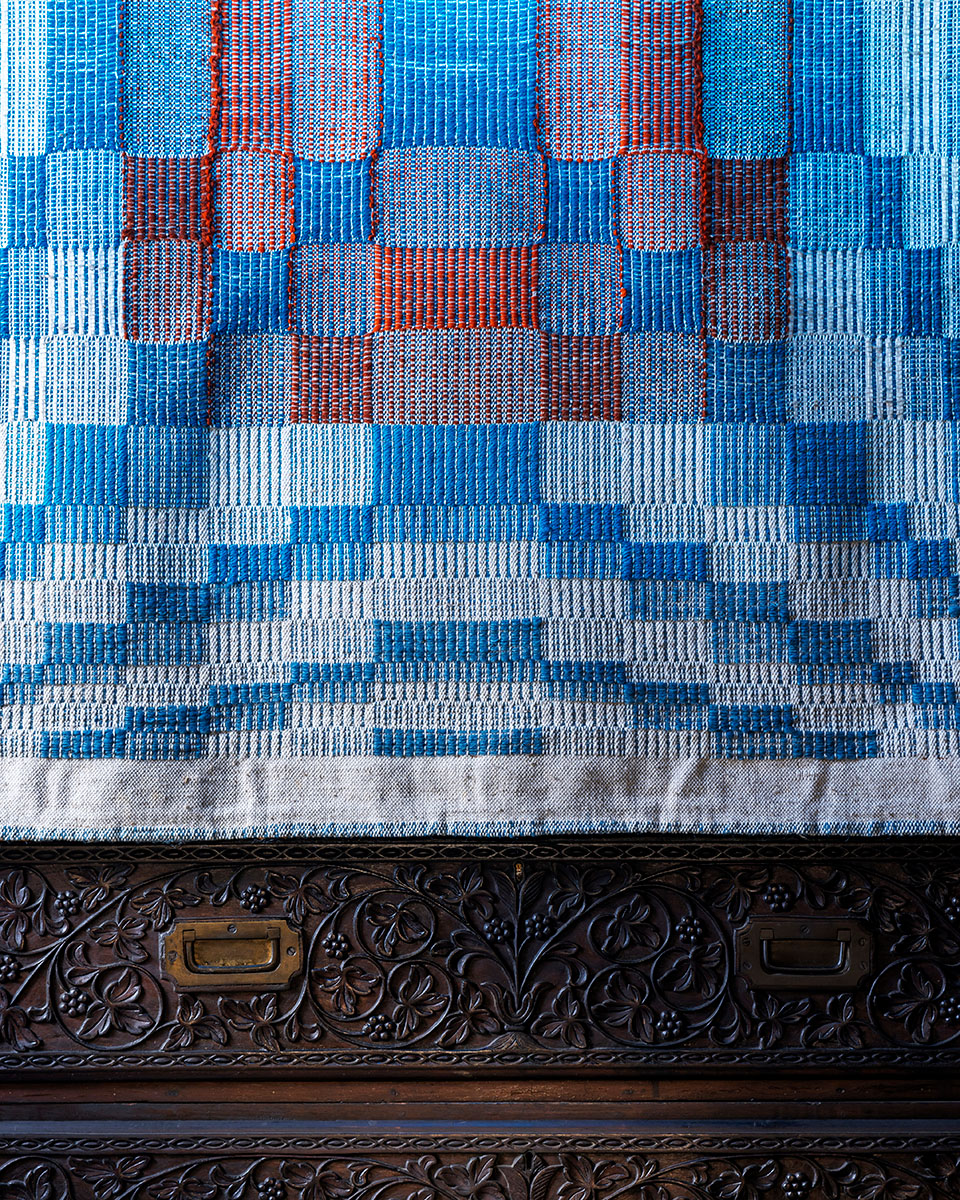
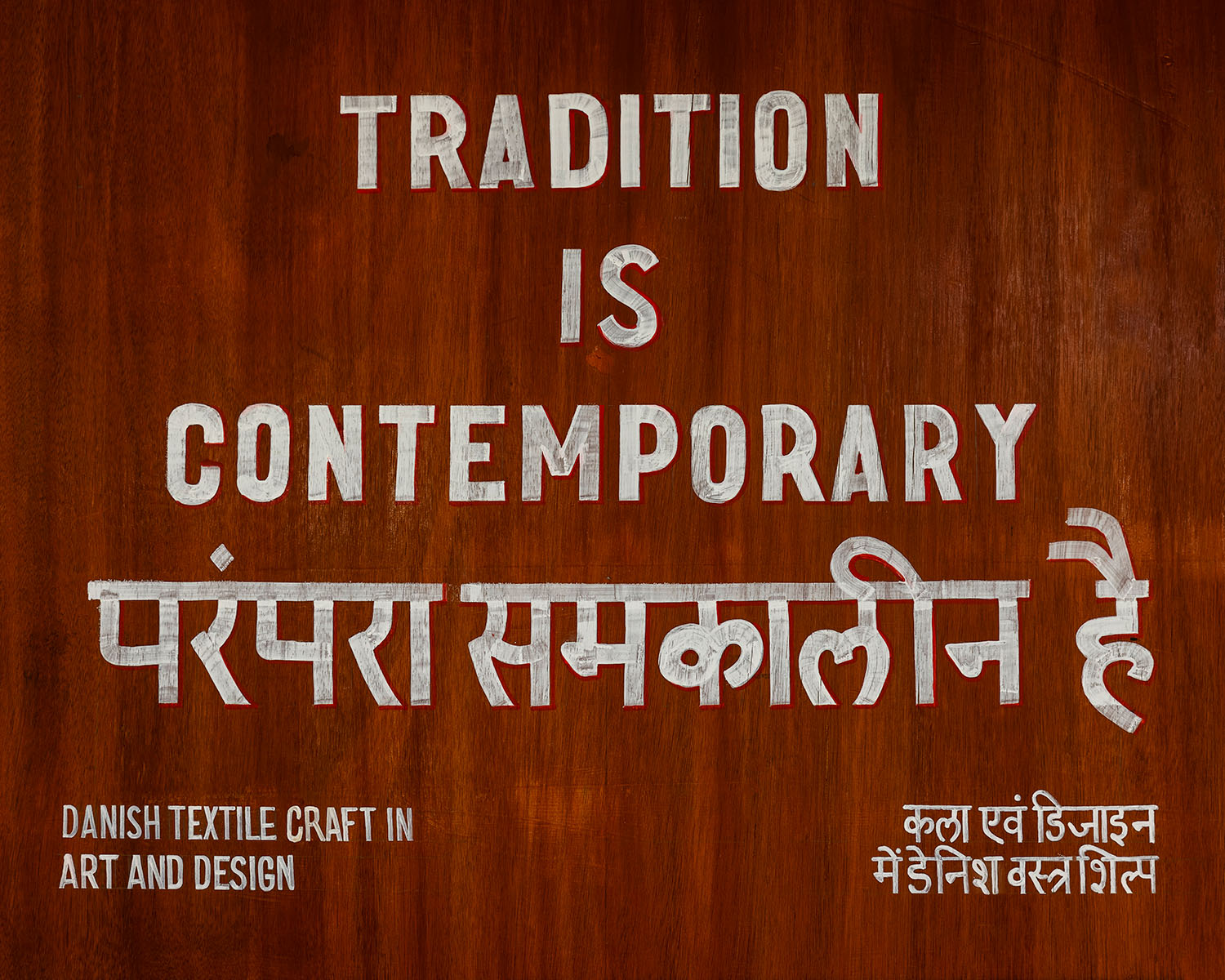
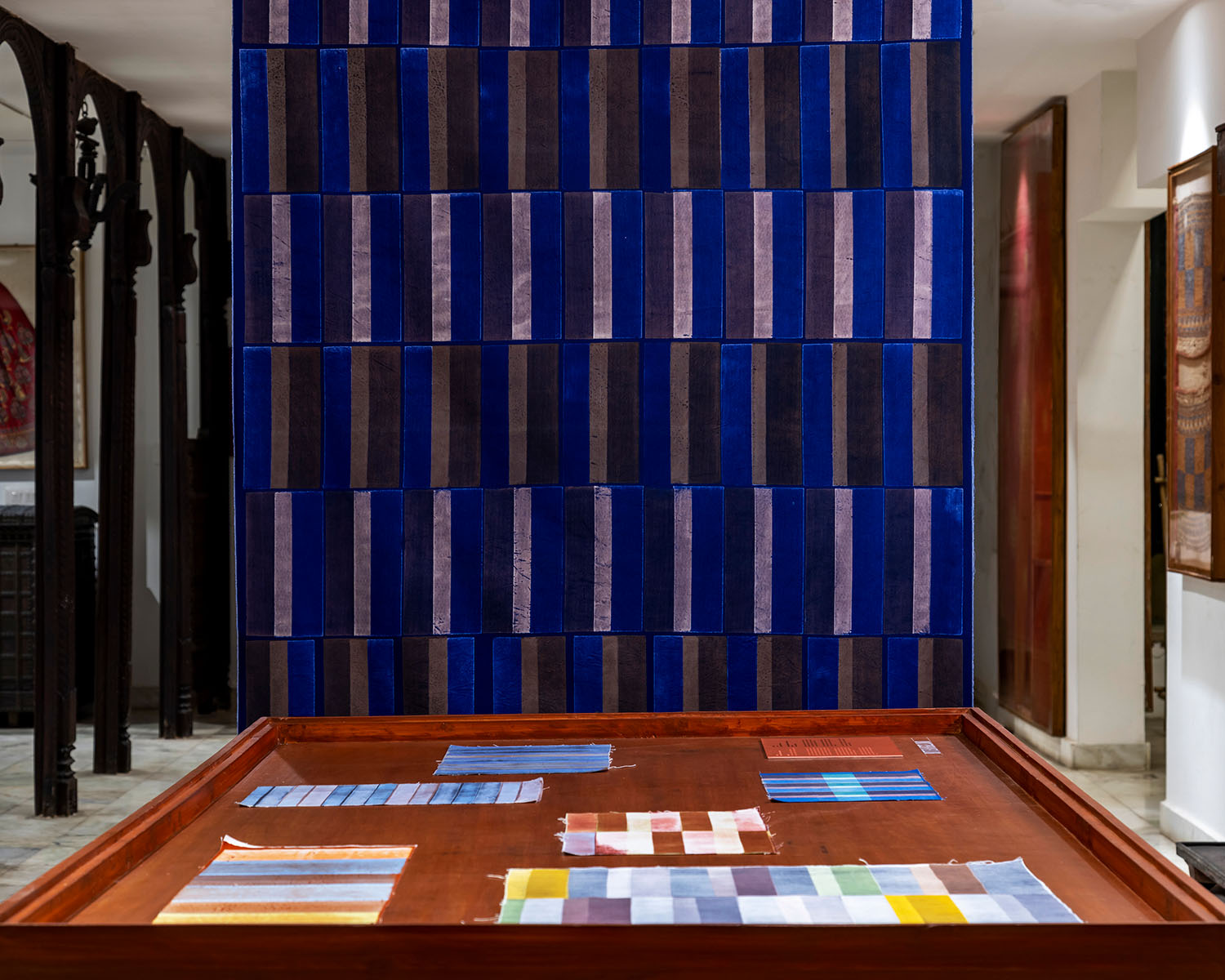
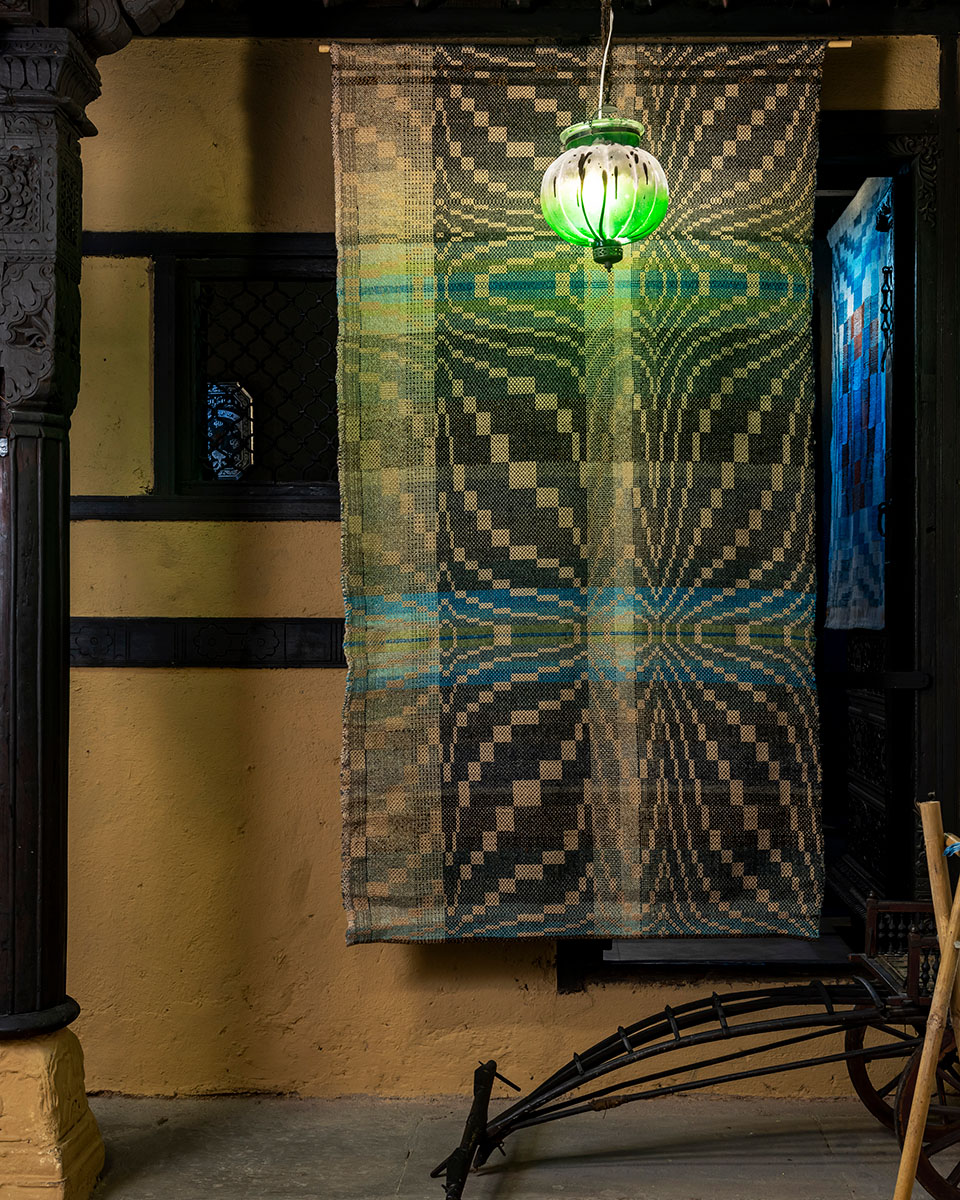
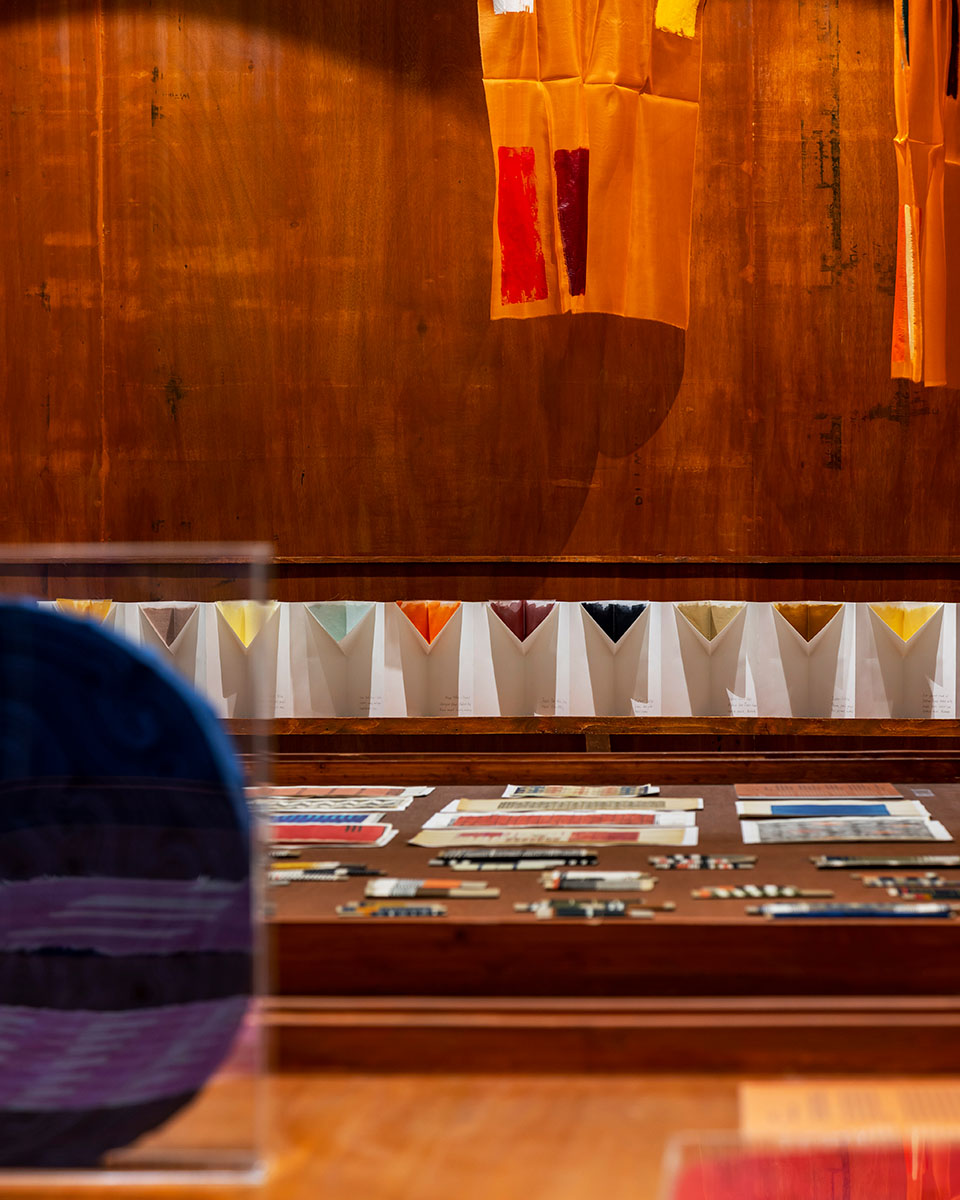
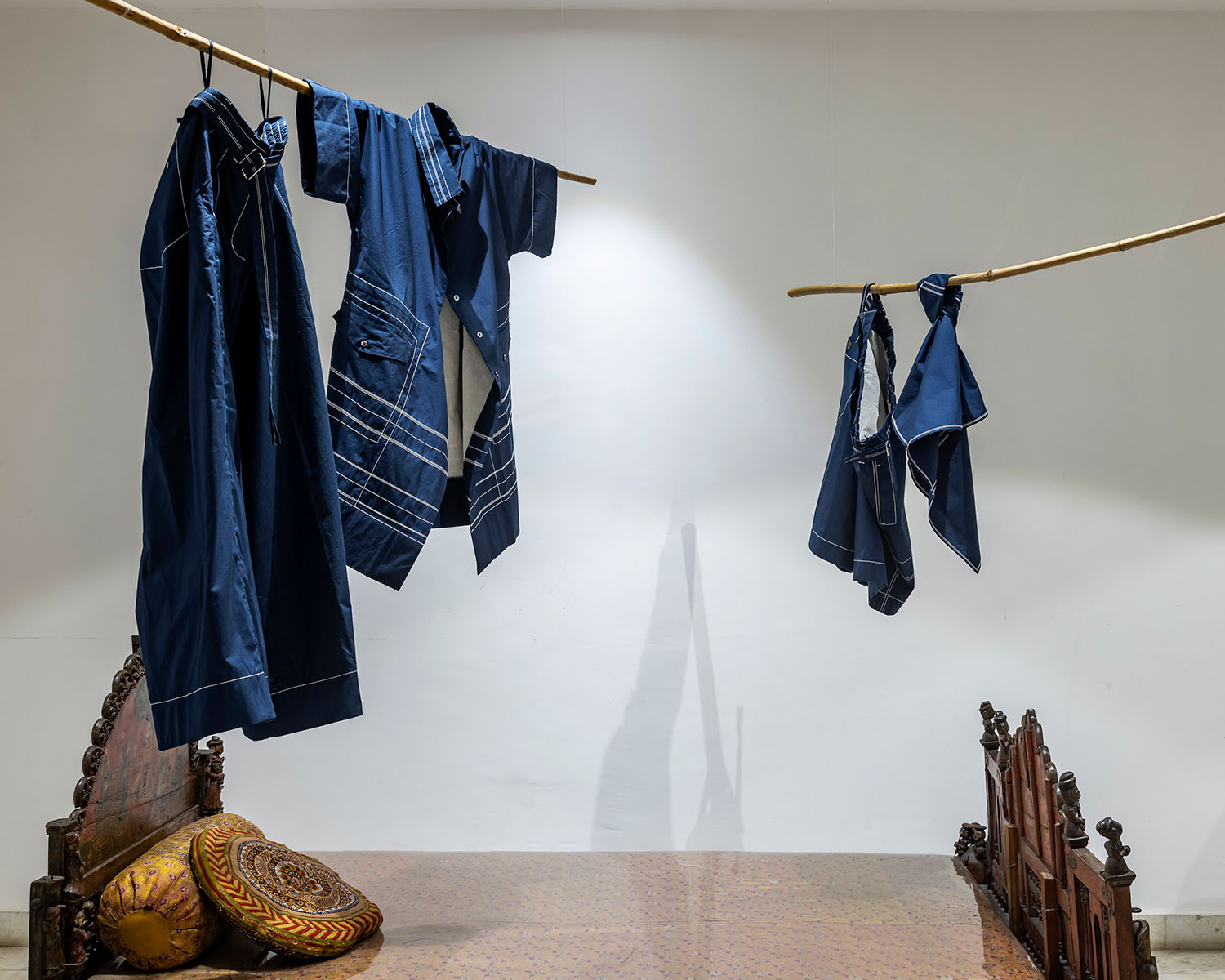
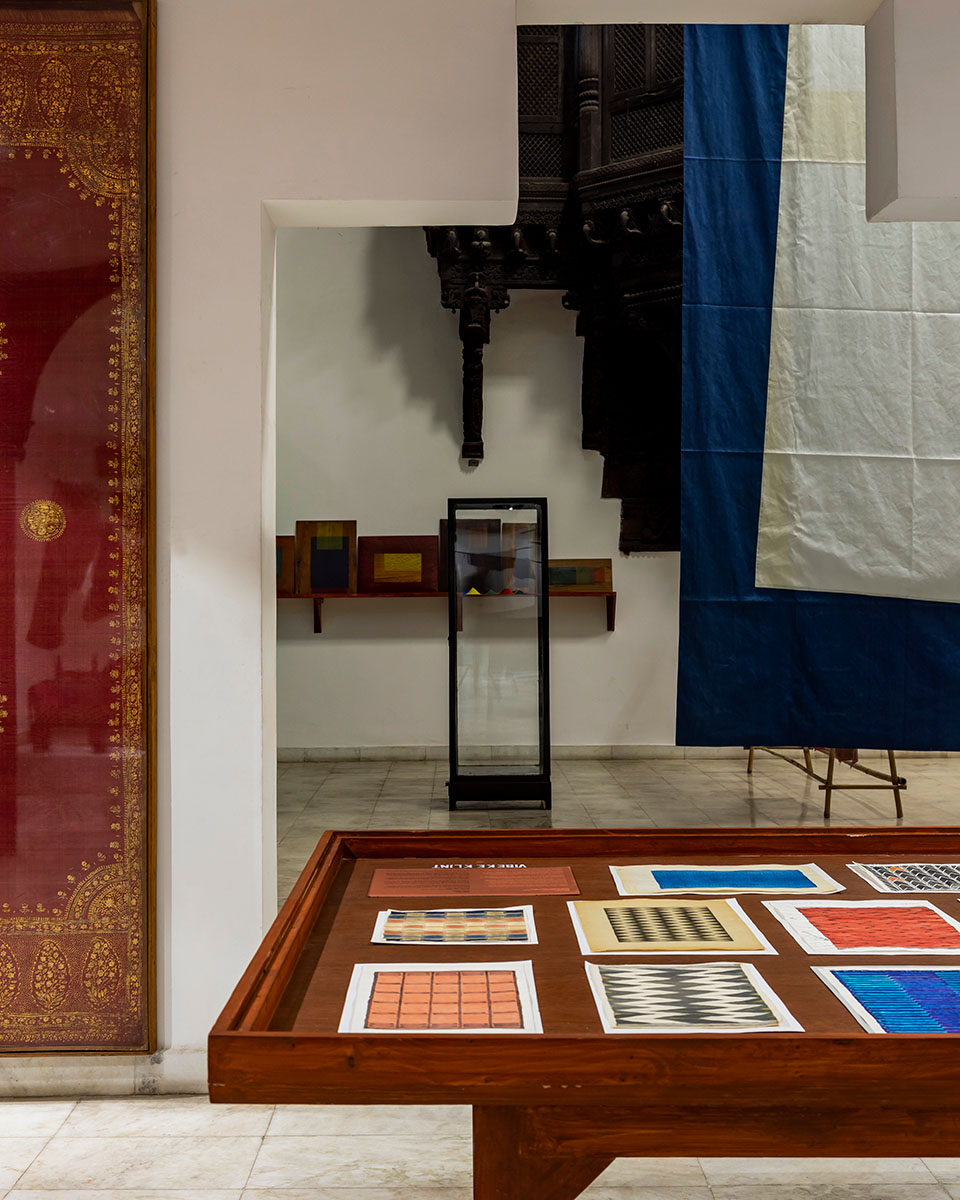
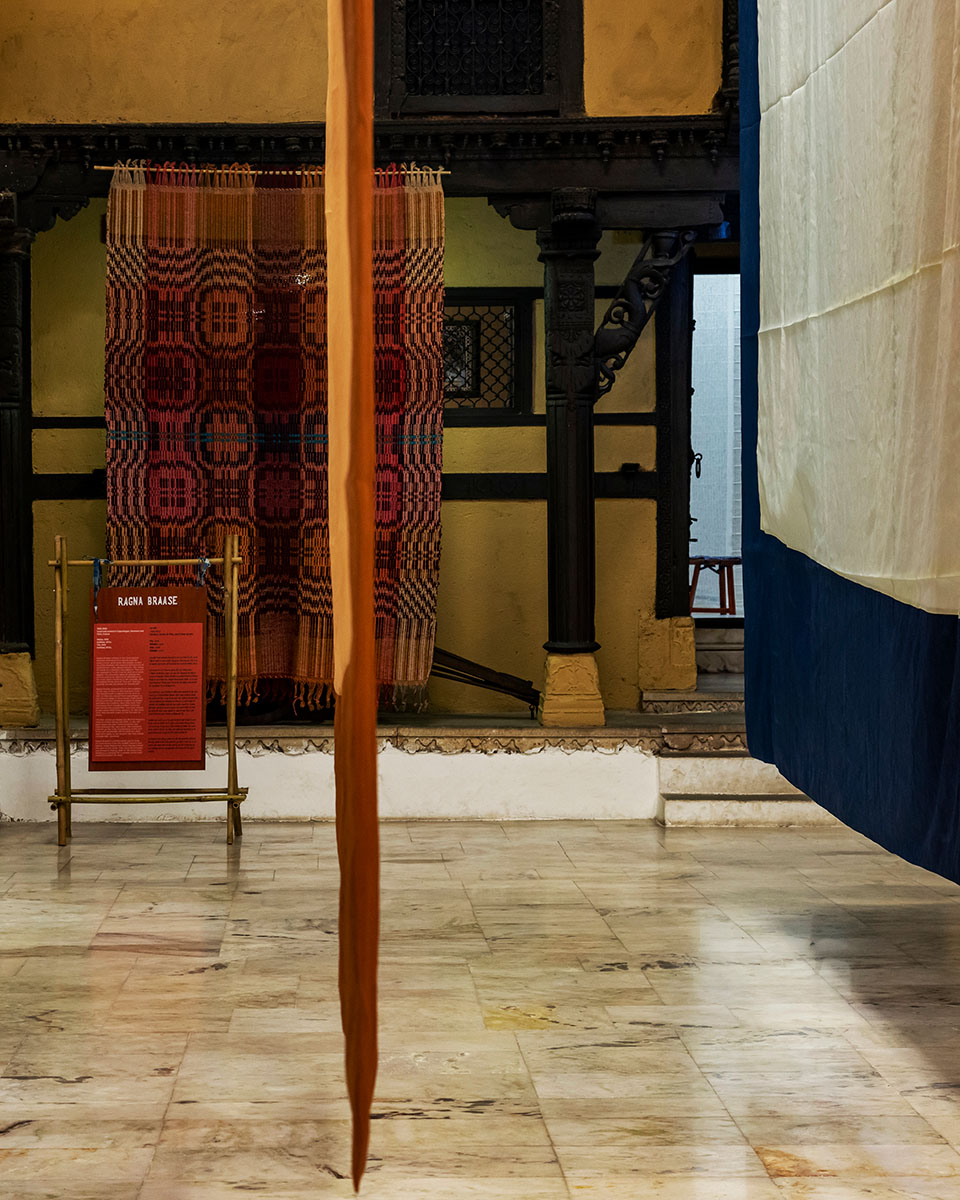
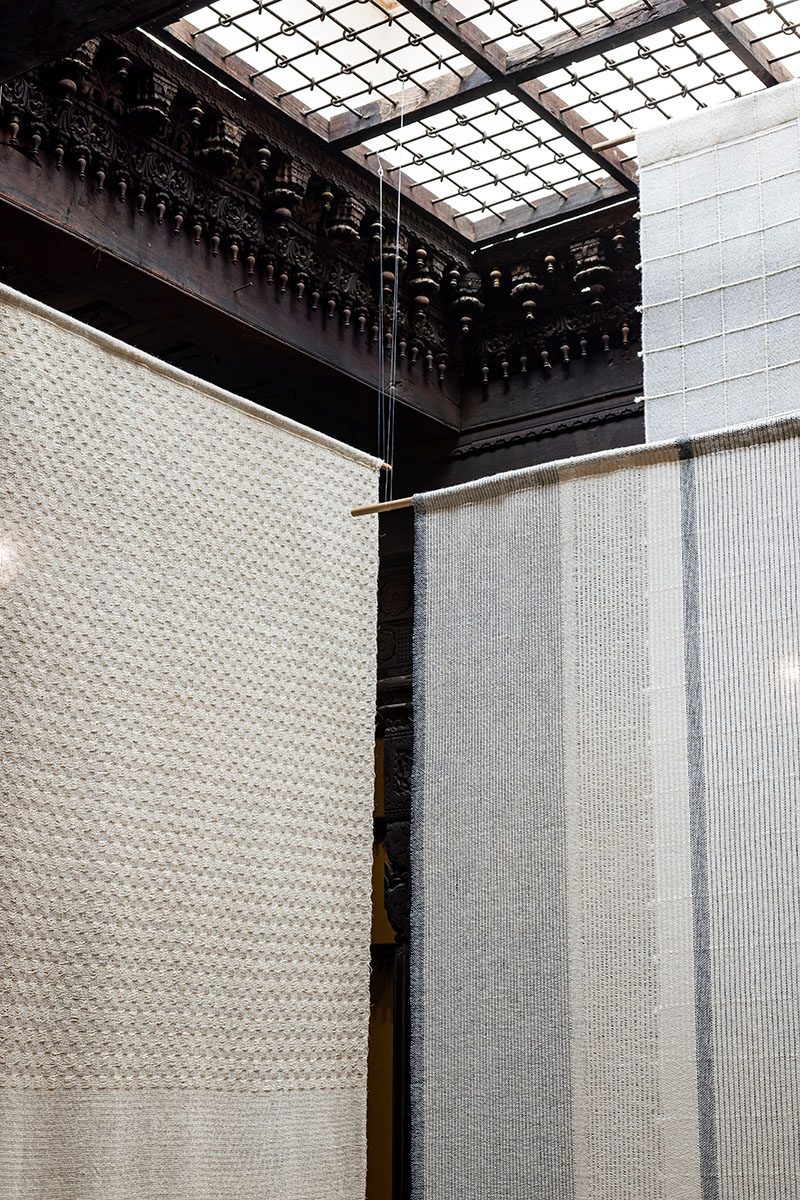
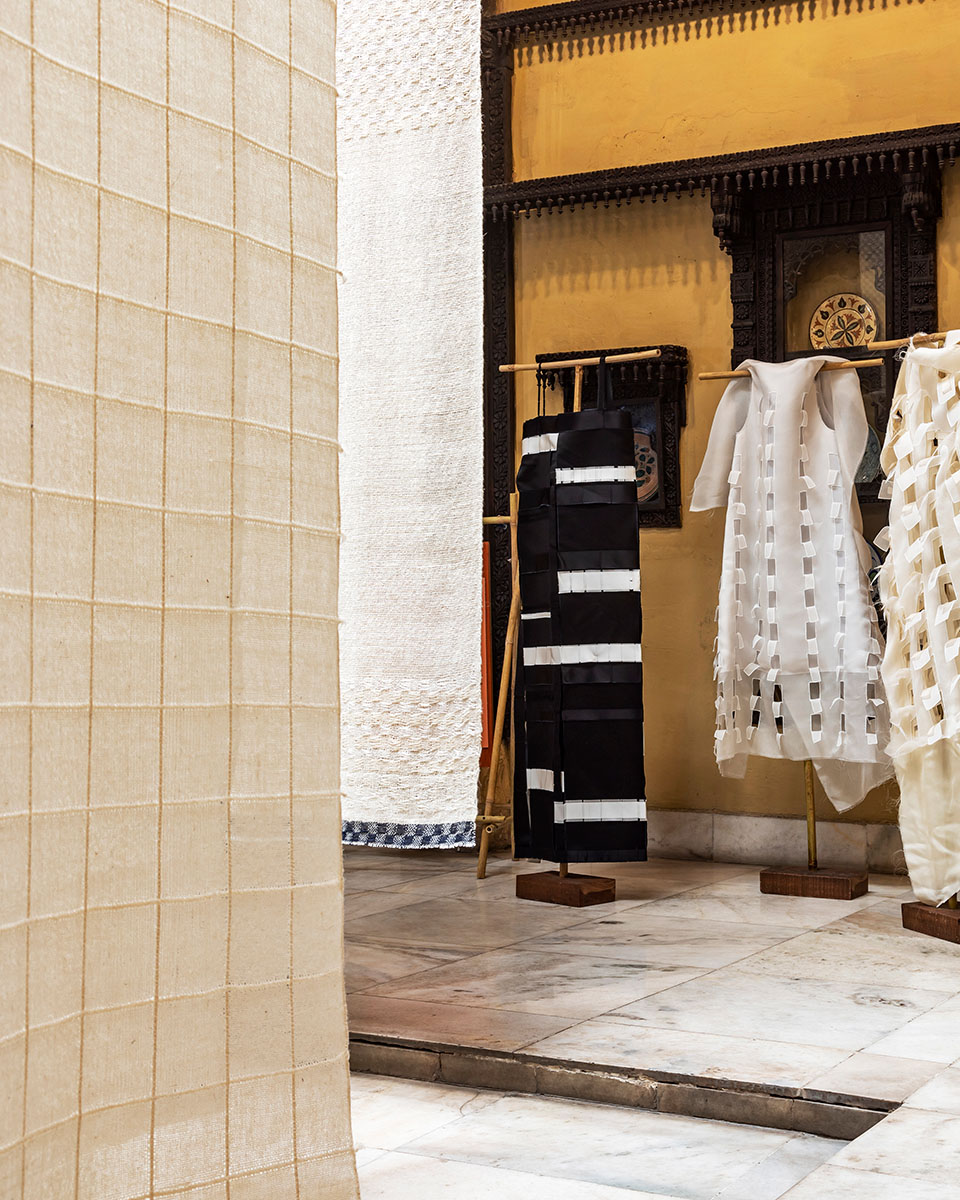
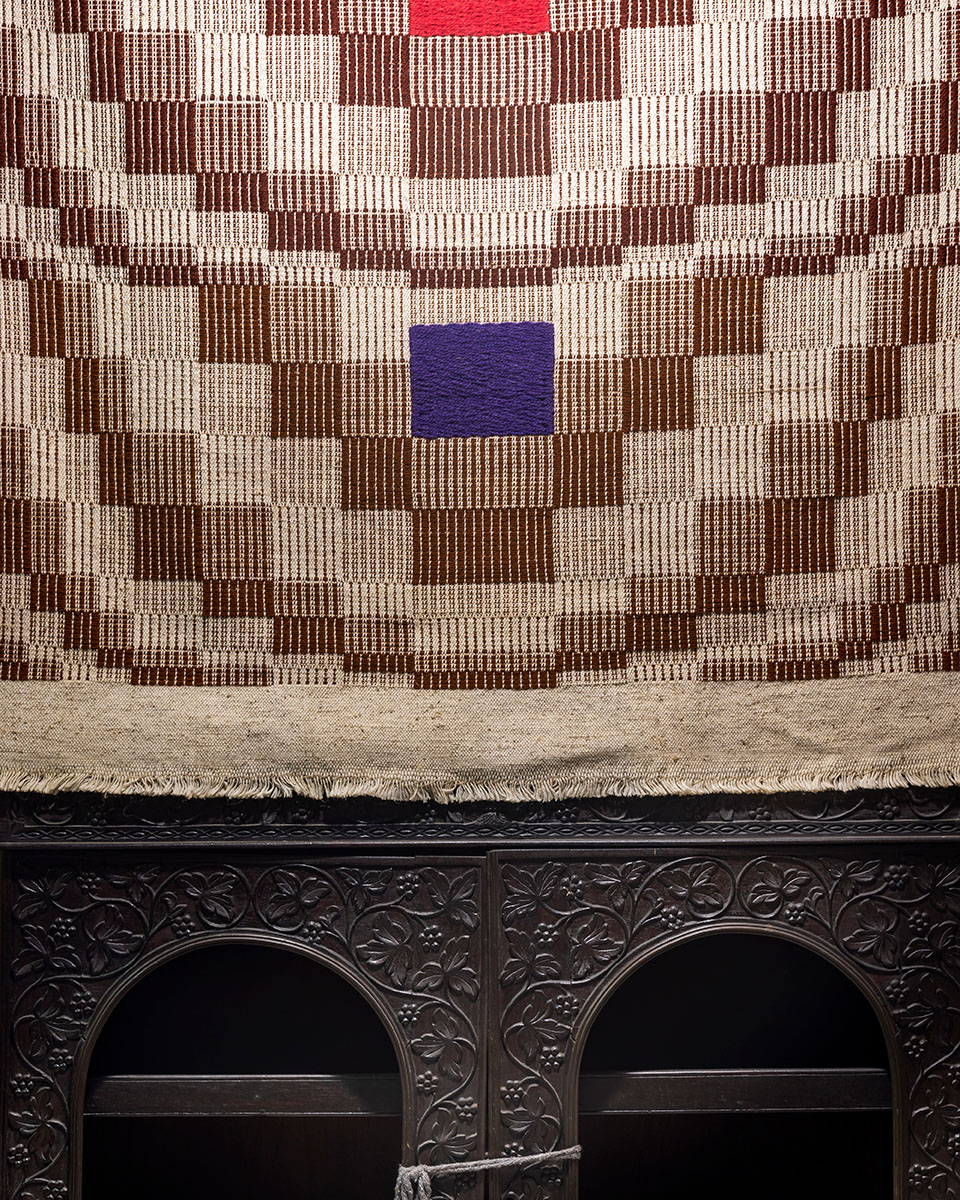
The exhibition “Tradition is Contemporary” at The National Crafts Museum in New Delhi opened in November 2022 and was curated and staged by us. The show brings 13 Danish artisans, artists and designers working with textiles to India, and juxtaposes them with the museum’s vast collection of artifacts of great craftsmanship.

The exhibition showcases more than 100 years of Danish textile tradition and tries to show how dichotomies between old and new – traditional and contemporary – don’t really hold up any more. In stead we strive to showcase how objects and ideas can migrate while travelling across different cultures and times. The next big thing was in the past.

Participating artists were:

Malene Bach (1967-)
Ragna Braase (1929-2013)
Freya Dalsjø (1989-)
Bitten Hegelund (1960-)
Vibeke Klint (1927-2019)
Marie Gudme Leth (1895-1997)
Jan Machenhauer (1954-)
Margrethe Odgaard (1978-)
Anne Fabricius Møller (1959-)
Vibeke Rohland (1957-)
Ebbe Stub-Wittrup (1973-)
Paula Trock (1889-1979)
Hanne Vedel (1933)

All signage was hand-painted by Arif Khan.

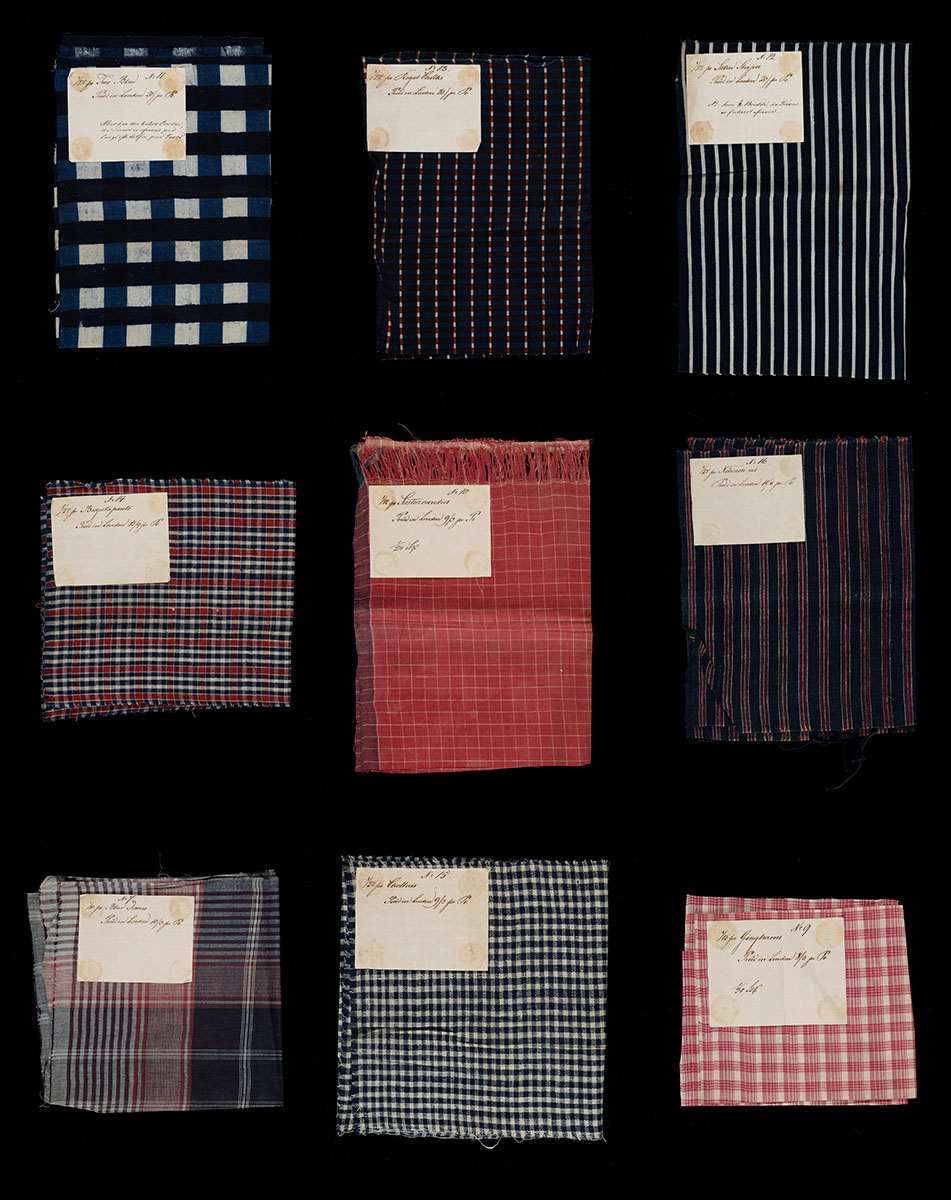
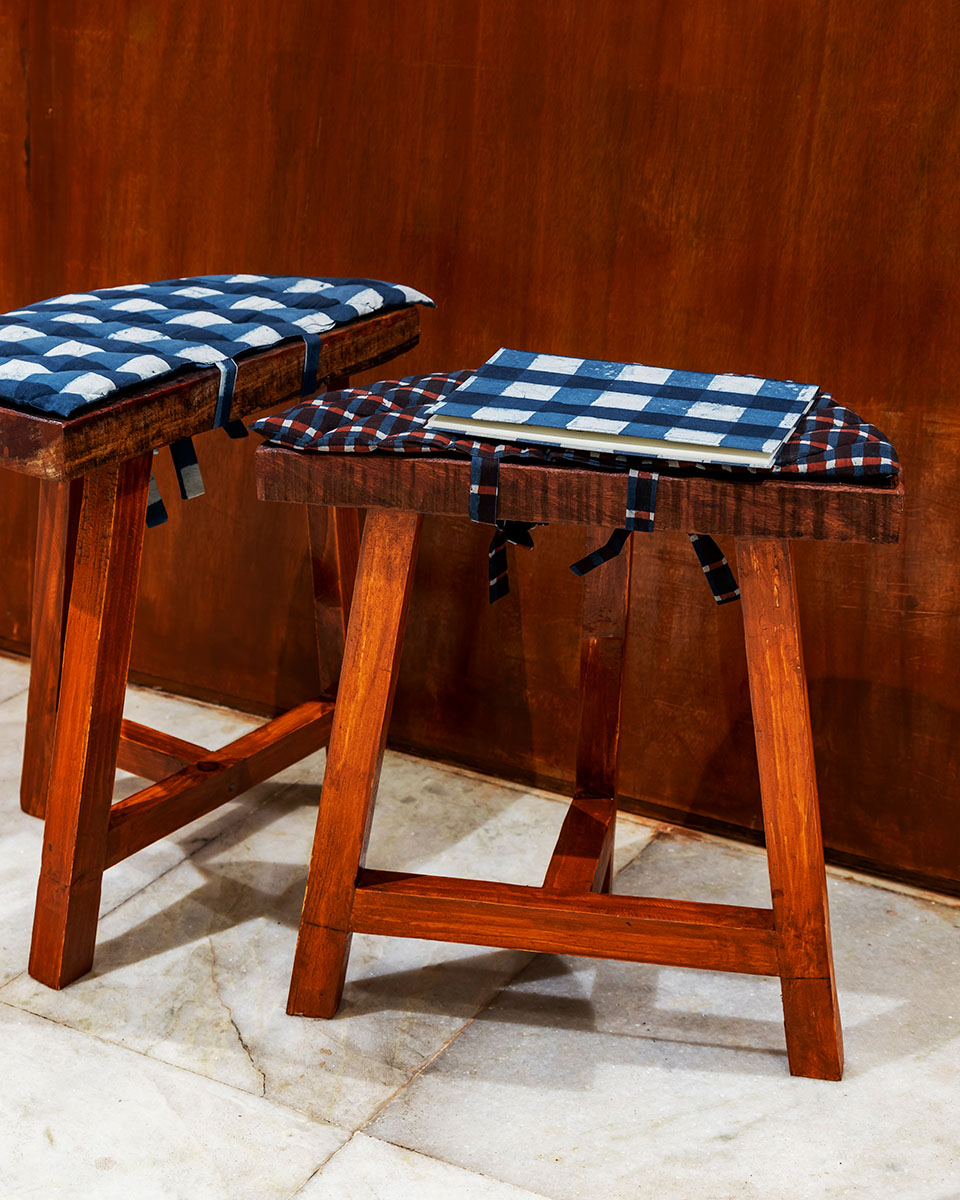
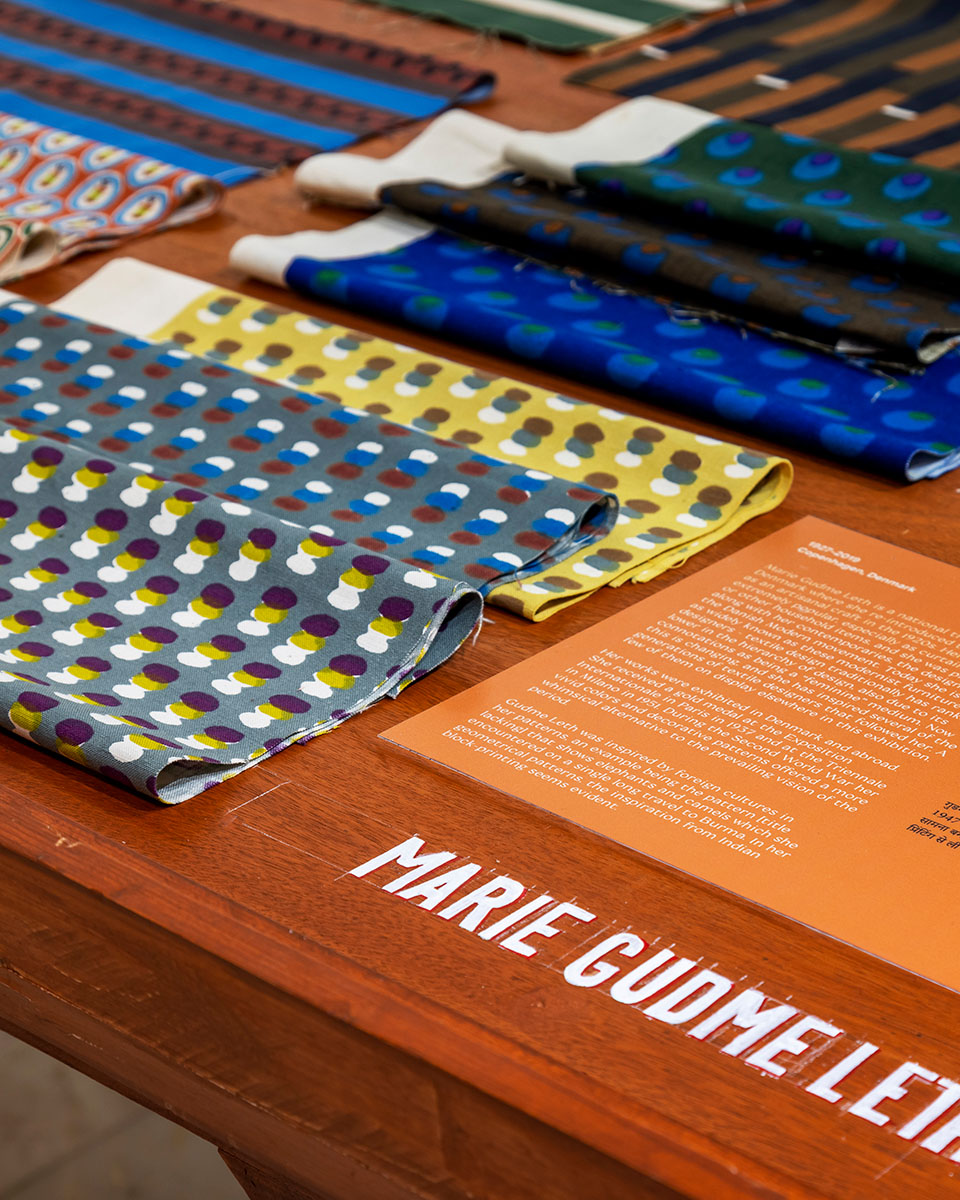
The earliest pieces in the exhibition were these specimens (left, above) found in the National Archives, Copenhagen, of textile samples transported from India to Denmark on merchant’s ships between 1788-1817. The title of the show resulted from opening up these boxes of very old textiles and realizing that they all seemed so contemporary! For the show we had a few of them redone by block-printers from Rajasthan and used them throughout the space for the set design. For instance as cushions on the stools we had made, or for the binding of the catalog. The stool is based on an old Danish milking stool – re-interpreted by the museum’s team of carpenters.

Bitten Hegelund, textile-printer, above. Ragna Braase, Margrethe Odgaard, Vibeke Klint and Anne Fabricius Møller seen below.

Fashion-designer Jan Machenhauer seen above. Vibeke Klint, Malene Bach, Ebbe Stub-Wittrup and Ragna Braase seen below.

Anne Fabricius Møller, Vibeke Rohland And Bitten Hegelund above. Vibeke Rohland, Bitten Hegelund, Hanne Vedel and Paula Trock below.

Modernist textile-printer Marie Gudme Leth above. Hanne Vedel, Paula Trock, Freya Dalsjø and Ragna Braase below.

All installation views by Jeetin Sharma. Archive samples documented by Torben Eskerod.

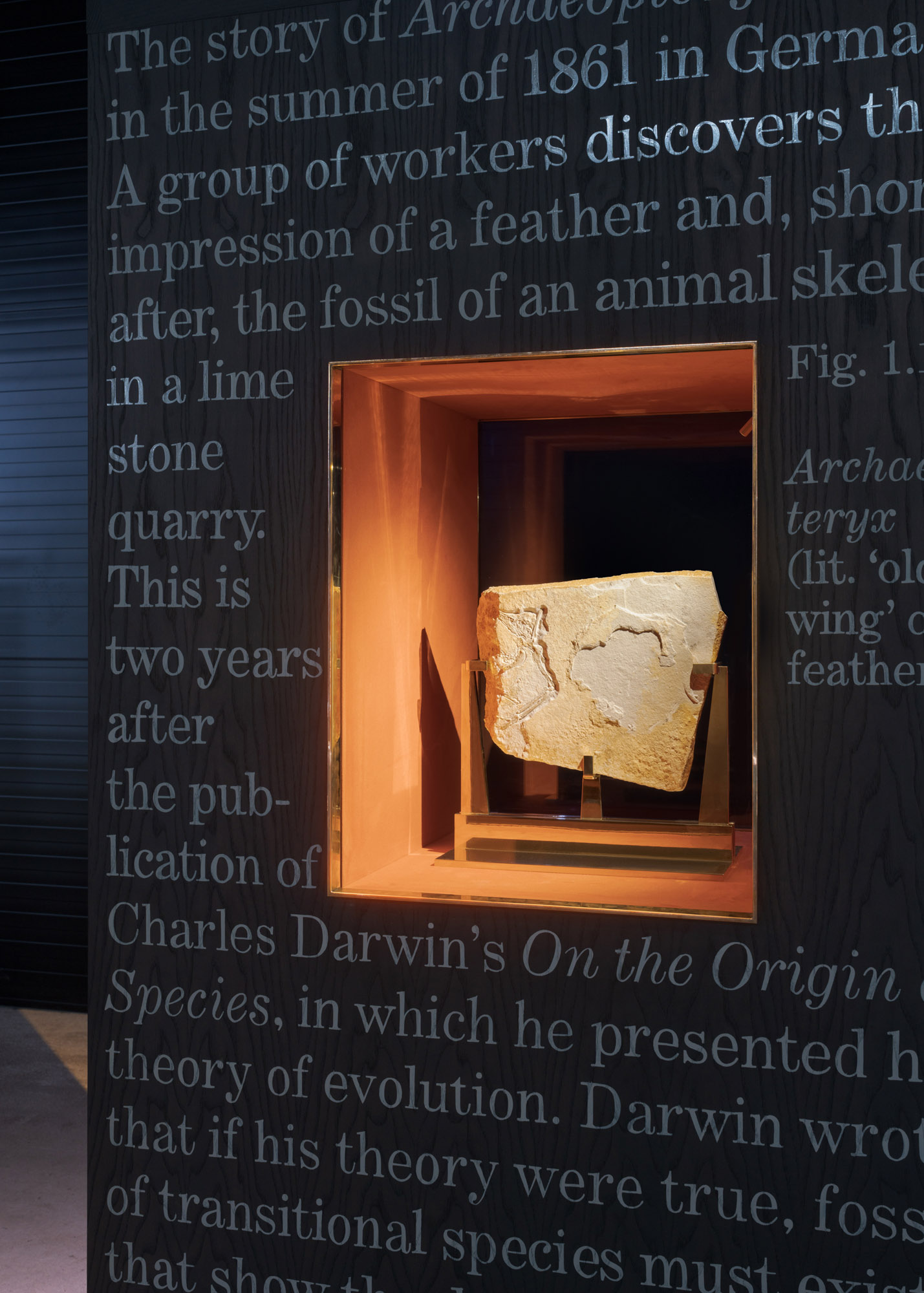
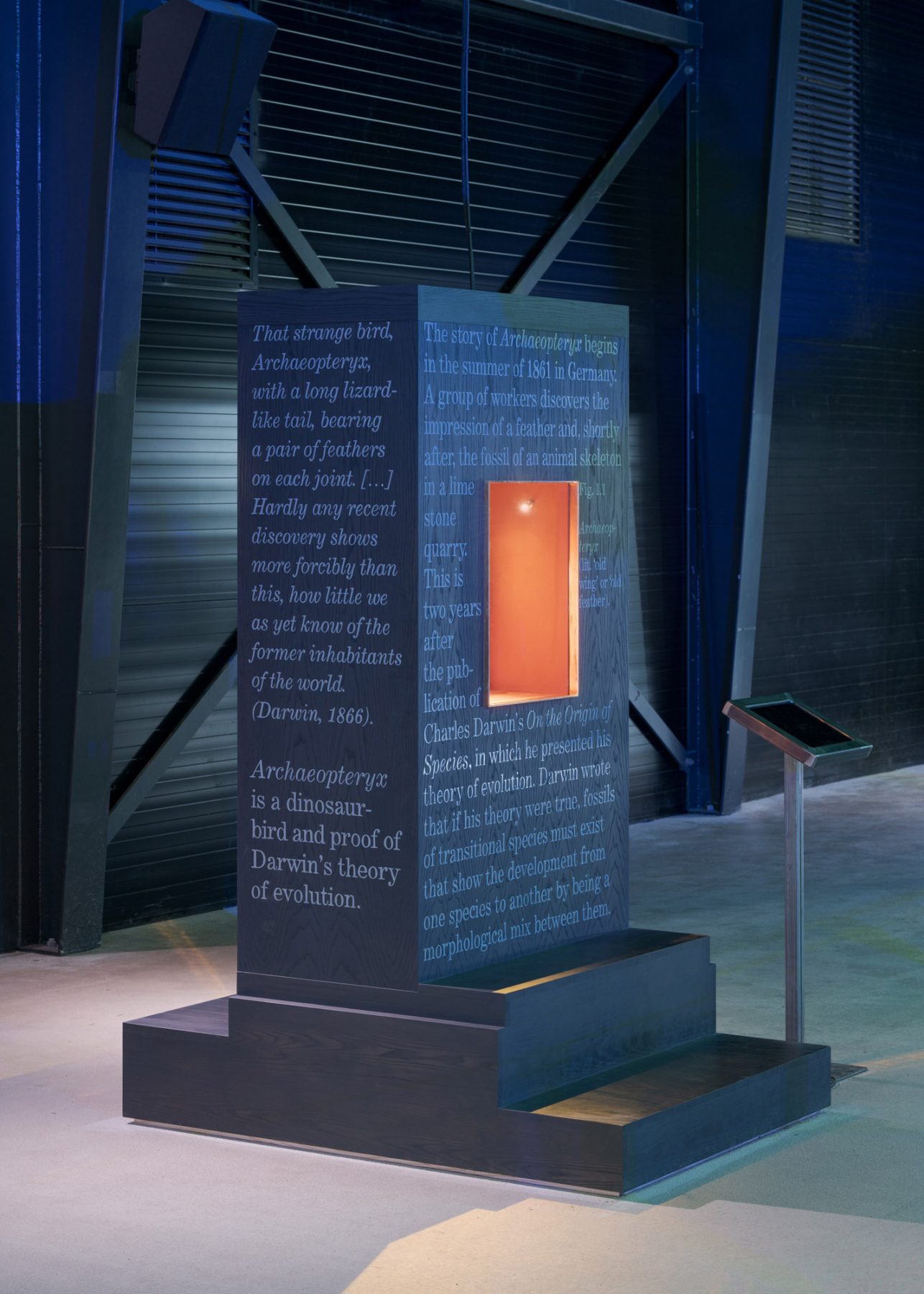
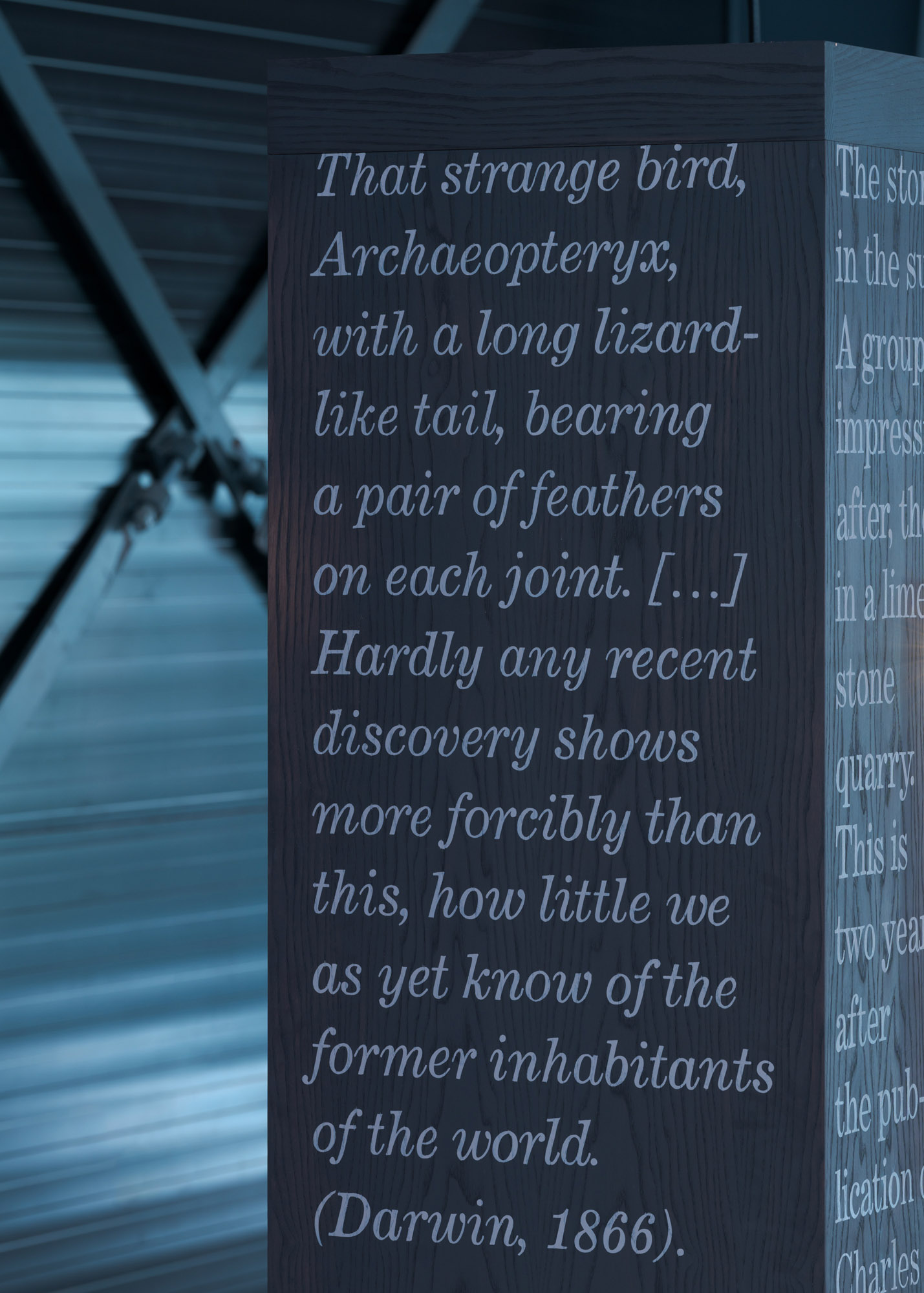
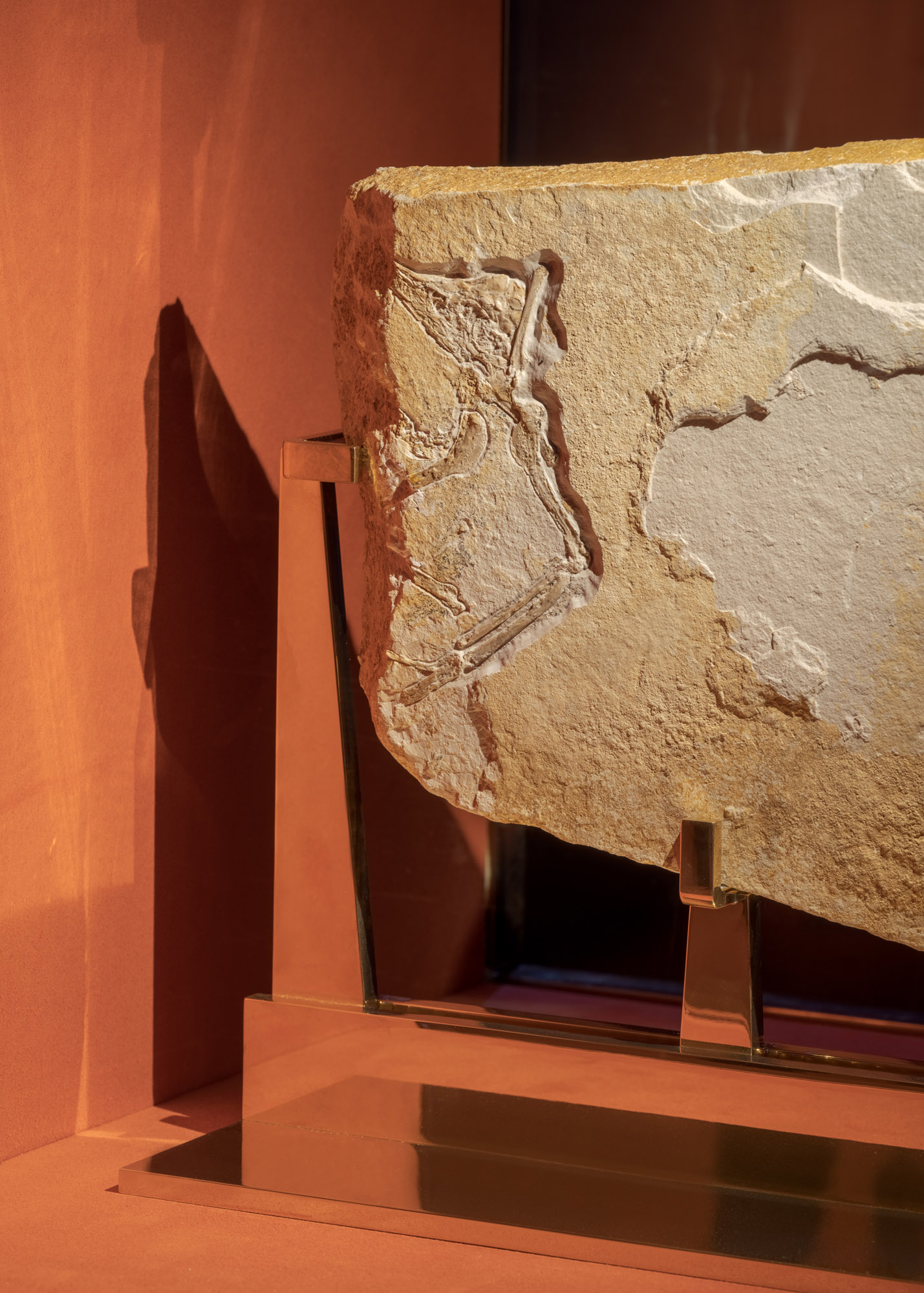
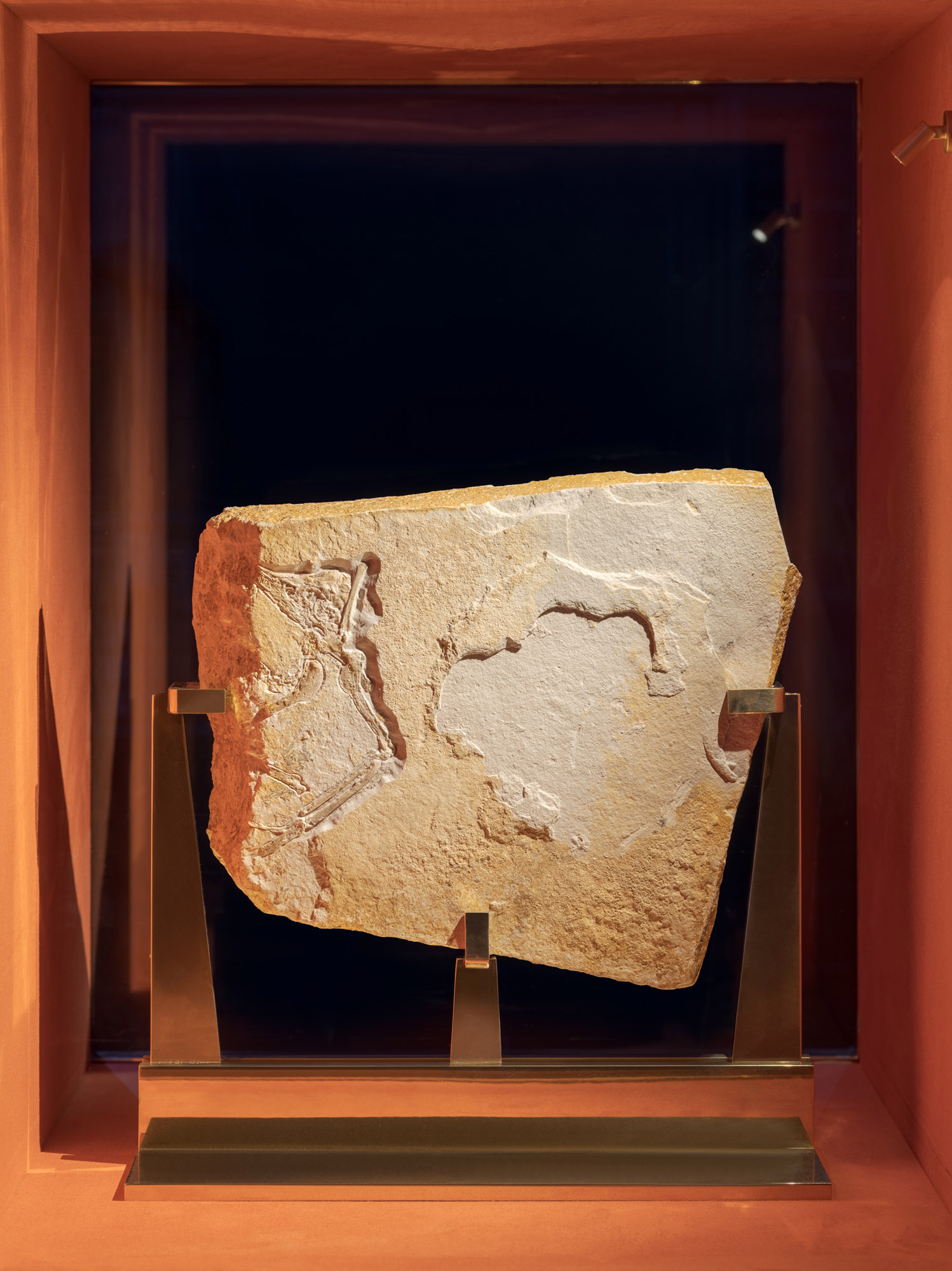
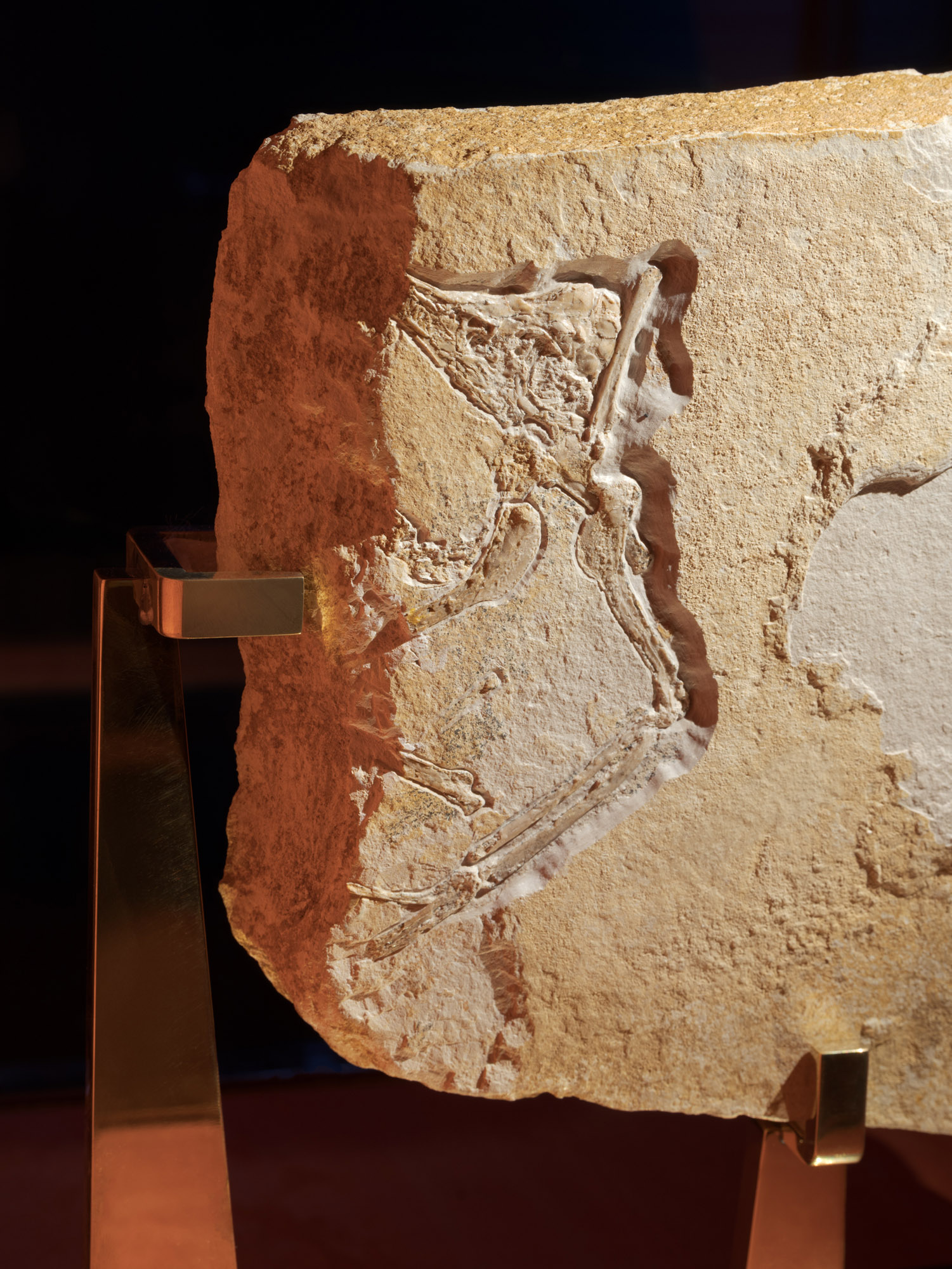
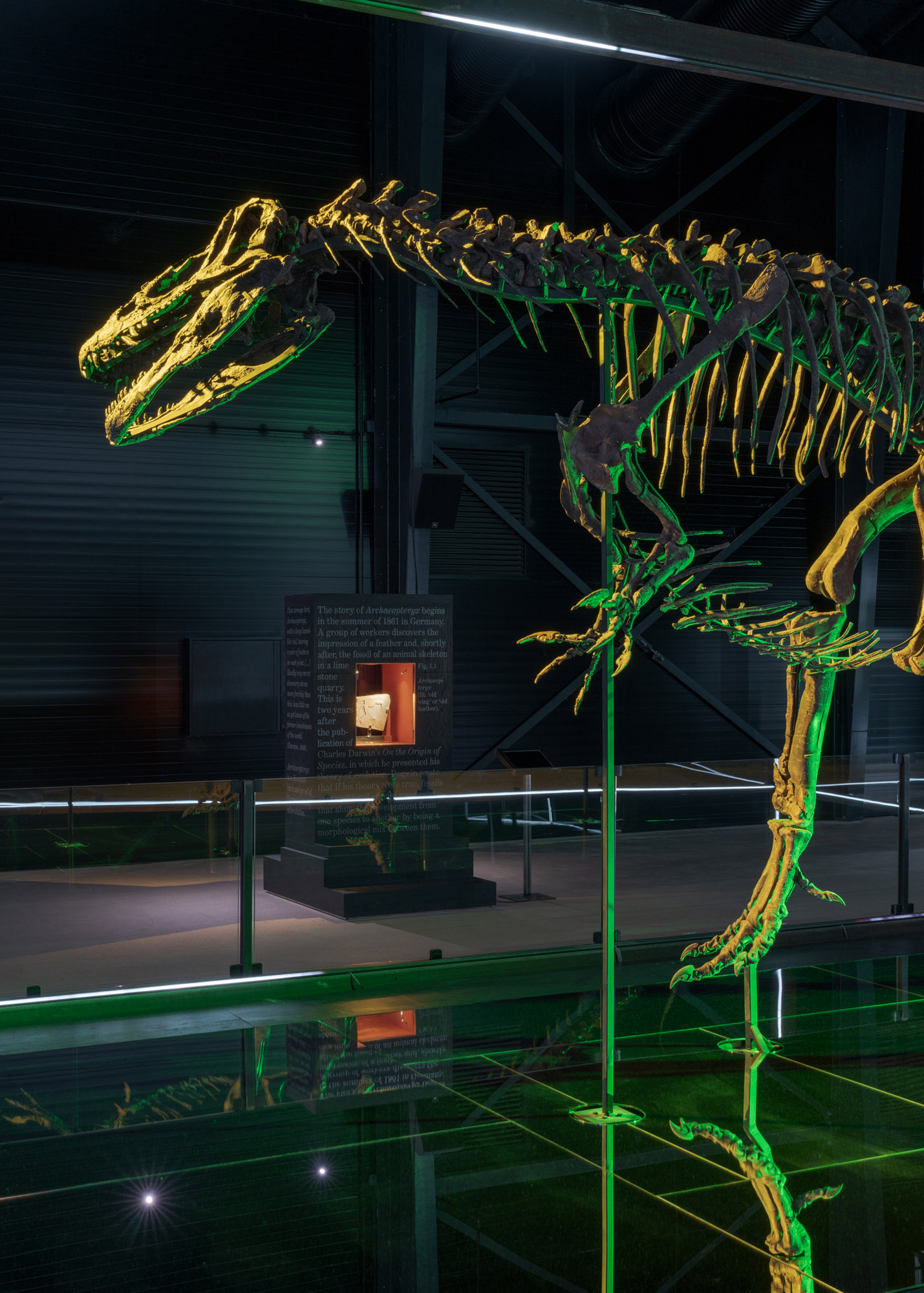
An archaeopteryx is the first known bird species and thought to be the link between the dinosaurs and modern day birds. Only 12 known fossils exist of it. Knuthenborg Evolution Museum owns one of these, specimen no. 8, and we were asked to design a special display cabinet for it.

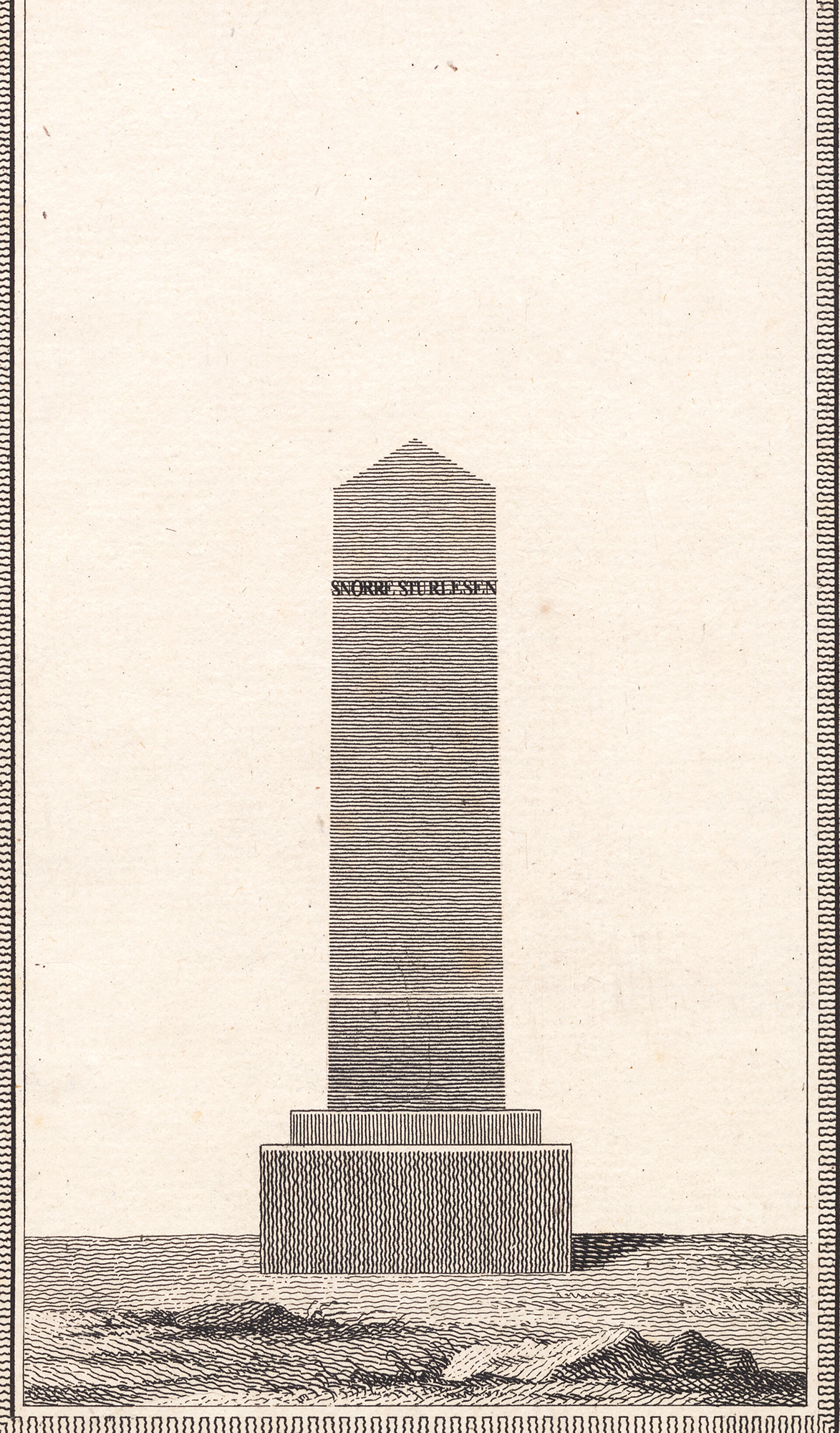
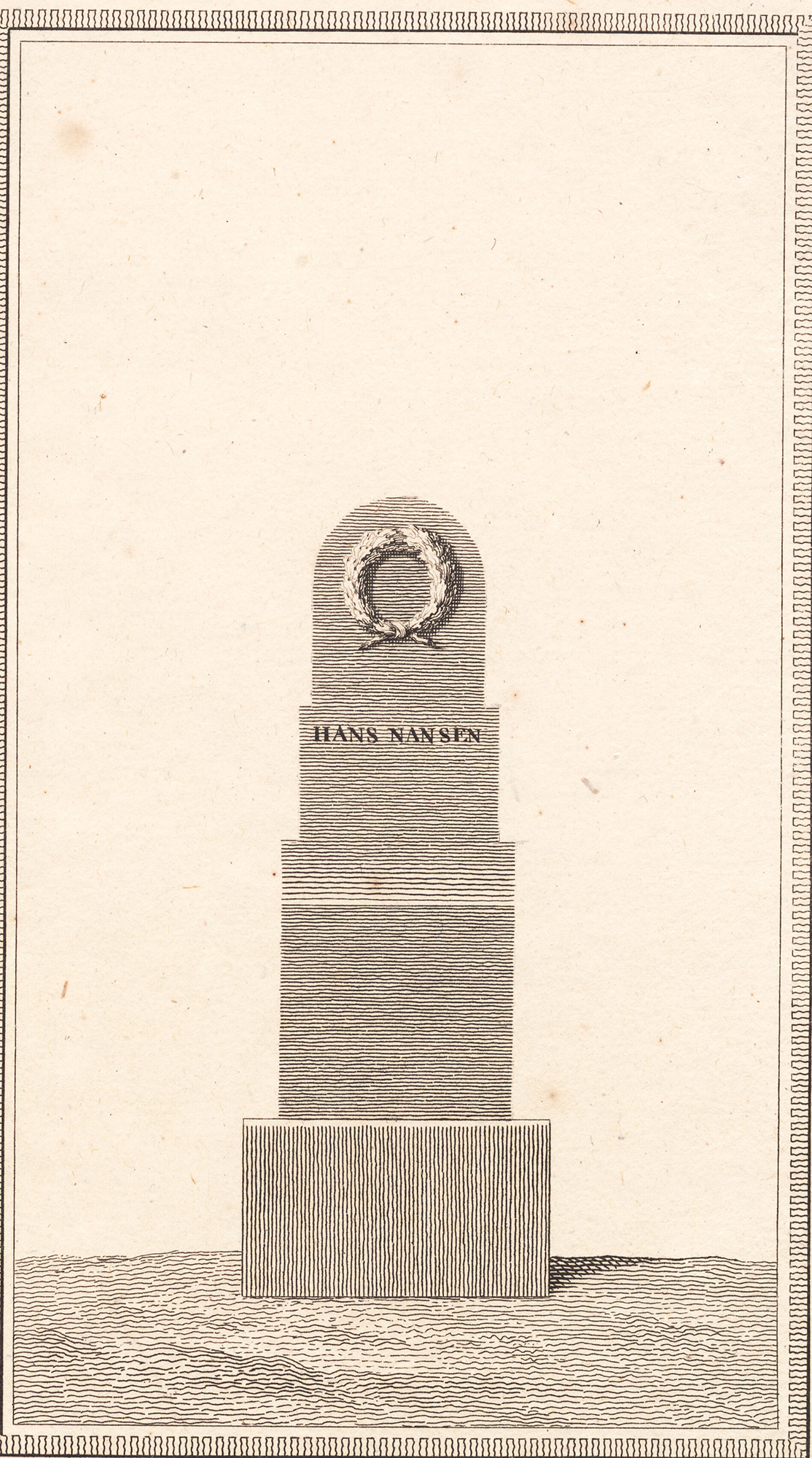
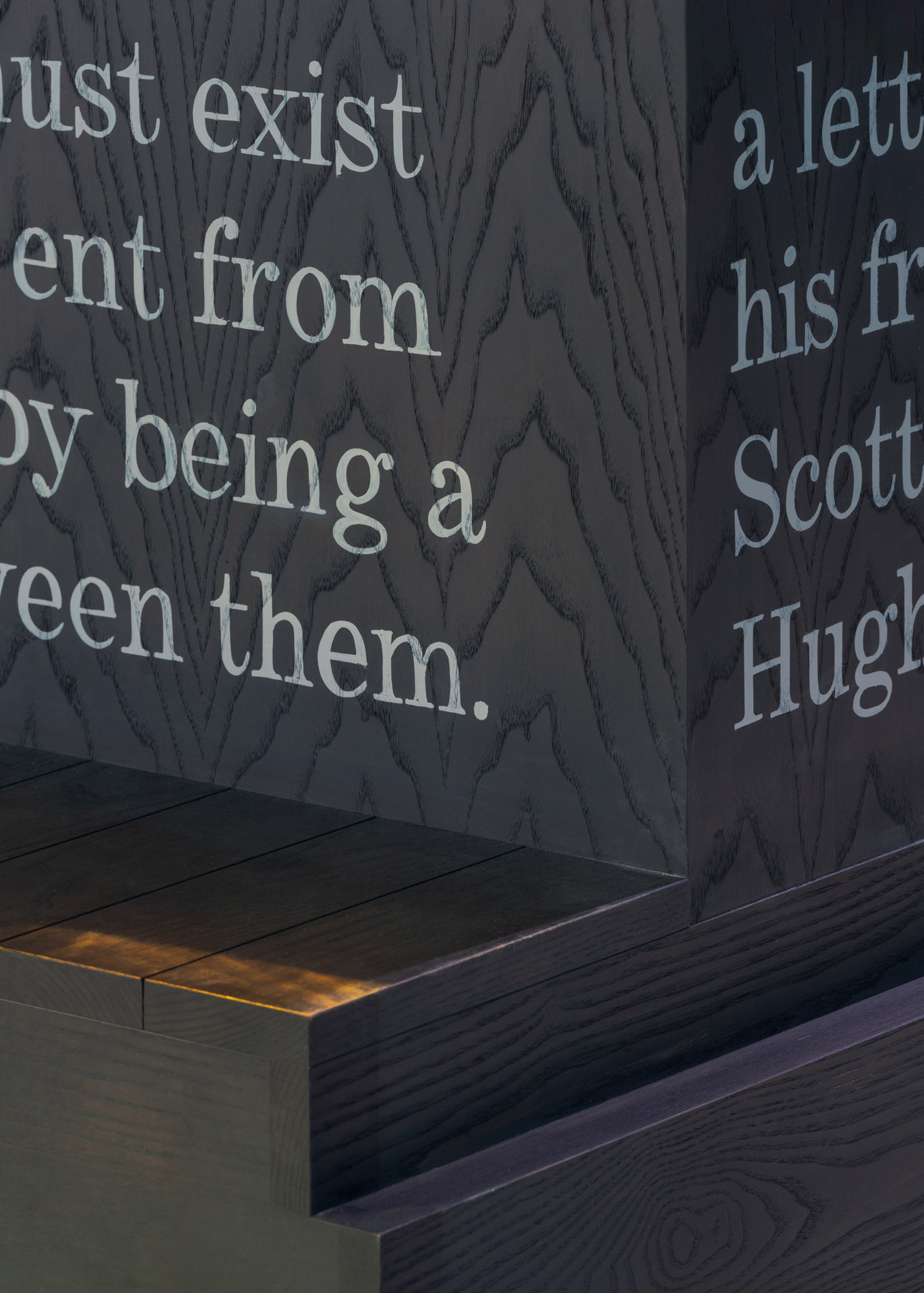
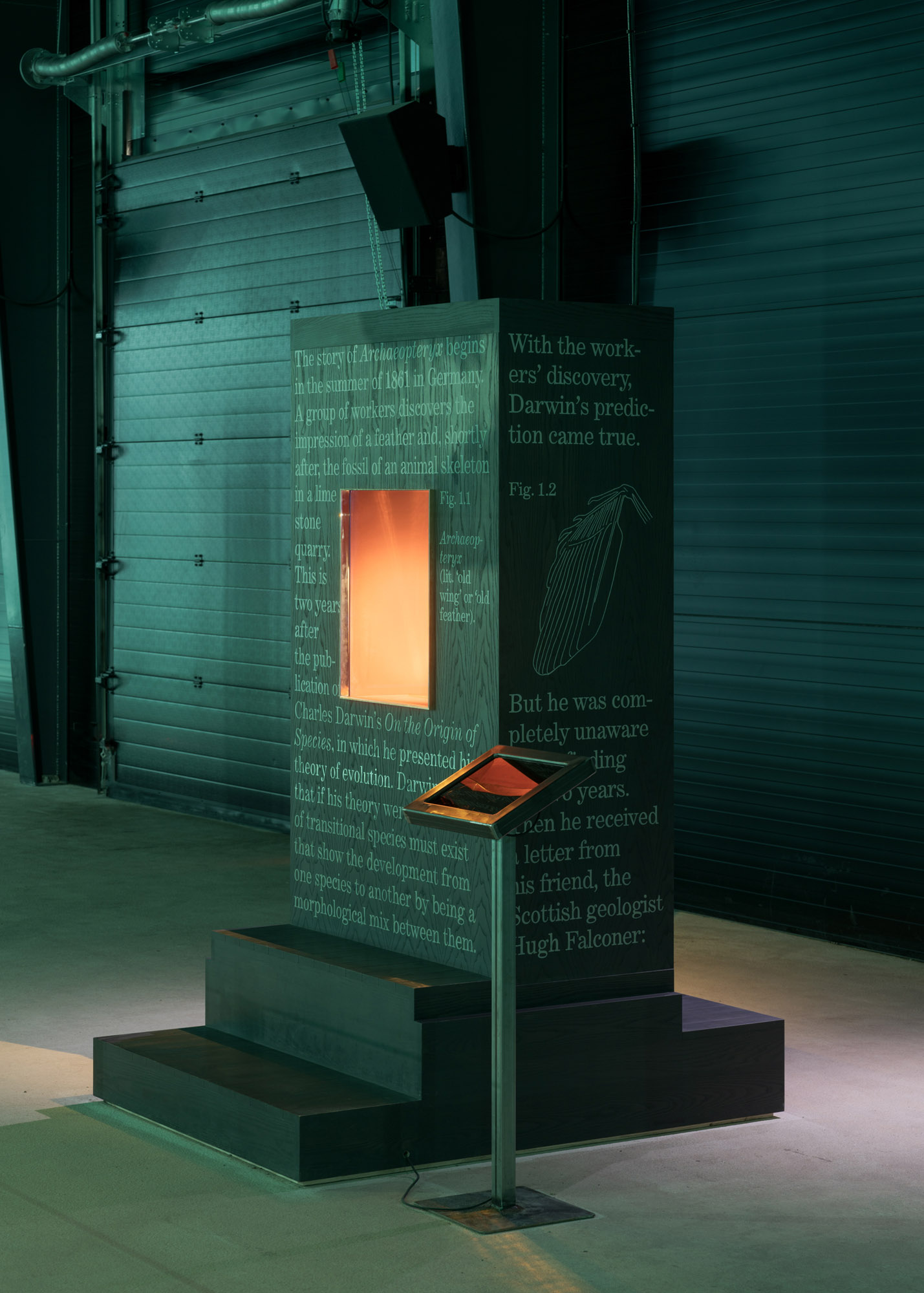
The finished design borrows details from the memorial stones of Danish Neo-classical sculptor Johannes Wiedevelt found on many Danish manor estates.

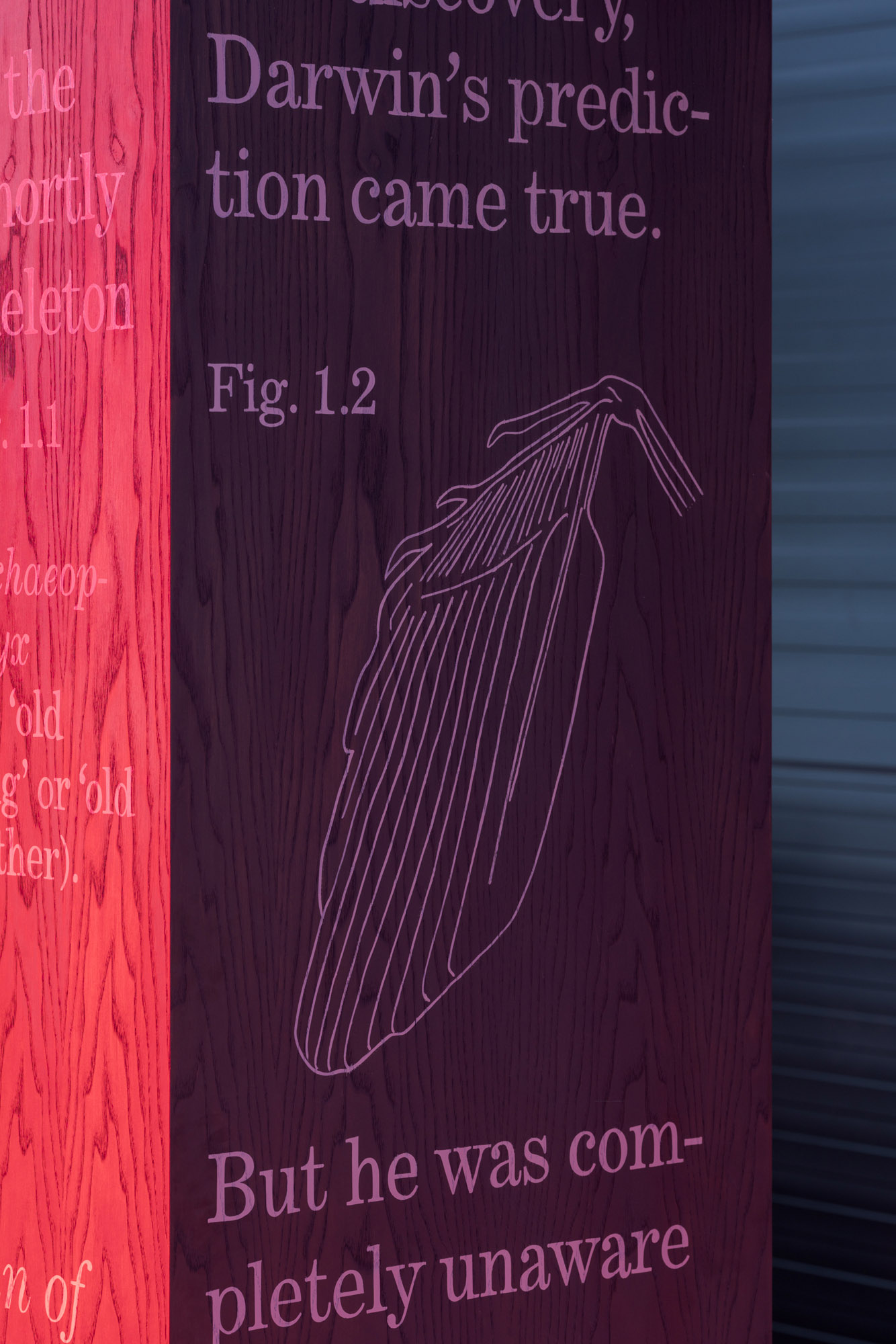
Covering the cabinet is a text with quotes from Darwin describing the fossil and the story behind it, hand-painted by Copenhagen Signs.

The specimen itself is mounted in a polished brass mount inside a brightly colored textile-clad cabinet space.

The cabinet was built by Rammelisten and is on permanent display at Knuthenborg Evolution Museum in on Lolland in Southern Denmark.

All photos by David Stjernholm.

Ejnar Nielsen (1872-1956) was one of the clearest Danish exponents of the artistic movement known as “Symbolism”. His paintings are often dark or bleak, depicting ill or otherwise unfortunate souls, on canvases of a monumental scale.

The Hirschsprung Collection in central Copenhagen, one of the nation’s most important museums for turn-of-the-century art, in 2022 produced a large solo exhibition for the artist, the show “Ejnar Nielsen – Signs of Life” for which we did the exhibition design.

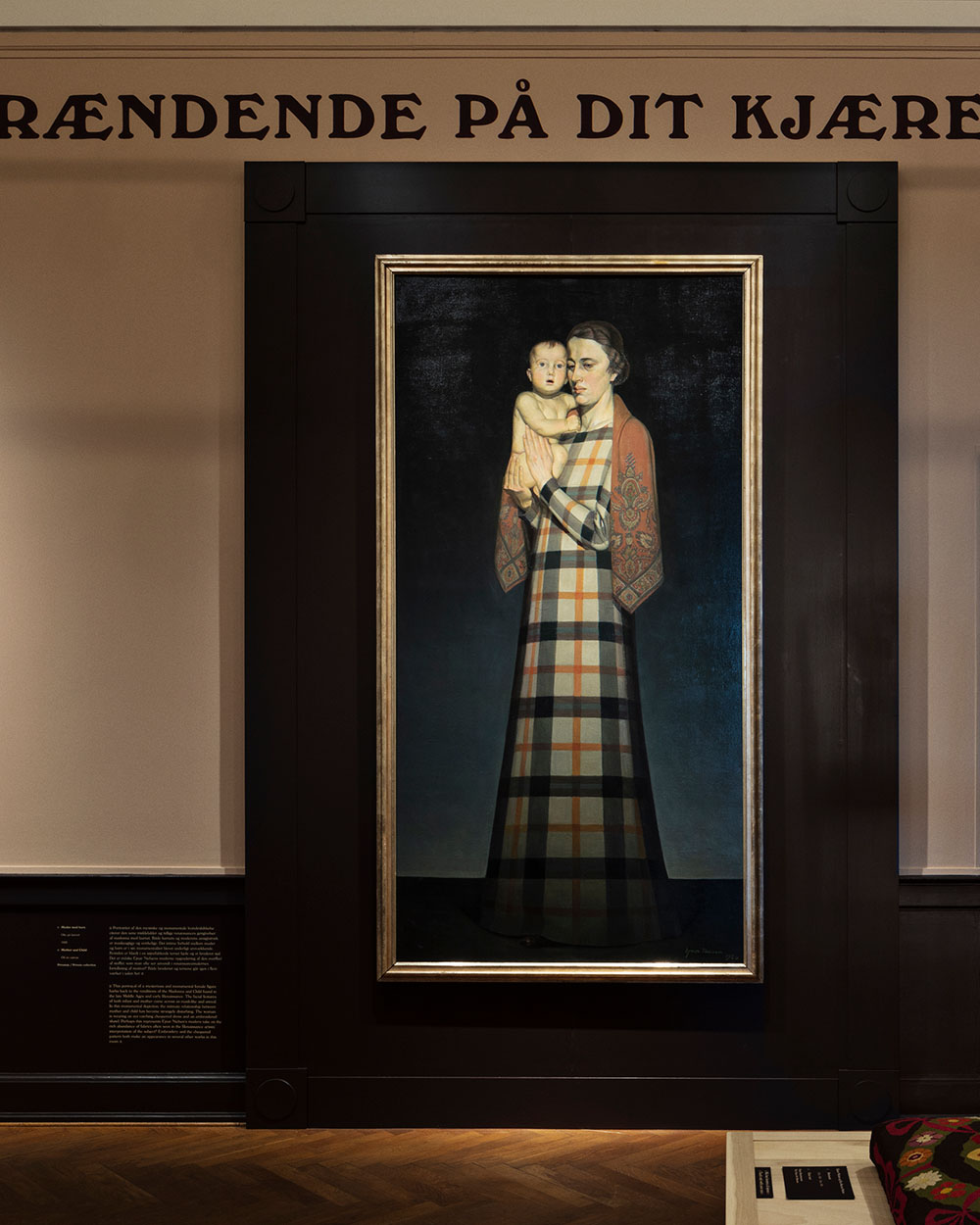
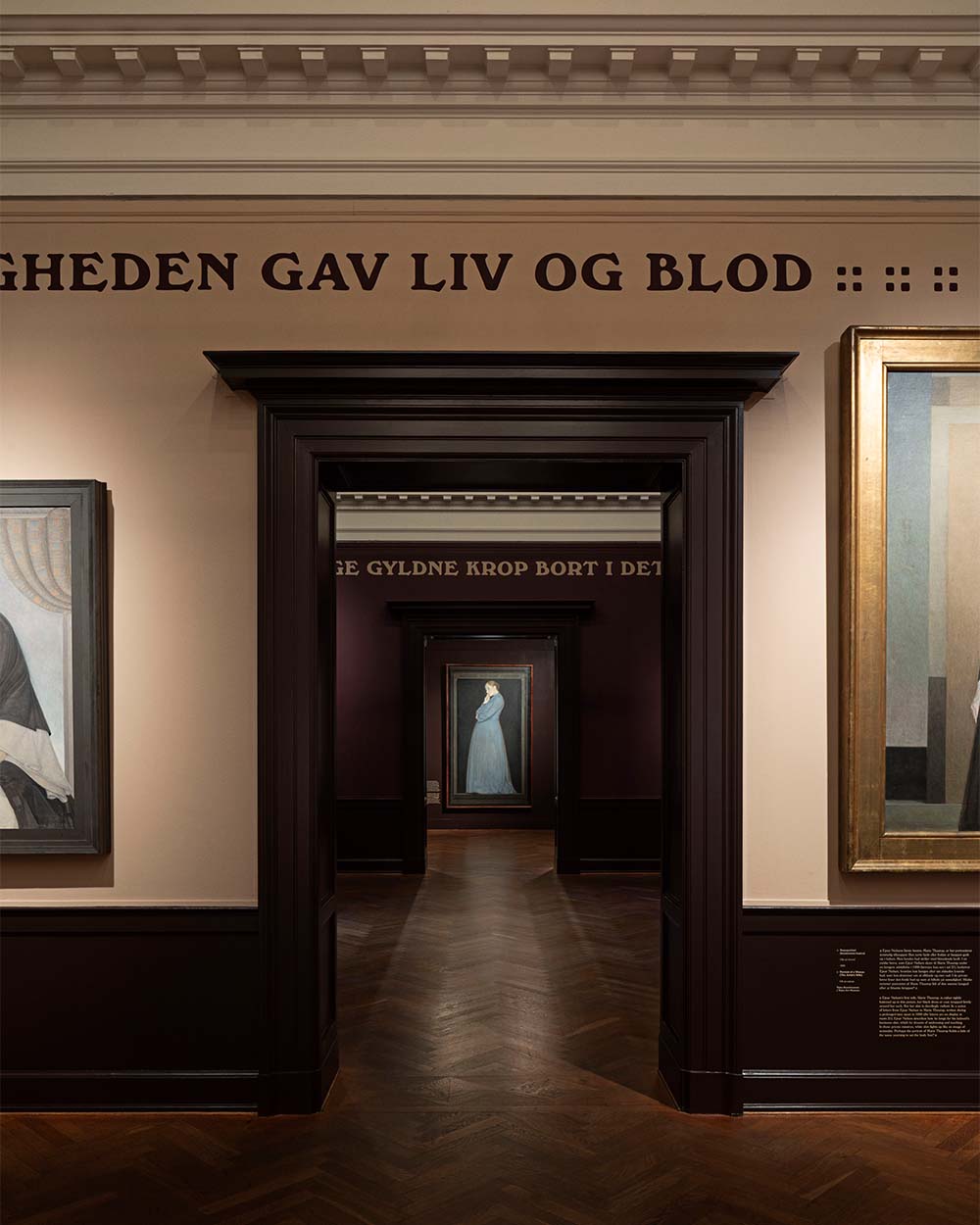
To allow for paintings of this monumental scale, the museum moved their permanent collection out of the main halls. A new dark color-scheme was applied to all of the mouldings and wall faces. We also had a text frieze revealing passages from the artist’s love letters to his sweetheart hand-painted below the plaster cornice encompassing each room.

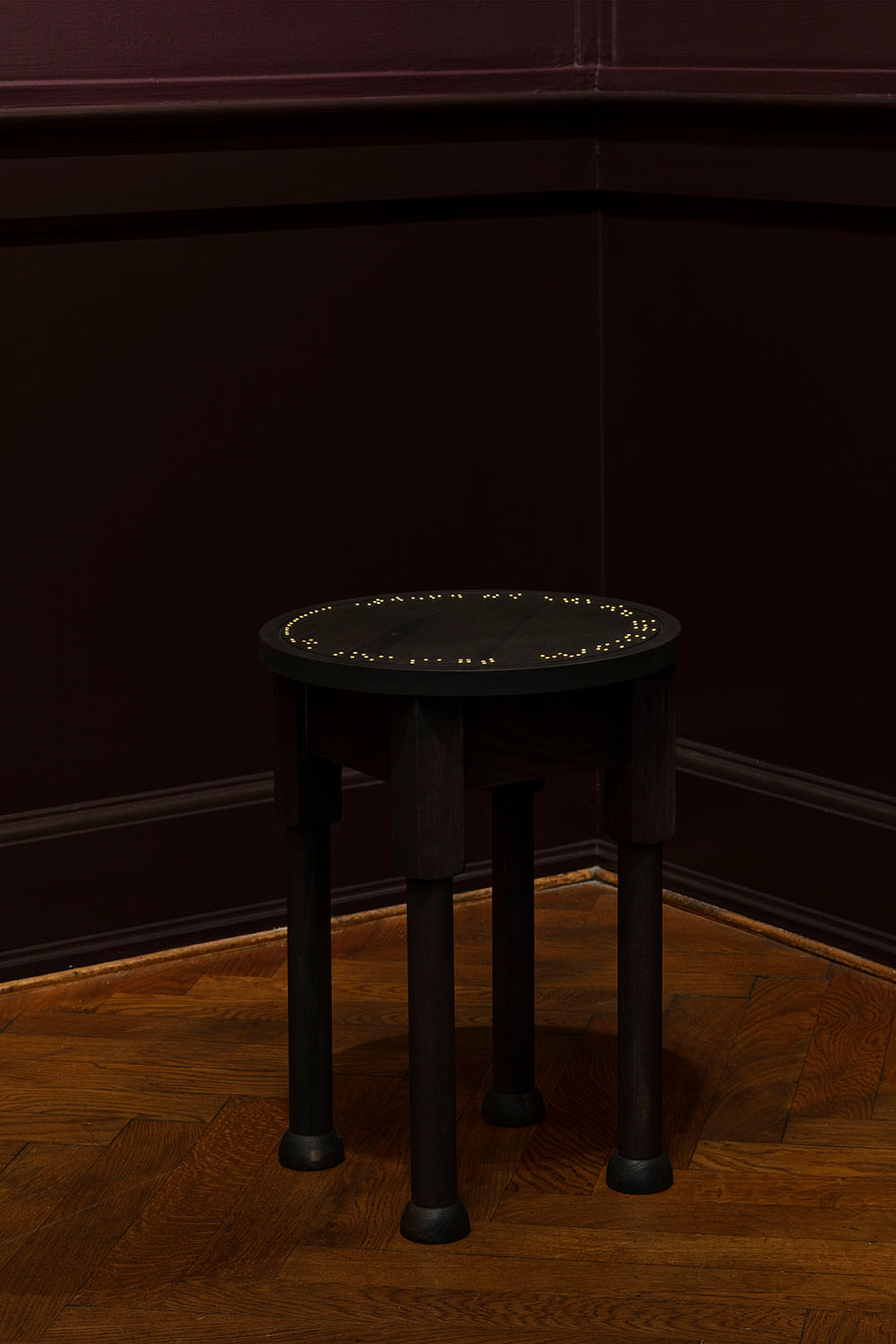
Symbolism was closely linked to the Danish Arts-and-Crafts equivalent movement known as “Skønvirke”. For this reason we designed stools and display tables re-interpreting Skønvirke details.

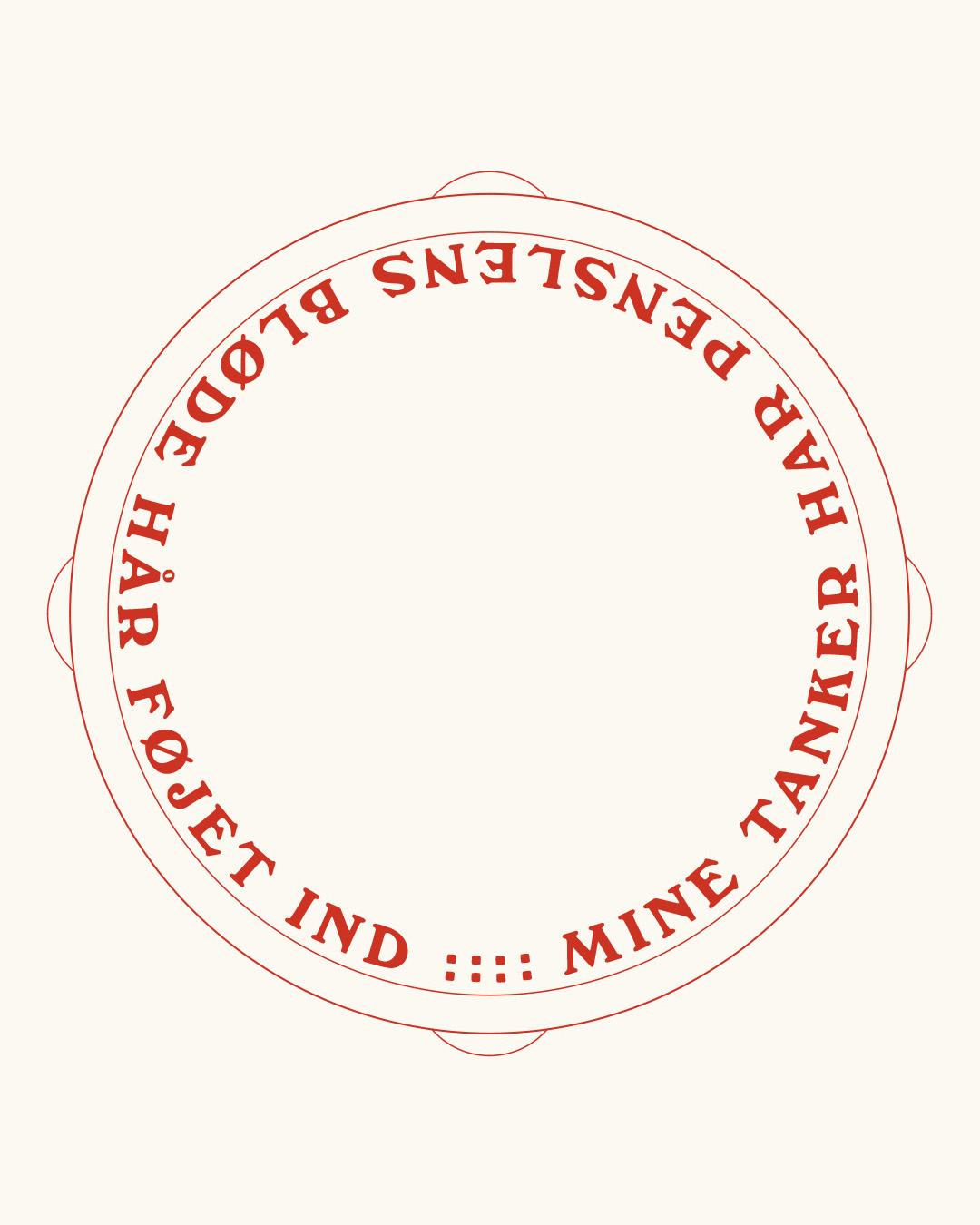
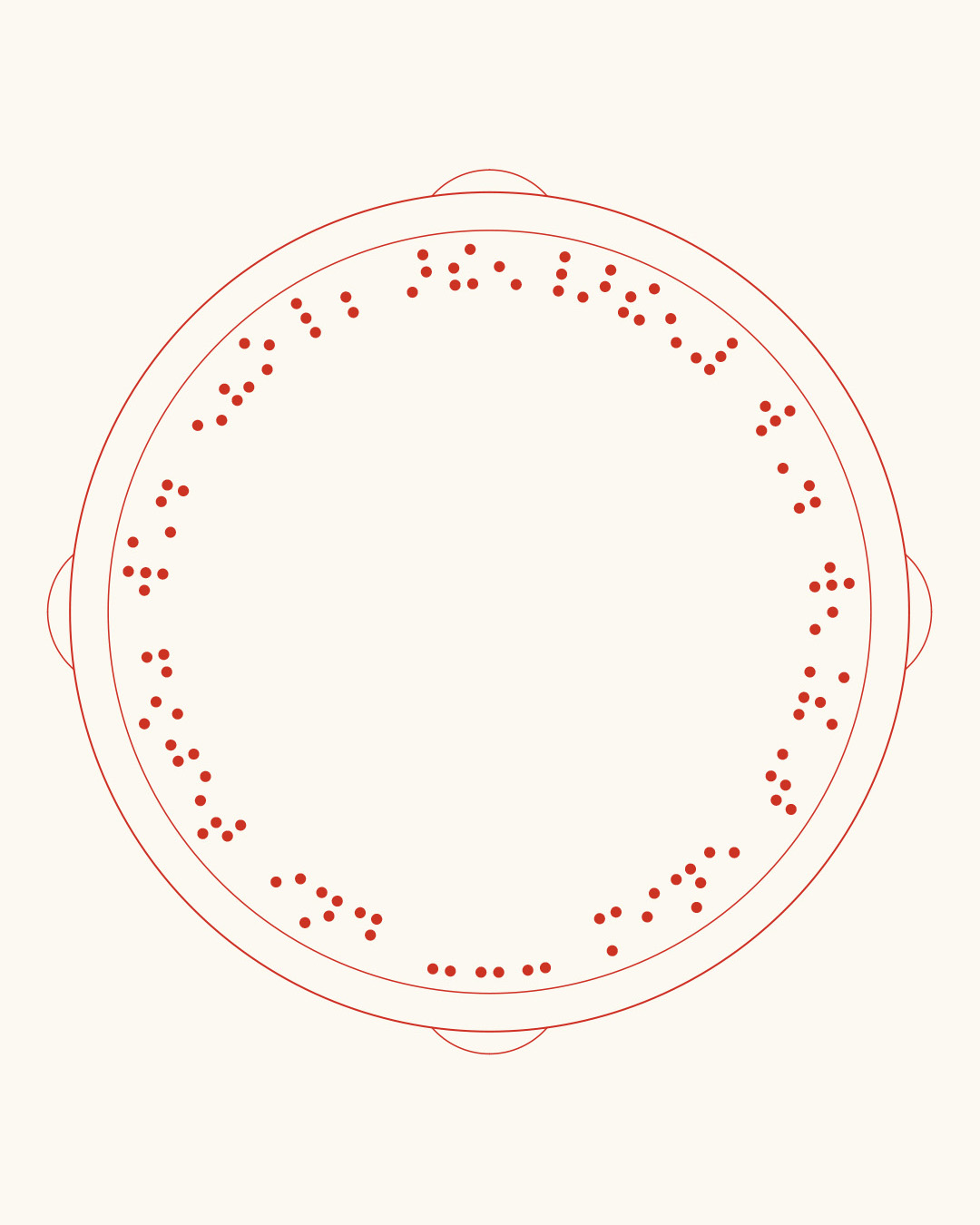
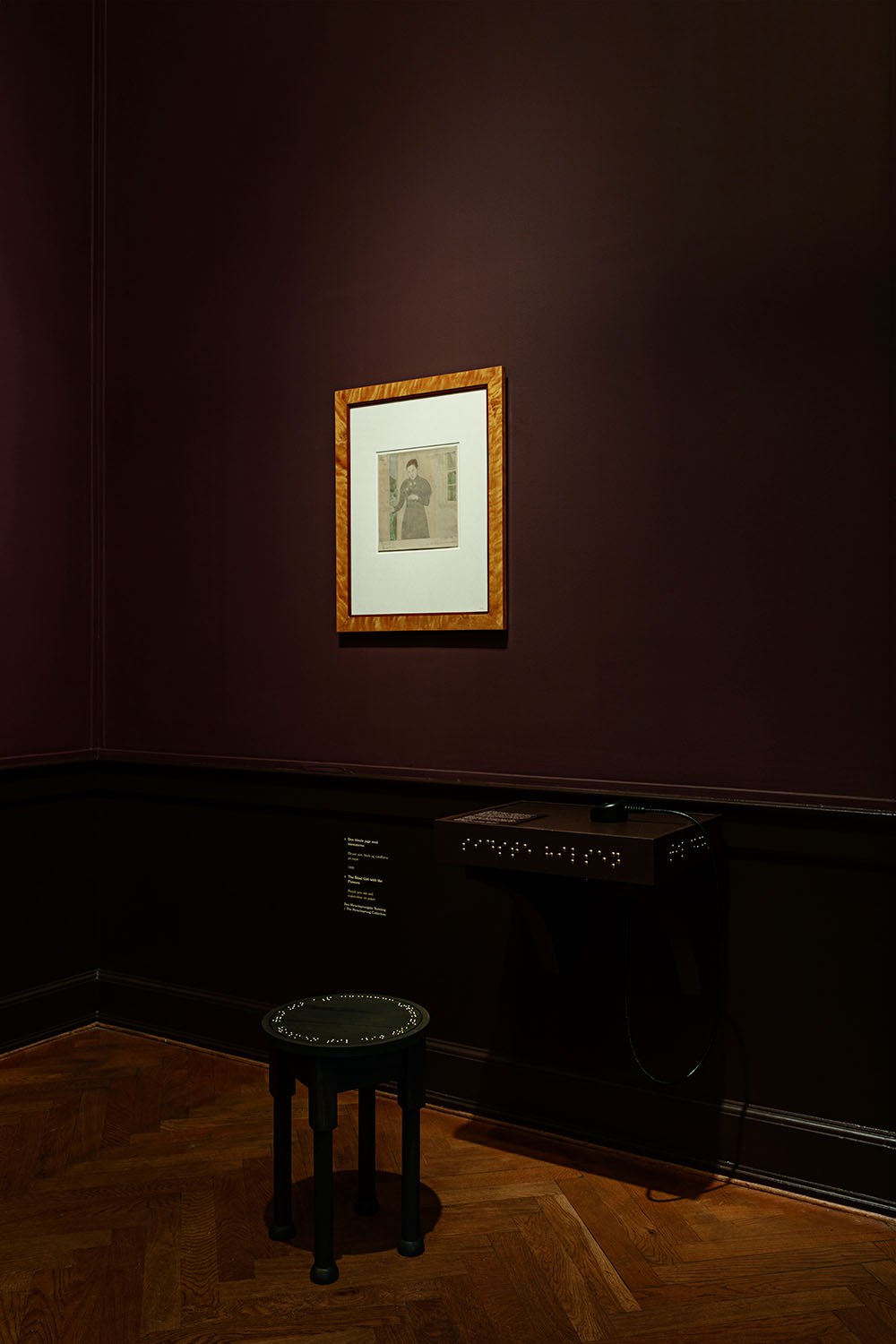
As part of the exhibition, the museum did a collaboration with The Danish Association for the Blind – many of Ejnar Nielsen’s subjects were the blind inhabitants from the village of Gjern, so throughout the exhibition are interviews with blind or visually impaired people, describing different concepts relating to blindness and visual art. To add to this, we studded the stools and display tables with text bites in Braille lettering – both as an ornamental feature, but also as an extra communicating layer for those who use their fingertips to read.

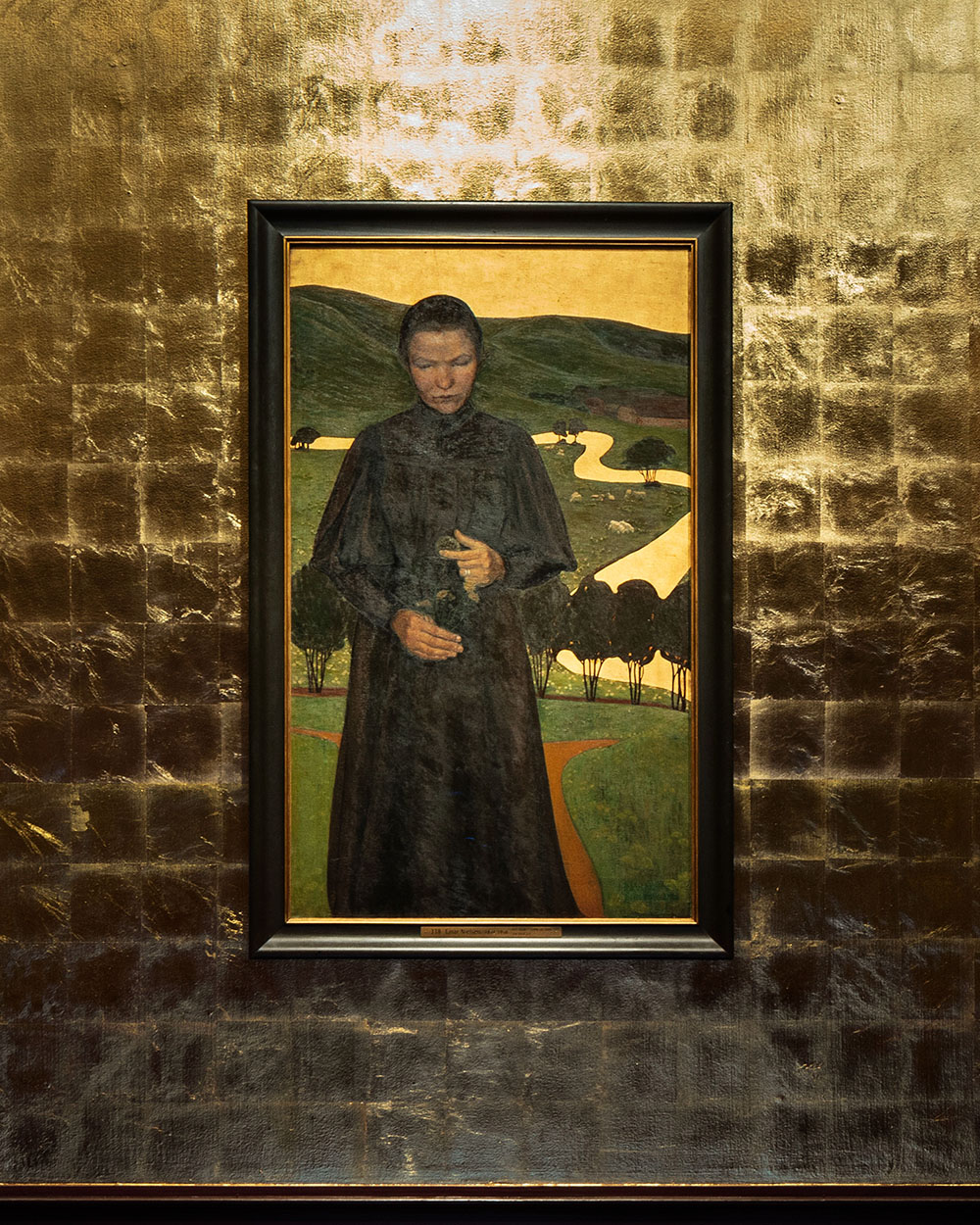
One of Ejnar Nielsen most famous works is the painting “The Blind Girl” depicting a young woman standing in front of a meandering creek set in lustrous gold leaf. To emphasize the importance of this piece we proposed gilding the wall that the painting was mounted on. The result can be seen below.

The exhibition ran from August 22 – December 15 2023.

All photos by Laura Stamer.

Exhibition concept and design for the alternative art fair AltCph. In 2018 the focus of the fair was performance art.

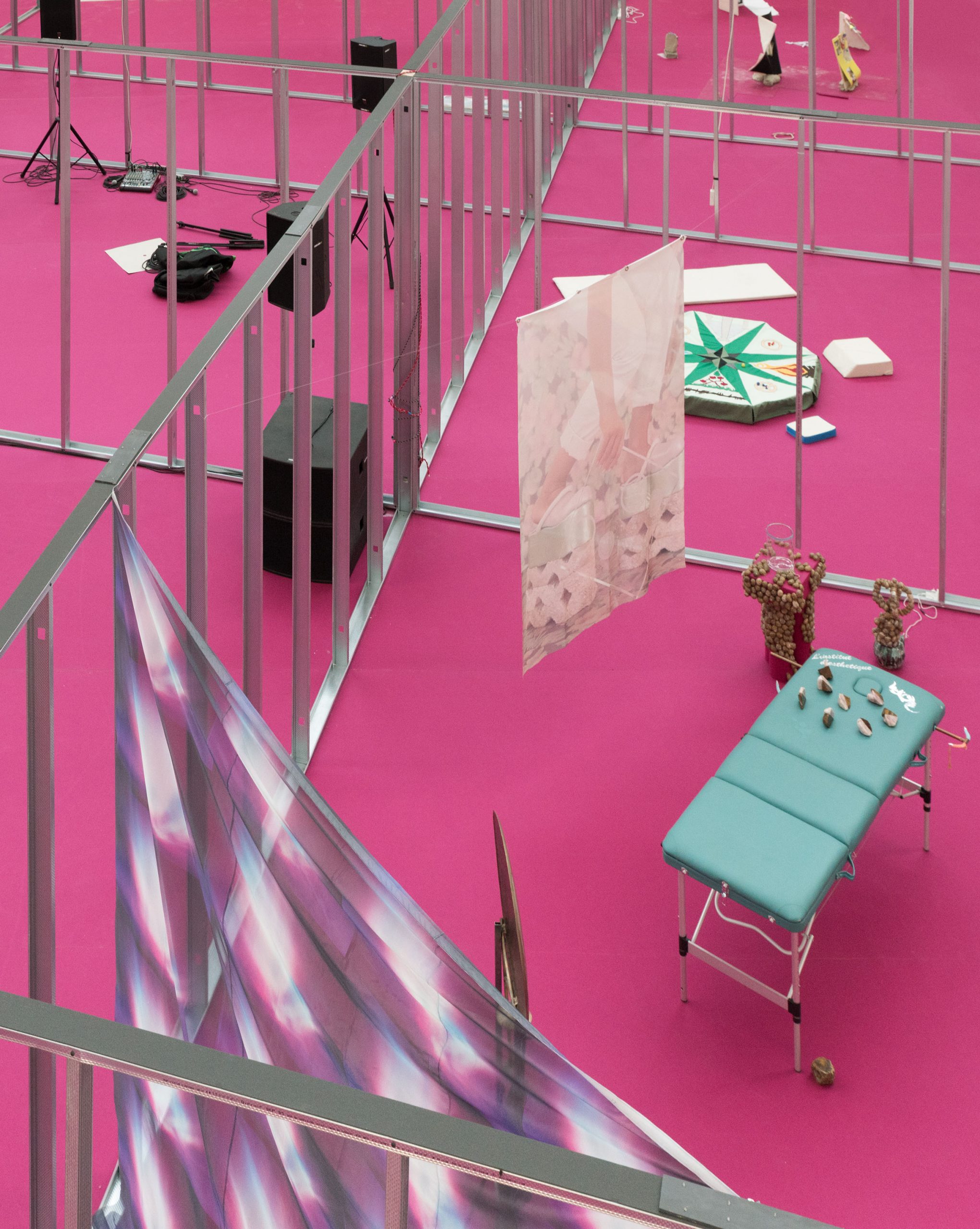
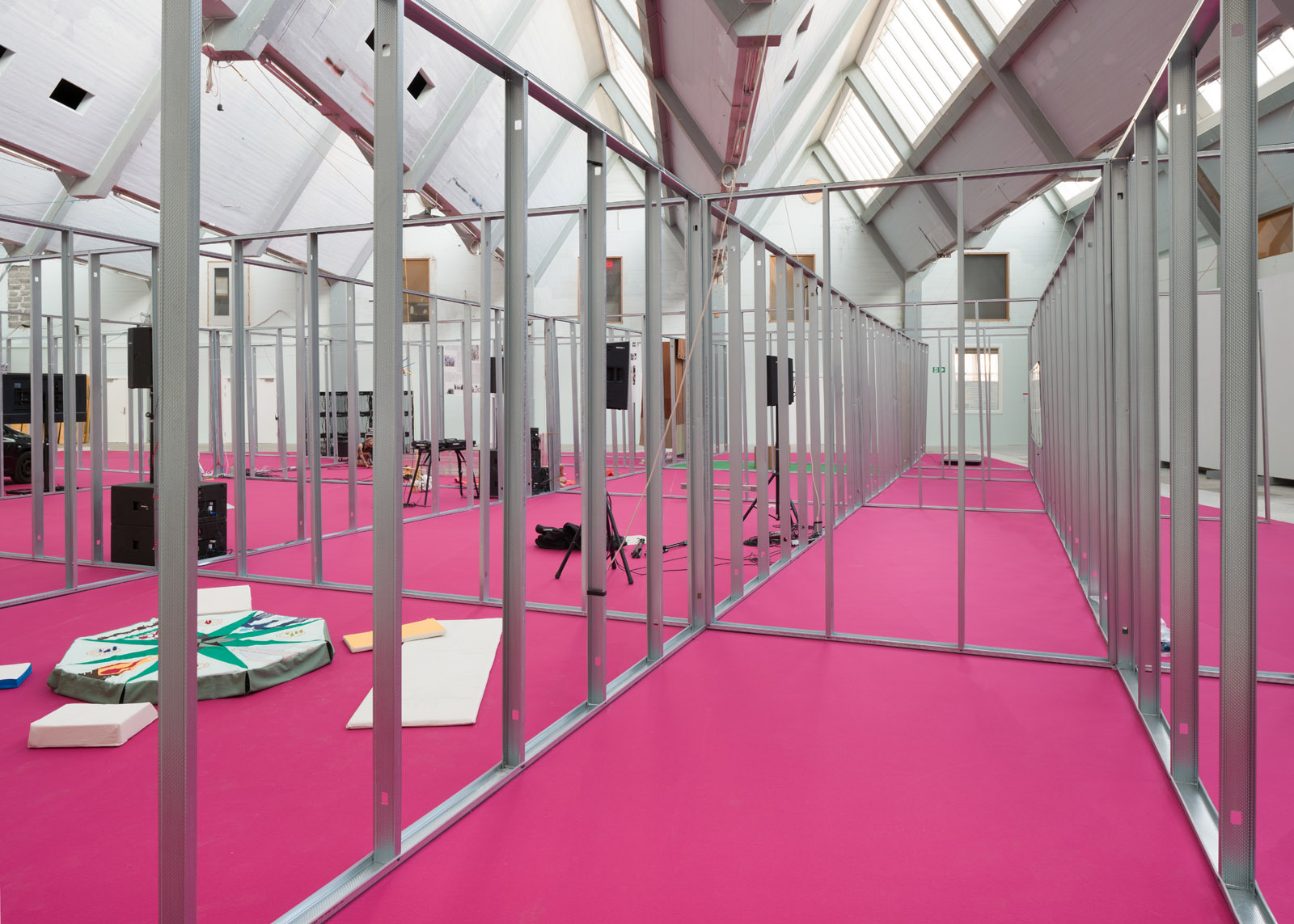
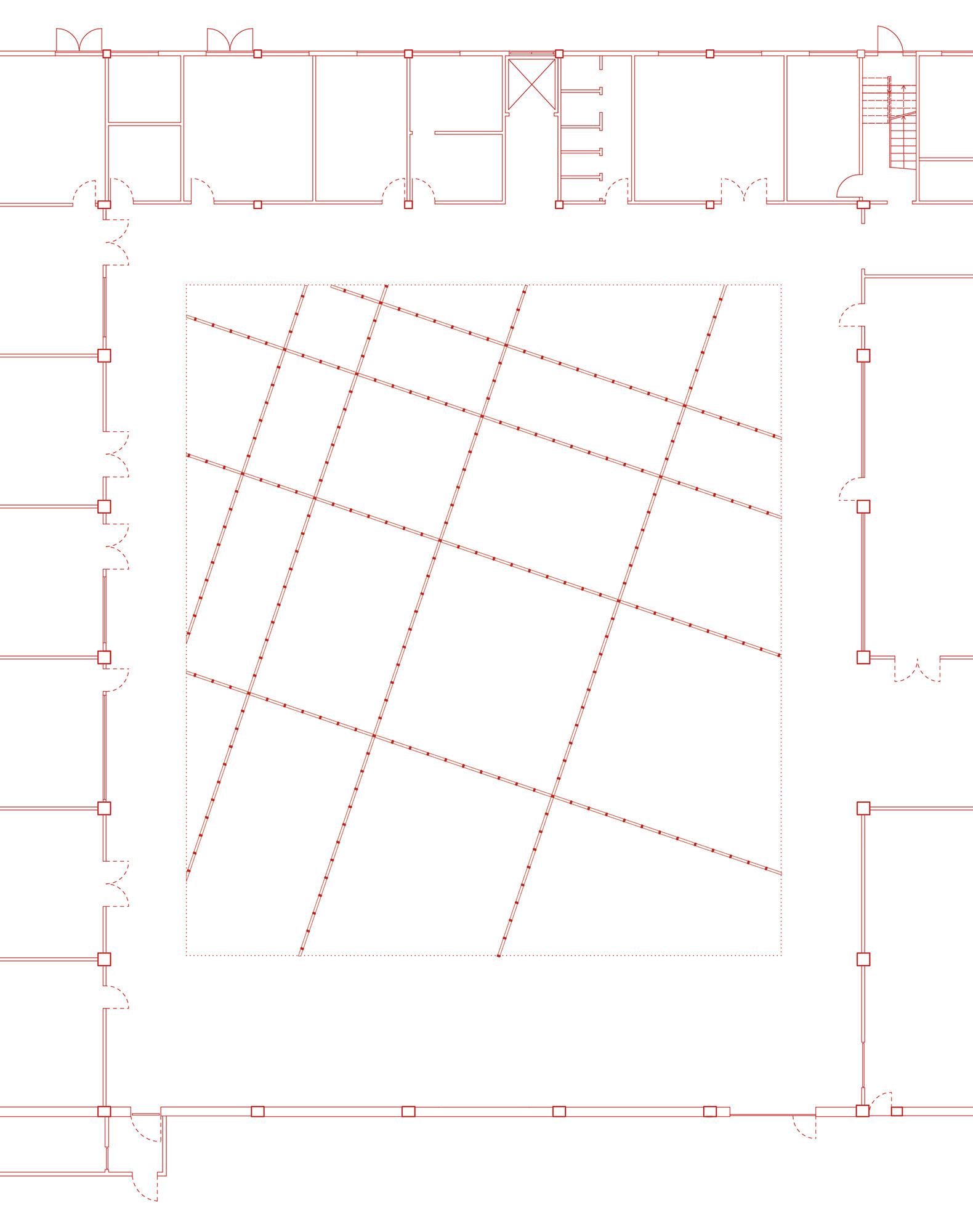
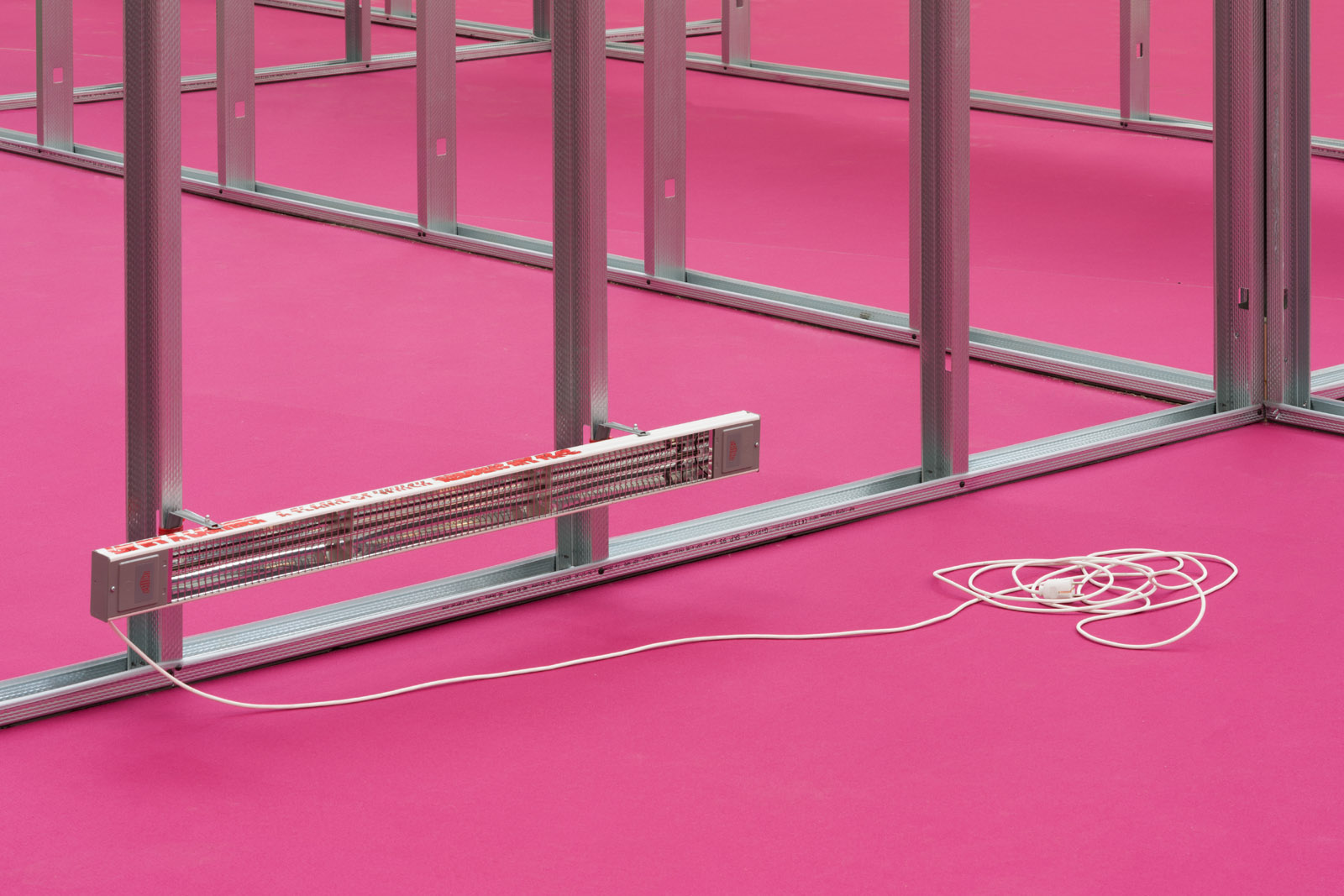
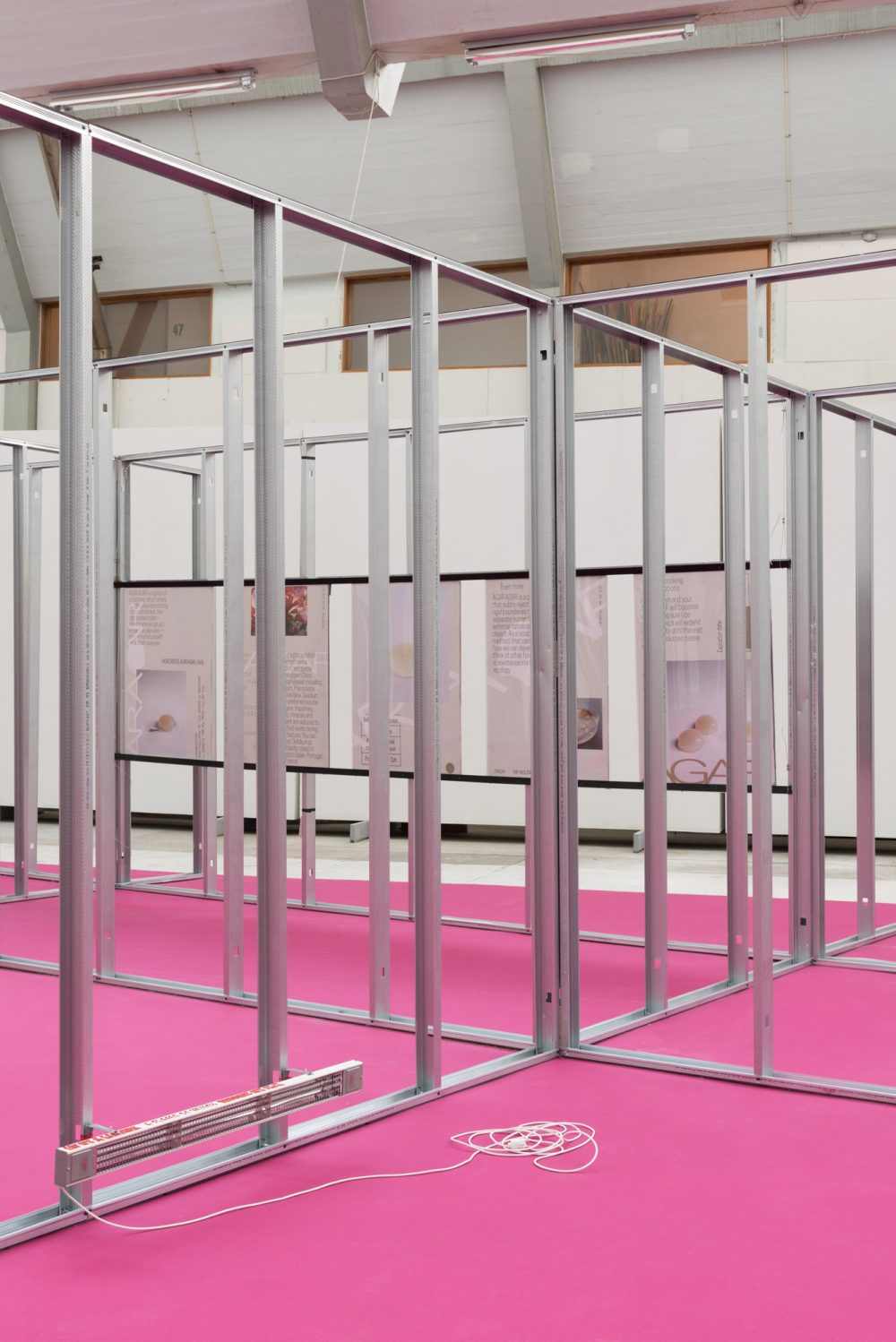
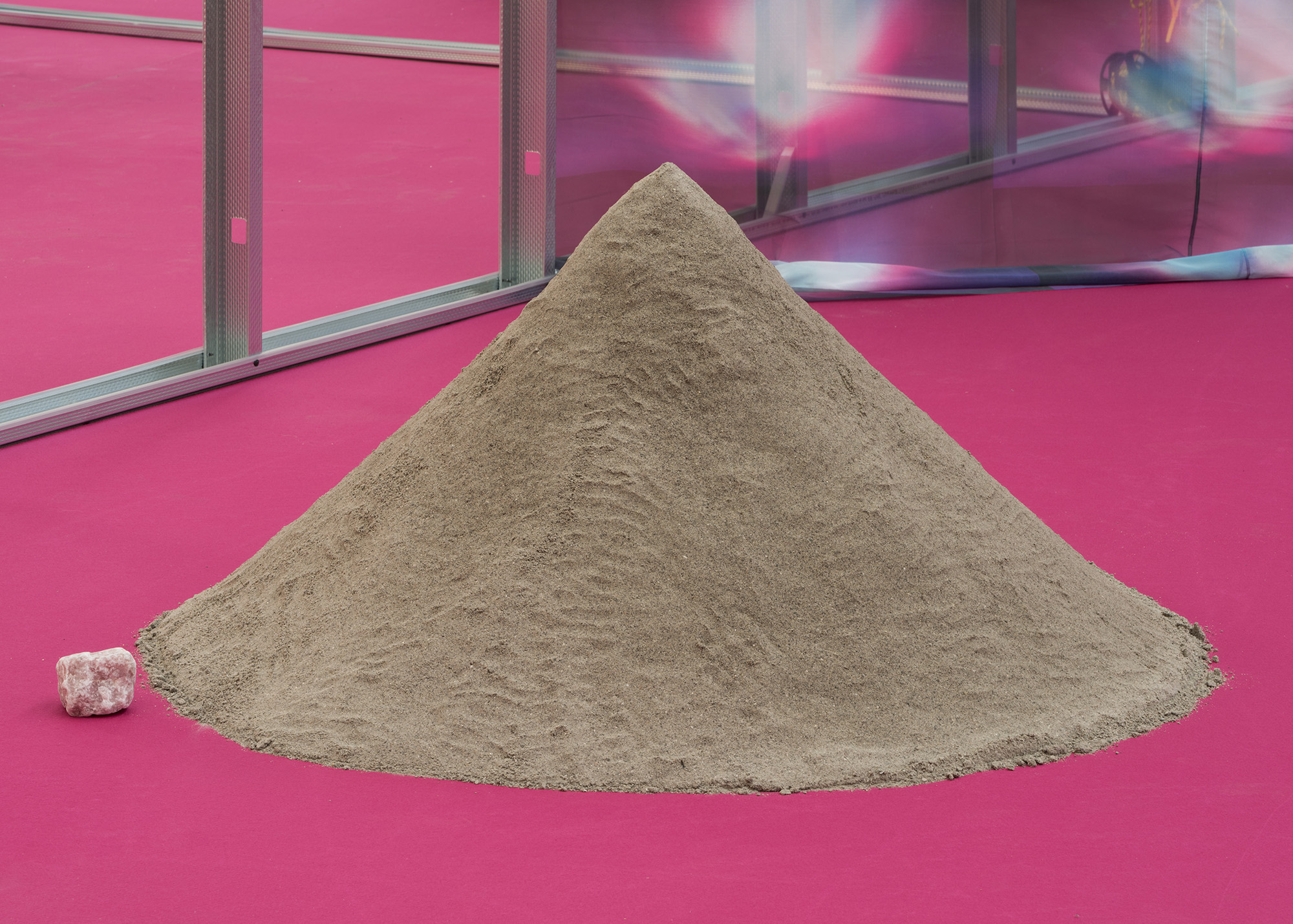
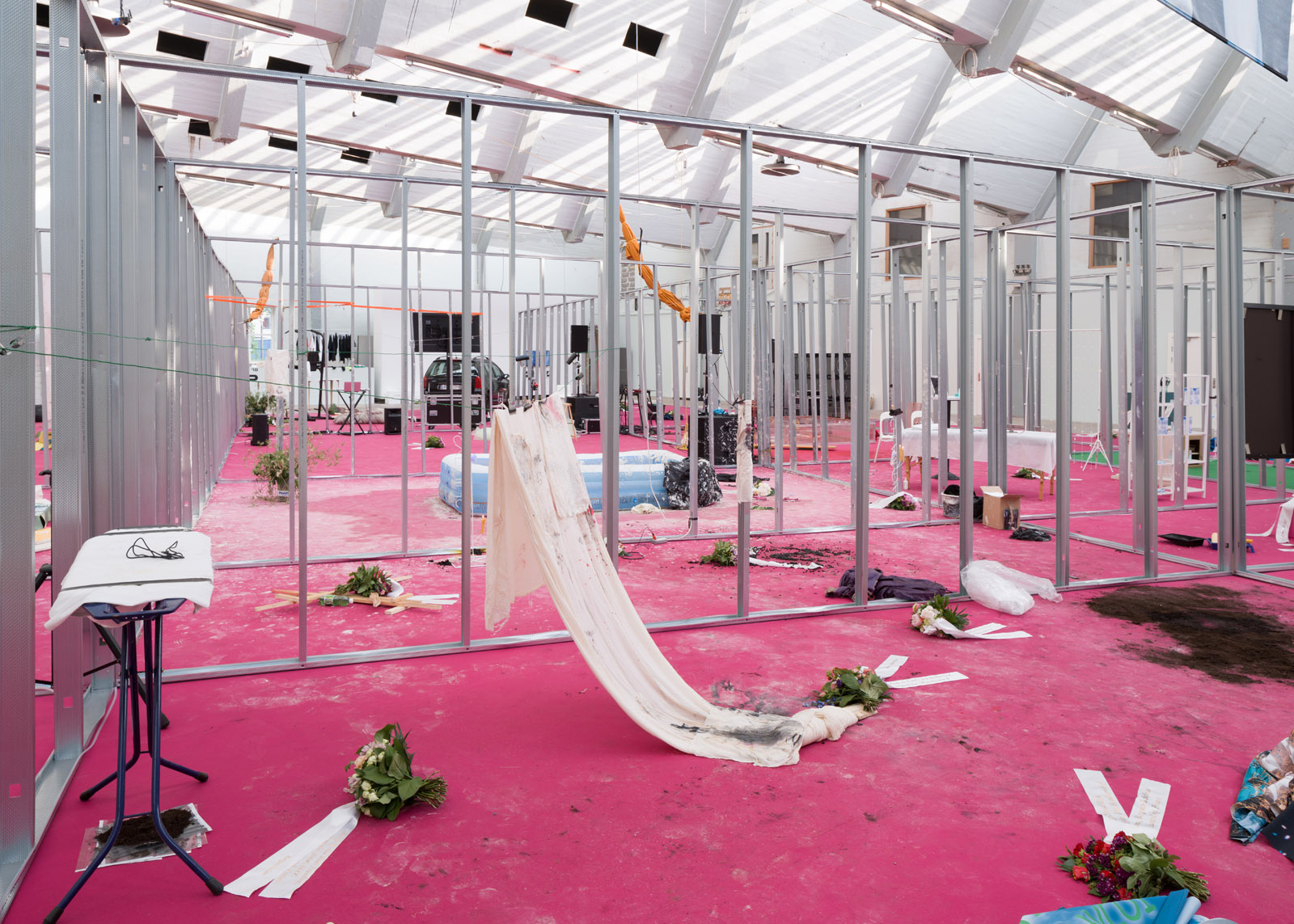
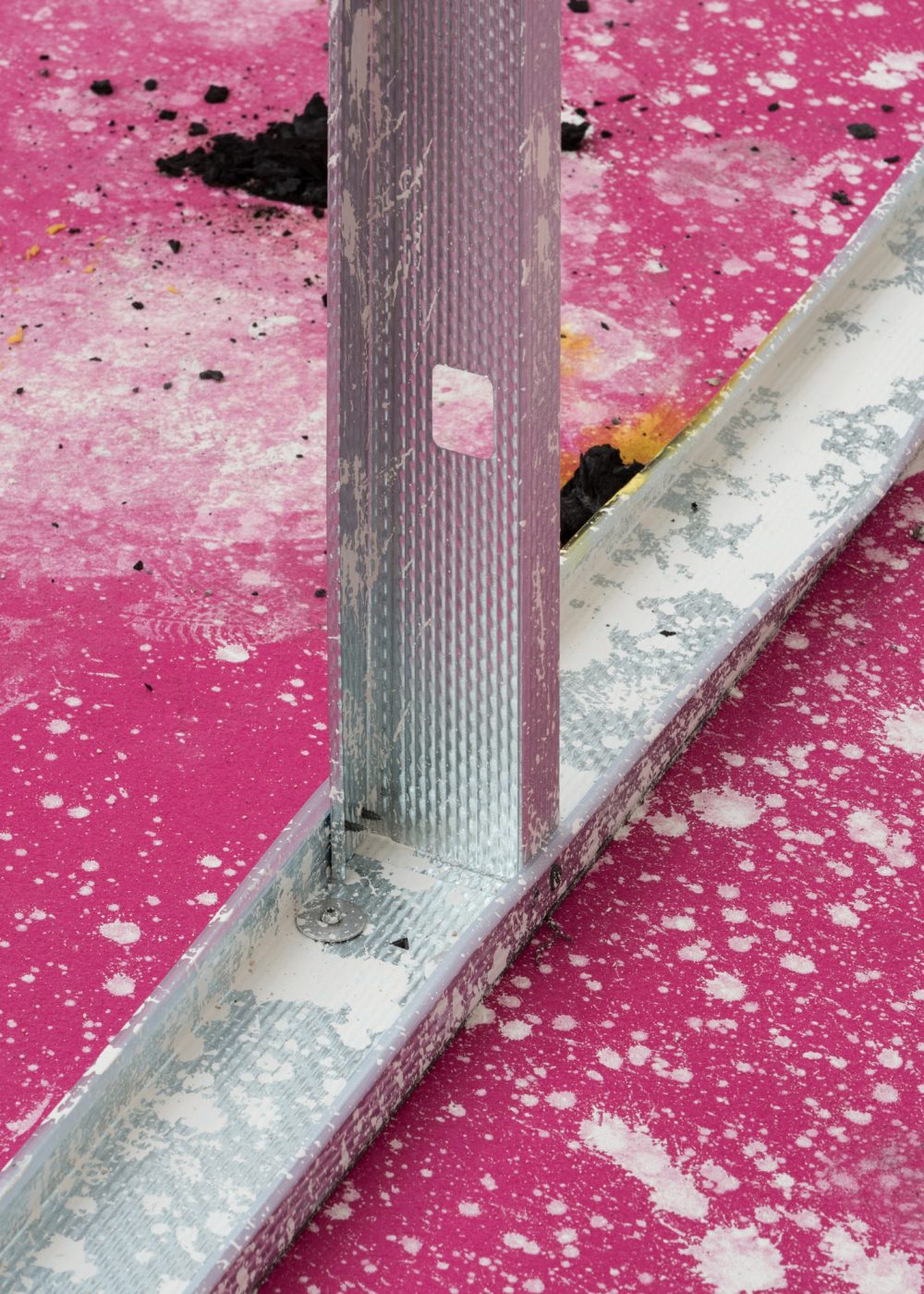
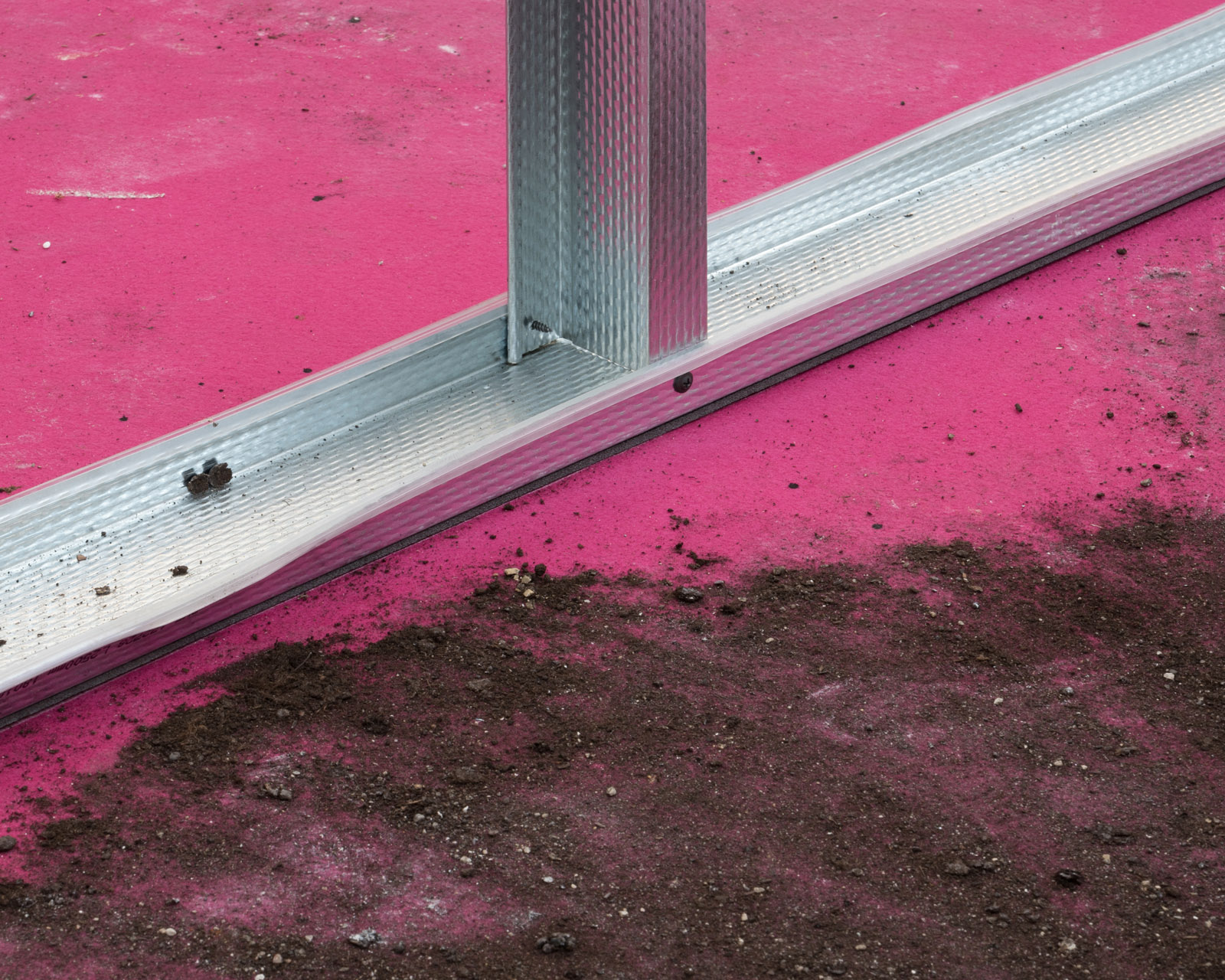
In close collaboration with curators Anna Weile Kjær and Esben Weile Kjær, we designed the space to mimic the quintessential art fair with a wall-to-wall carpet and a structure of temporary booths – only the walls themselves were missing, leaving just the drywall structure behind.

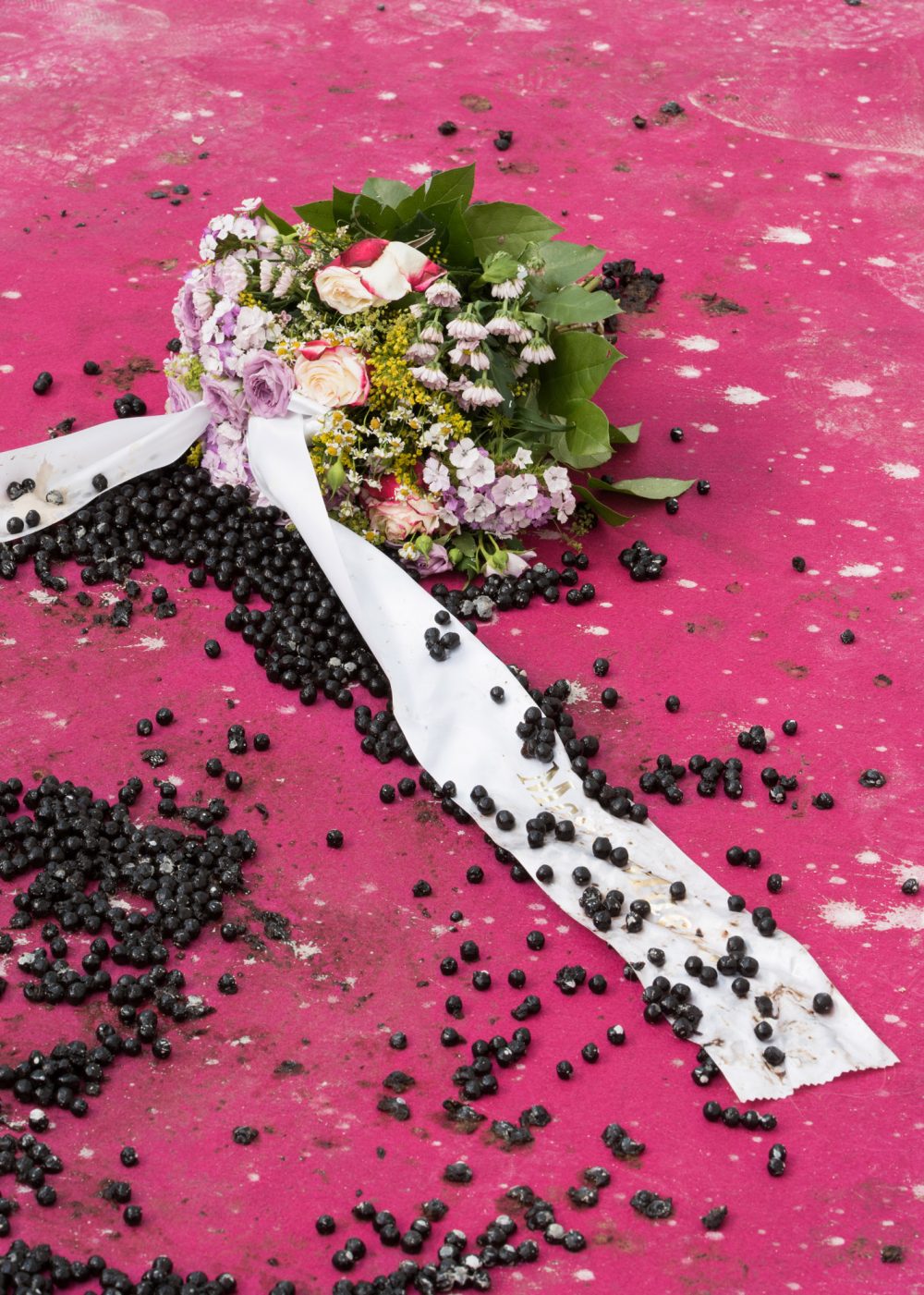
The exhibition was documented before and after the fact, the first set of images showing the clean structure and the props from the performances, while the second set looks like the day after a very big party.

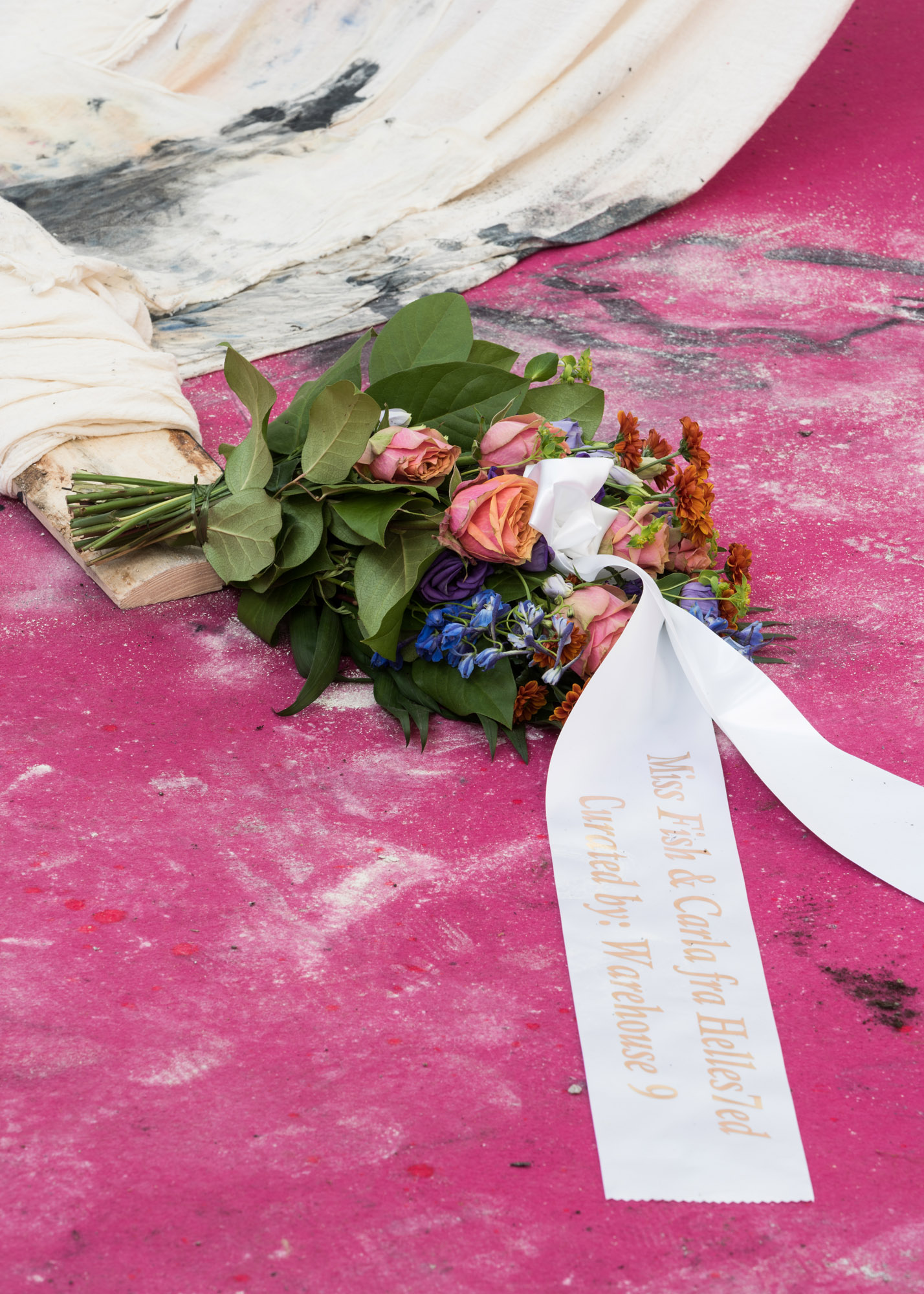
Instead of signs or title cards a funeral-style bouquet of flowers was left at the site of each of the performances, the silk ribbon bearing the name of the artist in question.

All photos by David Stjernholm.

Renovation as well as design and art curation for the official residence of the Danish Prime Minister, Marienborg. The 18th century manor house was thoroughly renovated with a focus on bringing back traditional details as well as creating new ones.

For each room throughout the house, a mix of historical pieces of furniture along with newly commisioned pieces by a range of Danish designers and artists were added.

The project was done by Mathias Mentze in collaboration with Nikolaj Lorentz Mentze.

Photos by Simon Knuds

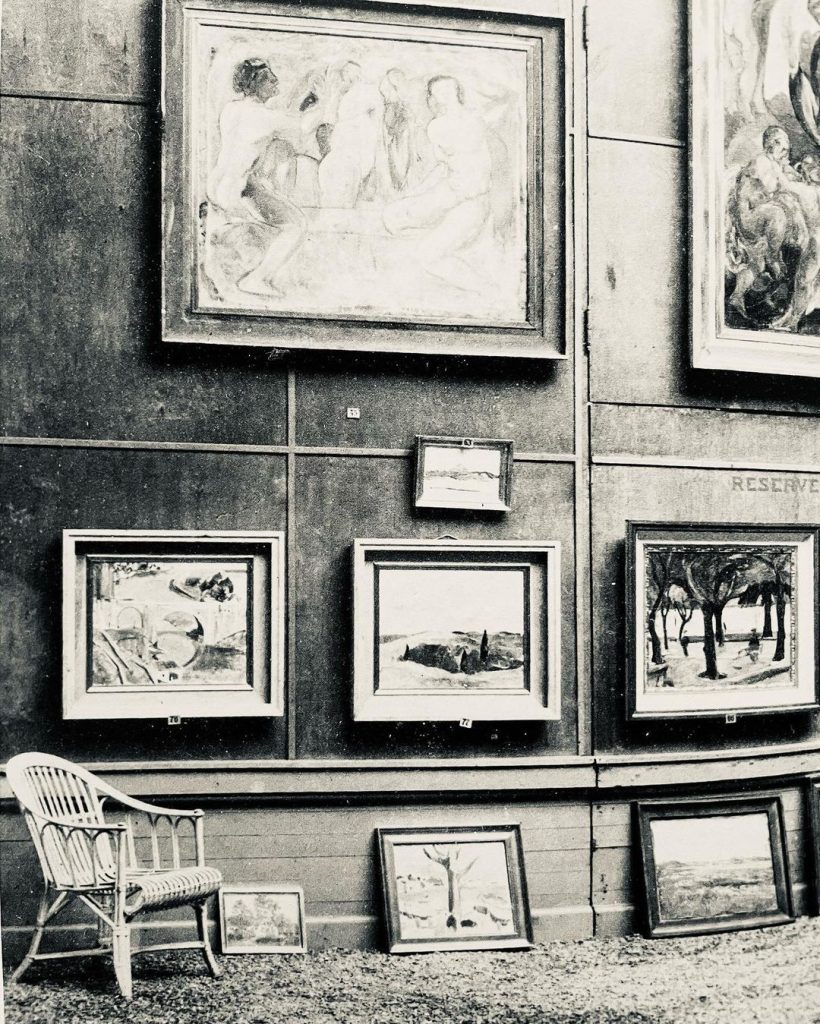
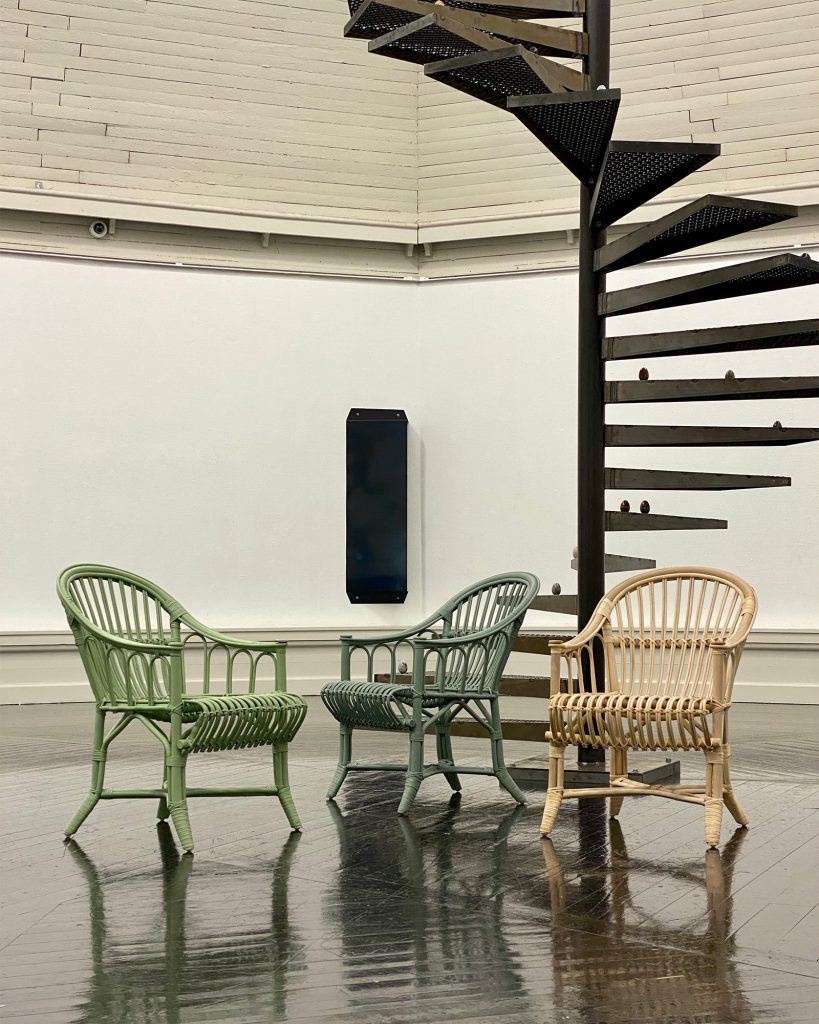
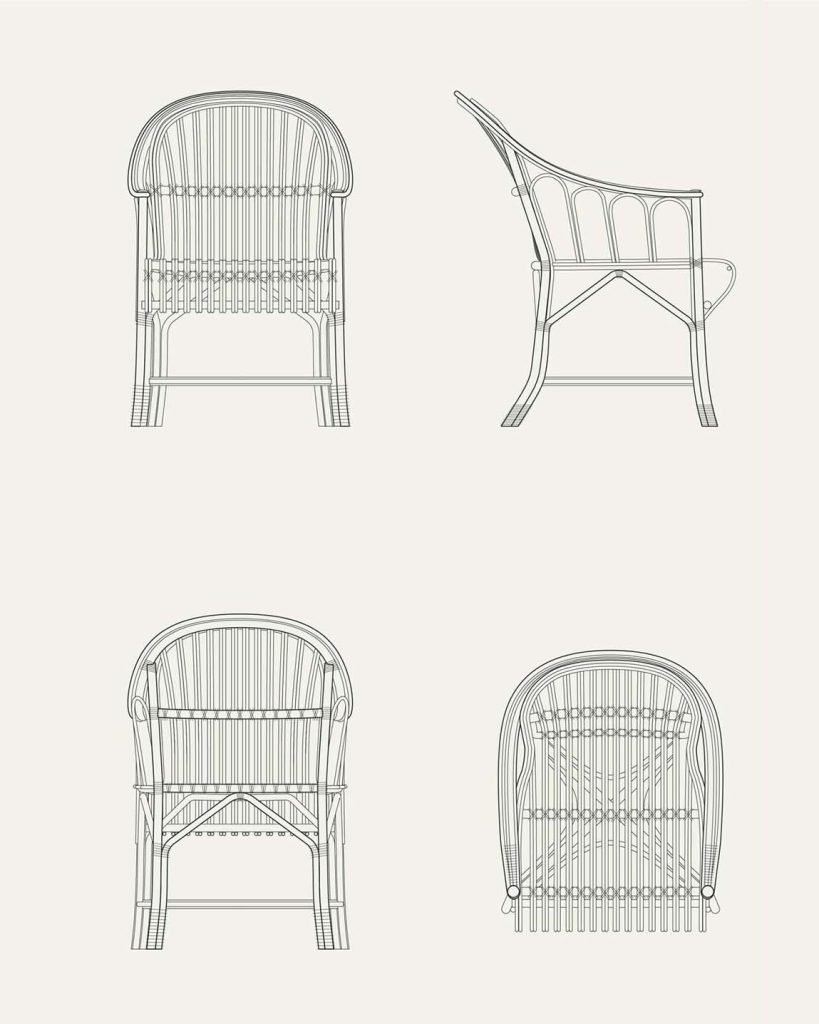
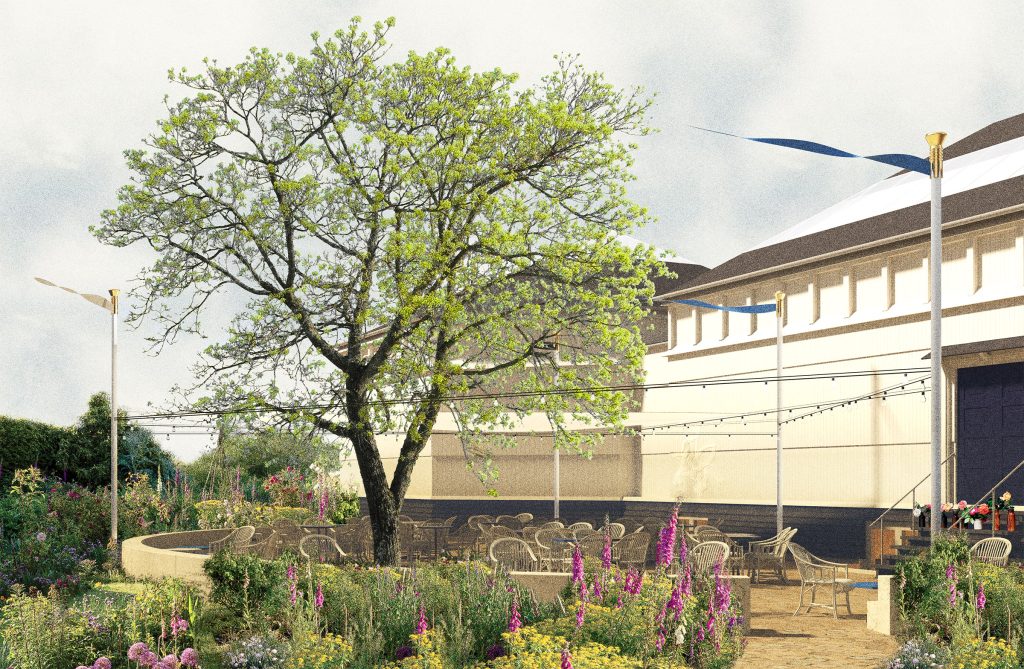
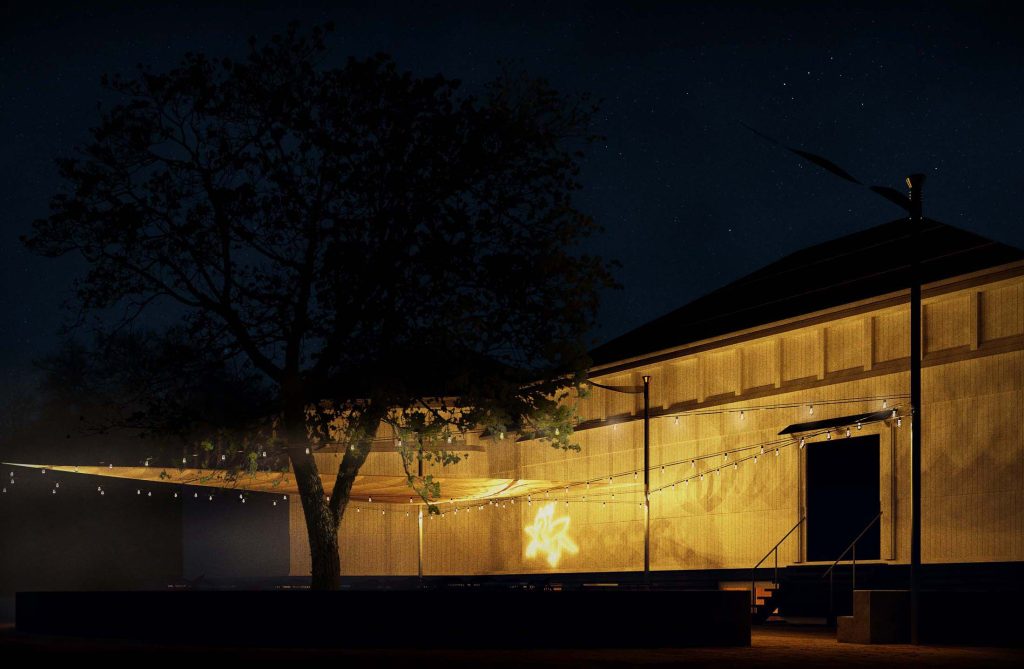
New café and outdoor seating area for the art institution Den Frie in Copenhagen. Among the interventions is the reproduction of an 1890s rattan chair designed for the museum back then.

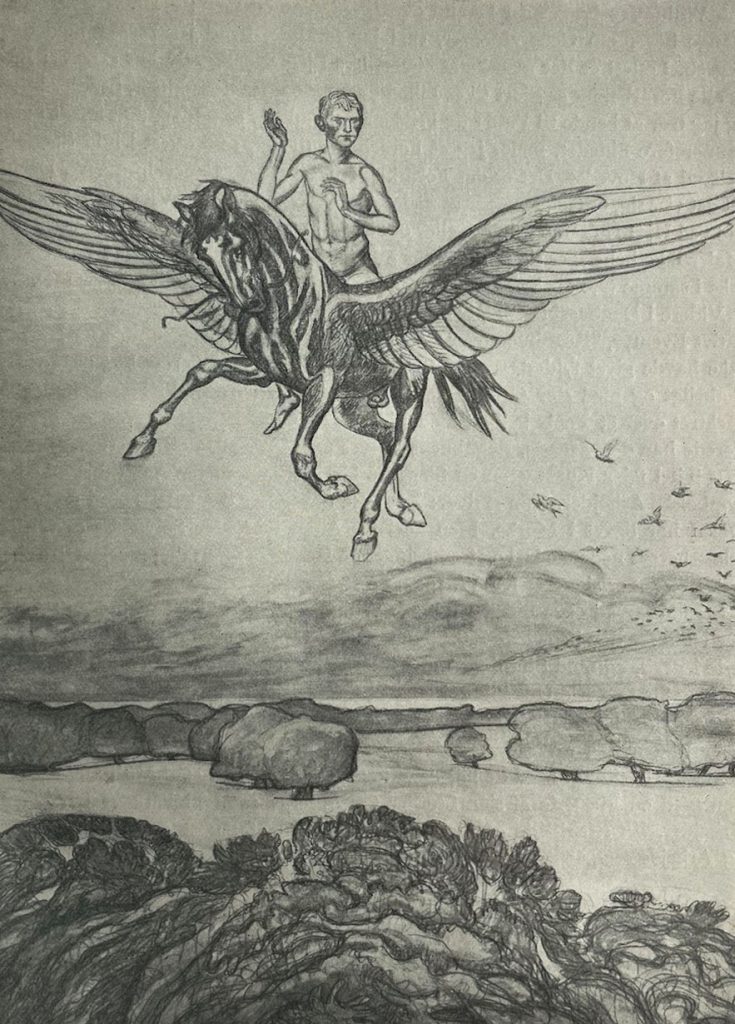
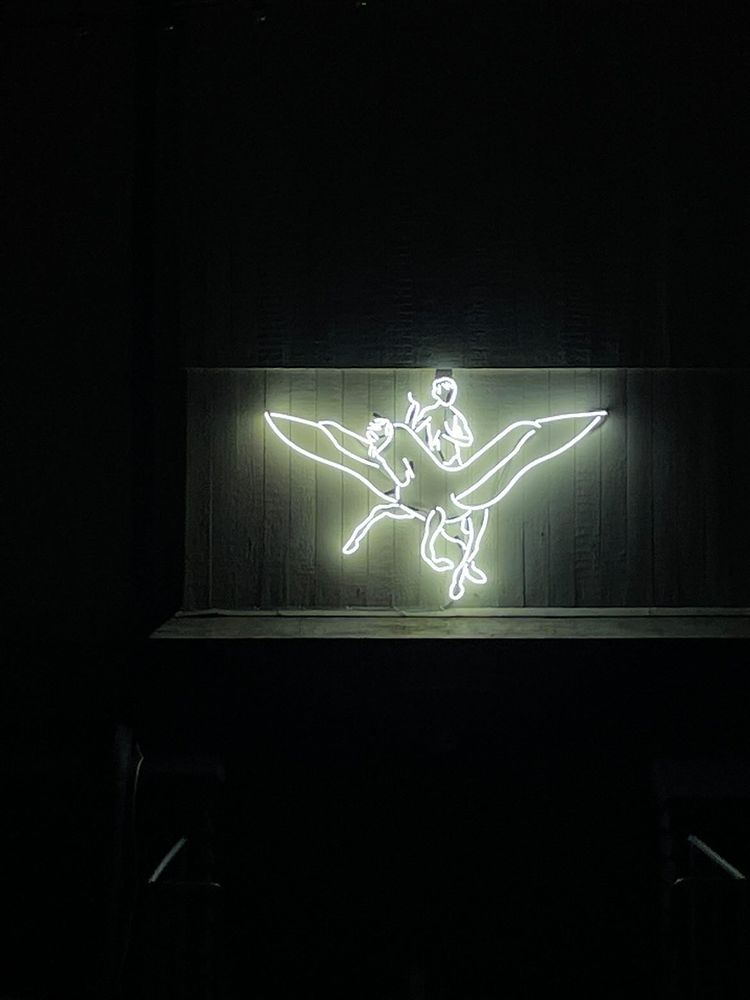
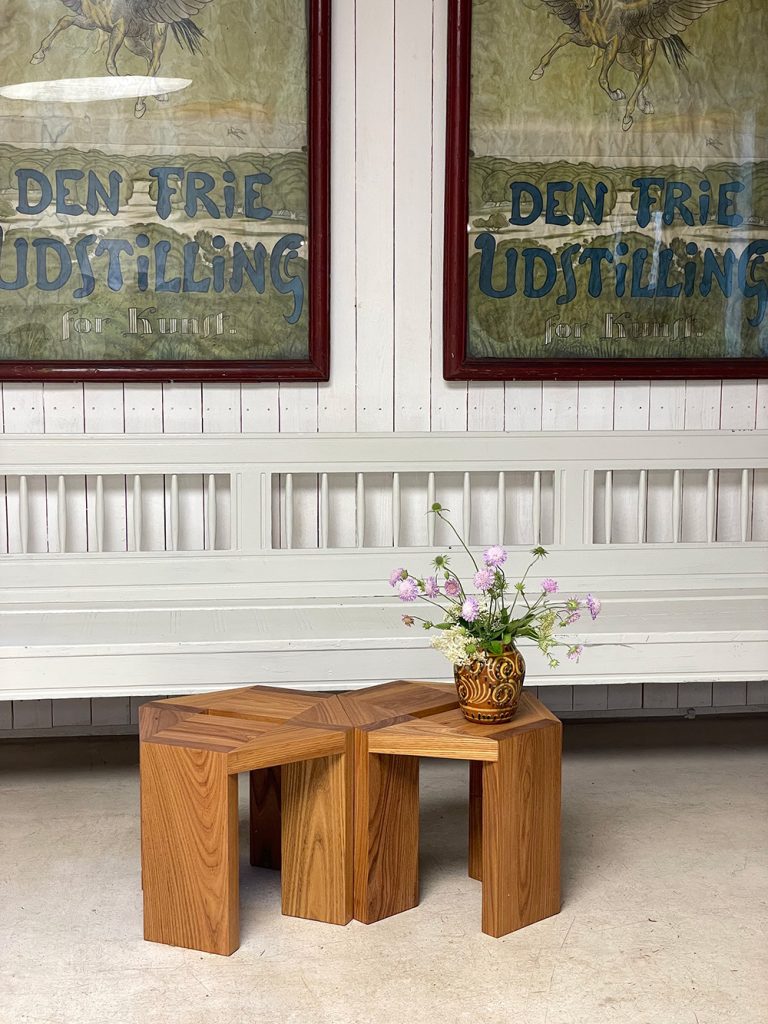
We also designed octogonal side tables inspired by the shape of the sculpture room at the museum, as well as Pegasus neon signage inspired by one of the first posters for the museum, painted by J. F. Willumsen in 1891.